
Reviewed · SAKE TASTING
Kyoto: Insider Sake Brewery Tour with Sake and Food Pairing
Kyoto’s Fushimi district is the right place to learn sake, and this three-hour tour does more than pour you a few samples. You’ll see how rice, polishing, brewing methods, and serving temperature shape Nihonshu, then test those ideas with 10 or more sake styles. I especially like the practical bottle-reading lesson and the side-by-side tasting with food, which turns vague flavor talk into something you can use at dinner.
I also like the friendly teaching style. Guides such as Kyoko, Miyuki, Momo, and Chika explain things clearly, keep the session social, and make room for questions. The main drawback is that the first half involves about 90 minutes of walking and standing, so this is not the best choice if you need a seated activity or have limited mobility.
Key points at a glance

- Fushimi setting: Begin at the Gekkeikan Okura Sake Museum in one of Japan’s best-known sake-producing districts.
- Useful tasting lesson: Compare dry, crisp, fruity, and full-bodied styles instead of sampling without context.
- Food changes the flavor: Taste sake with traditional otsumami and see how pairing affects aroma and balance.
- Practical Japanese skills: Learn how to read sake labels, understand basic grades, and order with more confidence.
- Three hours well spent: The tour gives you a museum visit, a guided tasting, a food pairing, and a takeaway cheat sheet.
- Important limitation: Alcohol is not served to anyone arriving by car or bicycle, and visitors under 20 receive non-alcoholic drinks only.
Why Fushimi is the right place to learn sake
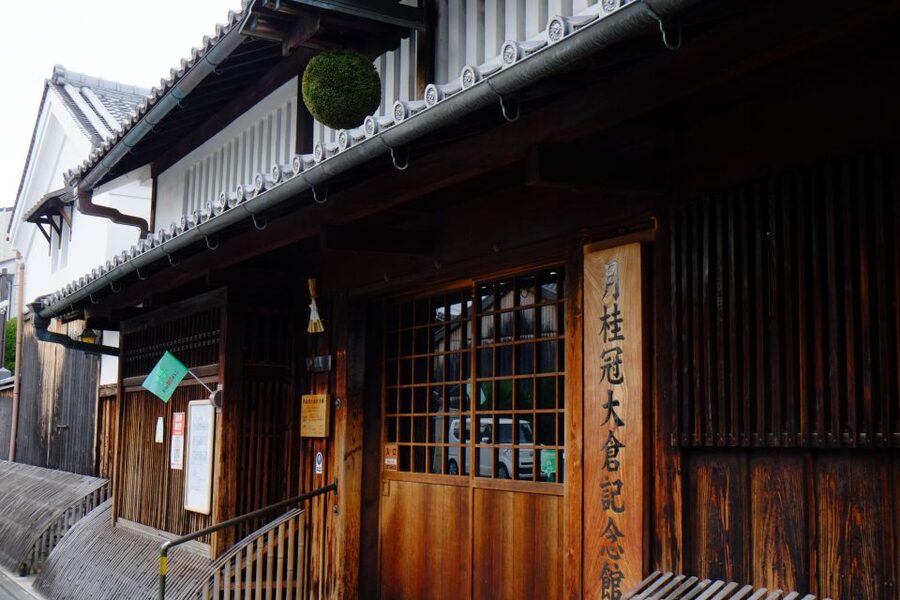
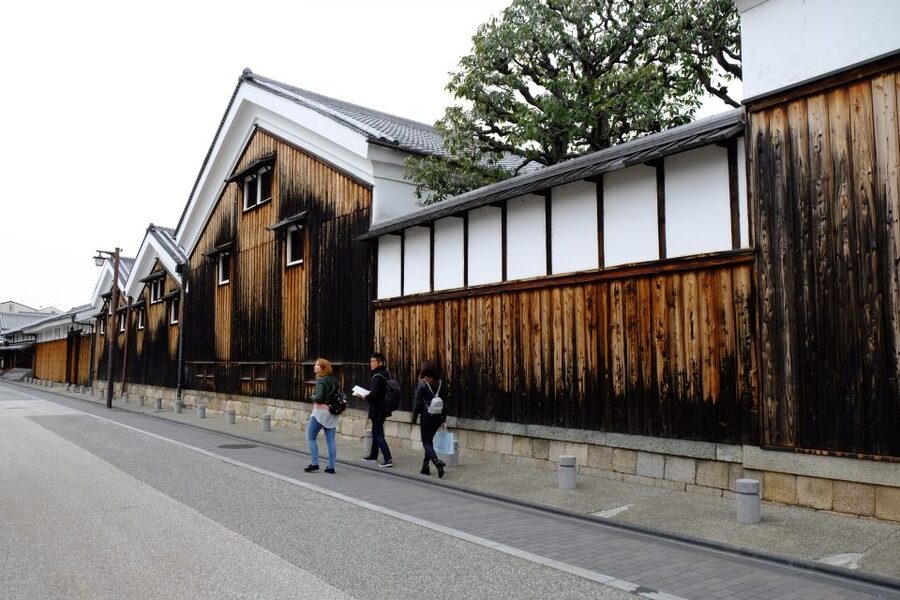
Fushimi gives this experience a useful sense of place. It is not a generic bar tasting set in the middle of central Kyoto. You meet inside the Gekkeikan Okura Sake Museum, at 697 Motozaimokuchō in Fushimi Ward, then begin with the story of a real brewing district.
The setting matters because sake is closely tied to water, rice, season, craft, and local food. The museum visit helps connect the drink in your glass with the work behind it. You’ll see the basic brewing process and learn about the history of the Gekkeikan family and its brewery.
The museum portion takes about an hour, according to the experience’s usual rhythm. You will walk and stand during much of the first half, so wear comfortable shoes and plan around that. If the Gekkeikan Okura Sake Museum is unexpectedly closed, the visit may move to another historic brewery in Fushimi.
Do not expect a large production-floor visit with every stage of brewing taking place around you. This is an educational museum tour followed by a structured tasting. That format is a plus if you want clear explanations rather than a long, technical brewery inspection.
More Drinking Tours in Kyoto
- Kyoto Night Foodie Tour in Gion (9+ dishes + 6 Sake tastings)
★ 5.0 · 1,762 reviews - 3-Hour Kyoto Insider Sake Brewery Tour with Tastings & Pairings
★ 5.0 · 917 reviews - Arashiyama Bamboo, Temple, Monkeys, or Secret Sake Brewery
★ 4.8 · 886 reviews
What you learn about brewing and sake flavor
The guide explains how sake is made and, more importantly, which parts of the process affect what you taste. Rice polishing receives special attention. The amount of rice polished away can affect the style and texture of the final drink, and the tasting gives you a chance to notice those differences.
You’ll also hear about sake grades, rice, and the basic language used to describe Nihonshu. The point is not to memorize a textbook. It is to give you enough background to look at a bottle or menu and make a reasonable choice.
That is where guides such as Miyuki, Kyoko, and Momo have received especially strong praise. Their approach is described as clear, lively, and patient. The best part of the teaching is its direct connection to the tasting. You learn an idea, then get a sip that helps make the idea real.
Sake can seem confusing because labels often contain terms that are unfamiliar to visitors. This tour gives you a small sake cheat sheet and tasting note to take away. You can use it later when facing a long menu in Kyoto, Tokyo, or elsewhere in Japan.
You will not leave knowing every technical detail about every bottle. You should leave with something more useful for a short trip: a sense of what styles suit your taste and a few words that help you ask for them.
The tasting compares styles instead of guessing

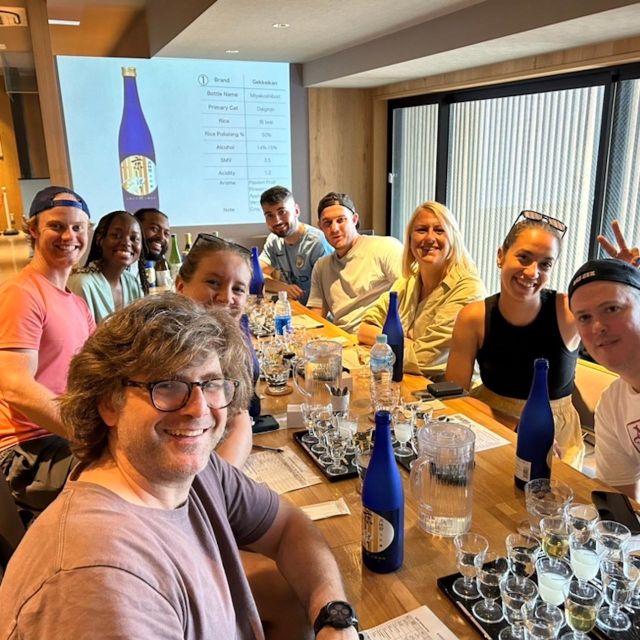
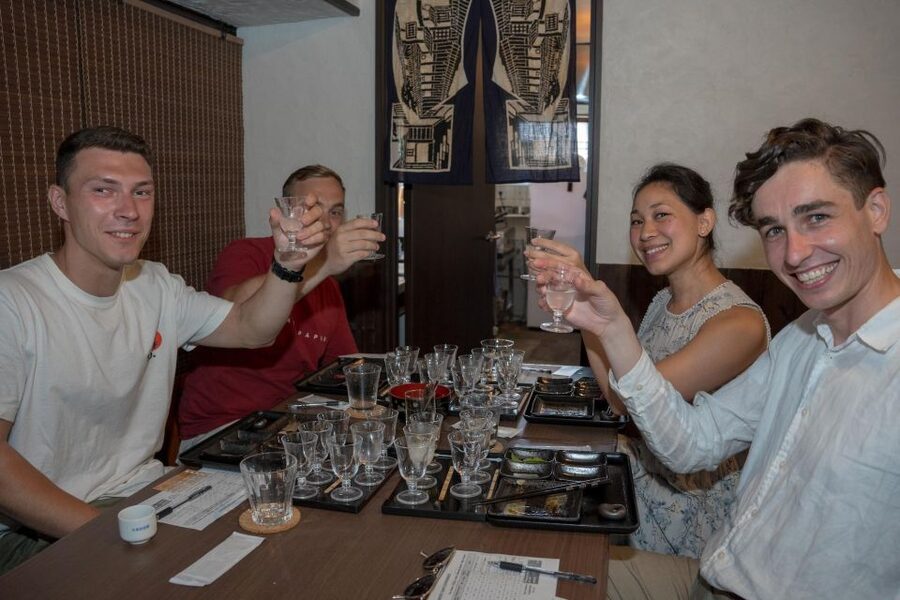
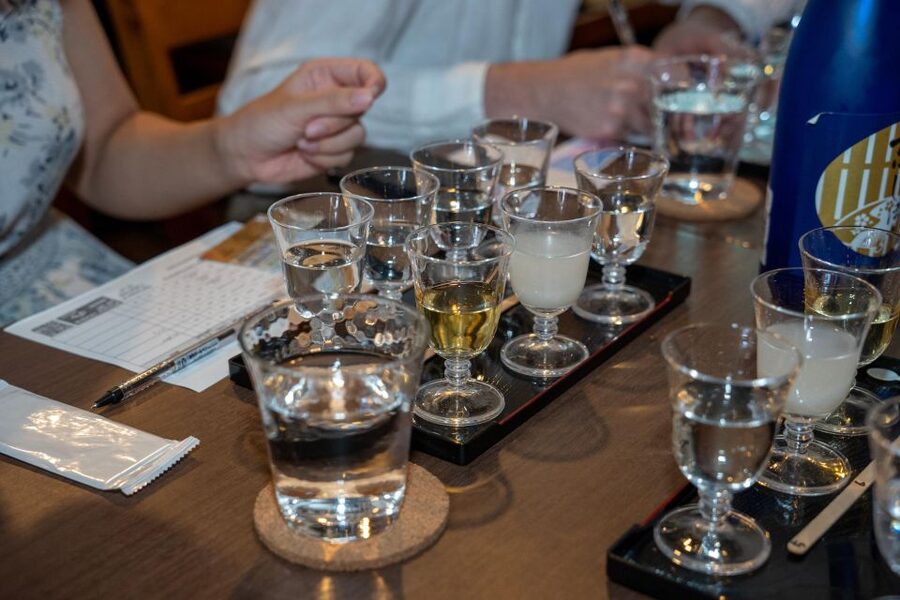
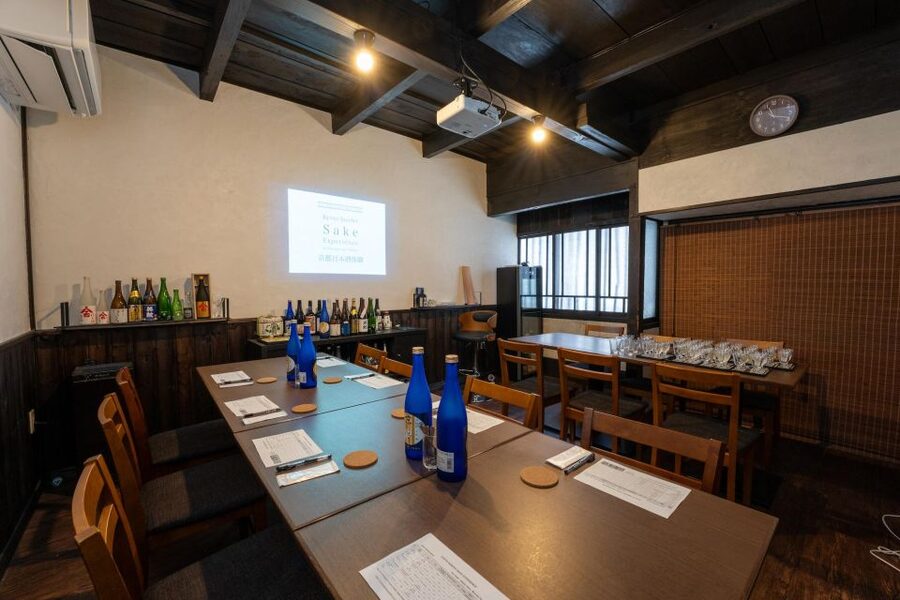
After the museum, you move to a dedicated tasting room for the main event. The session includes at least 10 types of sake selected by a certified sake sommelier. That is a generous amount for a three-hour experience, so this is not a quick sample followed by a sales pitch.
The tasting is designed for comparison. You may move from dry and crisp sake to fruitier or fuller styles, learning how each one differs. The guide explains what creates those differences and asks you to pay attention to your own response.
That last point is important. Many first-time drinkers worry that they are supposed to like the most expensive, most polished, or most famous sake. Here, the goal is to identify what you enjoy. You might prefer a clean, dry drink, a soft and fruity one, or a fuller style with more weight.
The format also works well if you already drink sake. You can compare familiar styles, ask more detailed questions, and test how temperature or food changes your impression. Several experienced drinkers have found the range of samples worthwhile, while people with little sake experience have been able to find a starting point.
The pace appears carefully balanced. One visitor described roughly a third of the time as brewing and the rest as tasting. That gives you enough background without allowing the museum portion to crowd out the drink itself.
Food pairing makes the lesson stick
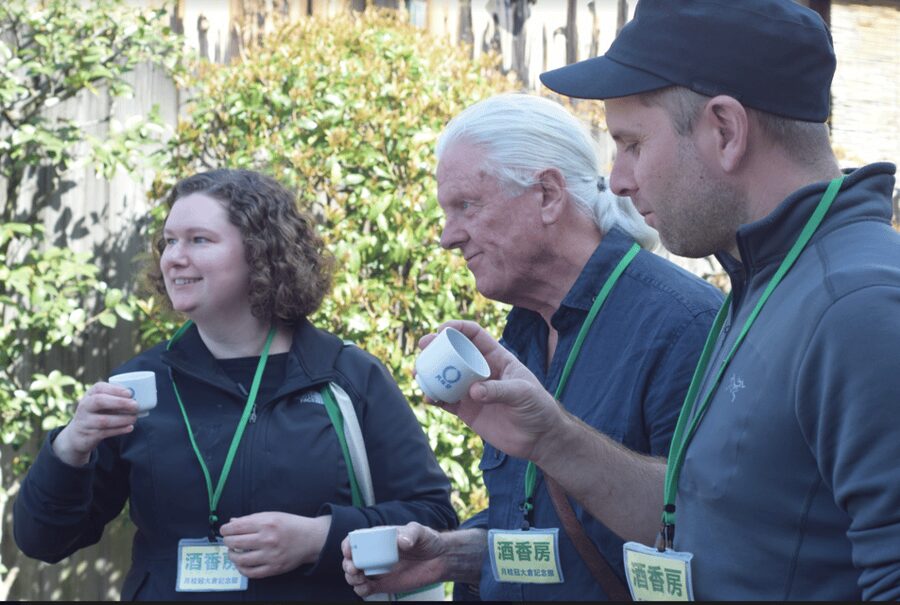
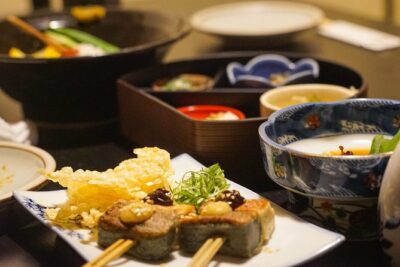
The otsumami pairing is one of the strongest parts of the experience. Otsumami means small foods served with drinks, and the snacks here are used as teaching tools rather than as a full meal.
You first taste the sake on its own, then taste it again with food. That comparison can change how you notice sweetness, acidity, aroma, and texture. A sake that seems sharp by itself may feel rounder with a savory bite. Another may show more fruit or fragrance beside a different snack.
The guides explain why particular foods work with particular styles. This is more useful than simply being told that two things pair well. You learn to think about balance, intensity, and how food can soften or bring forward certain qualities.
The experience also covers sake and sushi, along with broader advice about Japanese dining. You’ll hear when sake is best served hot or cold and which types can work well with different foods.
The snacks are not meant to replace lunch or dinner. Eat something beforehand, especially because the tasting includes many pours. One useful tip is to leave your schedule open afterward. The tasting is not a rushed stop, and you may prefer time to sit, enjoy the final samples, and decide what you like.
Vegetarian and vegan options are available. Tell the guide at the site about food preferences or allergies.
More Sake Tastings in Kyoto
- Kyoto Sake Brewery & Tasting Walking Tour
★ 5.0 · 623 reviews - 1.5-Hour Kyoto Insider Sake Experience with 7 Tastings & Pairings
★ 5.0 · 297 reviews - Kyoto: Insider Sake Experience with 7 Tastings and Snacks
★ 5.0 · 266 reviews - Advanced Kyoto Insider Sake Tasting Experience
★ 5.0 · 44 reviews
Learning to read a sake menu in Japan
For many people, the most valuable part happens after the last sample. You learn how to approach a sake list without relying on the cheapest familiar-looking bottle or pointing at something at random.
The guide shows you how to read Japanese writing on sake bottles and explains basic terms connected with style and production. You also get a compact cheat sheet, described as small enough to carry with you. That is a practical souvenir, not just a piece of tour paperwork.
You will still need to make your own choices at restaurants. Menus vary, and one producer’s dry sake will not taste exactly like another producer’s dry sake. But you’ll have a better starting point. You can tell a server what general style you prefer and understand more of the answer.
This lesson is especially useful if you plan to eat at traditional restaurants, visit sake shops, or buy bottles to take home. One person bought two bottles after the tour, while another arrived with little sake experience and left with a clear favorite. That is the kind of result this experience aims for.
The guides make a real difference
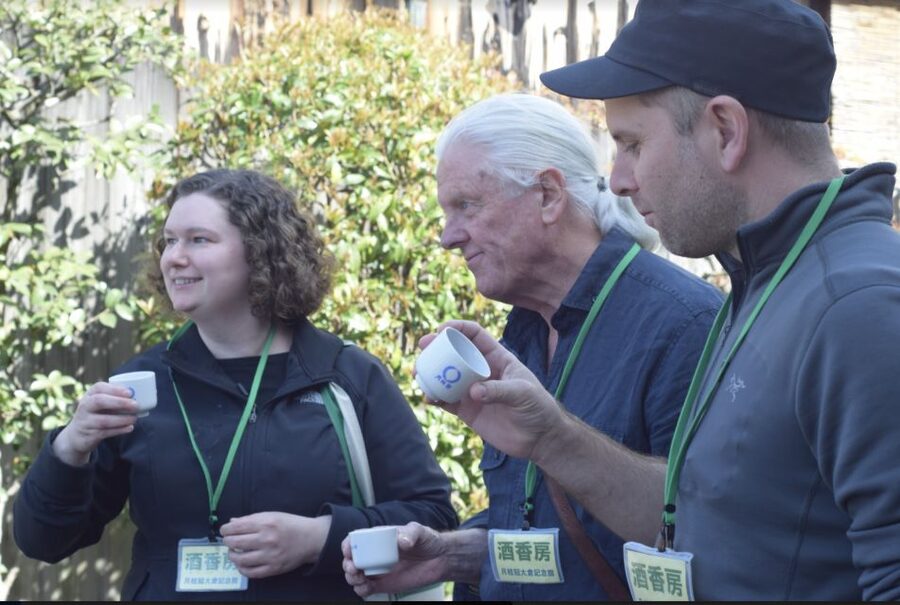
The tour is offered in English, and the individual guide can vary. Names associated with the experience include Kyoko, Miyuki, Momo, Chika, Mayo, Shogo, Sayaka, Mai, Greg, and others.
The common thread is an enthusiastic teaching style. Kyoko is often described as funny, warm, and patient. Miyuki is praised for explaining food pairings and the brewing process in a way that is easy to follow. Momo is noted for answering questions and helping people understand what to buy.
That personal element matters in a tasting. A stiff lecture would make three hours feel long. A guide who can explain a technical subject in simple language makes the time pass quickly and helps you stay engaged.
The group setting can add to the fun. You may be tasting with people who have very different levels of sake experience. That can create useful conversation, though it also means the exact group energy will vary from one departure to another.
Is $87 good value for three hours?
At $87 per person, this is not the cheapest way to drink sake in Kyoto. You could visit a shop or bar and try a few pours for less money. That comparison, however, leaves out the museum entry, English-speaking expert, 10 or more tastings, food pairings, tasting notes, and structured instruction.
I consider the price fair for someone who wants to learn rather than simply drink. A single sake flight may help you find a bottle you like, but it usually will not explain how polishing, serving temperature, food, and labeling affect the experience.
The value is also stronger if you plan to eat and drink around Japan afterward. The tour helps you avoid ordering blindly for the rest of your trip. You may even save money by recognizing which styles you enjoy before buying a full bottle.
The value is weaker if you already know sake well and only want a casual drink. It is also less suitable if you dislike educational tours or prefer a quiet, seated tasting with very little walking.
Practical details before you book
Meet the guide inside the entrance of the Gekkeikan Okura Sake Museum. Transportation to and from the museum is not included, and there is no hotel pickup or drop-off, so allow enough time to reach Fushimi.
Arrive on time. If you are more than 20 minutes late, the booking is canceled. The tour lasts three hours, but the timing can make the rest of your day feel different because of the alcohol, so I would not schedule a demanding activity immediately afterward.
Do not arrive by car or bicycle if you want to take part in the alcoholic tasting. For safety and legal reasons, alcohol will not be served in those cases, and there is no refund if you cannot participate. Non-alcoholic drinks are available.
Japan’s legal drinking age is 20. Anyone under 20 receives non-alcoholic drinks only. The experience is not recommended for children, and children without a reservation cannot join. It is also not suitable for pregnant women, wheelchair users, people under 19, or people with a low level of fitness. The age wording is worth noting: in practical terms, anyone under 20 should expect a non-alcoholic version.
Avoid chewing gum and strong fragrances. Both can interfere with tasting, especially when the group is comparing delicate aromas.
Free cancellation is available up to seven days in advance. Check the current departure time when booking, since start times vary.
Who should book this sake tour?
I would choose this experience if you like Japanese food, want to understand sake beyond a quick sample, or feel unsure when ordering drinks in Japan. It is particularly useful for first-time sake drinkers because you can compare many styles before deciding what suits you.
It also works for people who already enjoy sake but want a clearer grasp of labels, grades, rice polishing, and pairing. The tasting range and food comparisons give experienced drinkers something to think about.
You should think twice if you need a seated tour, cannot stand for about 90 minutes, or want a full meal instead of small snacks. You should also skip it if you are under 20, pregnant, arriving by car or bicycle, or uncomfortable with a fairly generous amount of alcohol.
Should you book it?
Book it if you want to leave Kyoto with a practical sake vocabulary and a personal favorite, not just a pleasant afternoon of drinks. The strongest parts are the Fushimi setting, the clear brewing lesson, the 10 or more comparisons, and the moment when the same sake changes beside food.
For a first or second visit to Japan, this is a smart way to make later meals better. You’ll understand more of the menu, ask for styles you actually like, and recognize why one bottle feels dry, fruity, warm, or full. If that sounds useful, the $87 price is reasonable. If you only want a short tasting, choose a simpler bar or flight instead.
FAQ
Where does the Kyoto sake tour meet?
Meet the guide inside the entrance of the Gekkeikan Okura Sake Museum at 697 Motozaimokuchō, Fushimi Ward, Kyoto, 612-8043, Japan.
How long does the experience last?
The tour lasts three hours. The first half includes about 1.5 hours of walking and standing, followed by a guided sake tasting in a dedicated tasting room.
How many kinds of sake will I taste?
The tasting includes 10 or more sake types selected by a certified sake sommelier.
Is food included?
Yes. Traditional Japanese otsumami are included for food pairing. Vegetarian and vegan options are available if you tell the guide about your preferences or allergies at the site.
Can people under 20 join?
People under 20 may not receive alcohol. They will be served non-alcoholic drinks only, and the experience is not recommended for children. Every person, including children and non-drinkers, must have a reservation.
What happens if I arrive by car or bicycle?
For safety and legal reasons, alcohol will not be served to anyone who arrives by car or bicycle. Non-alcoholic drinks are available, but there is no refund if you cannot take part in the sake tasting.
More Food & Drink in Kyoto
- Kyoto Nishiki Market Food and Culture Walking Tour
★ 5.0 · 412 reviews - Kyoto: Gion Food Tour 13 Dishes at 4 Eateries
★ 5.0 · 408 reviews - Kyoto: Gion & Pontocho Food Tour with 13 Dishes
★ 4.9 · 235 reviews - Kyoto: Gion Local Food Tour (Taste 15 Dishes)
★ 5.0 · 171 reviews
More Sake Breweries in Kyoto
- Kyoto: Fushimi Sake Brewery Tour – 18 Tastings in 2.5 Hours
★ 4.7 · 36 reviews - KYOTO Sake Tasting Tour at Local Breweries(tasting fee included)
★ 5.0 · 16 reviews - Japanese Sake Breweries Tour in Kyoto Fushimi
★ 4.3 · 13 reviews - Kyoto Sake Brewery Tour with Lunch
★ 4.5 · 12 reviews
Just added around Kyoto
- Sekka Cotton Furoshiki Class★ 5.0 · 19 reviews
- Kyoto Sword Experience – includes Museum Ticket/Ninja Experience★ 4.5 · 149 reviews
- Scenic Green Tea Fields of Hidden Kyoto & Local Tea Exp (Private)★ 5.0 · 32 reviews
- Secret Eastern Kyoto Biking Adventure★ 5.0 · 44 reviews
- Private Sake Tasting in Central Kyoto with Sake Sommelier★ 5.0 · 32 reviews
- Samurai School in Kyoto: Samurai for a Day★ 5.0 · 202 reviews
- Samurai Performance and Casual Experience: Kyoto Ticket★ 4.5 · 115 reviews
- SHIRAKAWA Japanese Culture Experiences with private English staff★ 5.0 · 16 reviews
Sake Tasting, compared.
Kyoto Night Foodie Tour in Gion (9+ dishes + 6 Sake tastings)
Our verdict →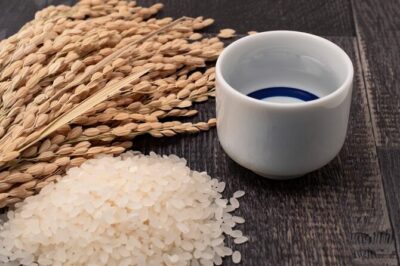
1-Day Snow Monkeys, Zenko-ji Temple & Sake in Nagano
Our verdict →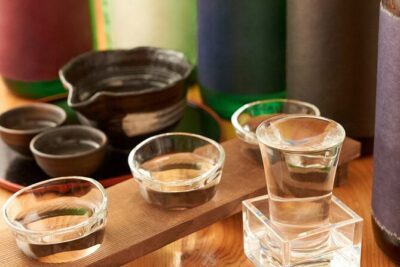
Ramen and Sushi Cooking Class with Sake Pairing Set in Tokyo
Our verdict →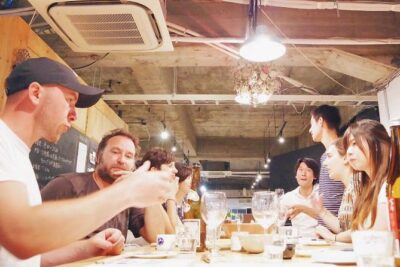
Sake Tasting Masterclass in Shinjuku (8+ Varieties with a Pro)
Our verdict →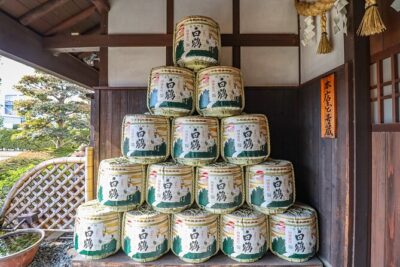
Sake Brewery and Japanese Life Experience Tour in Kobe
Our verdict →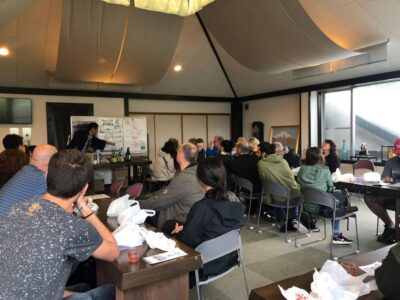
Browse the lists this tour appears in