
Reviewed · FISH MARKET TOURS
Tokyo: Tsukiji walk & sushi private tour with Uni Students
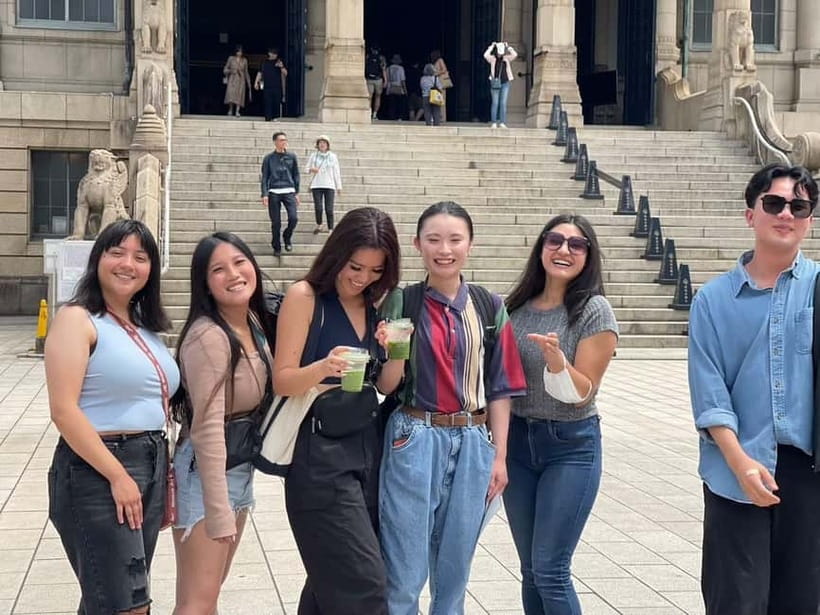
The best part of this private Tsukiji tour is the chance to see the market with a young Tokyo guide rather than simply follow a food checklist. Some guides have family ties to the market, including Nonoka, whose family stall has operated there for three generations. That can lead to friendly introductions, useful shortcuts, and a better sense of what locals actually eat.
I like the easy cultural exchange and the fact that tamagoyaki and sushi are included in the $87 price. I also like the relaxed pace: you have three hours to ask questions, stop at stalls, and talk with your guide. The main consideration is that the university guides are still practicing English, so communication may be less polished than on a professional sightseeing tour.
Key points to know before booking
- Family connections can open doors: Guides such as Nonoka know market stallholders and may help you avoid long food lines.
- The tour begins at Tsukiji Hongwanji Temple: Meet at the main gate, just outside Exit 1 of Tsukiji Station.
- Food is built into the experience: You receive tamagoyaki and a sushi lunch, with other purchases and drinks at your own cost.
- You get a private group: This makes it easier to ask personal questions about Japanese food, school, culture, and daily life.
- Expect raw seafood and plenty of walking: Comfortable shoes and an empty stomach are sensible choices.
- English is conversational, not polished: Your guides are university students studying English, but enthusiasm and local knowledge are central to the experience.
Why a student guide changes the Tsukiji experience
Tsukiji is easy to visit on your own, but it is not always easy to understand. The Outer Market has narrow lanes, many food stalls, specialist shops, and plenty of tempting smells. Without context, you may simply wander, buy something that looks good, and miss the customs behind it.
A university student guide gives the visit a different shape. You can ask what young people in Tokyo eat, how the market has changed, and what foods are worth trying. The private format matters here. You are not trying to squeeze your question into a large group, and your guide can adjust the conversation to your interests.
Past guides have included Teddy, U, Nonoka, Kiko, Yuri, Risa, Kaho, and Yuta. Their English levels vary, but their enthusiasm is clear. You should expect friendly conversation, simple explanations, humor, and occasional pauses while a guide finds the right English phrase.
That language note is important. If you want a polished lecture filled with dates and formal interpretation, this may not be the right tour. If you prefer a personal exchange with someone who is still learning and is happy to share everyday viewpoints, the format has real appeal.
More Sushi Experiences in Tokyo
- Sushi Making Tokyo Roll and Authentic Japanese Sushi Class
★ 5.0 · 3,971 reviews - Tokyo: Roll and Authentic Sushi Making Class in Asakusa
★ 4.9 · 1,957 reviews - Make Sushi and Create Unforgettable Memories in Tokyo
★ 5.0 · 1,413 reviews
Starting at Tsukiji Hongwanji Temple
You meet at the main gate of Tsukiji Hongwanji Temple, a short walk from Exit 1 of Tsukiji Station on the Tokyo Metro Hibiya Line. Your guide will hold a sign with your name, which makes the meeting point fairly simple to find.
The temple visit lasts about 30 minutes. You will learn how to behave respectfully, look around the grounds, and have the chance to worship. This is more than a quick photo stop. It gives you a calm opening before entering the busy market streets.
The temple is historically significant to the Tsukiji area, and its location helps explain why the neighborhood developed as a place tied to food, trade, and city life. Your student guide can also make the visit less formal by explaining customs in everyday terms.
Wear clothing suitable for the weather and remember that this is a walking tour from the first minute. The temple portion is not a long religious lecture, so it works well even if you have limited interest in architecture or worship. You get a useful cultural introduction without spending the whole morning indoors.
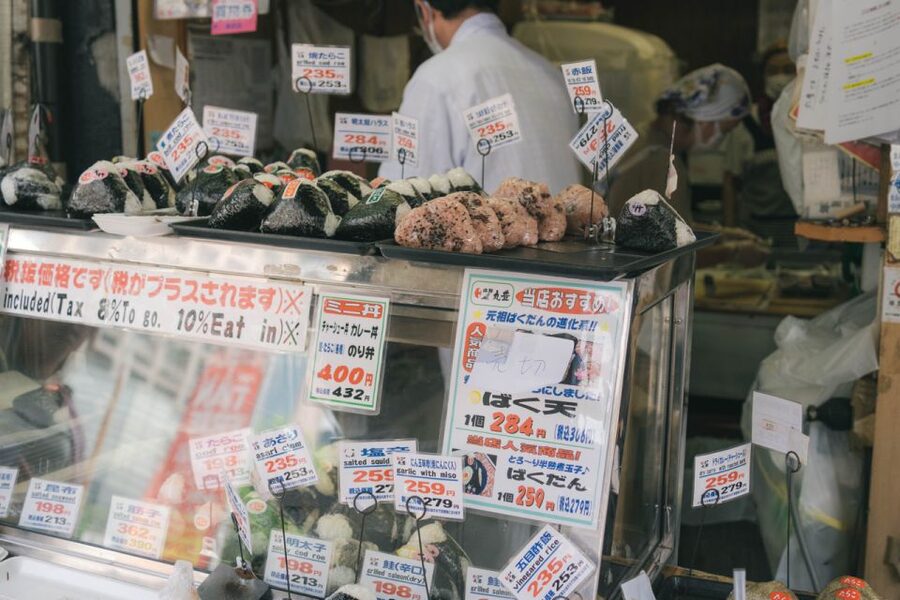
Walking through the Tsukiji Outer Market
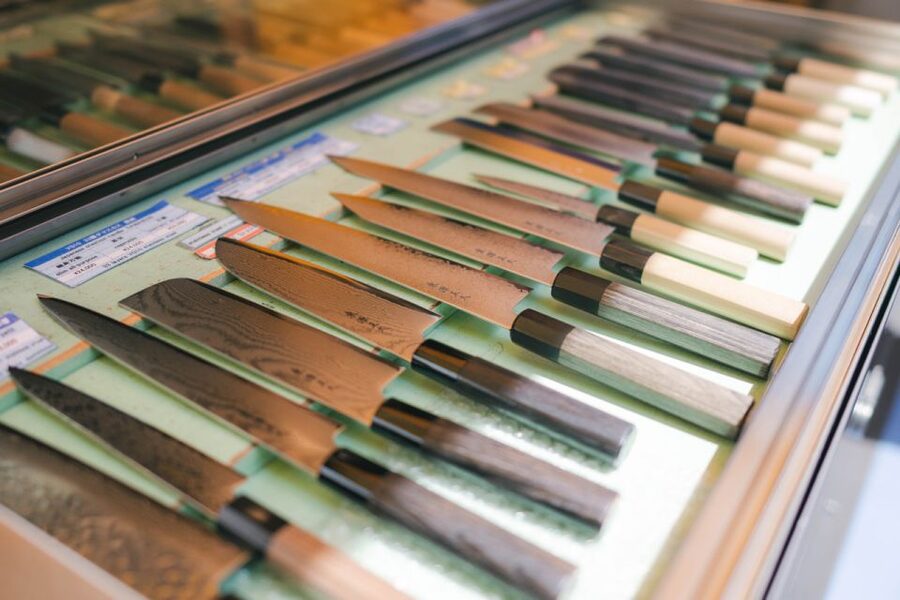
The main part of the tour takes about an hour and a half in the Outer Market. This is where the student guide format earns its keep. You move among food professionals, small shops, and stalls while learning how the market works.
Do not expect the old wholesale fish market experience. The famous inner wholesale market moved to Toyosu, but Tsukiji Outer Market remains a major place to shop and eat. The tour focuses on the surviving market streets and their food culture.
Your guide may point out places connected to their own family or introduce you to stallholders they know. Nonoka’s family has operated a store in the market for three generations, and her local connections helped other visitors see the area in a more personal way. One guide also helped a group skip a long sushi line, while waiting in lines at other shops so the visitors could look around.
That sort of help is valuable in Tsukiji. Food lines can take time, and the narrow streets are easier to handle when someone knows where to go. Still, you should not assume every guide will have the same family background or access to every shop. The experience depends partly on who leads your tour that day.
You may also have room to request extra stops. Food bought beyond the included items is your responsibility, but the guides have been willing to accommodate interest in stalls outside the basic route. This is one reason the private format works better than a fixed group walk.
Namiyoke Inari Jinja and the market’s local character
The itinerary includes Namiyoke Inari Jinja, a shrine closely tied to the Tsukiji district and its food workers. Your guide will take you there during the market walk and explain its place in local custom.
This stop adds useful balance. Tsukiji is not only about eating. Religious sites, working traditions, neighborhood ties, and food businesses all overlap here. The shrine helps you see that the market has a community identity, not just a collection of restaurants.
The stop is guided rather than presented as a long standalone visit. Expect a short explanation and time to look around. As with the temple, follow your guide’s instructions about respectful behavior.
More Walking Tours in Tokyo
- Tokyo Tsukiji Fish Market Food and Culture Walking Tour
★ 5.0 · 3,184 reviews - Tokyo: Imperial Palace and Shogun Historical Walking Tour
★ 5.0 · 2,251 reviews - Tokyo: Shinjuku Local Bar and Izakaya Guided Walking Tour
★ 4.9 · 1,794 reviews - Tokyo: Tsukiji Fish Market Food and Walking tour
★ 5.0 · 1,724 reviews
Tamagoyaki, sushi, and what you actually eat
Food is included, but the tour is not an unlimited tasting crawl. The stated inclusions are tamagoyaki and sushi lunch, while drinks and other food are extra.
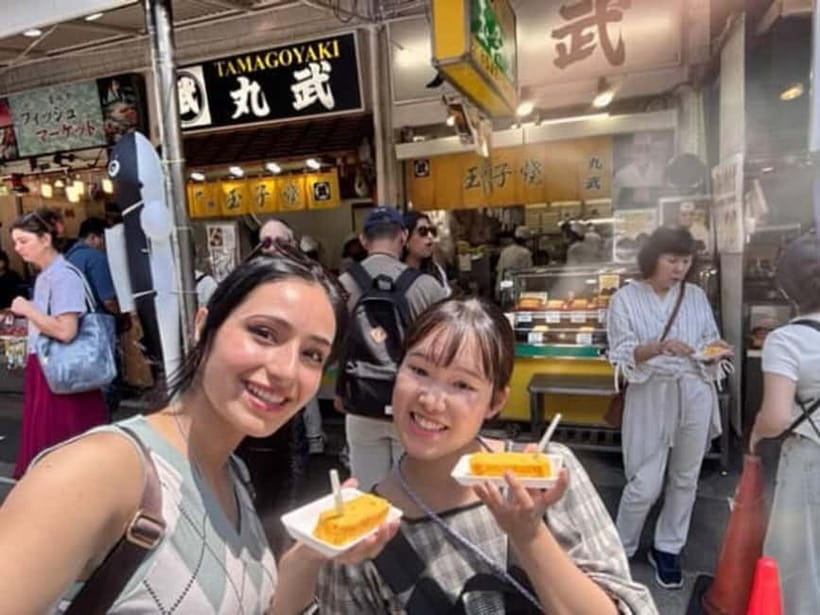
Tamagoyaki is a Japanese rolled omelet with a soft texture and lightly sweet flavor. In Tsukiji, it is a classic market bite, and trying it early makes sense because it is filling without being too heavy. Some visits have included additional treats such as red bean fish cake, dried scallops, sashimi, or drinks, but you should treat those as dependent on the route and guide rather than guaranteed inclusions.
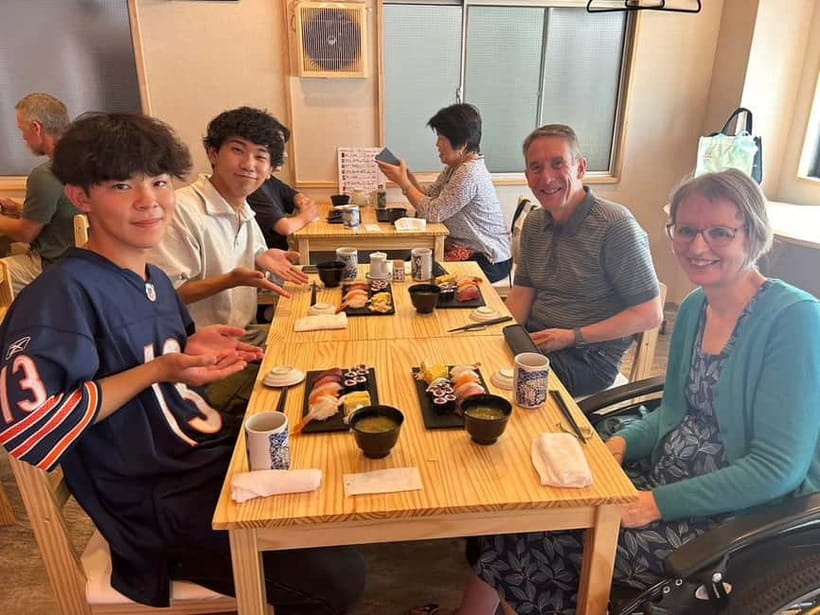
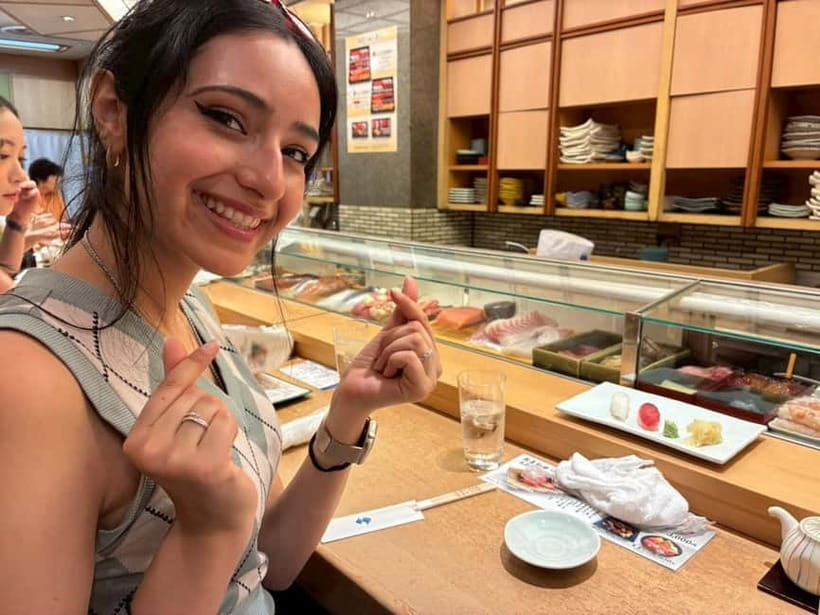
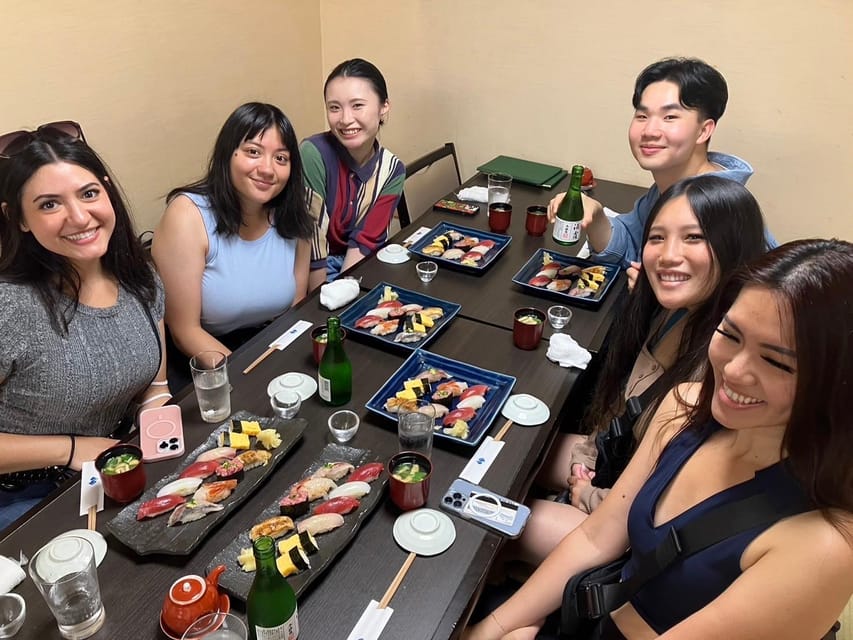
The sushi meal takes place at a local restaurant in the traditional style of a Japanese sushi restaurant. Depending on the day, the seafood may include sashimi or a choice such as chutoro, which is a prized fatty tuna cut. The specific selection can change, so do not book this expecting a fixed menu.
Raw food is part of the experience. If you do not eat seafood, cannot eat raw fish, or have dietary restrictions, check carefully before booking because the included meal centers on sushi. The tour information does not promise substitutions.
Arrive hungry. That sounds obvious, but it matters here. A large breakfast will leave you with less room for the included food and any tempting extras. You may also want to carry water, since drinks are not included and the market walk can be active.
How the three-hour schedule feels
The tour lasts three hours, with roughly 30 minutes at the temple, 90 minutes in the Outer Market, and about an hour for lunch. That is enough time for an introduction to Tsukiji without turning the morning into an exhausting food marathon.
The schedule also gives you a useful rhythm. The temple provides a quiet start. The market brings movement, choices, and conversation. Lunch gives you time to sit down and discuss what you have seen.
Because this is a private group, the pace can be more flexible than a large scheduled walk. You can spend longer at a stall that interests you or ask more questions about Japanese food and society. The tradeoff is that a private tour with student guides may not run with the exact timing of a professional group operation.
The market itself can be crowded, especially around popular food shops. Comfortable shoes are essential, and weather-appropriate clothing will make the three hours much easier. If it rains lightly, the tour continues, although the route may change. Severe weather can affect the status of the tour, with updates sent by email.
What the $87 price includes
At $87 per person, the tour is not the cheapest way to walk through Tsukiji. You can visit the temple and market independently for little money, then choose your own meals. The price is paying for more than admission, since the temple and market do not require a standard tour ticket.
The value comes from the guide, the private setup, and the included food. A local student can help you understand what you are seeing, explain customs, handle the route, and point you toward worthwhile stalls. The included tamagoyaki and sushi also reduce the cost of sampling two important parts of the area’s food culture.
The price looks better if you want conversation and guidance rather than a simple meal. It is also more appealing for first-time visitors who feel unsure about ordering sushi, choosing market snacks, or navigating lines.
It is less attractive if you already know Tsukiji well, speak Japanese, or prefer to eat independently. You will still pay separately for drinks and anything beyond the included food. Keep that in mind if you are likely to buy several snacks along the way.
The strongest reason to choose this tour
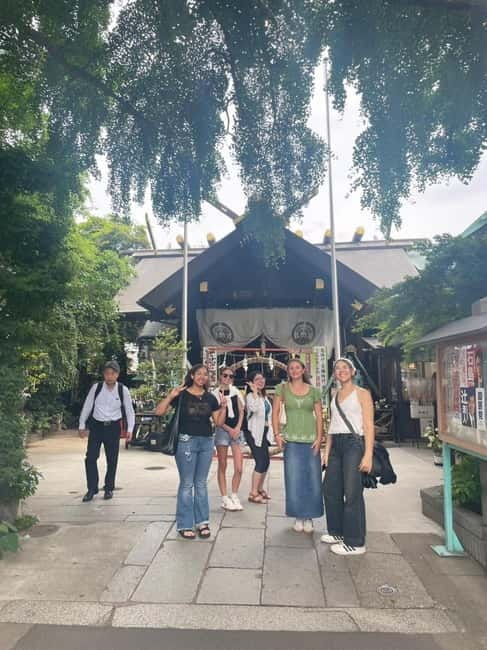
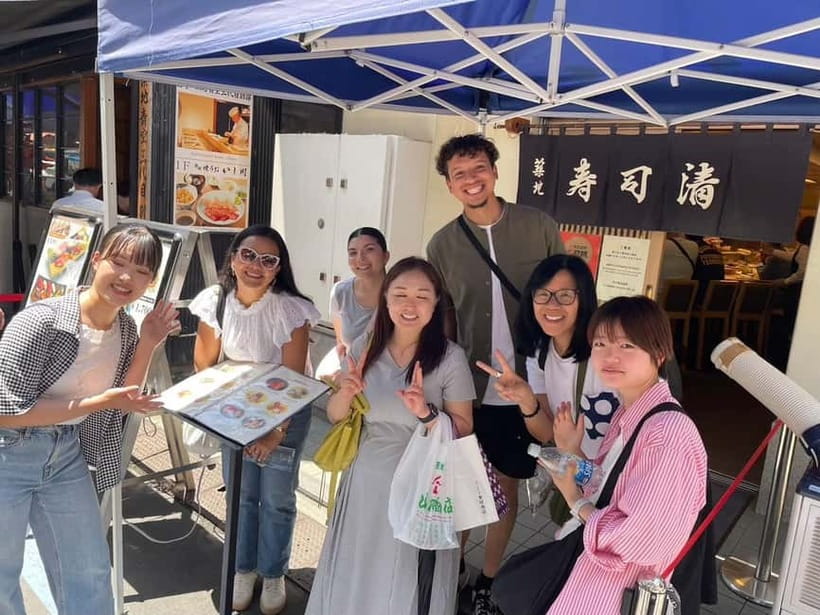
The strongest feature is access to a local point of view. Guides have shared details about Japanese culture, school life, family businesses, and how young people think about the world around them. That conversation is the part you cannot easily reproduce with a guidebook.
The family-market connection is especially useful when available. Nonoka’s three-generation link to Tsukiji gave her a personal understanding of the stalls and people. Other guides, including Yuri, Kiko, and Yuta, have also been praised for their energy and ability to explain the market.
You should not book solely in hopes of meeting one named guide. Staff assignments can change. Instead, book for the format: a private walk led by a Tokyo university student, with food and open conversation included.
Things to consider before you reserve
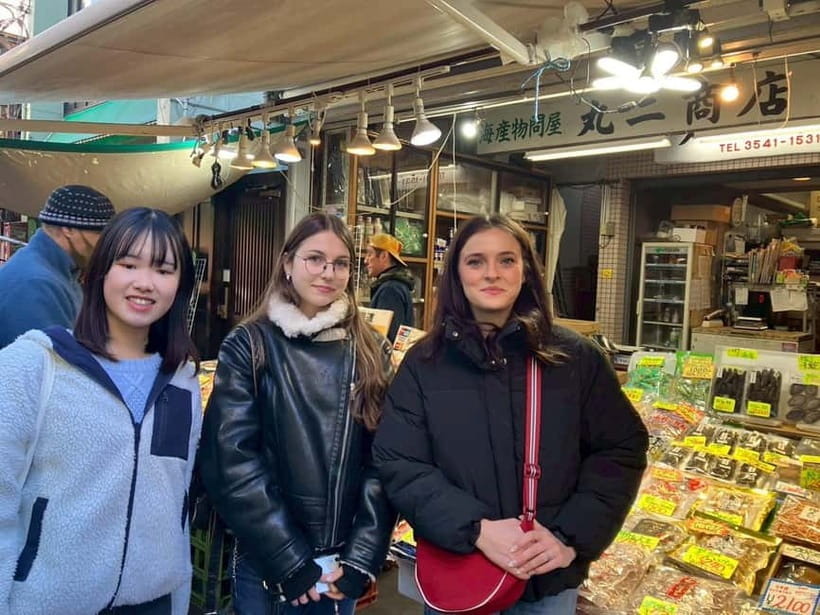
The English level deserves an honest mention. Your guide is studying English, so explanations may use simple language, gestures, translation, or repetition. That can be part of the charm, but it may frustrate you if you need detailed historical facts or fast, fluent discussion.
The route can also change in rain. A light drizzle does not automatically cancel the tour, but the itinerary may be adjusted. Wear shoes that are comfortable for several hours and clothing suited to the day.
The market is a working food district, not a quiet museum. You may encounter close quarters, queues, wet surfaces, strong seafood smells, and many visual distractions. That is part of the setting, but it is worth knowing before you arrive.
Cancellation is free up to 24 hours before the tour for a full refund, and you can reserve now and pay later. Starting times vary, so check availability for your date.
Who will enjoy this Tsukiji walk most?
I would choose this tour for a first visit to Tokyo, especially if you want a friendly introduction to Japanese food customs without joining a large group. It also suits parents and older children who enjoy tasting food and asking questions.
Food lovers will appreciate the market access, sushi lunch, tamagoyaki, and possible extra bites. So will anyone who prefers local conversation over a formal scripted tour.
It may not suit you if you need a fully fluent English guide, avoid raw seafood, dislike crowded food markets, or want a quiet historical tour. Independent visitors who already know Tsukiji may prefer to spend the $87 on their own meal choices.
Should you book it?
Book this tour if you want Tsukiji explained through personal connections, student conversation, and food tasting. The best moments are likely to come from your guide’s personality, local contacts, and willingness to talk, not from a fixed list of sights.
The value is strongest when you arrive hungry, keep your questions ready, and treat the tour as a cultural exchange. If that sounds like your kind of morning, the included sushi and tamagoyaki make the price reasonable. If you want polished English and a fixed menu, choose a different style of tour.
FAQ
Where does the Tsukiji tour begin?
Meet your guide at the main gate of Tsukiji Hongwanji Temple. The temple is just outside Exit 1 of Tsukiji Station on the Tokyo Metro Hibiya Line. Your guide will hold a sign with your name.
How long does the tour last?
The tour lasts three hours. The schedule includes about 30 minutes at Tsukiji Hongwanji Temple, 1.5 hours in the Outer Market, a visit to Namiyoke Inari Jinja, and about one hour for lunch.
What food is included?
Tamagoyaki and sushi lunch are included. Drinks and food purchased beyond those inclusions are not covered.
Is raw food part of the tour?
Yes. The tour includes raw food items as part of the sushi experience. Check your dietary needs before booking.
What languages are available?
The tour is offered in English and Japanese. The guides are Tokyo university students currently studying English, so their English may vary.
What happens if it rains?
The tour normally continues in light rain, but the route may change. In severe weather, you will be notified by email about the tour status.
More Fish Market Walks in Tokyo
- Tokyo: Tsukiji Fish Market Guided Walking Tour
★ 4.9 · 1,397 reviews - Tokyo Sushi Making Class in Tsukiji with Professional Chef
★ 5.0 · 1,177 reviews - Tsukiji Fish Market Guided Tour and Sushi Making with Pro Chef
★ 5.0 · 775 reviews - Tokyo: Tsukiji Fish Market Food and Culture Walking Tour
★ 4.7 · 757 reviews
Just added around Tokyo
- Kawagoe Japanese Food Tour : Unagi Kaiseki and Sake near Tokyo★ 5.0 · 30 reviews
- Kawagoe 4hr Private Tour with Licensed Guide (Kawagoe Dep)★ 5.0 · 13 reviews
- Little EDO Sushi Making workshop in Kawagoe★ 5.0 · 18 reviews
- 【R34】Tokyo:Private Daikoku tour in Modified R34★ 4.9 · 92 reviews
- :Tokyo,Shibuya/ Pro Photography in Kimono / English-Friendly★ 5.0 · 26 reviews
- Tokyo:Celebrate Unique Japanese New Year Tradition Festivity★ 3.9 · 20 reviews
- Tokyo: Allstar Food Tour★ 4.7 · 29 reviews
- Tokyo: West-Side Cycling and Food Tour with Guide★ 5.0 · 37 reviews
Fish Market Tours, compared.

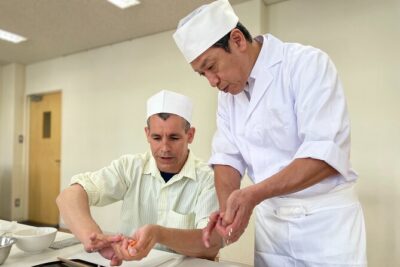
Tokyo Sushi Making Class in Tsukiji with Professional Chef
Our verdict →

Wakayama Cat Train, Seafood market, Hot Springs Tour
Our verdict →
Awesome Private Tour: Tsukiji, Asakusa, Shinjuku, Shibuya
Our verdict →Browse the lists this tour appears in