
Reviewed · FISH MARKET TOURS
Tokyo Tsukiji Food & Culture Private Tour Licensed Guide
Tokyo’s food culture makes more sense when you see where the ingredients, tools, shops, and eating traditions meet. This private six-hour tour links Toyosu and Tsukiji with districts such as Asakusa, Kappabashi, Tsukishima, or Yanaka Ginza, giving you a useful slice of everyday Tokyo rather than one isolated market visit.
I like the flexible itinerary, since you choose the places that matter most to you. I also like having a licensed local guide beside you on public transportation, especially if Tokyo’s train system still feels like a plate of noodles. The main catch is that food, admission fees, and transportation cost extra, so the $141 price is not your final bill.
Key points to know before booking
- Choose three or four areas in six hours: Build your day around markets, street food, kitchenware, or older neighborhood shopping streets.
- Toyosu and Tsukiji show different sides of seafood: Toyosu is the newer market complex, while outer Tsukiji is better suited to food browsing and casual eating.
- Your guide meets you at your hotel or a requested station: You begin on foot, then use public transportation or taxis as needed.
- Guides can make Tokyo’s trains much easier: Naomi helped one visitor buy a train card, while Kenji Kasama patiently led a family through the rail system.
- The food is not included: You pay directly for tastings, meals, and drinks, which lets you choose what suits your appetite.
- The tour works best for curious eaters: Families, first-time visitors, and anyone who wants help ordering or understanding local customs will get the most from it.
A six-hour food day built around your interests
This is not a fixed sightseeing march. Before the day begins, you tell your guide which sites you want to visit from the available choices. On a six-hour outing, you can generally cover three or four areas. The four-hour option allows two or three.
That difference matters. Tokyo’s districts are spread across the city, and every transfer takes time. If you want both Toyosu and Tsukiji, then add Kappabashi and Asakusa, six hours gives you room to move without turning the day into a race. If your priority is slow food shopping and plenty of tastings, choose fewer districts.
Your guide meets you in your hotel lobby or at a train station you request, arriving about 10 minutes before pickup. From there, you set off on foot and use trains, subways, or possibly a private taxi. Transportation is not included, so keep a transit card or cash ready for those costs.
The private format is the real point here. You can ask for more time at a food stall, skip a district that does not interest you, or request help with a particular meal. Guides have also adjusted plans during the day, including adding an art museum or changing a restaurant stop when a visitor’s plans shifted.
More Food Tours in Tokyo
- Tokyo: Shinjuku Food Tour (13 Dishes at 4 Local Eateries)
★ 5.0 · 6,603 reviews - Tokyo Tsukiji Fish Market Food and Culture Walking Tour
★ 5.0 · 3,184 reviews - Tokyo: Shinjuku Food Tour (15 Dishes and 4 Eateries)
★ 4.9 · 2,033 reviews
Toyosu Market and Tokyo’s modern seafood center
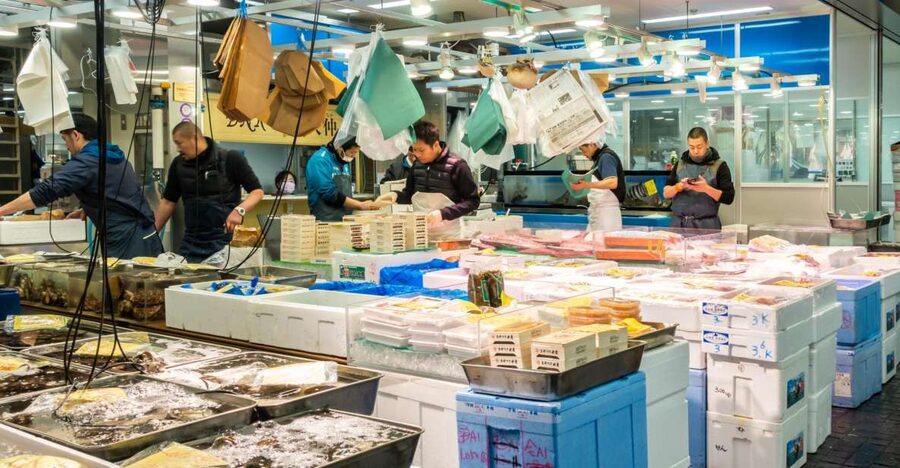
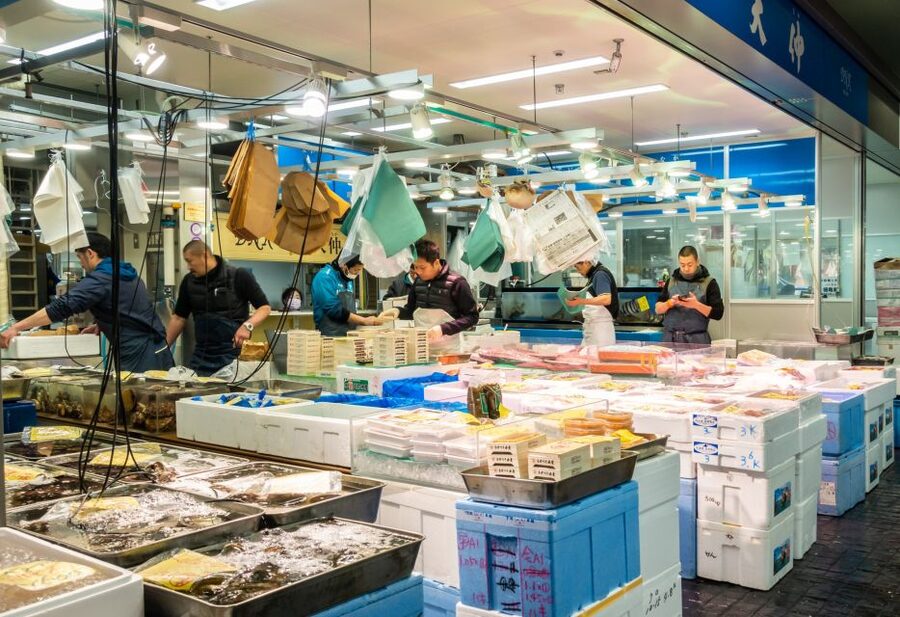
Toyosu is Tokyo’s newer fish-market district, replacing the inner market functions once associated with Tsukiji. It gives you a look at the city’s modern wholesale food infrastructure and helps explain where much of Tokyo’s seafood trade takes place.
A guide is useful here because the market’s scale and purpose can be hard to read on your own. You can ask about seafood, market customs, and the way food reaches restaurants and shops. The experience is more about understanding the working food system than wandering through a small maze of stalls.
Toyosu may suit you if you want the broad picture of Tokyo’s seafood trade. It may be less satisfying if you want constant sampling and old-fashioned market atmosphere. That is where outer Tsukiji usually adds something different.
Outer Tsukiji, where food browsing feels more immediate
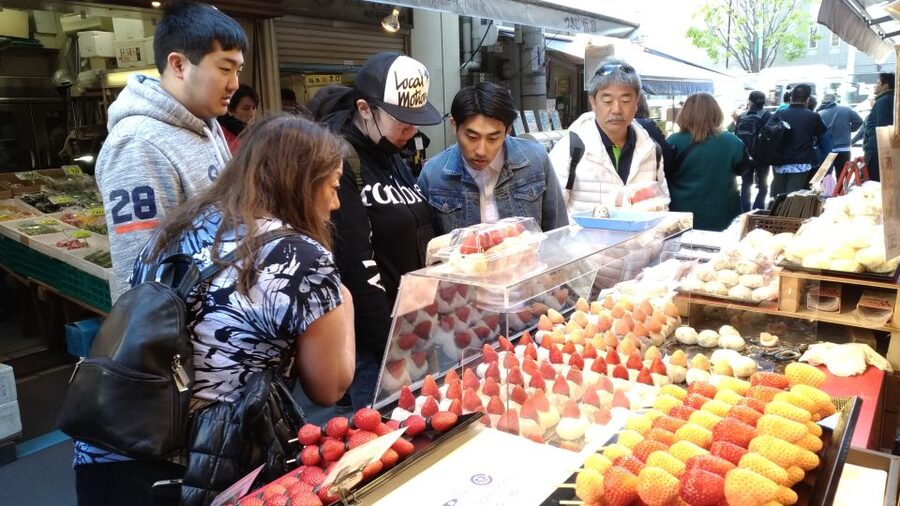
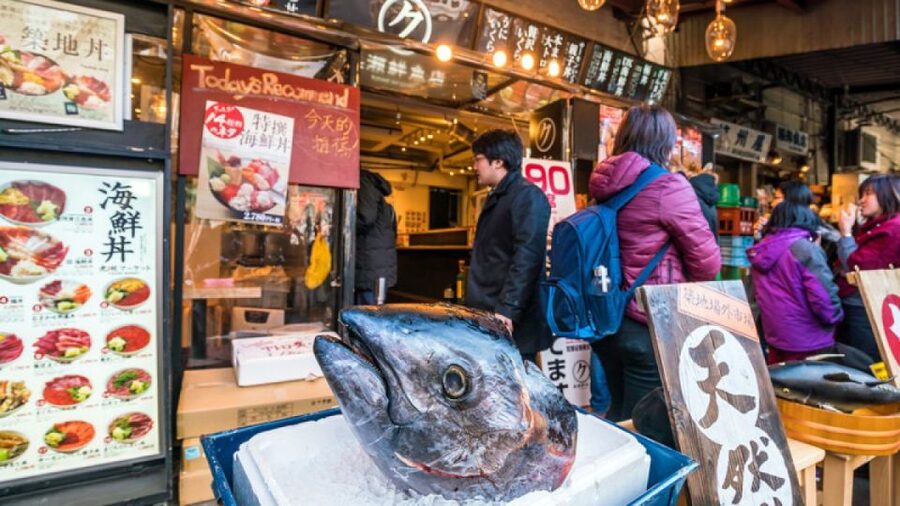
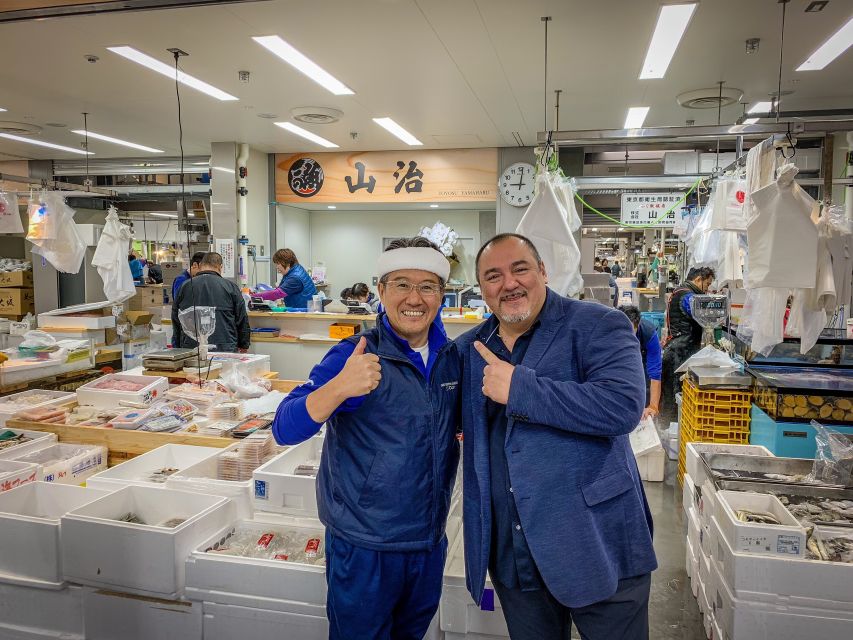
The outer Tsukiji market is the more natural stop for a food-focused walking tour. You can expect shops and stalls selling fresh foods and ingredients, with chances to taste or buy items along the way. Your guide can explain what you are seeing and help you handle the small cultural details that make market shopping easier.
One guide, Yoshii, was specifically praised for patiently leading a visitor through both outer Tsukiji and Toyosu. That combination is smart because the two markets give you a useful contrast: one associated with the newer market complex, the other with the retail and eating experience many people picture when they hear Tsukiji.
Food and drinks are not included. This is a drawback if you want an all-inclusive food tour, but it also gives you control. You can spend more on a meal, choose several small tastings, or pass on anything that does not appeal to you. Ask your guide for help before buying if you have allergies or dietary limits, since the supplied information does not promise special menus.
Asakusa and the pleasure of street food
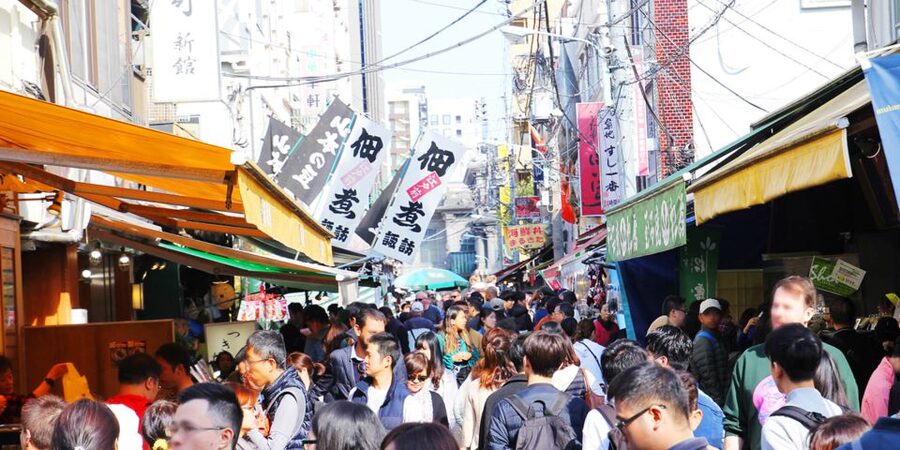
Asakusa adds a different layer to the day. Its shopping streets are known for authentic Tokyo street food, so this is a good place to balance market visits with ready-to-eat snacks.
The district also gives your guide a natural setting for explaining food customs and local behavior. Ilze appreciated learning about Japanese cuisine and proper conduct during a tour led by Katsu, and that kind of practical explanation is one of the strongest reasons to book a private guide.
If you are traveling with children or teenagers, Asakusa can be an easy win because food, shopping, and sightseeing sit close together. Still, do not try to force every possible district into one day. A food stop is more enjoyable when you have time to choose, eat, and ask questions instead of simply checking off another neighborhood.
More Fish Market Walks in Tokyo:
- Tokyo: Tsukiji Fish Market Food and Walking tour
★ 5.0 · 1,724 reviews - Tokyo: Tsukiji Fish Market Guided Walking Tour
★ 4.9 · 1,397 reviews - Tokyo Sushi Making Class in Tsukiji with Professional Chef
★ 5.0 · 1,177 reviews - Tsukiji Fish Market Guided Tour and Sushi Making with Pro Chef
★ 5.0 · 775 reviews
Kappabashi Street, Tokyo’s kitchen supply wonderland
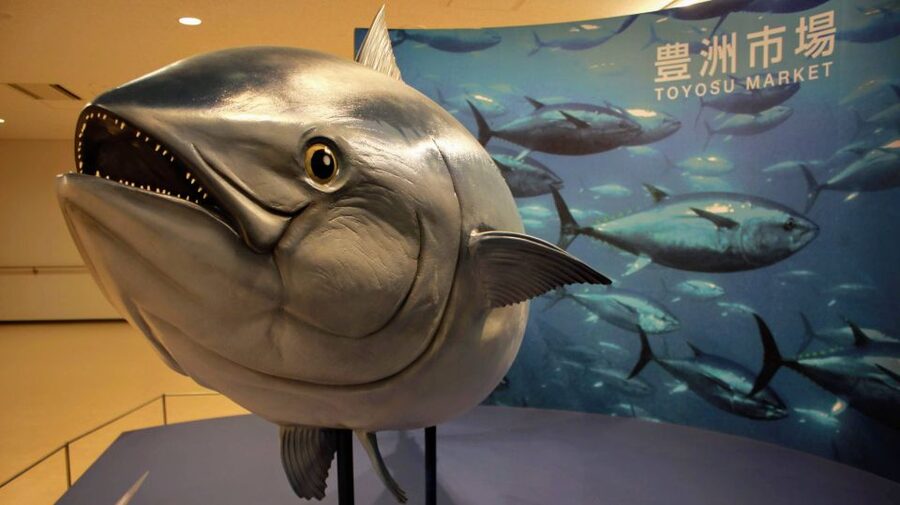
Kappabashi is a fine choice if you like cooking, restaurant design, or unusual souvenirs. The street is lined with kitchen supply shops, including stores selling the realistic plastic food displays used outside Japanese restaurants.
The fake food samples are fun, but the district also shows how seriously Japan treats presentation and professional cooking tools. You may find knives, dishes, serving pieces, restaurant signs, and other equipment, though the exact shops you visit depend on the day’s route and your interests.
A guide helps most if you want to buy something specific or need help communicating in a shop. Sekimoto-san was praised for helping a visitor purchase products correctly in Japanese, which points to a practical benefit that is easy to miss when comparing tours. You are not only looking at unusual objects. You can get help asking what they are, how they are used, and whether a purchase makes sense.
Kappabashi is less about eating your way through the neighborhood, so pair it with Tsukiji, Asakusa, or Yanaka Ginza if food is your main goal.
Tsukishima’s Monja Street and a local Tokyo specialty
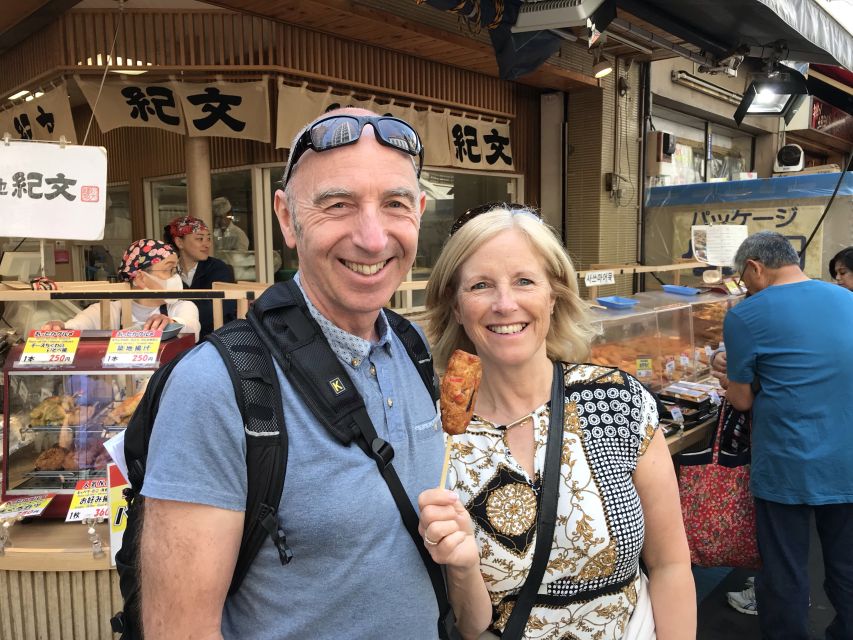
Tsukishima’s Monja Street focuses on monjayaki, a Tokyo specialty cooked on a hot griddle. The dish is associated with a casual, hands-on style of eating, and the area gives you a chance to learn how local food traditions differ from the dishes most often served to international visitors.
This is a good pick if you want your guide to explain not just what you are eating, but how the meal fits into Tokyo life. Since the food is purchased separately, you can decide whether to make monja the main meal or simply stop for a taste.
The tradeoff is that Tsukishima takes the place of another district. Select it because you want the food experience, not because you are trying to collect every famous market name in one afternoon.
Yanaka Ginza for croquettes and an older neighborhood feel
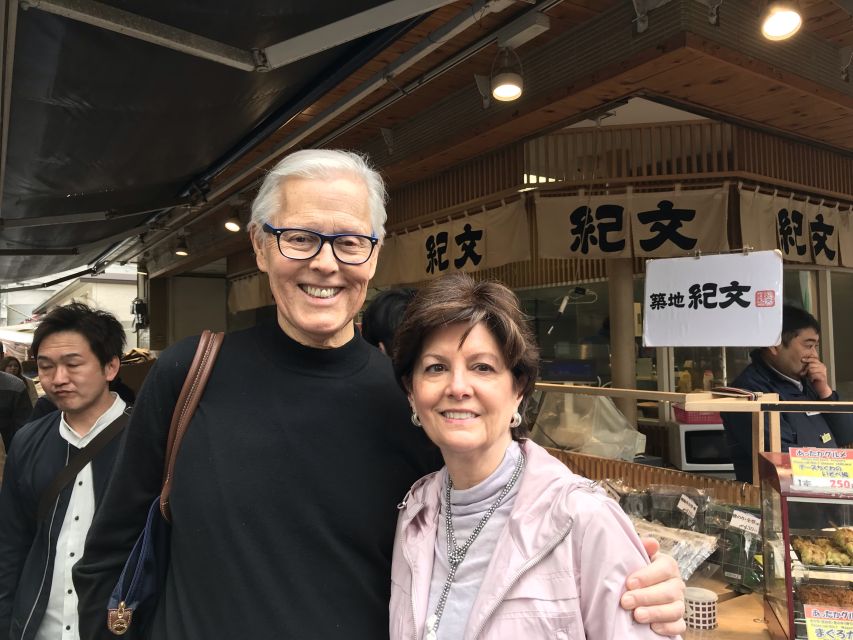
Yanaka Ginza is known for its fried croquettes and local shopping-street atmosphere. It offers a quieter contrast to the major market districts and lets you see a more neighborhood-based side of Tokyo.
I would choose Yanaka Ginza if you want simple food, small shops, and a slower walk. It is also a useful option for a return visit to Tokyo, when you have already seen the major sights and want a district that feels less focused on headline attractions.
The guide can add context about the neighborhood and Japanese food habits, but the area is not a substitute for Toyosu if your main interest is the seafood trade. The best choice depends on what you want the day to teach you.
Ameyoko and other possible stops
The tour can also include Ueno’s Ameyoko, a shopping district known for food and local commerce. The area works well for people who want a lively market-style walk with plenty to look at, though the exact route depends on how your guide shapes the day.
You may also request other local areas within the tour’s customization options. The important point is to send your preferred sites after booking and discuss the plan with your guide. Do not assume that every listed district fits into six hours.
What the guide adds to the day
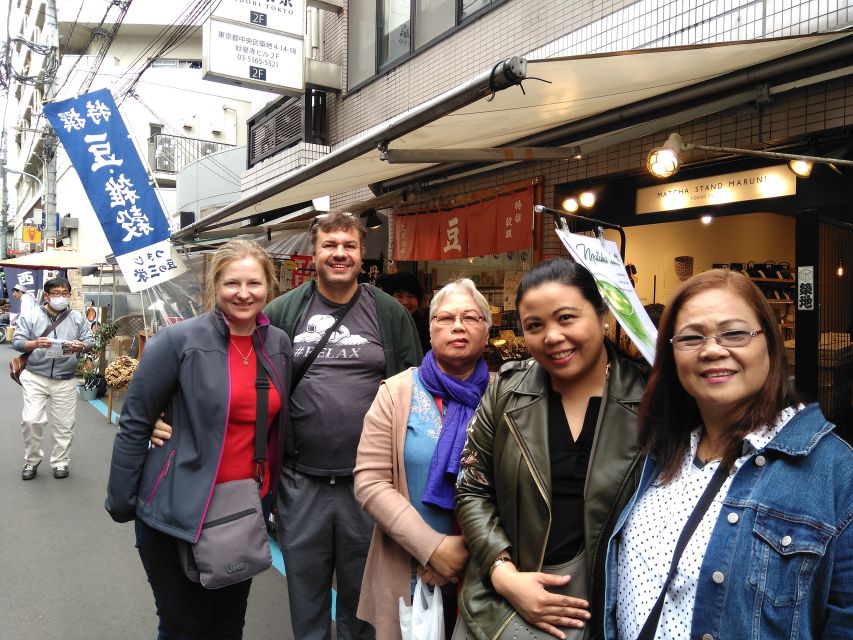
The guide is more than a person who points out stalls. The strongest benefit is translation into everyday use: how to buy a train card, how to move through a crowded market, how to order food, and how to understand behavior that might otherwise seem mysterious.
Kenji Kasama created a requested itinerary and patiently guided a family through public transportation. Naomi did the same in rainy, cold conditions and helped with the rail system. Show was praised for keeping a carefully planned day moving while also looking after a child in hot weather. These examples suggest that the guide match can shape the experience, but you should remember that the specific guide is not guaranteed in advance.
The available guides speak English and Japanese. They have different personalities and areas of strength, yet the private setup gives you a better chance to ask questions than a large group outing would.
Price, pace, and what you really pay for
At $141 per person, the six-hour tour is not a bargain food walk if you are comparing only the number of snacks included. No food, drinks, admission fees, or transport are covered.
The value comes from the private planning and local help. A guide can save you time moving between districts, explain what you are buying, help you communicate, and adjust the day to your interests. For a family or small private group, that can be worth more than a cheaper fixed route. For a solo visitor mainly seeking inexpensive tastings, the price is harder to justify.
You should also budget for transportation during the tour and whatever food you choose. The tour runs rain or shine, so bring weather protection and comfortable shoes. Six hours of markets, stations, and neighborhood streets can mean a lot of walking.
The experience is wheelchair accessible, though the day still involves public transportation or taxis and walking between stops. Discuss your needs with the local partner before the tour so the route can be planned sensibly.
Who should book this Tokyo food tour?
I would recommend it most strongly to first-time Tokyo visitors who want help with trains, food customs, and ordering. It also suits families, since the itinerary can bend around children and specific interests.
Food-focused visitors should choose Toyosu and Tsukiji, then add either Asakusa or Tsukishima. Cooking enthusiasts should make room for Kappabashi. If you prefer local shopping streets and fried snacks, Yanaka Ginza and Ameyoko may be the better pair.
You may want to skip it if you prefer to explore alone, dislike paying separately for food and transport, or want a single market visit without a full day of transfers. You also need to be comfortable with the fact that your booking is not fully confirmed until a guide accepts it. The local team usually contacts you within seven days, and they continue searching if a guide is not immediately available.
Should you book it?
Book this tour if you want a flexible food day with real local assistance, not a package where every tasting is already paid for. The best plan is to choose three or four areas before arrival, tell the guide your food interests, and leave some room for a recommended lunch or an unexpected shop.
For most people, the strongest six-hour route would combine Toyosu or Tsukiji with Asakusa, Kappabashi, Tsukishima, or Yanaka Ginza. If you want less walking and a more focused day, choose two or three places on the shorter option. The private guide, transport help, and ability to shape the route make this a strong choice for curious eaters who want Tokyo to feel more understandable, not simply more crowded.
FAQ
How long is the Tokyo food and culture tour?
The experience is offered as either a private four-hour or six-hour tour. The six-hour option generally covers three to four sites, while the four-hour option covers two to three.
Which places can I choose to visit?
You can choose from Toyosu Market, Tsukiji Old Fish Market, Kappabashi Street, Tsukishima’s Monja Street, and Yanaka Ginza. The tour information also includes Asakusa and Ueno’s Ameyoko among possible local areas.
Is food included in the tour price?
No. Food, drinks, entrance fees, and transportation during the tour are not included. You pay separately for what you choose to eat and for public transportation or private taxis.
Where does the guide meet me?
Your guide can meet you in your hotel lobby or at a train station you request within Tokyo’s 23 wards. The guide waits about 10 minutes before the scheduled pickup, and you begin on foot.
Is the tour offered in English?
Yes. Live guiding is available in English and Japanese. The experience is led by a licensed local guide.
Can I cancel the tour if my plans change?
You can cancel up to 24 hours before the start time for a full refund. The booking is not confirmed until a guide accepts it, and the local team contacts you to confirm the arrangements.
More Food & Drink in Tokyo
- Best of Shinjuku: Izakaya Food Tour (4 Stops, 14+ Tastings)
★ 5.0 · 1,863 reviews - Eat and Drink Like a Local: Tokyo Ueno Food Tour-Taverns&Ramen
★ 5.0 · 957 reviews - Tokyo: Shibuya Food Tour (13 dishes and 4 Eateries)
★ 5.0 · 770 reviews - Tokyo: Tsukiji Fish Market Food and Culture Walking Tour
★ 4.7 · 757 reviews
Just added around Tokyo
- Kawagoe Japanese Food Tour : Unagi Kaiseki and Sake near Tokyo★ 5.0 · 30 reviews
- Kawagoe 4hr Private Tour with Licensed Guide (Kawagoe Dep)★ 5.0 · 13 reviews
- Little EDO Sushi Making workshop in Kawagoe★ 5.0 · 18 reviews
- 【R34】Tokyo:Private Daikoku tour in Modified R34★ 4.9 · 92 reviews
- :Tokyo,Shibuya/ Pro Photography in Kimono / English-Friendly★ 5.0 · 26 reviews
- Tokyo:Celebrate Unique Japanese New Year Tradition Festivity★ 3.9 · 20 reviews
- Tokyo: Allstar Food Tour★ 4.7 · 29 reviews
- Tokyo: West-Side Cycling and Food Tour with Guide★ 5.0 · 37 reviews
Fish Market Tours, compared.
Tokyo Sushi Making Class in Tsukiji with Professional Chef
Our verdict →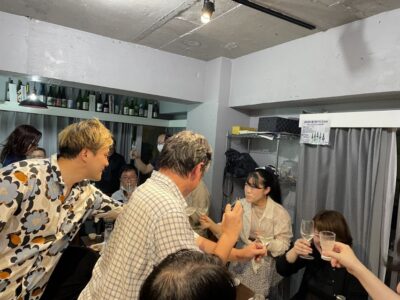
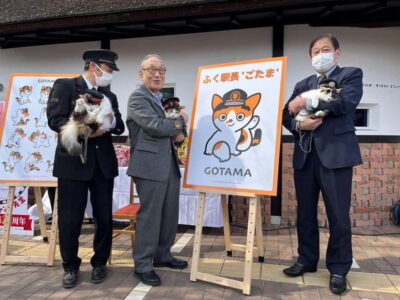
Wakayama Cat Train, Seafood market, Hot Springs Tour
Our verdict →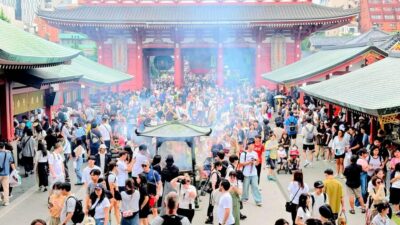
Awesome Private Tour: Tsukiji, Asakusa, Shinjuku, Shibuya
Our verdict →Browse the lists this tour appears in