
Reviewed · MUSEUMS
Tokyo: teamLab Planets TOKYO Digital Art Museum Entry Ticket
The best thing about teamLab Planets TOKYO is that you do not simply look at the art. You walk through it, touch it, alter it, and sometimes wade through it. I especially like the water rooms and the flower installations, which turn light, sound, and movement into something physical. The exhibition also gives children, teenagers, and adults a reason to enjoy art together.
The main drawback is practical: entry is tightly timed, the wait may be outdoors, and parts of the route are not suitable for people with limited mobility or light sensitivity. You must go barefoot, and one water section can reach your knees, so clothing matters more here than at a normal museum.
Key Points
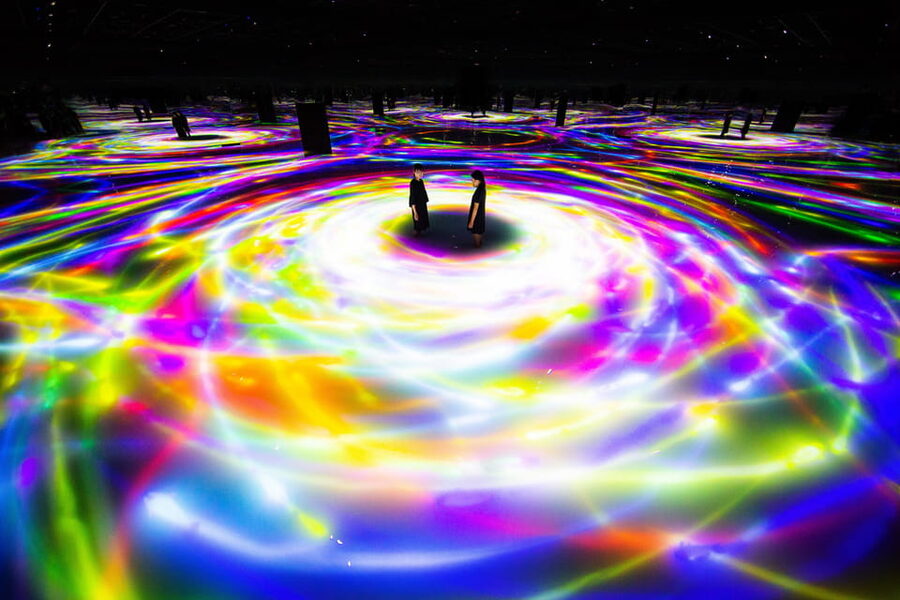
- Barefoot art experience: Walk through water, mirrors, lights, flowers, and changing digital scenes.
- Your movement affects the artwork: The installations respond to where you stand and how you move.
- Allow at least two hours: The route is large, and rushing would undercut much of the experience.
- Wear roll-up trousers: Water can rise to knee height in some rooms, and short pants may be available.
- Book a timed entry in advance: Same-day admission cannot be purchased, and late arrivals are not refunded.
- Best for mixed-age groups: Families, couples, teenagers, solo visitors, and adults who do not usually enjoy museums can all find something here.
Why teamLab Planets Feels Different From a Normal Museum
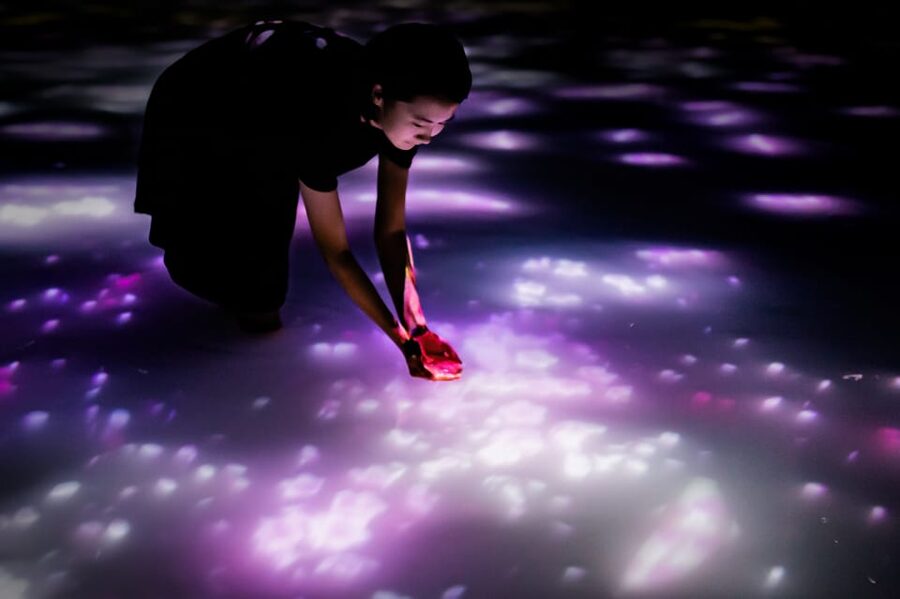
A standard art museum asks you to keep your distance. teamLab Planets asks you to leave your shoes behind and become part of the work.
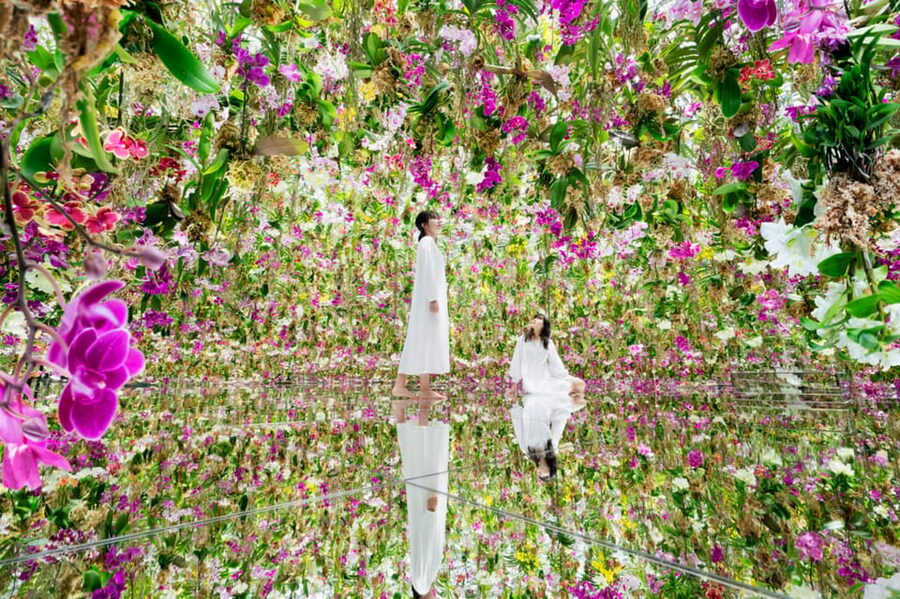
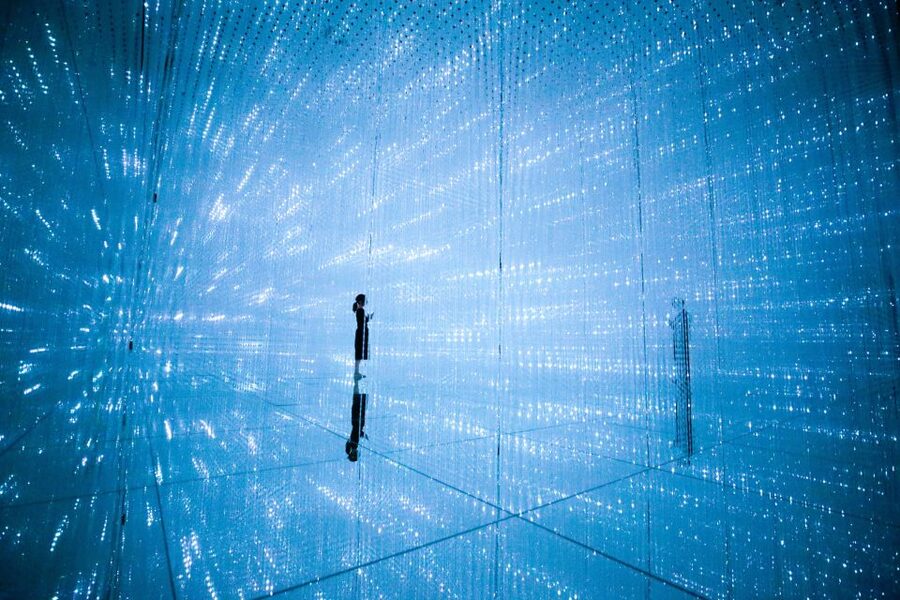
That difference changes your whole visit. You may walk into a dark room where flowers seem to fall toward your face, then move into water while digital shapes shift around your legs. In another area, mirrors stretch the room into apparent infinity. The art is not fixed on a wall. It changes with bodies, movement, light, sound, and time.
The exhibition covers more than 10,000 square meters, so this is not a quick photo stop. The full route combines several rooms with very different moods. Some feel calm and almost meditative. Others are playful, physical, or visually intense.
I like that the experience does not require an art background. You do not need to understand a theory before enjoying it. The point is direct: notice what happens when you move, pause, sit, reach, or stand among the projections.
More Museum Tours in Tokyo
- Tokyo: Samurai Ninja Museum Guided tour and Experience
★ 4.6 · 1,010 reviews - Ninja Experience (Family Friendly) at Samurai Ninja Museum TOKYO
★ 5.0 · 441 reviews - Tokyo Studio Ghibli Museum and Ghibli Film Appreciation Tour
★ 4.5 · 421 reviews
Entering the Water Rooms
The water areas are the part most likely to shape your planning. You enter barefoot, and the water may rise to knee height. The exact sensation varies by room, but you should expect to walk slowly and pay attention to your footing.
Wear trousers that roll comfortably above your knees. This is not just a fashion tip. Long trousers that cannot be raised will make the water sections awkward. Short pants may be available, but it is simpler to arrive prepared.
The water rooms are also where teamLab’s digital effects feel most physical. Reflections, projected forms, and changing light combine with the water under your feet. You are not watching a video beside a pool. Your body becomes part of the scene, and the image changes as people move through it.
This section may not suit everyone. If you dislike walking in water, have heart problems, or are uncomfortable in changing light, the experience may be tiring rather than relaxing. Wheelchair access is also limited in some areas, so anyone with mobility needs should check suitability before booking.
Flowers, Falling Light, and the Garden Rooms
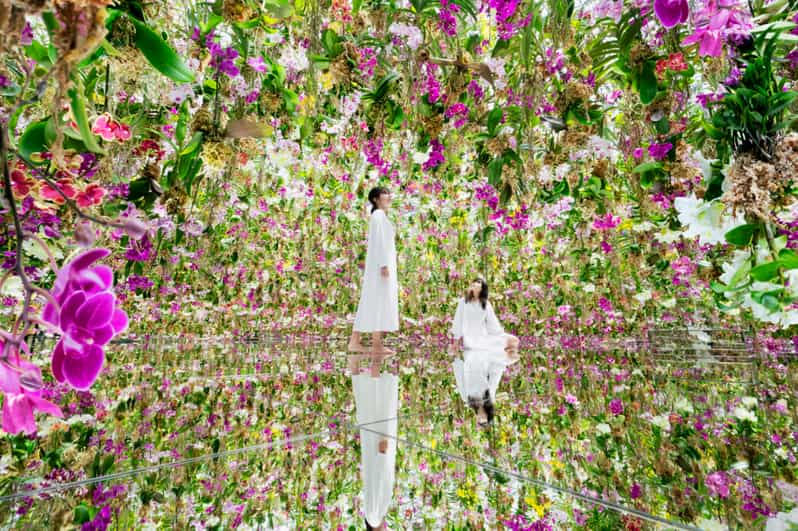
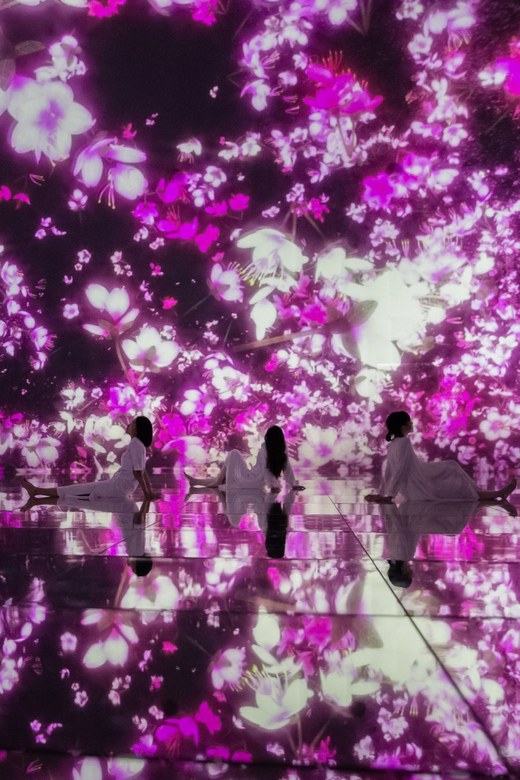
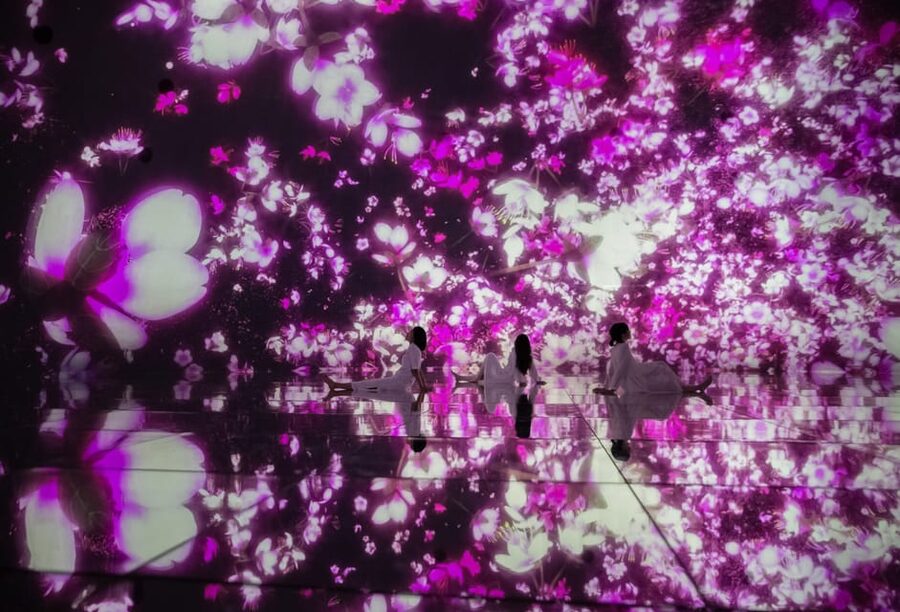
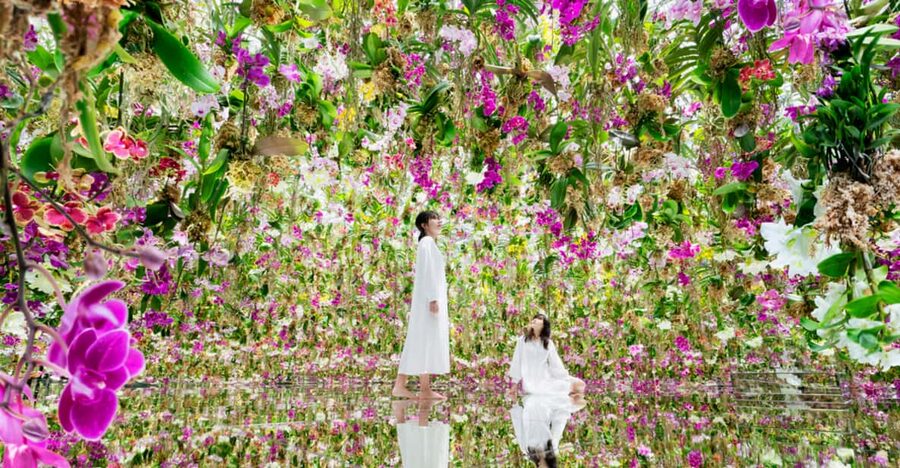
The flower installations are among the most memorable parts of the visit. Digital blossoms appear to fall, spread, and shift around you. In one room, you can lie on the floor and look upward as flowers seem to move toward your face.
This is a good place to slow down. Many visitors instinctively take photos, but the rooms reward a few quiet minutes without a phone. The scale of the projections can be difficult to grasp through a small screen.
The orchid and garden areas bring a different mood. Instead of focusing only on dramatic movement, they create a softer setting where flowers and light surround you. If you like botanical subjects, changing color, or contemplative spaces, plan to spend extra time here.
The flower rooms can become busy, especially around popular viewing spots. Staff manage the flow of people, and the movement through the building is generally orderly, but the atmosphere can be less peaceful when people talk loudly or linger in narrow areas.
The Forest, Mirrors, and Changing Space
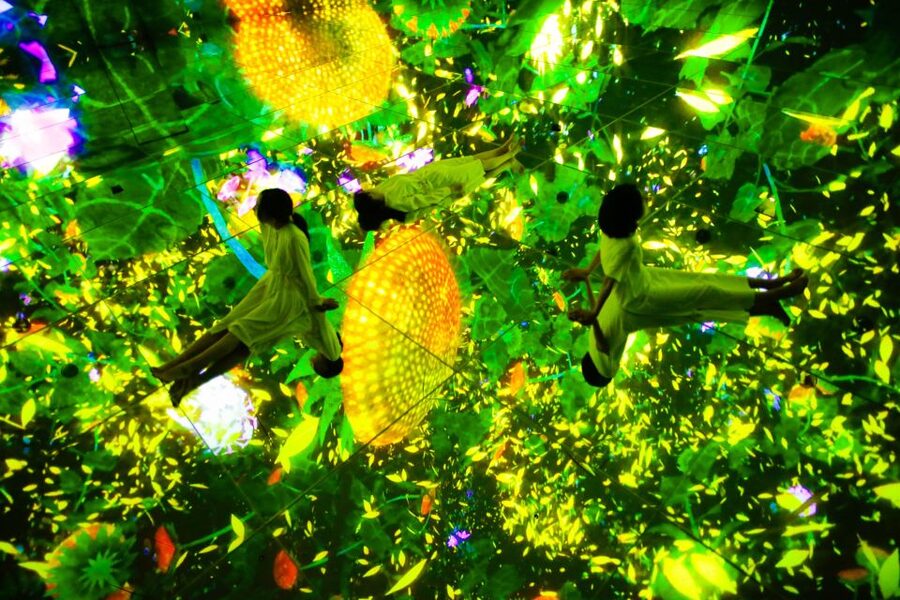
The forest-like sections add variety after the water rooms. Digital plants, light, and sound make the route feel less like a series of screens and more like a passage through changing surroundings.
The mirrored areas are especially important to approach with care. Reflections can make it hard to judge where the floor ends or how large the room really is. They also create strong photographs, but you should watch your footing and give other people room.
Some displays respond to your location. Stand in one place and the artwork may remain calm. Move through it and the shapes, colors, or patterns can shift. That small action makes the visit personal without requiring any special equipment or artistic skill.
I like this part because it shows the idea behind the entire museum: the artwork is not complete until people enter it. The effect is simple but powerful. You are not just passing through a prepared display. Your presence helps produce what you see.
More Theme Parks in Tokyo
- Tokyo: DisneySea 1-Day Passport
★ 4.5 · 2,726 reviews - Tokyo Disneyland 1-Day Passport
★ 4.6 · 2,512 reviews - Tokyo Disneyland or DisneySea Ticket & Door to Door Transfer
★ 4.3 · 191 reviews - Tokyo Disneyland: 1-Day Entry Ticket and Private Transfer
★ 4.4 · 74 reviews
How Long to Allow and How to Pace the Visit
The ticket is valid for one day, but admission is tied to a selected entry time. You must enter during the first 30 minutes after that time, so do not treat the booking as an open-ended pass.
Once inside, plan for at least two hours. Some people move through faster, while others stay much longer in the flower and water rooms. The route can feel short if you rush from one installation to the next, but it has more impact when you pause and let each space change around you.
I would use the first pass to experience the rooms rather than chase perfect photographs. Look at how the projections respond to you. Notice how the sound and floor surface change from room to room. If you have time, return your attention to the places you liked most.
The experience is not a guided tour, and there is no guide whose commentary you must follow. That gives you freedom, but it also means you need to manage your own pace. Directions can feel unclear in places, so keep an eye on the route and ask staff if you are unsure where to continue.
Timing, Queues, and the Outdoor Wait
A timed ticket helps organize the flow inside, but it does not mean you can arrive whenever you like. Admission is allowed only during the first 30 minutes of your selected time, and there are no refunds for late arrival.
The waiting arrangement can be less comfortable than the exhibition itself. You may have to wait outdoors until your admission window, and arriving far too early does not necessarily let you enter the queue immediately. In cool or wet weather, bring a layer and prepare for the possibility of standing outside.
Some ticket sellers advertise queue benefits, but you should not assume every booking includes priority access. Your official voucher is the document needed for entry. Check the venue and entry details carefully, since two teamLab locations in Tokyo can cause confusion when booking.
There are no same-day tickets for admission. Reserve ahead, especially if your Tokyo schedule is tight or you want a popular time. The ticket is non-refundable, so double-check the date, location, and time before paying.
Is the $25 Ticket Good Value?
At about $25 per person, this is not the cheapest indoor attraction in Tokyo. It is also more than a standard art gallery visit, where you can often walk in, look around, and leave within an hour.
The value here comes from the amount of active participation. You get several distinct rooms, not one projection in a large hall. Water, mirrors, flowers, sound, darkness, and changing digital scenes create a full-body experience that can occupy a substantial part of your day.
For a family, the ticket can work well because adults and children have something to do together. Teenagers who might resist a quiet museum can interact with the displays, while adults can appreciate the design and changing atmosphere. Solo visitors can enjoy it too, although a few playful areas may feel slightly awkward without companions.
The price is less convincing if you dislike crowds, cannot use the water areas, or prefer traditional art with labels and historical context. This is an art experience built around sensation and participation, not a collection of paintings or objects.
Practical Clothing and Entry Advice
Bring your passport or another accepted ID card. Staff may ask for identification to confirm age or school affiliation, and you need the official voucher sent by email for entry.
Wear clothing that lets you move easily. Trousers should roll above the knee, and you should avoid anything that becomes uncomfortable when wet. Because you enter barefoot, check that your feet are comfortable before arriving.
Small items can be stored in lockers. Eating, drinking, and smoking are not allowed inside the exhibition, so take care of those needs before you enter or after you leave.
Children younger than 13 must be accompanied by an adult. Unaccompanied minors are not allowed, and anyone who is intoxicated will be refused entry.
People with epilepsy, heart problems, or strong sensitivity to light should not book this experience. Some rooms use intense visual effects, darkness, reflections, and changing projections. Wheelchair users should also note that parts of the exhibition are not accessible.
Who Will Enjoy This Most
I would recommend teamLab Planets to anyone who likes unusual museums, digital art, photography, or experiences that involve the body. It is particularly good for families with older children and teenagers because the visit does not depend on quietly reading labels.
Couples may enjoy the shared sense of discovery, while solo visitors can take their time without negotiating a group’s pace. The only caution for solo visitors is that a few rooms are designed around playful movement, which can feel a little self-conscious when you are alone.
This is also a strong choice for a rainy or cold Tokyo day, although the outdoor waiting period can still be unpleasant. If you are hoping for a quiet, serious gallery, choose your entry time carefully and avoid treating the rooms as a quick social-media stop.
How to Make the Visit Better
Book before your Tokyo day arrives, since same-day admission is not available. Save the official voucher where you can reach it quickly, and check that your reservation is for Planets rather than another teamLab venue.
Arrive with enough time to locate the entrance, but do not assume that arriving very early means you can enter early. Keep a warm layer or rain protection handy if the weather is poor.
Once inside, move slowly through the first rooms. Let your eyes adjust before taking photographs, and keep your phone away for at least part of the visit. The installations are large, and a screen can make them seem flatter and smaller than they feel in person.
If you want a calmer visit, choose an earlier or less busy entry slot when available. Staff do a good job controlling movement inside, but popular rooms can still feel hectic when many people arrive together.
Should You Book teamLab Planets TOKYO?
Book it if you want an active, sensory art experience rather than a conventional museum. The water rooms, falling flowers, mirrored spaces, and responsive projections give you something genuinely different to do in Tokyo, and $25 is fair if you stay for two hours or more.
Think twice if you have mobility limits, light sensitivity, epilepsy, heart problems, or strong discomfort with water and bare feet. Also skip it if your schedule cannot handle a strict entry window.
For most visitors who enjoy technology, design, photography, or shared family activities, teamLab Planets deserves a place on the Tokyo plan. Wear practical clothes, check the exact location, and arrive on time. The art is at its best when you stop trying to capture every room and simply pay attention to what changes around you.
FAQ
Where is teamLab Planets TOKYO located?
The experience is in Tokyo on Honshu, Japan. The exact meeting point can vary by booking option, and Tokyo has two teamLab locations, so check that your ticket is for teamLab Planets TOKYO.
How much does admission cost?
The listed price is $25 per person. Transportation is not included.
How long is the ticket valid?
The ticket is valid for one day, but admission is tied to the selected entry time. You must enter during the first 30 minutes of that time window.
Can I buy a ticket on the same day?
No. Same-day admission tickets cannot be purchased.
What happens if I arrive late?
Late arrivals are not refunded. Entry is allowed only during the first 30 minutes after your selected entry time.
What should I bring?
Bring your passport or ID card, along with the official voucher emailed to you. You will need the voucher to enter.
Do I need to remove my shoes?
Yes. Visitors must enter barefoot.
What should I wear?
Wear trousers that can roll above the knee. Some areas contain water that can rise to knee height. Short pants may be available at the venue.
Are children allowed?
Yes, but children younger than 13 must be accompanied by an adult. Unaccompanied minors are not allowed.
Is the exhibition wheelchair accessible?
Some areas are not accessible by wheelchair. The experience is also not suitable for people with epilepsy, heart problems, or strong light sensitivity.
Just added around Tokyo
- Kawagoe Japanese Food Tour : Unagi Kaiseki and Sake near Tokyo★ 5.0 · 30 reviews
- Kawagoe 4hr Private Tour with Licensed Guide (Kawagoe Dep)★ 5.0 · 13 reviews
- Little EDO Sushi Making workshop in Kawagoe★ 5.0 · 18 reviews
- 【R34】Tokyo:Private Daikoku tour in Modified R34★ 4.9 · 92 reviews
- :Tokyo,Shibuya/ Pro Photography in Kimono / English-Friendly★ 5.0 · 26 reviews
- Tokyo:Celebrate Unique Japanese New Year Tradition Festivity★ 3.9 · 20 reviews
- Tokyo: Allstar Food Tour★ 4.7 · 29 reviews
- Tokyo: West-Side Cycling and Food Tour with Guide★ 5.0 · 37 reviews
Museums, compared.
Tokyo Studio Ghibli Museum and Ghibli Film Appreciation Tour
Our verdict →
Kamigata Ukiyoe Museum:Ukiyo-e Woodblock Printing Experience
Our verdict →
Browse the lists this tour appears in