Reviewed · TICKETS
Tokyo: Robot Piloting Attraction Ticket
Tokyo’s Robot Base Lab lets you do something rare: sit inside a real human-piloted robot prototype and operate its arms and blasters. The session also includes VR shooting games and a small programming activity, so you get more than a quick photo beside a machine. I like the hands-on mix of play and real engineering, and I like hearing about the developers’ work from friendly guides such as Tomo and Atsu. The main catch is clear: the robot is still early in development, so it cannot walk, and your piloting time is only about 10 minutes.
The $32 price is fair for a 50-minute, small-group activity, especially if you are into robotics, gaming, anime, or building things. Still, this is a compact research facility, not a large theme-park attraction. The robot’s legs have been removed to fit the lab, and the experience can feel short if you share it with three other people.
Key points to know before you go
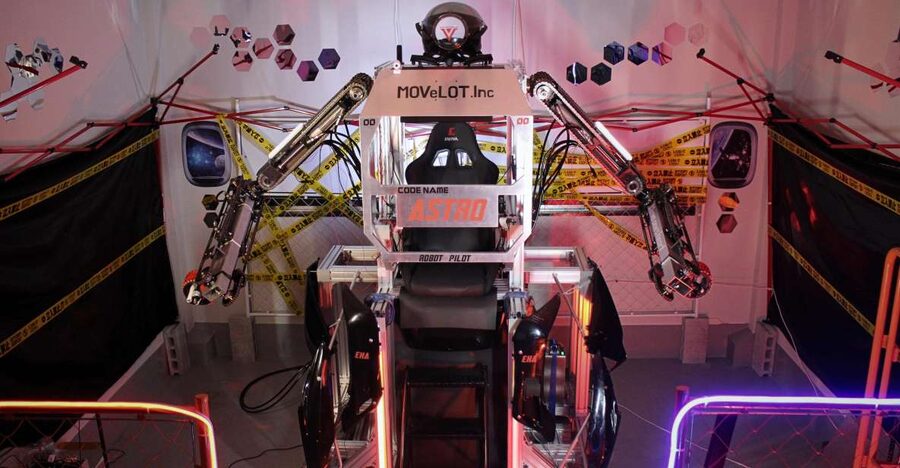
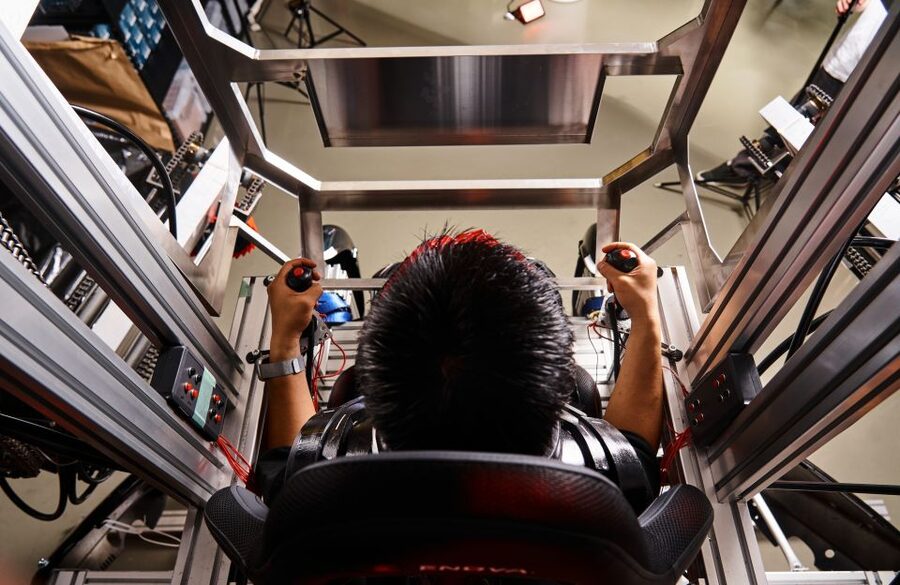
- You pilot the ASTRO prototype yourself: The robot’s arms move, and you fire its blasters at targets.
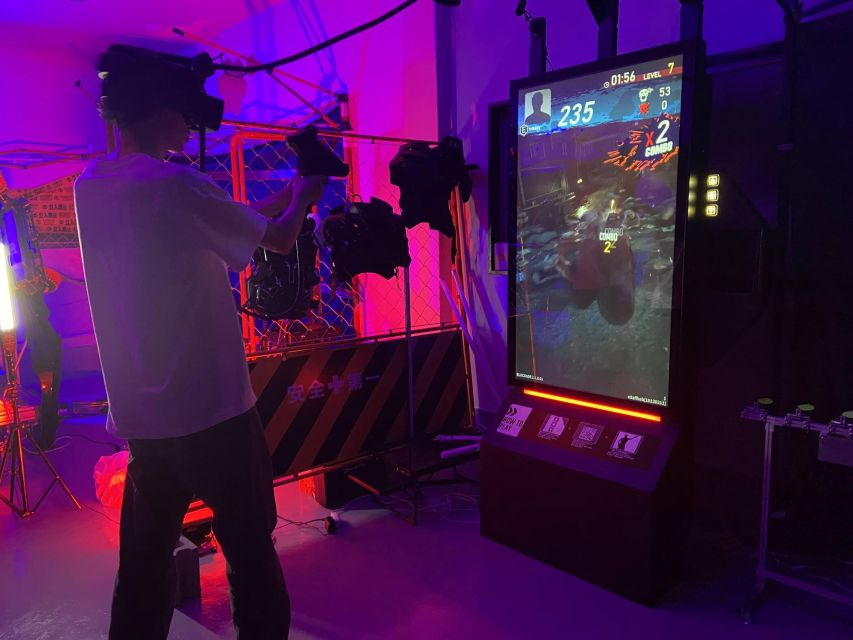
- Three activities fill the session: Expect VR shooting games, a programming task, and the robot-piloting segment.
- The story adds purpose: You help defend a space base from alien invaders rather than simply pushing buttons.
- Small groups keep the session personal: Groups are limited to four, with English and Japanese instruction.
- Allow only about 10 minutes at the controls: Larger groups may mean less piloting time per person.
- The Ryogoku location is easy to reach: It is a seven-minute walk from Toei Ryogoku Station and 13 minutes from JR Ryogoku Station.
What the Robot Base Lab experience really is
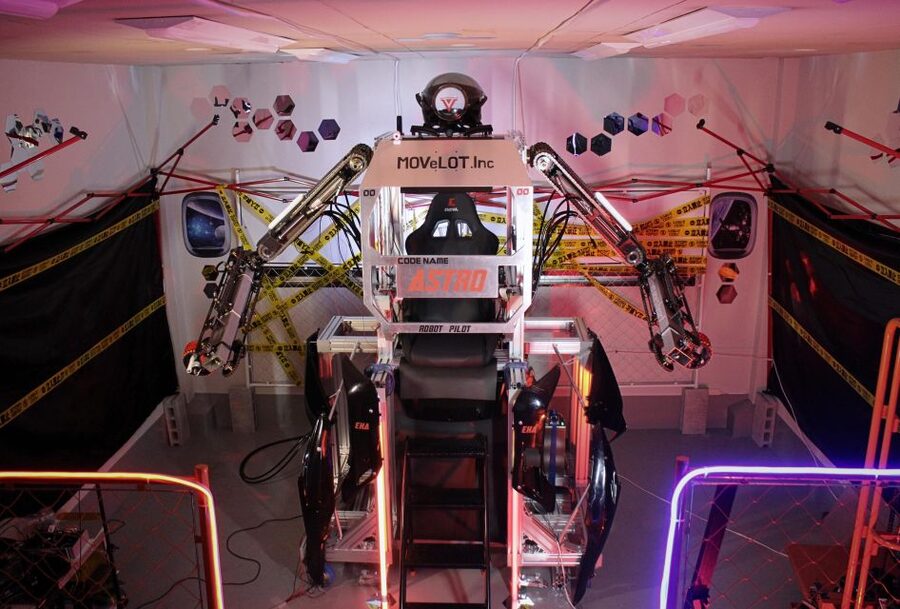
This is a short, guided visit to MOVeLOT’s Robot Base Lab, a robotics development facility in Tokyo. You are not visiting Patlabor Laboratory, despite the anime-style setting and the attraction’s strong mecha flavor. You are stepping into a working research project where the robot is still being improved.
The setup gives you a simple role. The lab is treated as a base on another planet, and a large enemy robot is preparing to attack. Before that happens, you must deal with unidentified life forms around the hangar, prepare the robot, and complete the launch sequence.
That story matters because it gives each task a reason. You are not just trying a random VR game, then sitting in a machine for a photograph. The activities are tied together as a small mission, which helps children and first-time players understand what they are doing.
I would describe the experience as part science demonstration, part arcade game, and part anime fantasy. It is not a full-motion simulator, and it is not a walking giant robot. The current prototype is much more limited, but the fact that you can operate a full-size robot arm in a real development space gives the visit its appeal.
A few more Tokyo half-days worth comparing
- 1-Day Tokyo Bus Tour
★ 5.0 · 14,250 reviews - Tokyo: TOKYO SKYTREE® Admission ticket
★ 4.5 · 11,192 reviews - Tokyo: teamLab Planets TOKYO Digital Art Museum Entry Ticket
★ 4.6 · 9,779 reviews
Three activities packed into 50 minutes
The session generally moves through three main parts. The exact balance can depend on group size and staff guidance, but you can expect VR games, a programming activity, and the robot-pilot segment.
VR shooting games to start
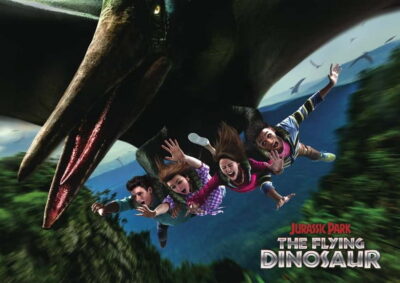
The VR section gets you comfortable with the mission’s controls and tone. You use virtual reality to shoot targets and deal with threats around the base. Some activities are styled like first-person shooting games, while other descriptions from the experience include lasers, zombies, and a flying roller-coaster-style sequence.
That variety makes the first part lively. If you already play VR games at home, you may adapt quickly. If you do not, the guides help you get started, and the small group means you should not be left to work out the controls alone.
The VR games are also useful for families. Children who are too young for the robot controls, or who are more comfortable with gaming than machinery, may find this the easiest part to enjoy. The minimum age is 11, so the activity is not designed for very young children, even though some family groups with older children have found the games especially appealing.
Programming and building a mini robot
The programming element gives the activity a more practical side. You may build a small robot similar to a Lego Technic model and connect its controls through a laptop. This is not a full engineering class, but it shows how commands become movement.
I like this part because it explains the link between the fun and the real work. You are not simply told that robotics involves programming. You get a small taste of putting a control system together yourself.
The task may feel basic to an adult robotics expert, while children and beginners may find it the most satisfying section. If you are mainly visiting to pilot the large robot, this portion can feel like preparation rather than the main event. Still, it gives the session more substance than a simple cockpit photo opportunity.
More Tickets in Tokyo:
- Tokyo: Hop-On Hop-Off Sightseeing Bus Ticket
★ 3.9 · 4,207 reviews - Tokyo Tower: Admission Ticket
★ 4.6 · 3,661 reviews - Tokyo: Japanese Dance Cabaret Theater Asakusa-Kaguwa Ticket
★ 4.8 · 2,270 reviews - Tokyo: Samurai Restaurant Show Ticket with 2 Drinks
★ 4.5 · 1,307 reviews
Piloting the ASTRO robot
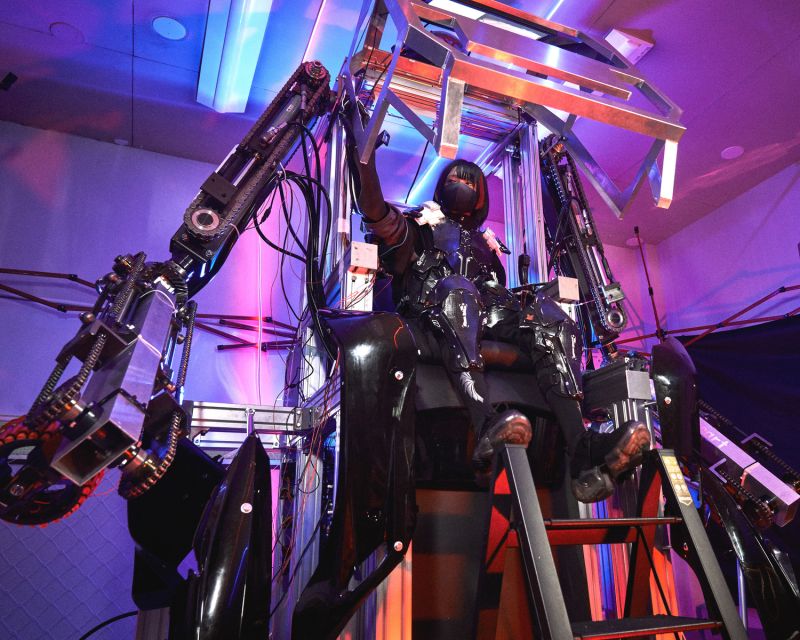
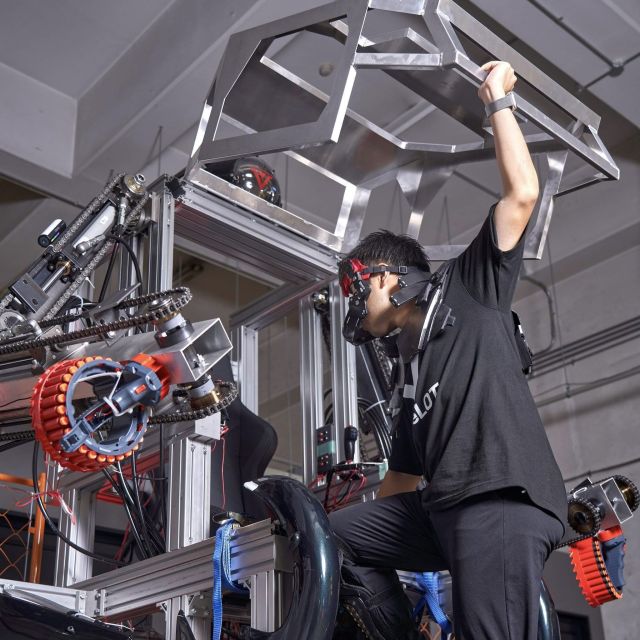
The highlight is the ASTRO robot prototype. Staff guide you into the piloting position and explain how to control it. You move the arms and fire the blasters at targets as you work through the base-defense story.
The controls are designed to be approachable. You do not need specialist robotics experience, and the staff remain close by while you operate the machine. You should follow their instructions carefully, especially in the compact lab where the robot’s movements need to be controlled.
Be realistic about the current capabilities. ASTRO cannot walk at this stage. Its legs have been removed so the machine can fit inside the facility, and the present system focuses on arm movement and shooting. This is still a genuine robot-piloting experience, but it is closer to operating a fixed mecha platform than driving a walking machine.
Each person gets about 10 minutes at the controls. With a group of four, that is not a long turn, and the time may be shorter if the group runs over three people. If piloting is the only thing you care about, book with that limitation in mind.
Why the staff make a difference
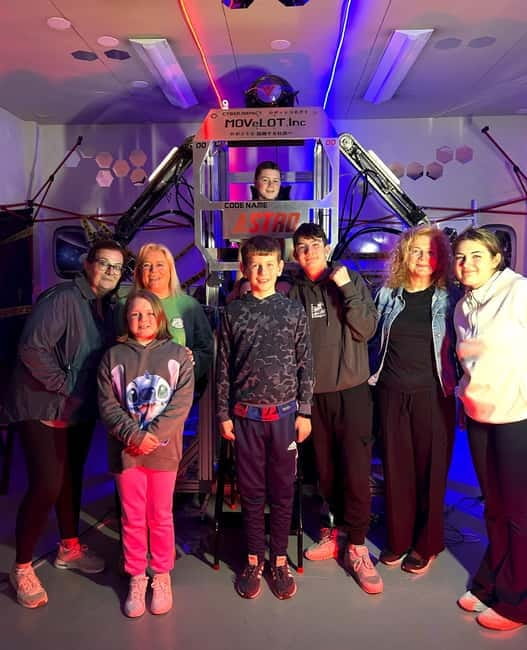
The attraction depends heavily on the guides. This is a small research facility, not a large attraction with a scripted show every few minutes. You get direct help from staff who are involved with the project and can explain how the systems work.
Tomo is repeatedly noted for being welcoming, helpful, and considerate. Atsu is also mentioned for giving clear explanations about robotics, artificial intelligence, and mechatronics. English and Japanese instruction are available, and the team has helped international visitors move through the activities without confusion.
I like the chance to hear about the developers’ plans and dreams. The appeal is not only the machine itself, but also the sense that you are seeing a project in progress. The robot is expected to change over time, and a return visit may show new systems or added functions.
That unfinished quality is worth understanding. You are supporting and observing development rather than receiving a polished commercial ride. A person who enjoys seeing how inventions improve may find this especially rewarding. Someone expecting a fully formed anime robot may find the limitations frustrating.
Getting to MOVeLOT in Ryogoku
The meeting point is MOVeLOT, Inc., at the Robot Base. From the A3 exit of Toei Ryogoku Station on the Oedo Line, allow about seven minutes on foot. From JR Ryogoku Station, the walk is about 13 minutes.
You arrange your own transport, so the $32 ticket does not include a train ride or taxi. Ryogoku is a practical stop to pair with other Tokyo plans, but you should arrive on time. The slot cannot be extended for late arrivals.
There may not be a proper waiting area at the facility. If you arrive too early, you may need to wait elsewhere, such as at a nearby café. I would aim to arrive with enough time to find the entrance without arriving so early that you are left standing around.
Bring a passport or another identification card, comfortable shoes, and a drink. Staff may ask for identification, and comfortable footwear makes sense when you are moving through the activities and operating equipment.
Who will get the most from this experience
This is a strong choice for several types of visitors:
- Robot and anime fans: The space-base story and mecha controls offer a direct way to act out a giant-robot fantasy.
- VR and gaming fans: The session includes multiple shooting games before the robot segment.
- Families with older children: The programming task and guided controls give children different ways to take part.
- People interested in engineering: The developers’ explanations and prototype format offer a look at robotics beyond entertainment.
- Repeat visitors to Tokyo: If you have already covered the major temples, museums, and observation decks, this gives you a more unusual indoor activity.
It is less suitable if you want a large, polished attraction with long ride time. It is also not suitable for children under 11, pregnant women, people with mobility impairments, anyone under 110 centimeters, or anyone over 100 kilograms. The provider also requires all visitors to have overseas insurance in case of injury, even though safety measures are in place.
Is $32 good value?
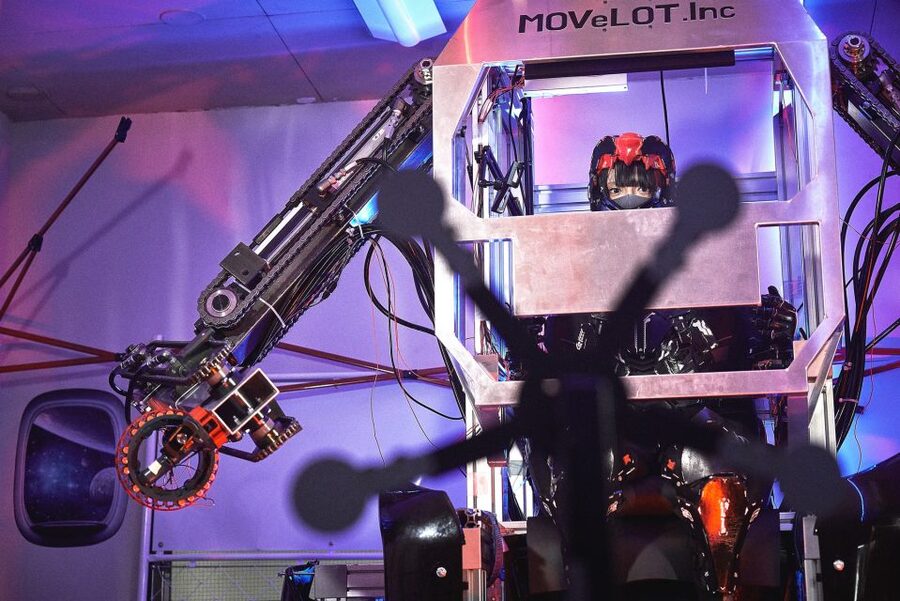
At $32 per person, I think the experience offers fair value if you are interested in at least two of its three parts. You get a 50-minute visit, several VR activities, a programming task, staff instruction, and access to a prototype robot that you can actually control.
The value drops if you are paying only for a long robot ride. Your individual time at the controls is about 10 minutes, and the rest is shared with the group through the VR and programming activities. A group of two or three gives you a better chance to enjoy a fuller turn than a group of four.
The price also reflects the unusual setting. This is not a standard arcade cabinet or a virtual-only attraction. You are visiting a development facility and taking part in a demonstration of a machine still being built. If that distinction interests you, $32 is reasonable. If you want a finished entertainment product, you may prefer a more conventional Tokyo game attraction.
How to make the most of your visit
Book ahead when your Tokyo schedule is tight. The group limit is four, and available time slots can fill. The reservation can be canceled for a full refund up to 24 hours before the activity, and you can reserve now and pay later, which helps if you are still arranging your itinerary.
Arrive on time, dressed for easy movement, and listen closely during the safety briefing. The robot operates in a small space, so do not move controls casually or ignore staff instructions.
If your group has four people, decide how you want to share the piloting time before you start. That avoids wasting the short control period. You can also treat the VR and mini-robot sections as important parts of the visit rather than simply waiting for your turn.
Ask questions about the robot’s development if the staff invite them. One of the pleasures here is seeing how the project changes. The experience may feel even more worthwhile if you treat it as a snapshot of a machine under construction.
Final call: should you book the Robot Base Lab?
Book it if you want a rare, hands-on robotics activity in Tokyo, especially if you enjoy VR, mecha stories, coding, or experimental technology. The friendly staff, small groups, and mix of activities make the session easy to follow, and the chance to control ASTRO is genuinely unusual.
Skip it if you need a long ride, a walking robot, or a large-scale attraction with polished special effects. The prototype has no working legs, and the piloting portion is brief.
For most robot fans and curious families with children over 11, I would book it. Go in expecting an early-stage research project with a playful story, not a finished theme-park ride, and the $32 price makes good sense.
FAQ
How long does the Robot Base Lab activity last?
The ticket covers a 50-minute session. The individual robot-piloting portion lasts about 10 minutes per person.
What activities are included?
The experience includes VR shooting games, programming the robot’s launch, and piloting the ASTRO robot prototype.
Can the robot walk?
No. The robot is still in the first phase of development. Its legs have been removed to fit inside the lab, so you can currently move its arms and fire its blasters.
How many people can join one group?
The activity is limited to four participants. If more than three people join, each person may receive less time to pilot the robot.
Is instruction available in English?
Yes. The instructors provide guidance in English and Japanese.
Where is the meeting point?
Check in with staff at MOVeLOT, Inc., at the Robot Base. It is about a seven-minute walk from the A3 exit of Toei Ryogoku Station on the Oedo Line, or 13 minutes from JR Ryogoku Station.
What should I bring?
Bring a passport or identification card, comfortable shoes, and drinks.
Who cannot take part?
The activity is not suitable for children under 11, pregnant women, people with mobility impairments, people under 110 centimeters, or people over 100 kilograms. All visitors must also have overseas insurance in case of injury.
Just added around Tokyo
- Kawagoe Japanese Food Tour : Unagi Kaiseki and Sake near Tokyo★ 5.0 · 30 reviews
- Kawagoe 4hr Private Tour with Licensed Guide (Kawagoe Dep)★ 5.0 · 13 reviews
- Little EDO Sushi Making workshop in Kawagoe★ 5.0 · 18 reviews
- 【R34】Tokyo:Private Daikoku tour in Modified R34★ 4.9 · 92 reviews
- :Tokyo,Shibuya/ Pro Photography in Kimono / English-Friendly★ 5.0 · 26 reviews
- Tokyo:Celebrate Unique Japanese New Year Tradition Festivity★ 3.9 · 20 reviews
- Tokyo: Allstar Food Tour★ 4.7 · 29 reviews
- Tokyo:Calligraphy &Make your original folding fan in Asakusa★ 5.0 · 62 reviews
Tickets, compared.


teamLab Planets TOKYO Digital Art Museum Entry Ticket
Our verdict →

Japanese Dance Cabaret Theater Asakusa-Kaguwa Ticket
Our verdict →
Kamakura & Enoshima Day Trip including Temple Tickets
Our verdict →