
Reviewed · FISH MARKET TOURS
Tokyo: Private Tsukiji Fish Market Tour with 3 food stops
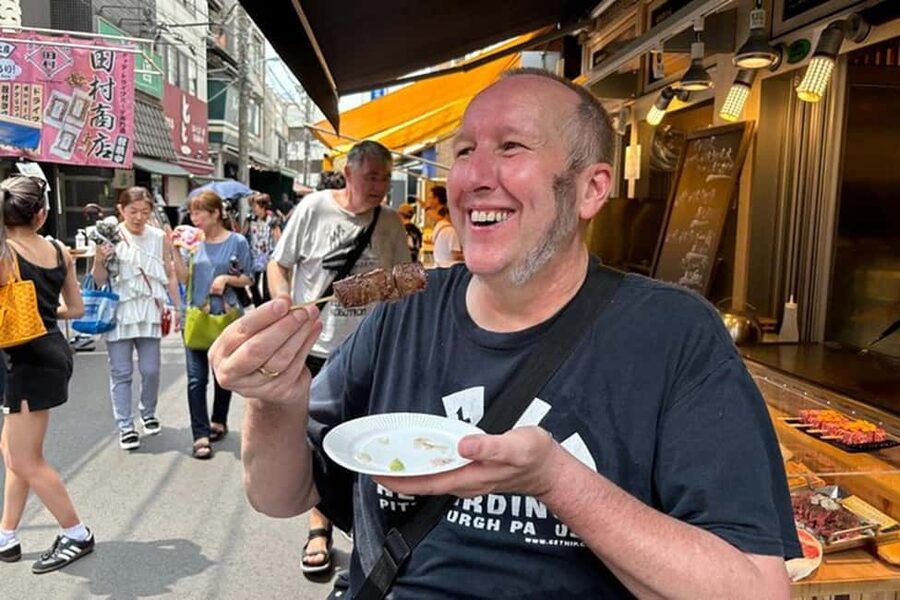
Tsukiji is best understood with something to eat in one hand and a local guide pointing out what matters in the other. This private two-hour walk joins three food tastings with a Shinto shrine, a Buddhist temple, and a look at the market’s working streets.
I like the relaxed private format, since you can ask questions and set the pace without being folded into a large group. I also like the cultural balance: this is not just a snack crawl, but a short lesson in how food, Shinto, and Buddhism meet in everyday Tokyo.
The main caution is that the depth of the storytelling may depend on your guide. Shuto and Sowar have received strong praise for clear explanations and warm service, but one critical account found the market commentary too light. If you want serious food history, ask questions as you go.
Key points to know before booking
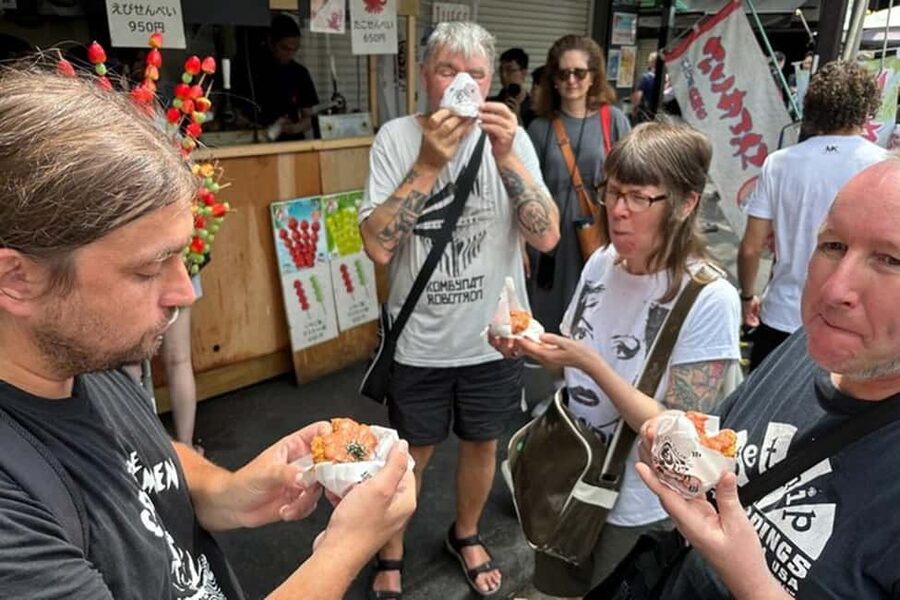
- Three tastings are included: You get three local foods selected by the guide, while any extra purchases are your responsibility.
- The route mixes food and religion: The walk includes Namiyoke Inari Jinja and Tsukiji Hongan-ji, not just market stalls.
- It is fully private: Your group walks at its own pace with no other participants joining.
- The market visit takes about 55 minutes: This is enough for an introduction, but not an exhaustive study of every lane.
- You finish near Tsukiji Station: The meeting point is in front of LAWSON Tsukiji 4 Chome Store.
- Guides speak English or Japanese: Past guides named Shuto and Sowar have been praised for friendly, adaptable service.
Why Tsukiji works so well for a short food tour
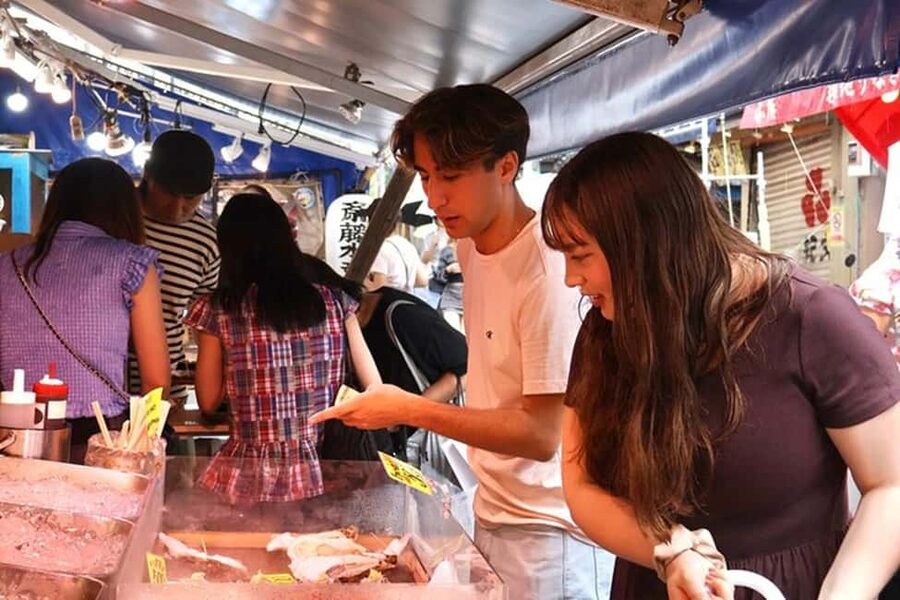
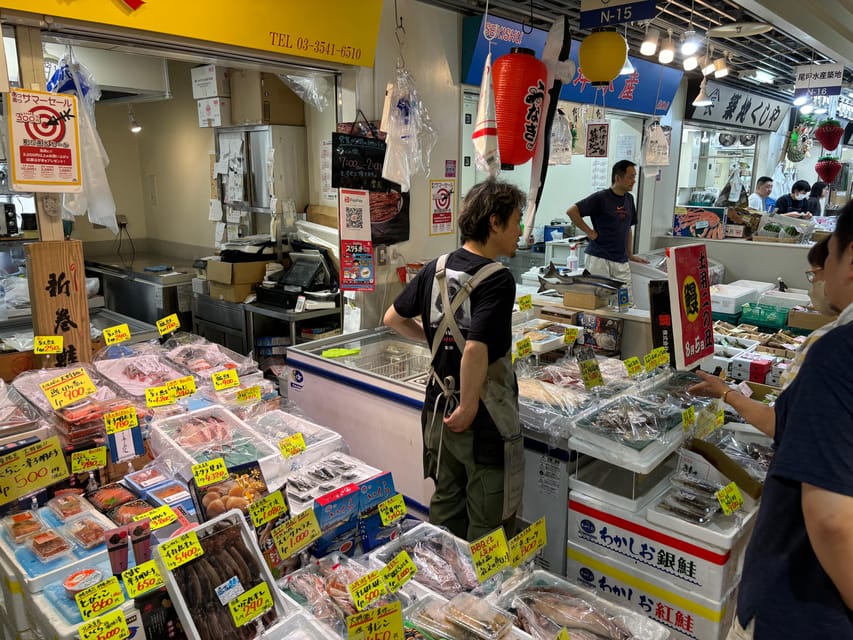
Tsukiji remains one of Tokyo’s easiest places to sample Japanese food culture without committing to a long meal. The former inner wholesale market moved to Toyosu, but Tsukiji’s outer market area still has food shops, stalls, and places where the market atmosphere is part of the experience.
That distinction matters. This is not a tour of the old wholesale auction floor. It is a walk through the Tsukiji Fish Market area, where you can watch the streets, browse food businesses, and taste selected local specialties.
I like the way this tour gives you a guide at the start of a Tokyo trip. You get a quick orientation, three foods chosen for you, and a chance to ask what you are looking at. You do not have to spend your first hour guessing which stall is worth your time.
The price is $49 per person. For a private two-hour tour, three included tastings, and a guide who can explain local customs, that is a fair price if you value convenience and personal attention. It is less appealing if your main goal is simply to eat as much as possible, since the tour includes only three foods and does not cover extra purchases.
More Market Tours in Tokyo
- Tokyo Tsukiji Fish Market Food and Culture Walking Tour
★ 5.0 · 3,184 reviews - Tokyo: Tsukiji Fish Market Food and Walking tour
★ 5.0 · 1,724 reviews - Tokyo: Tsukiji Fish Market Guided Walking Tour
★ 4.9 · 1,397 reviews
Meeting at LAWSON Tsukiji 4 Chome Store
The tour begins in front of LAWSON Tsukiji 4 Chome Store. This gives you a clear, practical meeting point rather than asking you to search through the market for a guide.
Arrive early. The tour clock begins at the scheduled meeting time, and a 15-minute failure to appear is treated as a no-show. If you are delayed, contact the provider in advance. Late arrival can shorten the walk or require changes to the plan.
The meeting point also makes sense for first-time visitors because Tsukiji’s streets can feel confusing once food stalls and shop signs begin competing for your attention. Starting with the guide gives you a firm point of reference before the route gets busier.
The tour ends at Tsukiji Station. That is useful for continuing your day in Tokyo, though the activity is a walking tour, not a transfer service.
First stop at Tsukiji Uogashi Kaikobashi Building
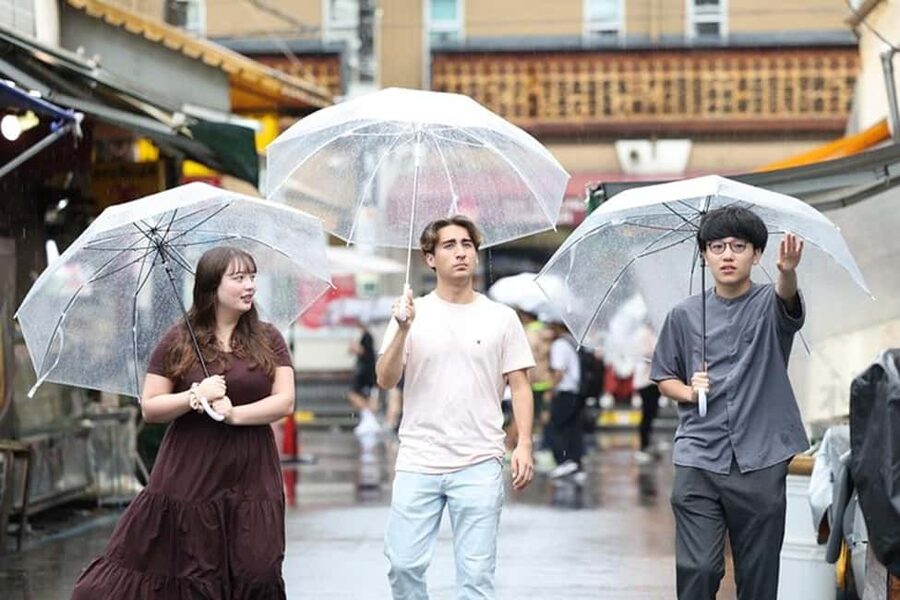
The first listed stop is Tsukiji Uogashi Kaikobashi Building, where the group spends about 15 minutes. This is a good opening because it places you near the market’s food trade before the longer tasting section.
Expect a brief visit rather than a full tour of the building. The guide can help explain what you are seeing and how the market area functions, but the supplied details do not promise a particular shop, stall, or seafood item here.
This is one place where your questions can shape the experience. Ask what makes the area different from Toyosu, how the outer market differs from the wholesale market, and which foods are common local choices. The quality of the answer may vary by guide, so do not wait for every detail to arrive without prompting.
A short prayer at Namiyoke Inari Jinja
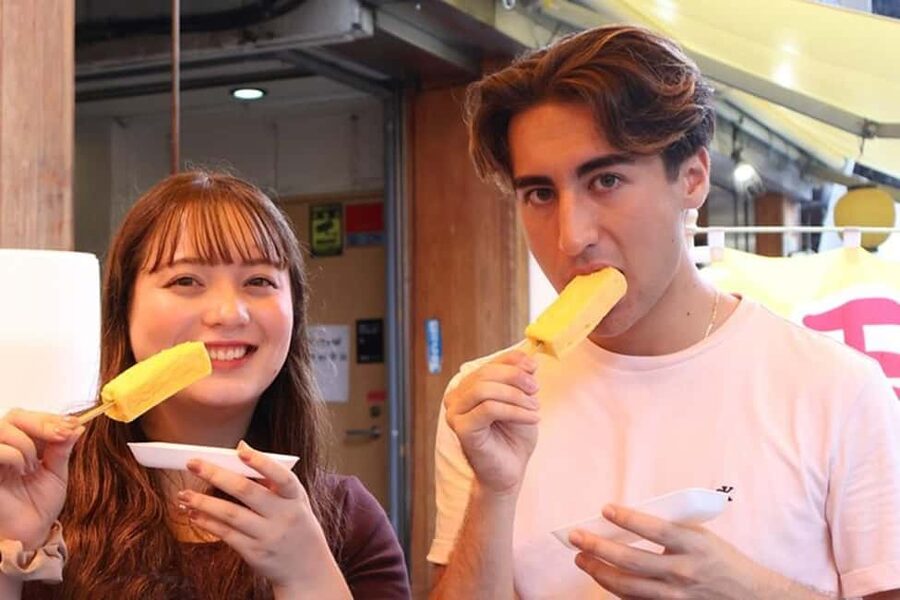
The route then moves to Namiyoke Inari Jinja for about 10 minutes. This Shinto shrine is closely tied to Tsukiji’s identity, and its inclusion gives the food walk a cultural pause.
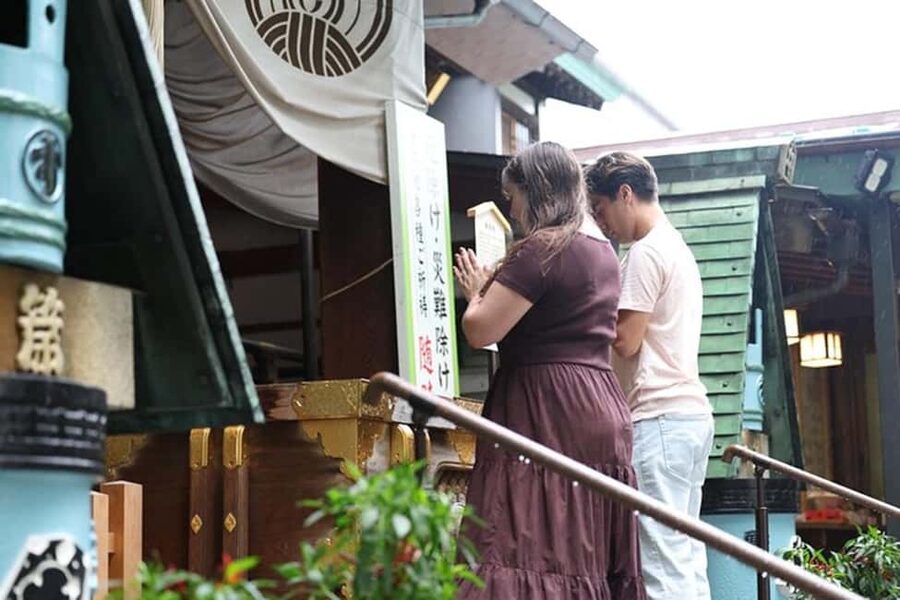
You are not simply passing a religious building on the way to lunch. The guide can show you how to pray and explain basic shrine customs. Shuto was specifically praised for teaching these steps at both the shrine and temple, which is helpful if Japanese religious etiquette is unfamiliar.
Ten minutes is enough for a calm introduction, but not for a long historical visit. Think of this as a focused stop that helps you understand the spiritual side of the neighborhood. Keep your expectations in proportion: it is part of a two-hour route, not a dedicated shrine tour.
The shrine visit also breaks up the food stops. You get a chance to slow down, look around, and see how a market district includes places for worship as well as places to buy food.
More Fish Market Walks in Tokyo:
- Tokyo Sushi Making Class in Tsukiji with Professional Chef
★ 5.0 · 1,177 reviews - Tsukiji Fish Market Guided Tour and Sushi Making with Pro Chef
★ 5.0 · 775 reviews - Tokyo: Tsukiji Fish Market Food and Culture Walking Tour
★ 4.7 · 757 reviews - Tsukiji Fish Market: Street Food & Culture Walking Tour
★ 5.0 · 669 reviews
Fifty-five minutes in the Tsukiji Outer Market
The longest part of the tour is the Tsukiji Outer Market, with about 55 minutes for walking, tasting, and browsing. This is the heart of the experience.
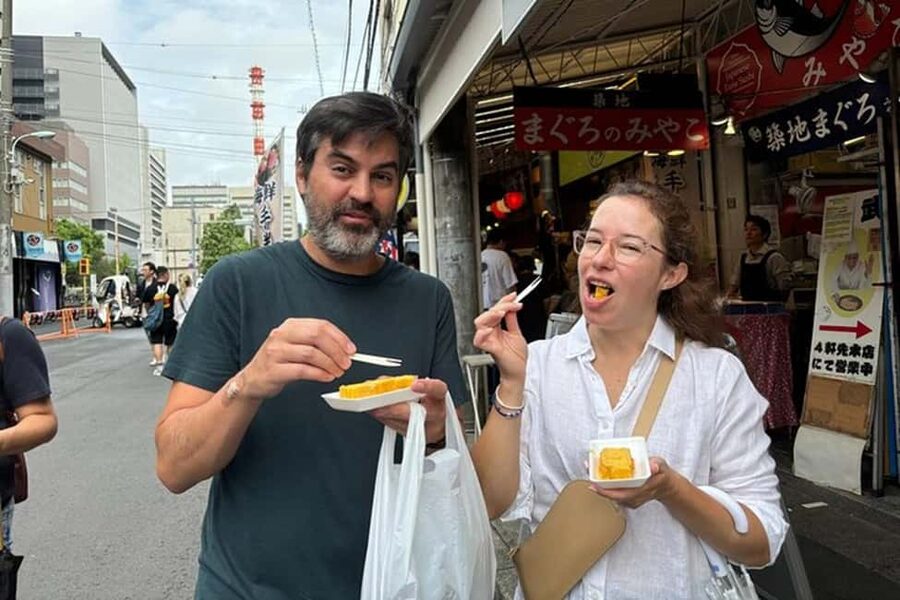
Your guide selects three must-try local foods, and those tastings are included in the $49 price. The exact foods are not specified in advance, so the selection can reflect the day, the available stalls, or the guide’s local recommendations. That flexibility is useful, though anyone with strict dietary needs should ask before booking or contact the provider ahead of time.
The tastings are not meant to replace a full meal. Three samples give you a useful introduction, but you may want to budget for additional food or drinks if you arrive hungry. Any extra expenses are separate from the tour price.
I like this arrangement because it removes some of the guesswork. Tsukiji can be exciting, but a first visit can also become a parade of menus and queues. A guide who points you toward local favorites helps you spend your limited time on foods with a reason behind them.
One guide, Sowar, adapted the route for an early start when the group did not want to eat yet. That suggests some practical flexibility, but it should not be treated as a guarantee that every tasting can be replaced or postponed. Confirm your needs in advance if breakfast-hour eating is not suitable.
The market section is also where the tour’s biggest weakness may appear. One assessment found too little explanation about the market’s history, culture, and daily work. Another wished for more insider facts. If you want more than a pleasant stroll, ask direct questions about the stalls, ingredients, customs, and changes in Tsukiji.
Thirty minutes inside Tsukiji Hongan-ji
After the market, the route spends about 30 minutes at Tsukiji Hongan-ji. This Buddhist temple gives the tour a useful contrast with Namiyoke Inari Jinja.
The shrine and temple are not interchangeable. One introduces Shinto practice, while the other offers a Buddhist setting. Seeing both in the same neighborhood helps you understand Japan’s mixed religious life without turning the tour into a formal lecture.
The temple is also a calmer final sightseeing stop after the market’s food activity. Your guide can explain how to behave and pray, as Shuto did for previous groups. That personal instruction is valuable because it lets you take part respectfully rather than simply photographing the entrance.
Thirty minutes is a generous share of the route for a temple visit, especially compared with the 10 minutes at the shrine. Still, the tour does not promise a special ceremony, interior access, or a guided architectural study. You should see it as cultural sightseeing with explanation, not as a specialist temple tour.
What the private format changes
Private tours cost more than shared walks, but here the difference is practical. You are not waiting for strangers, matching the pace of a large group, or hesitating to ask a basic question.
If you are traveling with family or friends, the private setup lets you pause at a stall, adjust the walking rhythm, or spend more time on a question that interests your group. It also makes the experience easier to manage for people who prefer a quieter pace.
The tour is listed as wheelchair accessible. Since the route uses market streets and includes several stops, it is sensible to share mobility needs when booking so the guide can handle the pace appropriately.
Private does not mean custom-built in every detail. The route still follows the main plan: market building, shrine, outer market, temple, and Tsukiji Station. The personal element is mainly the guide’s attention and your group’s pace.
How much guide quality matters here
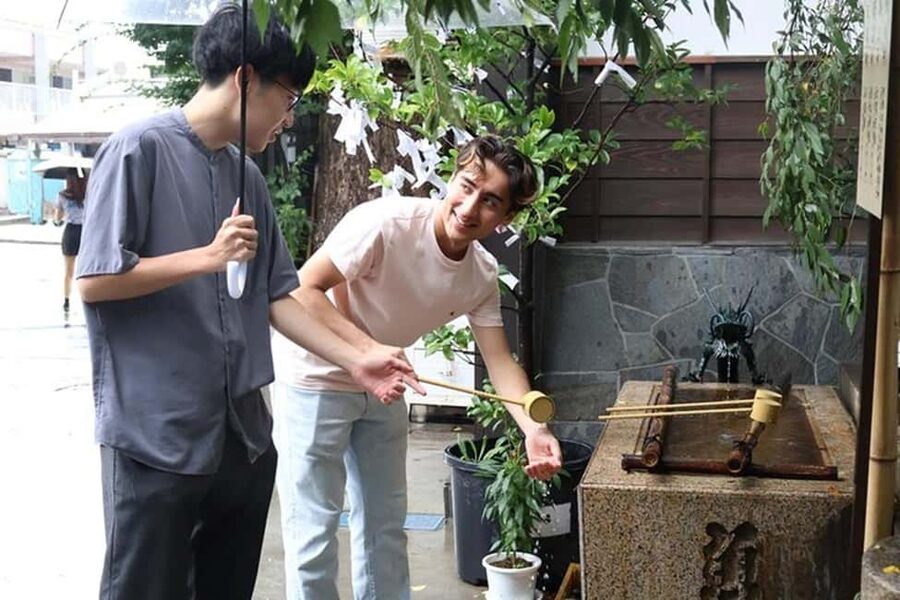
The guide is the make-or-break part of this experience. The food stops are useful, but the context turns them into a tour instead of a sequence of purchases.
Shuto received praise for explaining local history and teaching prayer customs. Sowar was described as professional, personable, and able to adapt when the group did not want to eat early. Those details suggest the best version of the tour includes conversation, cultural guidance, and practical recommendations for food and drinks.
At the same time, you should not assume every guide will provide the same level of detail. The overall rating is 4.7 from 15 ratings, but one low rating specifically criticized the lack of explanation. That is a fair warning for anyone choosing tours mainly for history and storytelling.
My advice is simple: come with questions. Ask what you are eating, why it matters in Tsukiji, how the market changed, and what locals buy for themselves. A responsive guide can make a short route feel full. A quiet guide may leave you with three snacks and only a thin sense of place.
Timing, pace, and what to bring
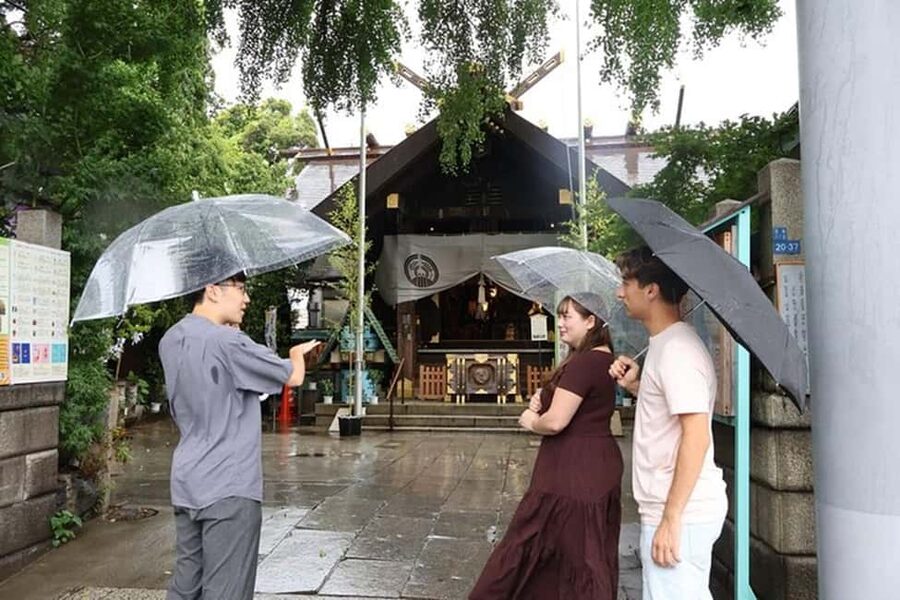
The tour lasts two hours, so it works well as a morning activity or a compact part of a wider Tokyo day. The schedule allows 15 minutes at the market building, 10 minutes at the shrine, 55 minutes in the outer market, and 30 minutes at the temple.
That leaves little room for wandering far off route. You should arrive ready to walk and keep your schedule afterward reasonably flexible, especially if you want to buy extra food.
Wear comfortable shoes. The tour is on foot, and the food market section may involve standing near stalls rather than sitting down for a formal meal.
You do not need to plan a separate food stop immediately before the tour, but arriving very hungry could be awkward if the selected foods are small portions. On the other hand, if you prefer not to eat early, tell the provider before the tour. Sowar’s reported flexibility is encouraging, though not a promise of a complete itinerary change.
Photos are taken during the tour and sent afterward. That gives you a record of the walk without requiring you to photograph every stop yourself.
Who should book this Tsukiji walk
I would recommend this tour to first-time visitors who want a quick introduction to Tsukiji and prefer a guide to make the food choices. It also suits couples, families, and small groups who value privacy and do not want to join a larger party.
It is a good match if you want three tastings plus a little cultural context. The shrine and temple add variety, and the private format lets you ask questions that a standard food crawl might skip.
You should think twice if you want a detailed study of Japanese seafood trade, market economics, or Tsukiji’s full history. The route is short, and the feedback indicates that the amount of storytelling can vary. A specialist food or history tour may suit you better.
The tour is also less useful if you want a long, sit-down meal. The included foods are tastings, and additional purchases cost extra. Think of the $49 as payment for orientation, selection, cultural instruction, and convenience, with snacks included along the way.
Should you book it?
Book this private Tsukiji tour if you want a relaxed first look at the market, three included foods, and a guide who can connect the area to Shinto and Buddhist customs. The private format and central finish near Tsukiji Station make it easy to fit into a Tokyo itinerary.
Skip it if you need guaranteed specialist-level history or a large meal. To get the most from the experience, arrive on time, ask plenty of questions, and tell the provider about eating preferences before the meeting.
FAQ
How long is the Tsukiji private tour?
The tour lasts two hours.
How much does the tour cost?
The listed price is $49 per person.
Are food tastings included?
Yes. Three local foods selected by the guide are included in the tour price. Additional food and other expenses are not included.
Where does the tour begin?
Meet your guide in front of LAWSON Tsukiji 4 Chome Store.
Where does the tour finish?
The tour finishes at Tsukiji Station.
Which religious sites are included?
The route visits Namiyoke Inari Jinja, a Shinto shrine, and Tsukiji Hongan-ji, a Buddhist temple.
Is the tour private?
Yes. It is a private group experience with no other participants joining your group.
What languages are available?
The live guide service is available in English and Japanese.
Can I cancel for a refund?
You can cancel up to 24 hours in advance for a full refund. If you do not arrive within 15 minutes of the meeting time, it is treated as a no-show with no refund.
More Food & Drink in Tokyo
- Tokyo: Shinjuku Food Tour (13 Dishes at 4 Local Eateries)
★ 5.0 · 6,603 reviews - Tokyo: Shinjuku Food Tour (15 Dishes and 4 Eateries)
★ 4.9 · 2,033 reviews - Best of Shinjuku: Izakaya Food Tour (4 Stops, 14+ Tastings)
★ 5.0 · 1,863 reviews - Eat and Drink Like a Local: Tokyo Ueno Food Tour-Taverns&Ramen
★ 5.0 · 957 reviews
Just added around Tokyo
- Kawagoe Japanese Food Tour : Unagi Kaiseki and Sake near Tokyo★ 5.0 · 30 reviews
- Kawagoe 4hr Private Tour with Licensed Guide (Kawagoe Dep)★ 5.0 · 13 reviews
- Little EDO Sushi Making workshop in Kawagoe★ 5.0 · 18 reviews
- 【R34】Tokyo:Private Daikoku tour in Modified R34★ 4.9 · 92 reviews
- :Tokyo,Shibuya/ Pro Photography in Kimono / English-Friendly★ 5.0 · 26 reviews
- Tokyo:Celebrate Unique Japanese New Year Tradition Festivity★ 3.9 · 20 reviews
- Tokyo: Allstar Food Tour★ 4.7 · 29 reviews
- Tokyo: West-Side Cycling and Food Tour with Guide★ 5.0 · 37 reviews
Fish Market Tours, compared.
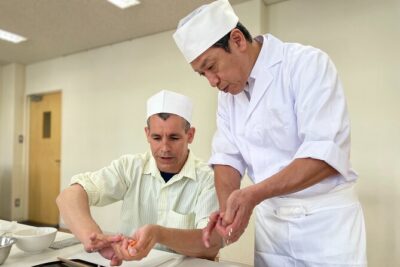
Tokyo Sushi Making Class in Tsukiji with Professional Chef
Our verdict →

Wakayama Cat Train, Seafood market, Hot Springs Tour
Our verdict →
Awesome Private Tour: Tsukiji, Asakusa, Shinjuku, Shibuya
Our verdict →Browse the lists this tour appears in