
Reviewed · HIDDEN GEMS TOURS
Tokyo: Full Course Tour: Explore 10 Must-Sees & Hidden Gems
Tokyo rarely gives you time to ease in. This seven-hour tour gets you moving from Meiji Shrine and Shibuya to Tsukiji, the Imperial Palace, Akihabara, and Asakusa, with local guides such as Sam and Yasuko explaining what you are seeing along the way. It is a fast first look at a huge city.
I like the small group of up to seven, which makes questions and metro transfers easier. I also like that the route mixes grand sights with everyday Japan, including a Seven-Eleven visit and practical lessons on etiquette. The catch is simple: expect about 20,000 steps, several train rides, and little time to linger.
Key points to know before booking
- Up to 10 major sights in one day: The route links Tokyo’s famous districts with several lesser-known stops.
- Born-and-raised local guides: Sam, Yasuko, and Yasko have been praised for explaining culture, history, and daily customs clearly.
- Small group format: A maximum of seven people keeps the group easier to manage on busy streets and trains.
- Metro travel is part of the lesson: You pay about 1,500 JPY for transport and learn how to move around Tokyo.
- Food is not included: Tsukiji is the place to buy lunch and snacks, with vegetarian and vegan choices available.
- This is a demanding walking day: Sporty shoes and easy-moving clothes are essential.
A quick way to get your Tokyo bearings
The best reason to book this tour is its range. In one day, you see a forest shrine, Tokyo’s best-known crossing, an old market district, the imperial center, a pop-culture quarter, and one of the city’s oldest temples. You will not know every street by the end, but you will understand how Tokyo’s different districts fit together.
The day begins at the west exit of JR Yoyogi Station, outside the ticket gate. That meeting point matters. Yoyogi connects well with central Tokyo, but station exits can be confusing, so arrive early and confirm you are at the west exit before the scheduled departure. The group leaves on time, and late arrivals cannot join.
Your guide leads in English. The company says its guides are Japanese and born and raised in Tokyo. Sam and Yasuko are named guides associated with this experience, and Yasko is also mentioned in the tour details. The strongest praise centers on their warmth, clear explanations, practical help, and ability to answer questions. Yasuko has also used maps to help people understand where they are, while one visitor appreciated a guide using slides on an iPad.
That kind of help is useful here. Tokyo’s streets are orderly but not always intuitive, and the rail system can feel like a puzzle when you are new to Japan. The guide is not simply pointing at buildings. You learn how to behave on public transport, how Japanese customs affect daily life, and how to find restaurants and food stops after the tour.
More Hidden Gems Tours in Tokyo
- 3h Tokyo E-Bike Tour: Hidden Gems, and Local Life with guide
★ 5.0 · 670 reviews - Tokyo: Custom Hidden Gems & Highlights Tour with Local Guide
★ 4.7 · 272 reviews - Tokyo: 3-hour Guided E-Bike Tour of the City’s Hidden Gems
★ 4.8 · 251 reviews
Seven-Eleven and the first taste of local life
Starting with Seven-Eleven is a smart choice. It shows you konbini culture, the Japanese convenience-store habit that visitors often notice but may not understand at first. These shops are not just places for emergency drinks. They are part of everyday life and offer a useful look at the quality and variety of ordinary Japanese snacks.
You may also get practical ideas for quick breakfasts, drinks, and inexpensive food during the rest of your trip. This is a short stop, not a formal tasting session, and your own purchases are not included. Bring Japanese yen because some shops and small food stops accept cash only.
Meiji Jingu: a quiet start in central Tokyo
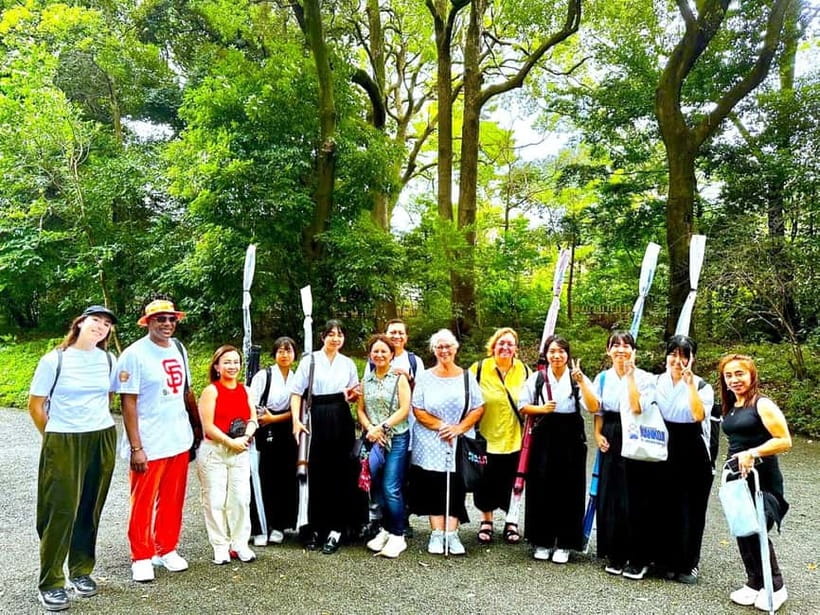
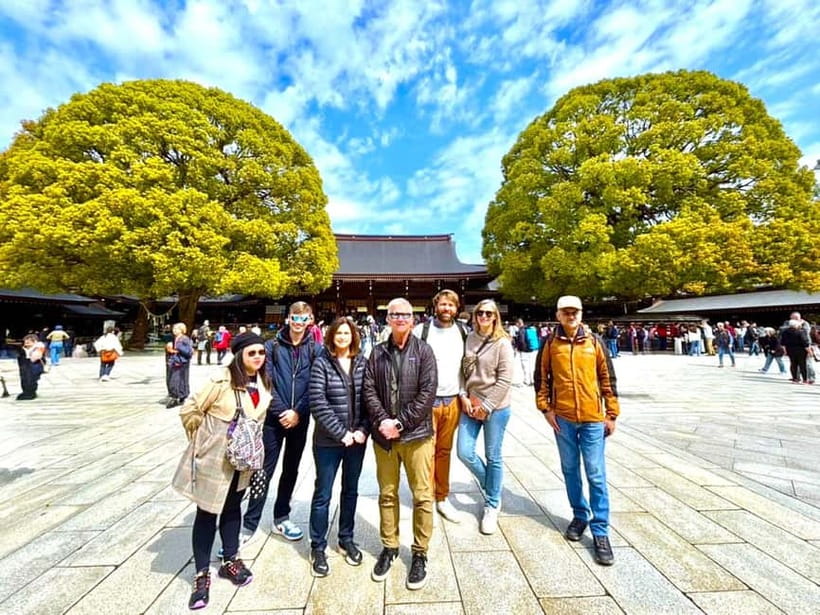
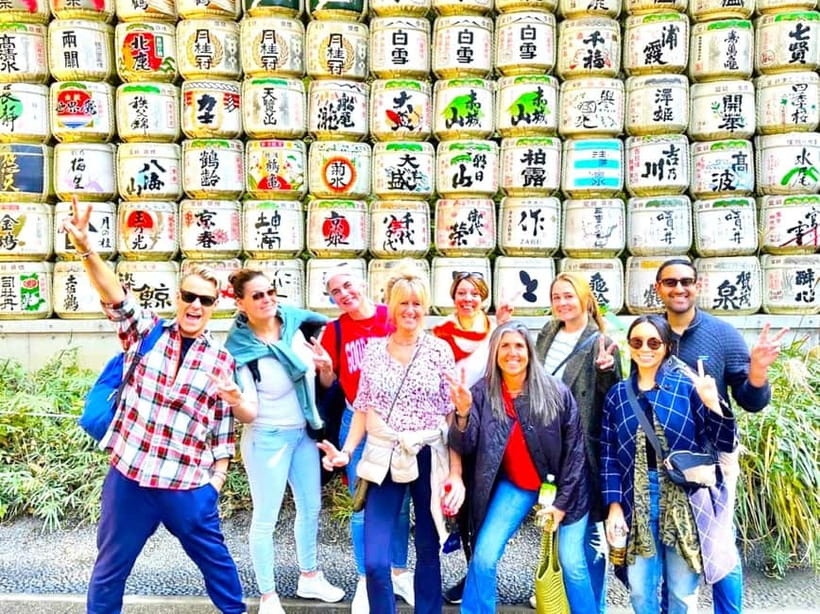
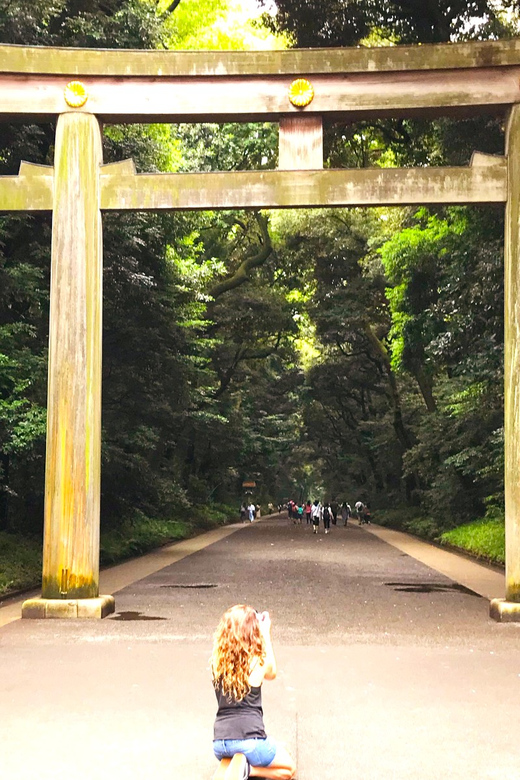
Meiji Jingu gives the morning a change of pace. Its forest setting creates a calm break from traffic and tall buildings, and the shrine introduces you to Shinto practice without requiring a long museum visit.
Your guide explains the basic customs and the significance of the site. That context helps you approach the shrine with respect rather than treating it as a photo backdrop. You will also learn more about Japanese values and etiquette, themes that continue throughout the day.
The drawback is time. A seven-hour route cannot give you a slow, reflective visit. The forest paths also add to the walking total, so this stop feels peaceful but not physically effortless.
Hachiko and Shibuya Scramble
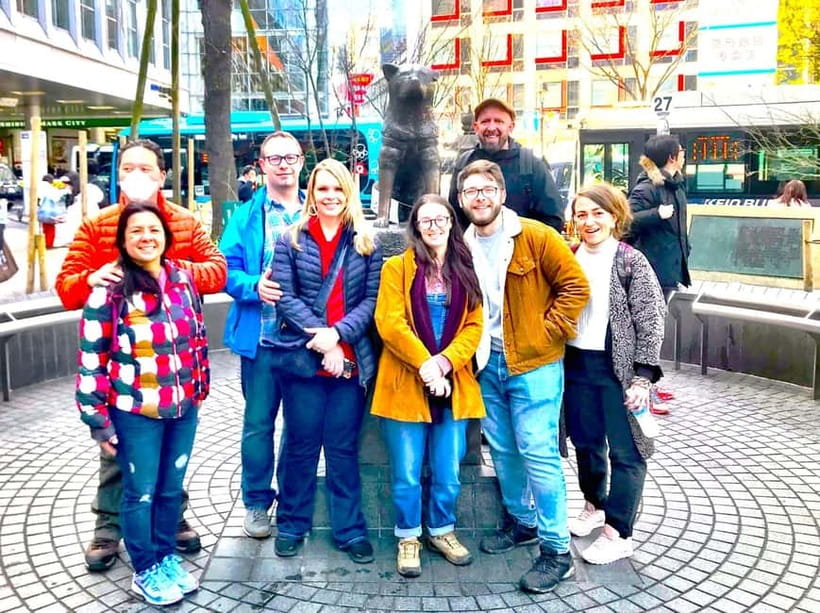
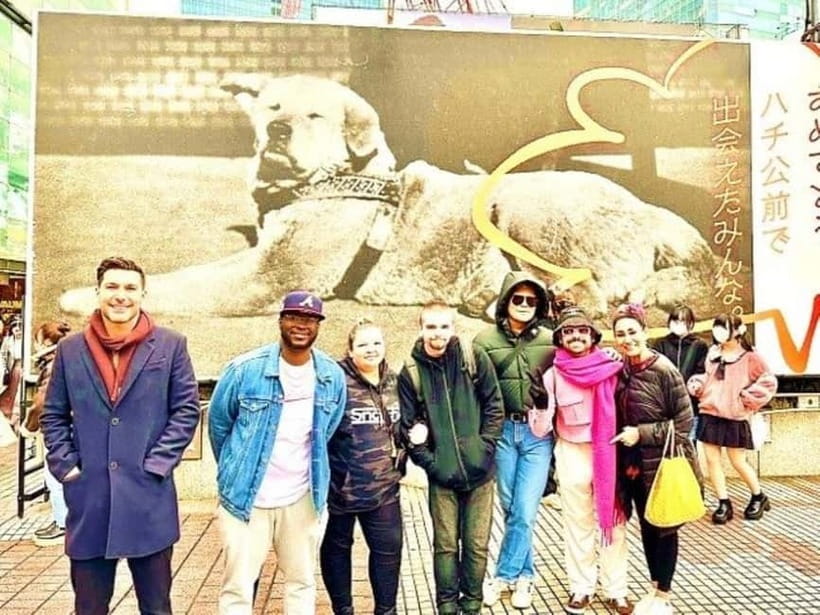
In Shibuya, the tour turns from quiet shrine grounds to one of Tokyo’s most recognizable urban scenes. The Hachiko statue provides a small but memorable story about loyalty and local affection. Your guide explains the true story behind the dog, giving the crowded plaza a human detail.
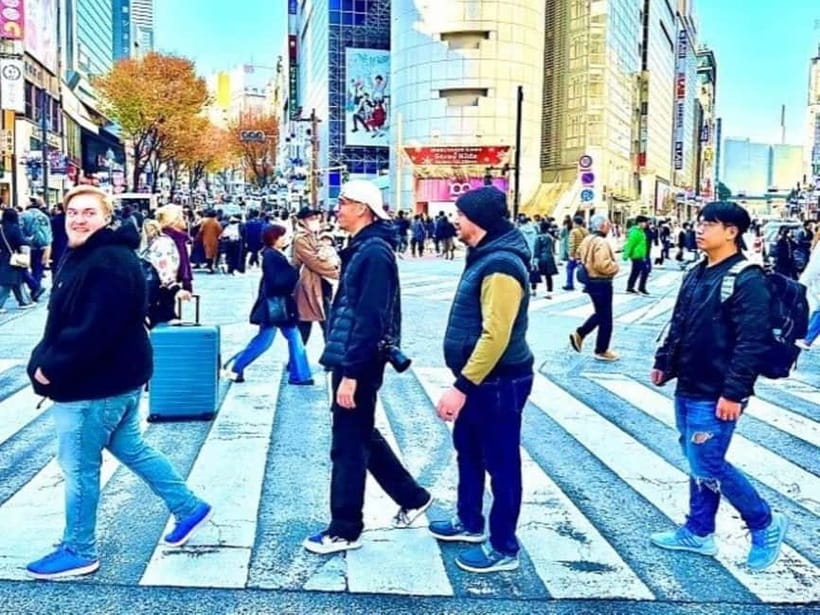
Then comes Shibuya Scramble Crossing. The attraction is free, but the experience is lively and photogenic. You cross with the flow of people and see Tokyo’s city rhythm from ground level. It is a good example of how this tour handles famous sights: you get the essential moment, then move on before spending half a day in one district.
Do not expect a long shopping session in Shibuya. The point is orientation and atmosphere, not browsing department stores or visiting observation decks. If Shibuya is your main interest, return later with more time.
Same trip, a completely different kind of day:
- 1-Day Tokyo Bus Tour
★ 5.0 · 14,250 reviews - Tokyo: TOKYO SKYTREE® Admission ticket
★ 4.5 · 11,192 reviews - Tokyo: teamLab Planets TOKYO Digital Art Museum Entry Ticket
★ 4.6 · 9,779 reviews - Tokyo: Sumo Show Experience with Chicken Hot Pot and a Photo
★ 4.8 · 6,678 reviews
Tsukiji Honganji and the outer market
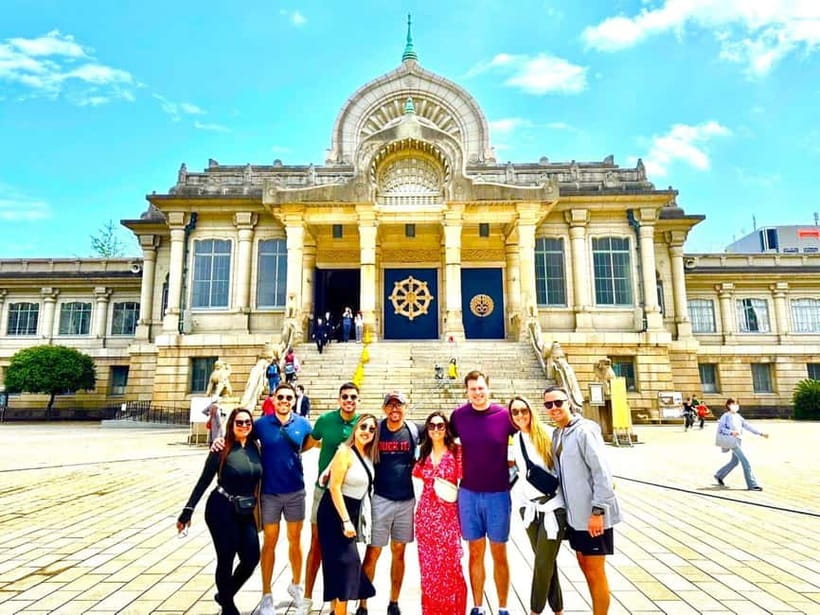
Tsukiji brings two different experiences close together. First, Tsukiji Honganji Temple offers unusual architecture, including Indian-inspired details and stained glass. It is not the standard temple image many people expect from Japan, which makes it a useful stop for anyone interested in how Tokyo’s religious buildings can differ in style.
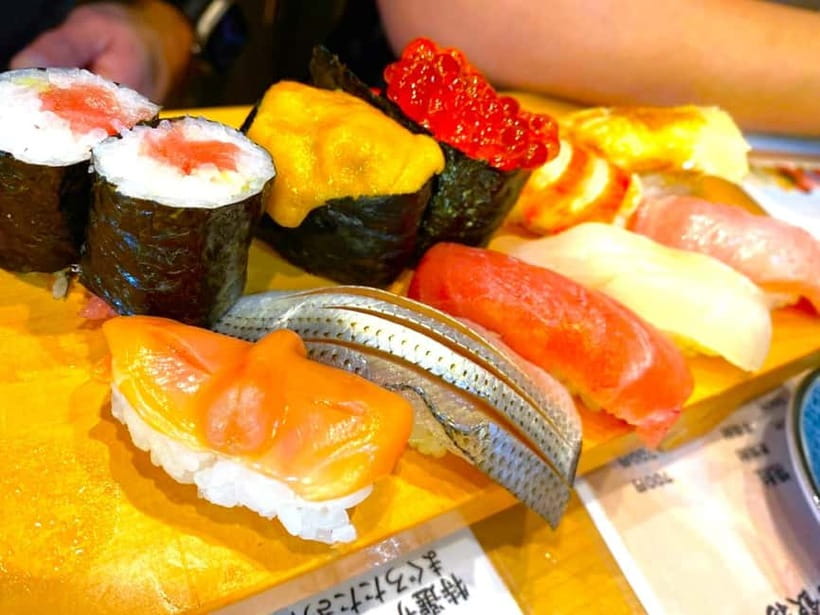
Next comes the Tsukiji Outer Market, often called Japan’s Kitchen. This is one of the day’s most practical stops because you have time to look at food, consider lunch, and ask your guide what is worth trying. Seafood, Wagyu, and local delicacies are among the choices described for the area.
Lunch and snacks cost extra. That is a benefit for some people, since you can choose what suits your appetite and budget. It can also be a limitation if you prefer a planned meal with a reserved table. Vegetarian and vegan options are available, but tell your guide early so food choices are easier to manage.
Tsukiji can also be crowded and tempting. Keep an eye on the group and do not wander off to chase one more snack stall. The guide cannot leave the group to search for missing people.
The Imperial Palace, Marunouchi, and Tokyo Station
The Imperial Palace area shows Tokyo’s historic center without an entrance fee. You walk around the former Edo Castle grounds and see the imposing stone walls. The stop offers a useful link between the city’s samurai-era past and its present role as Japan’s capital.
The Marunouchi area changes the view again. Sleek office towers sit near the imperial grounds, making this one of the clearest places to see old and new Tokyo beside each other. The walk is scenic, but it is also another stretch on foot, so the cumulative distance begins to matter.
Tokyo Station is the visual finish to this section. Its red-brick exterior gives the enormous transport hub a strong historic face. You will learn to recognize one of Tokyo’s key gateways, and the station is also a useful reference point for exploring on your own later.
None of these stops requires an admission ticket, which helps the value of the tour. You are paying mainly for the guide’s time, route planning, explanations, and help with transport. You still need to cover your own train fares and food.
Akihabara and the city’s pop-culture side
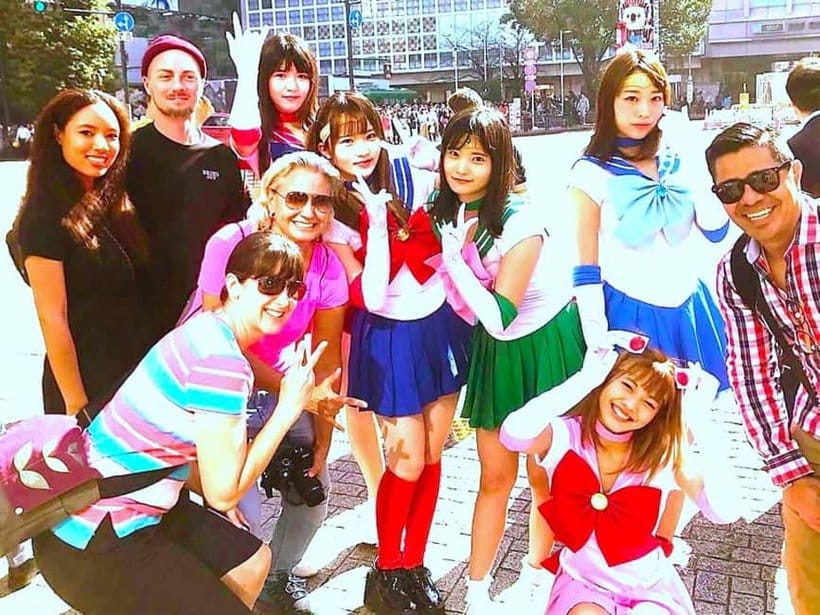
Akihabara prevents the day from becoming only a temple and history tour. Known as Electric Town, the district is tied to anime, gaming, electronics, and Japanese pop culture. The tour gives you a short introduction to that side of Tokyo, which is especially useful if you are unsure where to begin.
The key word is introduction. You should not expect a long shopping expedition or a detailed tour of individual stores. Instead, you get a sense of why Akihabara matters and a chance to mark places for a later visit.
This stop also shows why the route works well for a first day. Tokyo is not one single type of place. Shrine grounds, office districts, food markets, rail stations, and pop-culture streets all belong to the same city.
Sensoji and Asakusa’s older Tokyo
Sensoji Temple is the day’s major traditional finale. You approach through Kaminarimon Gate and enter one of Asakusa’s most important religious areas. The temple is identified as Tokyo’s oldest, and the setting gives you a strong sense of the city’s older identity.
Asakusa Shrine, within the Sensoji grounds, adds a second layer. Your guide explains the connection and history of this smaller Shinto site, helping you notice details that are easy to miss when you are focused only on the large temple.
Asakusa is a place where many people want more time. On this tour, you get an organized introduction rather than a full neighborhood visit. If you enjoy traditional streets, shopping, or temple architecture, plan to return on another day.
What 20,000 steps and metro travel mean in practice
The tour estimates roughly 20,000 steps. That is a serious walking day, even though the metro carries you between districts. Wear supportive sports shoes, choose clothing that lets you move easily, and avoid high heels.
You need a pre-charged Suica, Pasmo, or Icoca card for metro travel. Transportation is not included, and the expected total is about 1,500 JPY, or roughly 10 USD. Your guide helps with the route, but you still need a usable card and enough balance.
The pace is likely to feel brisk because the route covers so much ground. That is the tradeoff. You see more areas in one day, but you do not get long free periods at each attraction. People with low fitness, back problems, mobility limitations, or pregnancy should not book this activity. It is also not suited to children under 13, and anyone under 18 must be accompanied by an adult.
The tour runs in rain, so bring an umbrella or raincoat. No baby strollers or oversize luggage are allowed, and intoxication is not permitted.
Is the 77 dollar price good value?
At $77 per person, the price is reasonable if you want a guided first day and would otherwise lose time figuring out Tokyo’s transport and district layout. The admissions are free, so the value comes from the route, the small group, the guide, and the cultural explanation.
You should budget extra for metro or JR fares, lunch, and snacks. A total transport cost of about 1,500 JPY is clear enough, but food spending at Tsukiji depends on your choices. Cash is important for smaller purchases.
The seven-person limit is a real advantage. Large groups can become awkward at station gates and busy crossings. A small group also makes it easier to ask about manners, food, history, and places to revisit. The five-out-of-five rating from 35 reviews supports the strong impression of the guides, especially Sam and Yasuko, but the demanding pace remains the main practical concern.
Who should book this Tokyo day?
I would choose this tour for a first day in Tokyo, a short stopover, or a visitor who wants a city overview before choosing where to spend extra time. It is also useful if you are nervous about the rail system or want a local explanation of Japanese etiquette rather than a day of independent sightseeing.
I would not choose it for a relaxed temple day, a food-focused tour, or a family with young children. You will not have enough time to explore each district in depth, and 20,000 steps can be too much for anyone with mobility or fitness concerns.
Cancellation is free up to seven days before the activity for a full refund. Confirm your start time when booking, arrive early at Yoyogi Station, and keep your guide’s contact details handy.
Should you book it?
Book this tour if you want to get your bearings fast and prefer a local guide to handle the route. The mix of Meiji Jingu, Shibuya, Tsukiji, the Imperial Palace, Akihabara, and Asakusa gives you a useful first map of Tokyo, while Sam, Yasuko, and the other local guides add the cultural details that signs alone cannot provide.
Skip it if you want slow meals, long shopping stops, or a gentle walking schedule. For the right visitor, this is a high-energy orientation day that turns Tokyo from a maze into a city you can start exploring on your own.
FAQ
How long does the Tokyo tour last?
The tour lasts seven hours.
How many people can join the group?
The small group is limited to seven participants.
What language is the tour conducted in?
The live tour guide conducts the tour in English.
Where is the meeting point?
Meet outside the ticket gate at the west exit of JR Yoyogi Station, at 1-chōme-34 Yoyogi, Shibuya City, Tokyo 151-0053.
Which places are included on the route?
The listed places include Seven-Eleven, Meiji Jingu Shrine, Hachiko, Shibuya Scramble Crossing, Tsukiji Honganji Temple, Tsukiji Outer Market, the Imperial Palace, Marunouchi, Tokyo Station, Akihabara, Sensoji Temple, and Asakusa Shrine.
Are attraction admission fees included?
The listed attractions are free to enter. Food, drinks, transportation, and any other entrance fees are not included.
How much should I budget for transportation?
Metro and JR fares are expected to cost about 1,500 JPY, or approximately 10 USD.
Do I need an IC transportation card?
Yes. Bring a pre-charged Suica, Pasmo, or Icoca card for metro travel.
What should I bring?
Bring comfortable shoes, easy-moving clothing, cash, rain gear when needed, and your public transport card.
Is the tour suitable for children or people with mobility issues?
Children under 13 are not suitable for the group tour, and anyone under 18 must be accompanied by an adult. The activity is not suitable for pregnant people, wheelchair users, people with back problems, people with a cold, or people with low fitness.
Just added around Tokyo
- Kawagoe Japanese Food Tour : Unagi Kaiseki and Sake near Tokyo★ 5.0 · 30 reviews
- Kawagoe 4hr Private Tour with Licensed Guide (Kawagoe Dep)★ 5.0 · 13 reviews
- Little EDO Sushi Making workshop in Kawagoe★ 5.0 · 18 reviews
- 【R34】Tokyo:Private Daikoku tour in Modified R34★ 4.9 · 92 reviews
- :Tokyo,Shibuya/ Pro Photography in Kimono / English-Friendly★ 5.0 · 26 reviews
- Tokyo:Celebrate Unique Japanese New Year Tradition Festivity★ 3.9 · 20 reviews
- Tokyo: Allstar Food Tour★ 4.7 · 29 reviews
- Tokyo: West-Side Cycling and Food Tour with Guide★ 5.0 · 37 reviews
Hidden Gems Tours, compared.

Kyoto Geisha Walking Tour: Gion District & Hidden Gems
Our verdict →
Small Group, Big Flavors & Hidden Local Secrets Tour
Our verdict →Browse the lists this tour appears in