
Reviewed · RICKSHAW RIDES
Tokyo: Asakusa Sightseeing Tour by Rickshaw
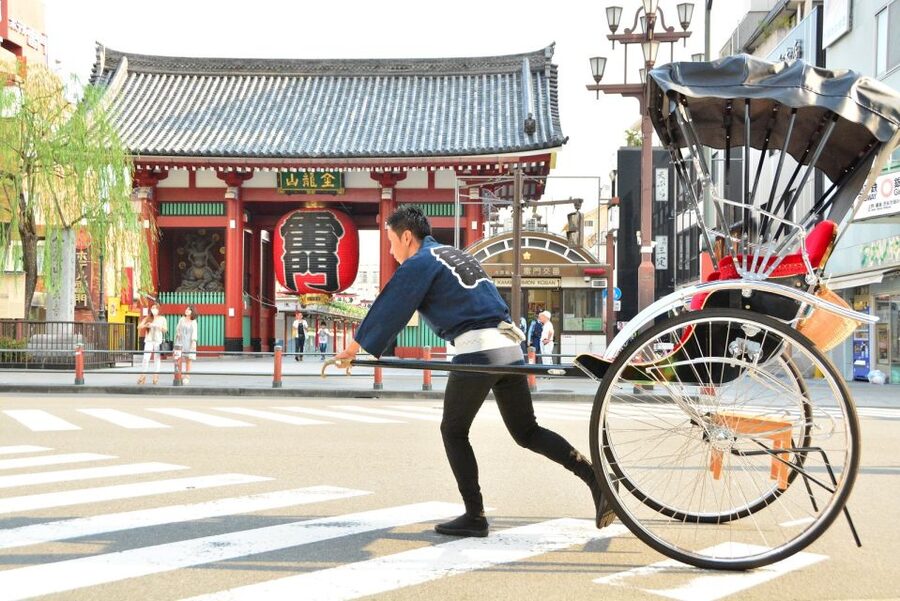
A rickshaw puts you at street level in Asakusa, close enough to notice temple details, shopfronts, gardens, and daily life without walking every block. I like the way the ride links famous sights such as Sensoji and Asakusa Shrine with less polished corners like Rokku and Denpoin Street. I also like the personal touch: guides including Masa, Kazu, Shima, and Taku are known for explaining rituals, taking photos, and adjusting the route to your interests.
The main consideration is price. At $35 per person, a short ride can feel like an introduction rather than a full tour, and two adults must share one 74-centimeter-wide rickshaw. The longer options offer better value if you want more temples, streets, and local stories without rushing.
Key Points
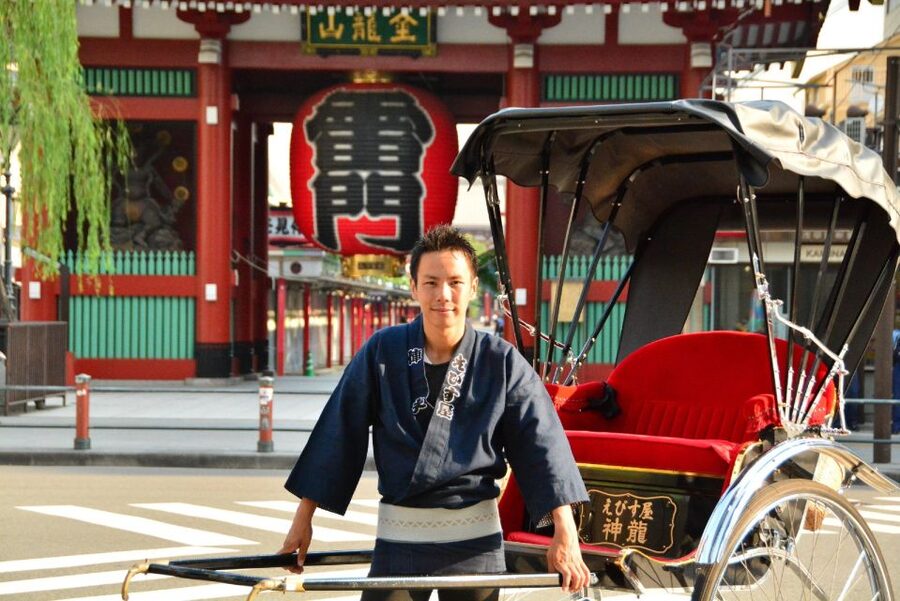
- See Asakusa from a raised seat: A rickshaw gives you a clear view above street traffic and a pleasant breeze in warm weather.
- Visit more than the main temple: Routes can include Asakusa Shrine, Bentendo Hall, Sumida Park, Hanakawado, Rokku, Tanuki-doori, and Denpoin Street.
- Expect a personal guide: This is a private group experience, with English or Japanese-speaking guides who can customize the ride.
- Build in photo stops: Guides regularly take pictures with your phone and point out useful angles for temple and street scenes.
- Pick the right length: The 30-minute ride works as a quick orientation, while the 70, 90, and 120-minute choices allow a fuller look at Asakusa.
- Plan for narrow seating: Each rickshaw is 74 centimeters wide, and two adults are the limit.
Why a Rickshaw Is a Good Way to Meet Asakusa
Asakusa is easy to walk, but it is not always easy to understand on foot. The temple grounds, shopping streets, riverfront, amusement district, and smaller shrines all sit close together, yet the meaning of each place can be easy to miss.
A rickshaw solves part of that problem. You sit comfortably while a local guide handles the route, explains what you are seeing, and points out details you might pass without noticing. The ride is not just transport. It is a moving introduction to one of Tokyo’s oldest-feeling districts.
The raised seat gives you a different view from a taxi or tour bus. You can watch shop signs, pedestrians, lanterns, trees, and old buildings pass at a slow enough pace for conversation. On several routes, the driver stops so you can get out or take photographs.
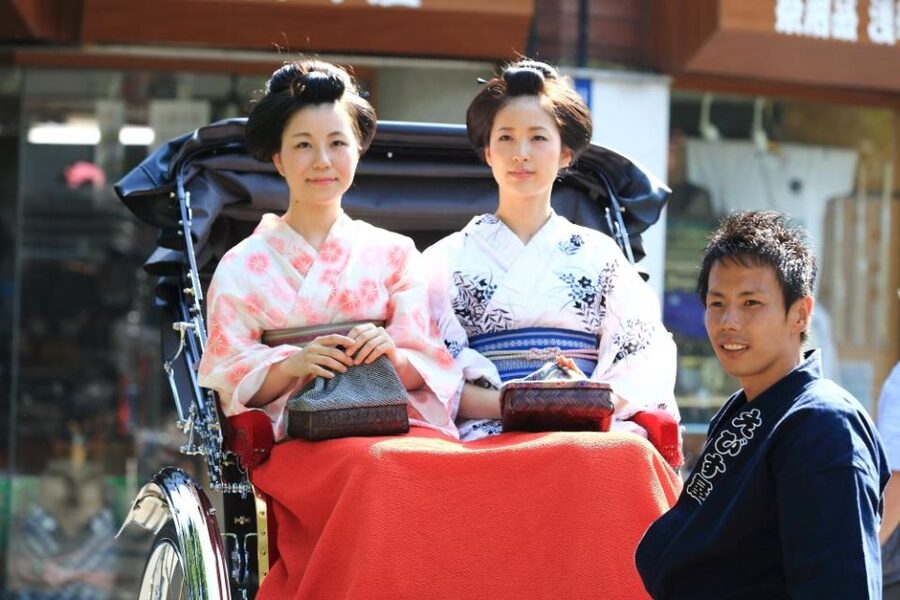
This is also a private group activity. You are not sharing a guide with a large busload, and the route can be adjusted around your interests. You might ask for more temple information, more photo stops, or a look at anime-related places. The guides have also helped families, couples, solo visitors, and people using the ride as a quick first look at Tokyo.
More Rickshaw Rides in Tokyo:
- Tokyo Asakusa Rickshaw Tour
★ 5.0 · 1,375 reviews - Kyoto: Arashiyama Customized Rickshaw Tour & Bamboo Forest
★ 5.0 · 432 reviews - Kyoto Arashiyama Rickshaw Tour with Bamboo Forest
★ 5.0 · 354 reviews
Sensoji, Asakusa Shrine, and the Rituals of the Temple District
The main draw is Asakusa’s temple district, home to Sensoji, Tokyo’s oldest temple. The nearby Asakusa Shrine adds another layer, since you see a Buddhist temple and a Shinto shrine within the same area.
A good guide will help you understand the difference between the two traditions instead of treating the buildings as photo backdrops. You may learn how to wash your hands and mouth at a purification fountain, what the incense smoke means, and how people approach the shrine or temple respectfully.
Bentendo Hall and smaller religious sites may also appear along the route. These quieter stops can be especially useful if you have already seen the main approach to Sensoji and want something less crowded. One longer ride included a small Buddhist shrine where the guide could explain local customs without the noise of the main temple area.
The route is not designed as a formal temple lecture. It is more conversational. Guides such as Gail’s driver, Shima, Taku, and Masa have been praised for explaining rituals in clear, friendly language. That matters in Asakusa, where a few simple details can change the way you look at the whole district.
You should still allow time to return to Sensoji on foot. A rickshaw pass gives you orientation and context, but it is not a replacement for wandering through the temple grounds at your own pace.
Hanakawado and Sumida Park by the River
The ride toward Hanakawado shifts the mood from temple precincts to ordinary city life. Hanakawado is known for shoe shopping, and the route gives you a look at a working neighborhood rather than only Tokyo’s famous postcard scenes.
Sumida Park is another strong section, especially during cherry blossom season. The park follows the Sumida River and is lined with trees that are at their best in spring. Even outside blossom season, the river and open greenery provide a welcome change from narrow streets and dense buildings.
You will not spend the entire tour walking through the park. The value is in seeing how the river fits into Asakusa’s daily life and getting a short break from traffic. In summer, the open-air ride can feel pleasant because the moving air gives you some relief from Tokyo’s heat and humidity.
Weather changes the experience. One ride took place in rain and snow, with blankets and heated seats helping keep the passengers warm. In hot weather, light clothing and water are sensible, since drinks and snacks are not included. The rickshaw offers shelter from some conditions, but it is still an outdoor activity.
Rokku, Tanuki-doori, and Old Tokyo Entertainment
The route through Rokku shows a different side of Asakusa. This historic entertainment district includes adult theaters and old amusements, so it may not be the best section for every young child. The guide can provide context, but parents should decide how much of this area suits their family.
You also pass Tanuki-doori, a quirky street with a more local, offbeat feel. This is part of what makes the ride worthwhile. You are not simply moving between the station and Sensoji. You are seeing streets with their own character, even when they are not major stops on a standard Tokyo sightseeing plan.
Hanayashiki, Japan’s oldest amusement park, makes a fun photo stop. You may only see the exterior or take a picture from the rickshaw, but the sight adds a bit of old-fashioned Tokyo to the route. It is a useful reminder that Asakusa has long been a place for entertainment as well as worship and shopping.
Some guides add personal touches. One guide sang pop songs with a child, while another pointed out anime-related spots for a solo passenger. Those moments are not guaranteed, but they show why the quality of the guide matters as much as the vehicle.
A few more Tokyo half-days worth comparing
- 1-Day Tokyo Bus Tour
★ 5.0 · 14,250 reviews - Tokyo: TOKYO SKYTREE® Admission ticket
★ 4.5 · 11,192 reviews - Tokyo: teamLab Planets TOKYO Digital Art Museum Entry Ticket
★ 4.6 · 9,779 reviews - Tokyo: Sumo Show Experience with Chicken Hot Pot and a Photo
★ 4.8 · 6,678 reviews
Denpoin Street and Nishi Shitamachi
Denpoin Street is one of the more atmospheric parts of the ride. The street has kept much of its older appearance, with a look that recalls Asakusa before and after the Second World War. It gives you a better sense of the district’s past than a quick pass through a modern shopping center.
Nishi Shitamachi, the traditional low-city area of eastern Tokyo, adds more neighborhood texture. The rickshaw moves slowly enough for the guide to point out details, and you can cover ground that would take longer on foot.
This section is also where the private format helps. You can ask questions as you go, rather than waiting for a large group to catch up. Guides have been praised for sharing restaurant suggestions and ideas for what to try later, which can make the ride useful beyond the scheduled route.
Do not expect every stop to be a long visit. Some sights are viewed from the rickshaw, while others receive a short pause for photographs or explanation. If you want time to enter temples, browse shops, and stop for food, book a longer ride and plan a separate walking period afterward.
Choosing Between 30, 70, 90, and 120 Minutes
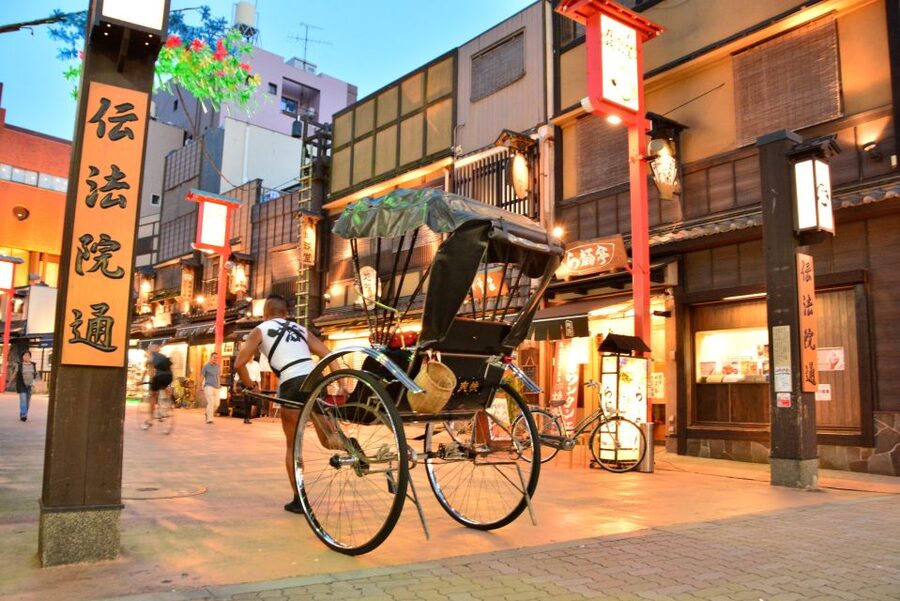
The shortest option is a good fit if you want a taste of the experience. A 30-minute ride can cover a few nearby sights, offer several photographs, and give you an introduction to the district. It suits a tight schedule, a short layover, or a family that is unsure how children will react to the ride.
A 70-minute tour gives the experience room to breathe. You can see more of Asakusa and still keep enough time for lunch, shopping, or the rest of your Tokyo day. Several riders found this length informative and entertaining without feeling too long.
The 90-minute option is better if Asakusa is a main stop on your itinerary. You have more time for smaller shrines, side streets, gardens, and stories. One ride in hot, humid weather still felt quick because the guide kept the conversation lively and included back streets and a beautiful garden behind a small temple.
A two-hour tour is the strongest choice if you want a broad look at the area. It can reach quieter religious sites and less familiar streets, while giving the guide time to explain local customs. The maximum duration is listed as 190 minutes, and the three-hour option includes a choice of a commemorative Hello Kitty doll or an original T-shirt.
Longer is not automatically better for everyone. A rickshaw ride requires sitting in one position, and two adults share a narrow seat. If you are tall, need extra room, or prefer frequent walking breaks, an individual rickshaw may be more comfortable.
Guides, Photos, and the Personal Touch
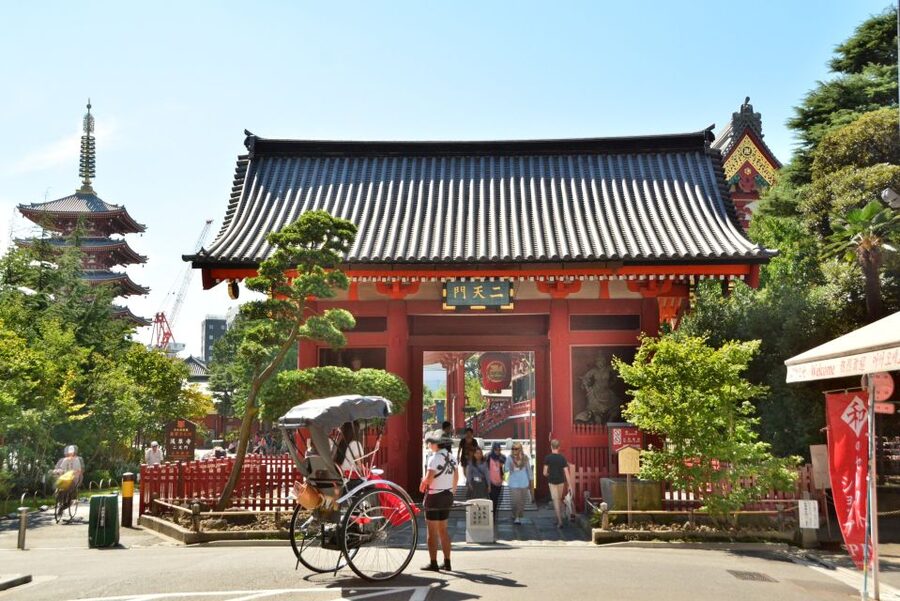
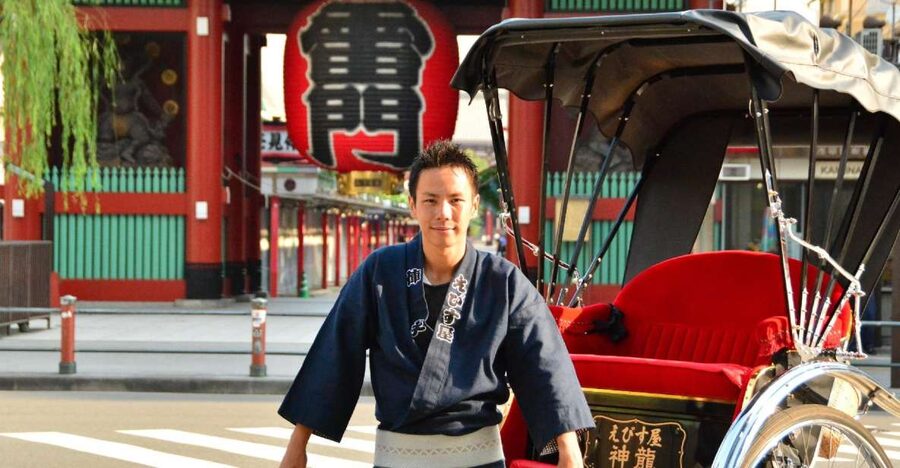
The guides are the heart of this experience. They pull the rickshaw, navigate streets shared with cars and pedestrians, explain the area, and often take photos with your phone. That is a demanding job, especially on slopes or in hot weather, and the ride depends on having a guide who is both strong and engaging.
Names that have received especially warm praise include Masa, Kazu, Shima, Taku, Yusuke, Nene, Koko, Buchi, Yuki, and Ryu. The recurring strengths are clear explanations, humor, careful driving, and an effort to involve the whole group.
You should not expect every guide to have the same English level. Most experiences describe smooth communication, but one rating specifically asked for stronger English and more history. If detailed historical explanation is your top priority, mention that when discussing your preferences and choose a longer duration.
The photo help is a real benefit. Guides know how to position the rickshaw near temple gates, streets, and scenic points, then take pictures for you. That saves you from relying on a stranger or trying to manage a phone while seated.
Comfort, Seating, and Family Details
Each rickshaw is 74 centimeters wide, so two adults sit close together. If you want more personal space, book separate rickshaws. A maximum of two adults is allowed in one rickshaw.
Children aged five and under can ride free on an adult’s lap, with one child per adult. A child who needs their own seat must book and pay as an adult. Children aged six and over are charged the adult price.
Families have used the ride successfully, including groups with very young children and teenagers. The private format lets the guide adjust conversation and photo stops, but you should consider the narrow seat and the outdoor conditions before booking.
The activity is wheelchair and stroller friendly. Selfie sticks are not allowed, and the tour is not recommended during the first 16 weeks of pregnancy. The activity is listed as unsuitable for pregnant women, so anyone who is pregnant should check carefully before reserving.
Meeting Point and Value at $35
Meet at the rickshaw stand just outside Exit 1 of Asakusa Station on the Tokyo Metro Ginza Line. Asakusa has several stations and many exits, so check the line and exit closely. The map pin marks the exit, but you still walk a few meters along the street to reach the stand.
At $35 per person, the ride is reasonably priced for a private guide and a distinctive form of transport, especially if you choose a longer option. The 30-minute tour is easier to justify as a quick orientation or memorable photo experience. For stronger value, I would choose at least 70 minutes if your schedule allows.
Food and drinks are not included. That is no problem in Asakusa, where you can eat before or after the ride, but plan ahead if you are booking a longer session in warm weather.
Free cancellation is available up to 24 hours before departure, and you can reserve now and pay later. Those terms help if your Tokyo schedule is still shifting.
Who Should Book This Asakusa Ride
I would choose this tour for a first visit to Tokyo, a family that wants an easy introduction, a couple looking for unusual photographs, or anyone with limited time. It is also useful at the start of a longer stay, since the guide can suggest places to eat and help you decide where to return on foot.
You will get the most from it if you enjoy conversation, local customs, and seeing neighborhoods rather than checking off one landmark. It is less suitable if you want a silent ride, a full museum-style history lesson, or complete freedom to stop for long periods.
Book the 30-minute option for a quick taste. Choose 70 to 120 minutes for the best balance of sightseeing and value. Pick the longest option if you want a broader route, a commemorative gift, and enough time for smaller temples and side streets.
FAQ
Where does the rickshaw tour meet?
The meeting point is the rickshaw stand just outside Exit 1 of Asakusa Station on the Tokyo Metro Ginza Line. You must walk a few meters from the exit to reach the stand.
How long does the tour last?
Available durations range from 30 to 190 minutes. Starting times depend on availability.
Is the tour private?
Yes. The activity is offered for a private group.
Which languages are available?
The tour is available with a live guide speaking English or Japanese.
How many adults can ride in one rickshaw?
A maximum of two adults can ride in one rickshaw. Each rickshaw is 74 centimeters wide.
Can young children ride for free?
Children aged five and under can ride free on an adult’s lap, with one child per adult. A child who needs their own seat must book as an adult and pay the full fare.
Is the activity wheelchair and stroller friendly?
Yes. The activity is listed as wheelchair and stroller friendly.
What happens if I need to cancel?
You can cancel up to 24 hours in advance for a full refund. You can also reserve now and pay later.
Should You Book It?
Yes, if you want an enjoyable first look at Asakusa with a guide who can explain temple customs, point out neighborhood details, and take good photographs. The ride is especially useful when you want to cover more ground than walking allows without joining a large group.
Choose a longer option if you care about history and quieter streets. Choose the short ride if you mainly want the rickshaw experience and a few memorable views. Just account for the narrow seat, outdoor weather, and separate cost of food and drinks.
Just added around Tokyo
- Kawagoe Japanese Food Tour : Unagi Kaiseki and Sake near Tokyo★ 5.0 · 30 reviews
- Kawagoe 4hr Private Tour with Licensed Guide (Kawagoe Dep)★ 5.0 · 13 reviews
- Little EDO Sushi Making workshop in Kawagoe★ 5.0 · 18 reviews
- 【R34】Tokyo:Private Daikoku tour in Modified R34★ 4.9 · 92 reviews
- :Tokyo,Shibuya/ Pro Photography in Kimono / English-Friendly★ 5.0 · 26 reviews
- Tokyo:Celebrate Unique Japanese New Year Tradition Festivity★ 3.9 · 20 reviews
- Tokyo: Allstar Food Tour★ 4.7 · 29 reviews
- Tokyo: West-Side Cycling and Food Tour with Guide★ 5.0 · 37 reviews
Rickshaw Rides, compared.
Arashiyama Customized Rickshaw Tour & Bamboo Forest
Our verdict →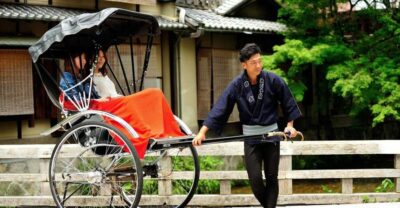
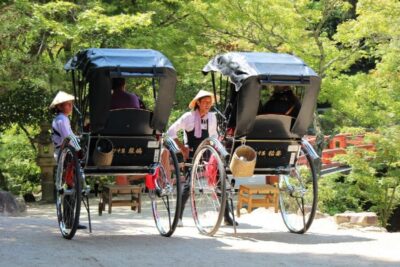
Miyajima: Private Rickshaw Tour to Itsukushima Shrine
Our verdict →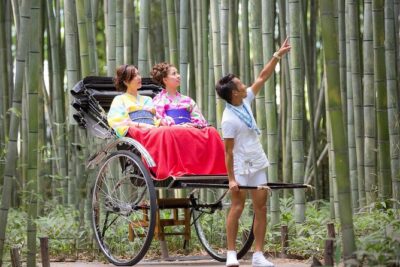
Browse the lists this tour appears in