
Reviewed · KIMONO & YUKATA EXPERIENCES
Tokyo: Asakusa Kimono Rental Experience
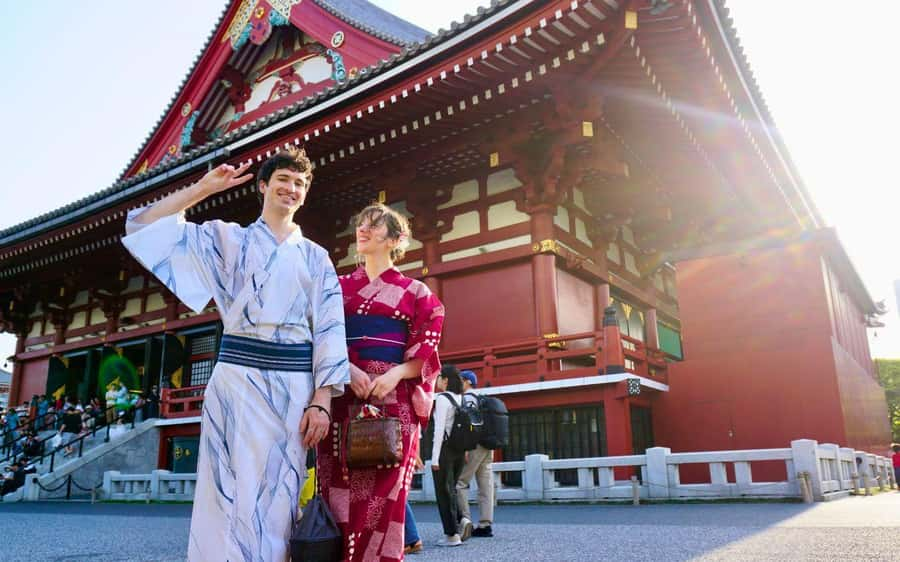
A real kimono changes the way you see Asakusa. Instead of simply walking past Sensoji Temple, you become part of the old Tokyo scene, with an obi belt, zori sandals, a traditional bag, and time to take photos in one of the city’s most recognizable areas. Kazune, who grew up in Asakusa, helps with the dressing, and another staff member holds a Japanese National Certified Kimono Dresser qualification.
I like the three-minute walk to Sensoji Temple, which gives you more time in the kimono and less time finding your way around. I also like the careful personal help, especially from staff such as Wako, whose warm, cheerful assistance has been singled out by several customers. The main thing to consider is the return time: the kimono is due back by 17:30 unless you pay extra for a later or next-day return.
Key points at a glance
- Choose a real kimono in Asakusa: Pick from an authentic collection at a shop close to Sensoji Temple.
- Get hands-on dressing help: Kazune and a certified kimono dresser make sure the layers and obi fit properly.
- Walk straight into old Tokyo: The shop is about three minutes from Sensoji Temple and a few minutes from Asakusa Station.
- Simple hairstyling is included: Women can also request a traditional hairstyle with hairpins, depending on the arrangement at the shop.
- Add more for an extra fee: Rickshaw rides, tea ceremony time, nicer kimono items, and extended rental may be available.
- Plan around the 17:30 return: A July 22 fireworks exception allows rental until 21:30, while next-day return can be arranged for a small extra charge.
Choosing a Kimono Three Minutes from Sensoji
You begin at a kimono shop in Asakusa, one of Tokyo’s best areas for this kind of outing. The shop is only about three minutes from Sensoji Temple, so you can reach the main sightseeing area soon after dressing.
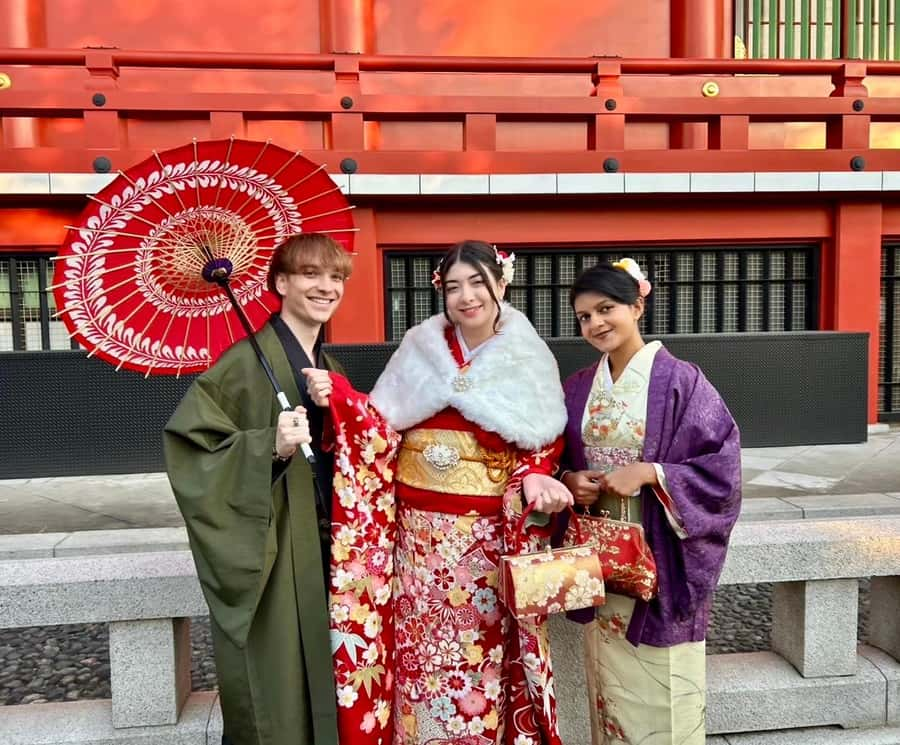
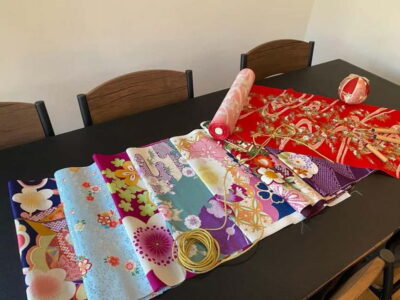
The collection includes real traditional kimono rather than a simple costume-style outfit. You choose a kimono, then receive the matching basics needed to complete the look: an obi belt, zori sandals, and a bag. The exact selection depends on what is available when you arrive, but the experience lets you choose your own style rather than being handed a fixed outfit.
Arrive at least 10 minutes before your booking time. That small cushion matters. The dressing process needs attention, and turning up late can make the start feel rushed. You will also need to find the building entrance, which has a black-and-white checkered pathway and a silver metal gate. Go through the gate and continue toward the elevators, where staff will greet you.
The shop is a few minutes from both the Tokyo Metro Ginza Line and Toei Asakusa Line stations. Transportation to the shop is not included, but the central location makes this a straightforward stop to add before or after sightseeing in Asakusa.
More Kimono Experiences in Tokyo
- Let’s make kimono !(Kimono is a gift for you
★ 5.0 · 252 reviews - Tokyo: Matcha and Kimono Experience
★ 4.7 · 219 reviews - Tokyo: Asakusa Kimono Dressing and Matcha Experience
★ 4.9 · 173 reviews
Dressing Help from Kazune and Wako
Putting on a kimono is not as simple as slipping into a robe. The layers need to sit correctly, the obi belt must be tied securely, and the finished outfit should feel comfortable enough for walking. That is where this activity earns its price.
Kazune grew up in Asakusa and helps visitors get dressed. Another member of the team is a Japanese National Certified Kimono Dresser, giving you access to proper dressing assistance rather than a quick costume fitting. Wako is another staff member praised for being welcoming, kind, and careful about making sure people looked properly dressed.
That personal attention is especially useful if you have never worn a kimono. You do not need to know how the pieces work before arriving. The staff handle the technical side while you make choices about the look.
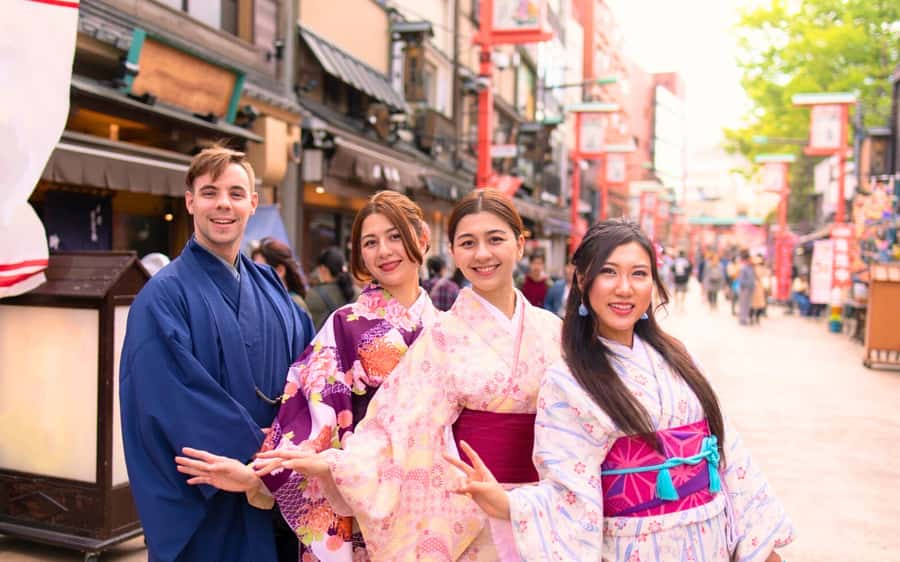
The included set also comes with simple hairstyling. One customer described receiving a traditional hairstyle with hairpins, which added a finished touch to the outfit. Men and women can both take part, and a group of three men was described as enjoying the activity along with their female companion.
There is also the option to pay extra for nicer items. This can be useful if clothing style matters to you or if the photos are a major reason for booking. The base price is $47 per person, so you can keep the outing fairly simple or spend more on upgrades at the shop.
Walking from the Shop to Sensoji Temple
Once dressed, you can walk into Asakusa and visit Sensoji Temple. The short distance is one of the strongest practical points here. You are not spending a large part of your rental period on transport, and you can return to the shop easily when it is time to change.
Asakusa is also a natural setting for kimono photographs. The activity is built around the contrast between traditional clothing and one of Tokyo’s historic districts. You can stroll through the old streets, visit Sensoji, and stop for pictures as you go.
I would treat the outing as a flexible photo walk rather than a tightly timed guided tour. The information provided does not promise a guide-led temple tour, a fixed route, or a set amount of rental time. You receive the kimono and dressing service, then explore independently.
That freedom is useful if you already have plans for Asakusa. You can fit the rental around your own schedule, meet friends, take photos, and return when ready. The trade-off is that you are responsible for managing your time. Keep an eye on the 17:30 return deadline, especially if you are stopping often for photographs.
The zori sandals also deserve some thought. They complete the traditional look, but the outfit is still formal clothing rather than casual sightseeing wear. You may want to keep the walking route sensible and avoid planning a full day across several distant Tokyo neighborhoods.
What the $47 Price Really Covers
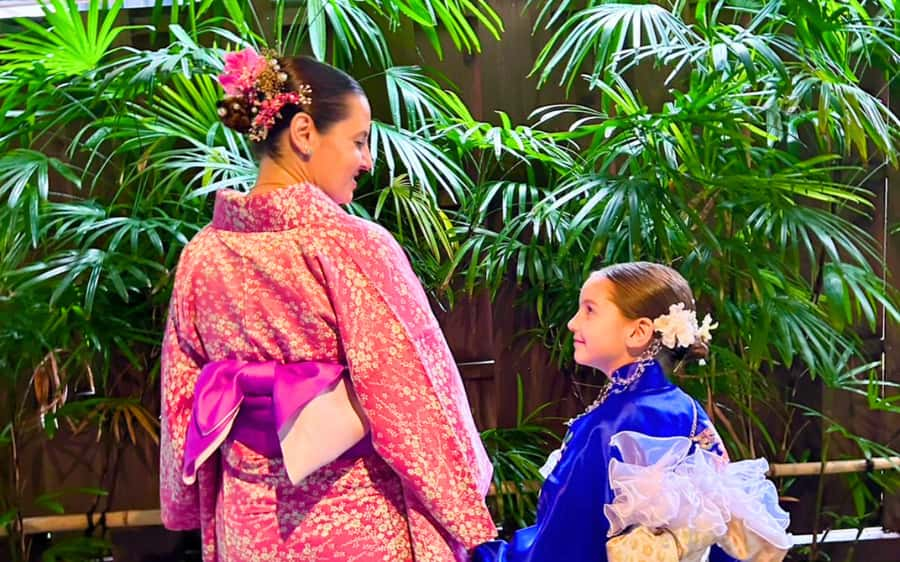
At $47 per person, this is not just a clothing rental. The price includes the kimono, obi belt, zori sandals, bag, dressing assistance, simple hairstyling, and storage for your clothes and belongings during the rental.
That package makes the cost reasonable for visitors who want the full look without buying clothing or learning to dress themselves. The staff assistance is particularly important. A cheaper rental without proper dressing help could leave you struggling with the outfit or spending precious time trying to make it look right.
Storage is another practical benefit. You do not need to carry your normal clothes and belongings around Asakusa while wearing the kimono. The activity information does not specify what size or type of storage is available, so keep valuable items to a minimum and confirm any special needs at the shop.
The base price does not cover transport to the meeting point. It also does not include a rickshaw ride or tea ceremony. Both can be added for an extra fee at the shop. If you want the most traditional-looking day, these additions may appeal, but they are not needed to enjoy the central activity.
The option to pay extra for nicer kimono items is worth considering before you arrive. If the outfit itself is your main souvenir, an upgrade may feel worthwhile. If you mainly want to walk near Sensoji and take a few photos, the included set should cover the basics.
Same trip, a completely different kind of day:
- 1-Day Tokyo Bus Tour
★ 5.0 · 14,250 reviews - Tokyo: TOKYO SKYTREE® Admission ticket
★ 4.5 · 11,192 reviews - Tokyo: teamLab Planets TOKYO Digital Art Museum Entry Ticket
★ 4.6 · 9,779 reviews - Tokyo: Sumo Show Experience with Chicken Hot Pot and a Photo
★ 4.8 · 6,678 reviews
Timing Your Day Around 17:30
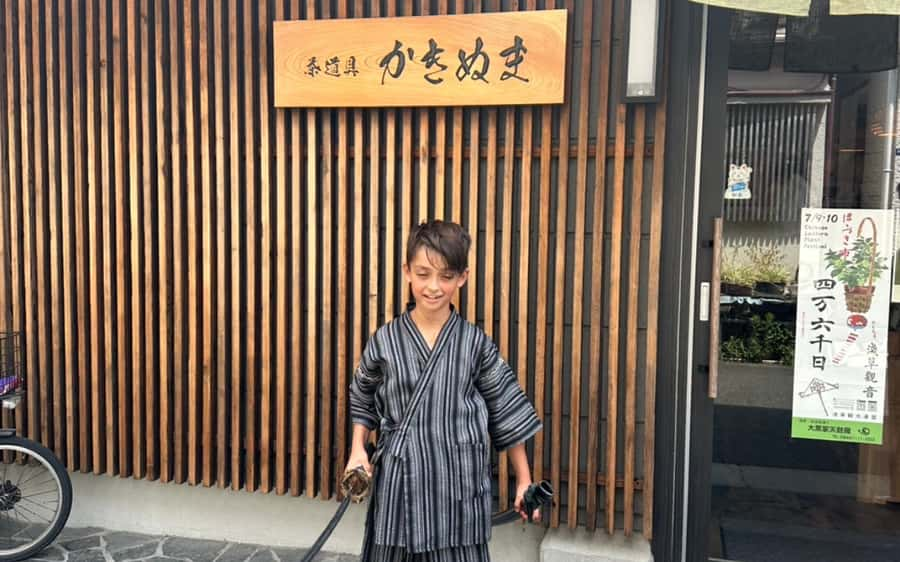
The standard return deadline is 17:30 on the same day. That makes this best as a morning or early afternoon activity, not a late-day booking. Arriving 10 minutes early gives you time to check in, choose clothing, and begin without pressure.
You can ask the shop about returning the kimono the next day for a small extra fee. This offers more flexibility, but it must be arranged directly at the shop. Do not assume extended use is included in the $47 price.
There is one special exception listed for July 22. Because of a fireworks festival in Katsushika, Tokyo, the kimono can be rented until 21:30 that day. If your visit falls on July 22, confirm the arrangement with the shop and plan your return route carefully.
No fixed rental duration is given, so I would not build a detailed itinerary around a certain number of hours. Instead, reserve enough time for dressing, the walk to Sensoji, photos, and a comfortable return to the shop before the deadline.
A little planning will help. Put the kimono rental near your other Asakusa plans, and leave room for the slower pace that comes with traditional clothing and frequent photo stops.
Optional Rickshaw and Tea Ceremony Add-Ons
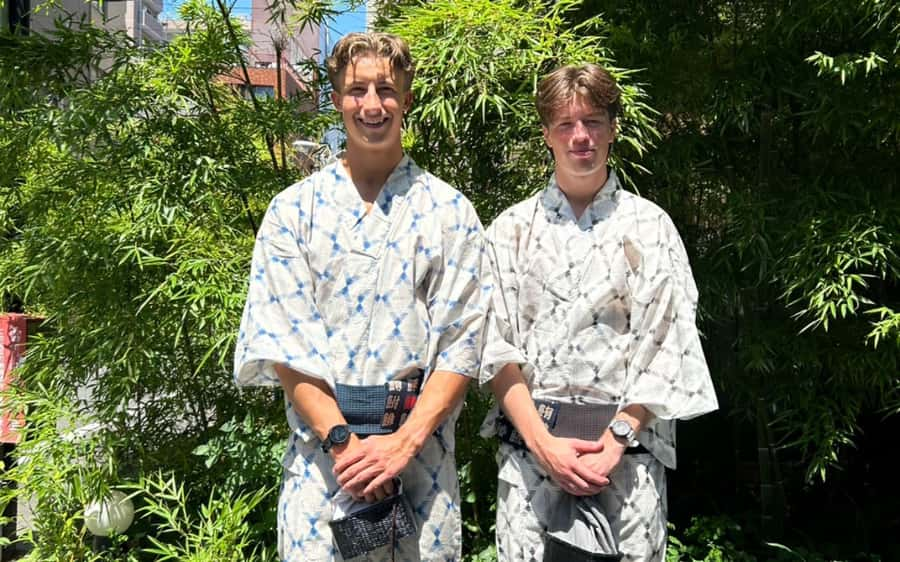
The basic outing already gives you the main experience: kimono dressing and independent time around Sensoji. You can add a rickshaw ride or tea ceremony at the shop for an extra fee.
These additions suit different kinds of visitors. A rickshaw ride gives you another traditional way to see Asakusa and can add movement and variety to your photographs. A tea ceremony provides a quieter cultural activity after the dressing process.
The available details do not state the added prices, duration, or exact format of either option. Ask at the shop before agreeing, especially if you have a strict return time. The extras may be easiest for people who want one concentrated traditional-Japan outing rather than a long list of separate Tokyo attractions.
You can also pay extra for nicer clothing items. This may matter for couples, families, or groups hoping for coordinated photographs. The standard rental remains the simpler value choice, while the upgrades let you shape the day around appearance and special occasions.
Who Will Enjoy This Most
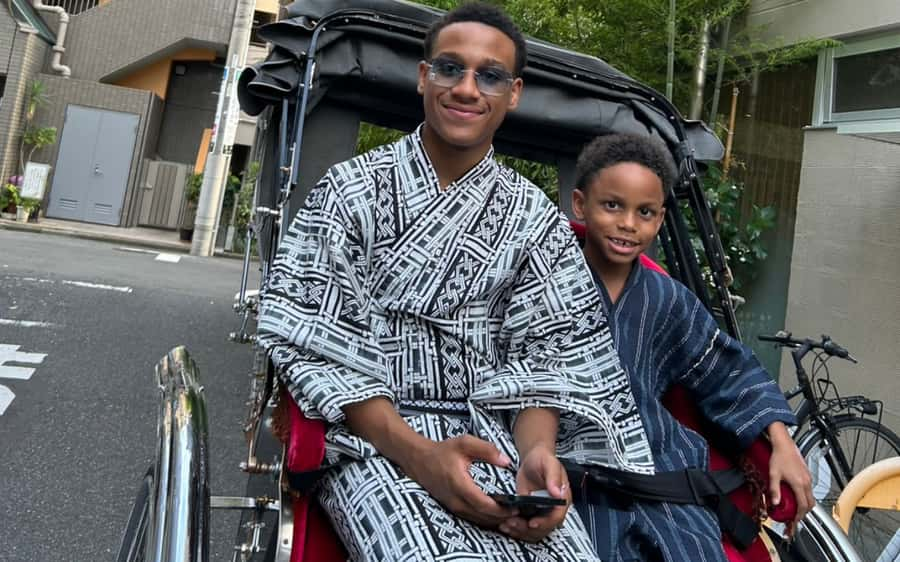
This outing suits you if you want an accessible introduction to kimono without committing to a full cultural class. You receive help from staff, get the clothing and accessories, and then explore at your own pace.
It is also a good fit for photographers and anyone marking a special trip. Asakusa provides a clear old-Tokyo setting, and the short walk from the shop to Sensoji means you can start taking photographs quickly.
Families can consider it, but the activity is not suitable for children under 2 years or babies under 1 year. It is also not suitable for wheelchair users, and people over 264 pounds, or 120 kilograms, cannot take part according to the stated limits.
The outing works for men as well as women. Simple hairstyling and hairpins may be especially appealing to women, but the clothing rental is not limited to one gender. If you are attending with friends who do not want to dress up, they can still accompany you around Asakusa, though the included service is for the person who books.
English and Japanese are spoken. That helps if you need assistance with choosing clothing, dressing, or arranging one of the optional add-ons.
Small Drawbacks to Keep in Mind
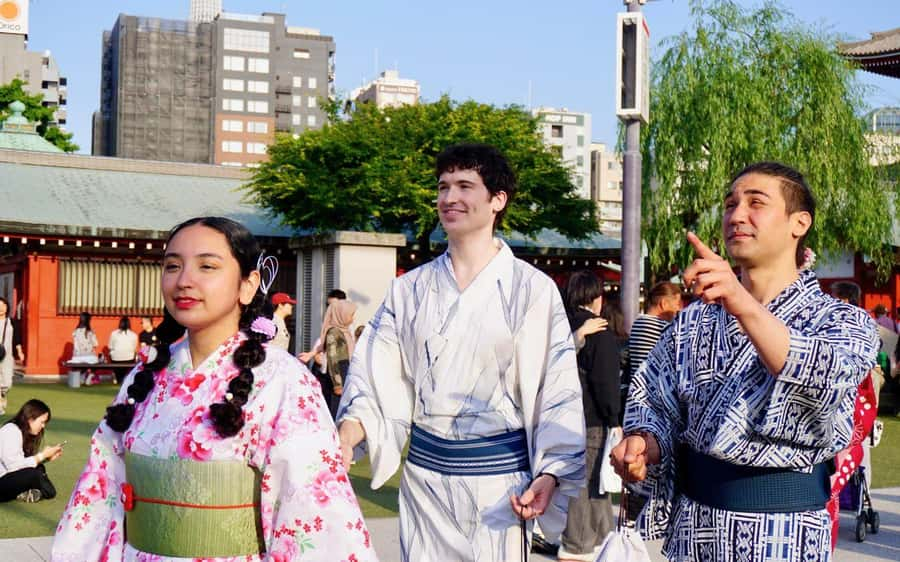
The activity is popular for its friendly staff and attractive kimono selection, but it is not a full guided tour of Asakusa. You will explore on your own after dressing. If you want detailed commentary about Sensoji or a guide who leads you through the district, this may not be the right format.
The return deadline also limits spontaneity. Asakusa is easy to reach from the shop, but lingering over photos or adding other sightseeing can make the clock feel tight. Next-day return is possible for a small fee, yet it requires a separate arrangement.
The activity is not wheelchair accessible, and the weight limit excludes some people. Those restrictions are important to check before booking, since the dressing area and traditional clothing may not suit every visitor.
Finally, extra charges can raise the total cost. Nicer items, a rickshaw ride, a tea ceremony, or an extended rental are all separate from the advertised price. Ask what you want before finalizing your choices so the bill does not surprise you.
Should You Book This Asakusa Kimono Rental?
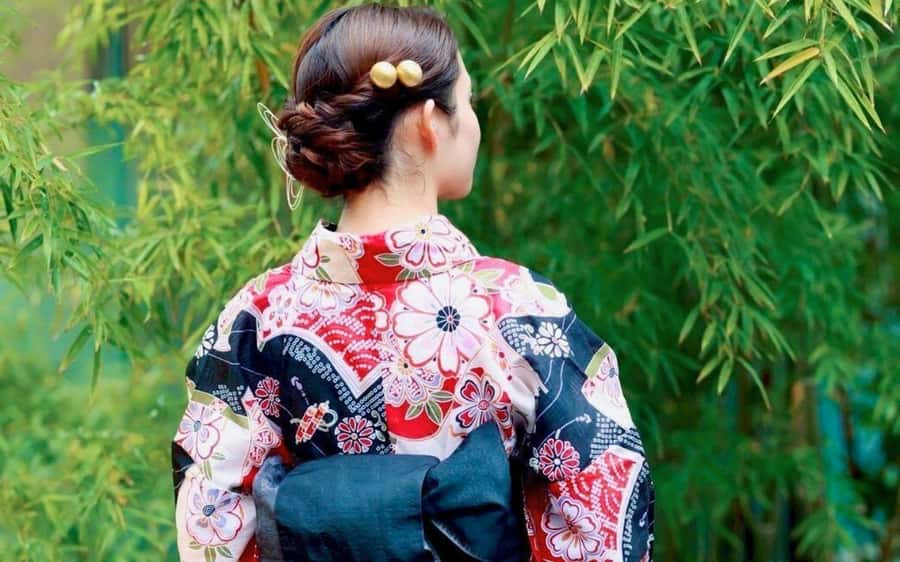
Book it if you want to wear a real kimono near Sensoji Temple, have staff handle the difficult dressing work, and take your own time with photographs in old Asakusa. The $47 price includes a useful full set, simple hairstyling, belongings storage, and personal assistance from staff including Kazune and a certified dresser.
I would be most likely to recommend it for a first kimono outing, a couple or friend group, and anyone who values the setting as much as the clothing. Choose a morning or early afternoon booking, arrive 10 minutes early, and keep the 17:30 return time in mind.
Skip it if you need wheelchair access, want a fully guided history tour, or prefer a full day without changing clothes. For everyone else, this is a focused and friendly way to make Asakusa feel more personal, with enough flexibility to keep the day your own.
FAQ
Where does the kimono rental begin?
The shop is a few minutes from Asakusa Station on the Tokyo Metro Ginza Line and Toei Asakusa Line. Look for the entrance with a black-and-white checkered pathway and a silver metal gate, then go inside toward the elevators.
How close is the shop to Sensoji Temple?
The shop is about a three-minute walk from the famous Sensoji Temple.
What is included in the kimono rental?
The package includes a kimono, obi belt, zori sandals, a bag, dressing assistance, simple hairstyling, and storage for your clothes and belongings.
Who helps with the dressing?
Kazune, who grew up in Asakusa, helps with dressing. Another staff member is a Japanese National Certified Kimono Dresser. English and Japanese are spoken.
When must the kimono be returned?
The kimono must be returned to the shop by 17:30 on the same day. Next-day return is possible for a small extra fee arranged directly at the shop.
Can I add a rickshaw ride or tea ceremony?
Yes. A rickshaw ride and tea ceremony can be added for an extra fee at the shop.
Is the activity suitable for everyone?
It is not suitable for children under 2 years, babies under 1 year, wheelchair users, or people over 264 pounds, or 120 kilograms.
Just added around Tokyo
- Kawagoe Japanese Food Tour : Unagi Kaiseki and Sake near Tokyo★ 5.0 · 30 reviews
- Kawagoe 4hr Private Tour with Licensed Guide (Kawagoe Dep)★ 5.0 · 13 reviews
- Little EDO Sushi Making workshop in Kawagoe★ 5.0 · 18 reviews
- 【R34】Tokyo:Private Daikoku tour in Modified R34★ 4.9 · 92 reviews
- :Tokyo,Shibuya/ Pro Photography in Kimono / English-Friendly★ 5.0 · 26 reviews
- Tokyo:Celebrate Unique Japanese New Year Tradition Festivity★ 3.9 · 20 reviews
- Tokyo: Allstar Food Tour★ 4.7 · 29 reviews
- Tokyo: West-Side Cycling and Food Tour with Guide★ 5.0 · 37 reviews
Kimono & Yukata Experiences, compared.
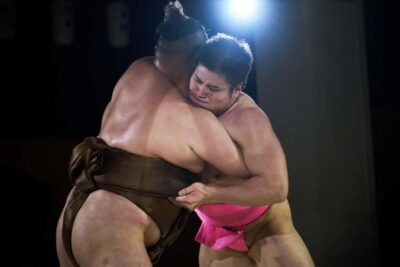
Sumo Show & Experience w/ Optional Kimono & Hot Pot
Our verdict →
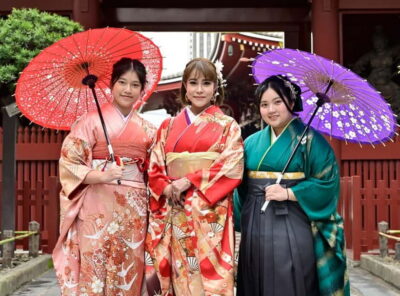
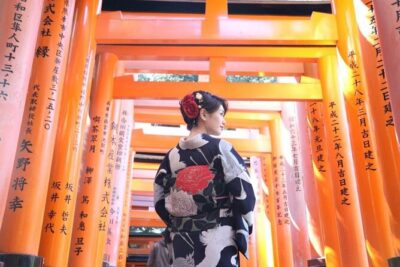
Family-Friendly Kimono & Yukata Experience at WARGO
Our verdict →
Browse the lists this tour appears in