Reviewed · TOKYO TOURS
Tameike: Exploring the Heart of Japanese Politics Tour
Japan’s political center is not just a place for government workers. On this three-hour walk, you enter the National Diet Building, then shift from parliamentary chambers to the quiet rituals of Hie Shrine before finishing with matcha and sweets at Dobashi-en. That change of pace gives the tour its appeal.
I like the small group size, limited to five people, and I like the chance to ask real questions about Japanese politics and daily customs. Guides such as Megumi have made the tour especially personal, explaining voting, government structure, shrine etiquette, and everyday life in clear English. The main consideration is the walking and stairs, so this is not a good pick if you want a mostly seated outing.
Key points to know
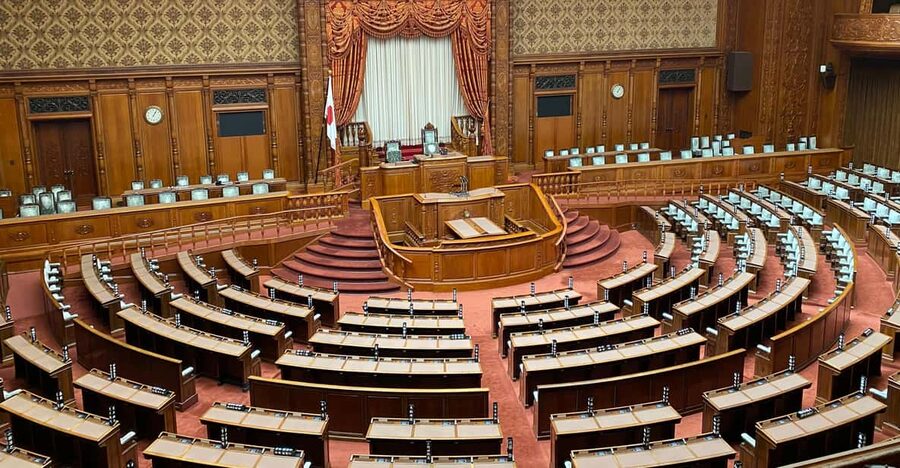
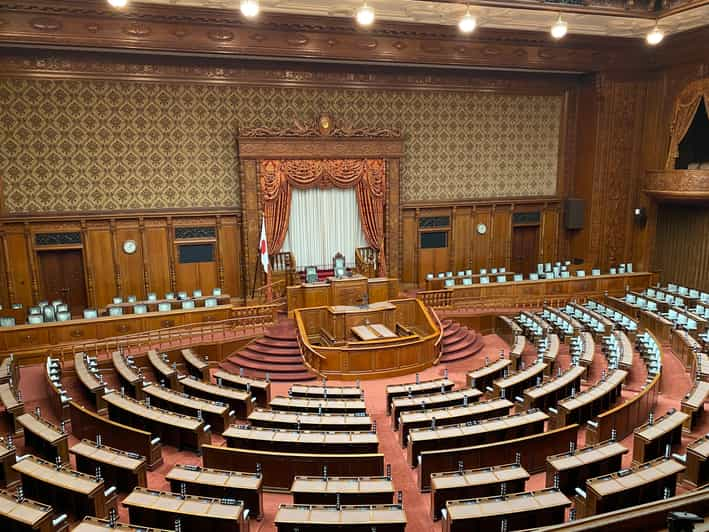
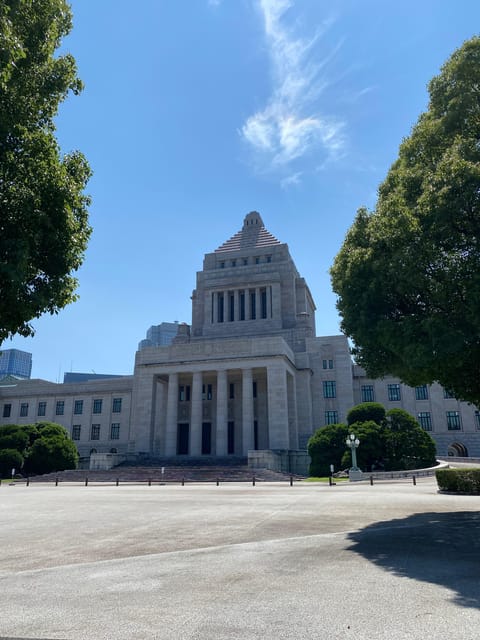
- See Japan’s National Diet Building from the inside: Spend about an hour learning about the building, its chambers, and the political work carried out there.
- Ask direct questions in a small group: With no more than five participants, the conversation can go well beyond a prepared talk.
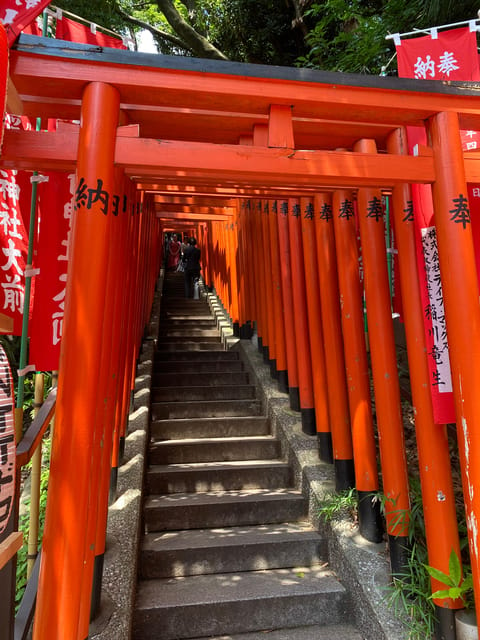
- Visit Hie Shrine near the Diet: See monkey guardians, monkey-themed charms, and the compact Thousand Torii Gates.
- Learn practical Shinto customs: Your guide shows you how to worship at the shrine respectfully.
- Finish with matcha and Japanese sweets: Dobashi-en provides a calm final stop, plus a tea souvenir to take home.
- Plan for stairs and cash: Comfortable shoes matter, and some shops may not accept cards.
Why this tour makes politics approachable
Political sightseeing can easily become dry. This one works because the National Diet Building is paired with places and customs you can understand right away.
Inside the building, your guide explains how Japan’s government operates and connects the setting to voting procedures and major political events. You are not simply looking at grand rooms. You are building a clearer picture of how the country is governed and how political decisions affect daily life.
That context is valuable because Japanese political systems can be hard to follow from headlines alone. You can ask about government roles, elections, and the way the Diet functions, then move on to broader questions about Japanese society. The guide-led format gives you room to stop and ask for an explanation instead of trying to piece everything together from a display panel.
Guides such as Megumi have been praised for combining prepared information with open conversation. That matters if you want a point of view from someone who can discuss both domestic and global issues in English. The tone is educational, but it is not stiff. You can ask about politics one minute and public customs the next.
A few more Tokyo half-days worth comparing
- 1-Day Tokyo Bus Tour
★ 5.0 · 14,250 reviews - Tokyo: TOKYO SKYTREE® Admission ticket
★ 4.5 · 11,192 reviews - Tokyo: teamLab Planets TOKYO Digital Art Museum Entry Ticket
★ 4.6 · 9,779 reviews
Meeting at Kokkai-gijidōmae Station
The tour begins at Kokkai-gijidōmae Station, Exit 1. Look for a guide wearing a navy blue happi, the traditional Japanese coat. This is a useful meeting arrangement in a busy city, since the clothing gives you a clear visual marker.
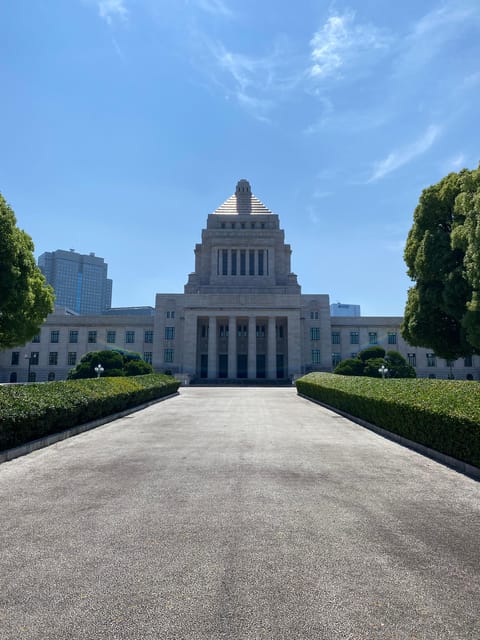
From the station, you walk about five minutes to the National Diet Building. The short first leg lets you get your bearings without spending much of the tour on transportation.
The full route stays on foot. After the Diet Building, you walk about 15 minutes to Hie Shrine, then another 15 minutes to Dobashi-en. You finish at Akasaka-mitsuke Station. Since the tour lasts three hours, the timing is compact and purposeful rather than leisurely.
Wear shoes you can walk in comfortably. There are stairs at the National Diet Building, and the tour includes several short walks. You do not need to prepare for a long hike, but this is still a walking tour, not a bus-based sightseeing trip.
Inside the National Diet Building
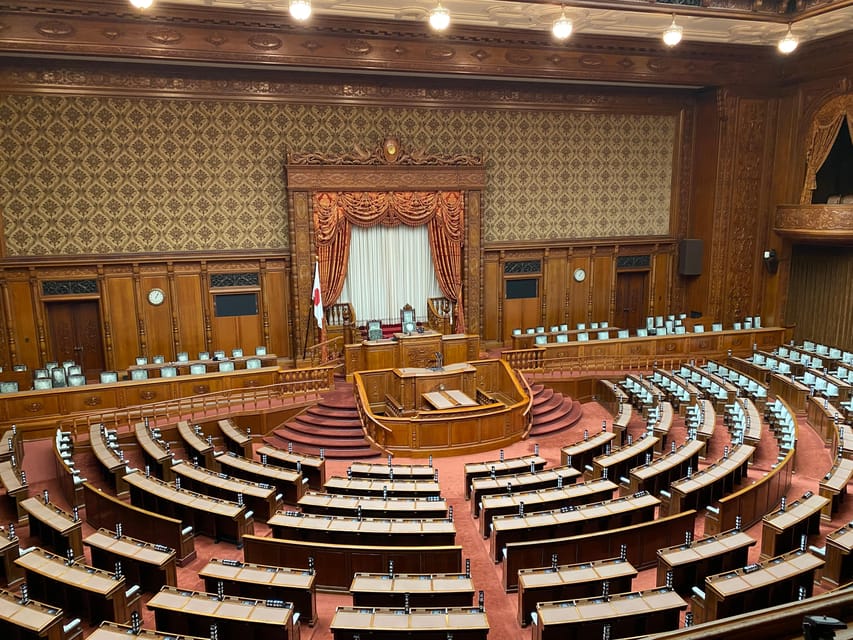
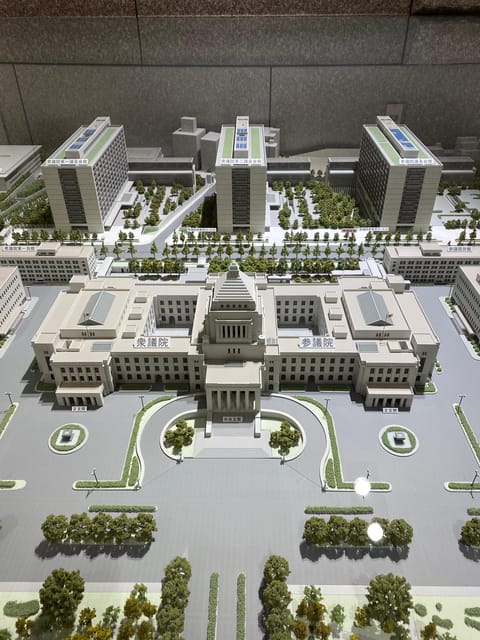
The first major stop takes about an hour. The National Diet Building gives you the formal setting for the tour, with impressive architecture and chambers tied to Japan’s national government.
The building is worth seeing even if you are not usually interested in politics. Its large public rooms and official design show how Japan presents the business of government. Your guide adds the part that architecture alone cannot provide: what happens there, how voting works, and why the building matters.
I would give this stop your full attention. It is the part most likely to answer the question you may have had before booking: how does Japan’s political system actually work? You can ask about the roles of government and the political process as you move through the building.
The guide’s role is especially important here. A building tour without explanation could feel formal but distant. With an English-speaking guide, you can connect the physical rooms to the political events and procedures discussed during the visit. Several people have found that the question-and-answer time was as useful as the planned talk.
There is one practical limit. The Diet Building portion includes stairs, so you should take the footwear warning seriously. The tour information does not promise a step-free route, and the pace needs to accommodate the group. If stairs are difficult for you, ask before booking.
Hie Shrine and its monkey guardians
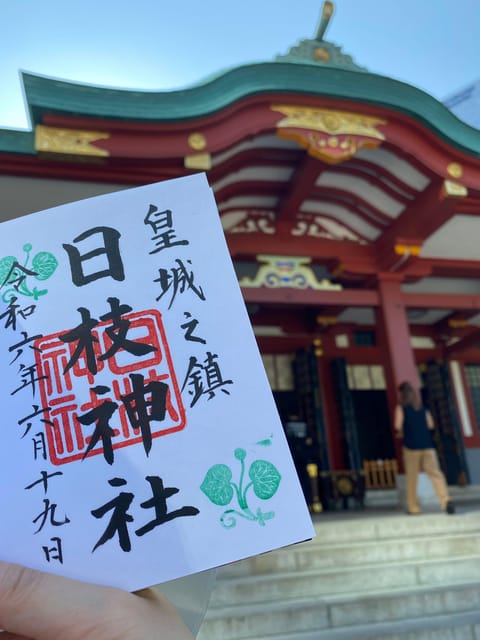
A 15-minute walk brings you to Hie Shrine, one of the tour’s most distinctive changes of mood. The National Diet Building represents official government. Hie Shrine introduces Shinto practice, symbolism, and personal hopes.
The shrine is known as a power spot connected with career success and matchmaking. That gives the visit a direct link to modern Japanese life. People do not come only to admire the grounds. They also come with wishes tied to work, relationships, and the next stage of life.
Pay attention to the monkey imagery. Monkey statues appear at the gate and main hall, while monkey designs also appear on votive tablets and charms. The guide explains the meaning behind what you see, which makes the visit more than a quick photo stop.
You also learn how to worship at a Shinto shrine. This is one of the most useful parts for anyone planning to visit other shrines in Japan. Rather than guessing when to bow or how to approach the place, you receive an explanation in context.
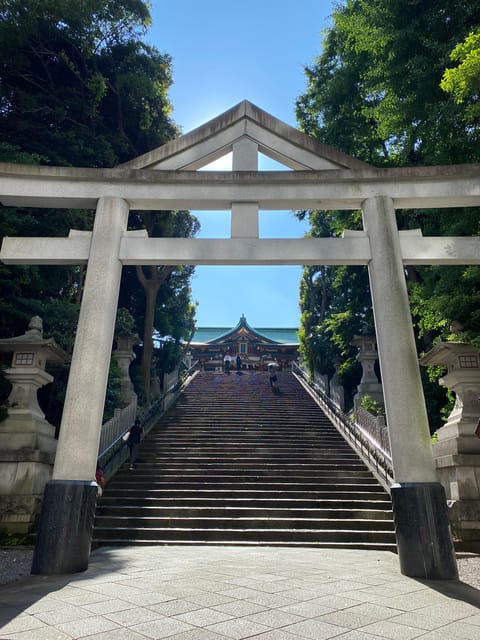
The Thousand Torii Gates add a memorable visual feature. The row of gates recalls the famous torii paths at Fushimi Inari Shrine, though this visit remains close to the political district. If you have seen photos of Fushimi Inari, you will recognize the idea right away. Here, the gates are part of a shorter stop that fits neatly into the three-hour route.
The shrine section lasts about 45 minutes. That is enough time for guided sightseeing and questions, but not so much that the visit becomes slow. If you prefer long stretches of quiet temple or shrine time, you may find this portion brief. If you want a clear introduction to Shinto customs and symbolism, the timing works well.
Same trip, a completely different kind of day:
- Tokyo: Sumo Show Experience with Chicken Hot Pot and a Photo
★ 4.8 · 6,678 reviews - Tokyo: Shinjuku Food Tour (13 Dishes at 4 Local Eateries)
★ 5.0 · 6,603 reviews - Flagship 2-Hours Official Street Go-Kart Tour – Tokyo Bay Shop
★ 5.0 · 4,974 reviews - Tokyo: Hop-On Hop-Off Sightseeing Bus Ticket
★ 3.9 · 4,207 reviews
Matcha and sweets at Dobashi-en
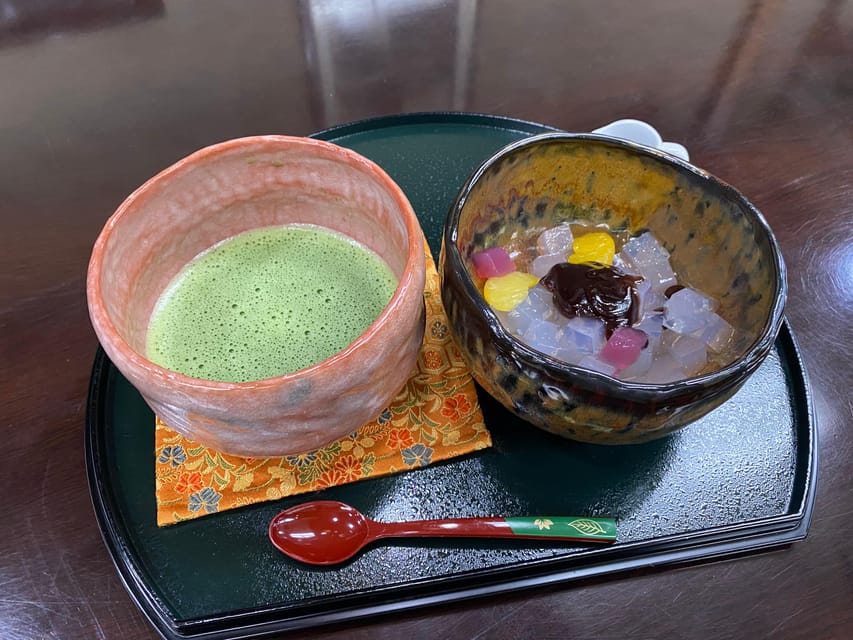
The final stop is Dobashi-en, a long-established green tea shop. You finish with traditional matcha, Japanese sweets, and a tea souvenir.
This is a smart ending. After the stairs and walking, you have a place to sit, refresh yourself, and talk through what you have seen. The tea stop also keeps the tour from being all government and history. You get a familiar Japanese food ritual in a setting connected to everyday culture.
Matcha can be a little bitter if you are used to sweet tea, but the accompanying sweets balance the flavor. The point is not a large meal. Treat this as a small traditional refreshment, and plan to eat separately if you need lunch.
The tea shop also gives the tour a tactile finish. You have seen official rooms, shrine objects, and torii gates. Now you taste something closely tied to Japanese food culture. The souvenir tea is a modest but useful reminder of the afternoon.
Some shops may not accept cards, so carry cash. This advice applies particularly to small traditional businesses, where payment options can be limited. It is an easy detail to handle before you set out.
The guide can shape the whole afternoon
The strongest part of this tour is the live conversation. The group is capped at five, and on some dates you might even have a one-to-one tour. That small scale makes it easier to ask questions and adjust the discussion to your interests.
Megumi has received especially warm praise for her clear explanations, kindness, and ability to discuss both politics and ordinary Japanese life. People have valued conversations about government, voting, customs, public spaces, and cultural habits. One useful example was an explanation of why public parks and other areas may have few or no trash cans.
That kind of detail is exactly what can turn a standard sightseeing route into a more useful introduction to Japan. You can ask a question that comes up during the walk and receive an answer connected to the place in front of you.
The guide’s personal style will always vary. The tour is built around an English-speaking live guide, not an audio device or a fixed script alone. If you enjoy discussion, this is a strong match. If you prefer to move silently and take photographs without conversation, you may find the format more social than you want.
What you get for $129
At $129 per person, this is not a bargain-priced sightseeing walk. You are paying for a small group, an English-speaking guide, entry to the National Diet Building, the tea and sweets at Dobashi-en, and a tea gift.
The real value is the explanation. The Diet Building and Hie Shrine can be visited as separate sights, but you would not necessarily understand the link between political life, religious custom, and daily culture. This tour puts them together and gives you time to ask questions.
The group limit matters too. A large tour can make political topics difficult to discuss, especially when different people have different questions. With five or fewer participants, the guide can spend more time on the issues that interest you.
I would consider the price worthwhile if you want more than sightseeing photographs. It is less compelling if you mainly want to see the Diet Building exterior, spend a long time at Hie Shrine, or enjoy a full tea ceremony. The included tea is a traditional refreshment at a tea shop, not described as a formal ceremony.
Free cancellation is available up to 24 hours before the start, and you can reserve now while paying later. Check the available starting times before booking, since the tour runs for three hours and ends at a different station from the meeting point.
Who will enjoy this three-hour route
I would recommend it to first-time visitors who want a clearer sense of Japan beyond the usual shopping streets and famous temples. It also suits anyone curious about government, elections, and the way public institutions work.
The tour is a good fit for:
- People who want an English-language explanation of Japanese politics
- Visitors interested in both government and Shinto culture
- Solo visitors who like small groups and conversation
- Couples looking for a mix of architecture, customs, and food
- Anyone who wants a guided introduction to Hie Shrine
- Travelers who value a local tea stop over a rushed list of sights
You may want to skip it if your priority is a relaxed, low-walking afternoon. The route includes stairs and three walking sections. It is also not the best choice if you want a full meal or a long tea ceremony.
The political subject should not put you off if you are not a politics specialist. The guide explains the basics and leaves room for wider cultural questions. You do not need prior knowledge to follow the tour.
Should you book the Tameike tour?
Book this tour if you want to understand what you are seeing, not just pass through it. The combination of the National Diet Building, Hie Shrine, monkey symbols, torii gates, and matcha gives you several different sides of Tokyo in a short period.
I especially recommend it for curious visitors who enjoy asking questions. The small group and guides such as Megumi make the tour feel more like a thoughtful conversation than a speech delivered to a crowd.
Skip it if stairs are a serious problem, if you dislike scheduled walking, or if your ideal shrine visit means an hour of quiet time with no guiding. For everyone else, $129 buys a focused introduction to Japan’s government, religious customs, and tea culture, with enough personal attention to make the afternoon memorable.
FAQ
How long is the Tameike tour?
The tour lasts three hours, including the National Diet Building, Hie Shrine, walking time, and the tea stop at Dobashi-en.
Where does the tour begin?
The meeting point is Kokkai-gijidōmae Station, Exit 1. A guide wearing a navy blue happi waits there.
Where does the tour finish?
The tour ends at Akasaka-mitsuke Station.
Is the tour conducted in English?
Yes. The tour has a live English-speaking guide.
How many people can join the tour?
It is a small-group tour limited to five participants.
What is included in the price?
The price includes entry to the National Diet Building, tea and a snack at Dobashi-en, and a souvenir tea gift.
Are there stairs on the tour?
Yes. There are stairs at the National Diet Building, so comfortable walking shoes are recommended.
Can I cancel for a refund?
Yes. You can cancel up to 24 hours in advance for a full refund. You can also reserve now and pay later.
Just added around Tokyo
- Kawagoe Japanese Food Tour : Unagi Kaiseki and Sake near Tokyo★ 5.0 · 30 reviews
- Kawagoe 4hr Private Tour with Licensed Guide (Kawagoe Dep)★ 5.0 · 13 reviews
- Little EDO Sushi Making workshop in Kawagoe★ 5.0 · 18 reviews
- 【R34】Tokyo:Private Daikoku tour in Modified R34★ 4.9 · 92 reviews
- :Tokyo,Shibuya/ Pro Photography in Kimono / English-Friendly★ 5.0 · 26 reviews
- Tokyo:Celebrate Unique Japanese New Year Tradition Festivity★ 3.9 · 20 reviews
- Tokyo: Allstar Food Tour★ 4.7 · 29 reviews
- Tokyo: West-Side Cycling and Food Tour with Guide★ 5.0 · 37 reviews
Tokyo Tours, compared.

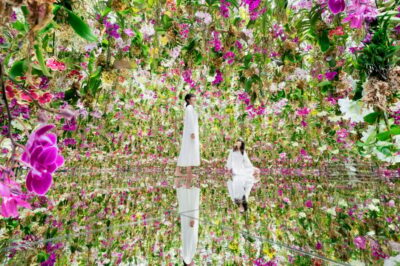
teamLab Planets TOKYO Digital Art Museum Entry Ticket
Our verdict →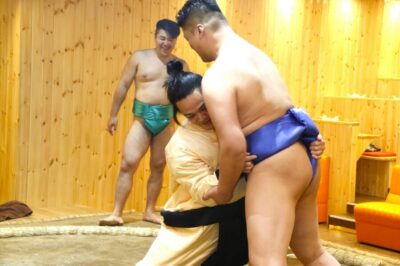
Sumo Show Experience with Chicken Hot Pot and a Photo
Our verdict →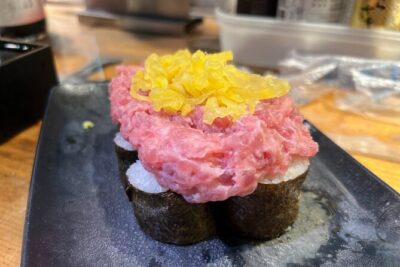
Shinjuku Food Tour (13 Dishes at 4 Local Eateries)
Our verdict →
Flagship 2-Hours Official Street Go-Kart Tour – Tokyo Bay Shop
Our verdict →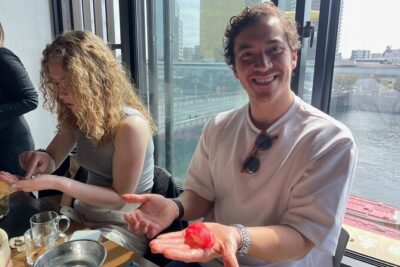
Sushi Making Tokyo Roll and Authentic Japanese Sushi Class
Our verdict →