

Reviewed · WALKING TOURS
Takayama: Private Walking Tour with a Local Guide
Takayama’s best feature is how much of the old city you can understand in one walk. A private local guide can connect Edo-period streets, temples, markets, and mountain culture in a way a map cannot. I like the freedom to shape the route around your interests, and I like the personal food advice, including Hida beef, ramen, sake, and green tea stops arranged by guides such as Annie and Lily.
The main drawback is that $119 per person does not cover entrance fees, food, or transport. The tour is also not fully confirmed until a guide accepts it, so you should not leave this booking until the last minute.
Key points to know before booking
- Private and flexible: Your guide can adjust the route to match your interests and the sights you have already visited.
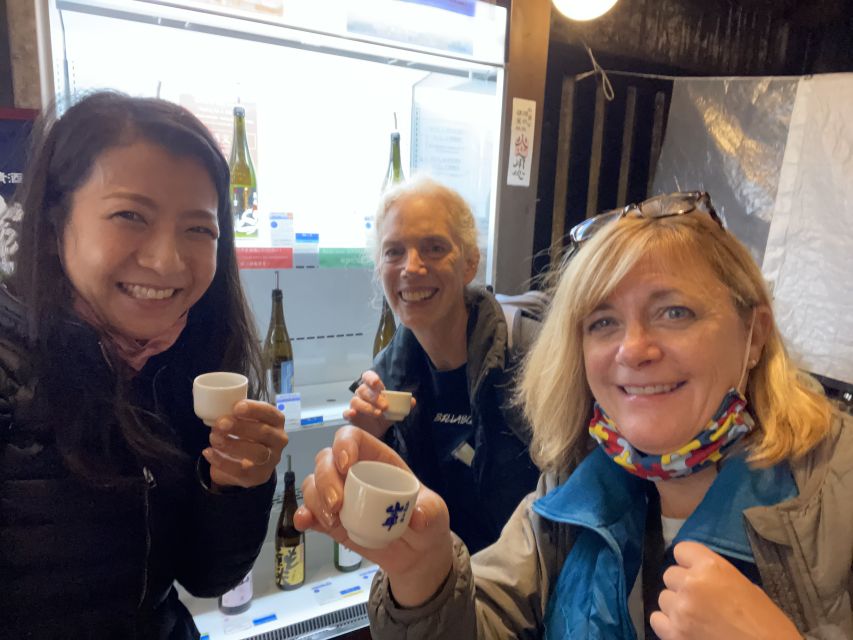
- A strong local-food angle: Guides have arranged Hida beef lunches, local ramen, sake tasting, and green tea tasting.
- Four to six hours on foot: This gives you time for a focused old-town walk or a longer route that includes Hida Folk Village.
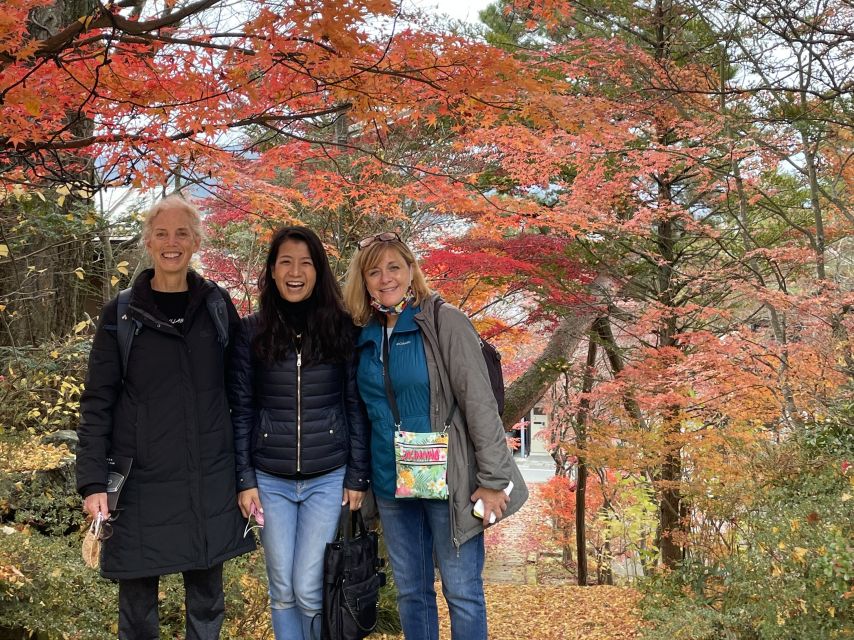
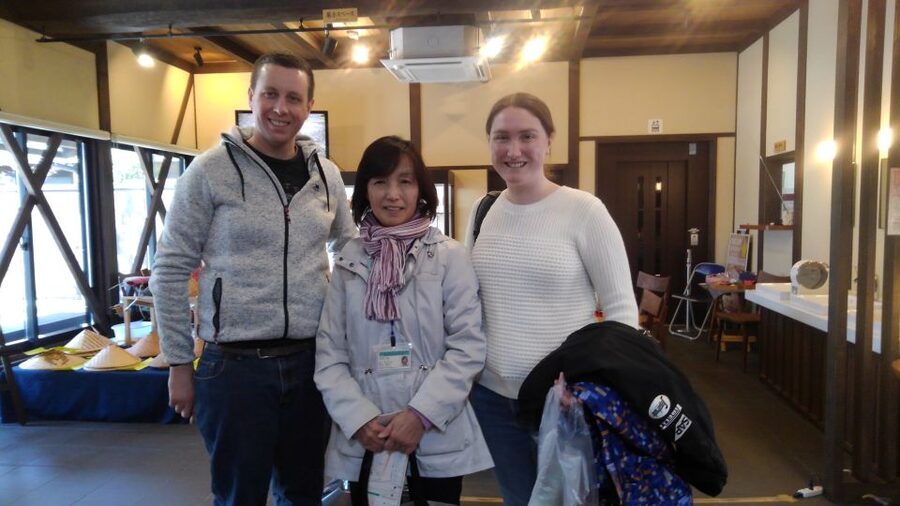
- Excellent guide feedback: Lily, Annie, Mitsu, Yoko, and Yoyo are praised for clear English, warmth, local insight, and flexible pacing.
- Historic Takayama in one outing: You can combine Sanmachi Street, Takayama Jinya, markets, temples, museums, and festival displays.
- Extra costs matter: Food, admission tickets, and public or private transport during the tour are not included.
Why a private walk works so well in Takayama
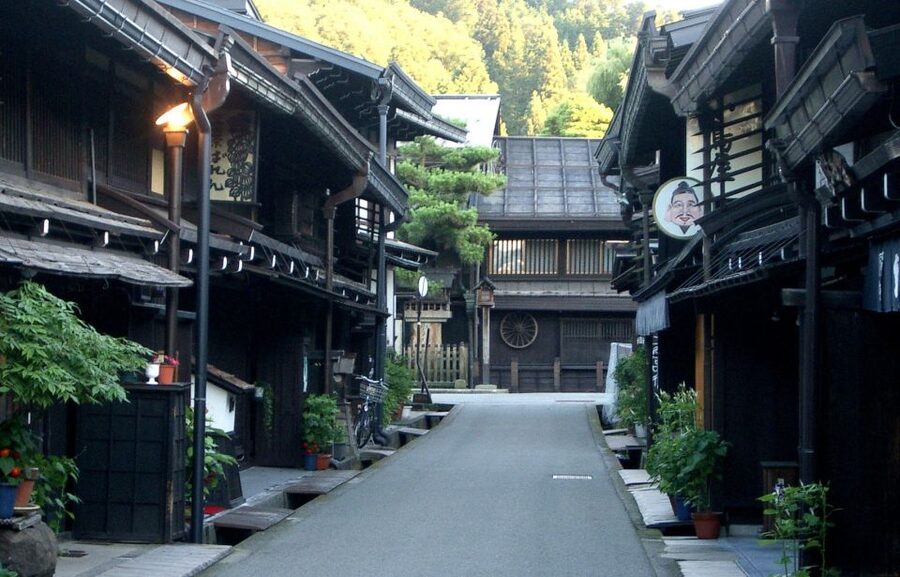
Takayama is easy to admire and surprisingly easy to oversimplify. You can stroll its old streets, snap photos of dark wooden shopfronts, and leave without understanding why the town looks so different from larger Japanese cities.
A private walk gives you someone to explain the details. Your guide can point out how the town’s Edo-period merchant houses functioned, explain the role of Takayama Jinya, and connect local customs with the surrounding Hida region. You also have room to ask questions, slow down for photographs, or skip places you have already seen.
This is not a fixed coach excursion. The route is designed for a private group, and the stated length is four to six hours. That range matters. Four hours suits a first look at the old town, while six hours gives you a better chance of adding Hida Folk Village or several museums.
The guides named in the feedback include Lily, Annie, Mitsu, Yoko, and Yoyo. Their strengths vary slightly, but the pattern is clear: friendly company, strong English from several guides, useful local food advice, and a willingness to adapt the afternoon around you.
More Walking Tours in Takayama:
- Takayama: Takayama Jinya & Old Town Private Walking Tour
★ 4.5 · 32 reviews - Takayama: Edo-Period Old Town Walking Tour
★ 4.5 · 22 reviews - Takayama: Private Night Walking Tour with Dinner
★ 4.5 · 13 reviews
Sanmachi Street and Takayama’s old town
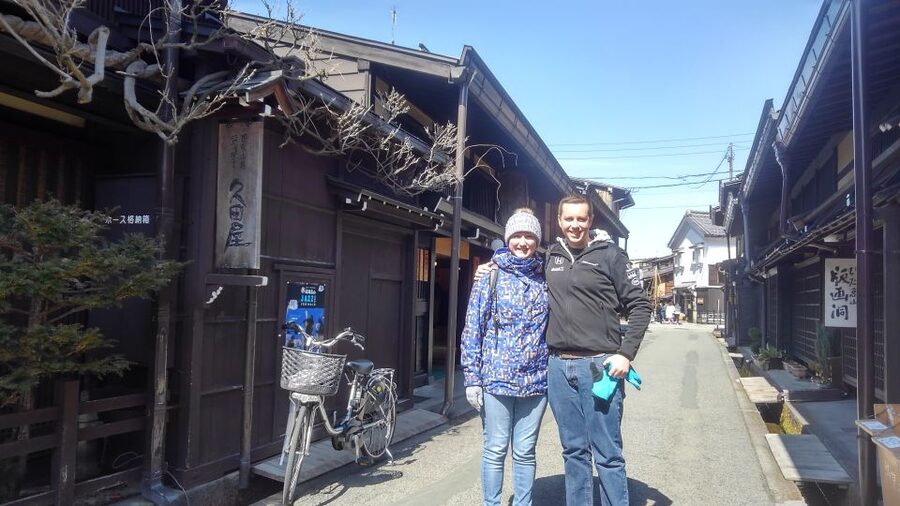
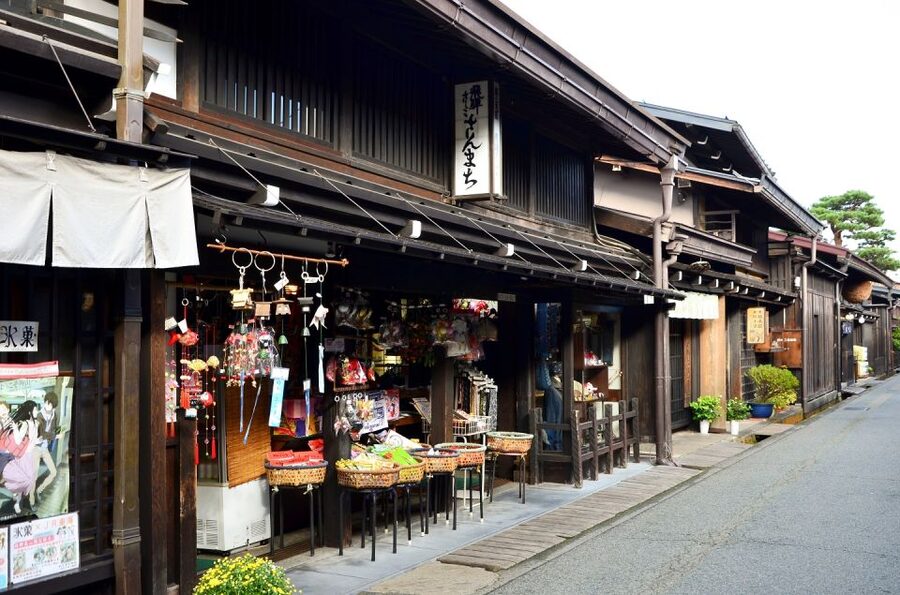
Sanmachi Street is the natural starting point for many routes. Its wooden houses and shops date from the Edo period, from 1603 to 1868, and the area remains one of the clearest places to see Takayama’s historic character.
You will find local specialties, food shops, and a steady flow of people stopping to browse and eat. This is not a quiet museum district. It is a working part of town with a lively feel, which makes a guide useful. You can ask what is worth tasting, which buildings matter, and how the street fits into Takayama’s past.
I would use this part of the tour to get your bearings. If you have only four hours, Sanmachi Street plus Takayama Jinya and one or two nearby sites may be the most sensible plan. If you have six hours, you can spend more time looking beyond the main shopping stretch.
The street can be busy, and shopping time can quietly eat into your walking tour. Tell your guide early if you want more history than browsing, or if local snacks are a priority.
Takayama Jinya explains local government
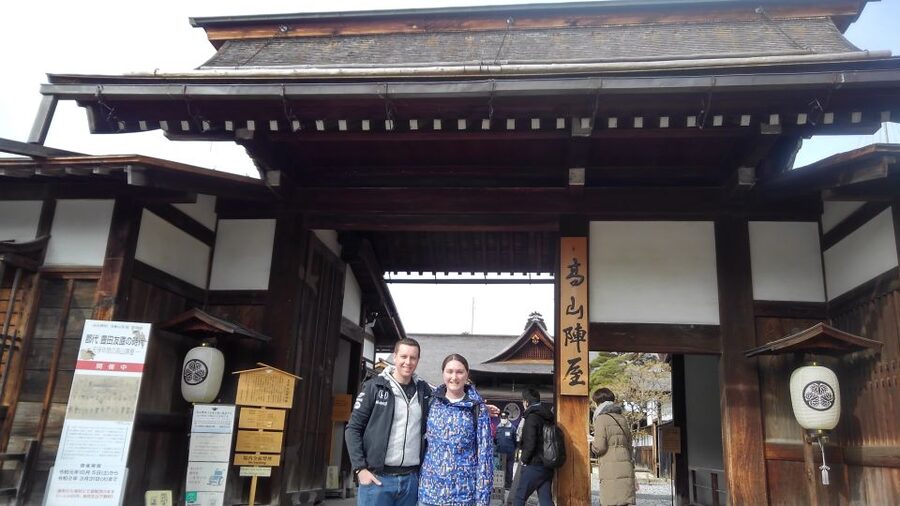
Takayama Jinya is one of the most valuable stops for understanding how the town was run. It served as a local government office headed by officials sent from Edo, now Tokyo. The complex remained in official use until 1969 and is now open as a museum.
This stop gives the old town some political context. You are not just looking at attractive timber buildings. You are seeing the place where official business was conducted and where authority from Edo was represented in the Hida region.
A guide can make the building more readable than a quick self-guided visit. Ask about the officials who worked there and how its purpose changed over time. The tour price does not include admission, so budget separately for this and any other paid museums.
The nearby Jinya-mae Market also makes sense as part of this section of the walk. It sells local crafts, snacks, and produce, and its location makes it easy to combine with the old town.
Morning markets, local food, and the Hida taste
The Hida-Takayama Miyagawa Morning Market runs beside the Miyagawa River. It is open daily from 7:00 AM to 12:00, with an 8:00 AM start in winter, according to the supplied schedule. The Jinya-mae Market operates in front of Takayama Jinya.
These markets are a good reason to choose an early start. You can see local produce, crafts, and snacks before spending the rest of the morning at the historic sites. If your tour begins later, the market may not fit comfortably into the schedule, so ask about timing when the guide contacts you.
Food is one of the most praised parts of this experience. Annie took one group for an Hida beef lunch, while Lily helped arrange a meal featuring Hida beef for another. Yoko introduced a local ramen place described as her personal favorite, and another itinerary included sake tasting and green tea tasting.
These additions are not guaranteed inclusions. They are examples of what a guide may help you arrange, and you pay for food and drinks yourself. Still, this is where a local guide can provide value beyond the standard sightseeing route. You get practical suggestions tied to your preferences instead of a generic restaurant list.
A few more Takayama half-days worth comparing
- World Heritage Shirakawa-go and Experience Tours from Kanazawa
★ 5.0 · 4,049 reviews - Kanazawa: World Heritage Shirakawa-go Morning Guided Tour
★ 4.9 · 988 reviews - From Nagoya: Gujo, Hida Takayama, and Shirakawa-go Day Tour
★ 4.4 · 398 reviews - Kanazawa: World Heritage Shirakawa-go & Two Local Experience
★ 4.9 · 274 reviews
Hida Folk Village and the mountain side of Takayama
Hida Folk Village is an open-air museum with more than 30 traditional houses from the Hida region, the mountainous district around Takayama. The houses date from the Edo period and were moved from their original locations to create the museum in 1971.
This stop changes the feel of the tour. Sanmachi Street shows historic town life, while Hida Folk Village presents rural buildings and the architecture of the mountain region. It is especially useful if you want more than shops, food, and central streets.
The tradeoff is time and transport. A six-hour tour is better suited to adding Hida Folk Village than a four-hour route, and any public or private transport used during the tour is not included. Admission is also extra.
If traditional homes and regional culture matter most to you, tell the guide that before the walk is planned. If you have already visited Hida Folk Village, the private format lets you use the time elsewhere, as Yoyo did for one guest who had covered some sights earlier in the day.
Temples, shrines, and old trees
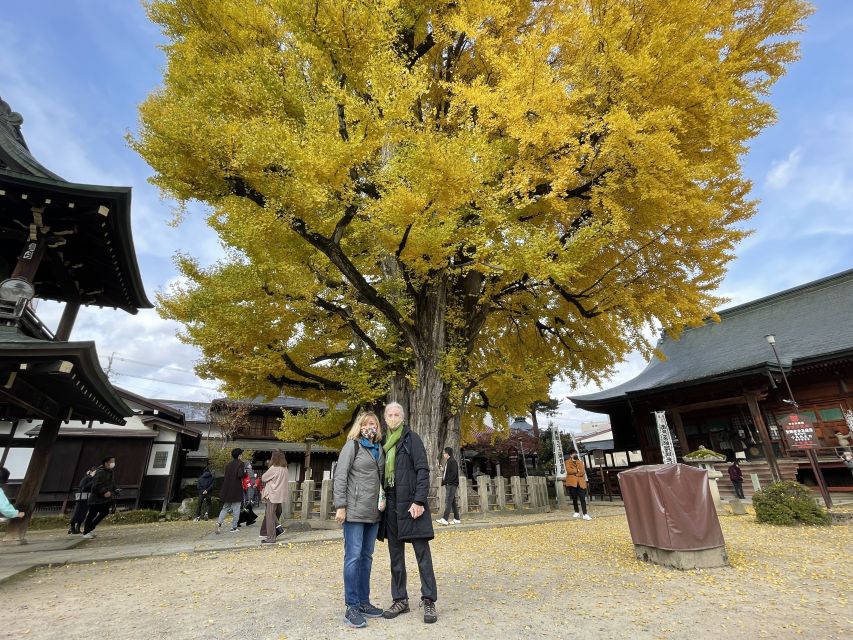
Hida Kokubunji Temple is a useful central stop. Its three-storied pagoda was built in 1820, and the main building contains a Buddhist statue thought to date from the Heian period. The temple grounds also hold a huge gingko tree said to be more than 1,260 years old.
That tree is the kind of detail that can disappear in a hurried visit. Give yourself time to look around the grounds rather than treating the temple as a quick photograph. A guide can explain what you are seeing and help connect the temple to the wider story of Takayama.
Sakurayama Hachimangu Shrine is another important religious site. It is the venue for the autumn Takayama Festival, one of the city’s most important annual events. Next to it is the Takayama Festival Floats Exhibition Hall, also called Yatai Kaikan.
The shrine and hall work well together. You see the religious setting connected with the festival, then get a closer look at the floats used during the event. Admission is not included, so decide with your guide which paid sites deserve your budget.
Festival floats and Takayama’s annual identity
The Takayama Festival takes place for two days each spring and autumn. Along with Kyoto’s Gion Matsuri and the Chichibu Yomatsuri, it is considered one of Japan’s three most beautiful festivals.
You may not be visiting during festival dates, but the exhibition halls let you see important parts of the tradition at other times. The Takayama Festival Floats Exhibition Hall displays key aspects of the event, and the hall beside Sakurayama Hachimangu shows four actual festival floats.
This is a strong choice if you want to understand why the festival matters rather than simply see another historic building. The displays give context to the town’s annual rhythm and craftsmanship. Still, if you are more interested in daily life, food, or rural architecture, your guide may reasonably place these museums lower on the list.
Kusakabe Folk Museum and Meiji-era design
The Kusakabe Folk Museum occupies a private residence built during the Meiji period in an Edo architectural style. The building is designated an important cultural property of Japan.
It offers a different look at Takayama from the public buildings and religious sites. Here, the focus is a historic home and the way private architecture carried older design ideas into a later period. If you enjoy buildings, household details, and traditional construction, this is a worthwhile addition.
The museum is also a reminder that Takayama’s appeal is not limited to one preserved street. Your guide can help you compare the merchant houses of Sanmachi, the government complex at Takayama Jinya, the rural homes at Hida Folk Village, and this private residence.
What the $119 price really buys you
At $119 per person, this is not a bargain sightseeing walk in the usual sense. You still pay for admission, meals, drinks, and transport, so the final cost can rise quickly if you add Hida Folk Village, several museums, lunch, and tastings.
The value comes from the private format and the guide’s time. You are paying for a route that can change around your interests, not just access to a preset list of sights. The food advice can also be useful, especially if you want Hida beef, ramen, sake, or tea and do not know where to begin.
I think the price makes the most sense for a first visit, a short stay, or a group that wants personal attention. It is harder to justify if you are comfortable researching Takayama independently and plan to visit only the free streets, markets, temples, and shrine grounds.
Because the price is per person, larger private groups should think carefully about the total. The benefit is greatest when you use the guide actively: ask questions, request a slower pace, explain what you have already seen, and be clear about whether food or museums matter more than covering distance.
Timing, confirmation, and practical limits
The tour lasts four to six hours, with start times based on availability. The guide speaks English or Japanese, and the activity is wheelchair accessible. The group is private, so you do not share the walk with strangers.
The guide may contact you within seven days, but the booking is not confirmed until a guide accepts it. If no guide is available, updates continue weekly while another guide is sought, up to 24 hours before the tour. I would book with enough notice and keep a little flexibility in your plan.
You can reserve now and pay later, which helps if your Japan route is still changing. Cancellation is free up to 24 hours before the start time. Since entrance fees and transport are separate, ask the guide what route is realistic within four or six hours and what extra costs to expect.
Who should book this Takayama tour?
I would recommend it to first-time visitors who want context, couples or families who prefer a private pace, and anyone with a specific interest in temples, architecture, food, or local customs. It is also a good fit if you have only one day in Takayama and want help choosing among many worthwhile stops.
The tour suits independent visitors who do not want a rigid group schedule. Guides have adapted routes for people who had already seen certain sights, and that flexibility is one of the strongest reasons to book.
I would be more cautious if your budget is tight or if you want a fully inclusive package. You need to pay extra for food, drinks, admission, and any transport. I would also avoid booking it at the last possible moment because guide acceptance is not immediate.
Should you book it?
Book this private walking tour if you want Takayama explained by a local rather than simply photographed. The strongest reasons are the flexible route, personal food guidance, and the chance to combine the old town with places such as Hida Folk Village, Takayama Jinya, or the festival halls.
For the best value, choose a six-hour route if you want both central Takayama and Hida Folk Village, or choose four hours for a concentrated old-town experience. Tell the guide what you have already seen, what you want to eat, and how much walking suits you.
At $119 per person before extras, it is a personal-guiding service rather than a low-cost walking tour. For visitors who want local context and a well-shaped day, that can be money well spent.
FAQ
How long does the Takayama private walking tour last?
The tour lasts between four and six hours. Starting times depend on availability.
How much does the tour cost?
The listed price is $119 per person.
Is the tour private?
Yes. The activity is arranged for a private group rather than a shared group.
Which languages can the guide speak?
Guides are available in English and Japanese.
Are entrance fees included?
No. Entrance fees for places such as museums and exhibition halls are not included.
Are food and drinks included?
No. Food and drinks are separate. Guides may help arrange local meals or tastings, but you pay for them yourself.
Is transportation included?
No. Transportation to and from the meeting point, along with public or private transportation used during the tour, is not included.
Can the itinerary be changed?
Yes. The route can be customized around your interests and the places you have already visited.
Is the tour wheelchair accessible?
Yes. The activity is listed as wheelchair accessible.
Can I cancel for a full refund?
Yes. You can cancel up to 24 hours before the tour for a full refund.
Just added around Takayama
- Takayama and Shirakawago/Photoshoot by professional photographer★ 5.0 · 67 reviews
- Shirakawago & Kanazawa from Kanazawa★ 5.0 · 51 reviews
- Private Tour of Shirakawago and Gokayama from Kanazawa★ 5.0 · 50 reviews
- Private Tour of Shirakawago from Kanazawa (Half Day)★ 5.0 · 24 reviews
- Private Tour Kanazawa, Shirakawago, Hida Furukawa,Takayama★ 5.0 · 108 reviews
- Private transfer Kanazawa to Takayama Including Shirakawago★ 5.0 · 15 reviews
- Gokayama and Shirakawago/Photoshoot by professional photographer★ 5.0 · 51 reviews
- From Kanazawa: Shirakawa-go, Gokayama and Wood Carving Village★ 5.0 · 90 reviews
Walking Tours, compared.

Kyoto Geisha Walking Tour: Gion District & Hidden Gems
Our verdict →
Imperial Palace and Shogun Historical Walking Tour
Our verdict →
Shinjuku Local Bar and Izakaya Guided Walking Tour
Our verdict →

Nishiki Market Brunch Walking Tour (7 Tastings + Brunch)
Our verdict →
Kyoto Arashiyama Walking Tour: Bamboo, Monkeys, Gardens & Secrets
Our verdict →
Tokyo Castle & Imperial PalaceーShogun Walking Tour
Our verdict →Browse the lists this tour appears in