
Reviewed · WALKING TOURS
Takayama: Edo-Period Old Town Walking Tour
Takayama’s old town makes more sense when you know why it looks the way it does. This short walk explains how a mountain town grew through trade and craftsmanship, not castle drama or samurai pageantry. You’ll look at ordinary buildings and street details with a sharper eye.
I like the clear focus on daily life and town planning, and I like that the guide connects the Edo period with what came before and after. The drawback is simple: 45 minutes is brief for $43, and one booking ended after about 20 minutes with weak English. Ask for a little extra explanation if your group has questions.
Key points at a glance
- Edo-period merchant town: Learn how commerce, craft, and local work shaped Takayama.
- Meaning behind ordinary sights: Street layouts, buildings, and customs become easier to read.
- Short, useful introduction: The 45-minute format fits neatly before independent exploring.
- English-speaking local guide: Yamma has been especially engaging and clear for some groups.
- Rain-or-shine walk: Come prepared for the weather, since the tour operates in all conditions.
- Accessible format: The activity is listed as wheelchair accessible and usually runs in English.
Why Takayama’s old streets need a little explaining
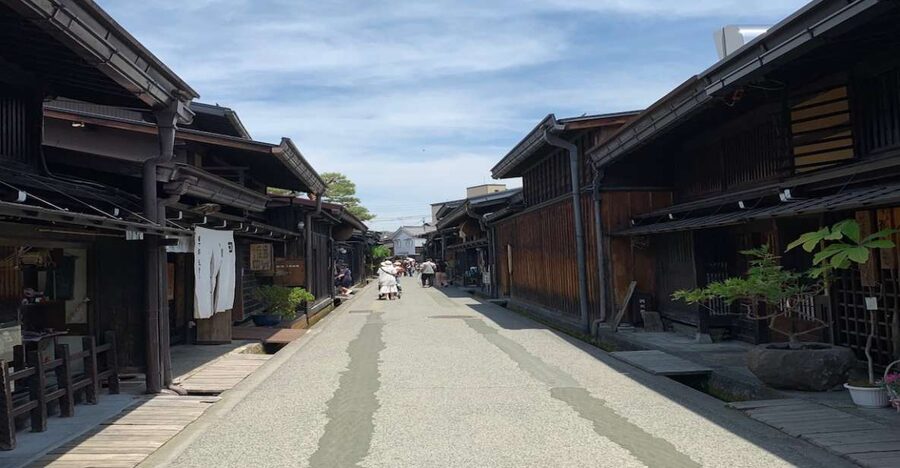
Takayama is easy to admire at first glance. Dark wooden facades, tidy lanes, and preserved merchant houses create the feeling of a town paused in time. But without context, you may simply walk past a handsome row of buildings and miss the reasons they were built that way.
This tour gives you a working explanation. You learn how Takayama developed as an Edo-period merchant town, how people earned a living, and how the town’s plan reflected trade and daily movement. That makes the old streets more than a photogenic backdrop.
The focus is not on castles, military power, or famous samurai families. Takayama’s story here is about merchants, craftspeople, local customs, and the practical choices that shaped the town. I find that a useful change of pace from the usual Japanese history lesson.
The guide also places the Edo period between earlier and later chapters of Takayama’s story. The treatment is brief, but it helps you see that the old town is not an isolated historical display. It is part of a longer development.
More Walking Tours in Takayama:
- Takayama: Takayama Jinya & Old Town Private Walking Tour
★ 4.5 · 32 reviews - Takayama: Private Walking Tour with a Local Guide
★ 4.6 · 29 reviews - Takayama: Private Night Walking Tour with Dinner
★ 4.5 · 13 reviews
What the 45-minute walk actually gives you
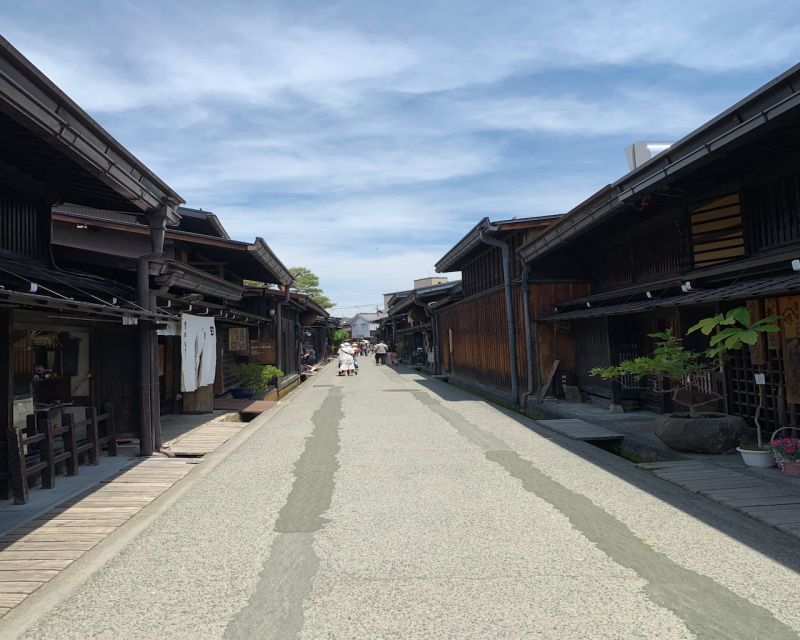
The advertised duration is approximately 45 minutes. That makes this an introduction rather than a full morning tour. You are not signing up for a long circuit with meals, museum visits, or extended time inside buildings. The included service is a local guide and a walking tour.
The route is built around explanation as you move through the historic old town. Your guide points out features that can look unremarkable at first, then explains how they relate to trade, housing, movement, work, or custom. The value comes from learning how to read the setting.
You can expect the walk to cover:
- How Takayama grew as a merchant town during the Edo period
- The role of trade and craftsmanship in local life
- How people used and moved through the town
- Why the old streets and buildings have been preserved
- How Takayama differs from other historic towns in Japan
- Small details that are easy to miss without a guide
The pace is intended to be accessible rather than rushed. That matters in a historic district where narrow streets, uneven attention, and frequent stops can make a fast walk tiring. Still, the exact route and length may depend on the day, the guide, and how many questions you ask.
One important point: a 45-minute tour can be enough to set the stage, but it cannot explain every building or cover Takayama in depth. I would treat it as the opening chapter of your visit. Afterward, you can return to the streets and spend more time with the places that caught your attention.
Reading the town through trade and craftsmanship
The strongest part of the experience is its attention to how Takayama worked. Instead of treating history as a string of dates, the guide explains how trade, craft, and ordinary routines shaped the town.
That approach is useful because historic streets can look deceptively uniform. A row of traditional buildings may seem designed only for beauty, but the tour encourages you to think about work, business, storage, household life, and movement. Those practical questions make the architecture easier to understand.
You will hear how Takayama flourished as a merchant town during the Edo period. The focus is on the forces that kept the town active: commerce, skilled work, and local life. The guide also explains why Takayama’s character differs from towns built around a castle or a feudal court.
I like this subject because it gives you something to notice after the guide has gone. You may start looking at the relationship between the street and the buildings, or at how public and private spaces appear to connect. The point is not to memorize a list of facts. It is to leave with a simple mental model of the town.
The tour also offers a little cultural background. A guide may explain local customs or the meaning attached to everyday sights. These comments can help you avoid treating the old town as a stage set. You begin to see it as a place shaped by people making a living and organizing daily routines.
A guide-led walk instead of a fact recital
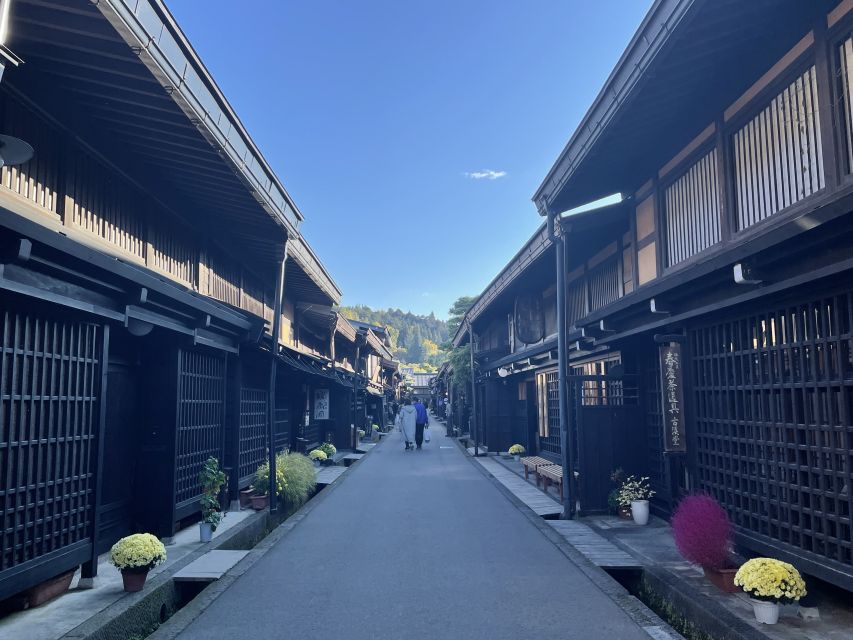
The activity is conducted in English, and the tone is designed to stay clear rather than overloaded. That is important in a 45-minute format. Too many dates would turn the walk into a history quiz, while too little explanation would make the price hard to justify.
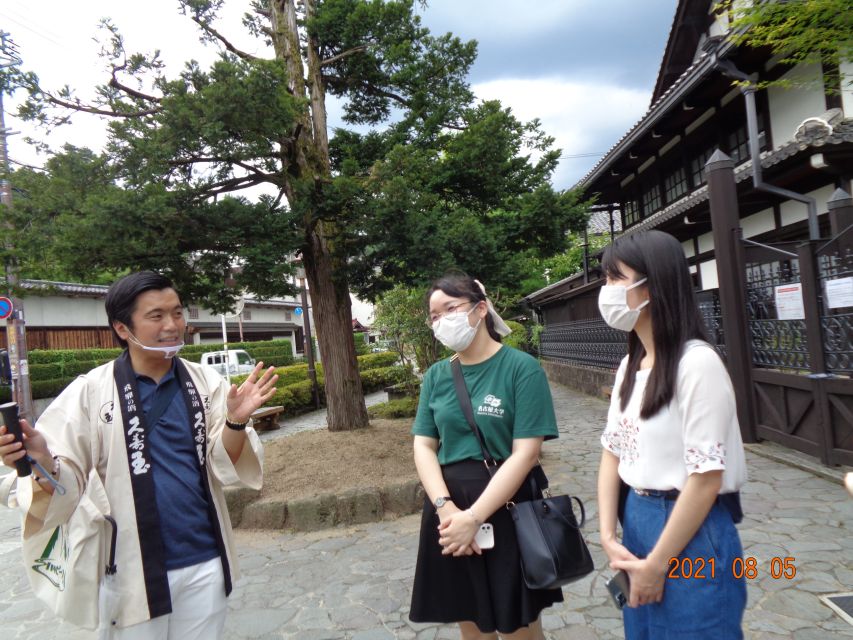
Yamma is the guide name associated with the most enthusiastic feedback supplied for this activity. The description of that walk presents Yamma as engaging and well informed, with a style that helped the group enjoy the visit. If Yamma is leading your departure, you can expect a personal, conversational explanation rather than a silent route between landmarks.
The experience is not guaranteed to have the same guide every time. One separate booking had a much less satisfactory outcome, lasting roughly 20 minutes and suffering from poor English. That is a real consideration, especially if historical explanation is your main reason for booking.
You can protect against a thin experience by asking questions early. Ask the guide to explain how a particular street feature connects with merchant life, or how Takayama differs from another old Japanese town you have visited. The tour is designed to respond to guest questions, and a curious group can get more from a short walk.
Other language requests may be possible, but English is the stated language. You should confirm any special language need before booking rather than assume it will be available on the day.
A few more Takayama half-days worth comparing
- World Heritage Shirakawa-go and Experience Tours from Kanazawa
★ 5.0 · 4,049 reviews - Kanazawa: World Heritage Shirakawa-go Morning Guided Tour
★ 4.9 · 988 reviews - From Nagoya: Gujo, Hida Takayama, and Shirakawa-go Day Tour
★ 4.4 · 398 reviews - Kanazawa: World Heritage Shirakawa-go & Two Local Experience
★ 4.9 · 274 reviews
The old town as the tour’s main attraction
This is a walking lesson, not a ride between scattered sights. The old town itself supplies the setting, and the guide uses its streets, buildings, layouts, and customs as teaching points.
That makes the experience easy to fit into a day in Takayama. You do not need to set aside several hours or arrange transport. The short duration also works well if you are visiting the old town independently and want a quick orientation before browsing at your own pace.
The tradeoff is that you should not expect a long list of formal stops. The supplied information does not promise entry into specific houses, museums, shops, or temples. The emphasis is on understanding what you see while walking through the historic district.
That can be a strength. Instead of being pulled from one named attraction to another, you get a broader explanation of how the area fits together. But if you want interior visits or a detailed building-by-building tour, this is not the right product based on the information available.
I would plan to continue exploring after the walk. Use the guide’s explanations as a filter. Return to a street that seemed ordinary, look again at the layout, and ask yourself what its design says about work and movement. That second look is where a short orientation can pay off.
Is $43 good value for 45 minutes?
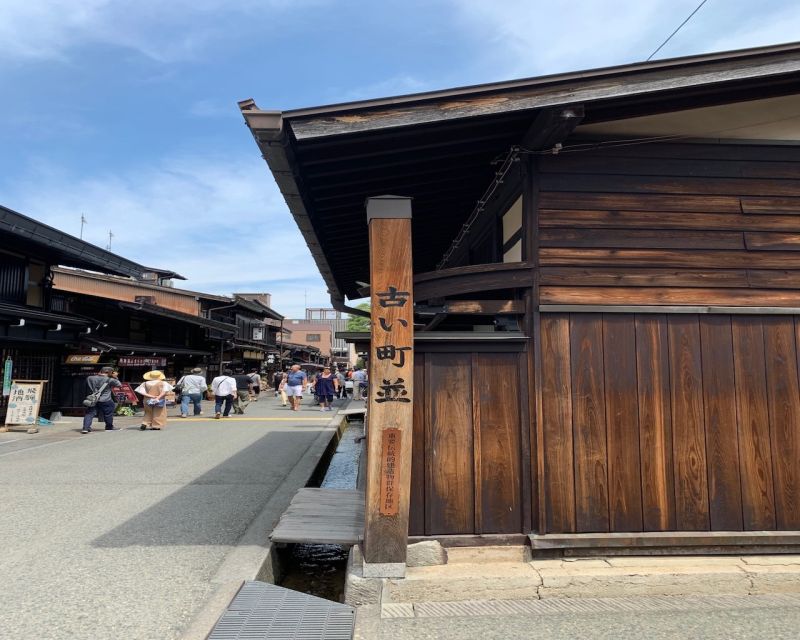
At $43 per person, this is not a bargain-priced stroll. The duration is the main pressure point. One satisfied booking still felt that 45 minutes was too short for the amount paid, and I think that is a fair concern.
The price becomes easier to defend if you value interpretation. You are paying for a local guide to explain why Takayama looks and functions as it does, not for admission tickets, food, transportation, or a packed schedule of attractions. If you would otherwise walk through the old town without understanding its historical shape, the guide may save you time and add meaning to the rest of your visit.
The price is harder to defend if you mainly want a long walk or a large number of sights. You can see the old streets independently, and the tour does not include food, drinks, or other paid elements. The listed duration also means that the guide has limited time to cover much ground.
I see the best value for first-time visitors who want a fast orientation and who enjoy asking questions. It is less compelling for someone already familiar with Takayama’s Edo-period story, or for a visitor hoping for a half-day historical program.
The activity offers free cancellation up to 24 hours before the start time, with a full refund, and a reserve-now, pay-later option. Those terms make it easier to fit into a changing Japan itinerary. They do not change the basic value calculation, though: the central question is how much you want guided context during a short walk.
Timing, weather, and practical preparation
Tours take place rain or shine. Bring suitable clothing for the forecast, since the activity is outdoors and the guide will continue in wet conditions. The supplied details do not specify shelter arrangements or a particular indoor backup route.
The meeting point is in front of the Tours & Activities sign board. Search for happyplus on Google Maps to locate it. Give yourself enough time to find the sign, especially if you are unfamiliar with Takayama or are arriving from another part of town.
The walk is listed as wheelchair accessible. That is a helpful point for visitors who need an accessible activity, but the information does not provide detailed route notes about surfaces, slopes, or individual buildings. If you need precise access details, ask before booking.
The tour normally runs in English. The duration can extend slightly depending on the flow of the walk and questions from the group. That flexibility is useful, but do not build a tight connection around the advertised 45 minutes without allowing a little extra time.
You should also remember that this is not a food tour. Food and drinks are not included, so plan your own café, snack, or meal around the walk. That leaves you free to choose what and where you eat, but it also means the tour itself does not add a tasting element.
Who will get the most from this walk?
I would recommend it most strongly to a first-time visitor with limited time in Takayama. The tour gives you a compact explanation of the town before you set off on your own. It is especially useful if you tend to enjoy places more once you understand how people lived and worked there.
It also suits visitors who prefer local history presented in plain language. The walk aims to explain rather than overwhelm, and the focus on ordinary details may appeal more than a lecture centered on rulers and battles.
Families and mixed-age groups may appreciate the short length and accessible pace. Forty-five minutes is easier to manage than a long historical tour, though the experience will still depend on how well the guide communicates with your group.
I would be more cautious if you need a guaranteed long itinerary, a specific named guide, detailed interior access, or specialist architectural study. The information does not promise those features. I would also think twice if $43 feels high for a short orientation and you are comfortable researching Takayama on your own.
Book it or walk independently?
Book this tour if you want Takayama’s old town explained in human terms. The best parts are the focus on merchant life, town planning, craft, and everyday customs, plus the chance to ask a local guide about details you might otherwise miss.
Skip it if you want a long, attraction-packed tour or if you already know the town’s Edo-period background. At $43 for about 45 minutes, the format asks you to value interpretation over duration.
My practical advice is to schedule it near the beginning of your Takayama visit, leave a little spare time afterward, and arrive ready with questions. That is when this short walk is most useful: not as the whole Takayama experience, but as a clear starting point for seeing the old streets with better eyes.
FAQ
Where does the Takayama old town walking tour meet?
Meet in front of the Tours & Activities sign board. You can search for happyplus on Google Maps to find the meeting point.
How long does the tour last?
The listed duration is approximately 45 minutes. It may run slightly longer depending on the pace of the walk and questions from the group.
What does the $43 price include?
The price includes a local guide and the walking tour. Food and drinks are not included.
Is the tour conducted in English?
Yes. English is the stated tour language, and the activity usually operates with a live English-speaking guide.
Can I request another language?
Other languages may be available upon request. You should check availability before booking.
Is the tour wheelchair accessible?
Yes. The activity is listed as wheelchair accessible.
Does the tour operate in bad weather?
Yes. Tours take place rain or shine, so prepare for the weather on the day.
Can I cancel for a full refund?
Yes. You can cancel up to 24 hours in advance for a full refund.
Do I have to pay when I book?
No. A reserve-now, pay-later option is available, allowing you to hold a place without paying immediately.
What does the tour explain about Takayama?
It explains how Takayama developed as an Edo-period merchant town, including the role of trade, craftsmanship, daily life, town planning, local customs, and the meaning of details in the historic old town.
Just added around Takayama
- Takayama and Shirakawago/Photoshoot by professional photographer★ 5.0 · 67 reviews
- Shirakawago & Kanazawa from Kanazawa★ 5.0 · 51 reviews
- Private Tour of Shirakawago and Gokayama from Kanazawa★ 5.0 · 50 reviews
- Private Tour of Shirakawago from Kanazawa (Half Day)★ 5.0 · 24 reviews
- Private Tour Kanazawa, Shirakawago, Hida Furukawa,Takayama★ 5.0 · 108 reviews
- Private transfer Kanazawa to Takayama Including Shirakawago★ 5.0 · 15 reviews
- Gokayama and Shirakawago/Photoshoot by professional photographer★ 5.0 · 51 reviews
- From Kanazawa: Shirakawa-go, Gokayama and Wood Carving Village★ 5.0 · 90 reviews
Walking Tours, compared.
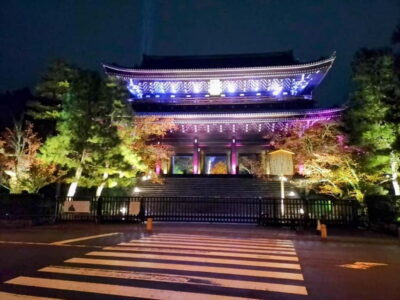
Kyoto Geisha Walking Tour: Gion District & Hidden Gems
Our verdict →
Imperial Palace and Shogun Historical Walking Tour
Our verdict →
Shinjuku Local Bar and Izakaya Guided Walking Tour
Our verdict →


Nishiki Market Brunch Walking Tour (7 Tastings + Brunch)
Our verdict →
Kyoto Arashiyama Walking Tour: Bamboo, Monkeys, Gardens & Secrets
Our verdict →
Tokyo Castle & Imperial PalaceーShogun Walking Tour
Our verdict →Browse the lists this tour appears in