
Reviewed · CYCLING TOURS
Sakurajima Century Lava Climb Journey with E-bike
Sakurajima is not a volcano you simply look at from Kagoshima. On this three-hour ride, you follow roads marked by old lava, stop at quiet spots most bus tours pass, and pedal toward Yunohira Observatory, the island’s highest visitor viewpoint. Guide Rento brings the story of the Taisho eruption to life, with clear explanations and plenty of time for questions.
I like the small group of six or fewer, which lets Rento adjust the pace and stop often. I also like the e-bike itself: the climb still feels like an outing, but electric assist takes much of the sting from the uphill road. The main consideration is that this is still a ride uphill, and volcanic sand, ash, heat, wind, or sudden rain can make conditions harder than expected.
Key points to know before booking
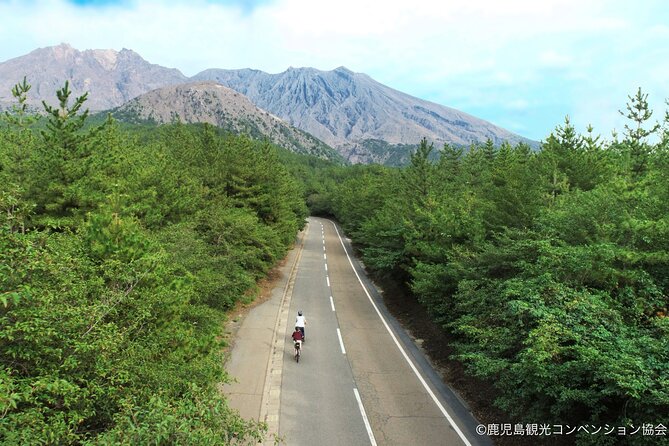
- Pedal toward Yunohira Observatory, the highest point on Sakurajima open to visitors.
- Learn about Taisho lava and eruption history at stops along the route.
- Ride with Rento, a careful guide who allows regular breaks and explains the volcano in plain terms.
- Expect a real uphill workout, even with electric assistance.
- Enjoy a local snack and drink at the viewpoint.
- Bring gloves, sunglasses, water, and weather protection for changing volcano conditions.
Why an e-bike is a smart way to see Sakurajima
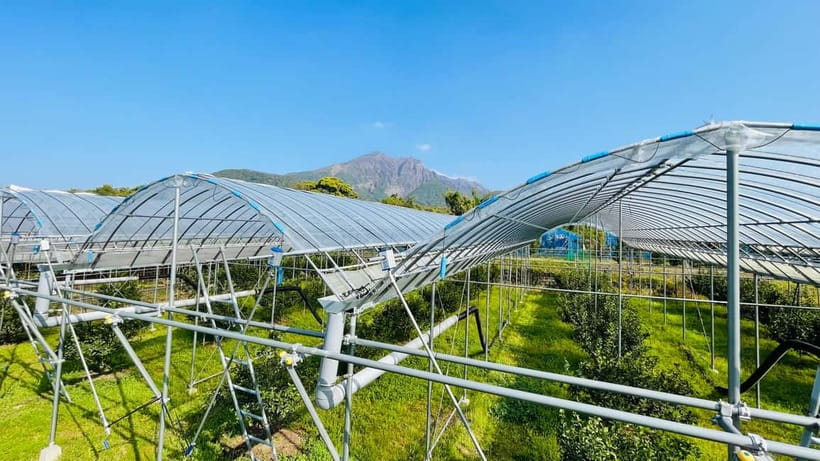
Sakurajima is often experienced from a ferry, bus window, or roadside viewpoint. Those options are useful, but they can leave you with a distant sense of the island. An e-bike gives you time to notice the road, the old lava, the orchards, and the changing views as you gain height.
The electric motor matters most on the uphill section. You still need to pedal, and the ride can be a good workout, but the assistance makes the climb manageable for someone who is comfortable on a bicycle. One useful detail from the experience is that a first-time e-bike rider was able to enjoy the trip after a short practice period.
That said, do not book this as a completely effortless sightseeing ride. The route includes an uphill climb, and one rider described it as challenging even with assistance. Your guide can provide pauses, but you should arrive ready to ride rather than simply sit on a moving platform.
The ride down is easier, and it gives you more energy to notice the details around you. The route can include views of local agricultural areas and orchards, which add a human side to the volcano story. Sakurajima is not only a dramatic peak. It is also a lived-in island where farming continues around the traces of past eruptions.
More Bike Tours in Kyushu:
- Sakurajima Century Lava Climb Journey with E-bike
★ 5.0 · 54 reviews - Private E-MTB guided cycling around Mt. Aso volcano & grasslands
★ 5.0 · 16 reviews - Hidden Kyoto E-Biking tour
★ 5.0 · 1,843 reviews
Starting at the Sakurajima Visitor Center
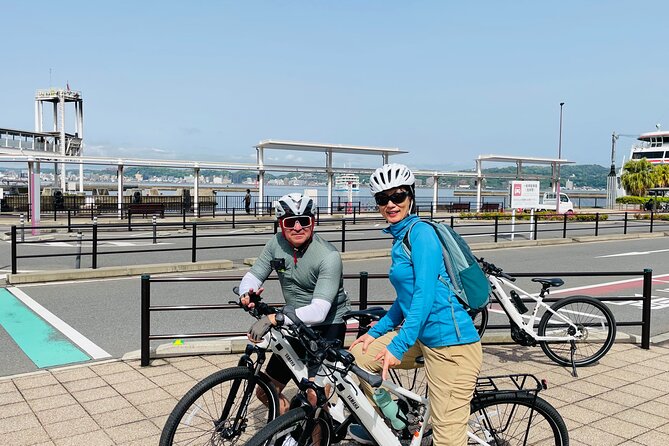
The meeting point is the Sakurajima Visitor Center, about an eight-minute walk from the Sakurajima Ferry Terminal. That makes the tour easy to pair with a ferry crossing from Kagoshima, though you should allow enough time to leave the ferry area, walk over, and arrive ready for the safety briefing.
The first 20 minutes are set aside for safety and orientation. You receive your e-bike and helmet, learn how the electric assistance works, and get a sense of the route. If you have never used an e-bike, this is the moment to ask questions and practice before the road begins to rise.
I consider this briefing especially useful here. Volcano roads can include loose material, wind, glare, and sudden weather changes. Comfortable shoes are important, and a small backpack is practical because bags can be attached to the bicycles for carrying personal items.
The tour is offered in English and Japanese. With a maximum of six people, the group should feel more personal than a standard coach excursion. If the group is smaller, the pace can be easier to adjust. The experience can include time for questions, photographs, and additional stops when conditions allow.
The first ride: learning Sakurajima’s story on the road
After the briefing, you set off on the e-bike for a short initial ride. This early stretch gives you time to settle into the bicycle and learn how Rento leads the group.
The value here is not speed. Rento uses the route to explain what you are seeing, including the island’s volcanic past and the effect of major eruptions on its people and roads. You are not just heading toward a viewpoint. You are building a picture of why the island looks and feels the way it does.
Several short stops are built into the ride. At one, you can pause for about ten minutes for a guided explanation and sightseeing. Another viewpoint stop allows photographs and a chance to look at the surroundings before the main climb continues.
These pauses matter. On a hot day, they give you time to cool down. On a clear day, they give you chances to take photographs without trying to balance a camera while riding. They also break the climb into smaller sections, which makes the route feel less demanding.
Rento’s guiding style is one of the strongest parts of the experience. He has been described as patient, friendly, careful about safety, and willing to explain geology in an approachable way. He also takes photographs for participants, a thoughtful touch if you are riding alone or want more than a few hurried selfies.
Taisho lava and the marks left by eruption
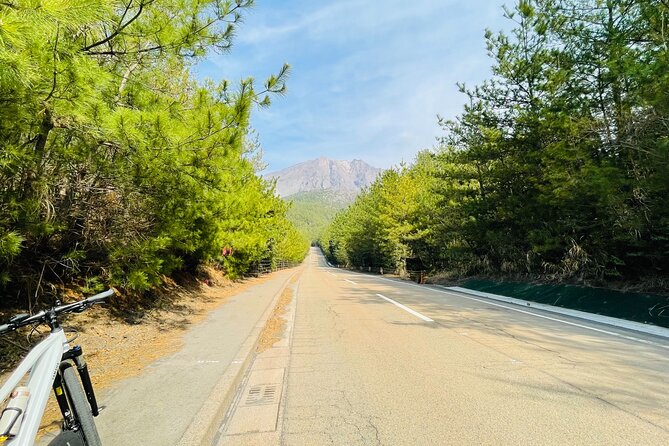
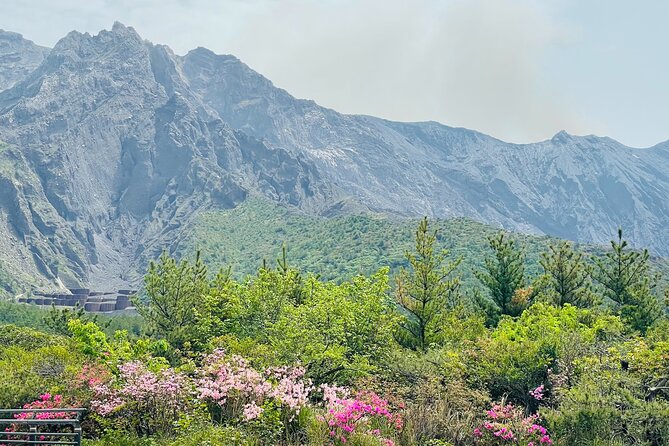
The main subject of the ride is the history of Sakurajima’s eruptions, with special attention to Taisho lava. You will see traces of the eruption and learn how volcanic activity changed the island.
This is where the bike tour gives you something a quick scenic stop cannot. Lava is easy to treat as a dark, dramatic surface. A guide helps connect it to time, movement, settlement, farming, and the continuing life of the island.
The exact stops can vary with weather and the group, but the route includes quiet places with views, volcanic features, and local agricultural sites. You might stop at a less visited point, hear about how eruptions affected the area, then continue through a setting where farming still takes place.
I like that mix of geology and daily life. You get the large story of a volcano, but you also see how people use the island around it. The result is more useful than a list of eruption dates. You begin to understand Sakurajima as an active place rather than a museum display.
The ride can also bring you close to changing volcanic conditions. Sunglasses are recommended for glare and as protection from ash fall. A window breaker is listed as a useful measure against sudden rain and wind, and slip-resistant gloves help with cold, wet weather and grip. These suggestions may sound fussy on a calm morning, but volcano weather can shift quickly.
More Electric Bike Rides in Kyushu:
- Tokyo Top Highlights 3h Guided E-bike Tour
★ 5.0 · 714 reviews - 3h Tokyo E-Bike Tour: Hidden Gems, and Local Life with guide
★ 5.0 · 670 reviews - 5 Top Highlights of Kyoto Full Day Bike Tour (E-bike option)
★ 5.0 · 511 reviews - Tokyo: 3-Hour Bike or E-Bike City Highlights Tour
★ 4.8 · 435 reviews
The climb to Yunohira Observatory
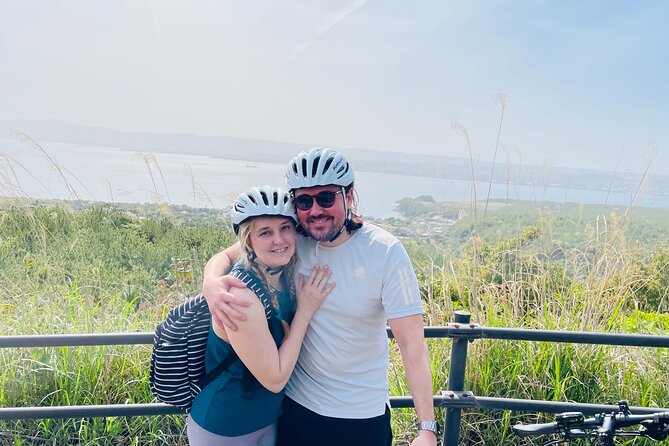
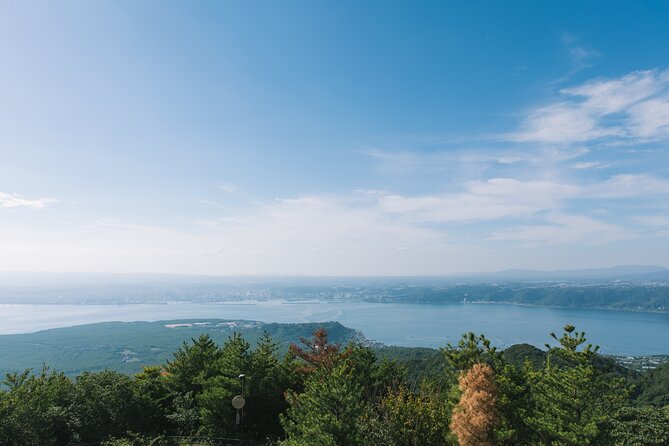
Yunohira Observatory is the high point of the tour and the best place to stop for a broad view of Kagoshima and the surrounding area. You get about 30 minutes here for a guided visit, photographs, free time, and shopping.
The climb is the physical heart of the ride. Electric assistance helps, but you should expect to work. Regular pauses make a difference, especially during hot weather. Rento has adjusted the pace for riders who needed more rest, and that personal attention is useful if your cycling speed differs from the rest of the group.
At the top, the effort pays off with open views across Kagoshima and the surrounding volcanic setting. The viewpoint also gives Rento a good place to explain what you have seen below and connect the lava traces to the wider eruption story.
A Kagoshima snack and drink are included. This is a small detail, but it is welcome after the climb. It also gives you time to stop thinking about gears and hills and simply enjoy the view.
The observatory is not a private viewpoint. Other people can be there, and the stop includes free time and shopping rather than a long secluded pause. Still, the e-bike approach makes the visit feel more active and connected to the island than arriving only by bus.
One thoughtful example shows how flexible the guiding can be. A participant’s husband rode while she followed the route by the island tourist bus, and Rento waited at the top so he could explain the view to her as well. That is not a standard feature to count on, but it shows the guide’s willingness to help when arrangements differ.
Quiet stops on the way back
The return ride includes two short secret stops, each lasting around ten minutes. The precise locations are not given in advance, which is part of the appeal. They may be used for another view, a rest, or a short explanation of the island.
Do not expect a second major attraction at each stop. Their value is in the pause and in the way they break up the return route. A guide who knows the area can point out small details that you might miss from a bus, including agricultural sites and quieter roads.
The descent should feel easier than the climb, but stay alert. One important safety issue came up during the ride: wet black sand had spread onto a path, causing a bicycle to skid and a rider to fall. The injury was limited to bruising and swelling, but the warning is worth taking seriously.
Ask about loose or wet volcanic material before riding through unfamiliar sections. Keep both hands ready, slow down when the surface changes, and do not assume that electric assistance solves every road hazard. Slip-resistant gloves and comfortable shoes are sensible additions to the basic packing list.
The tour ends back at the Sakurajima Visitor Center. From there, you can return to the ferry terminal or continue exploring the island, depending on your plans.
What the $102 price gets you
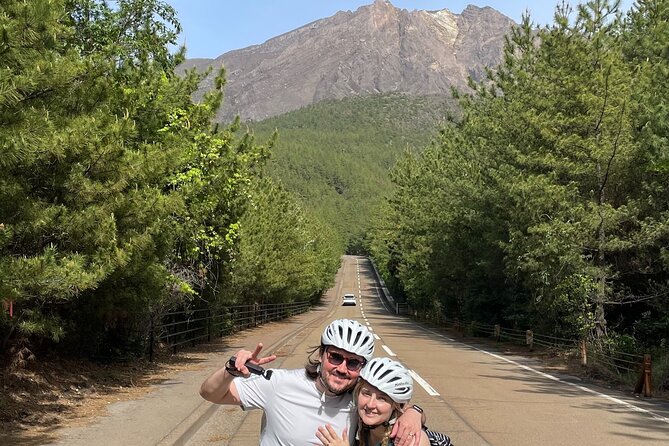
At $102 per person, this is not the cheapest way to see Sakurajima. You are paying more than you would for a bus ride or a self-guided walk. The price includes a guide, e-bike rental, helmet, snack, and drink, but the real value is the combination of transport and interpretation.
You do not have to arrange a suitable bicycle, work out the uphill route, or figure out how to connect the lava sites. You also get a guide who can adjust the pace, explain the geology, and identify places worth stopping for photographs.
For me, the price makes the most sense if you value a small group and active sightseeing. A group of six or fewer allows more conversation than a large excursion, and the bike covers more ground than walking. The experience also gives you a stronger sense of the island’s roads and farming areas than a short visit to the observatory alone.
It is less compelling if you mainly want a quick view with no physical effort. The island bus may suit you better if you cannot ride, are below the stated minimum height of 145 centimeters, or prefer a fully seated tour. You should also compare the price against the time you have. This activity takes three hours, so it works best when Sakurajima is a planned part of your day rather than a rushed add-on.
Weather, clothing, and practical limits
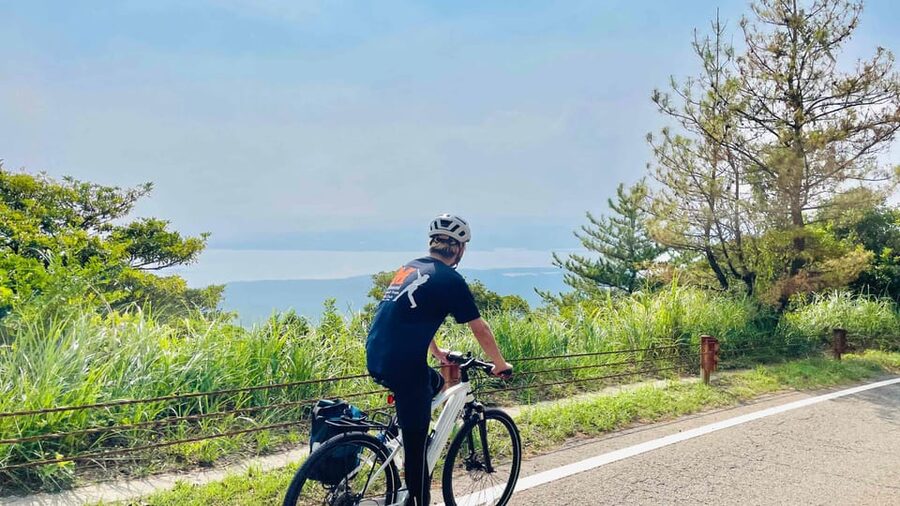
Bring a passport or ID card, comfortable shoes, water, travel insurance, and clothing suited to the forecast. Sunglasses are useful in bright conditions and may help if ash falls. A small backpack keeps essentials close without making the ride awkward.
Gloves with good grip are a smart choice. They can help with cold, wet conditions and provide extra control on the handlebars. The operator also suggests protection against sudden rain and wind, so a light weather layer is sensible.
Alcohol and drugs are not allowed. You must be able to ride a bicycle, and the minimum height is 145 centimeters. Those limits are practical safety rules, not minor formalities, because the ride includes roads, an uphill section, and changing surfaces.
Bad weather can cancel the experience. The decision is made by the day before, and you are notified if the tour cannot operate. A full refund is available when the activity is canceled for bad weather. You can also cancel up to 24 hours ahead for a full refund, and reserve now while paying later.
The activity currently carries a 4.9 rating from 27 reviews, with especially strong praise for Rento’s patience, safety awareness, local explanations, photographs, and ability to make first-time e-bike riders feel comfortable. One four-star account raises a useful caution about wet black sand, so I would treat road awareness as part of the experience, not an afterthought.
Who should book this Sakurajima ride?
I would choose this tour if you want to understand Sakurajima while moving through it. It suits confident cyclists, curious first-time e-bike riders, couples, solo visitors, and small groups who enjoy stopping to ask questions.
It is also a good choice if you have already seen Kagoshima from the city side and want a closer look at the island. The ferry connection, quiet roads, lava traces, orchards, and high viewpoint combine into a fuller half-day outing.
I would choose another option if you cannot ride a bike, dislike hills, need a completely sheltered activity, or want a quick and effortless viewpoint visit. The e-bike reduces the strain, but it does not remove the need for balance, attention, and some pedaling.
Should you book the Sakurajima Century Lava Climb Journey?
Book it if the idea of cycling through volcanic history sounds more appealing than riding past it on a bus. The strongest reasons are Rento’s personal guiding, the small group, the regular stops, and the chance to see Taisho lava and local agricultural areas along the way.
Go in prepared for an uphill workout and changing surfaces. Bring water, gloves, sunglasses, weather protection, and a cautious approach to wet black sand. If you do that, the $102 cost buys more than a rental bicycle. It gives you a guided way to connect Sakurajima’s dramatic volcano story with the quieter roads and everyday places around it.
FAQ
How long does the Sakurajima e-bike tour last?
The tour lasts three hours, including the safety briefing, guided ride, viewpoint visit, rest stops, and return to the Sakurajima Visitor Center.
Where does the tour start?
It starts at the Sakurajima Visitor Center, about an eight-minute walk from the Sakurajima Ferry Terminal.
Does the tour include an e-bike and helmet?
Yes. The guided e-bike tour includes e-bike rental and a helmet.
Which languages are available?
The live guide service is available in English and Japanese.
How high is the minimum age or height requirement?
The provided requirements state that the activity is not suitable for anyone under 145 centimeters. A specific minimum age is not given.
Do I need to know how to ride an e-bike?
You must be able to ride a bicycle. A safety briefing is provided, and the e-bike can be suitable for a first-time e-bike rider after basic practice.
What should I bring?
Bring a passport or ID card, comfortable shoes, water, travel insurance, and weather-appropriate clothing. Sunglasses, slip-resistant gloves, a small backpack, and protection from sudden rain and wind are also recommended.
What happens if the weather is bad?
The decision is made by the day before the experience. If bad weather causes cancellation, you are notified and receive a refund. You can also cancel up to 24 hours before the activity for a full refund.
Just added around Kyushu
- Kumamoto Full-Day Private Tour with Government-Licensed Guide★ 5.0 · 20 reviews
- Kagoshima Nature and Food Culture Private Tour★ 5.0 · 15 reviews
- Port Pick-Up: Kagoshima Private Tour Licensed Guide & Vehicle★ 4.5 · 22 reviews
- Kagoshima Private & Custom Tour with Licensed Guide and Vehicle★ 5.0 · 29 reviews
- Kagoshima Full-Day Private Tour with Government-Licensed Guide★ 5.0 · 21 reviews
- Kagoshima Highlights Private Tour, Sakurajima Volcano and more★ 5.0 · 20 reviews
- Kayaking in Anbo River★ 5.0 · 19 reviews
- Kyushu: Aso Vocano, Grassland,Onsen and Aso shrine 1-Day Tour★ 4.5 · 23 reviews
Cycling Tours, compared.
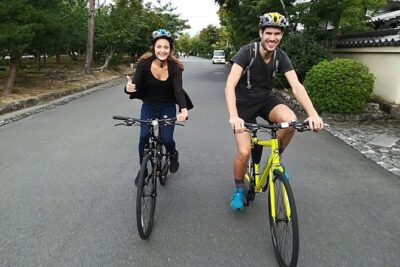
Arashiyama Bamboo Forest & Hidden Gems Bike Tour (Early Bird)
Our verdict →
Browse the lists this tour appears in