
Reviewed · SUSHI EXPERIENCES
Osaka: Roll and Authentic Sushi Making Class in Dotonbori
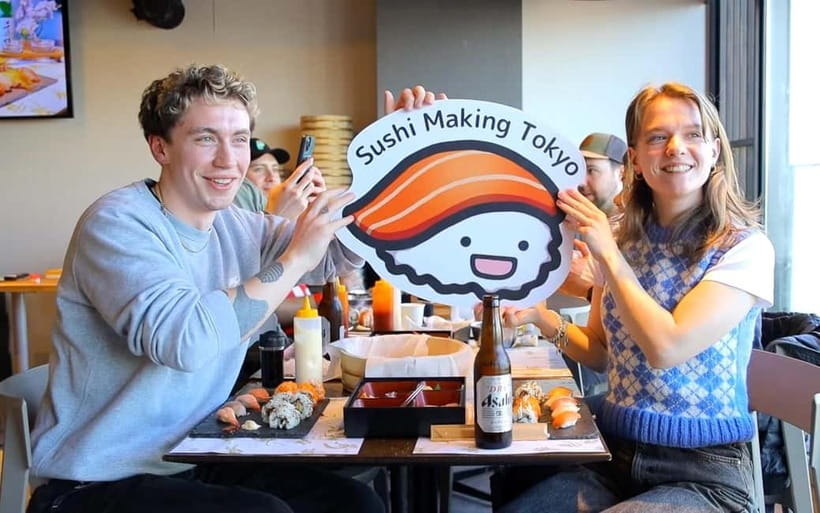
The best part of this Osaka activity is that you do not just watch sushi being prepared. You shape the rice, build maki rolls and nigiri, then sit down to eat your own work. A short sushi-history quiz keeps the introduction lively, and instructors such as Shoki, Yui, Takara, and Rika bring plenty of humor to the lesson.
I like the central Dotonbori location, which makes this easy to fit between shopping, sightseeing, and dinner plans. I also like the practical format: the ingredients are ready, the instructions are in English, and no cooking experience is needed. The main drawback is timing. A few people found the final eating period rushed, so arrive ready to work rather than expecting a long, leisurely meal.
Key points to know before booking
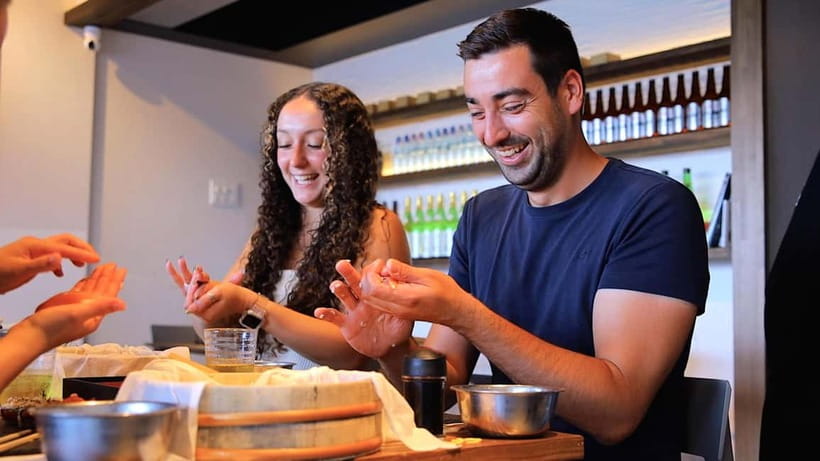
- You make two sushi styles: Learn the basic techniques for maki rolls and nigiri, rather than only watching a demonstration.
- The class lasts 100 minutes: It includes sushi history, demonstrations, hands-on preparation, and eating what you make.
- English-speaking instructors lead the session: Staff members are friendly, energetic, and comfortable helping first-time cooks.
- The setting is central Osaka: The class is about five minutes from Shinsaibashi Station, near Dotonbori and Shinsaibashi.
- Dietary menus need advance notice: Vegan, vegetarian, gluten-free, halal, and allergy menus are available with at least three days notice.
- Plan for a fast finish: The food is prepared during the lesson, so you may have limited time to eat at the end.
Making sushi in the middle of Osaka
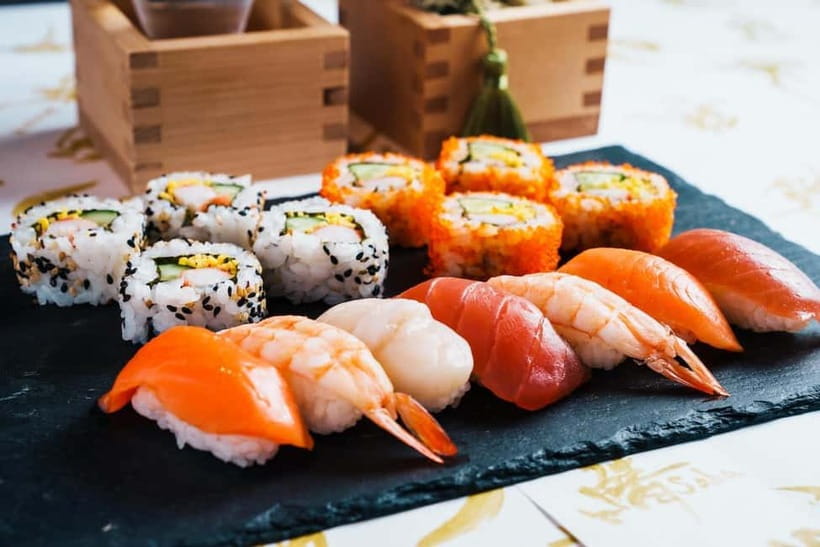
This class takes place in the Galleria Acca Building, on the third floor, about five minutes on foot from Shinsaibashi Station. That location matters. You are not spending half a day getting to a distant cooking school. You can pair the class with an evening walk through Dotonbori, a visit to Shinsaibashi-suji, or a meal in Osaka’s famous food district.
The building entrance can be easy to miss because it sits in a concrete structure with an unusual architectural look. Give yourself a few extra minutes to find the right doorway and reach the third floor. The meeting point is specific, so checking the building name before you set off is sensible.
The room itself is described as clean and well organized. The class can feel small and personal, with instructors speaking directly to the group instead of leaving you to copy a demonstration from the back of a large room. That is useful for sushi, where small details matter. Rice pressure, hand position, and the amount of filling can change the result.
The activity is listed as wheelchair accessible. One practical detail is worth checking before booking: a person noted that the building has an elevator, but it does not reach the workshop floor. If you need step-free access, contact the provider in advance and confirm the exact route.
More Sushi Experiences in Osaka
- Sushi Making Osaka Roll and Authentic Japanese Sushi Class
★ 5.0 · 1,220 reviews - Osaka Sushi Making Experience
★ 5.0 · 400 reviews - Osaka Sushi Making Class – Hands-On Nigiri & Rolls (Same-Day OK)
★ 5.0 · 352 reviews
A light introduction to sushi history
The class begins with an introduction to sushi and an interactive quiz. This is not a long lecture. The tone is light, social, and designed to get everyone involved before handling food.
That short history lesson gives the food some context. Sushi is not simply raw fish placed on rice. The class helps you understand the different forms you are about to make, including the rolled style of maki and the hand-shaped form of nigiri.
The quiz also serves a useful purpose for groups. People who arrive as strangers have an easy reason to speak to one another. Instructors ask where you are from and start conversations about food and travel. The result is less formal than a cooking demonstration and more like a shared activity around a kitchen table.
Several instructors are praised for their energy and humor. Shoki is known for turning the lesson into a lively event, while Yui, Takara, Rika, Fujiko, Fuji, and others have been singled out for clear help and friendly teaching. Staff names may vary by session, but the teaching style is consistent: explain, demonstrate, let you try, and step in when you need help.
The class also has a playful group spirit. One recurring cheer is Hoi, hoi, hoi, used while making nigiri. It will not appeal to everyone, especially if you prefer a quiet cooking lesson, but it gives the activity a memorable Osaka personality.
Making maki rolls with prepared ingredients
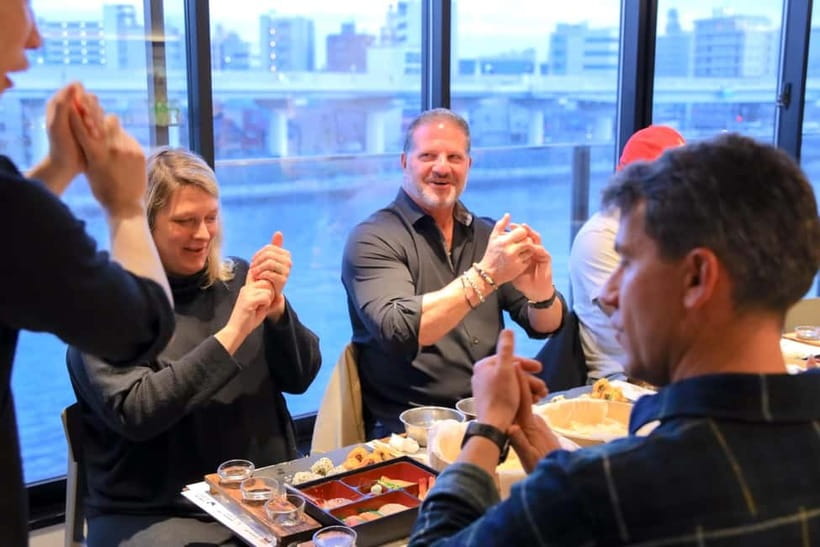
The first hands-on section focuses on maki, the familiar rolled sushi wrapped in seaweed. You work with prepared ingredients, which keeps the class manageable in 100 minutes and lets you concentrate on technique.
You learn how to arrange the rice and fillings, roll the sushi, and cut it into pieces. The instructor demonstrates the process, and visual instruction helps you follow along. One session included enough ingredients to make several pieces, with six maki pieces described by one participant. The exact amount may depend on the class setup, but you should expect more than a token sample.
This is the part most likely to appeal to families and first-time cooks. You do not need knife skills or prior Japanese cooking experience. The components are ready for you, and the instructor guides your hands through the process.
Still, do not rush the rolling stage. A loose roll may fall apart, while too much filling makes cutting difficult. The point is not to produce restaurant-perfect sushi on your first attempt. The real value is that you leave knowing how the shape is built and what to try when you make it again at home.
The ingredients are generally well received, and people describe the selection as generous and tasty. You also get to eat what you prepare, which makes the lesson feel more substantial than a class where the finished food is taken away for display.
Shaping nigiri, the more delicate technique
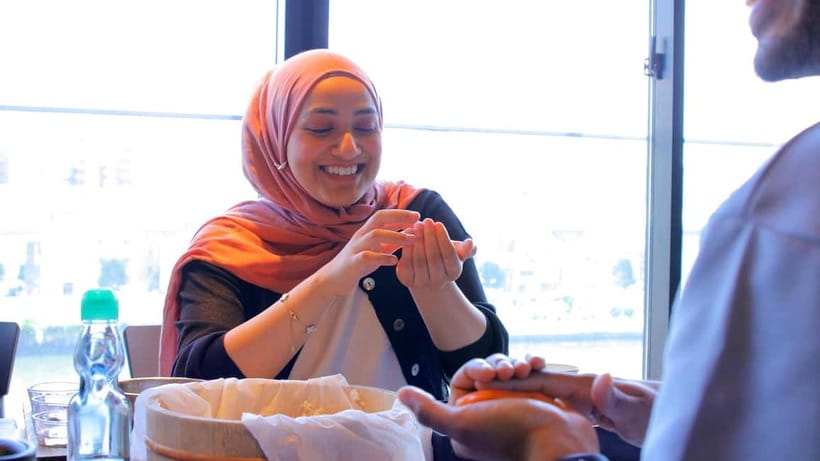
The second main technique is nigiri. This is where you form seasoned rice by hand and place a topping over it. Compared with maki, nigiri looks simple, but the shape and pressure take more care.
The instructors show you how to handle the rice without crushing it. You then make your own pieces while receiving corrections and encouragement. The staff’s patience is helpful here, especially if you are not comfortable cooking. One participant described the lesson as easy to follow even without much cooking experience.
This section also gives you a better sense of why sushi chefs pay attention to balance. Too much rice, too much topping, or a rough shape can make the piece awkward to eat. You will not become a professional sushi chef in 100 minutes, but you will understand the basic hand movements and proportions.
The class uses the phrase sushi master in a playful way. Take it as encouragement, not a professional qualification. What you gain is more useful: a recipe idea, a few techniques, and enough confidence to try sushi at home.
If you are mainly interested in sashimi, note the distinction. The advertised focus is roll sushi and authentic Japanese sushi, with the hands-on examples described by participants as maki and nigiri. The activity is not presented as a knife-skills class for slicing raw fish.
Same trip, a completely different kind of day:
- Osaka Go Karting Tour with Funny Costume
★ 5.0 · 2,658 reviews - Osaka Castle: Museum and Tower Entry Ticket
★ 4.5 · 2,380 reviews - Osaka: Shinsekai Food Tour with 13-15 Dishes at 5 Eateries
★ 4.8 · 2,204 reviews - Osaka Food Tour: 13 Dishes at 5 Local Eateries
★ 5.0 · 2,149 reviews
Eating the sushi you made
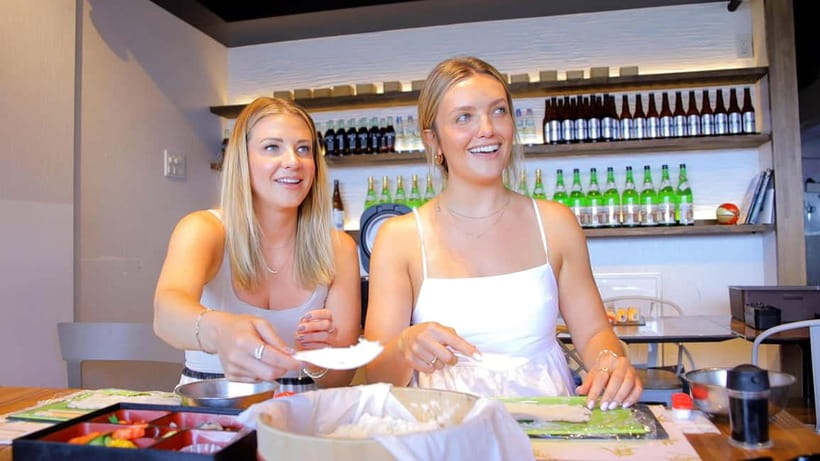
Once the preparation is finished, you eat your sushi. This is the payoff, but it is also where the schedule can feel tight.
The 100-minute duration includes the history section, demonstrations, preparation, and meal. Several people enjoyed having enough food for lunch, while others felt they had little time to eat after completing the final pieces. The lesson may feel rushed if you work slowly or stop often for photographs.
My advice is simple: listen closely during the demonstration, keep your ingredients organized, and do not spend too long perfecting one piece. You can take photographs, but do it between steps rather than allowing the camera to interrupt the process.
There is also a practical point about the ingredient trays. One person felt the trays were collected before everyone had finished, which made the final moments feel hurried and meant that items such as ginger and wasabi could be removed before they were used. If those condiments matter to you, place what you want on your plate before the tray is cleared.
The meal is not a separate restaurant course. You are eating the sushi you just made, and that is exactly why it feels satisfying. The pieces may not all look identical, but they carry a story you made yourself. After several days of simply ordering food, this gives you a more active connection to Osaka’s food culture.
Dietary requests and ingredient planning
The class can accommodate vegan, vegetarian, gluten-free, halal, and allergy-related menu changes. Meat, nuts, fruits, and dairy are listed as ingredients that are not used. If you need a special arrangement, contact the provider when you reserve and give at least three days notice.
Do not wait until the morning of the class. Same-day changes cannot be handled, and the provider does not accept detailed ingredient specifications beyond the listed menu categories. If you have a serious allergy, explain your needs clearly before booking and confirm what can be provided.
Halal options have worked well for some participants who requested them in advance. That does not mean every individual ingredient can be substituted. The safest approach is to make the request early and receive confirmation before you arrive.
This advance planning is especially important for families and mixed groups. One person may need a vegetarian or halal menu while others eat the standard selection. The class is built to handle menu changes, but the kitchen needs time to prepare the right ingredients.
How much value do you get for $45?
At $45 per person, this is not the cheapest way to eat sushi in Osaka. You can buy a filling meal for less. The price makes more sense when you count the instructor, the ingredients, the lesson, and the location.
You are paying for a guided activity and a meal, not just a plate of sushi. The class also gives you two techniques, a little food history, and the chance to ask questions in English. For a couple or family looking for something beyond temples and shopping, that combination offers solid value.
The strongest value comes if you take the lesson seriously enough to reuse it. The ingredients are prepared for you, but you still learn the basic sequence for making maki and nigiri at home. Several people left feeling more confident about trying sushi again. If you only want to eat sushi and do not care how it is made, spend the money at a restaurant instead.
The central setting helps the price, too. You do not need hotel pickup, and there is no long transfer. The class fits neatly into a day in central Osaka. Free cancellation up to 24 hours in advance and the option to reserve now and pay later also make it easier to fit into a changing itinerary.
Who will enjoy this class most?
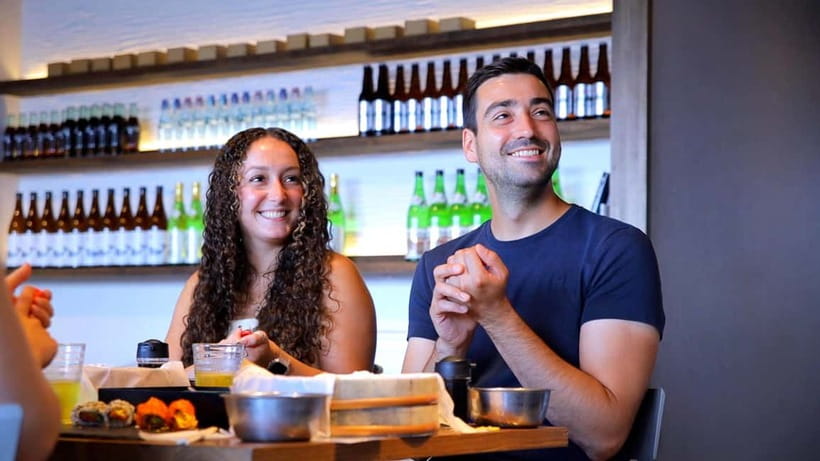
I would recommend this activity to first-time sushi makers, families with older children, couples, solo visitors, and small groups who want a social food experience. You do not need to be a confident cook. The demonstrations and friendly help make the class approachable.
It is also a good choice if you want a practical memory from Osaka. A food tour shows you what to eat. This class lets you participate in making it. The difference is small on paper but meaningful during a trip.
Solo visitors should not worry about arriving alone. The instructors begin conversations and help create a group atmosphere. Couples can work side by side, while families can turn the lesson into a shared challenge.
You may want to skip it if you dislike group activities, dislike being encouraged to join in, or want an unhurried meal. The lively teaching style includes jokes, conversation, and the Hoi, hoi, hoi cheer. It is fun for many people, but not a quiet private lesson.
Simple tips for getting more from the 100 minutes
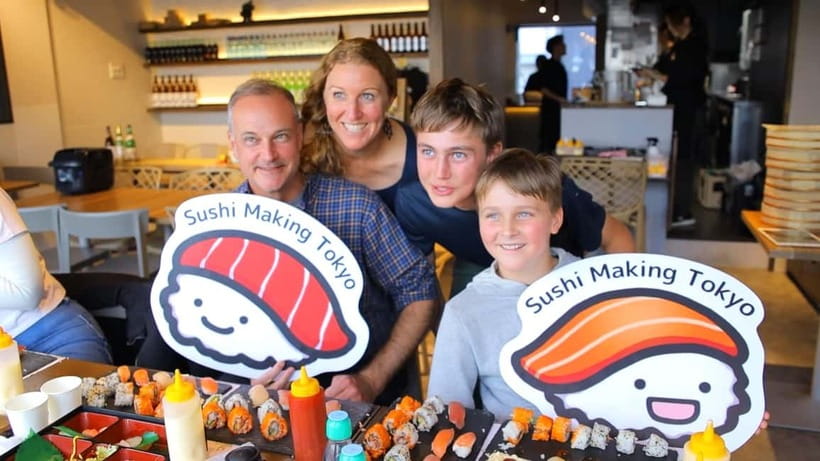
Arrive with enough time to locate the building. The entrance is not necessarily obvious, and the workshop is on the third floor.
Tell the provider about dietary needs at least three days ahead. The class cannot make changes on the day.
Pay attention during the demonstrations. The final eating time may be shorter than you expect, and careful listening helps you work faster.
Keep ginger and wasabi on your plate before the ingredient tray is collected. This avoids losing condiments before you start eating.
Wear something comfortable and keep your workspace tidy. The class involves handling rice and several ingredients, so an organized table makes the process easier.
Treat the finished sushi as lunch, not as a full evening meal. One session provided enough food for lunch, but the activity is still a cooking lesson rather than a long restaurant sitting.
Should you book this Osaka sushi class?
Book it if you want to make your own food, learn the difference between maki and nigiri, and spend 100 minutes with friendly English-speaking instructors in central Osaka. The class has a strong record of satisfied participants, and the praise is focused on specific things: patient teaching, clear demonstrations, tasty ingredients, clean surroundings, and cheerful staff.
I would especially choose it for a first visit to Osaka, a family activity, or a rainy afternoon when outdoor plans are less appealing. The location near Dotonbori makes it easy to combine with the rest of your day.
I would hesitate only if you want a slow meal or a private, silent lesson. The schedule moves quickly, and the social energy is part of the design. For most people who want an active food memory rather than another restaurant reservation, the $45 price is fair.
FAQ
Where does the sushi class take place?
It takes place on the third floor of the Galleria Acca Building, about five minutes on foot from Shinsaibashi Station, near Dotonbori and Shinsaibashi.
How long does the activity last?
The class lasts 100 minutes. This includes the sushi history introduction, demonstrations, preparation, and time to eat what you make.
What types of sushi will I make?
You will make two types of sushi: maki rolls and authentic Japanese sushi, described in the class details and participant experiences as nigiri.
Is the class taught in English?
Yes. English-speaking instructors lead the class, and English is the listed language.
Do I need cooking or sushi-making experience?
No. The activity is designed for beginners, and the instructors provide demonstrations and step-by-step help.
Can the class accommodate dietary requirements?
Yes. Vegan, vegetarian, gluten-free, halal, and allergy menus are available. You must contact the provider at least three days before the class, as same-day changes are not accepted.
Is hotel pickup included?
No. Hotel pickup and drop-off are not included. You make your own way to the meeting point near Shinsaibashi Station.
Can I cancel the booking?
You can cancel up to 24 hours in advance for a full refund. You can also reserve now and pay later, subject to the booking terms.
Just added around Osaka
- Exclusive Sushi Making Experience with a Master Chef – Osaka Area★ 5.0 · 25 reviews
- Private Home-Style Cooking Class in Osaka with Local Mom Yoshiko★ 5.0 · 46 reviews
- Hidden Osaka – Yukaku Red Light Tour & Culinary Adventure★ 4.8 · 96 reviews
- Osaka: Walking Tour and Top Highlights★ 4.8 · 104 reviews
- Osaka: Private Ceramic Painting Workshop★ 5.0 · 13 reviews
- Pickleball in Osaka, Kobe & Kyoto with Locals!★ 4.7 · 80 reviews
- Eat Like a Local in Osaka – Private Custom Street Food Tour★ 4.3 · 33 reviews
- Osaka:SUMO BEATS SHOWCASE: Taiko Drum and Wagyu burger!★ 4.2 · 37 reviews
Sushi Experiences, compared.
Sushi Making Tokyo Roll and Authentic Japanese Sushi Class
Our verdict →
Sake Omakase in Tokyo: Guided Tasting by Certified Sommeliers
Our verdict →
Browse the lists this tour appears in