
Reviewed · MUSEUMS
Private Edo-Tokyo Open Air Architectural Museum Tour
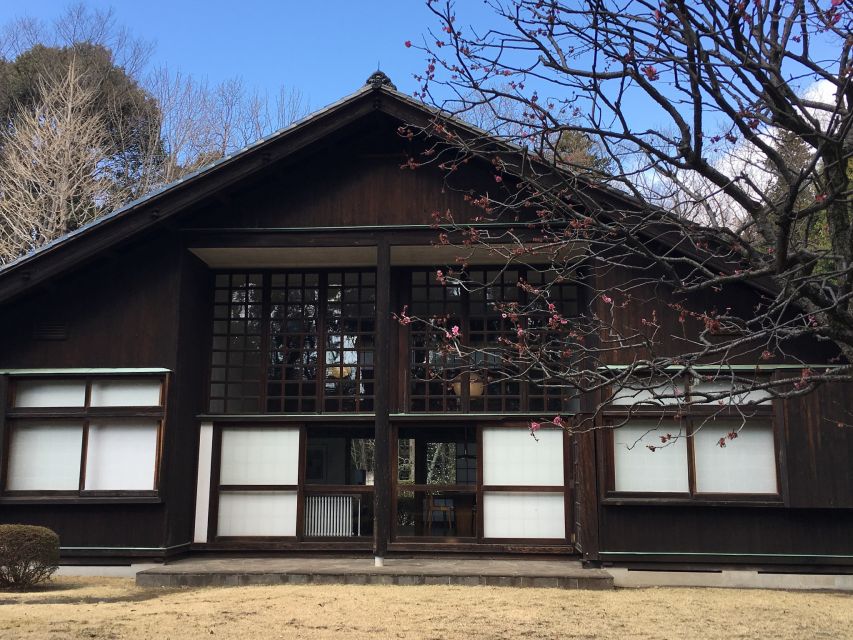
The most interesting part of this private tour is the way it turns Tokyo’s architectural past into a walk through changing eras. You move from traditional Japanese homes to Western-influenced design, then into a Shitamachi district that feels like it could belong in a Studio Ghibli film. I especially like the chance to study Kunio Maekawa’s wartime house and the 1925 home by Sutemi Horiguchi, where Dutch, Art Deco, De Stijl, and Japanese ideas meet under one roof.
I also like the personal guide service. Guides such as Yuichi and Yuki have shaped tours around interests in tea rooms, gardens, architecture, and Tokyo history. The main drawback is practical: transport to the museum costs extra, and the five-hour schedule includes trains and buses, so this is not a quick central-Tokyo museum stop.
Key points to know before you book
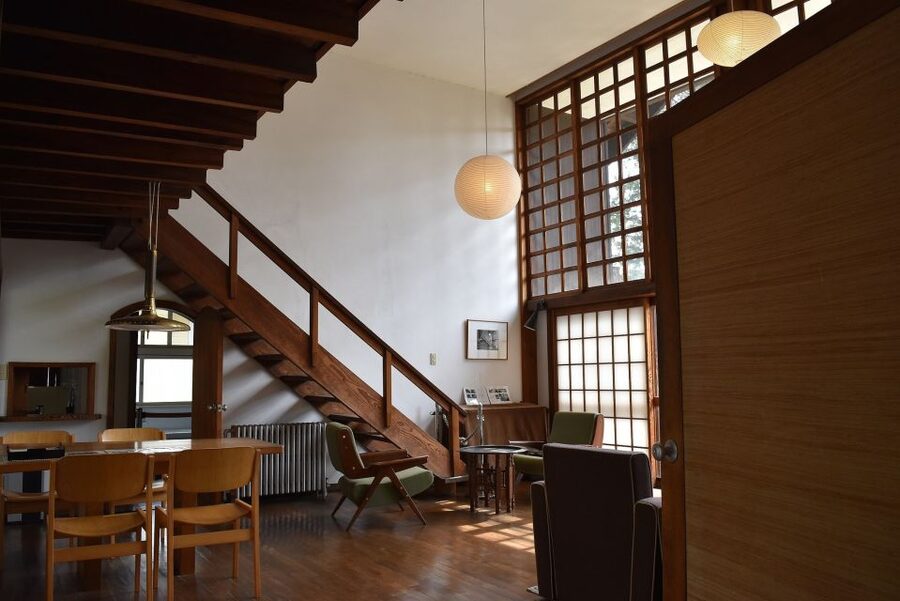
- Maekawa’s wartime home: See the sophisticated house designed by a Japanese architect who worked under Le Corbusier and Antonin Raymond.
- Horiguchi’s 1925 experiment: Look for Dutch, Art Deco, and De Stijl ideas inside rooms that still retain Japanese character.
- Mitsui family luxury: Compare the restrained traditional homes with the grand residence of one of Japan’s wealthiest families.
- A Ghibli-like Shitamachi walk: Explore old buildings, a traditional bathhouse, and a retired Tokyo train, but not the Ghibli Museum.
- Private guiding with real flexibility: Your guide can focus more on architecture, gardens, tea rooms, or the wider story of Tokyo.
- Budget for local transport: The train and bus fare is about 700 JPY each way and is not part of the $193 tour price.
Why this museum belongs on an architecture day
The Edo-Tokyo Open Air Architectural Museum is not a single grand building filled with models and photographs. It is a collection of historic structures moved to an open-air setting, where you can enter many of them and see how people actually lived and worked.
That matters because Japanese architecture is easy to reduce to a few familiar images: wooden houses, sliding screens, tatami floors, and tiled roofs. This tour gives you a wider picture. You see how buildings changed from the end of the samurai era through the Meiji period and into the Showa era. You also see that Western influence did not simply replace Japanese design. It was adapted, softened, and mixed with local habits.
I like this approach for a first visit to Tokyo’s architectural past. Instead of memorizing dates, you compare rooms and buildings side by side. A traditional residence may feel open and spare, while a later home uses European decoration or modern planning without giving up Japanese rooms.
The private format helps here. With a large group, a guide must keep moving. With your own guide, you can spend more time on the parts that catch your eye. If you care about tea rooms and gardens, say so. If modern architecture is your priority, ask to focus on Maekawa and Horiguchi.
More Museum Tours in Tokyo
- Tokyo: teamLab Planets TOKYO Digital Art Museum Entry Ticket
★ 4.6 · 9,779 reviews - Tokyo: Samurai Ninja Museum Guided tour and Experience
★ 4.6 · 1,010 reviews - Ninja Experience (Family Friendly) at Samurai Ninja Museum TOKYO
★ 5.0 · 441 reviews
Starting with Kunio Maekawa’s wartime house
The tour begins with a house designed by Kunio Maekawa, one of the important figures in modern Japanese architecture. Maekawa worked under Le Corbusier and Antonin Raymond, two major influences on modern design, and later helped shape modern architecture in Japan.
The timing of the house makes it especially interesting. It was built during the Second World War, a period when materials and resources were limited. Yet the design is described as sophisticated, with ideas linked to the international architects Maekawa had worked with.
This is a useful place to begin because it breaks the idea that wartime Japan had only old wooden homes or grand imperial buildings. You can look for the meeting point between modern planning and Japanese domestic life. Your guide can also explain how an architect trained in an international style worked within Japan’s own building traditions.
You should not expect a flashy modern landmark. The value is in the details and the story behind the design. Listen for how Maekawa’s work fits into Japan’s move toward modern architecture, and notice how much a building can reveal about a country rebuilding and changing.
Horiguchi’s 1925 blend of Europe and Japan
The next major stop is a house designed by Sutemi Horiguchi. Built in 1925 after his return from Europe, it introduced Dutch architectural ideas to Japan. That alone makes it worth careful attention, but the interior is even more revealing.
Horiguchi brought European references into a home that still contains traditional Japanese rooms. You may see Art Deco decoration and De Stijl compositions alongside Japanese planning and materials. De Stijl, sometimes translated as The Style, is known for strong geometry and simple compositions. In this house, those ideas are not presented as a museum lesson detached from daily life. They appear within a Japanese residence.
This is one of the tour’s best stops for understanding cultural exchange. Japan did not merely copy a European building and place it at home. Architects selected ideas, adjusted them, and made them work with local rooms and customs.
I would take your time here. Look at how the rooms connect, how decoration changes from one space to another, and how European design feels different when placed beside traditional Japanese interiors. A guide who knows architecture can help you see details that would otherwise pass by as simply attractive.
The Mitsui residence and the language of wealth
The Mitsui family residence gives the tour a different angle. The Mitsui family was among the richest in Japan, and the home reflects that position through luxurious interior decoration.
This stop is useful because it shows how architecture expresses status. A modest home tells you about practical life, while a wealthy residence reveals the materials, finishes, and presentation available to an elite family. The contrast between the Mitsui house and other buildings in the museum helps you read the collection as a social story, not just a sequence of architectural styles.
You can also compare the Mitsui residence with the more experimental homes by Maekawa and Horiguchi. One emphasizes wealth and refinement, another reflects international design, and another shows how modern architecture developed during a difficult period. Together, they make the museum feel less like a row of isolated buildings and more like a record of Tokyo society.
Same trip, a completely different kind of day:
- 1-Day Tokyo Bus Tour
★ 5.0 · 14,250 reviews - Tokyo: TOKYO SKYTREE® Admission ticket
★ 4.5 · 11,192 reviews - Tokyo: Sumo Show Experience with Chicken Hot Pot and a Photo
★ 4.8 · 6,678 reviews - Tokyo: Shinjuku Food Tour (13 Dishes at 4 Local Eateries)
★ 5.0 · 6,603 reviews
Entering Shitamachi, the old eastern side of Tokyo
The latter half of the tour shifts toward Shitamachi, the eastern part of Tokyo traditionally associated with working neighborhoods and everyday urban life. This is where the experience becomes especially appealing if you like the visual world of Studio Ghibli films.
The buildings have the sort of shapes and details that can remind you of animated Tokyo: old shopfronts, wooden structures, narrow streets, and familiar domestic spaces. The atmosphere is a major part of the appeal. You are not looking at a film set, but the collection creates a similar feeling of a Tokyo that is old, human-scaled, and slightly dreamlike.
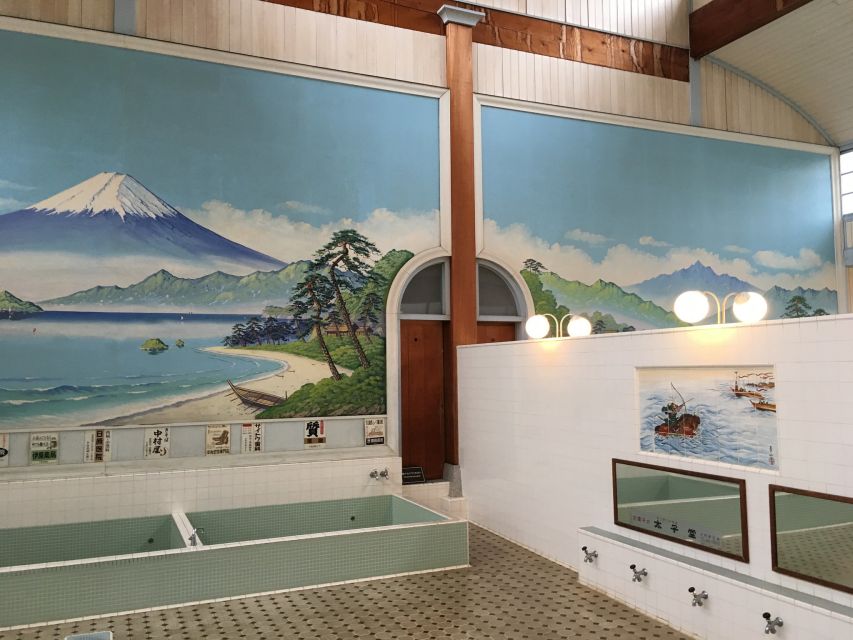
The tour includes a beautiful traditional bathhouse. A bathhouse is more than a pretty wooden building. It points to a shared part of Japanese urban life, where bathing was a public and social activity. Your guide can connect the building to the wider story of ordinary neighborhoods and the way public spaces served local communities.
You also see an old train that once ran through Tokyo. It adds a useful reminder that the city’s development depended on transport as much as buildings. Tokyo changed as rail lines expanded, neighborhoods grew, and people moved between home, work, and commercial districts.
This section should appeal even if you are not an architecture specialist. The buildings are approachable, and the Ghibli-like mood gives the walk a little charm without turning it into a movie-themed attraction.
What your private guide adds
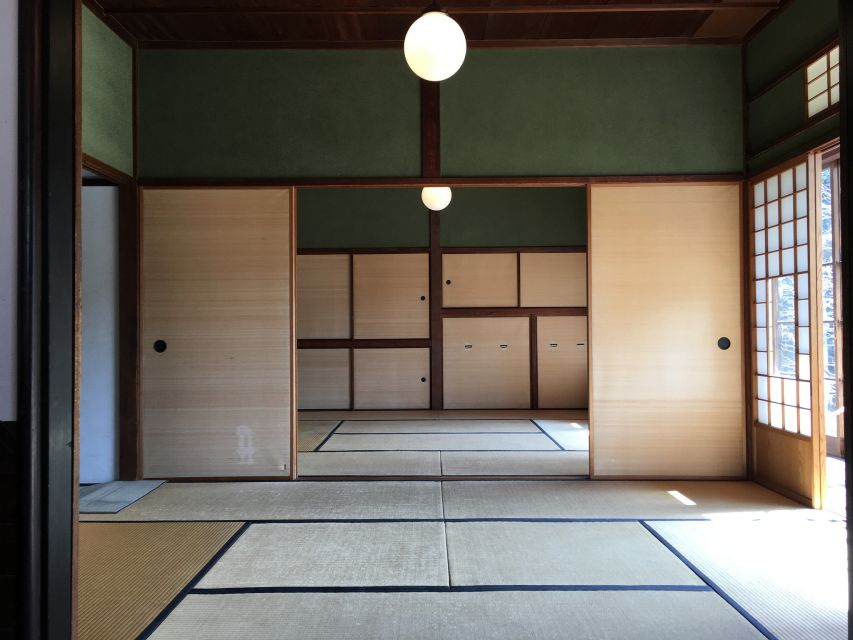
The strongest reason to choose this tour instead of visiting alone is the guide. The museum has many buildings from different periods, and it would be easy to admire the woodwork without understanding how the pieces fit together.
Guides named Yuichi and Yuki have been praised for explaining the buildings while also helping with the route from central Tokyo. Yuichi, in particular, has been described as an architecture specialist who adjusts the visit to interests such as traditional architecture, tea rooms, and gardens. Another guide, Yu, has focused on the connection between Japanese architecture and Europe.
That personal approach is important. You can ask why a room is arranged in a certain way, how a Western influence reached Japan, or what changed after the Meiji Restoration. If you are more interested in Tokyo’s social history than architectural theory, tell your guide early.
The guide also helps with the journey itself. Tokyo trains and buses are efficient but can be confusing at first, especially when you are trying to reach a museum outside the central sightseeing core. A guide who escorts you through the route removes much of that stress.
There is a small point to clarify before booking. The included information refers to meeting or pickup options at JR Shinjuku Station or JR Tokyo Station, while the stated meeting instructions identify Tokyo Station’s Marunouchi Front Plaza. The description also refers to meeting at a hotel in one account. Confirm the exact meeting point when you reserve rather than assuming a private car pickup.
The five-hour schedule and transport costs
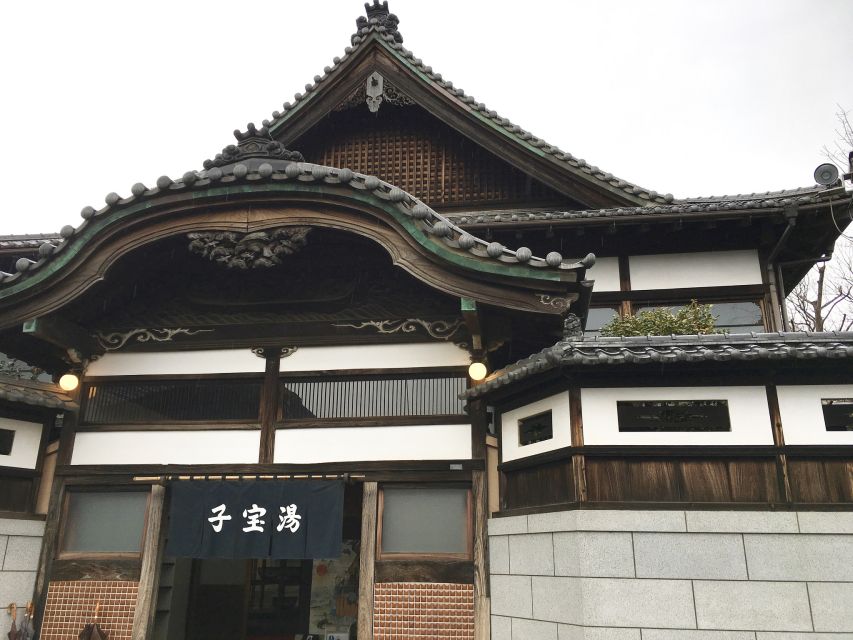
The total duration is five hours. That sounds generous, but part of the time is used to reach the museum by train and bus and return to Tokyo. The transport fare is not included and is listed at about 700 JPY each way.
This affects the value calculation. At $193 per person, the tour is not the budget choice for simply entering the museum. You are paying for a private English-speaking guide, the admission fee, and help with a museum that covers a wide span of architecture.
For a couple or small private group with a strong interest in design, the price can make sense. The guide can shape the visit rather than deliver a fixed speech. It also gives you a local person to help with the route, which may be worth more than the admission price alone if Tokyo transit is new to you.
For a solo visitor watching every yen, the cost is harder to justify. You could visit a museum independently for less, but you would give up the tailored explanations and transit support. Think of this as a specialist half-day tour, not a cheap sightseeing add-on.
Wear shoes that slip on and off easily. Many historic buildings require you to remove your shoes before entering, and repeatedly dealing with complicated laces or tight boots will slow you down.
Who will get the most from this tour
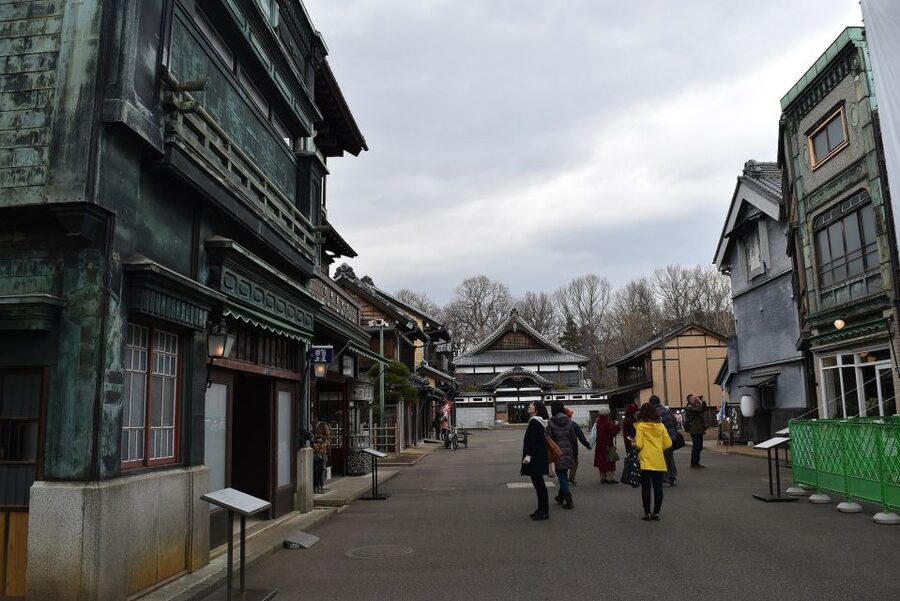
I would recommend it most strongly to you if you enjoy buildings, design, cultural history, or the way cities change over time. It is also a good match if you want to see more than famous temples and modern towers.
The tour suits:
- First-time Tokyo visitors who want help with trains and buses
- Architecture fans interested in Maekawa, Horiguchi, and European influence
- Visitors who enjoy traditional homes, tea rooms, gardens, and interiors
- Studio Ghibli fans who want a similar atmosphere, not a visit to the film museum
- Small private groups that prefer questions and flexible attention
It may be less suitable if you want a fast central-Tokyo activity, dislike removing shoes, or expect private car transportation. It is also not the right booking if your main goal is the Ghibli Museum. That museum is not part of this experience.
Should you book it?
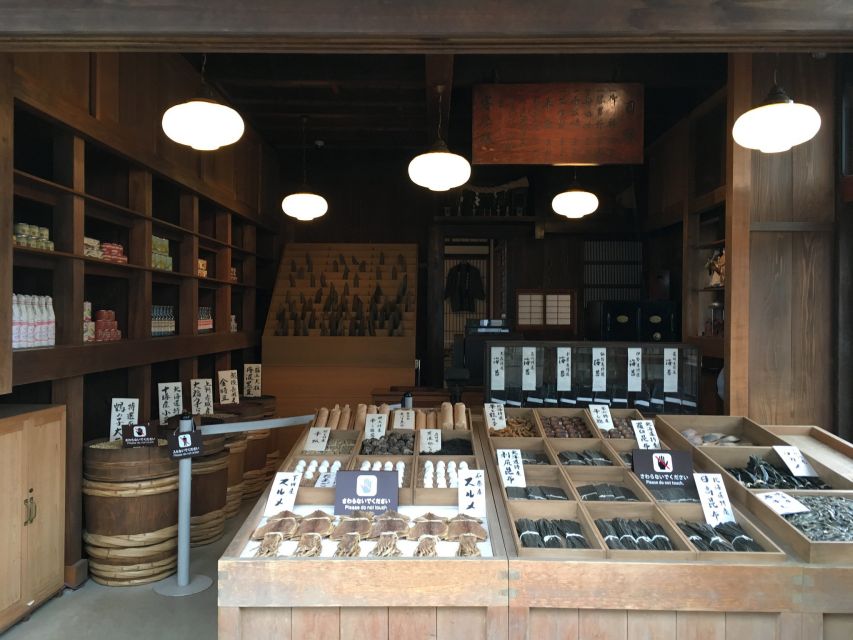
Book this tour if you want someone to explain why Tokyo’s houses look the way they do, not just point out old buildings. The combination of Maekawa’s modern work, Horiguchi’s European influence, the Mitsui residence, and the Shitamachi bathhouse gives you a broad view of Japan’s architectural change in one half-day.
The $193 price is reasonable for a private experience with admission and an English-speaking guide, but remember to add the train and bus fares. Confirm the meeting point, wear easy-to-remove shoes, and tell the guide your interests at the start.
If you want architecture with context, a calm open-air setting, and a little Ghibli-like atmosphere, I would book it. If you want a low-cost museum visit or a direct ride from your hotel, choose another option.
FAQ
How long does the tour last?
The tour lasts five hours, including the visit to the Edo-Tokyo Open Air Architectural Museum and travel by train and bus.
What language is the tour conducted in?
The tour is conducted in English by a live English-speaking guide.
Is this a private tour?
Yes. It is arranged for a private group rather than a shared group tour.
What is included in the price?
Admission to the museum, an English-speaking licensed guide, and pickup or meeting arrangements at the stated JR Tokyo Station or JR Shinjuku Station options are included.
Is transportation to the museum included?
No. Transportation to and from Tatemono-en is not included. The train and bus fare is approximately 700 JPY each way.
Does the tour visit the Ghibli Museum?
No. The tour visits the Edo-Tokyo Open Air Architectural Museum and does not include the Ghibli Museum.
Where is the stated meeting point?
The stated meeting point is Tokyo Station’s Marunouchi Front Plaza. After leaving the JR Tokyo Station Marunouchi Central Gates, head toward the center of the station building and look for the carriage porch with a Japanese national flag on each side. The guide is described as carrying a bag with an illustration of the Nakagin Capsule Tower.
Which architects and buildings are included?
The tour includes a house designed by Kunio Maekawa, a house designed by Sutemi Horiguchi, the Mitsui family residence, a traditional bathhouse, and an old train connected with Tokyo.
What should I wear?
Wear comfortable shoes that are easy to slip on and off because many historic buildings require you to remove your shoes before entering.
Just added around Tokyo
- Kawagoe Japanese Food Tour : Unagi Kaiseki and Sake near Tokyo★ 5.0 · 30 reviews
- Kawagoe 4hr Private Tour with Licensed Guide (Kawagoe Dep)★ 5.0 · 13 reviews
- Little EDO Sushi Making workshop in Kawagoe★ 5.0 · 18 reviews
- 【R34】Tokyo:Private Daikoku tour in Modified R34★ 4.9 · 92 reviews
- :Tokyo,Shibuya/ Pro Photography in Kimono / English-Friendly★ 5.0 · 26 reviews
- Tokyo:Celebrate Unique Japanese New Year Tradition Festivity★ 3.9 · 20 reviews
- Tokyo: Allstar Food Tour★ 4.7 · 29 reviews
- Tokyo: West-Side Cycling and Food Tour with Guide★ 5.0 · 37 reviews
Museums, compared.
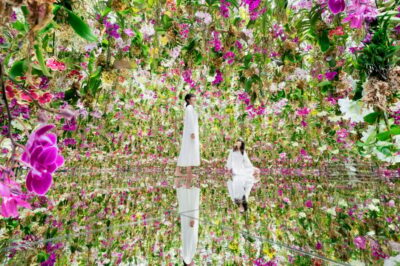
teamLab Planets TOKYO Digital Art Museum Entry Ticket
Our verdict →
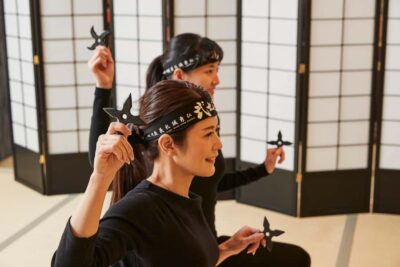
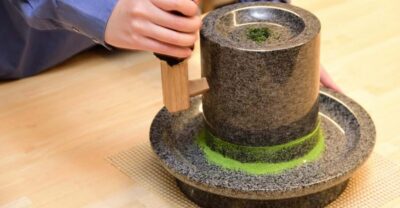
Kamigata Ukiyoe Museum:Ukiyo-e Woodblock Printing Experience
Our verdict →
Mt. Fuji, Owakudani, Hakone Shrine, & Open-Air Museum
Our verdict →Browse the lists this tour appears in