
Reviewed · TEA CEREMONY EXPERIENCES
Nara:Authentic Tea Ceremony(Max 5 ppl) -Master Matcha Making
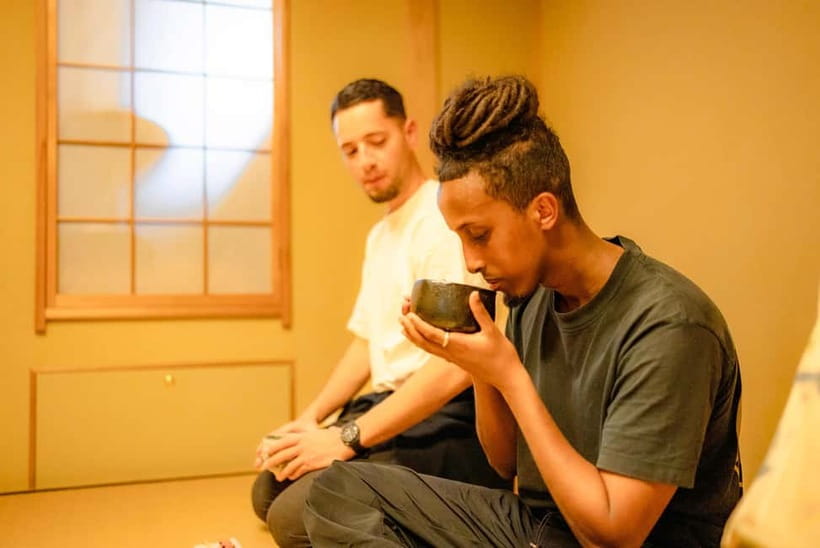
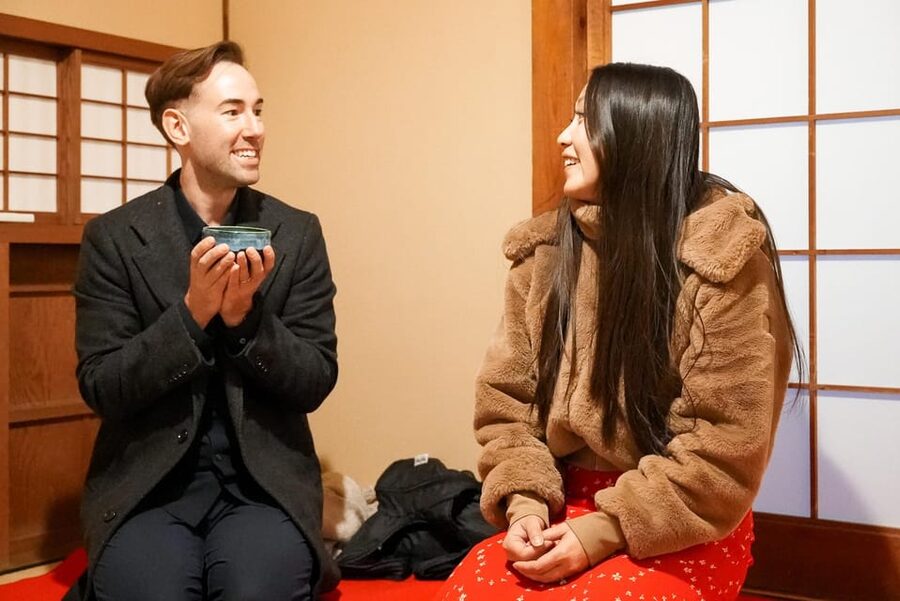
Walking into a 120-year-old Japanese farmhouse to make your own matcha is the most appealing part of this Nara experience. I like the quiet, traditional setting and the hands-on instruction, which turns tea from a drink into a set of careful movements with meaning. You may meet Kurabi, Mike, Hasumi, or another host, and the teaching style appears friendly rather than stiff.
The main consideration is the short one-hour format. It gives you a clear introduction, tasting, ceremony, and practice, but not a long formal tea gathering. Also, the experience is described as one-on-one in places, while the group limit is listed as six, so check the booking details if privacy matters to you.
Key points to know before booking
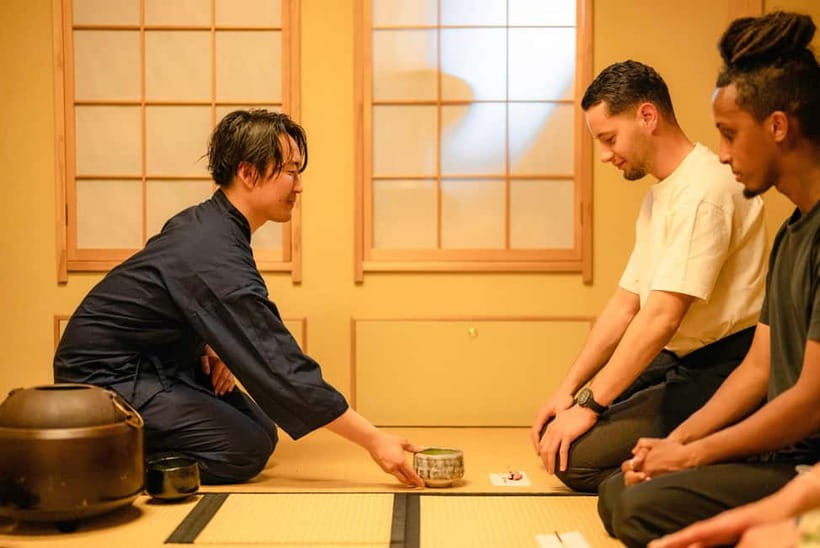
- A 120-year-old farmhouse: The setting gives the lesson a sense of place that a modern café cannot match.
- You make the matcha yourself: The tea master demonstrates the technique, then corrects your whisking and helps you improve.
- Nara tea takes center stage: You taste and compare single-origin matcha from Nara, with additional tea tasting possible.
- Seasonal wagashi is included: Traditional Japanese sweets balance matcha’s grassy, lightly bitter flavor.
- Small groups keep the lesson personal: The stated limit is six people, with English and Japanese instruction available.
- Useful local advice comes naturally: Hosts have offered suggestions for restaurants, sake shops, matcha purchases, Nara sights, Kyoto, and Osaka.
A quiet farmhouse is the real beginning
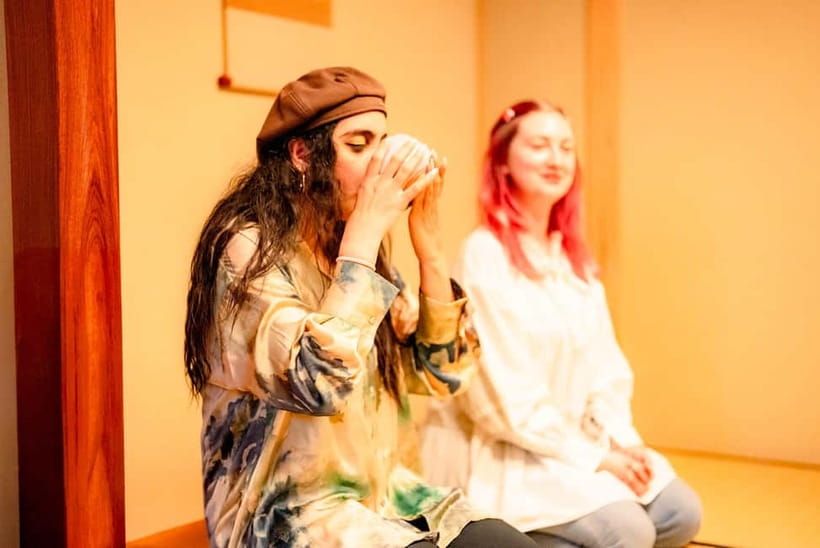
Many tea lessons take place in cafés, shops, or purpose-built cultural centers. Here, the setting is an old Japanese farmhouse, described as about 120 years old. That matters because the room is part of the lesson. The timber, simple furnishings, and calm atmosphere help you understand why the ceremony values restraint, order, and attention.
You are not simply watching a demonstration behind a counter. The pace is deliberately measured. The host explains the history of tea ceremony, introduces the utensils, and shows how each movement fits into the wider practice. The setting gives the hour a welcome break from Nara’s temples, deer park, crowds, and busy sightseeing routes.
If you arrive after a full morning of walking, this is a good reset. You sit, listen, taste, and work with your hands. The experience is calm without being silent or overly formal. Several hosts, including Mike and Tate, have been praised for making room for questions and humor while still explaining the customs properly.
More Tea Ceremony Experiences in Nara:
- World Heritage Kyoto & Nara Uji Authentic Matcha Experience
★ 5.0 · 1,573 reviews - Kyoto: Nara & Traditional Matcha Experience Bus Tour
★ 4.9 · 185 reviews - Nara:5 Type of Tea Tasting & Mindful Tea Ceremony
★ 5.0 · 28 reviews
What happens during the one-hour session
The exact order can vary with the host and group, but you can expect four main parts.
First comes an introduction to tea ceremony. You learn why the ceremony developed, what the utensils are used for, and how etiquette shapes the experience. This is useful for anyone who has seen a formal tea ceremony but wondered what was happening. Instead of memorizing gestures, you get the reason behind them.
The host then prepares matcha for you. Watch closely here. The point is not just to receive a bowl of green tea, but to see the rhythm of the preparation: the measured tea, the water, the whisk, and the final texture. A skilled tea master makes the process look simple. Your own attempt will show how much control those small movements require.
Next, you prepare matcha yourself. This is the most active part of the class and the piece you can repeat at home. The host gives you direct guidance on whisking, including how to create a smoother, creamier drink. You receive personal feedback rather than being left to copy the motion from across a large room.
Finally, you drink the tea with seasonal wagashi, or traditional Japanese sweets. The sweet is not just a snack on the side. Its flavor helps balance matcha’s vegetal taste and slight bitterness, making the bowl easier to appreciate if you are new to powdered tea.
Learning to whisk matcha properly
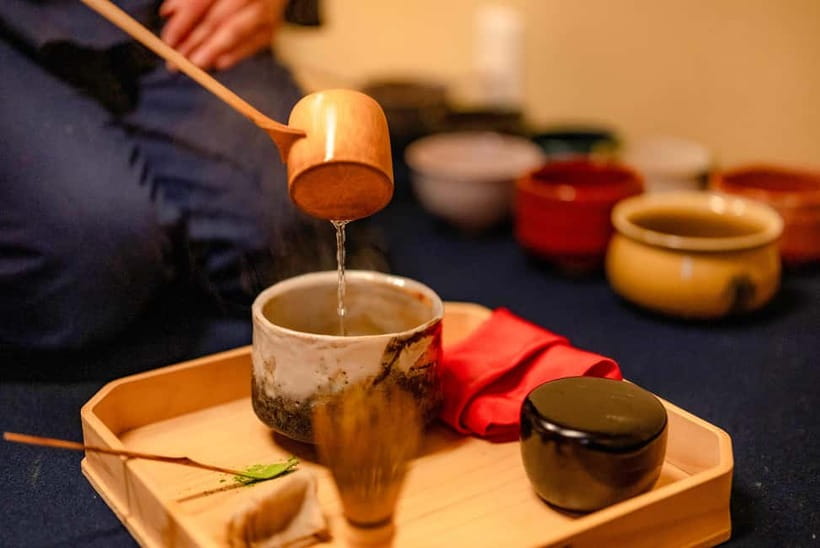
Making matcha looks easy until the whisk is in your hand. The tea must be combined with hot water in a way that produces a fine layer of foam and an even texture. A slow stir will leave clumps. An overly forceful motion can splash or make the process feel awkward.
The host demonstrates the technique and then watches you try it. This is where the class earns much of its value. You leave with a practical skill, not just a set of photographs or a short ceremonial performance.
The instruction is also adjusted to personal taste. One participant described the tea being prepared according to individual preference, which is helpful because matcha can be prepared in different strengths. If you like a lighter drink, say so. If you want to understand a stronger, more traditional flavor, the host can guide you in that direction.
You also taste more than one tea in some sessions. The focus is on single-origin matcha from Nara, and additional tea comparisons may be offered. One session included a recommended tea from Uji, another famous Japanese tea-producing area. This comparison gives you a better sense of how origin and preparation affect aroma, bitterness, sweetness, and finish.
Why the tasting is worth your time
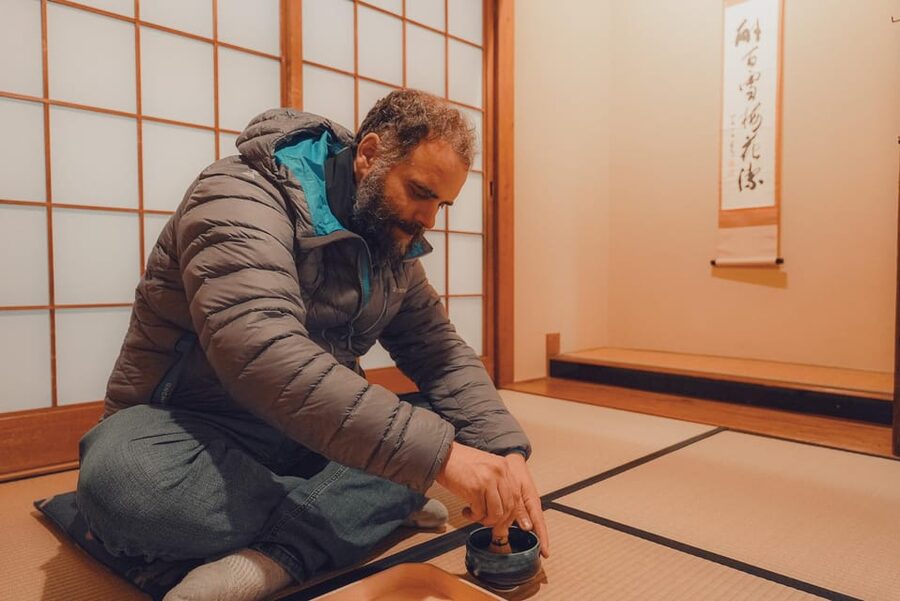
A bowl of matcha can look and taste very different depending on how it is grown and prepared. A tasting helps you notice those differences instead of treating every green tea as the same.
Nara is a particularly fitting place to learn about tea. The experience connects a local product with a local home and a local host. You are not just consuming matcha as a fashionable café drink. You are learning how it is handled, served, and understood within Japanese culture.
The tasting is also practical for future purchases. Hosts have given advice about where to buy matcha and sake in the area. If you want to take tea home, ask about what to look for and how to prepare it. The lesson does not promise a shopping stop, but the local guidance can help you avoid buying a decorative tin with little information about the tea inside.
Do not expect a full professional tasting course. This is a friendly introduction, not a technical certification class. You will gain useful context and a better palate, but the main goal is cultural understanding and participation.
A few more Nara half-days worth comparing
- Kyoto/Osaka: Nara, Fushimi Inari Taisha, Arashiyama Bus Tour
★ 4.7 · 1,275 reviews - Nara Half Day Trip Walking Tour (Private Option Available)
★ 5.0 · 937 reviews - Osaka/Kyoto: Arashiyama, Nara & Fushimi Inari Shrine w/Lunch
★ 4.4 · 754 reviews - Nara Early Morning Tour (Kyoto or Osaka Departure Available)
★ 5.0 · 676 reviews
Wagashi makes the tea easier to appreciate
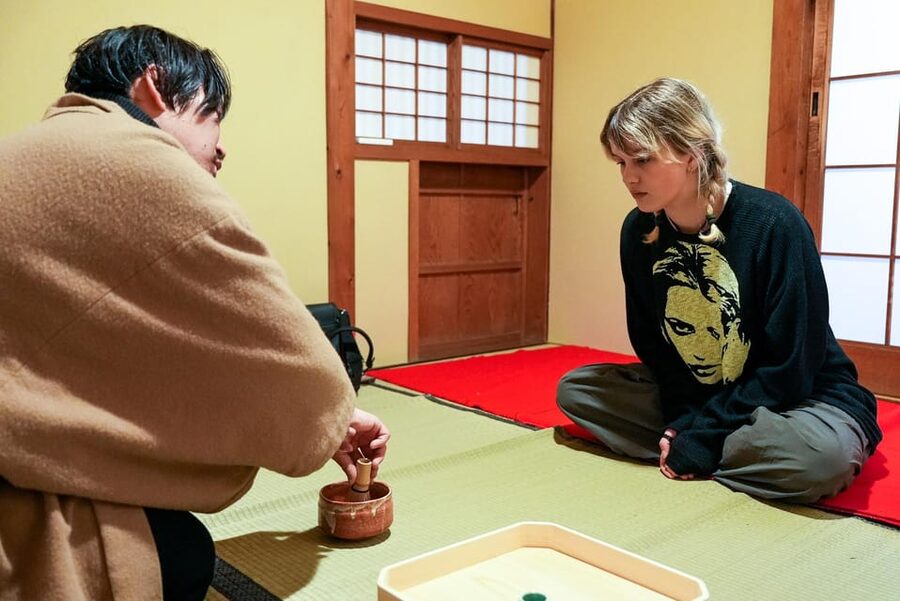
Wagashi are traditional Japanese sweets often designed to accompany tea. Here, seasonal wagashi are included with the matcha. Their sweetness gives your palate a contrast to the earthy, grassy character of the tea.
The sweet also helps the ceremony feel complete. The experience is not simply a lesson followed by a drink. You receive tea in the way it is traditionally enjoyed, with attention to balance and presentation.
Specific wagashi flavors are not guaranteed, so you should not book this expecting a particular type of sweet. What you can count on is the inclusion of an authentic traditional confection. The seasonal element is part of the charm, since the offering can reflect the time of year.
The hosts make the difference
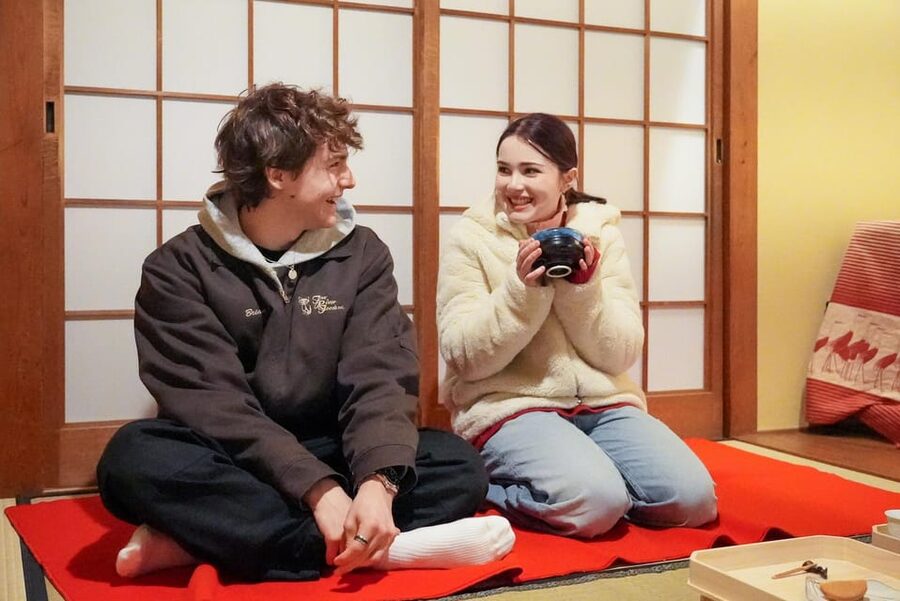
The listed provider is Kurabi, but the person leading your session may vary. Names connected with the experience include Mike, Hasumi, Tate, and Kurabi. English and Japanese instruction are available.
The strongest feature across the sessions is the teaching style. Mike has helped visitors understand the background of the ceremony, demonstrated matcha-making technique, and suggested restaurants, sake stores, and places to visit. Hasumi has been described as welcoming and clear when explaining both the process and its history. Tate has provided detailed information about tea ceremony and Kyoto.
That local knowledge can add real value to your day. Advice has included ramen, yakiniku, bars, restaurants, matcha shops, sake stores, Nara attractions, Kyoto stops, and even help with a bus connection to Nara Park. In one case, the host helped arrange a restaurant reservation.
Treat this as a pleasant extra, not a guaranteed concierge service. The core product is the tea lesson. Still, if you are new to Nara, asking your host for a food recommendation can make the hour more useful than a standard scripted demonstration.
Group size and the question of privacy
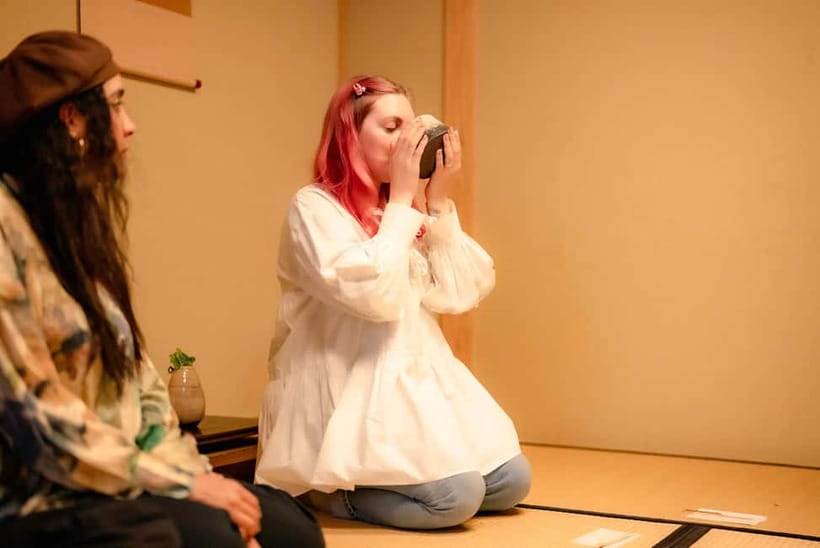
The experience is marketed as intimate, and the stated group limit is six participants. Some bookings have been private or one-on-one, including a family session for four. Another participant expected a larger group but found the session was one-on-one.
That variation is important. If you are traveling as a couple or family and want a private lesson, confirm the arrangement before paying. A maximum of six is still small enough for personal instruction, but it is not the same as having the tea master entirely to yourself.
For families, the hands-on structure should work well if children can sit quietly and follow simple instructions. The whisking gives them something active to do. For solo visitors, a small group can make the experience more social without turning it into a crowded class.
The one-hour duration is also a useful compromise. You receive enough time for explanation, tasting, and practice without sacrificing half a day of sightseeing. If you want a long, highly formal ceremony with extended etiquette, this will probably feel too brief.
Is $46 a fair price?
At $46 per person, the experience is not the cheapest way to drink matcha in Nara. You could buy a bowl of tea and a sweet for much less at a café. That comparison misses the point, though.
You are paying for access to a traditional house, instruction from a tea host, a structured tasting, personal practice, seasonal wagashi, and an introduction to the cultural background. The hands-on lesson is the key value. Afterward, you can try to reproduce the tea at home, which gives the experience a life beyond the hour itself.
The price looks especially reasonable for someone who has already planned a Nara visit and wants one cultural activity that does not consume an entire day. It is also a good choice if you prefer direct contact with a local host over a large group show.
The value is weaker if you only want a quick cup of matcha or if you have already taken a detailed tea ceremony course elsewhere. In that case, the history and etiquette section may repeat familiar material. For a first introduction, though, the mix of setting, tasting, and practice is well judged.
Where it fits in a Nara day
This activity works well near the beginning of your visit. Several people have used it as a morning activity, and the calm pace can give your day a good start. You can then carry the host’s suggestions into lunch or afternoon sightseeing.
It also works after visiting temples and shrines, when you want to sit down and process what you have seen. Nara can become a long sequence of historic sites. A tea lesson slows the day and adds a different kind of cultural experience.
Allow time to find the meeting point. One person needed help locating the host and then walked about ten minutes to the guesthouse. The available information does not provide a fixed route or exact meeting address, so read the instructions carefully and keep your phone available.
Because the session lasts one hour, it is easy to combine with other plans. Still, do not schedule a temple visit with a strict timed entry immediately afterward. A little breathing room is sensible, especially if your meeting point is not right beside your next stop.
What may not suit every visitor
The formal side of tea ceremony can feel unfamiliar. You may be asked to pay attention to posture, sequence, and etiquette rather than simply pick up a cup and drink. The host explains the customs, and the tone appears relaxed, but this is still a cultural practice rather than a casual cooking class.
Matcha itself also has a distinctive flavor. It can be grassy, bitter, and intense, particularly if you usually drink sweetened beverages. The wagashi helps, and the host can prepare tea to suit your taste, but do not expect matcha to taste like a regular green tea bag.
The old-house setting may be part of the appeal, yet it may not offer the polished comfort of a modern venue. Exact seating arrangements and accessibility details are not provided. If you have mobility needs or require a specific type of seating, ask before booking.
Finally, the experience is focused on matcha. You may taste other teas, but the main lesson is not a broad survey of every Japanese tea style. Book it for the ceremony, the farmhouse, and the chance to make matcha yourself.
Who should book this experience?
I would recommend it to first-time visitors who want a clear, friendly introduction to Japanese tea culture. It suits couples, families, solo visitors, and small groups who prefer conversation and participation over watching a performance.
It is especially useful for anyone curious about the difference between café matcha and traditionally prepared tea. You learn enough technique to make a better bowl at home, and the tasting helps you understand what you are drinking.
It is less suitable if you want a long, strictly formal ceremony, a large-scale cultural show, or a guaranteed private session. Those priorities should be confirmed before booking.
The language option is another strength. English and Japanese are listed, and English-speaking hosts have been praised for explaining both the steps and the meaning behind them. That makes it easier to ask questions instead of simply copying gestures.
Should you book the Nara tea ceremony?
Book it if you want a small, personal cultural activity with real participation. The old farmhouse, seasonal wagashi, Nara matcha tasting, and direct whisking practice make this more useful than a short ceremonial photo stop.
I especially like that you leave with a repeatable skill. You can buy matcha later, use the tips from the host, and remember the quiet rhythm of the lesson whenever you prepare it.
Before booking, confirm the group arrangement and meeting details. If you accept that this is a one-hour introduction rather than a complete formal ceremony, the $46 price offers solid value. For a first taste of tea culture in Nara, this is an easy recommendation.
FAQ
How long does the tea ceremony experience last?
The experience lasts one hour.
How much does the experience cost?
The price is $46 per person.
What languages are available?
Instruction is available in English and Japanese.
How many people can join?
The stated small-group limit is six participants.
Will I make my own matcha?
Yes. The tea master demonstrates the preparation, then guides you as you whisk your own matcha and gives personal feedback.
Is wagashi included?
Yes. Seasonal wagashi, or traditional Japanese sweets, are included with the tea.
Can I cancel for a full refund?
Yes. You can cancel up to 24 hours in advance for a full refund.
Just added around Nara
- Private Kyoto Tour by Car with Optional Nara or Osaka Add-Ons★ 5.0 · 36 reviews
- Kyoto, Osaka, Nara Private Tour by Car English Driver Guide★ 4.0 · 63 reviews
- Nara Todaiji Kasuga Taisha Private Full Day Tour From Kyoto★ 5.0 · 13 reviews
- From Kyoto: Nara History Guided Half Day Bus Tour with lunch★ 5.0 · 23 reviews
- Nara 8hr Private Tour – Kyoto DEP. with Licensed Guide★ 5.0 · 115 reviews
- Arashiyama & Nara Highlights: One-Day Private Tour Adventure★ 5.0 · 16 reviews
- Kyoto Private Car Tour – Full Day with Local Guide & Nara Option★ 5.0 · 169 reviews
- Kyoto & Nara Private Tour from Osaka Kyoto Hotel Pick-up★ 4.5 · 32 reviews
Tea Ceremony Experiences, compared.

Tea Ceremony in a Traditional Tea House in Kiyomizu
Our verdict →


World Heritage Kyoto & Nara Uji Authentic Matcha Experience
Our verdict →


Arashiyama Bamboo Forest, Monkeys, Matcha & Temple Tour
Our verdict →
Browse the lists this tour appears in