
Reviewed · TEMPLES & SHRINES
Day Trip to Hiroshima & Miyajima with Itsukushima Shrine
The floating torii gate of Miyajima is the star here, but the ferry ride gives you the best first look. As the island comes into view, the gate appears to rise from the sea, setting up one of Japan’s most memorable arrivals. The same day can also take you to Hiroshima’s Peace Memorial Park, where the mood changes from scenic and easygoing to quiet and serious.
I like the simple transport plan: bus, ferry, shrine, island time, then Hiroshima if you choose the full option. I also like the bilingual guiding, especially the way guides such as Alex, Alan, Alejandro, and Pastor explain difficult history in both English and Spanish. The main drawback is time. Miyajima gets about three hours on the full itinerary, and Hiroshima’s schedule can feel tight when the shrine and museum are crowded.
Key points at a glance
- Two different outings: Choose Miyajima only, or combine the island with Hiroshima’s Peace Memorial Park.
- Ferry views included: The crossing offers a fine approach to the torii gate and the coast.
- Itsukushima Shrine entry included: You get guided time at one of Japan’s best-known religious sites.
- Strong bilingual guiding: English and Spanish commentary are provided, with guides including Alex, Alan, Alejandro, and Pastor appearing in recent departures.
- Useful free time: You can explore Miyajima’s streets, food stalls, temples, and deer beyond the guided section.
- An emotional final stop: Hiroshima’s Peace Memorial Park adds serious historical weight to an otherwise scenic day.
Miyajima first, Hiroshima second
This outing works because it places two very different Japanese experiences side by side. Miyajima gives you water views, old religious buildings, food, and friendly deer. Hiroshima asks you to slow down and think about the human cost of war.
The full version begins at Hiroshima Station’s Shinkansenguchi Bus Berth. From the North Exit, go down the stairs and look between bus stops 8 and 9 for the Amigo Tours sign. The Miyajima-only version uses the Hiroshima Station Hiroden-Miyajimaguchi meeting point instead, so check your selected option carefully before setting off.
The exact duration depends on the version and schedule. The listed range runs from 210 minutes to eight hours, but the complete Hiroshima and Miyajima program is effectively a full-day outing. The order can also change. One guide reversed the plan, taking the group to Miyajima first and leaving Hiroshima until the end. That is a sensible choice: you begin with the lighter part of the day, then finish at the Peace Memorial Park when you are ready for a more reflective experience.
More Day Trips in Hiroshima
- Peaceful Hiroshima & Miyajima UNESCO 1 Day Bus Tour
★ 5.0 · 5,309 reviews - Hiroshima: Hiroshima and Miyajima UNESCO Sites 1-Day Tour
★ 4.9 · 2,330 reviews - From Hiroshima: Hiroshima & Miyajima 1 Day Tour with Lunch
★ 4.7 · 395 reviews
The bus ride to Miyajima-guchi
The first bus or coach leg takes about 50 minutes. This is not the exciting part, but it removes the need to work out the connections yourself. You can sit back while the guide sets the context for the day.
The organized transport also matters if you are trying to fit Hiroshima into a short Japan itinerary. One person used the tour as a day trip from Osaka by Shinkansen and returned afterward. That makes for a long day, but it shows how the fixed transport can help you see both places without planning every transfer yourself.
You should still arrive ready for a full day on your feet. Wear comfortable shoes, carry water, and bring a camera. Lunch is not included, so plan to buy food on Miyajima or carry something with you.
The ferry approach to the floating torii
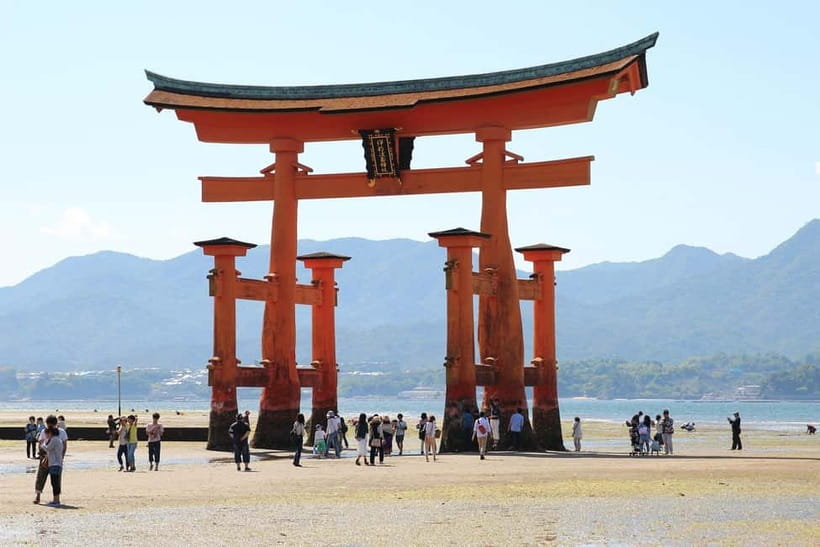
The ferry ride is one of the nicest parts of the outing. The crossing lasts about 30 minutes on the way to the island, followed by a shorter return crossing listed at about 10 minutes. From the water, you get a changing view of the coast and the torii gate.
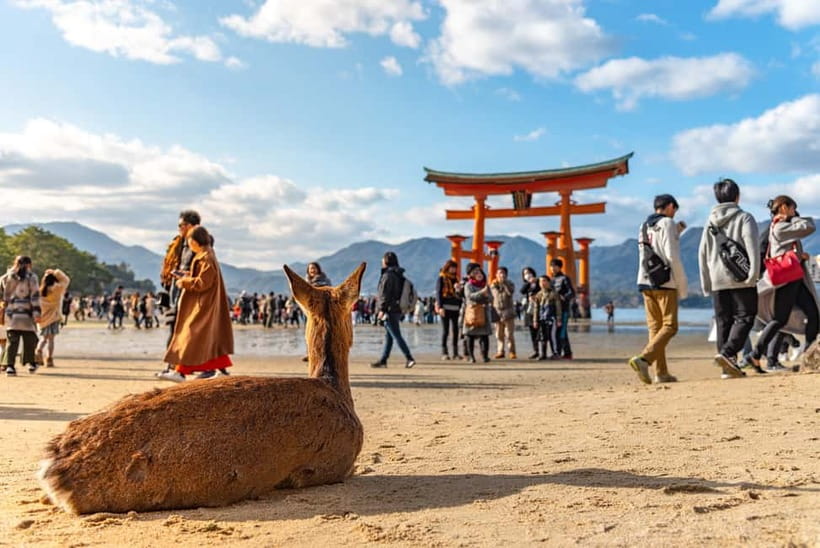
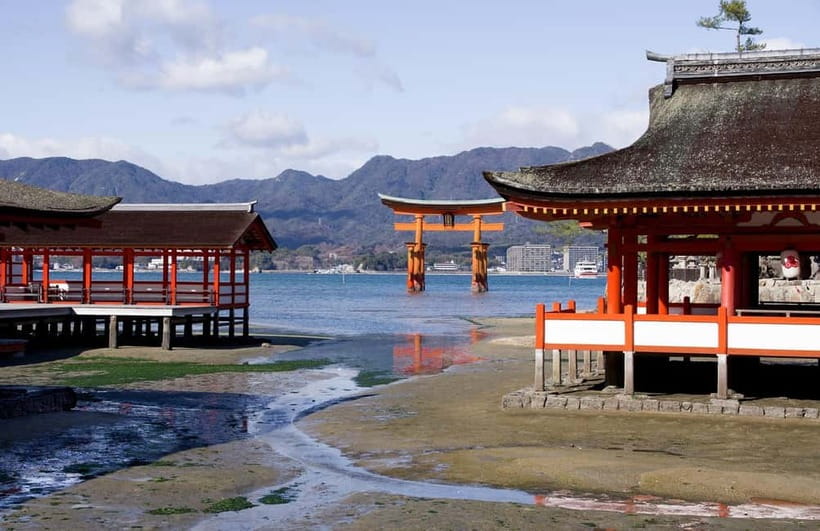
The gate’s appearance depends on the tide. At higher water, it can look as if it is floating offshore. At lower water, the scene changes, and the gate may look more connected to the exposed shore. That shifting view is part of the appeal, so do not expect one fixed picture all day.
This is also a good time to take photographs before the island paths become crowded. In summer, particularly on a warm weekend, the shrine and museum area can become very busy. One July outing took place in about 35-degree heat with heavy humidity, and the crowds made it harder to see everything comfortably.
Itsukushima Shrine and the torii gate
The tour includes admission to Itsukushima Shrine, with about 30 minutes of guided and free time listed at the shrine itself. The site is associated with Miyajima’s sacred island setting and is known for its buildings and walkways over the water. The shrine dates back to the sixth century in the tour information, giving the visit a long historical frame beyond the famous gate.
Your guide helps explain what you are looking at instead of leaving you to identify each building on your own. The bilingual format means the guide speaks in English and then repeats the explanation in Spanish. That naturally takes longer, but the best guides keep the pace lively and make room for questions.
Thirty minutes is enough for an introduction, photographs, and the main sight. It is not enough for a slow architectural study. If you like to stop often, read every sign, or take a large number of photographs, you may wish for more time. The good news is that you then have free time elsewhere on Miyajima.
More Temple & Shrine Tours in Hiroshima
- Hiroshima and Miyajima Day Trip with Itsukushima Shrine & Ferry
★ 5.0 · 378 reviews - Miyajima: Cultural Experience in Zen Temple
★ 5.0 · 258 reviews - Hiroshima & Miyajima 6.5h Guided Tour – Dome, Park & Shrine
★ 4.9 · 83 reviews - Hiroshima & Miyajima: UNESCO A-Bomb Dome & Itsukushima
★ 5.0 · 76 reviews
One hundred minutes to explore Miyajima
After the shrine, you get about 100 minutes to explore the island independently. This is where the outing becomes more personal. You can walk through the charming streets, look for local food, visit historic temples, or simply follow the waterfront and watch the deer.
Miyajima is known for oysters, and this is your chance to try them if you want a local specialty. Another easy snack is momiji manju, a maple-leaf-shaped pastry. It is a practical choice when you want something sweet without giving up much sightseeing time.
The free period also lets you choose your own pace. Some people used it to visit Daishoin Temple, reached by a small uphill walk. Others focused on the shrine area and food streets. The tour does not force everyone into the same activity, which is useful when a group has different interests.
Keep an eye on the meeting time. The island portion can feel short if you stop for lunch, photographs, shopping, and a temple visit all at once. If the island is your main reason for booking, the Miyajima-only option gives you a less compressed day than the combined program.
Deer, food, and the limits of free time
The deer roaming around Miyajima add charm, but they are not the reason to book the trip. You will encounter them around the island, often near the main sightseeing areas. They make good photographs and give the streets a distinctly Miyajima feel.
Food is another pleasure, although lunch is at your own expense. The included arrangements cover transport, the ferry, and Itsukushima Shrine admission, not a meal. That keeps the base price low, but you need to budget separately for oysters, momiji manju, drinks, or a proper lunch.
The $39 starting price is strong value if you want the main transport pieces handled for you. It includes the ferry, coach transport from the meeting point, shrine admission, and a bilingual guide. The value is less about luxury and more about avoiding the cost and effort of arranging the route yourself.
At the same time, check which option the price covers. A Miyajima-only outing and a full Hiroshima and Miyajima day are not the same experience. The shorter option may suit you if you want scenery and culture without a demanding schedule. The longer option gives you the major historical sights, but you pay with less free time and more time in transit.
Returning to Hiroshima for a difficult history lesson
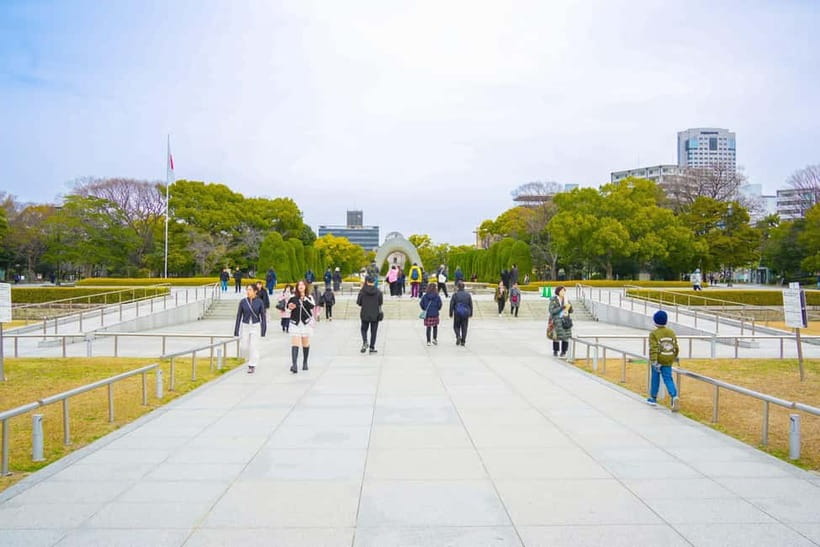
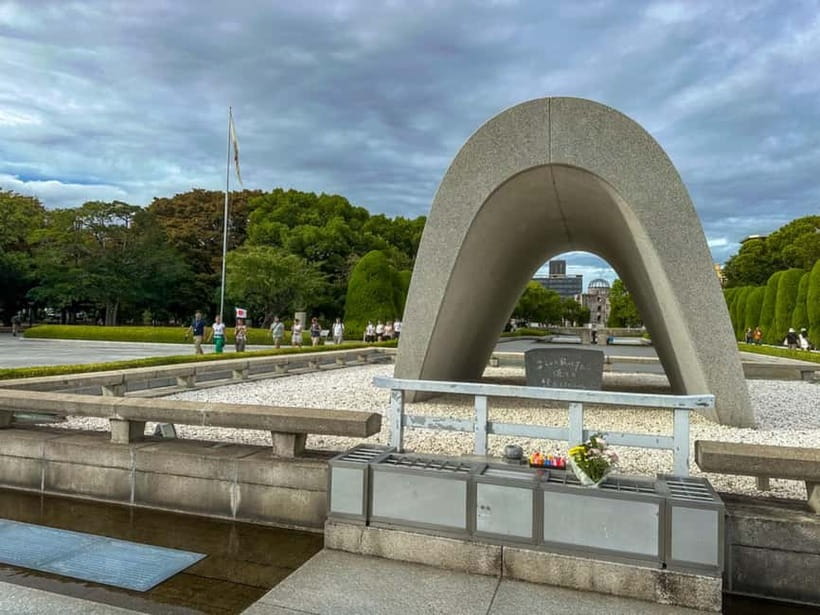
After Miyajima, the full option returns by ferry and coach to Hiroshima. The ride back gives you a pause before the tone changes. You then continue to Hiroshima Peace Memorial Park, where the listed program allows about two hours for guided and independent exploration.
The guide normally leads part of the visit, explaining the 1945 atomic bombing and the memorials in context. Recent guides including Alan and Alex have been praised for answering questions carefully and presenting the material with feeling rather than reading it in one flat tone. That matters here. Hiroshima is not a stop where a few dates and names are enough.
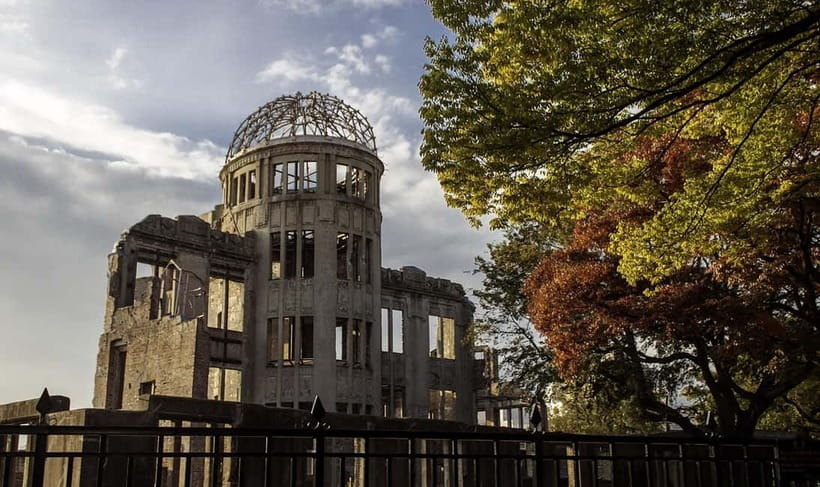
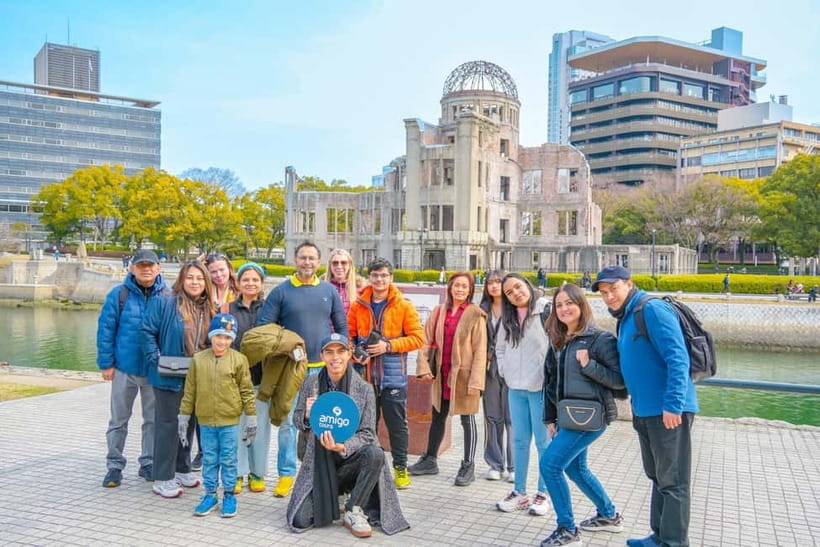
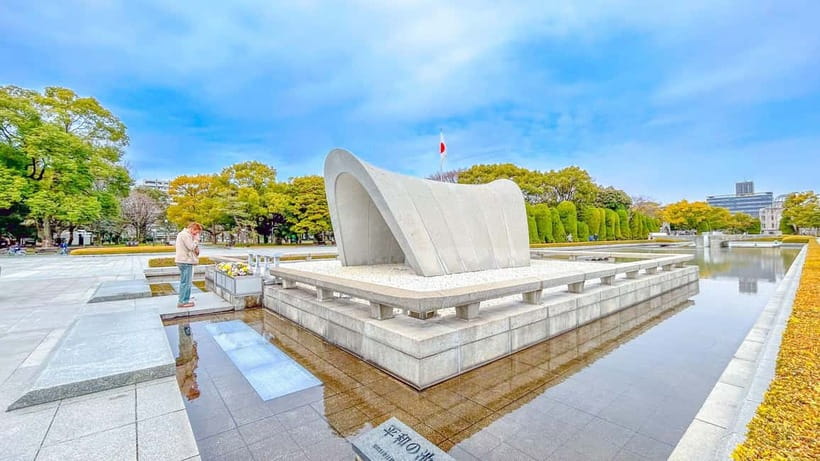
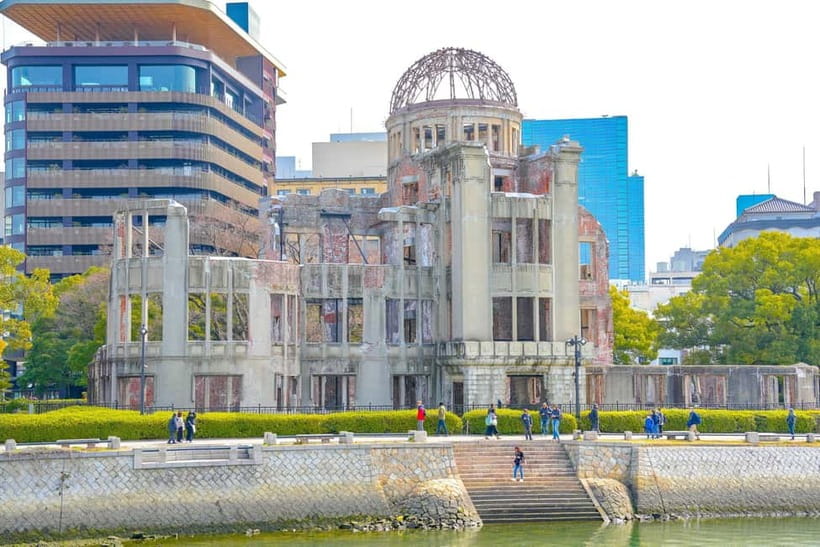
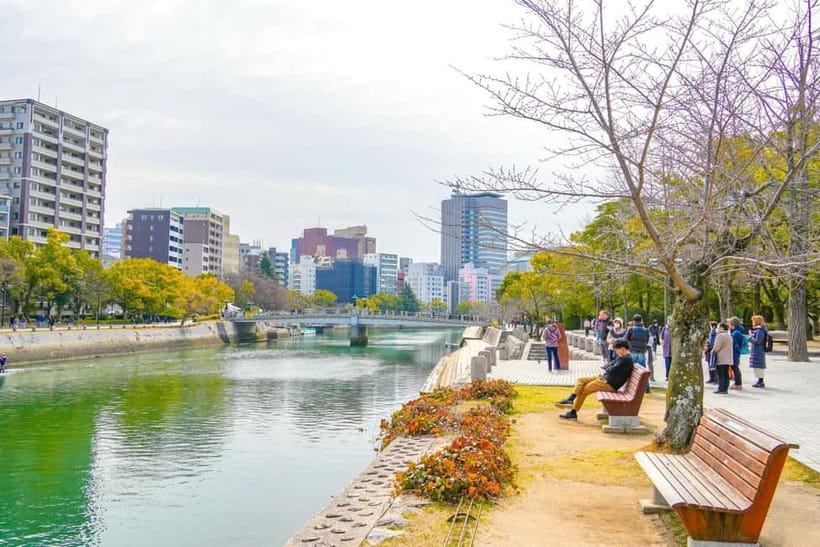
The park includes the Peace Memorial, the Atomic Bomb Dome, and other monuments dedicated to those who died. You should expect this section to be emotional. One guide deliberately left it until the end, explaining that the final stop would likely make the group sad. That is an honest description of the experience, not a sales pitch.
You also get time to explore independently. Some departures used roughly one hour for guided history and one hour for the museum. The museum can be very crowded, however, especially during summer holidays and on weekends. If the exhibits are packed, you may not be able to study every display at the pace you would like.
How the guiding shapes the day
The best feature of this trip is the quality of the live explanation. The guides named in recent departures include Alex, Alan, Alejandro, Pastor, Ally, Anhela, and others. Individual assignments can change, but the format remains English and Spanish guiding.
Several guides were singled out for being approachable and attentive. One guide returned with an answer within about five minutes after being asked a question he could not answer immediately. Another mixed English and Spanish smoothly while keeping the presentation expressive. These details suggest a tour that depends heavily on the person leading it, as any live group outing does.
You should expect a combination of guided walks and free time, not eight hours of continuous commentary. That balance works well for many people. You get historical context at the places where it matters, then space to eat, take photographs, or wander without a group stopping every few minutes.
The transport also receives strong marks. The listed transport score is 89 percent perfect, and specific comments praise drivers for safe, careful driving. That is useful on a long day, when a calm ride can make the difference between arriving ready to explore and arriving worn out.
Who will get the most from this tour
I would choose this tour if you have only one day for the Hiroshima area and want both Miyajima and the Peace Memorial Park. It is particularly useful if you prefer a guide to explain the history and want transport arranged from Hiroshima Station.
It also suits you if you are comfortable with a brisk schedule. You will change between coach, ferry, walking routes, shrine visits, and a park or museum. The combined version is not ideal for someone who wants a slow, unplanned day on Miyajima.
Families and mixed-interest groups may appreciate the free time. One person can seek out food while another visits a temple or takes photographs. People who use wheelchairs should note that the activity is not suitable for wheelchair users.
If your main goal is the island, consider the Miyajima-only choice. If your visit to Hiroshima feels incomplete without the Atomic Bomb Dome and Peace Memorial Park, choose the combined version and accept that both destinations will receive only a sample visit.
Practical details before you book
The tour offers free cancellation up to 24 hours before departure and a reserve-now, pay-later option. Those terms are useful when your Japan schedule depends on train connections or changing weather.
Meeting points differ by option. For Hiroshima and Miyajima, go to the Hiroshima Station Shinkansenguchi Bus Berth near stops 8 and 9. For Miyajima only, meet outside Hiroshima Station Hiroden-Miyajimaguchi Station. Look for the Amigo Tours sign.
Bring comfortable shoes, water, and a camera. You should also bring patience for crowds, particularly at the shrine and museum during summer holidays or weekends. Since lunch is not included, allow money and time for food on Miyajima.
Should you book this Hiroshima and Miyajima day trip?
Book it if you want a practical first look at two essential Hiroshima-area sights and value clear guiding more than a leisurely pace. The ferry, shrine entry, bilingual commentary, and organized transport make the $39 starting price appealing, especially for a short stay.
Choose the full version for the strongest historical experience, but prepare for an emotional finish and limited time at each place. Choose Miyajima only if you prefer scenery, food, temples, and the floating torii without adding the Peace Memorial Park.
I would not choose it if you need wheelchair access, dislike fixed schedules, or want to spend half a day carefully exploring the Hiroshima museum. For everyone else, it is a well-planned way to connect Miyajima’s beauty with Hiroshima’s difficult but essential history.
FAQ
Where does the Hiroshima and Miyajima tour begin?
The combined tour begins outside Hiroshima Station at the Shinkansenguchi Bus Berth. From the North Exit, go down the stairs and look between bus stops 8 and 9 for the Amigo Tours sign.
Where does the Miyajima-only option begin?
The Miyajima-only option meets outside Hiroshima Station Hiroden-Miyajimaguchi Station. The guide waits with an Amigo Tours sign.
How long does the activity last?
The available durations range from 210 minutes to eight hours, depending on the option selected. The combined Hiroshima and Miyajima version is the longer, full-day-style program.
Is transportation included?
Yes. Transportation from the meeting point is included, along with the bus or coach sections and ferry tickets.
Is admission to Itsukushima Shrine included?
Yes. Admission to Itsukushima Shrine is included in the activity.
Is lunch included?
No. Lunch is not included, so you should budget for food and drinks on Miyajima.
Which languages are offered?
The live tour guide service is offered in English and Spanish.
Does the tour visit the Hiroshima Peace Memorial Park?
The combined Hiroshima and Miyajima option visits Hiroshima Peace Memorial Park. The Miyajima-only option ends after the island visit.
Is the activity suitable for wheelchair users?
No. The activity is listed as unsuitable for wheelchair users.
Can I cancel the booking?
You can cancel up to 24 hours in advance for a full refund. A reserve-now, pay-later option is also available.
Just added around Hiroshima
- Full Day Hiroshima and Miyajima Tour by Bullet Train from Kyoto★ 4.5 · 120 reviews
- Hiroshima Saijo Sake Tasting Tour with visit to 7 Breweries★ 5.0 · 104 reviews
- The Peace Memorial to Miyajima : Icons of Peace and Beauty★ 4.5 · 31 reviews
- Shore Excursion from Hiroshima Port : Private Tour in Hiroshima★ 5.0 · 17 reviews
- Hiroshima & Miyajima All-Inclusive Tour w/Licensed guide Pancho★ 5.0 · 54 reviews
- Private Full Day Hiroshima Tour★ 4.5 · 29 reviews
- Okunoshima Rabbit Island Cycling Tour with Local Guide★ 4.5 · 17 reviews
- Hiroshima Private Tour with a Local – Highlights & Hidden Gems★ 4.5 · 24 reviews
Temples & Shrines, compared.

Tea Ceremony in a Traditional Tea House in Kiyomizu
Our verdict →

Meiji Shrine, Asakusa, Skytree Bus Tour and Cruise
Our verdict →
Fushimi Inari Hidden Hiking Tour (Private Option Available)
Our verdict →
Osaka/Kyoto:Kinkakuji,Arashiyama,FushimiInariShrine,NaraPark
Our verdict →
Nikko: Kegon Falls, Lake Chuzenji & Toshogu Temple
Our verdict →
Kamakura & Enoshima Day Trip including Temple Tickets
Our verdict →Browse the lists this tour appears in