
Reviewed · CITY TOURS IN TOKYO
Tokyo: Private City Highlights Tour
Tokyo is a huge city, and this private tour gives you a practical way to connect its far-flung sights in one day. You can move from the quiet grounds of Meiji Shrine to the neon rush of Shibuya, then on to the old temple quarter of Asakusa without puzzling over train changes.
I like the flexible pace, especially because guide Ahmad has adjusted routes for bad weather, personal interests, and limited walking ability. I also like the private vehicle and hotel pickup, which save time on a day covering much of the city. The catch is that eight hours is not enough for a full visit at every stop, and entrance fees and lunch cost extra.
Key points
- Private group for up to five: The $319 group price can offer good value when shared by a small party.
- Flexible route: You can place more attention on history, shopping, food, technology, or easy access.
- Major sights in one day: The route links Asakusa, Skytree, the Imperial Palace, Tokyo Tower, Shinjuku, Shibuya, Tsukiji, and Harajuku.
- Hotel pickup and private transport: This is useful when you want to cover distant districts without managing Tokyo’s train system all day.
- Ahmad or Ahmed as guide: The guide is praised for patience, clear English, punctuality, and willingness to adjust the plan.
- Walking still matters: Comfortable shoes are essential, even though the vehicle can reduce the distance between stops.
A fast, flexible way to see Tokyo
This is not a slow neighborhood walk or a single-theme food tour. It is a broad city sampler, built for someone who wants to see Tokyo’s essential sights in one day and decide which districts deserve more time later.
The private format makes a real difference. You are not tied to a fixed group schedule, and the route can change if rain arrives, a stop takes longer than expected, or you decide that shopping matters more than another viewpoint. Ahmad has been praised for arriving on time, listening carefully, and changing the plan as the day unfolds.
The vehicle also solves one of Tokyo’s biggest sightseeing problems: distance. Asakusa, Skytree, the Imperial Palace, Shinjuku, Shibuya, and Tsukiji are not all next door to one another. Driving between them can be easier than repeatedly finding the right station, platform, exit, and train.
Still, Tokyo traffic is a serious factor. Drivers may be delayed by as much as 30 minutes on highways, so you should treat the schedule as a useful framework rather than a stopwatch. The more stops you request, the shorter your time at each one becomes.
More City Tours in Tokyo
- Tokyo: Private City Highlights Tour with Local Guide
★ 4.8 · 1,433 reviews - Tokyo: 3-Hour Bike or E-Bike City Highlights Tour
★ 4.8 · 435 reviews - Day Private City Tour of Tokyo with English speaking driver
★ 5.0 · 94 reviews
Senso-ji and the old Asakusa quarter
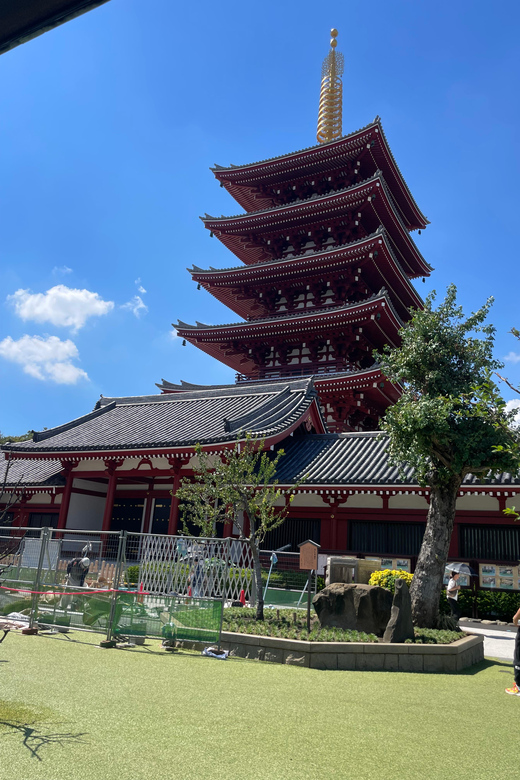
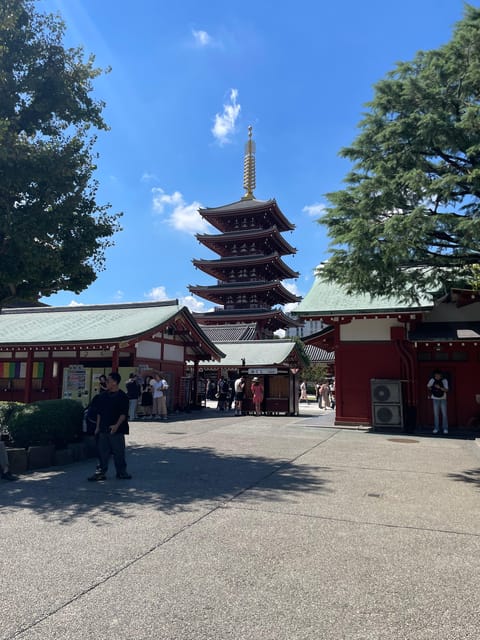
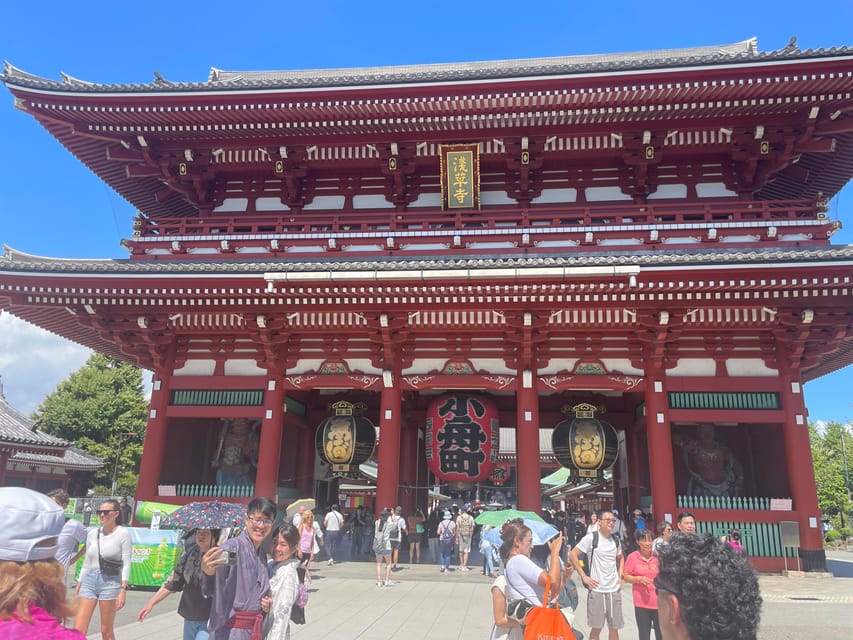
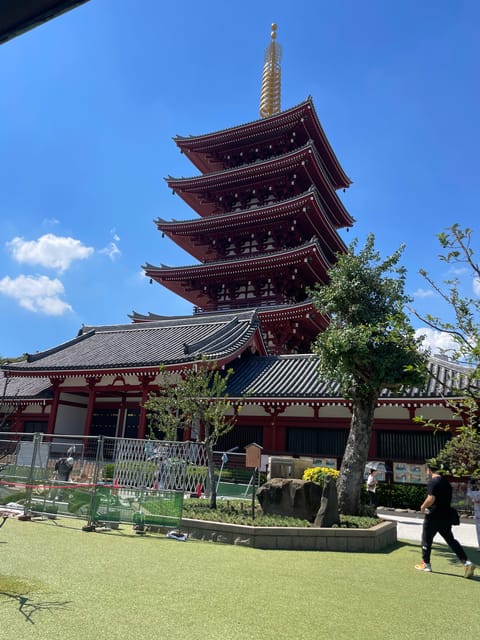
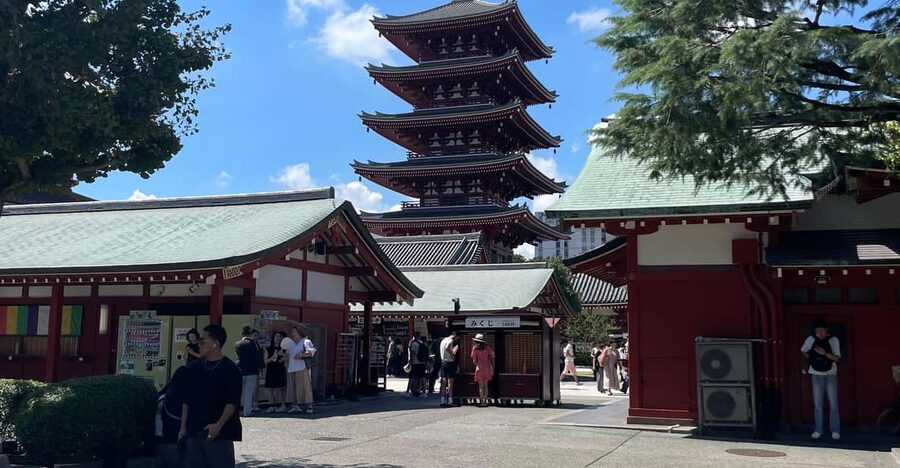
The day begins with a visit to Asakusa, listed as Asakusa Shrine in the schedule. The main draw here is the Senso-ji area, home to Tokyo’s oldest and best-known Buddhist temple.
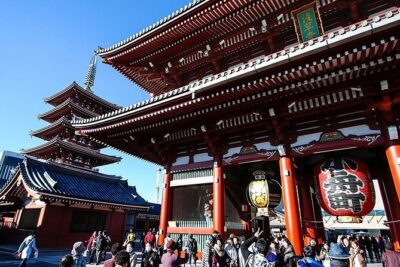
You can enter through the Kaminarimon Gate, marked by its large red lantern, then walk along Nakamise Street. The shop-lined approach sells traditional snacks, souvenirs, small crafts, and temple goods. It is one of the easiest places in Tokyo to see how religious space and everyday shopping fit together.
Senso-ji dates to 628 AD, giving this stop a sense of age that is hard to find amid Tokyo’s modern towers. The main temple hall is the place to pause, look up at the details, and watch the steady flow of worshippers and sightseers.
The scheduled visit lasts about an hour. That is enough for the gate, Nakamise Street, the temple grounds, and a quick look around. It is not enough for a slow exploration of every side street in Asakusa, so tell your guide if old Tokyo atmosphere matters more to you than adding another modern viewpoint.
Meiji Shrine’s quiet forest paths
Meiji Shrine provides a sharp change of mood. Dedicated to Emperor Meiji and Empress Shoken, the Shinto shrine sits in a forested setting that feels far removed from nearby Harajuku.
You will walk through the shrine grounds for about an hour. The approach itself is part of the experience, with broad paths and a calm atmosphere that contrasts with Tokyo’s traffic and advertising. This is a good stop for learning the basic manners of a Shinto shrine and seeing how a major city preserves a place for quiet reflection.
The shrine is not a museum filled with long displays. Its value comes from the setting, the rituals, and the contrast with the surrounding districts. If you prefer city views and shopping, you may find the stop less exciting than Skytree or Shibuya. I would keep it in the plan, though, because it gives the day needed balance.
Comfortable shoes matter here. Even with a vehicle, you will walk between the entrance, forest paths, and shrine area.
Tokyo Skytree and Tokyo Tower
The schedule includes both Tokyo Skytree and Tokyo Tower, giving you two different ways to understand the city from above.
Tokyo Skytree rises 634 meters and is Japan’s tallest structure. Its observation decks provide wide views across Tokyo, with the possibility of seeing Mount Fuji on a clear day. The best reason to visit is scale. From above, Tokyo stops looking like a collection of separate districts and becomes one enormous urban expanse.
The visit is planned for about an hour. That can work for the tower and its views, but it leaves little spare time if lines are long or you want to linger. Entrance fees are not included, so check the cost before deciding how much time to give the observation decks.
Tokyo Tower offers a different visual experience. It is another major city landmark and a useful counterpoint to Skytree. From Tokyo Tower, you are closer to the central districts, and the surrounding city can feel more immediate. Seeing both towers in one day is appealing, but it also uses a large share of your available time.
I would not insist on spending equal time at both. If views are your top priority, ask your guide which tower best fits the weather and the day’s traffic. If you want a broad first look at Tokyo, visiting both creates a memorable comparison.
Same trip, a completely different kind of day:
- 1-Day Tokyo Bus Tour
★ 5.0 · 14,250 reviews - Tokyo: TOKYO SKYTREE® Admission ticket
★ 4.5 · 11,192 reviews - Tokyo: teamLab Planets TOKYO Digital Art Museum Entry Ticket
★ 4.6 · 9,779 reviews - Tokyo: Sumo Show Experience with Chicken Hot Pot and a Photo
★ 4.8 · 6,678 reviews
The Imperial Palace and East Gardens
The Imperial Palace is the Emperor of Japan’s residence, surrounded by gates, walls, and gardens. The public East Gardens offer a chance to walk through part of the palace grounds.
The scheduled visit is only 45 minutes, so expect an outdoor look rather than a full palace tour. The gardens and gates provide a quieter historical pause between the tall towers and busy shopping districts.
This stop suits you if you want a little context about Japan’s imperial institution and central Tokyo’s older layers. It may feel brief if you hoped for extensive garden time. The private format helps here because you can tell the guide whether you want a quick photo stop or a more focused walk.
Shinjuku Gyoen for a slower hour
Shinjuku Gyoen National Garden gives the itinerary another open-air break. The planned visit lasts about an hour, which is enough to walk through part of the grounds and enjoy a slower pace.
The garden is especially useful in a packed city tour because it lets you step away from roads, signs, and concrete without leaving central Tokyo. It also gives you a chance to reset before the evening energy of Shibuya and Harajuku.
Do not expect to cover every corner in an hour. Treat this as a selected garden walk, not a complete visit. If weather is poor, your guide may need to adjust the plan, as Ahmad has done on rainy days. That flexibility is valuable, since gardens are less rewarding when conditions are unpleasant.
Shibuya Crossing and Tokyo’s modern pulse
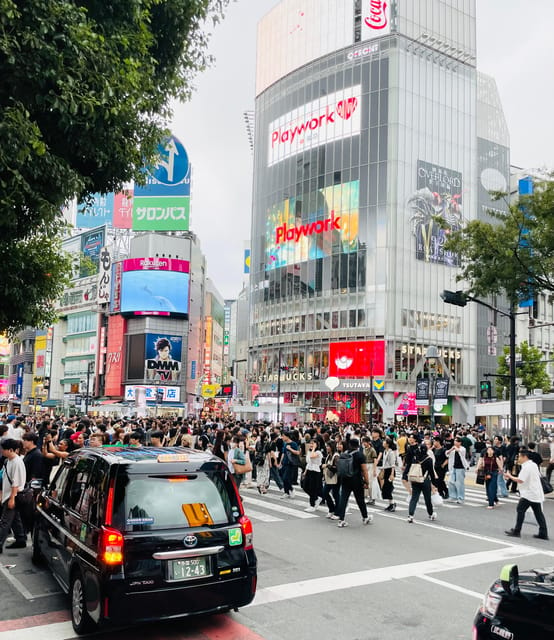
Shibuya Crossing is one of Tokyo’s most recognizable sights. When the signals change, pedestrians move across the intersection from several directions at once. It is a simple act, but the scale and order of it make the crossing a symbol of modern Tokyo.
The schedule allows about 45 minutes. That gives you time to see the crossing, take photos, and look around the surrounding streets. It does not allow for a long shopping session, so be clear if you want retail time rather than a short introduction.
I like this stop because it shows a side of Tokyo that temples and gardens cannot. It is energetic, crowded, and visually loud. The downside is that it can feel like a quick photo stop if you do not use your free time to explore the nearby area.
Tsukiji Outer Market for food and local color
The main wholesale fish market moved to Toyosu, but Tsukiji Outer Market remains a popular food stop. Its lanes contain seafood stalls, small restaurants, and shops selling local specialties.
You might find sushi, sashimi, grilled seafood, and tamagoyaki, the Japanese rolled omelette. Lunch is not included, so this is a sensible place to buy food if the timing works for you, but personal spending is extra.
Tsukiji is best approached with a clear plan. You can ask your guide to help you focus on food, shopping, or a short walk through the market lanes. It is not simply an old fish market frozen in time, and you should not expect the former wholesale operation. The Outer Market is still useful for tasting and browsing, but its current character is retail and dining.
Harajuku and Takeshita Street
Harajuku brings the day back to youth culture, fashion, and shopping. Takeshita Street is known for colorful clothing, trendy shops, snacks, and people-watching.
The itinerary allows about 30 minutes, which is enough for a first look but not a serious shopping trip. If fashion is your main interest, ask to protect more time here and consider shortening a viewpoint stop. The private route makes that sort of trade-off possible.
Harajuku can be crowded, and the narrow shopping street may feel intense after the open space of Meiji Shrine. That contrast is exactly why the pair works well. You see the shrine’s calm forest, then the commercial and fashion-focused side of the same district.
Taito City and the final neighborhood look
The schedule also includes about 30 minutes in Taito City. This gives you a brief look at one of Tokyo’s eastern wards, the wider area that includes Asakusa.
Because the stop is short and the exact focus is flexible, think of it as additional neighborhood time rather than a major attraction with a long visit. Your guide can use it to fill a gap, follow a personal interest, or provide another look at the older side of Tokyo.
The value of a short stop depends on how the rest of your day is going. If traffic has eaten into the schedule, you may prefer to spend the remaining time at a more important sight. That is another reason to discuss your priorities at pickup.
What the $319 group price really buys
The price is $319 for a private group of up to five people. At the full group size, that works out to about $64 per person before entrance fees, lunch, and personal purchases.
The strongest value comes from the private vehicle, hotel pickup and drop-off, and the ability to reshape the day. If five people share the cost, the arrangement can be attractive compared with arranging several separate taxis or losing time to complicated cross-city transport.
For one or two people, the per-person cost is higher. You are paying for time, convenience, and flexibility rather than a low-cost public transit day. The price makes the most sense if you have limited time in Tokyo, are traveling with family, have walking concerns, or want a guide to handle the broad route.
Petrol, highway tolls, onboard WiFi when available, and private transport are included. Entrance fees are not. Confirm which towers or other paid sights you want before the day begins, so the budget does not surprise you.
Walking, access, and practical limits
Hotel pickup is available from hotels, hostels, apartments, and other Tokyo addresses. Pickup is not available from airports, ports, or stations, so this tour is better suited to people already settled in Tokyo.
The guide waits in the hotel lobby 10 minutes before the scheduled pickup. Traffic can cause delays of up to 30 minutes, particularly on highways, so leave room in your plans after the tour.
The experience is wheelchair accessible, and the vehicle can get close to sights to reduce walking. That helped one person with walking difficulties see more comfortably. Still, this is not a no-walking tour. Temple grounds, shrine paths, markets, gardens, and shopping streets require time on foot.
Bring comfortable shoes. Food, drinks, smoking, and alcoholic drinks are not allowed in the vehicle, and pets are not allowed.
Who should book this private Tokyo day
I would choose this tour for a first visit when I wanted a broad look at Tokyo without spending the day mastering the train network. It also fits families and small groups that want to stay together and change the schedule as they go.
It is a good match if your interests are mixed. You can combine temples, gardens, food, high-rise views, imperial sights, shopping, and modern city culture in one day.
I would be more cautious if you prefer a slow, detailed visit to one neighborhood. The itinerary covers a lot of ground, and some stops are brief. You also need to pay separately for admission and lunch.
The guide is an important part of the experience. Ahmad, also written as Ahmed in booking details, is described as patient, punctual, respectful, flexible, and able to communicate well in English. If you have a specific interest or mobility need, explain it before pickup rather than hoping the schedule will naturally fit.
Should you book the Tokyo highlights tour?
Book it if you want maximum coverage in one private day, value hotel pickup, and are willing to accept short visits at several sights. The $319 rate is most appealing for a group of four or five, especially when you compare it with the time and effort of moving between distant districts independently.
Skip it if you want long meals, serious shopping, or a detailed museum and temple experience. In that case, choose fewer neighborhoods and spend more time in each.
For most first-time visitors with limited time, this is a useful orientation day. Ask Ahmad to rank your priorities before setting off, keep the route flexible, and do not try to give every stop equal weight. Tokyo rewards a plan, but it also rewards leaving a little room for the unexpected.
FAQ
How long does the Tokyo private city tour last?
The tour lasts eight hours, including pickup and return to your Tokyo location.
How many people can join the private group?
The price covers a private group of up to five people.
Is hotel pickup included?
Yes. Pickup and drop-off are included from hotels, hostels, apartments, and other addresses in Tokyo. Pickup is not available from airports, ports, or stations.
Are entrance fees included?
No. Entrance fees are not included, and lunch and personal expenses are also separate.
Which languages are available?
The listed languages are English and Japanese. A driver-guide is available if that option is selected.
Is the tour wheelchair accessible?
Yes, the activity is wheelchair accessible. The vehicle may also reduce walking between major sights, but some walking is still required at temples, shrines, markets, gardens, and shopping streets.
Can the itinerary be changed?
Yes. The private format allows the route to be adjusted around your interests, weather, and walking needs. Traffic can also affect the timing, with delays of up to 30 minutes possible.
Just added around Tokyo
- Kawagoe Japanese Food Tour : Unagi Kaiseki and Sake near Tokyo★ 5.0 · 30 reviews
- Kawagoe 4hr Private Tour with Licensed Guide (Kawagoe Dep)★ 5.0 · 13 reviews
- Little EDO Sushi Making workshop in Kawagoe★ 5.0 · 18 reviews
- 【R34】Tokyo:Private Daikoku tour in Modified R34★ 4.9 · 92 reviews
- :Tokyo,Shibuya/ Pro Photography in Kimono / English-Friendly★ 5.0 · 26 reviews
- Tokyo:Celebrate Unique Japanese New Year Tradition Festivity★ 3.9 · 20 reviews
- Tokyo: Allstar Food Tour★ 4.7 · 29 reviews
- Tokyo: West-Side Cycling and Food Tour with Guide★ 5.0 · 37 reviews
City Tours in Tokyo, compared.

Browse the lists this tour appears in