
Reviewed · GO-KARTS
Tokyo: Original Street Kart Experience from Akihabara
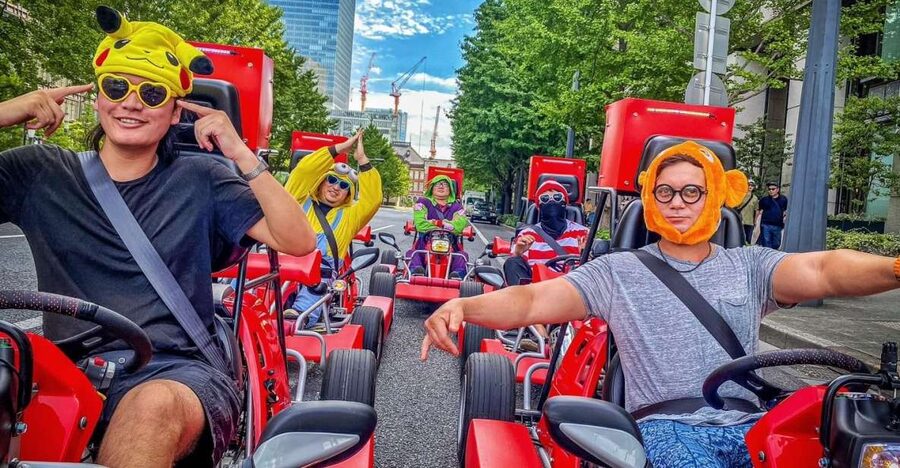
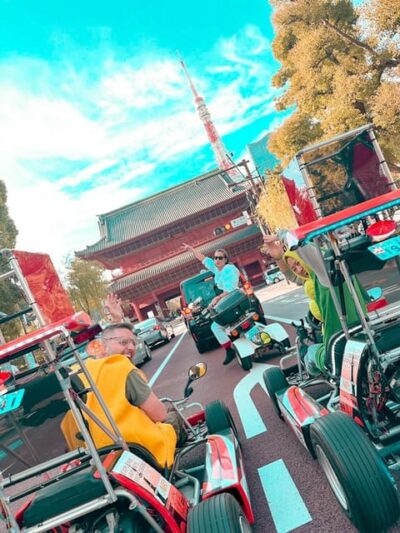
Tokyo becomes a moving stage on this one-hour street kart tour from Akihabara. You choose an anime, animation, or game costume, then drive a small kart through real Tokyo streets with an English-speaking guide leading the group. It is not a theme-park ride. You share the road with ordinary traffic, pass through major central districts, and become part of the city scene as people wave and take photos.
I like two things right away: the route gives you a fresh view of Tokyo Station, Marunouchi, Ginza, and Akihabara, and the guide handles the tricky part of keeping a small group together. Guides including Usama, Mads, Mike, Khan, and Marky have been praised for clear hand signals, steady leadership, landmark tips, and taking plenty of photos. The main drawback is simple: one hour goes quickly, and some riders feel the price is high for such a short ride.
Key points to know before you book
- You drive on real Tokyo roads: This is an actual road experience, not a closed karting track.
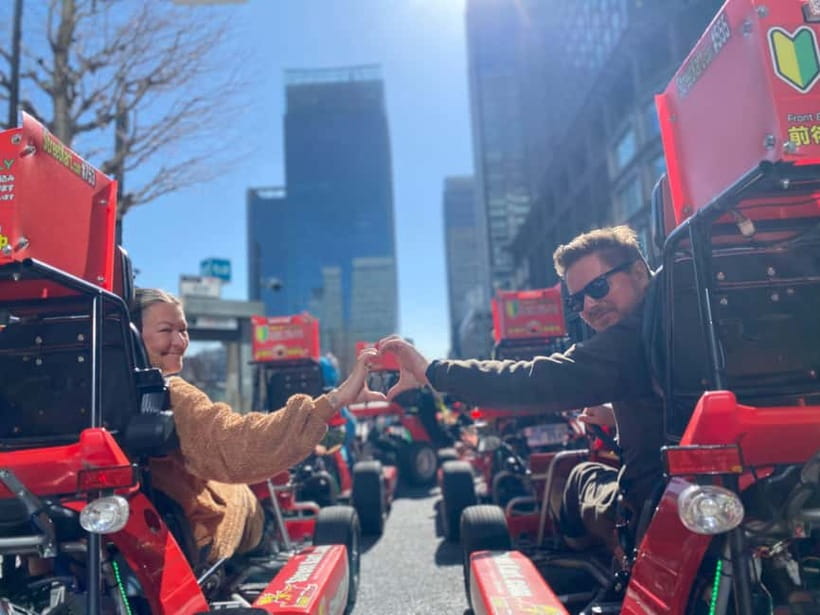
- The costume is part of the fun: Pick a character-style outfit before setting off, then expect smiles, waves, and camera phones from the pavement.
- The route links several central districts: You pass through Akihabara, Marunouchi, the Tokyo Station area, Ginza, and the Imperial Palace vicinity.
- The guide matters: The lead driver keeps the group together, gives safety signals, takes pictures, and may point out landmarks at traffic lights.
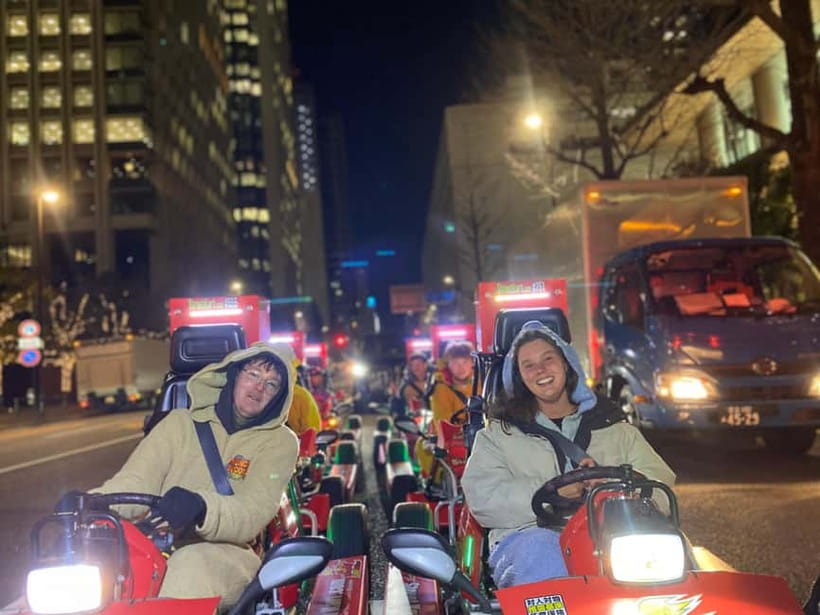
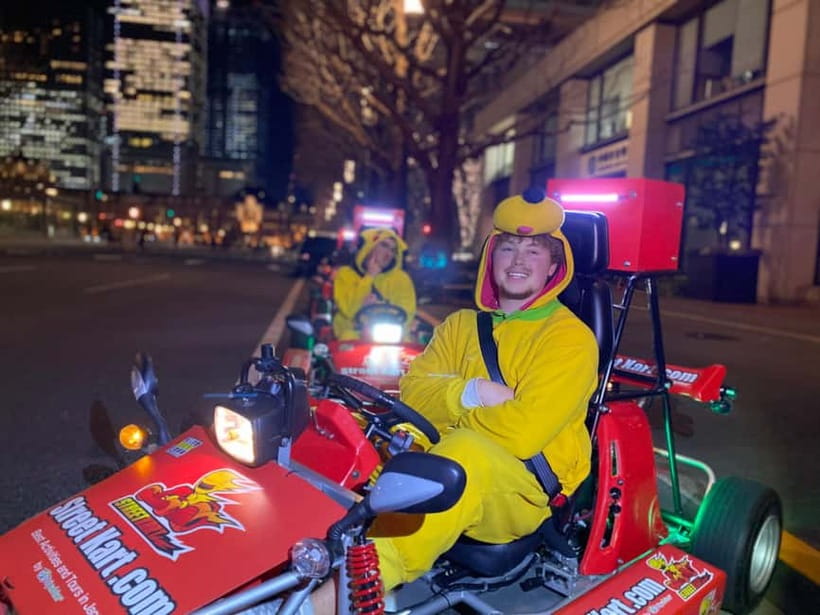
- Night rides add atmosphere: City lights and illuminated streets make the costumes and photos more memorable.
- Your documents must be right: You need a physical passport and the correct driving permit or Japanese translation before you arrive.
What this Tokyo go-kart tour is really like
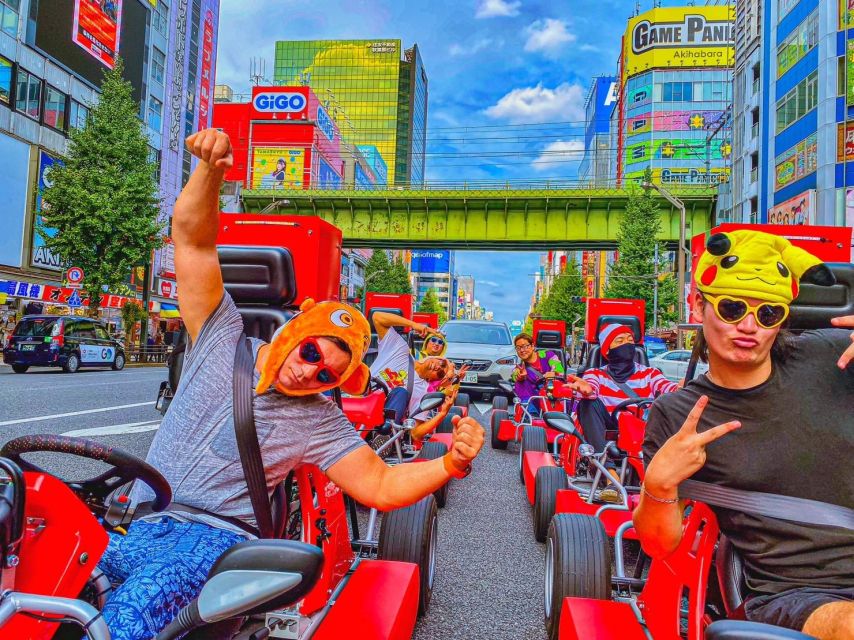
The appeal is easy to understand. Tokyo is usually seen from a train platform, a pavement, or the window of a taxi. Here, you sit low in a custom-made kart and move through the city at street level. You see the traffic, buildings, signs, and people from a very different angle.
The ride lasts one hour, with groups limited to six participants. That small size matters. A guide can keep an eye on each driver more easily than on a large convoy, and the group is less likely to stretch apart at intersections. You still need to pay attention. You are driving among taller vehicles on public roads, so this is not a passive sightseeing trip.
The tone is playful rather than serious. Costumes turn a normal drive into a small public spectacle. People may wave, smile, or take pictures as you pass. If you enjoy being noticed, this adds a lot. If you prefer quiet sightseeing and keeping a low profile, it may feel too showy.
More Go-Kart Tours in Tokyo
- Flagship 2-Hours Official Street Go-Kart Tour – Tokyo Bay Shop
★ 5.0 · 4,974 reviews - Official Street Go-Kart in Shibuya
★ 5.0 · 3,435 reviews - Official Street Go-Kart Tour – Akihabara
★ 5.0 · 1,578 reviews
Starting in Akihabara with a costume choice
The meeting point is Street Kart Akihabara 1, where you look for the go-karts through the glass doors of the building. The staff then handle the basic setup, safety information, and costume selection before you head out.
Akihabara is a fitting place to begin. It is strongly linked with anime, games, electronics, and character culture, so dressing up here feels less out of place than it might in another part of Tokyo. The costume is not just a souvenir photo prop. It changes how people respond to you on the road and gives the ride its comic-book quality.
The available outfits come from anime, animation, and games, though the exact selection is not specified. You should see the costume choice as a fun extra, not as a guarantee that a particular character will be available. Pick something comfortable enough to wear while driving.
The preparation is reported to be straightforward: check in, watch a safety video, learn the controls and signals, and follow the guide. Some guides, including Usama, have been praised for reviewing the rules carefully and communicating with hand signals throughout the ride. That matters because noise, traffic, and distance can make spoken instructions hard to hear once the karts are moving.
Driving through Marunouchi and the Imperial Palace area
From Akihabara, the route heads into central Tokyo and the historic business district of Marunouchi. This section gives the experience some visual variety. You are not only surrounded by anime signs and colorful shop fronts. You also pass through a more formal part of the city, with major offices, broad streets, and the Imperial Palace visible in the background.
The Imperial Palace is not a stop for a walk or a guided visit. Think of it as a passing view from the road. That distinction is important. You get a quick city impression rather than a full palace sightseeing experience.
Driving through this area also shows why the tour feels different from a standard bus loop. You are close to the road, moving at the same pace as the city, and responding to traffic lights and turns. The guide leads from the front, while you follow in formation. Several guides have been praised for making sure nobody is left behind.
Still, the route is shaped by road conditions and the need to keep the group safe. You should not expect a long stop at every landmark or a chance to pull over wherever you like. The best views may come in passing, with the guide pointing things out when the group is stopped at a light.
Tokyo Station and the scale of the city
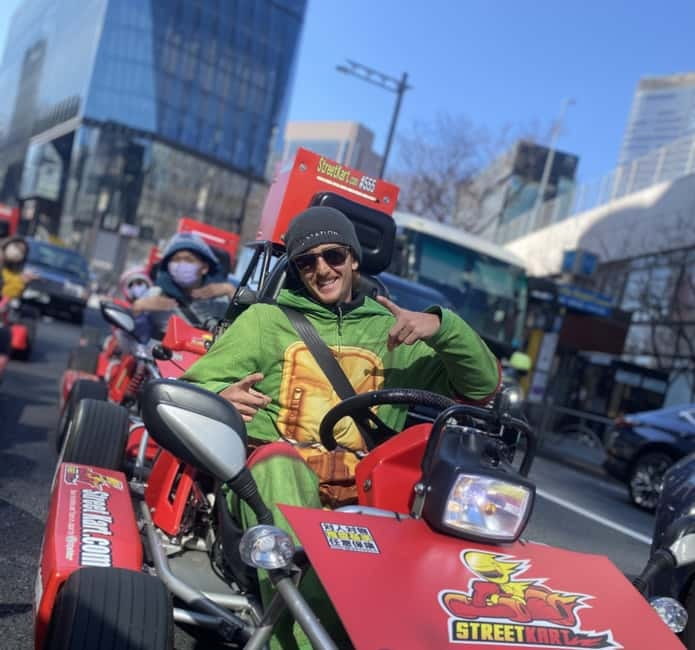
One of the most memorable parts of the route is the Tokyo Station area. The station is described as a hub with 28 train platforms, and even a brief view gives you a sense of its scale and importance.
The tour may stop for photos near Tokyo Station. Usama has been praised for arranging a photo stop there, while other guides have taken group pictures throughout the route. Your exact stop and photo opportunities can depend on the guide, traffic, and timing, so treat the photo stop as part of the experience rather than a guaranteed private session.
Tokyo Station works well as a backdrop because it gives you a contrast to the costumes. You might be dressed as a game or anime character, sitting in a go-kart, with one of Tokyo’s grand transport landmarks behind you. That combination is more distinctive than a standard postcard view.
This is also where the short duration becomes noticeable. One hour must cover preparation, driving, traffic lights, turns, and photos. You get a taste of several districts, but not an unhurried look at any one of them. If your main goal is to study Tokyo Station architecture, visit the station separately.
Same trip, a completely different kind of day:
- 1-Day Tokyo Bus Tour
★ 5.0 · 14,250 reviews - Tokyo: TOKYO SKYTREE® Admission ticket
★ 4.5 · 11,192 reviews - Tokyo: teamLab Planets TOKYO Digital Art Museum Entry Ticket
★ 4.6 · 9,779 reviews - Tokyo: Sumo Show Experience with Chicken Hot Pot and a Photo
★ 4.8 · 6,678 reviews
Ginza by go-kart
The route continues through Ginza, Tokyo’s luxury shopping district. Ginza gives the ride a polished city-center setting, with an entirely different feel from Akihabara’s character shops and game culture.
You may find this section especially good for photos because the costume creates a funny contrast with Ginza’s refined image. The tour is designed for that reaction. People on the pavement may smile, wave, and take pictures as the line of karts passes.
Do not confuse this with a shopping tour. You will not have time to stop and browse stores, and the point is to pass through the district by road. If you want to shop, plan Ginza before or after the activity. The go-kart ride gives you an introduction to the area, not time inside it.
Some riders have wished for more time in the bright downtown sections. That is a fair criticism. The route includes central districts, but the ride is only one hour, and traffic may limit how long you spend among the most dramatic lights. A night departure can help, since the city looks more theatrical after dark, but it does not make the route longer.
Returning to Akihabara in costume
The final part brings you back toward the anime and game district where the experience began. Akihabara is the natural place to finish because the costume, the karts, and the neighborhood all fit the same playful theme.
By this point, you should have become more comfortable with the kart and the road formation. Some riders describe the karts as easy to get used to, but you still need to remain alert and follow the lead driver. You are not racing. The activity is about moving through Tokyo together, not reaching the finish line first.
Photo data is included afterward, giving you something to keep and share. Guides have also taken large numbers of pictures during the ride, and some have provided printed photos as an extra souvenir. The included photo data adds real value because taking your own pictures while driving is not allowed. You can enjoy the route instead of trying to manage a camera.
Why the guide makes or breaks the ride
The guide is the key person on this tour. You want someone who gives clear instructions, watches the group, and understands that many participants are driving in Tokyo for the first time.
The strongest guide feedback centers on practical behavior. Usama is praised for thorough safety explanations, friendly conversation, hand signals, landmark information, and photo stops. Mads is described as patient and communicative. Mike and Khan are praised for keeping riders safe, while Marky is noted for holding the group together and pointing out landmarks at traffic lights. Billy is remembered for taking many photos and even printing them for a rider.
Those details tell you what good guiding looks like here. It is not a long history lecture. It is quick information delivered at safe moments, constant awareness of the group, and a calm lead through Tokyo traffic.
The small group limit of six helps. You are less likely to feel lost in a large convoy, and the guide can respond to different confidence levels. A solo booking could even become a private-feeling ride if nobody else joins your time slot, though you should not book expecting that outcome.
Safety, driving documents, and clothing rules
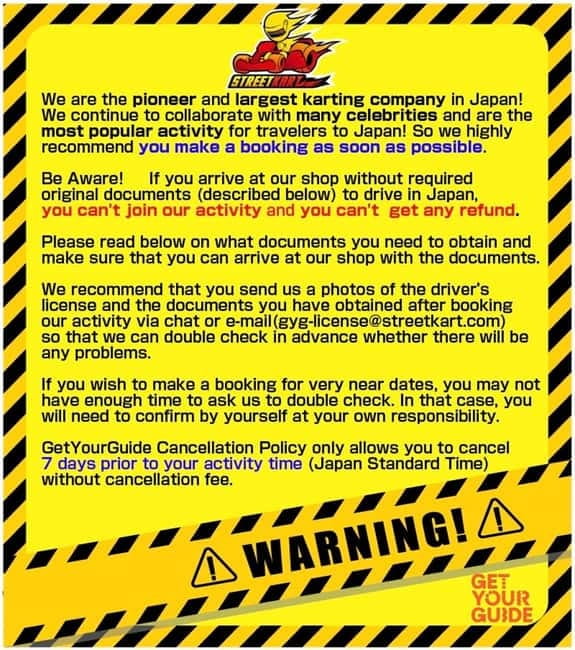
The legal paperwork is the most important practical issue. All participants need special documents to drive in Japan, and the activity provider sends guidance after booking. Do not wait until the day before the tour to check this.
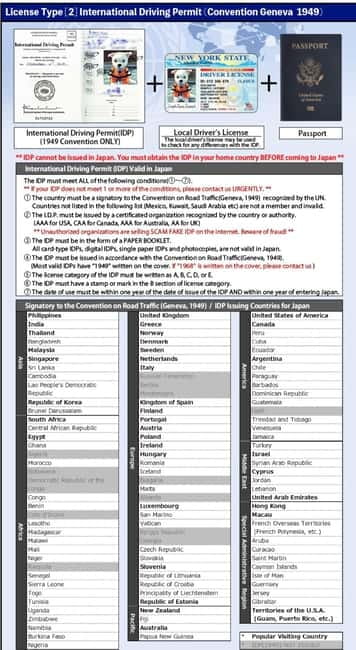
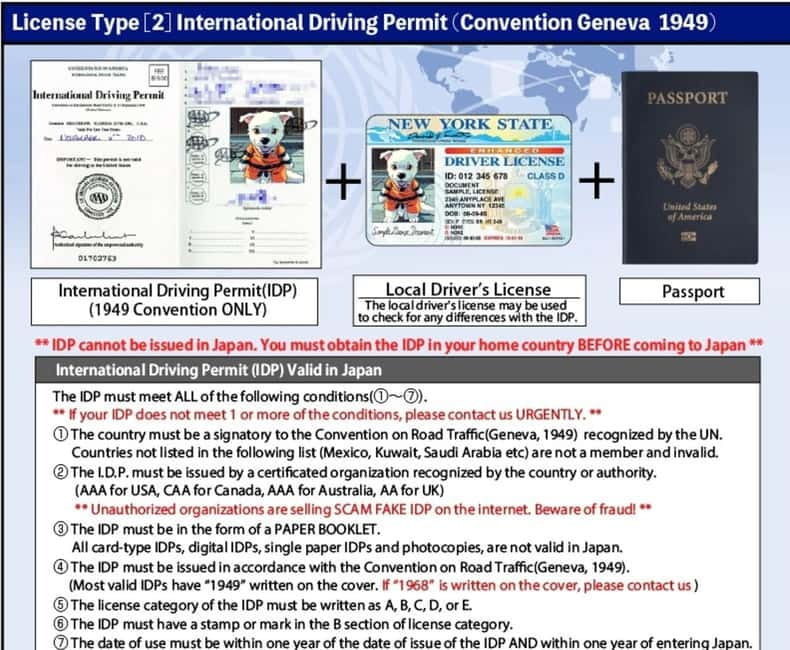
For most countries, you need a physical International Driving Permit in booklet form that follows the 1949 Geneva Convention. It must be issued by the same country that issued your domestic driving license. An online permit obtained while you are already traveling is not accepted.
There are specific exceptions. Driving licenses from Switzerland, Germany, France, Taiwan, Belgium, and Monaco require an official Japanese translation from the Japan Automobile Federation, not an International Driving Permit. Licenses from countries not covered by the 1949 Geneva Convention, including China, Indonesia, Mexico, Qatar, and Saudi Arabia, are not permitted for this activity.
Bring your physical passport and your physical International Driving Permit. If you are using the translation route, carry your physical domestic license and the official translation. Missing paperwork can stop you from driving.
Wear practical shoes. High heels, sandals, flip flops, and slippers are not allowed. Cellphones are also not allowed during the ride. Action camera rental, a Micro-SD card, and a camera mount are separate costs, so the included photo service is the simpler option.
The activity is not suitable for children under 18, pregnant women, people with back problems or mobility impairments, wheelchair users, or people with visual or hearing impairments. These limits are worth checking honestly before you pay.
Is $51 a fair price for one hour?
At $51 per person, this is not a cheap way to cover Tokyo. Public transport will take you farther for less money, and a normal sightseeing walk will give you more time at each district.
The value comes from the combination. Your fee covers the custom kart, English-speaking guide, costume rental, and photo data. You also get an unusual activity that would be difficult to arrange on your own, especially with the legal documents, road formation, and route through central Tokyo.
I think the price works best for someone who wants a memorable activity rather than efficient sightseeing. You are paying for the experience of driving, dressing up, being part of a small group, and seeing the city react to you. If you judge it only by minutes spent at landmarks, it may feel expensive.
The one-hour length is both a strength and a weakness. It is easy to fit between other plans, and several riders found the duration right. Yet the ride can feel short once you include stops, traffic lights, and the return journey. Book it for the fun of the drive, not as your main Tokyo tour.
Night ride or daytime ride?
A night ride is a strong choice if you want bright city lights and more dramatic photos. Several riders specifically preferred seeing Tokyo after dark, and the costumes become more striking against illuminated streets.
A daytime departure may make it easier to see building details and the wider road setting. The supplied information does not specify a different route for day and night, so choose based on mood and photography rather than expecting a separate itinerary.
If you choose evening, leave room in your plans for the meeting point and preparation. The activity itself lasts one hour, but you should not schedule a meal or train connection so tightly that a small delay creates stress.
Who should book this experience?
You should consider booking if you:
- Enjoy anime, games, costumes, and playful public activities
- Want to drive instead of simply sit on a sightseeing vehicle
- Are comfortable sharing Tokyo roads with larger cars
- Like taking photos and do not mind attention from people on the street
- Have the correct driving documents ready
- Want a short activity that fits into a larger Tokyo itinerary
You may want to skip it if you dislike costumes, feel uneasy driving in city traffic, want a quiet cultural tour, or expect a long route with extended stops. It is also unsuitable for anyone covered by the physical, age, or accessibility restrictions.
Cancellation and planning details
You can cancel up to seven days in advance for a full refund. Check available starting times when booking, since the tour runs for one hour and departure options can vary.
The activity is conducted in English, and the group is limited to six people. Look for the Street Kart Akihabara 1 go-karts through the building’s glass doors. Bring the required physical documents, wear closed practical footwear, and choose your costume with comfort in mind.
Should you book the Akihabara street kart experience?
Book it if you want one of Tokyo’s most unusual photo memories and you are happy to trade relaxed sightseeing for a little road-going excitement. The strongest parts are the real-city route, the costume choice, the small group, and the guides’ careful handling of safety and photos.
Do not book it as a bargain transport option or a full tour of Tokyo’s landmarks. The ride is short, the route can feel less scenic than expected in places, and $51 is a fair but not low price. For an adult with the right documents who enjoys being part of the spectacle, especially on a night departure, it is a lively addition to a Tokyo visit.
FAQ
How long does the Tokyo street kart experience last?
The activity lasts one hour. Starting times vary, so check availability when booking.
Where does the tour meet?
Meet at Street Kart Akihabara 1. Look for the go-karts through the glass doors of the building.
Which parts of Tokyo does the route visit?
The route includes Akihabara, the Marunouchi business district, the Tokyo Station area, Ginza, and the area near the Imperial Palace.
What driving documents do I need?
Most participants need a physical International Driving Permit in booklet form that complies with the 1949 Geneva Convention, plus a physical passport. Drivers from Switzerland, Germany, France, Taiwan, Belgium, and Monaco need a physical domestic license and an official Japanese translation from the Japan Automobile Federation instead.
Is costume rental included?
Yes. Costume rental is included, along with the custom-made go-kart, guide, and photo data.
Can I use my cellphone or my own action camera?
Cellphones are not allowed during the activity. Action camera rental, a Micro-SD card, and a camera mount are separate costs, and the included photo data provides an alternative way to keep pictures from the ride.
Just added around Tokyo
- Kawagoe Japanese Food Tour : Unagi Kaiseki and Sake near Tokyo★ 5.0 · 30 reviews
- Kawagoe 4hr Private Tour with Licensed Guide (Kawagoe Dep)★ 5.0 · 13 reviews
- Little EDO Sushi Making workshop in Kawagoe★ 5.0 · 18 reviews
- 【R34】Tokyo:Private Daikoku tour in Modified R34★ 4.9 · 92 reviews
- :Tokyo,Shibuya/ Pro Photography in Kimono / English-Friendly★ 5.0 · 26 reviews
- Tokyo:Celebrate Unique Japanese New Year Tradition Festivity★ 3.9 · 20 reviews
- Tokyo: Allstar Food Tour★ 4.7 · 29 reviews
- Tokyo: West-Side Cycling and Food Tour with Guide★ 5.0 · 37 reviews
Go-Karts, compared.
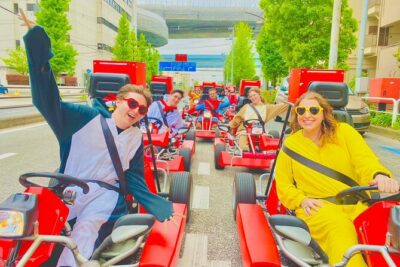
Flagship 2-Hours Official Street Go-Kart Tour – Tokyo Bay Shop
Our verdict →
Asakusa, Skytree & Akhihabara Go-Kart City Experience
Our verdict →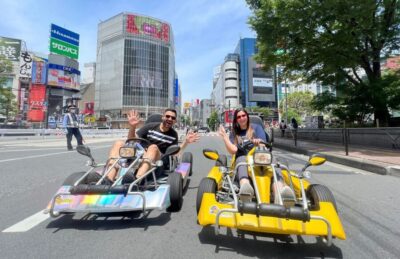
Premium Go-Kart Tour with Tower & Shibuya Crossing
Our verdict →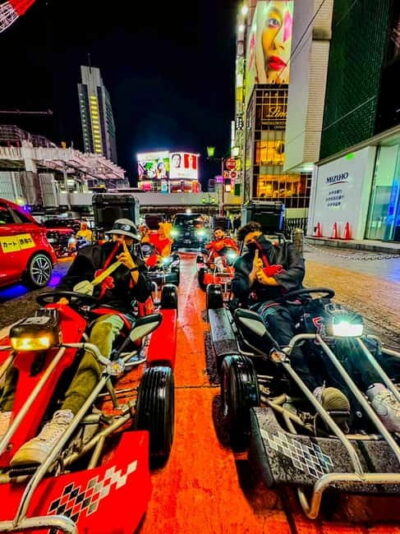
Shibuya and Shinjuku Streets Guided Go-Karting Tour
Our verdict →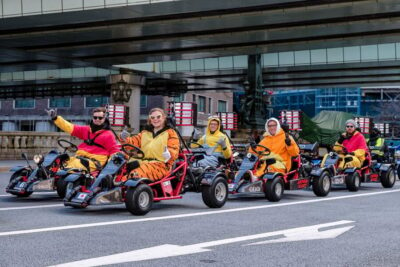
Browse the lists this tour appears in