
Reviewed · JAPAN
Let’s enjoy Scuba diving in Izu Peninsula for certificate Diver
Izu Oceanic Park is one of Japan’s best-known underwater sites, and this private session gives you a close look at its fish, eels, shrimp, and other sea life without being folded into a large group. I like the two-tank format and the included packed lunch, which make the six-hour schedule feel like a full day by the sea rather than a rushed splash.
I also like that guide Morita adjusts the pace to your ability and can work in English or Japanese. He has a calm, careful style, especially useful if you have not been underwater for a few years. The main drawback is practical: equipment rental costs extra, and you must already have past experience, a diving card, and a log book.
Key points to know before booking
- Two tanks are included: The package covers a guide, two tanks, weights, and a weight belt.
- Morita is the main guide: His patient explanations and careful spotting make it easier to notice small creatures in cracks and among the rocks.
- Izu Oceanic Park is the planned site: Sea conditions can change the location, with Futo among the possible alternatives.
- Lunch is part of the day: A packed lunch is included, a useful touch during a six-hour outing.
- Bring your own gear or reserve rentals: Full scuba equipment is not included, so arrange rental equipment in advance if needed.
- This is a private activity: Only your group participates, with English or Japanese support available.
Why Izu Oceanic Park is worth your morning
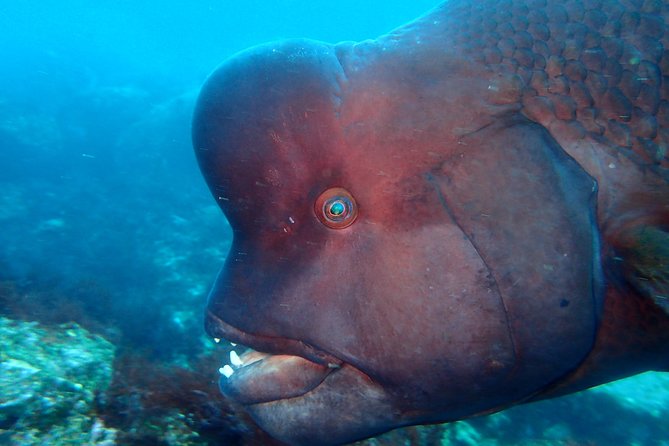
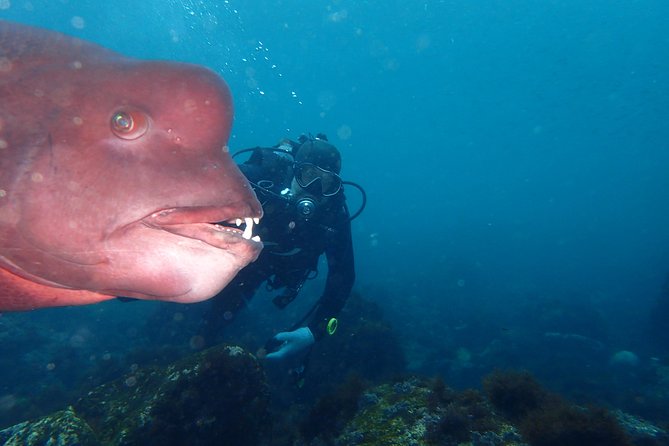
The Izu Peninsula is a major scuba destination in Japan, and Izu Oceanic Park, often called IOP, is one of its best-known sites. The attraction is not a grand underwater monument. It is the chance to see a busy range of local sea life in a respected Japanese marine setting, with a guide who knows where to look.
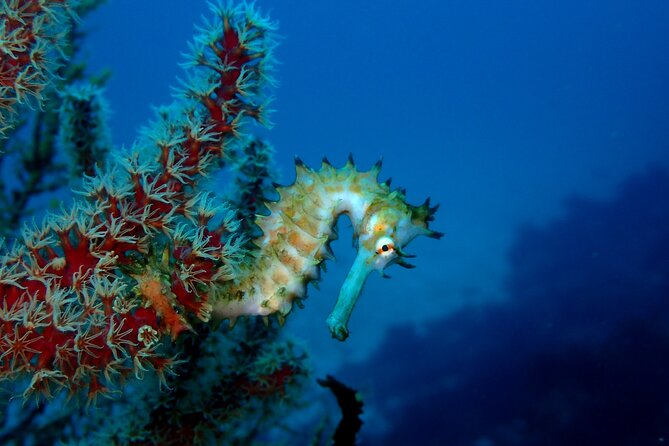
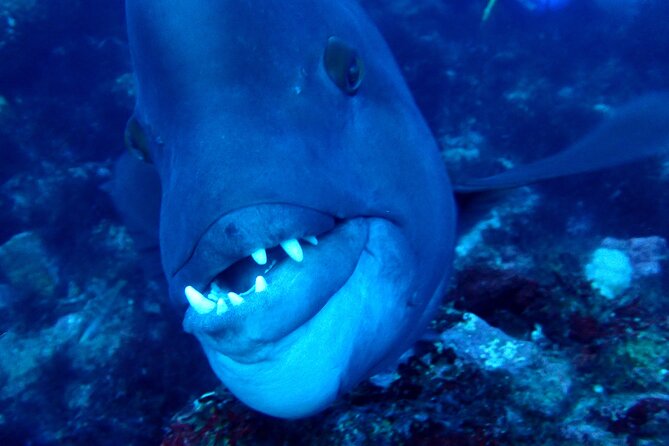
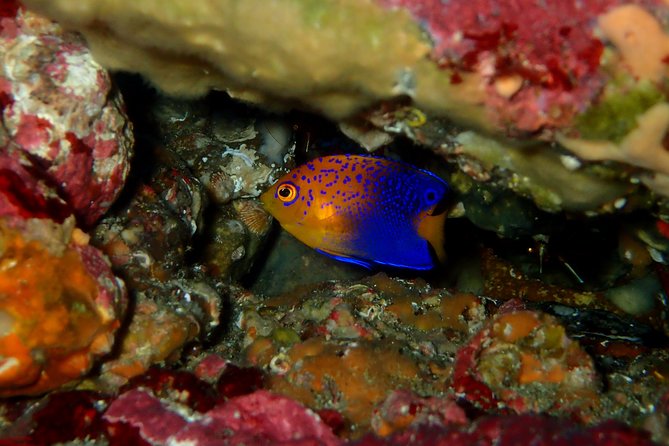
You might encounter moray eels, pufferfish, sardines, shrimp, and many smaller fish. Morita has pointed out dragon moray eels and juvenile fish of several kinds, along with shrimp tucked into narrow crevices. These are easy to miss if you are focused only on your own buoyancy and equipment.
That personal spotting is one of the strongest reasons to choose a guided private session. You are not simply dropped into the water and told to look around. Morita can direct your attention to small creatures and help you get more from each underwater section.
The site is also historically important within Japan’s scuba scene. This is one of the country’s established and popular places for underwater activity, so you are visiting a location with a long connection to the sport rather than an improvised shore stop.
More Diving Trips in Japan:
- Naha, Okinawa: Kerama Islands Full-Day Intro-Diving Trip
★ 4.6 · 203 reviews - From Naha Scuba Diving Trip in Kerama(for certified divers)
★ 5.0 · 46 reviews - Okinawa: Naha: 1 day Kerama Islands diving‣ license required
★ 3.9 · 20 reviews
The 9 a.m. start and meeting point in Ito
The day begins at 9 a.m. at 1082-5 Yawatano, Ito, Shizuoka 413-0232. The activity returns to this same meeting point after the underwater sessions and lunch.
The location is near public transportation, which helps if you are traveling around the Izu Peninsula without a car. A practical detail worth checking with Dive Dream is train-station pickup. This has been arranged for some bookings and can make the morning much easier, especially if you are carrying fins, a wetsuit, or other bulky equipment.
Plan your morning around a full six-hour commitment. The advertised duration is approximate, but this is not a quick one-hour introduction. You need time for arrival, preparation, two tanks, surface breaks, lunch, and returning equipment if you rent it.
Bring your swimsuit, towel, sandals, diving card, and log book. The last two items matter. This session is for certified or experienced participants, not for someone trying scuba for the first time.
What the two-tank format gives you
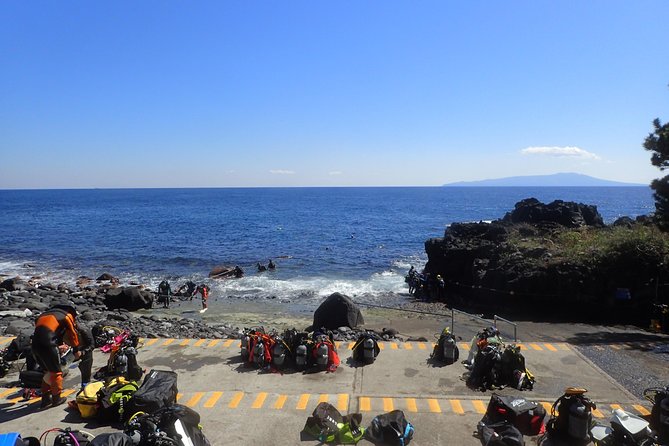
The package includes a dive guide, two tanks, weights, and a weight belt. That is a useful core package because tanks and weights are essential parts of the outing, and two underwater sessions give you more time to see the site at a relaxed pace.
The first tank lets you settle into the conditions. You can check your equipment, adjust to the water, and get comfortable with Morita’s signals and pace. The second tank gives you another chance to look for animals you missed earlier, or to visit a different underwater area if conditions and the site plan allow it.
The exact route is not fixed. Sea conditions on the day may lead to a different point, and Futo has been used as an alternative. This flexibility is sensible. A good day underwater depends on conditions, and forcing one location simply because it was advertised would be poor practice.
The tradeoff is that you cannot treat Izu Oceanic Park as a guaranteed fixed itinerary. If the weather or sea makes another location safer or more suitable, the plan may change. I would see that as a reasonable part of a sea-based activity, not a flaw, but you should book with an open mind.
Morita’s guiding style and what it adds
Morita is the named guide associated with Dive Dream, and the strongest praise centers on his calm manner, clear explanations, and patience. That matters most for certified participants returning after a break, as well as families or small groups with mixed confidence.
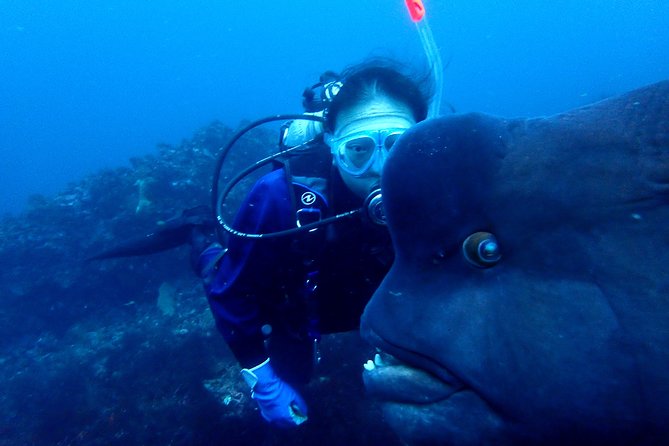
His role is not just to lead the route. He can help you feel safe from the start, point out animals hiding in cracks, and adjust his attention to your skill level. That is especially helpful in a private setting, where the pace can be shaped around your group rather than a fixed crowd.
A family group that included two teenagers was able to take part despite limited experience, with Morita providing steady instruction and even taking some underwater photos. The important qualification is that this was not a first-time lesson. You still need past experience and the required diving card.
If you have not been underwater for several years, tell Morita before the session begins. His patient approach is well suited to a refresher, but honest information about your recent experience helps him set the right pace.
English and Japanese guidance are available. That does not mean every technical detail will be delivered in perfect English, so if you use specialized equipment or have medical or safety concerns, explain them clearly before entering the water.
Same trip, a completely different kind of day:
- Mt Fuji and Hakone 1-Day Bus Tour Return by Bullet Train
★ 5.0 · 26,383 reviews - 1-Day Tokyo Bus Tour
★ 5.0 · 14,250 reviews - PERFECT KYOTO 1-Day Bus Tour
★ 5.0 · 13,518 reviews - Tokyo: TOKYO SKYTREE® Admission ticket
★ 4.5 · 11,192 reviews
The marine life you may see
Izu’s appeal comes from variety rather than one guaranteed headline animal. You might see moray eels, pufferfish, sardines, shrimp, and many ordinary-looking fish that become interesting when you notice their colors, size, or behavior.
The dragon moray eels are a memorable possibility. Juvenile fish are another highlight, since their shapes and markings can differ from their adult forms. Small shrimp in crevices reward careful observation, and this is where a guide makes a real difference.
I would not book this expecting a guaranteed list of species. Marine life changes with season, weather, visibility, and the chosen site. The value is having enough time and guidance to look closely.
The setting can also be moving in a quieter way. You are not viewing animals in an aquarium tank. You are seeing them in their own marine environment, where the conditions shape what appears and where it can be found.
Equipment, lunch, and the real cost
The listed price is $457. It includes the guide, two tanks, weights, a weight belt, and a packed lunch. For a private six-hour activity with English or Japanese support and two underwater sessions, the price may make sense for a small group that values personal attention.
Full scuba equipment costs extra. That can include the main items you need, so ask Dive Dream for the current rental price and reserve equipment well ahead of time. The activity allows you to bring your own gear, which is useful if you already own equipment and prefer its fit.
The price is harder to judge if you are traveling alone and need to rent everything. In that case, the additional equipment charge can make the total noticeably higher than the advertised rate. A group of family members or friends may find the private format easier to justify because the guide’s attention is reserved for your party.
The included lunch is simple but practical. You will be spending much of the day at the site, so having a packed meal removes the need to search for food between sessions. Do not read this as a restaurant lunch. It is a convenient box meal that keeps the schedule moving.
Who will get the most from this outing
This activity suits certified scuba participants who want a private day in one of Japan’s established underwater areas. It is particularly appealing if you want a patient guide, need English support, or prefer not to join a large group.
It also works for a small family group, provided everyone has the required experience. The private format can be valuable when one person needs more time with equipment or wants a slower pace.
I would be cautious about booking if you have never used scuba equipment before. The activity requires past experience and a diving card, so it is not designed as a beginner tryout.
You should also be comfortable with moderate physical activity. You will need to manage your equipment, prepare for two tanks, and spend much of the day at a marine site. Bring the requested clothing and personal items, since there is no indication that these are supplied.
Weather, changes, and cancellation
Sea conditions control the day more than any brochure can. The site may change, and poor weather can lead to a new date or a full refund. That policy is reassuring because underwater safety should come before keeping a fixed location.
You can cancel for a full refund if you do so at least 24 hours before the 9 a.m. start time. Cancellations or changes made inside that window are not refunded or accepted, and the cut-off uses local Japanese time.
The activity ends back at the original meeting point. Since the total schedule lasts about six hours, avoid booking a tight afternoon train or another fixed appointment immediately afterward.
Should you book this Izu scuba session?
I would book it if you already have scuba experience, want a private outing, and care more about careful guiding than the lowest possible price. Morita’s patient style, his eye for small creatures, the two-tank plan, and the included lunch give the day real substance.
I would first ask about rental gear, train-station pickup, and the likely site for your date. If you own equipment, bring it. If you have not been underwater recently, tell Morita so he can shape the pace around your comfort.
Skip it if you are looking for a first-ever lesson or a guaranteed underwater route. For an experienced participant who wants to see Izu’s marine life with personal guidance, this is a strong, focused choice.
FAQ
Where does the activity take place?
The planned location is Izu Oceanic Park Diving Center, also called IOP, in Ito on the Izu Peninsula.
What time does the activity start?
The activity starts at 9 a.m.
How long does the activity last?
The outing lasts approximately six hours.
Is this suitable for a first-time scuba participant?
No. Past scuba experience is required, and you should bring your diving card and log book.
How many tanks are included?
Two tanks are included in the price.
Are weights and a weight belt included?
Yes. The package includes weights and a weight belt.
Is scuba equipment included?
No. You can bring your own equipment or arrange full equipment rental at an additional cost. Advance notice is required for rental equipment.
Is lunch included?
Yes. A packed box lunch is included.
Can the guide speak English?
Yes. Guidance is available in English or Japanese.
Can the location change?
Yes. The diving point may change according to sea conditions on the day. Futo is one possible alternative.
Is this a private activity?
Yes. Only your group participates.
What happens if bad weather cancels the activity?
You can choose a different date or receive a full refund if the activity is canceled because of poor weather.
Just added around Japan
- Sekka Cotton Furoshiki Class★ 5.0 · 19 reviews
- Kyoto Sword Experience – includes Museum Ticket/Ninja Experience★ 4.5 · 149 reviews
- Scenic Green Tea Fields of Hidden Kyoto & Local Tea Exp (Private)★ 5.0 · 32 reviews
- Secret Eastern Kyoto Biking Adventure★ 5.0 · 44 reviews
- Private Sake Tasting in Central Kyoto with Sake Sommelier★ 5.0 · 32 reviews
- Samurai School in Kyoto: Samurai for a Day★ 5.0 · 202 reviews
- SHIRAKAWA Japanese Culture Experiences with private English staff★ 5.0 · 16 reviews
- A Privately Guided Photoshoot in Beautiful Kyoto by a Pro★ 5.0 · 18 reviews