
Reviewed · TAIKO & TRADITIONAL MUSIC
Japanese Traditional Music Show in Tokyo
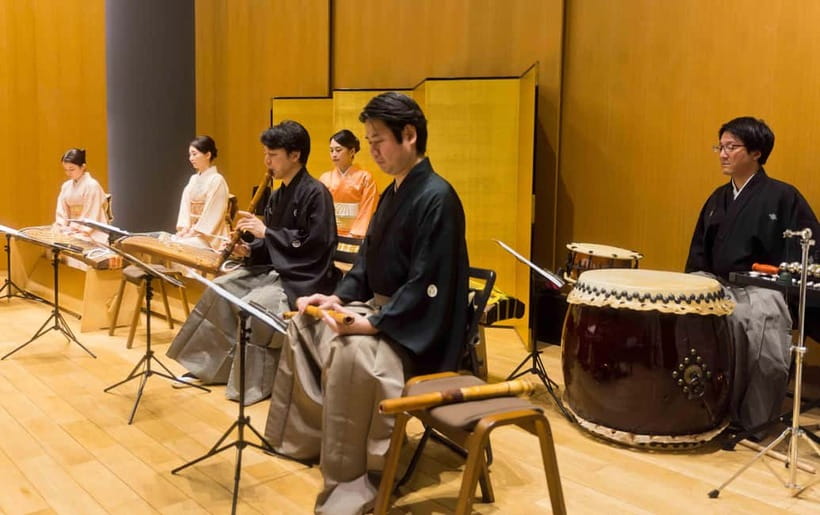
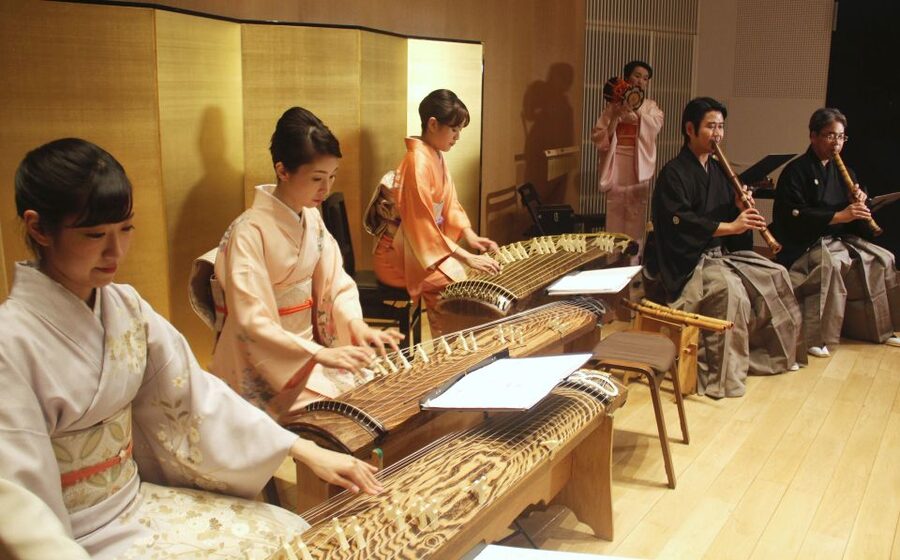
The most appealing part of this Tokyo show is the close view. Musicians in kimono perform just in front of a small numbered audience, so you hear the fine detail of the koto, shamisen, shakuhachi, and taiko without the distance of a large concert hall. The program also explains what you are hearing, rather than leaving you to guess.
I like two things in particular: the host translates and explains the instruments in English and Japanese, and the music moves between old Japanese pieces, newer arrangements, and one unexpected western hit. The main consideration is its short one-hour length. You get a lively introduction, not a full evening concert, so serious music fans may want a longer performance afterward.
Key points at a glance
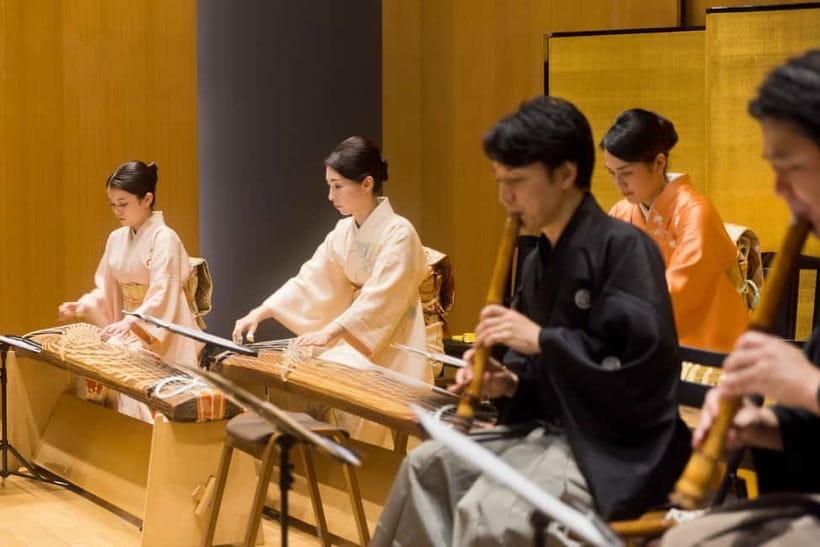
- Four very different instruments: Hear the Japanese harp, shamisen, shakuhachi flute, and taiko drums in one compact program.
- A small, numbered audience: Reserved seating puts you close to the performers and makes the explanations easy to follow.
- English and Japanese presentation: The host gives context about the instruments, pieces, construction, and musical traditions.
- Photos are part of the experience: You can take pictures and videos during the show, then pose with the musicians afterward.
- A useful first stop for culture fans: Traditional pieces are paired with modern music and a surprise western cover.
- Easy Harajuku access: Hall 60 is one minute from Meiji-Jingumae Station Exit 7 and five minutes from JR Harajuku Station’s Omotesando Exit.
What the one-hour ZAKURO SHOW is really like
ZAKURO SHOW is built as both a concert and a short cultural lesson. You take your reserved seat in Hall 60, then watch musicians introduce the instruments before or between pieces. The teaching is not an extra lecture tacked onto the evening. It is woven into the program so the sounds make more sense as you hear them.
That format helps if Japanese music is new to you. A koto, shamisen, shakuhachi, and taiko can sound mysterious when you first encounter them. Once someone explains how each instrument is played and where it fits in Japanese musical life, your ear has something to follow.
The performance uses both English and Japanese. The host translates the explanations and guides you through the program, which is important for an audience made up of international visitors and Japanese residents. You are not expected to read music or know the names of traditional forms before arriving.
The setting is intentionally small. Your seat is numbered, and the musicians are close enough for you to watch their hands and posture. That proximity makes this feel more personal than a large stage show, though it also means the experience is focused on the performance rather than a grand theater production.
More Taiko & Music Experiences in Tokyo:
- Tokyo’s Authentic and Finest Taiko Drumming Experience
★ 5.0 · 28 reviews - Mt Fuji & Hakone Cruise, Drum Show Bullet Train 1 Day from Tokyo
★ 4.0 · 7,413 reviews - Mt Fuji & Hakone Cruise, Drum Show Bus 1 Day from Tokyo
★ 4.0 · 1,287 reviews
Hearing the koto, shamisen, shakuhachi, and taiko
The best reason to book is the range of sound. Japanese traditional instruments do not all create the same mood, and this show lets you compare them in a single sitting.
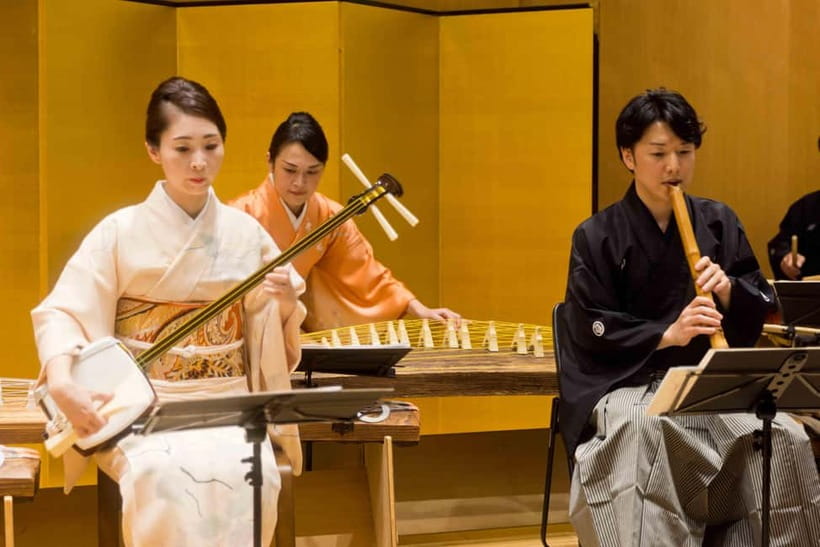
The koto, often described as a Japanese harp, brings a clear, ringing tone. Its strings can sound delicate and spacious, but the instrument also has enough force to carry a strong melody. The demonstration helps you notice how the sound is produced instead of treating the koto as a decorative object.
The shamisen has a sharper character. This three-stringed instrument gives the music a distinct plucked sound, with more bite than the koto. Seeing it played at close range adds useful detail: you can watch the musician’s hands and hear how a simple instrument can produce a wide range of expression.
The shakuhachi flute changes the mood again. Its breathy tone has a direct, human quality, and it can sound spare compared with the bright strings and powerful drums. The performance lets you hear the flute as part of a wider musical group rather than as an isolated museum example.
Then comes taiko, the Japanese drum. The show gives you the contrast you want, moving from the subtle character of strings and flute to the physical impact of percussion. In a small room, the drums are likely to feel especially immediate. If you prefer quiet music only, this section may be the least gentle part of the program, but it adds needed range.
Ancient pieces, newer music, and one surprise
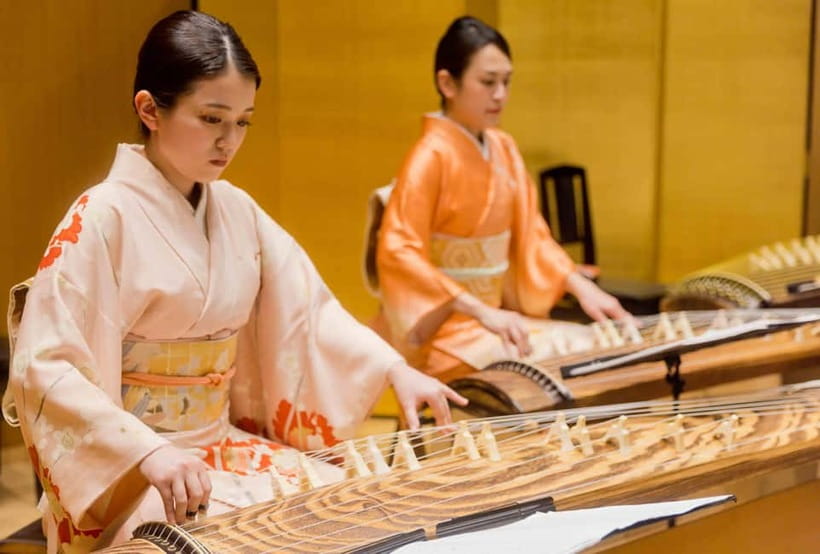
The program does not stick to a single period or style. It includes older Japanese traditional music, newer arrangements, and a western song played on Japanese instruments. That mix is one of the smartest choices in the show.
Traditional pieces provide the cultural foundation. You hear sounds connected to Japan’s older musical practices, then receive enough explanation to understand what makes them different from familiar western concert music. The point is not to turn every piece into a history lesson, but to give you a frame for listening.
The modern selections show that these instruments are not limited to the past. A koto, shamisen, shakuhachi, or taiko can carry a contemporary arrangement without losing its identity. The western cover makes this especially clear. Recognizing the melody gives you a quick comparison between the original sound in your head and the new colors created by Japanese instruments.
The exact surprise song is not announced in the information provided, and that is probably best. Leave room for the moment. Several performances have included a western or popular song as an unexpected change of pace, and it gives the one-hour show a playful finish.
This variety also makes the program work for families. Teenagers can record the music and enjoy the familiar cover, while adults may focus more on the instrument demonstrations and cultural context. It is a better choice for a mixed group than a concert devoted entirely to one traditional form.
Why the explanations matter
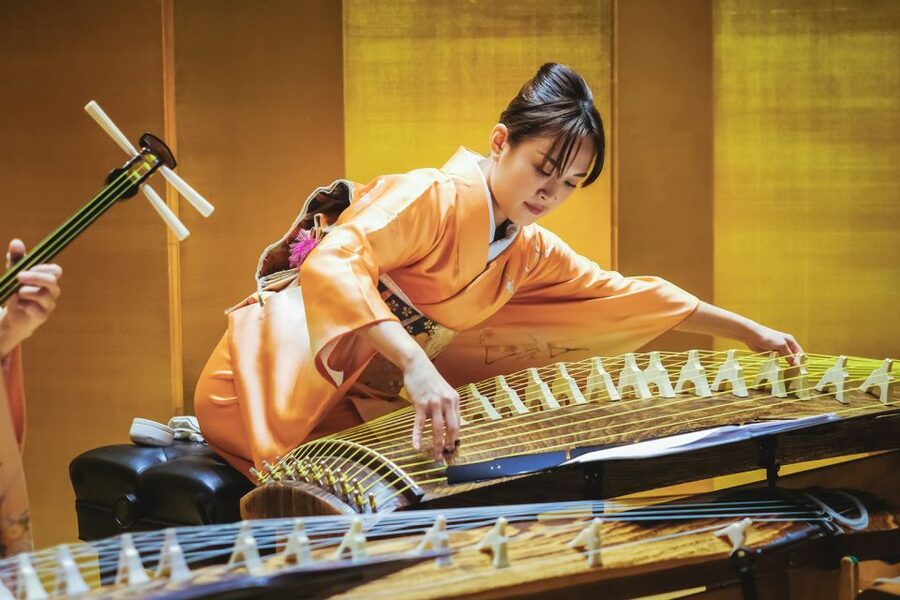
A concert without context can still be beautiful, but you may remember only a general impression. Here, the host explains the instruments, the music, and the background of the pieces. The presentation has been praised for covering how instruments work, how they are made, and how they developed.
That information changes the way you listen. You begin to separate the plucked strings from the breath of the flute, or notice how the drum alters the pace and weight of the music. You also get a better sense of why these instruments remain useful today.
The English translation is a practical strength. You do not need Japanese to follow the show, and the host keeps the explanations clear for an international audience. The translation also makes the concert less formal. You can concentrate on the performers instead of trying to work out what is happening around you.
This is not a full university course in Japanese music. The program lasts only an hour, so each explanation must be concise. Still, it gives you enough background to continue exploring on your own, or simply to get more from the sound in front of you.
More Shows & Performances in Tokyo:
- Tokyo: Sumo Show Experience with Chicken Hot Pot and a Photo
★ 4.8 · 6,678 reviews - Tokyo: Sumo Show and Dining Experience
★ 4.8 · 2,742 reviews - the SUMO show
★ 5.0 · 1,960 reviews - Tokyo Shinjuku Sumo Show & Experience with Photo
★ 5.0 · 1,750 reviews
Photos, videos, and time with the musicians
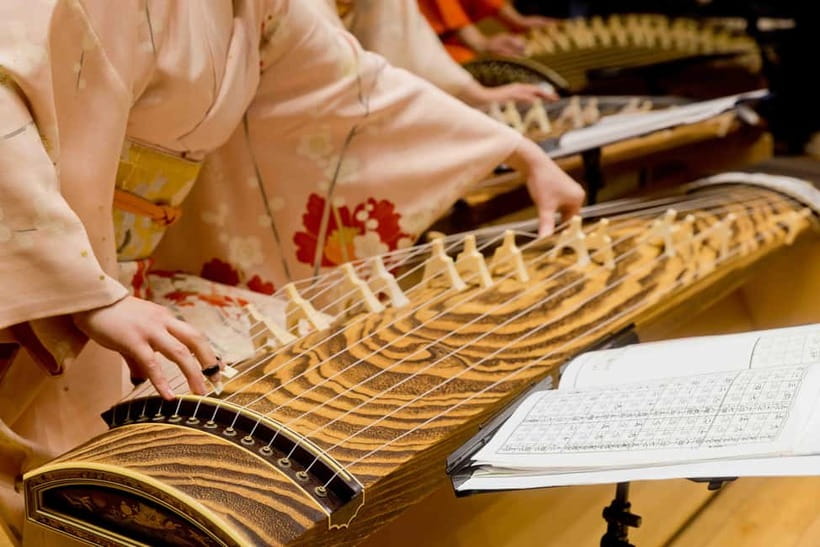
You can take photos and videos during the show. That is useful if you want a record of the instruments, the performers’ technique, or the moment a familiar song takes on a Japanese sound. If you plan to record, keep your phone from blocking the view of the small audience behind you.
After the concert, you can take photos beside the musicians. This short meeting is a nice closing touch because the program has already introduced the performers and their instruments. You are not just watching anonymous figures on a stage. You have heard what each musician plays and can connect the person with the sound.
The photo opportunity may be especially valuable for families and younger visitors. It gives children a simple way to interact with the performers after sitting quietly through the concert. It also makes the experience feel more personal than a standard ticketed show.
Do not expect a long meet-and-greet, food service, or merchandise program. Food and drinks are not included, and merchandise is not part of the ticket. Think of the after-show photo as a brief add-on to the music, not a separate event.
A practical Harajuku plan
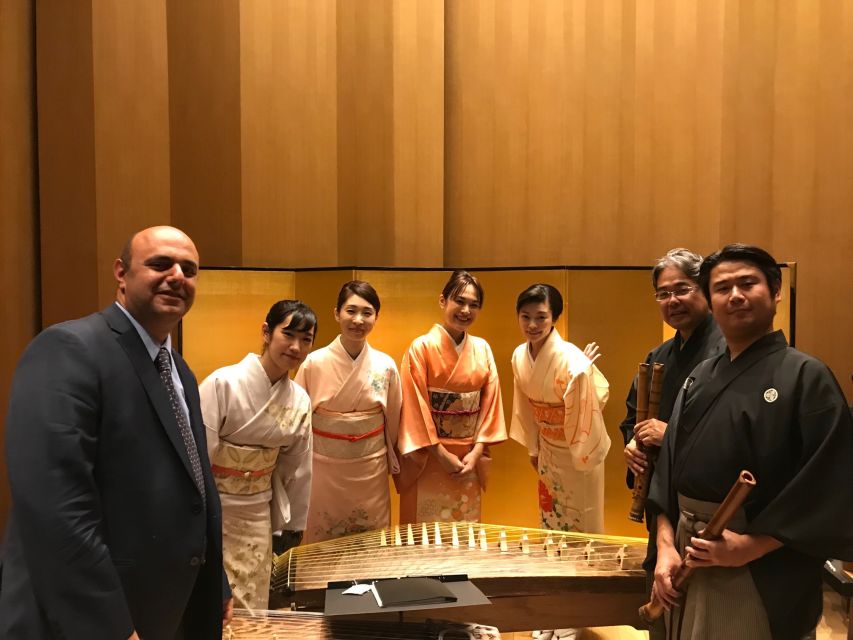
The venue is Hall 60, a short walk from two convenient stations. From Meiji-Jingumae Station, use Exit 7 and allow about one minute. From JR Harajuku Station, use the Omotesando Exit and allow about five minutes.
This location makes the concert easy to combine with time in Harajuku. You can schedule the show before or after shopping, visiting nearby streets, or meeting friends in the area. Because the concert lasts one hour, it fits neatly into a day that already includes other Tokyo sights.
The ticket includes entry, a reserved seat, and the one-hour concert program. There is no hotel pickup or drop-off, so you make your own way to Hall 60. That is not a serious drawback in central Tokyo, especially with the two nearby stations, but you should allow enough time to find the hall rather than arriving at the last minute.
The small audience and numbered seating are useful advantages. You do not need to compete for a good place once inside, and you can pay attention to the musicians instead of watching for an open seat. Check the available starting times when booking, since the schedule can affect how well the show fits your day.
Is $38 a fair price?
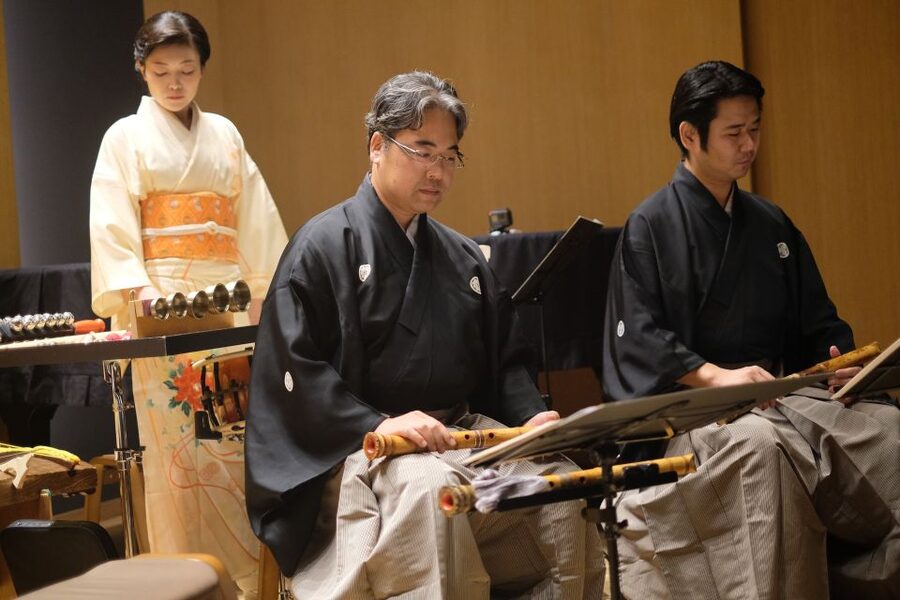
At $38 per person, this is not the cheapest way to hear music in Tokyo. It is also more than a casual street performance or a short cultural demonstration. The value comes from combining a live concert, reserved seating, English explanation, several instruments, and the chance to take photos with the musicians.
For a first introduction to Japanese traditional music, the price is reasonable. You receive a focused hour rather than spending an entire evening on a style you may not yet understand. The host’s explanations add real value because they help you distinguish the instruments and understand the choices behind the pieces.
The price is less appealing if you want a long concert with a large orchestra, elaborate staging, or a full meal. None of those are part of the experience. You are paying for close access, clear interpretation, and a compact program that introduces several sounds.
I would especially consider it good value for couples, families with older children, and anyone with limited time in Tokyo. The show gives you something distinctly Japanese without requiring a full evening or a long journey across the city.
Who will enjoy this most?
You should consider booking if you like live music but do not know much about Japanese instruments. The host gives you enough information to feel oriented, while the musicians provide the part that cannot be learned from a museum display or guidebook.
It also suits anyone looking for a cultural activity that works in English. The show is designed for Japanese and international audiences, and the bilingual presentation removes one of the main barriers to enjoying traditional music.
Families can benefit from the short running time and the permission to take videos and photos. Teenagers who might resist a long formal concert have the modern selections, the western cover, and the chance to meet the musicians afterward.
You may want to skip it if your main goal is a large-scale theater spectacle or an extended traditional recital. The intimacy is the point, and the one-hour format means the experience moves quickly. You will get an introduction with live music, not an exhaustive survey of Japanese performance traditions.
Booking and timing tips
Cancellation is free up to 24 hours before the activity for a full refund. You can also reserve now and pay later, which helps if your Tokyo schedule is still changing.
The show is wheelchair accessible. English and Japanese are the available languages, and an English-speaking host or greeter is provided.
I would arrive with enough time to locate Hall 60 and settle into the numbered seat. Since the audience is small and the program begins on time, rushing in from another sight may take away from the calm start of the performance.
Should you book the ZAKURO SHOW?
Book it if you want a friendly, close-up introduction to Japanese music rather than a grand concert production. The strongest parts are the talented musicians, the clear bilingual explanations, the range from koto and shamisen to shakuhachi and taiko, and the unusual western cover.
The main limit is simple: one hour goes quickly. But that compact length is also why the show fits so well into a busy Tokyo itinerary. At $38, you are paying for a focused cultural experience with a reserved seat and personal contact, not just a performance from a distance.
For a first look at wagakki, especially near Harajuku, I would put this on your short list. Go ready to listen closely, take a few photos, and enjoy the surprise when an old Japanese instrument turns up in a tune you already know.
FAQ
Where does the Japanese Traditional Music Show take place?
The show takes place at Hall 60 in Tokyo. Meiji-Jingumae Station Exit 7 is about a one-minute walk away, and JR Harajuku Station’s Omotesando Exit is about a five-minute walk.
How long is the concert?
The concert program lasts one hour.
What instruments are performed?
The program features the koto, described as a Japanese harp, shamisen, shakuhachi flute, and taiko drums.
Is the show presented in English?
Yes. The show operates in English and Japanese, with an English and Japanese host or greeter. The host explains the instruments and provides translation during the program.
Can I take photos or videos?
Yes. Photos and videos are allowed during the show. You can also take photos with the musicians afterward.
Is seating reserved?
Yes. Your ticket includes a reserved, numbered seat.
What does the ticket include?
The ticket includes entry to the venue, a reserved seat, and the one-hour concert program. Food, drinks, merchandise, and hotel transportation are not included.
Can I cancel my booking?
Yes. You can cancel up to 24 hours in advance for a full refund. A reserve-now, pay-later option is also available.
Just added around Tokyo
- Kawagoe Japanese Food Tour : Unagi Kaiseki and Sake near Tokyo★ 5.0 · 30 reviews
- Kawagoe 4hr Private Tour with Licensed Guide (Kawagoe Dep)★ 5.0 · 13 reviews
- Little EDO Sushi Making workshop in Kawagoe★ 5.0 · 18 reviews
- 【R34】Tokyo:Private Daikoku tour in Modified R34★ 4.9 · 92 reviews
- :Tokyo,Shibuya/ Pro Photography in Kimono / English-Friendly★ 5.0 · 26 reviews
- Tokyo:Celebrate Unique Japanese New Year Tradition Festivity★ 3.9 · 20 reviews
- Tokyo: Allstar Food Tour★ 4.7 · 29 reviews
- Tokyo: West-Side Cycling and Food Tour with Guide★ 5.0 · 37 reviews
Taiko & Traditional Music, compared.

Mt Fuji & Hakone Cruise, Drum Show Bullet Train 1 Day from Tokyo
Our verdict →
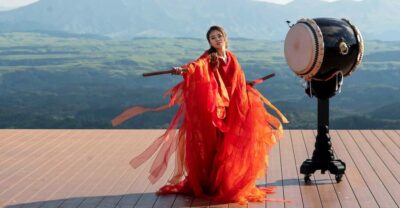
Open-air theater “Tao- no-Oka” Drum TAO Live performance
Our verdict →

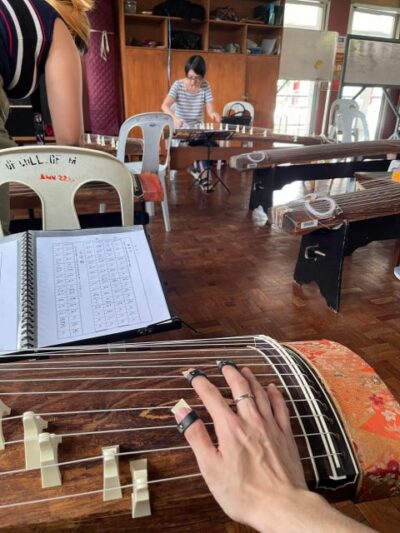
Experience the Soul of Hiroshima: A Peaceful Koto Workshop
Our verdict →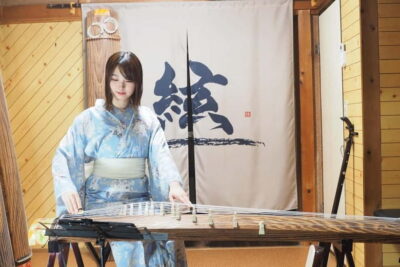
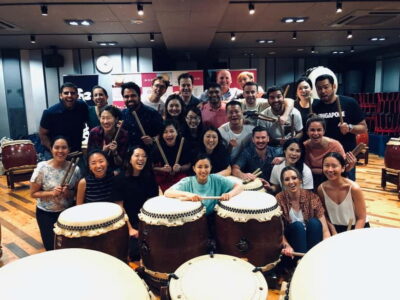
Tokyo’s Authentic and Finest Taiko Drumming Experience
Our verdict →Browse the lists this tour appears in