
Reviewed · SAKE TASTING
Hiroshima: Saijo Sake Tasting at 7 Breweries Guided Tour
Saijo’s sake district gives you something better than a single tasting room: a short, walkable tour through a town shaped by brewing. In two hours, you visit up to seven breweries, taste a range of sake, and learn why Saijo became one of Hiroshima’s best-known brewing centers.
I like the easy meeting point at Saijo Station and the chance to compare several local producers in one outing. I also like the human touch: guides including Gordon, Ami, Kiyoshi, and Ron have helped visitors understand sake, Japanese history, food, and even local restaurant choices. The main consideration is that the tour does not always show active brewing, and the number of open breweries can change on the day.
Key points to know before booking
- Seven breweries in one compact district: Most stops are close together, making the tour feel like a town walk rather than a series of long transfers.
- Saijo sake has a gentle style: Expect clean, mellow flavors with a soft sweetness that works well with food.
- English-speaking guides add local context: Gordon, Ami, Kiyoshi, and Ron have each led tours praised for clear explanations and warm conversation.
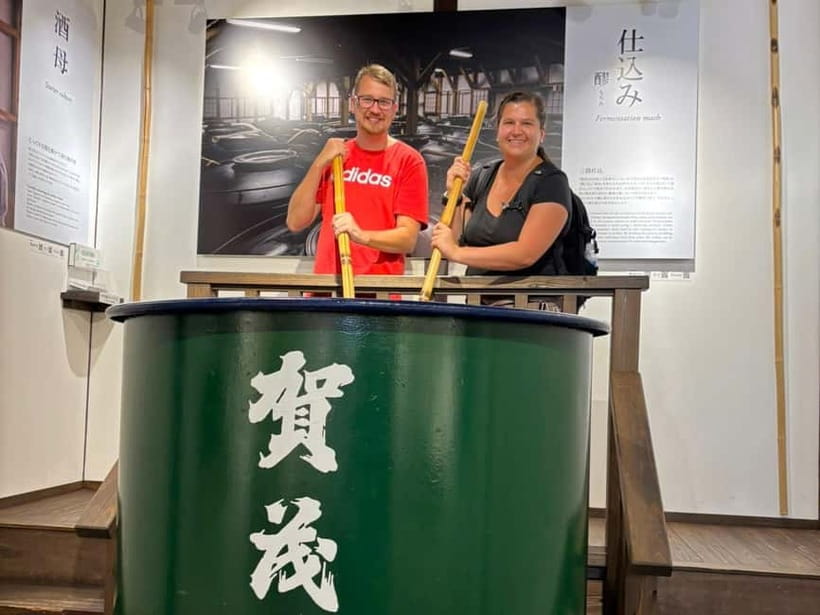
- Kamotsuru gives you a useful introduction: The brewery visit includes guided information and tasting, though part of the brewing explanation may come through a video rather than a look inside active production.
- The tasting pace is brisk: Seven stops in two hours means short visits, often from five to 20 minutes.
- Plan for alcohol, not a full meal: Eat beforehand, carry water, and wear comfortable shoes.
Why Saijo is a smart place to learn about sake
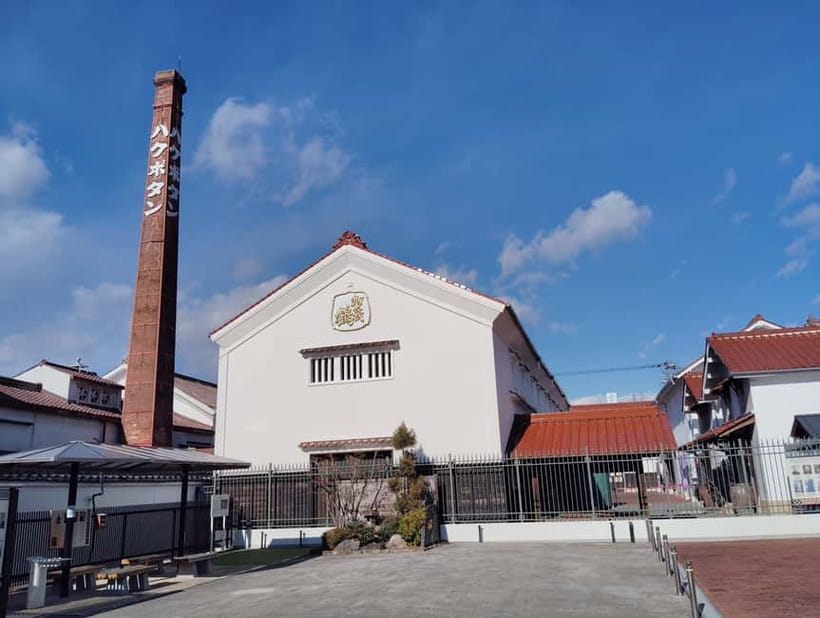
Saijo is in Hiroshima’s Chugoku Region, facing the Sanyo Expressway and blessed with good water. Those conditions helped brewing take hold, while the arrival of the railroad gave local producers a way to send sake across western Japan and overseas.
That background matters because this is not simply a pub crawl. The town’s layout, transport links, and water supply all help explain why breweries gathered here and why Saijo remains tied so closely to sake.
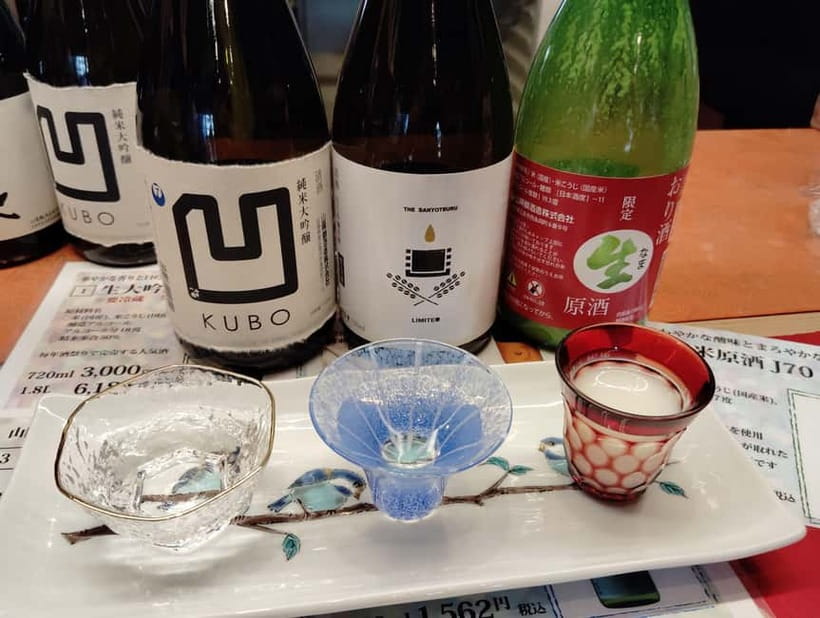
The local style is described as clean and gently sweet. You may notice that it feels mellow rather than sharp, with a profile suited to many foods. That makes the tour a good choice if you are new to sake and want a friendly introduction instead of a lesson built around technical terms.
You will still taste differences from bottle to bottle. The point is not to decide that all sake tastes the same. It is to notice how aroma, sweetness, smoothness, and finish shift from one producer to another.
More Sake Tastings in Hiroshima:
- Hiroshima Saijo Sake Tasting Tour with visit to 7 Breweries
★ 5.0 · 104 reviews - Kyoto Night Foodie Tour in Gion (9+ dishes + 6 Sake tastings)
★ 5.0 · 1,762 reviews - 1-Day Snow Monkeys, Zenko-ji Temple & Sake in Nagano
★ 5.0 · 1,020 reviews
Meeting your guide at Saijo Station
The tour begins in front of the ticket gate at Saijo Station. Look for the guide holding a yellow sign with the DeepExperience logo.
This is a practical meeting point, but arrive with enough time to find the ticket gate without rushing. One person had to wait at the station and contact the company shortly before the start because the guide’s exact arrival timing was unclear. A simple message from the operator about when the guide would appear would make this easier, so if you arrive early, wait by the stated meeting point and keep your phone available.
The station start also makes the tour easy to fit into a day trip from Hiroshima. You do not need to arrange a complicated pickup, and you finish back at Saijo Station after the brewery walk.
The experience is offered as a private or small-group tour. That matters here. A small group gives you more time to ask what a particular sake is like, how it is made, or which bottle might suit a meal. It also lets the guide adjust the pace when a brewery is busy or a local event changes the normal route.
Kamotsuru Brewery and the first taste
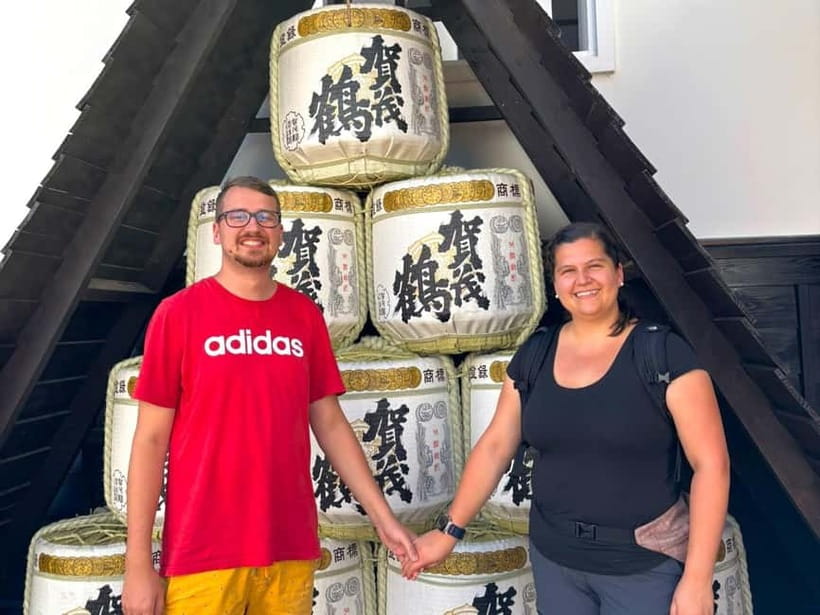
Kamotsuru is one of the named stops and receives the longest scheduled visit, about 20 minutes. That makes it a natural anchor for the tour.
You can expect a guided introduction, information about sake making, and tasting. The stop helps set up the rest of the walk because you begin with a basic idea of the brewing process before comparing other producers.
Keep your expectations realistic about what guided tour means here. The experience may include a video in a shop or museum area rather than a view of workers actively brewing. If you want a behind-the-scenes production visit with tanks and staff at work, this may feel limited.
Still, the explanation has value. You can ask questions at the start, then use the answer as a reference point at later breweries. Sake can seem mysterious when you only see finished bottles. Hearing the basic process and then tasting different results gives the rest of the afternoon a clear purpose.
The first tasting is also a good moment to slow down. Do not race through the opening pour just because several more stops are ahead. Notice whether you find the sake sweet, dry, light, mellow, or full on the tongue. That first impression gives you something to compare later.
The remaining six breweries
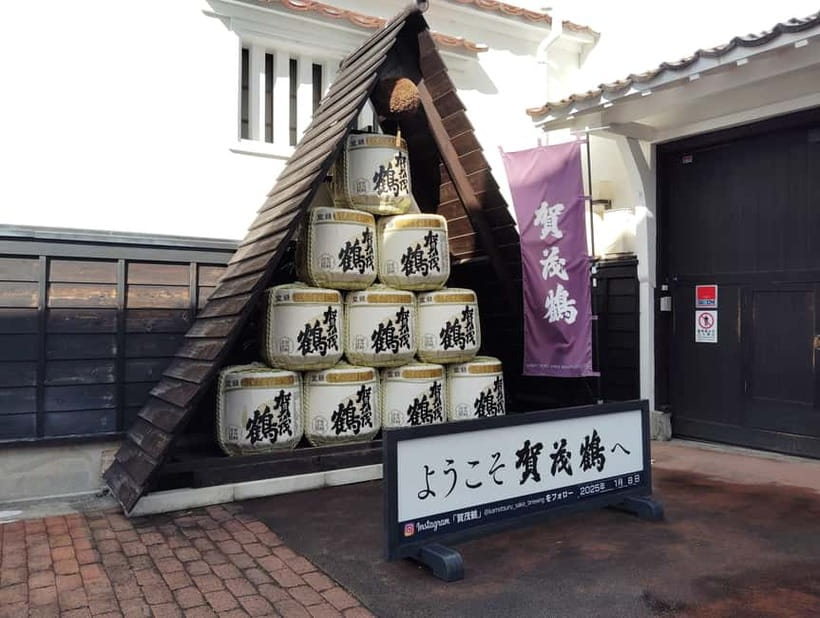
After Kamotsuru, the route includes six more brewery visits, generally lasting five to 10 minutes each. Several breweries are clustered near one another, so the walking is manageable and the district feels connected.
The exact order and number of open stops can change with brewery operating conditions and the tasting options available that day. The advertised plan includes seven breweries, but you should treat that as the intended range, not an absolute promise.
That flexibility is sensible. Breweries have their own opening hours, events, and production schedules. A guide may need to adjust the route, shorten a stop, or make the most of the places open that day. One tour was adapted around a local festival, while another had to work around opening times after a timing problem.
The short visits create a useful rhythm:
- One stop may give you a new taste.
- The next may add a bit of local history.
- Another may offer a different setting or producer story.
- Your guide connects those pieces as you walk.
Do not expect each brewery to offer a long formal presentation. The value comes from the comparison across several places. You taste, listen, walk, and taste again. By the final stop, you have a better sense of what you like than you would after sampling one producer alone.
The route lists tasting periods of 10 minutes, five minutes, five minutes, 10 minutes, and 10 minutes after the longer Kamotsuru visit. In practice, these are brief encounters. If you enjoy asking detailed questions, a private or very small group is the better fit.
More Sake Breweries in Hiroshima:
- 3-Hour Kyoto Insider Sake Brewery Tour with Tastings & Pairings
★ 5.0 · 917 reviews - Arashiyama Bamboo, Temple, Monkeys, or Secret Sake Brewery
★ 4.8 · 886 reviews - Kyoto: Insider Sake Brewery Tour with Sake and Food Pairing
★ 5.0 · 704 reviews - Kyoto Sake Brewery & Tasting Walking Tour
★ 5.0 · 623 reviews
What the sake tastes like
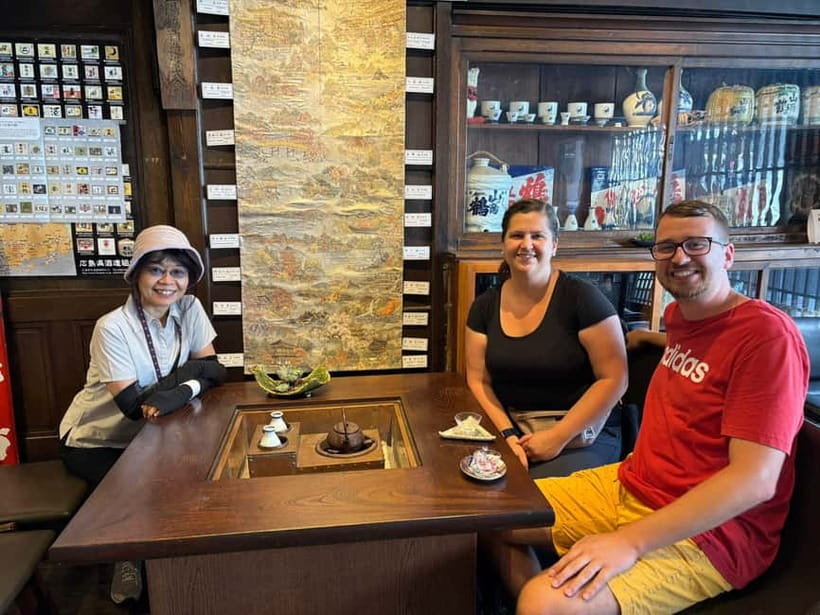
Saijo sake is known for a clean, gentle sweetness and a mellow finish. That does not mean every pour will be sweet in the same way. The tour is designed to show you a variety of sake types and help you identify your own favorite.
I recommend using the tasting as a comparison exercise rather than trying to remember every label. Pay attention to simple things:
- Does the sake feel soft or crisp?
- Is the sweetness clear, faint, or balanced by a dry finish?
- Does the flavor disappear quickly or linger?
- Would you want it with food?
The local profile is especially useful for people who are unsure about sake. Its gentle character can feel approachable, and its compatibility with meals gives you a practical way to think about it. You are not only tasting a drink in isolation. You are learning how it might work at dinner.
The tour also gives you a chance to discover that your favorite bottle may not be the one with the strongest flavor. Some people prefer a clean, quiet style. Others may like something with more aroma or a fuller finish. The only reliable way to find out is to compare several.
Guides who make the difference
The strongest part of this experience is the guide. Several guides have been praised for being friendly, flexible, and easy to talk with.
Gordon is noted for taking groups to seven breweries and speaking Japanese fluently. That language ability can help when talking with brewery staff or other people in the district. He has also helped visitors with local food plans, including pointing one group toward an okonomiyaki restaurant and interpreting during the meal.
Kiyoshi is described as warm, clear in English, and able to explain brewing methods, flavor profiles, and local stories in an accessible way. He also adjusted the route for a festival, which shows the benefit of having a guide rather than following a fixed list of tasting rooms alone.
Ami has been praised for answering questions, keeping the mood light, and making the tour work well in rainy weather. Ron helped make the most of a shortened schedule by fitting the open breweries into the available time.
These details tell you what kind of guide-led experience to expect. It is not only a lecture about rice and fermentation. The conversation may move into Japanese culture, local food, city history, or practical advice for the rest of your trip.
That personal element is especially useful if you want more than alcohol samples. You can ask about what you are tasting in plain English, then ask a follow-up about restaurants, festivals, or the town itself.
The pace, the practical details, and the limits
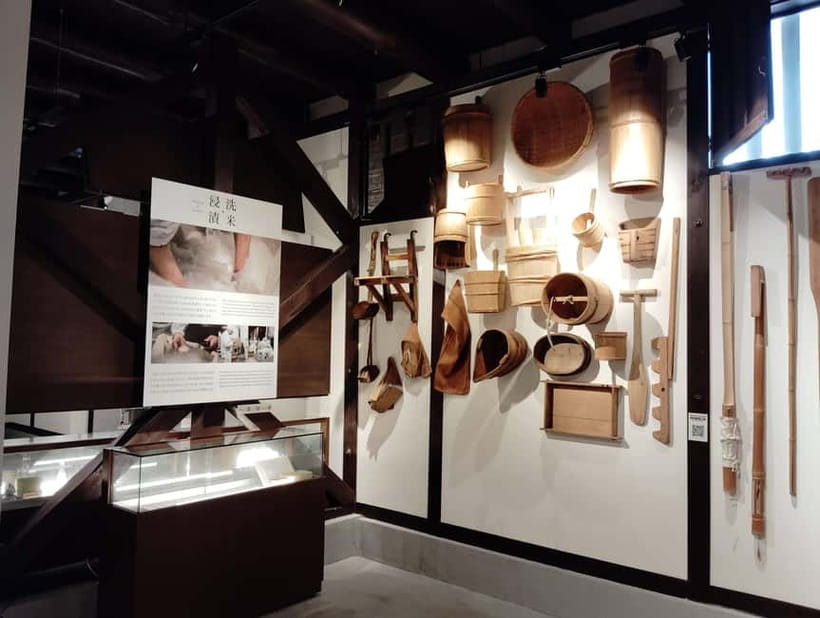
Two hours sounds generous until you divide it among seven breweries. The schedule is active, with a short introduction, walking, tasting, and repeated explanations. You will get breadth rather than a slow, detailed look at each brewery.
Eat a solid breakfast or meal before you arrive. One person specifically advised having a good foundation, and that is sensible given the number of tastings. Bring water, too. Snacks are also a good idea, since the experience itself is not presented as a food tour.
Wear comfortable shoes. The tour involves walking between breweries, and the district is best understood on foot. Bring a camera if you like recording labels, signs, or the look of the historic brewing area, but keep your hands free enough to walk and taste comfortably.
Pregnant women should not book this activity because it includes alcohol tasting.
The tour is conducted in English and costs $90 per person. The price is reasonable if you value a guide who can explain the town, translate when useful, organize several stops, and help you compare sake in a short visit. It is less appealing if you only want to buy a bottle or sample one producer, since you could spend less time and money doing that on your own.
The small-group format improves the value. With fewer people, you can ask questions and receive more personal help choosing sake. A private group may also make the afternoon feel more like a custom walk than a standard tasting circuit.
Who will enjoy this Saijo afternoon
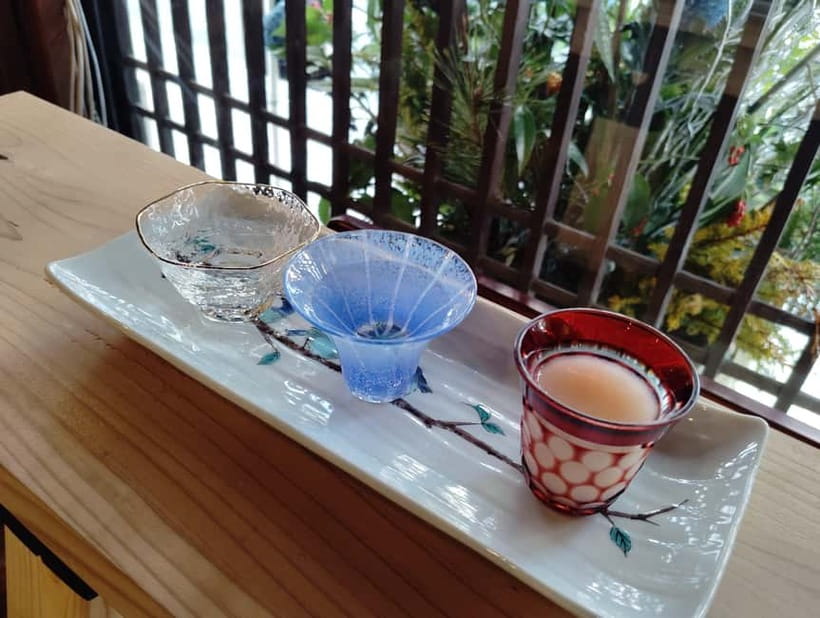
I would choose this tour for a first-time sake drinker who wants structure. You do not need to know the difference between sake styles before arriving. The guide gives you a starting point, and the repeated tastings make the differences easier to grasp.
It also suits food-focused visitors. Saijo’s gentle, meal-friendly style gives you a useful connection between the drink and Japanese dining. If you already know you enjoy okonomiyaki, local dishes, or regional ingredients, the guide may add helpful food suggestions.
History fans should enjoy the town context, especially the explanation of how water, the Sanyo Expressway, and the railway helped Saijo grow as a brewing center. Just keep your expectations in check. This is a tasting walk, not a full museum tour.
The experience is less suitable if you want to see active brewing in detail. At least one stop uses a video in a shop or museum area instead of showing the production floor. It is also not ideal if you dislike a brisk schedule or prefer to taste slowly in one quiet place.
Rain does not ruin the plan, since the route includes indoor brewery stops, but comfortable shoes and water remain useful in any weather.
Booking flexibility and timing
You can cancel up to 24 hours before the start for a full refund, and you can reserve now and pay later. Those options help if you are building a wider Hiroshima itinerary and are not yet sure which day you will spend in Saijo.
Check the available starting times when booking. The activity lasts two hours, but the exact brewery access depends on the day. Festivals, opening hours, and operating conditions can affect the route.
The tour returns to Saijo Station, which keeps the logistics simple. You begin and end in the same place, rather than having to find your way to a different neighborhood after drinking.
Should you book the Saijo sake tour?
Book it if you want a friendly, guided introduction to sake and a taste of Saijo beyond Hiroshima’s central sights. The strongest reasons are the seven-stop format, the compact brewery district, the clear English guidance, and the chance to ask local questions along the way.
I would be especially happy booking with a small group and a guide such as Gordon, Kiyoshi, Ami, or Ron. Their ability to explain sake in plain terms and add local food and culture makes the $90 easier to justify.
Skip it if your main goal is to watch sake being produced inside an active brewery, or if you prefer one long tasting with plenty of time between pours. For everyone else, this is a practical two-hour outing with enough variety to help you find a style you actually like.
FAQ
Where does the tour begin?
Meet your guide in front of the ticket gate at Saijo Station. The guide will hold a yellow sign with the DeepExperience logo.
Where does the tour end?
The tour returns to Saijo Station.
How long does the activity last?
The tour lasts two hours.
How many breweries does the tour visit?
The tour is designed to visit seven sake breweries in Saijo, including Kamotsuru Brewery.
Can the number of breweries change?
Yes. The number of breweries and the length of each visit can vary according to brewery operating conditions and the tastings available that day.
Is the tour conducted in English?
Yes. The tour has a live English-speaking guide.
Is this a private tour?
Private and small-group options are available.
What should I bring?
Bring comfortable shoes, a camera, and water. Snacks are also sensible because the tour includes several tastings.
Is the activity suitable for pregnant women?
No. Pregnant women should not join because the experience includes sake tasting.
Can I cancel for a refund?
You can cancel up to 24 hours in advance for a full refund. You can also reserve now and pay later.
More Food & Drink in Hiroshima
- Hiroshima: Food and Culture Guided Walking Tour with Dinner
★ 4.9 · 212 reviews - All-inclusive Hiroshima Nighttime Food and Cultural Immersion
★ 4.5 · 60 reviews - Best of Hiroshima Food Tour
★ 5.0 · 32 reviews - Tokyo: Shinjuku Food Tour (13 Dishes at 4 Local Eateries)
★ 5.0 · 6,603 reviews
More Drinking Tours in Hiroshima
- Hiroshima Izakaya Food and Drink Night Tour
★ 5.0 · 297 reviews - Tokyo Bar Hopping Tour in Shinjuku (All-You-Can-Drink + Dinner)
★ 5.0 · 3,587 reviews - Best of Shinjuku: Izakaya Food Tour (4 Stops, 14+ Tastings)
★ 5.0 · 1,863 reviews - Tokyo: Shinjuku Local Bar and Izakaya Guided Walking Tour
★ 4.9 · 1,794 reviews
Just added around Hiroshima
- Full Day Hiroshima and Miyajima Tour by Bullet Train from Kyoto★ 4.5 · 120 reviews
- The Peace Memorial to Miyajima : Icons of Peace and Beauty★ 4.5 · 31 reviews
- Hiroshima Saijo Sake Tasting Tour with visit to 7 Breweries★ 5.0 · 104 reviews
- Shore Excursion from Hiroshima Port : Private Tour in Hiroshima★ 5.0 · 17 reviews
- Okunoshima Rabbit Island Cycling Tour with Local Guide★ 4.5 · 17 reviews
- Hiroshima & Miyajima All-Inclusive Tour w/Licensed guide Pancho★ 5.0 · 54 reviews
- Private Full Day Hiroshima Tour★ 4.5 · 29 reviews
- Hiroshima Private Tour with a Local – Highlights & Hidden Gems★ 4.5 · 24 reviews
Sake Tasting, compared.
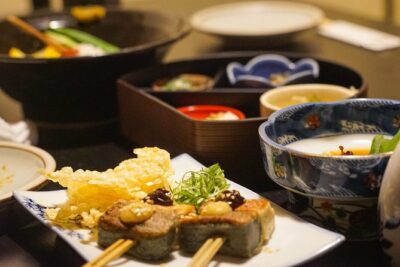
Kyoto Night Foodie Tour in Gion (9+ dishes + 6 Sake tastings)
Our verdict →
1-Day Snow Monkeys, Zenko-ji Temple & Sake in Nagano
Our verdict →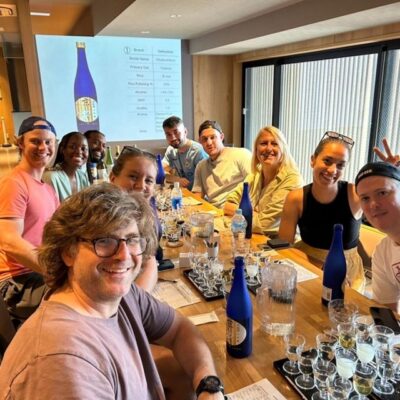
Insider Sake Brewery Tour with Sake and Food Pairing
Our verdict →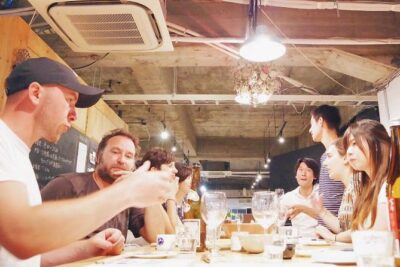
Sake Tasting Masterclass in Shinjuku (8+ Varieties with a Pro)
Our verdict →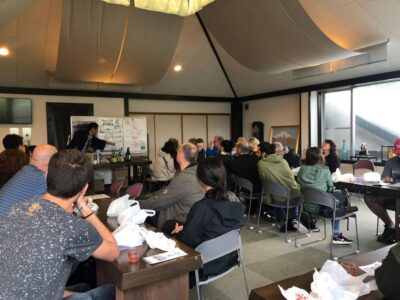
Browse the lists this tour appears in