
Reviewed · FOOD & DRINK
All-inclusive Hiroshima Nighttime Food and Cultural Immersion
Hiroshima’s best evening food experience may begin with a simple walk through Hon Dori Shotengai and end in a tiny bar you would never have entered alone. This tour links three local food stops with drinks, conversation, and a look at how Hiroshima people spend an ordinary night out.
I like two things here. First, your guide chooses the food and venues, so you can try dishes that are hard to find through a standard guidebook. Second, the three-stop format gives you variety: sushi, fried foods, soup, eggs, squid, okonomiyaki, and other local dishes may appear along the way. The main caution is important: at least some stops are standing bars, so this is not a relaxed sit-down dinner at three formal restaurants.
Key points to know before booking
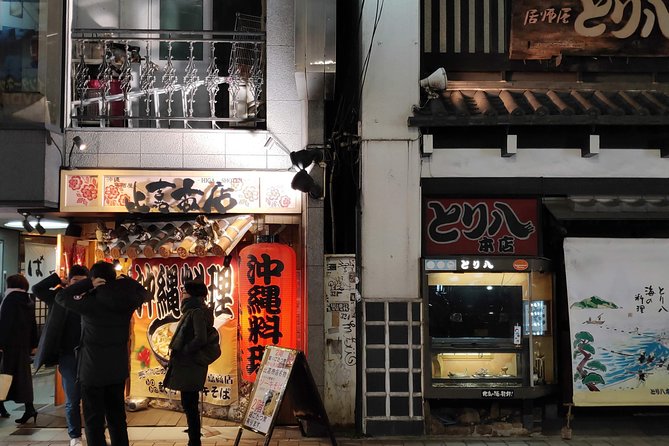
- Three stops in Hon Dori Shotengai: You visit three standing bars or small local restaurants during one three-hour evening.
- A full dinner is included: The package covers three food selections and three alcoholic or non-alcoholic drinks.
- Guides do the local legwork: Ken, Kensuke, Alex, Trevor, Kevin, and other guides have taken groups to places that can be difficult to find or enter without Japanese help.
- Standing and eating is part of the experience: You may sit at some stops, but the tour is not designed as a traditional seated meal.
- Dietary needs can be discussed: The operator says food requirements can be accommodated when you tell the guide.
- Private group format: Only your own group participates, with a start at 6:30 pm and a return to the meeting point.
Three small food stops instead of one big restaurant
The evening starts at 5-3 Shintenchi, Naka Ward, in front of Tiffany’s. From there, the route moves into Hiroshima Hon Dori Shotengai, a covered shopping district that also works as a practical gateway to the city’s nighttime food scene.
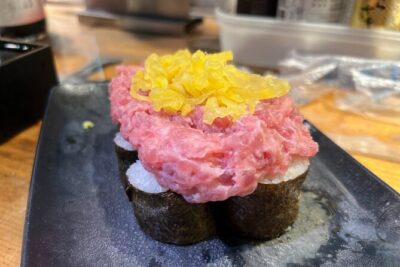
The key idea is variety. You do not spend three hours at one restaurant waiting between courses. You make several short visits, order food and drinks at each, and see different kinds of local places. One stop may feature sushi, another fried food or soup, and another a bar snack or a dish you might not recognize at first glance.
Past food tours often leave you full but not very aware of the city around you. This one uses dinner as a reason to walk, look around, and ask questions. Your guide can explain what you are eating, how locals use the venue, and how to order without guessing at a menu.
The route also includes places that are not strictly about food. These small local details help you understand how the shopping district changes after dark. Do not expect a grand parade of sights. The appeal is quieter and more everyday: narrow streets, casual bars, and the feeling of seeing Hiroshima from the inside rather than from a sightseeing bus.
More Night Tours in Hiroshima:
- Hiroshima Izakaya Food and Drink Night Tour
★ 5.0 · 297 reviews - Night Walk in Gion: Kyoto’s Geisha District
★ 4.5 · 2,003 reviews - Kyoto Gion Night Walk & Geisha District Guided Tour
★ 5.0 · 786 reviews
Why the guides matter so much
The guide is the main reason to book this experience instead of simply walking into restaurants on your own. Ken is frequently praised for his warm manner, careful questions, and ability to make a group feel comfortable. Kensuke has also been singled out for handling an allergy without taking away from the evening.
Alex has led groups to small places that are easy to miss, including restaurants that would not normally appear in an English-language search. Trevor has been praised for explaining food and customs, choosing unusual dishes, and helping visitors speak with people at a local bar. Kevin has also guided groups through izakaya where the food, drinks, and friendly atmosphere are central to the night.
Guide assignments can vary, so you should not book on the assumption that one named person is guaranteed. Still, the repeated praise for several guides points to a useful pattern: the experience depends less on a fixed menu than on the person leading you through Hiroshima.
A good guide does three practical jobs. First, the guide finds the places. Second, the guide helps order and explains unfamiliar food. Third, the guide can bridge the language gap when local people strike up a conversation. That last part can be the difference between eating in a bar and actually feeling connected to the room.
What three included drinks really mean
Three drinks are included, and you can choose alcoholic or non-alcoholic options. That makes the tour workable for people who want to drink sake or beer, as well as those who prefer soft drinks.
The drinking is part of the social rhythm, not an optional extra added to a food walk. The venues are described as standing bars and izakaya-style local places, where a drink often comes with small dishes and conversation. If you enjoy trying regional drinks, this is a useful way to sample without ordering a full bottle or guessing what is appropriate.
You should also be clear about the tone. One very negative assessment described the evening as more of a drinking event than a food tour and found two of the three food stops disappointing. That criticism is worth taking seriously. The tour includes food, but alcohol and bar culture are central to the experience. If you want a serious culinary lesson, a market tour, or a carefully planned tasting menu, this is probably not the right format.
The minimum drinking age in Japan is 20. Participants do not have to drink alcohol, but everyone must be at least 13 years old to join.
Food variety, from okonomiyaki to unfamiliar bar dishes
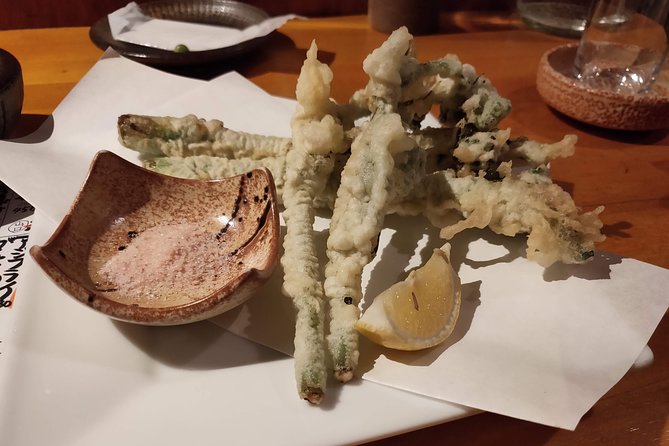
You are promised three different foods, not a printed list of exact dishes. That flexibility lets the guide choose what suits the evening and the group, but it also means you should expect some variation.
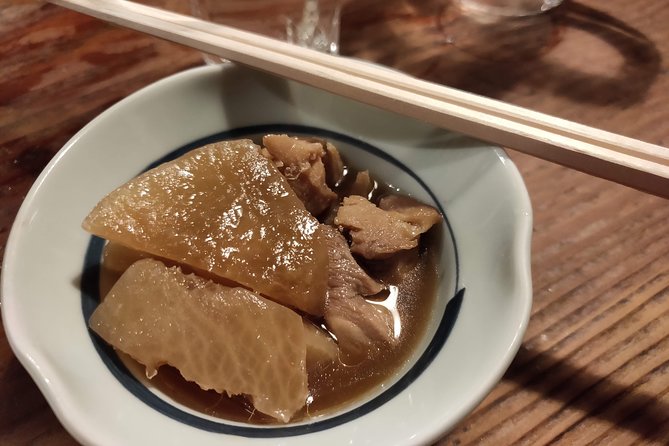
Specific dishes mentioned by people who took the tour include sushi, different fried foods, soup, eggs, two preparations of squid, gansu, red eyes, and okonomiyaki. Gansu is a Hiroshima-area fish cake, while red eyes is a local drink made with shochu and tomato juice. These are the sorts of choices that make the tour useful for curious eaters. You may leave with a few new favorites rather than simply checking off the most famous Japanese dishes.
Okonomiyaki can be a highlight, especially if you have not tried Hiroshima-style preparation before. It is also one of the foods visitors often want help ordering, since regional versions differ and restaurant customs may not be obvious.
The quantity appears generous. Several groups found that the food added up to a full dinner, with one person describing it as roughly three meals sampled within one evening. That is good value if you arrive hungry, but do not eat a large meal just before meeting the guide. With three food stops and three drinks, you may be surprised by how full you feel at the end.
More Food & Drink in Hiroshima:
- Hiroshima: Food and Culture Guided Walking Tour with Dinner
★ 4.9 · 212 reviews - Hiroshima Saijo Sake Tasting Tour with visit to 7 Breweries
★ 5.0 · 104 reviews - Best of Hiroshima Food Tour
★ 5.0 · 32 reviews - Hiroshima: Saijo Sake Tasting at 7 Breweries Guided Tour
★ 4.8 · 29 reviews
Standing bars, local access, and comfort
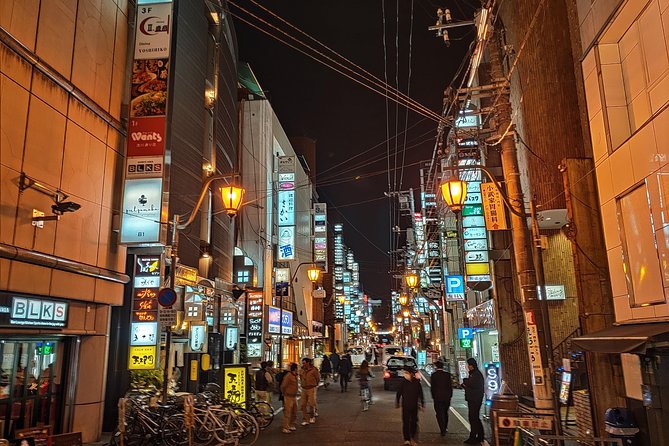
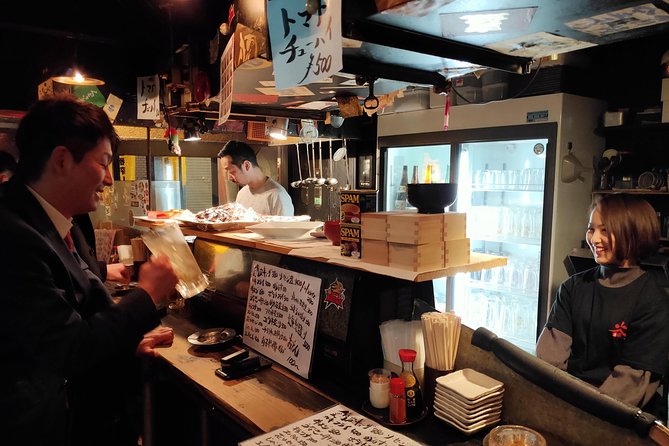
The most important practical detail is in the name of the type of venue: standing bars. At least one participant felt the description did not make this clear enough. The operator explains that these places are typical in Japan and that at least one stop is generally seated, but you should still expect some time standing while eating and drinking.
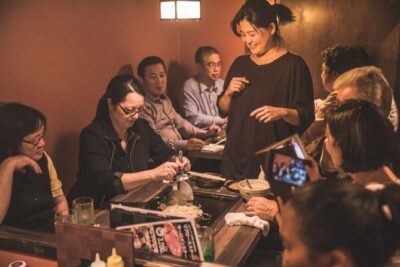
For many people, that is the best part. Standing bars are casual and social. They can be small, busy, and less intimidating when a local guide handles the ordering. You may get a chance to chat with people nearby, with the guide translating when needed.
For others, standing for a large portion of dinner could be tiring. This matters for anyone with mobility concerns, young teenagers, or a strong preference for table service. The activity allows participants aged 13 and older, but the evening is designed around local nightlife rather than a family restaurant.
The walking itself is part of getting from one stop to the next and finding your way through the city after dark. The meeting point is near public transportation, and the tour ends back where it begins. You should wear comfortable shoes and keep your schedule free for the full three hours, from the 6:30 pm start.
How much value you get for $119
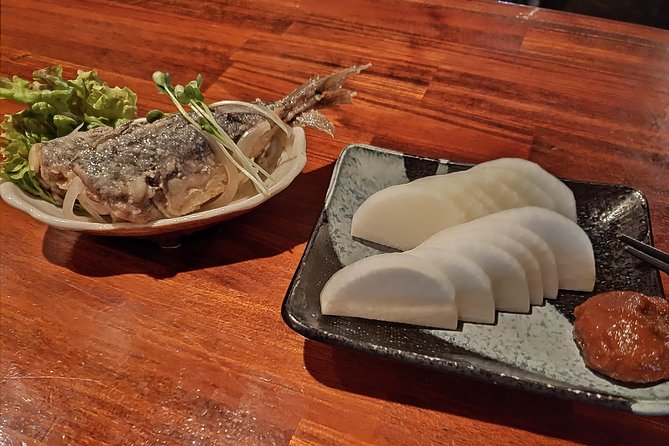
At $119 per person, this is not a cheap dinner. The price includes three food stops, three drinks, the guide, local navigation, and help with ordering. It also covers the convenience of entering places you might otherwise skip because the menu, seating rules, or doorway feels unclear.
The value is strongest for a first evening in Hiroshima. You get a meal and an introduction to the city’s casual nightlife in one booking. You also avoid spending the first hour searching online for a restaurant, finding it full, and then trying to work out what to order.
The value is weaker if you are already comfortable eating at Japanese bars, can read enough Japanese to order, and mainly want a large amount of food for the lowest possible cost. You could likely spend less by choosing one restaurant and ordering directly. The tour fee pays for access, translation, planning, and company, not only for the food on the plate.
It is also worth noting that the activity is private for your group. That can make the price easier to justify for families or friends who want their own pace and conversation. Group discounts are available, though the exact savings are not provided here.
Dietary requests and group dynamics
The operator says dietary requirements can be accommodated if you tell the guide. That is encouraging, and Kensuke is specifically praised for managing an allergy without reducing the quality of the evening.
Still, I would share your needs clearly at booking and again at the meeting point. The food is selected as the evening unfolds, and the tour visits small local venues rather than a single restaurant with a fixed allergen guide. You should explain allergies, vegetarian needs, and foods you cannot eat before the first stop.
The private format also helps with food choices. Your group does not have to negotiate with a large mixed party. A small group can tell the guide what it likes, and the guide can shape the food choices around the people present.
That does not mean every preference can be guaranteed. The experience is built around local recommendations and shared dishes, so flexibility helps. If you dislike trying unfamiliar foods or want to choose every dish yourself, you may find the guide-led format restrictive.
Who will enjoy this Hiroshima evening
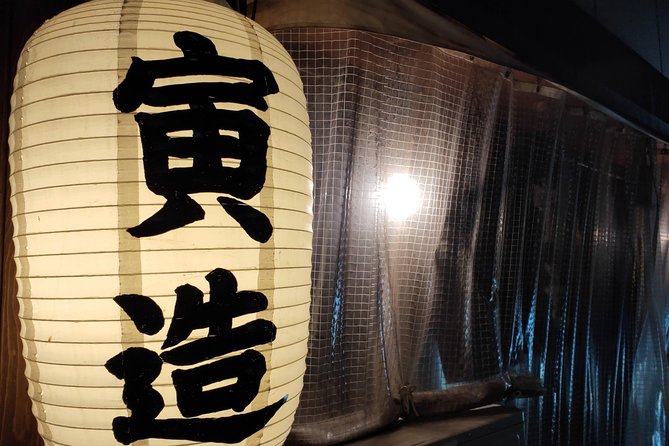
I would recommend this tour to you if you want:
- A friendly introduction to Hiroshima food and nightlife
- Small local venues rather than polished tourist restaurants
- Help with menus, customs, and ordering
- A full dinner spread across several stops
- A social evening with drinks and conversation
- An easy first-night plan in the city
It suits couples, friends, small families, and multigenerational groups. One guide successfully included grandparents, parents, and teenage grandsons, which suggests the evening can work across age groups when everyone accepts the casual bar setting.
Food lovers who enjoy surprises will get the most from it. You may try gansu, squid prepared in two ways, fried dishes, soup, sushi, or a drink such as red eyes. The point is not to predict the menu. It is to let someone with local experience make the choices.
You should skip it if you need a guaranteed seated meal, a fixed menu, a quiet setting, or a technical food lesson. You should also think twice if you dislike alcohol-centered social spaces, even though non-alcoholic drinks are available.
Booking details that affect your evening
The tour lasts about three hours and begins at 6:30 pm. You meet in front of Tiffany’s at 5-3 Shintenchi, Naka Ward, Hiroshima, and return to the same meeting point.
Confirmation is provided when you book. The activity is near public transportation, and most people can participate. All participants must be at least 13 years old, while anyone drinking alcohol must meet Japan’s legal drinking age of 20.
Free cancellation is available up to 24 hours before the start time for a full refund. Changes or cancellations made less than 24 hours before the start are not accepted or refunded. Plan carefully if your Hiroshima schedule depends on a late train, a ferry, or another evening booking.
Should you book this Hiroshima food tour?
Book it if you want a practical way into Hiroshima’s small bars and local eateries, especially on your first night. The strongest parts are the guide’s local access, the three-stop structure, the generous amount of food, and the chance to speak with people you would probably never meet on your own.
Go in with the right expectations. This is a guided night of casual eating and drinking, not a formal restaurant crawl. Some food may delight you, some may simply be fine, and standing at a bar is part of the deal.
At $119, I see the price as fair for the access and help, particularly for a private group. If your priority is low-cost dining, choose your own restaurants. If your priority is finding the sort of places you would otherwise walk past, let the guide lead the way.
FAQ
Where does the Hiroshima food tour begin?
It begins at 5-3 Shintenchi, Naka Ward, Hiroshima, 730-0034, in front of Tiffany’s.
What time does the activity start?
The start time is 6:30 pm.
How long does the tour last?
The experience lasts approximately three hours.
Where does the tour end?
The tour ends back at the original meeting point.
How many food stops are included?
You visit three different food stops in Hiroshima Hon Dori Shotengai and the surrounding local area.
How many drinks are included?
Three alcoholic or non-alcoholic drinks are included.
Do I have to drink alcohol?
No. You can choose non-alcoholic drinks instead. The minimum drinking age in Japan is 20.
What types of food might be served?
Possible dishes mentioned for the experience include sushi, fried foods, soup, eggs, squid, okonomiyaki, gansu, and other local foods. The exact choices vary.
Can dietary requirements be accommodated?
Yes. Dietary requirements can be accommodated when you tell the guide in advance.
What happens if I need to cancel?
You can receive a full refund if you cancel at least 24 hours before the start time. Cancellations or changes made less than 24 hours before the start are not accepted or refunded.
Just added around Hiroshima
- Full Day Hiroshima and Miyajima Tour by Bullet Train from Kyoto★ 4.5 · 120 reviews
- Hiroshima Saijo Sake Tasting Tour with visit to 7 Breweries★ 5.0 · 104 reviews
- The Peace Memorial to Miyajima : Icons of Peace and Beauty★ 4.5 · 31 reviews
- Shore Excursion from Hiroshima Port : Private Tour in Hiroshima★ 5.0 · 17 reviews
- Okunoshima Rabbit Island Cycling Tour with Local Guide★ 4.5 · 17 reviews
- Hiroshima & Miyajima All-Inclusive Tour w/Licensed guide Pancho★ 5.0 · 54 reviews
- Private Full Day Hiroshima Tour★ 4.5 · 29 reviews
- Hiroshima Private Tour with a Local – Highlights & Hidden Gems★ 4.5 · 24 reviews
Food & Drink, compared.
Shinjuku Food Tour (13 Dishes at 4 Local Eateries)
Our verdict →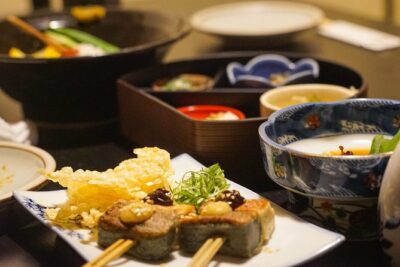
Kyoto Night Foodie Tour in Gion (9+ dishes + 6 Sake tastings)
Our verdict →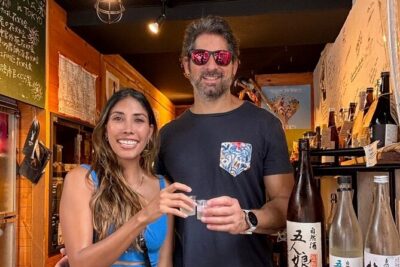

1-Day Snow Monkeys, Zenko-ji Temple & Sake in Nagano
Our verdict →
Insider Sake Brewery Tour with Sake and Food Pairing
Our verdict →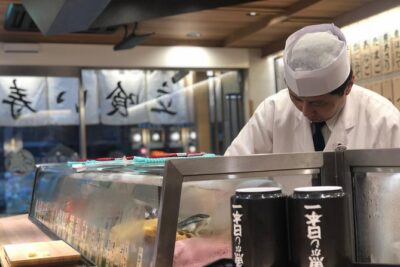
Tokyo After 5: Authentic Japanese Food & Drink Night Tour
Our verdict →
Browse the lists this tour appears in