
Reviewed · PEACE MEMORIAL TOURS
Hiroshima Peace Memorial and Atomic Bomb Dome Private Tour
The most powerful part of this Hiroshima tour is the way it links the Peace Memorial Museum with the monuments outside. You do not simply walk past Sadako Sasaki’s paper-crane memorial or the Atomic Bomb Dome. A private guide explains what each place means, helping you connect the objects, names, and buildings to the wider story of war and peace.
I like the private format, since your group can ask questions and move at a useful pace. I also like that the route includes several places easy to miss alone, including the National Peace Memorial Hall and the Atomic Bomb Memorial Mound. The main drawback is that the experience is emotionally heavy, and one reported booking problem involved a last-minute museum entry issue. Confirm that the museum visit is secured before setting your day around it.
Key points at a glance
- The museum gets 90 minutes: This is the central part of the visit, with admission included.
- Six meaningful stops fit into three hours: The route covers the museum, memorial hall, cenotaph, Children’s Peace Monument, memorial mound, and Atomic Bomb Dome.
- A private guide adds context: Guides including Ali, James, Khan, Hans, and Cva have been praised for clear explanations and personal attention.
- The route ends at the Atomic Bomb Dome: You finish at one of Hiroshima’s most recognizable sites, near the park’s north corner.
- The tour costs $85 per person: Group discounts may improve the value for families or small groups.
- The subject is serious: Give yourself quiet time afterward rather than scheduling this between light sightseeing stops.
Why a guide matters in Hiroshima Peace Memorial Park
Hiroshima Peace Memorial Park is easy to reach and simple to walk through, but its meaning is not always obvious from a plaque or monument alone. The park contains many memorials, and a first-time visitor can miss the connections between them.
That is where this private tour earns its keep. Your guide can explain the city’s destruction, reconstruction, and continuing call for nuclear disarmament while you move between the sites. The best guides reported for this experience, including Ali, James, Khan, and Hans, are praised for answering questions, linking events together, and pointing out less obvious places.
I especially value the chance to ask about the details that catch your attention. One guide may focus on a survivor story, another on the design of a monument, and another on the broader wartime setting. The experience is not just a march from one stop to the next. It gives you a framework for understanding what you are seeing.
Because this is private, only your own group participates. That makes the tour a better fit for families, couples, and small groups who want to pause, ask questions, or adjust the pace. One family specifically appreciated a guide’s patience with an eight-month-old child. Another group of six found that the guide kept the visit engaging for everyone.
More Peace Memorial Tours in Hiroshima:
- Hiroshima Historical Walking Tour – Why A-Bomb was Dropped
★ 4.8 · 893 reviews - Hiroshima: Miyajima Peace Memorial Icons of Peace and Beauty
★ 4.9 · 361 reviews - Hiroshima/Guided Virtual Tour of Peace Park/PEACE PARK TOUR VR
★ 5.0 · 157 reviews
The Peace Memorial Museum: the emotional center
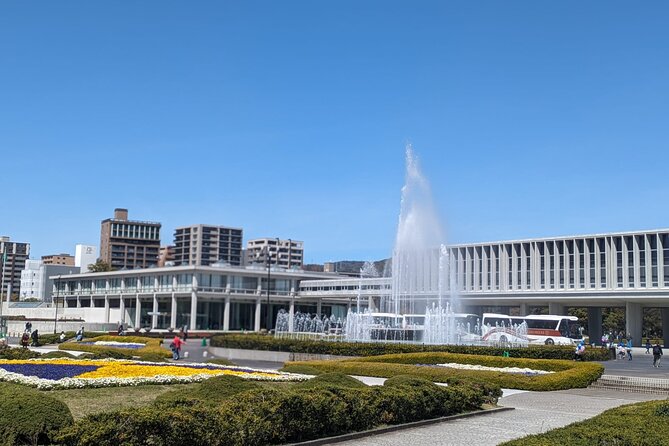
You spend about 90 minutes at the Hiroshima Peace Memorial Museum, with admission included. This is the longest stop and the part that most shapes the day.
The museum presents the bombing through damaged personal items, clothing, photographs, explanations, and survivor accounts. The objects are often difficult to see, but they make the human cost much clearer than dates and military facts alone. You should expect an emotional visit, not a quick collection of historical displays.
A guide can help place the exhibits in context and answer questions as they arise. Several guides have been praised for explaining the material with care and respect. That matters here. The museum deals with civilian suffering, death, injury, and the long effects of radiation, so a calm guide can help you process what you are seeing without turning the visit into a lecture.
Allow yourself time to stop and think. Ninety minutes is enough for a guided overview, but you may want longer if you read every display closely. If the museum is your main reason for booking, confirm the entry arrangements before the tour begins. One serious complaint described a same-day notice that museum admission was unavailable. That appears to be an operational problem rather than part of the planned experience, but it is worth checking because missing this stop changes the tour substantially.
A quiet pause at the National Peace Memorial Hall
The next stop lasts about 20 minutes at the Hiroshima National Peace Memorial Hall for the Atomic Bomb Victims. This space is more subdued than the museum and gives you time to reflect.
The hall includes screen displays and access to a database of victims. That database makes the scale of the loss personal. Instead of thinking only in terms of a large number, you can consider the names and individual lives behind it.
Do not expect this to be a busy sightseeing stop with lots of movement. Its value comes from the pause. After the museum’s artifacts and accounts, the hall offers a quieter setting for contemplation. Your guide can explain its role, then allow your group room to take in the information.
The cenotaph and the view through the park
The Hiroshima Peace City Monument Cenotaph for the Atomic Bomb Victims takes about 20 minutes. From here, you get a useful view across the park toward the Peace Memorial Museum, Atomic Bomb Dome, and other memorials.
The layout matters. Hiroshima Peace Memorial Park is not a random collection of monuments. The position of the cenotaph, the museum, and the Dome creates a visual line through the park. A guide can point out how the memorial space brings remembrance and a call for peace into one carefully arranged setting.
This is also a good moment to look around and get your bearings. If you visit without a guide, you may see the same buildings but miss why they were placed where they are. The panoramic view gives the tour a wider frame after the close-up intensity of the museum.
A few more Hiroshima half-days worth comparing
- Peaceful Hiroshima & Miyajima UNESCO 1 Day Bus Tour
★ 5.0 · 5,309 reviews - Hiroshima: Hiroshima and Miyajima UNESCO Sites 1-Day Tour
★ 4.9 · 2,330 reviews - Hiroshima / Miyajima Full-day Private Tour with Government Licensed Guide
★ 5.0 · 1,298 reviews - Osaka/Kyoto: Hiroshima Miyajima Bus Tour & Shinkansen Ticket
★ 4.7 · 919 reviews
Sadako Sasaki and the Children’s Peace Monument
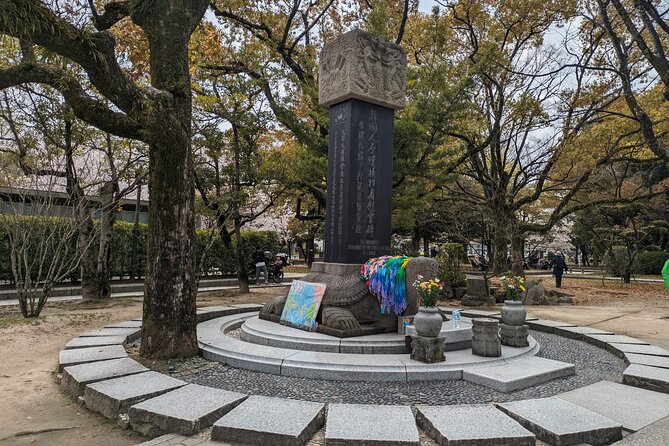
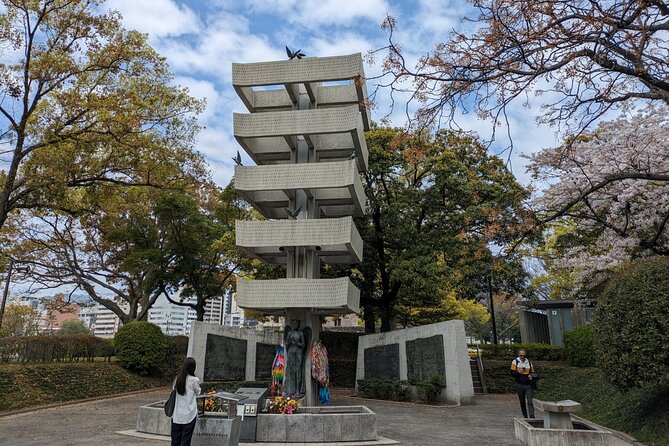
The Children’s Peace Monument is a brief 10-minute stop, but it carries a strong emotional charge. It is dedicated to Sadako Sasaki and the other children who died because of the atomic bombing and its effects.
Sadako’s story is familiar to many people through the paper-crane tradition, but a guide can explain why the monument matters within Hiroshima’s larger message. The colorful design and cranes may look hopeful, yet the memorial also makes clear that children were among the innocent victims.
This stop often has special meaning for families. A guide can keep the explanation suitable for your group while still treating the subject honestly. If you have already encountered Sadako’s story elsewhere, as one visitor had in Guam, seeing the monument in Hiroshima can add a more direct connection to it.
The Atomic Bomb Memorial Mound
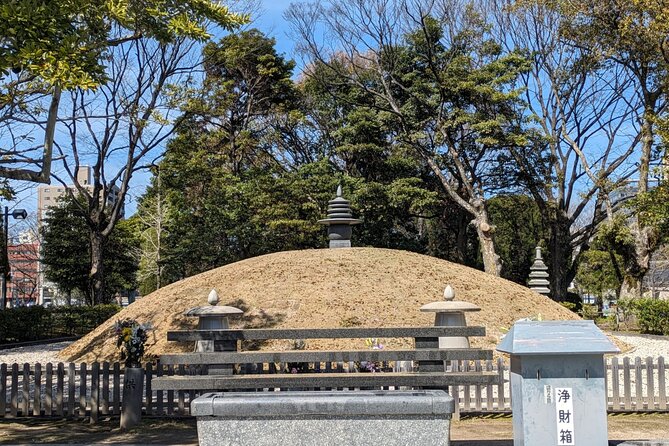
The Atomic Bomb Memorial Mound takes about 20 minutes. It is a quieter site, containing ashes recovered from victims of the bombing.
The mound is beautiful in form but sad in purpose. That contrast is exactly why it deserves time rather than a hurried glance. Your guide can explain what it represents and help you understand its place among the park’s larger memorials.
This is one of the stops that can be easy to overlook if you are simply following the main paths. On a private tour, you can ask questions and take a moment before moving on. The site is not dramatic in the way the Dome is, but its meaning is direct and deeply personal.
Finishing at the Atomic Bomb Dome
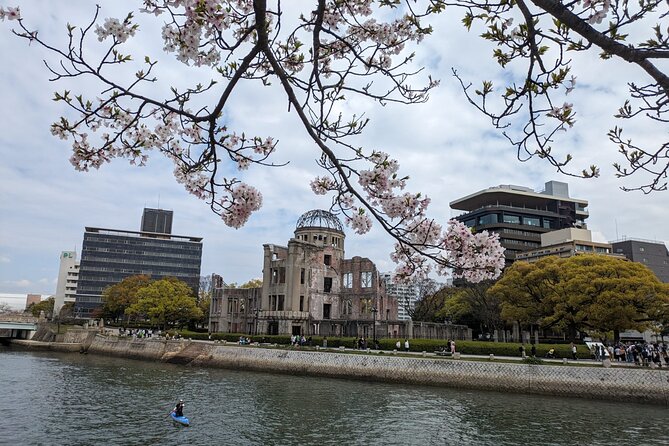
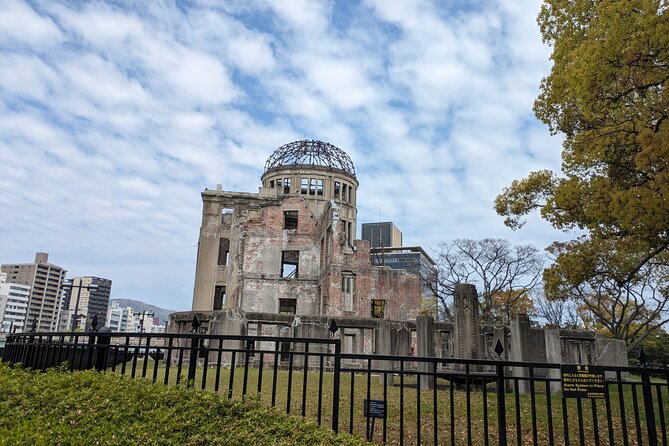
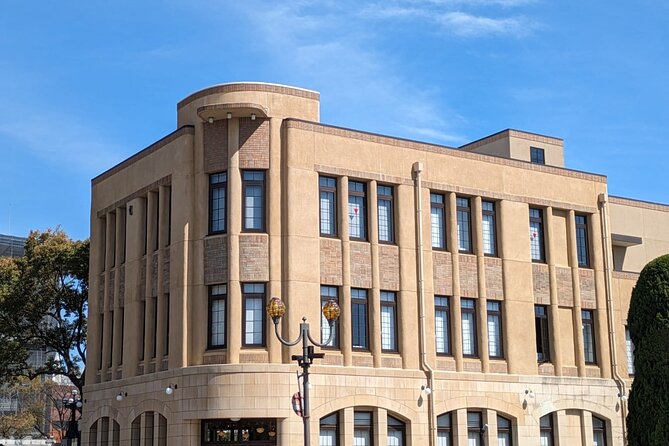
The tour ends with about 20 minutes at the Atomic Bomb Dome, officially known as the Hiroshima Prefectural Industrial Promotion Hall before the bombing. The preserved structure is one of the clearest visual reminders of the blast and of the city’s decision to retain a painful piece of its past.
You walk around the building rather than enter it. From different angles, the exposed framework and ruined walls make the scale of the destruction easier to grasp. The Dome is also a useful final stop because it brings the tour back into the present city. Hiroshima is a living, rebuilt place, and the Dome remains within that modern setting as a reminder of what happened.
The ending point is at the north corner of Hiroshima Peace Park, near 1-chome-1-10 Otemachi. That is practical if you want to continue exploring the park, find lunch, or make your way toward other parts of central Hiroshima afterward. Guides have also offered food suggestions, including okonomiyaki and ramen, though those recommendations are not a formal part of the tour.
What $85 buys you
At $85 per person, this is not the cheapest way to walk through the park. The value depends on how much context you want and how many people share the private guide.
Admission to the Peace Memorial Museum and National Peace Memorial Hall is included, along with the guide’s time for roughly three hours. For a couple or small group, the price can make sense if you want someone to explain the symbolism, keep the route focused, and answer questions. Group discounts may make the cost more appealing for families or larger parties.
You can visit the park on your own for less. The tradeoff is that you must plan the route, interpret the monuments, and decide how much time to spend at each place. The private tour is most useful if you have limited time, are visiting Hiroshima for the first time, or want help connecting the museum exhibits with the outdoor memorials.
The rating of 4.8 from 37 reviews and a 95 percent recommendation rate point to strong overall satisfaction. The praise centers on guide quality rather than luxury. People repeatedly value clear explanations, patience, flexibility, and extra historical details.
The guides make the difference
The experience is delivered by different guides, so the exact style may vary. Ali is praised for detailed explanations, patience, and helping a solo visitor get a fuller understanding of the park. James is described as clear, accommodating, and good at answering questions. Khan receives repeated praise for building a memorable story from the facts and for sending detailed meeting information.
Hans is noted for thoughtful explanations and for taking groups to places they might otherwise miss. Cva is described as personable and passionate. These comments suggest that the strongest part of the tour is the human guide, not a fixed script.
When you meet your guide, tell them what you want from the visit. You might want more focus on survivor stories, the wartime setting, the design of the memorials, or the city’s peace message. Since the tour is private, your questions can shape the experience.
Timing, meeting point, and practical planning
The tour lasts approximately three hours. It begins at the Peace Memorial Mailbox at 1 Nakajimacho, Naka Ward, Hiroshima, and ends near the Atomic Bomb Dome at the north corner of the park.
The starting point is near public transportation, and a mobile ticket is provided. Confirmation arrives when you book. Most people can take part, but the tour involves moving between several sites, so consider your own walking comfort and tell the guide if you need a slower pace or extra assistance.
The schedule can matter if you have train connections or other bookings. One customer had a 10 AM start shifted to 11 AM the evening before, which disrupted the rest of the day. I would avoid placing a tight reservation immediately afterward. If you are making a long day trip from Tokyo, remember that the tour itself takes three hours, and the journey leaves little room for delays.
You can cancel for a full refund up to 24 hours before the start time. Changes or cancellations made less than 24 hours before the experience are not accepted for a refund. The cut-off uses Hiroshima local time.
Who should book this private tour
I would choose this tour if you want more than a quick photograph at the Atomic Bomb Dome. It suits first-time visitors who want the museum and outdoor memorials explained as one connected experience.
Families may appreciate the private setting, especially if children need occasional breaks or adults want to ask sensitive questions without holding up a larger group. Couples and small groups also benefit from being able to set the tone and pace.
This is less suitable if you dislike guided visits, prefer to read every museum display alone, or want a very casual sightseeing walk. The subject is painful, and the museum can be emotionally exhausting. Give yourself space afterward to reflect rather than rushing straight into a packed schedule.
Should you book it?
I would book this tour if the $85 price fits your budget and you want a clear, guided route through Hiroshima Peace Memorial Park. The museum admission, private attention, National Peace Memorial Hall, and lesser-known memorials add real value, especially during a short visit.
Before paying, confirm that museum entry is included for your date and that the starting time works with your plans. If that detail is secure, this is a thoughtful way to understand Hiroshima through its buildings, memorials, and individual stories. Go with time, patience, and respect. The point is not to check off six stops. It is to leave with a clearer sense of what peace requires.
FAQ
How long does the Hiroshima Peace Memorial tour last?
The tour lasts approximately three hours.
What is the tour price?
The listed price is $85 per person. Group discounts are available.
Is the Peace Memorial Museum admission included?
Yes. Admission to the Hiroshima Peace Memorial Museum is included.
Is admission to the National Peace Memorial Hall included?
Yes. Admission to the Hiroshima National Peace Memorial Hall for the Atomic Bomb Victims is included.
Is this a private tour?
Yes. Only your own group participates in the activity.
Where does the tour begin?
The tour begins at the Peace Memorial Mailbox at 1 Nakajimacho, Naka Ward, Hiroshima, 730-0811, Japan.
Where does the tour end?
The tour ends at the Atomic Bomb Dome at 1-chome-1-10 Otemachi, Naka Ward, Hiroshima, near the north corner of Hiroshima Peace Park.
Which sites are visited?
The route includes the Peace Memorial Museum, National Peace Memorial Hall, Peace City Monument Cenotaph, Children’s Peace Monument, Atomic Bomb Memorial Mound, and Atomic Bomb Dome.
Is the tour near public transportation?
Yes. The meeting area is near public transportation, and a mobile ticket is available.
Can I cancel for a full refund?
Yes. You can cancel at least 24 hours before the start time for a full refund. Cancellations or changes made less than 24 hours before the start time are not accepted for a refund.
Just added around Hiroshima
- Full Day Hiroshima and Miyajima Tour by Bullet Train from Kyoto★ 4.5 · 120 reviews
- Hiroshima Saijo Sake Tasting Tour with visit to 7 Breweries★ 5.0 · 104 reviews
- The Peace Memorial to Miyajima : Icons of Peace and Beauty★ 4.5 · 31 reviews
- Shore Excursion from Hiroshima Port : Private Tour in Hiroshima★ 5.0 · 17 reviews
- Okunoshima Rabbit Island Cycling Tour with Local Guide★ 4.5 · 17 reviews
- Hiroshima & Miyajima All-Inclusive Tour w/Licensed guide Pancho★ 5.0 · 54 reviews
- Private Full Day Hiroshima Tour★ 4.5 · 29 reviews
- Miyajima Guided Tour and Fresh Oyster Farm Tour★ 5.0 · 20 reviews
Peace Memorial Tours, compared.
Hiroshima Historical Walking Tour – Why A-Bomb was Dropped
Our verdict →
Hiroshima: Miyajima Peace Memorial Icons of Peace and Beauty
Our verdict →Browse the lists this tour appears in