
Reviewed · FULL-DAY
Hiroshima and Miyajima Full Day Private Tour
Hiroshima’s most powerful sights and Miyajima’s famous sea shrine make a striking one-day pairing. You begin with the Peace Memorial Museum and Atomic Bomb Dome, then cross to an island of deer, old shops, and the red torii of Itsukushima Shrine. The contrast is the point: one place asks for quiet thought, the other offers beauty, food, and a slower pace.
I like the private format, which lets your guide adjust the day, answer questions, and help with food needs. I also like the strong guides this company has provided, especially Masa and Aya, who are praised for clear communication, local insight, and caring help when plans become difficult.
The catch is simple: transportation is not included. You pay for trains, ferries, buses, taxis, and lunch, and an eight-hour walking day can feel hard in Hiroshima’s humid summer heat. The schedule is also a plan, not a guarantee, since traffic, time, and your choices can change what you see.
Key points to know before booking
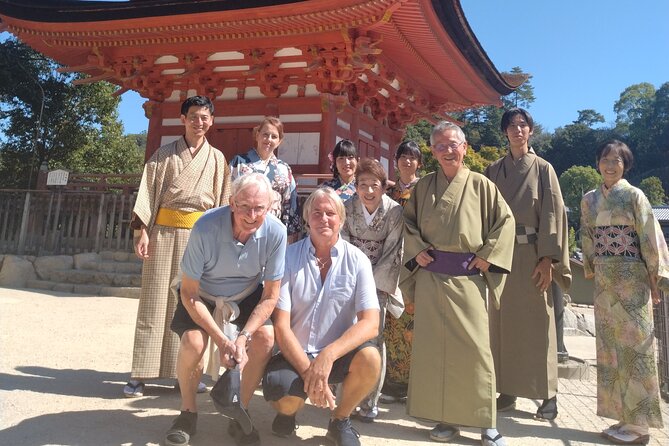
- The day links Hiroshima and Miyajima: You cover major peace sites in the city before visiting Itsukushima Shrine and Omotesandō Street.
- Your guide is private: Only your group takes part, so the pace and interests can shape the day.
- Masa and Aya receive especially strong praise: Both are noted for communication, personal care, local knowledge, and help with vegan meals.
- Transport costs extra: The tour price does not cover the journey from the meeting point to each stop or the return from Miyajima.
- Expect plenty of walking: The full route can be tiring, particularly in August, when temperatures may pass 35 degrees Celsius.
- The itinerary can change: The listed stops are reference points, not a promise that every location will be visited.
Hiroshima’s difficult morning, handled at your pace
The tour begins at the Hiroshima Peace Memorial Museum. You get about two hours here, with admission included. This is the emotional center of the day, and you should allow yourself time to move slowly through the exhibits rather than treating it as a quick stop.
The museum presents the bombing of Hiroshima and its human cost. It is a serious visit, and the material can be upsetting. That is also why a private guide can help. You can pause, ask questions, or move at your own speed instead of being tied to a large group.
Crowds can be heavy inside. One practical tip is to bring a mask if you prefer extra protection in packed galleries. An early start may help. One booking began around 8:30 in the morning, which made the first part of the day feel calmer before crowds built up.
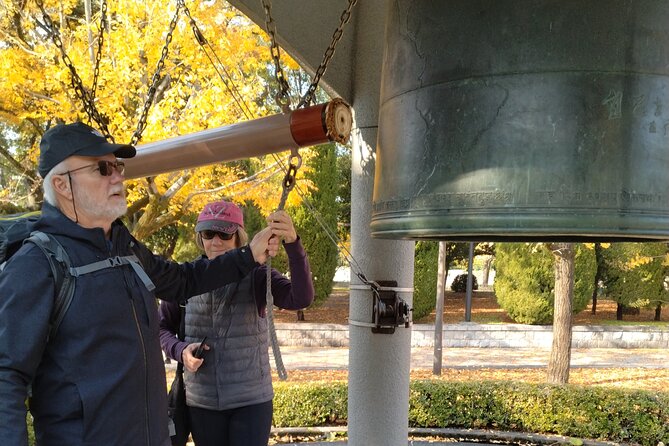
After the museum, you walk through Peace Memorial Park toward the Atomic Bomb Dome. Plan on roughly 30 minutes at the dome. Admission is free, and the real value here is your guide’s explanation of what you are seeing.
The building’s damaged frame survived the blast despite being close to the explosion’s center. Its broken shell is now one of Hiroshima’s clearest symbols of remembrance and peace. The site itself does not take long, but the surrounding park gives you room to consider the museum visit.
I would ask your guide in advance to focus on the subjects that matter most to you. Some guides, including Masa and Aya, have been praised for adding personal stories and lesser-known details rather than simply naming each stop. That difference can turn a checklist into a meaningful morning.
More Full-Day Tours in Hiroshima:
- Hiroshima / Miyajima Full-day Private Tour with Government Licensed Guide
★ 5.0 · 1,298 reviews - Full Day Hiroshima and Miyajima Bus Tour from Hiroshima
★ 4.5 · 371 reviews - Hiroshima & Miyajima: Full-Day Private Tour & Licensed Guide
★ 4.8 · 252 reviews
Hiroshima Castle, Shukkeien, and the limits of one day
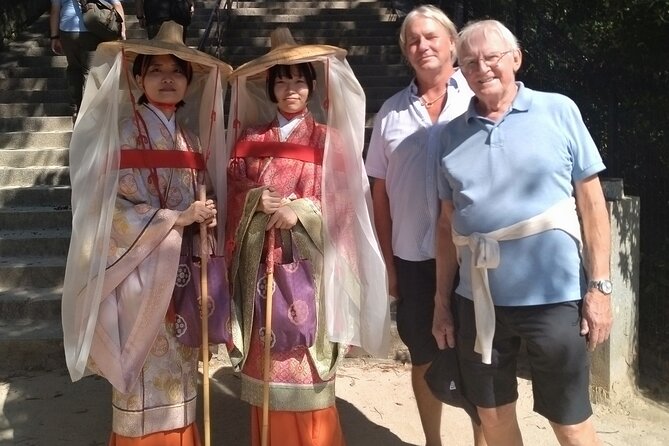
From the peace park, the route moves into a different side of Hiroshima. Hiroshima Castle is scheduled for about an hour, with admission included when open. Its traditional architecture, moat area, and garden setting offer a clear change from the modern city and the memorial sites.
The castle is tied to Japan’s Warring States period. Inside, you can learn more about Hiroshima’s development and see the city from a different historical angle. The tour details note that Hiroshima Castle will be closed for renovation from March 23, 2026, so check your date carefully if this stop matters to you.
Shukkeien Garden is another included admission. About an hour is allowed here. Its name refers to a garden made with compact scenes, and you can expect ponds, bridges, carefully placed plants, and changing seasonal views. It is a useful pause after the museum and castle, especially if you enjoy gardens and quiet walking paths.
Here is where planning matters. The official route includes several stops, but the provider warns that not all may be visited. Traffic, your preferences, and the time needed at the museum can shorten the later stops. One unhappy booking ended before Miyajima after a long walk in hot weather and limited time at the castle. That experience shows why you should agree on priorities with your guide at the start.
If Miyajima is your main reason for booking, say so clearly. If the museum is your priority, allow the full two hours and accept that the garden or castle may receive less time. The private format works best when you make those choices openly instead of expecting every listed stop to receive its full scheduled time.
Crossing to Miyajima without hidden transport surprises
The tour ends at Miyajima Pier, but the transport needed to get there is not included in the $167.50 per-person price. You also pay for transport from the meeting point to the places you want to visit. That can include local public transportation, the ferry, and possibly a taxi, depending on the day’s route.
This is the biggest value question. The tour price covers a private English-speaking guide and entrance fees for the Peace Memorial Museum, Hiroshima Castle, Shukkeien Garden, and Itsukushima Shrine. It does not cover lunch, a private vehicle, hotel pickup, hotel drop-off, or transport costs.
For two people, the guide’s attention can make the price reasonable if you want help with history, navigation, pacing, and food. For a larger group, the per-person cost may be easier to justify because you share the private guide. If you are comfortable using public transportation and researching each site, doing this route alone will cost less.
The meeting point is the Peace Memorial Museum at 1-2 Nakajimachō in Hiroshima. The stated end point is Miyajima Pier, not your hotel or Hiroshima Station. If you have a train reservation afterward, allow extra time and ask your guide about the return plan before setting off.
One guide, Masako, received especially warm praise for helping a group after a traffic accident caused delays. She arranged for luggage to be brought out, stayed with the taxi, helped them buy bento meals, and guided them through the station to the Shinkansen platform. That is not a promised service, but it shows the practical value a good private guide can provide when the day goes off plan.
Itsukushima Shrine and the floating torii
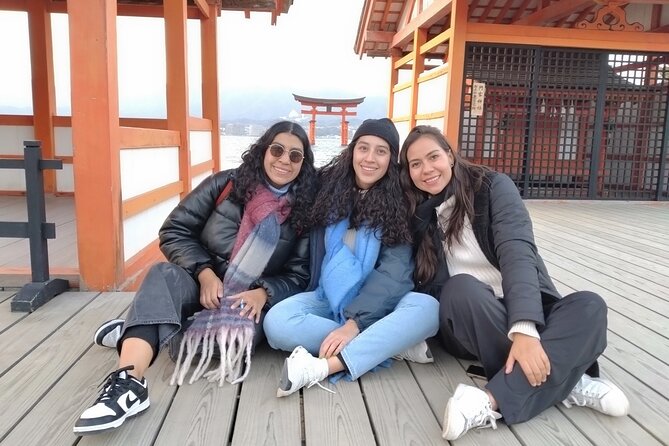
Miyajima receives the final major part of the day. The schedule allows about 30 minutes at the torii gate, one hour on Omotesandō Shopping Street, and two hours at Itsukushima Shrine. In practice, the order and exact time can change.
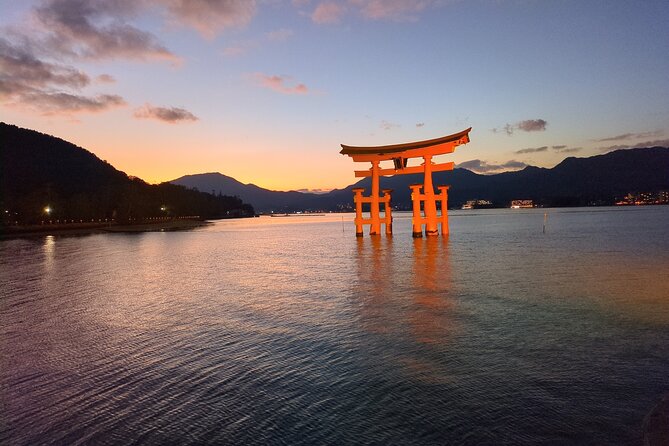
The great torii is famous for appearing to float in the sea. Its appearance depends on the tide, so the view can differ greatly during the day. The gate is free to see from outside, while admission to the shrine itself is included.
Itsukushima Shrine dates to 593 and is a UNESCO World Heritage site. Its vermilion buildings and sea setting create one of Japan’s most memorable views. At low tide, the water may recede and change the way you experience the torii. At higher water, the shrine’s connection with the sea is more apparent.
Give the shrine time. You can look beyond the usual photo stop and notice how the buildings, walkways, water, and surrounding hills work together. The shrine is a place of worship, so keep your voice low and follow your guide’s advice about appropriate behavior.
Omotesandō Street is the island’s main shopping road. You can browse local crafts, souvenirs, and traditional snacks, with time for lunch or a small food stop. One of the tour’s useful strengths is that guides have helped arrange meals for vegetarian and vegan diners. Yoshi found a vegan restaurant for one couple, and Aya also helped another visitor locate vegan food.
Tell your guide about dietary needs before the tour, not at lunchtime. The guide can then build the meal around your needs rather than losing valuable sightseeing time.
Miyajima also has deer, and one booking particularly enjoyed seeing them after missing Nara. Do not treat the deer as the main purpose of the trip, but they add a pleasant, memorable touch as you walk between the pier, shops, and shrine.
A few more Hiroshima half-days worth comparing
- Peaceful Hiroshima & Miyajima UNESCO 1 Day Bus Tour
★ 5.0 · 5,309 reviews - Hiroshima: Hiroshima and Miyajima UNESCO Sites 1-Day Tour
★ 4.9 · 2,330 reviews - Osaka/Kyoto: Hiroshima Miyajima Bus Tour & Shinkansen Ticket
★ 4.7 · 919 reviews - Hiroshima Historical Walking Tour – Why A-Bomb was Dropped
★ 4.8 · 893 reviews
What the guides add, and where the risk lies
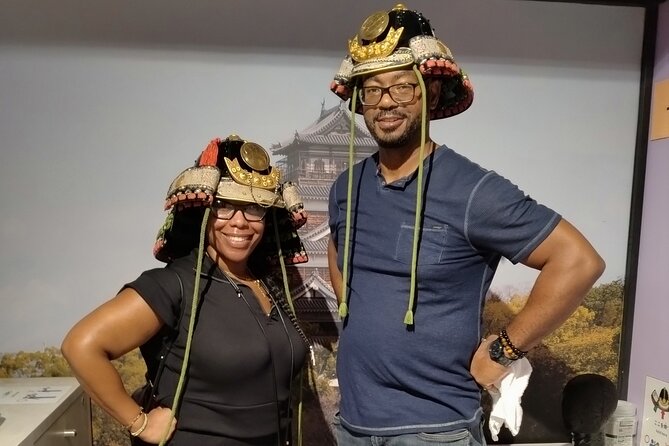
The best part of this experience is not the number of stops. It is the quality of the person walking with you. Masa is repeatedly praised for communication, energy, comfort, and clear explanations. Aya is described as friendly, patient, flexible, and especially good at adjusting the pace. Yoshiko is praised for keeping the day moving, while Yushu added local snacks and food experiences.
That range matters. A good guide can explain why a site matters, point out details you might miss, and help you make sensible choices when the clock is tight. You can ask about the bombing, Shinto customs, Japanese gardens, food, or daily life in Hiroshima without stopping to search for answers.
There is also a real warning. One booking reported poor English, weak explanations, and a guide who seemed to treat the day as a series of boxes to tick. The company later apologized and said that guide was no longer working. You cannot guarantee which guide you receive, so use the confirmation process to ask about language ability, priorities, and the day’s route.
The tour is fully private, which gives you more control than a group excursion. You can slow down at the museum, move quickly through a shop, or ask for lunch help. Still, private does not mean chauffeur-driven. You walk and use public transportation unless you arrange and pay for other transport yourself.
Walking, weather, and practical comfort
This is an active day. The route includes museums, parks, castle grounds, a Japanese garden, streets, a shrine, and ferry connections. Comfortable shoes matter more than smart clothes.
Summer can be punishing. August temperatures may exceed 35 degrees Celsius, and much of the day takes place outdoors. Carry water, use a parasol or other shade, and tell your guide if you need regular breaks. A private guide can adjust the pace, but you need to speak up early.
The experience is listed as suitable for most people and is near public transportation. Service animals are allowed. The supplied information does not promise a private vehicle or special mobility arrangements, so contact the provider before booking if you have mobility concerns.
The tour requires good weather. If poor weather cancels it, you can choose another date or receive a full refund. Standard cancellation is free up to 24 hours before the start time. Changes or cancellations inside that window are not accepted and are not refunded.
Is $167.50 per person good value?

I see this as a convenience and interpretation purchase, not a cheap way to visit Hiroshima. The entrance fees are included, but the cost of transport and lunch comes separately. Since the tour lasts about eight hours and is private, the price is easier to defend for couples, families, or small groups who want a personal guide.
The value rises if you want help with sensitive historical sites, need food guidance, or dislike managing several train and ferry connections. It also rises if your time in Hiroshima is short and you want someone to keep the day moving.
The value falls if you are happy to visit museums alone, use public transportation, and read about the sites in advance. Hiroshima Castle and Shukkeien Garden are easy additions for an independent visitor who has enough time. You may also prefer to spend an entire day on Miyajima instead of dividing your attention between city sights and the island.
Who should book this Hiroshima day?
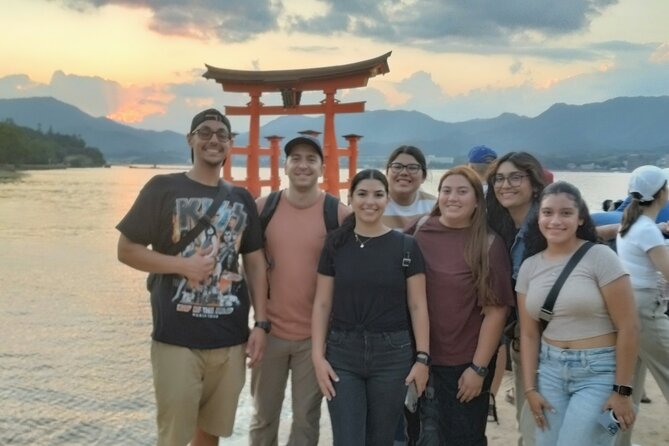
I would choose this tour if you want Hiroshima’s major sights in one day and prefer a private guide to a large group. It fits first-time visitors, families, older visitors who want a flexible pace, and anyone who would appreciate help with vegetarian or vegan meals.
I would not book it without checking the transport plan and deciding which stops matter most. If you must catch a train that evening, build in a generous cushion. If Miyajima is the main attraction, make that clear before the morning begins.
With a strong guide such as Masa or Aya, this can be a thoughtful, efficient introduction to Hiroshima and Miyajima. The main risks are the walking, the extra transport costs, changing site coverage, and the possibility that guide quality may vary. Book it for personal help and context, not simply for admission tickets.
FAQ
How long does the Hiroshima and Miyajima tour last?
The tour lasts approximately eight hours.
Is this a private tour?
Yes. Only your group participates, and the tour is led by a local English-speaking guide.
Where does the tour begin?
It begins at the Hiroshima Peace Memorial Museum, located at 1-2 Nakajimachō, Naka Ward, Hiroshima.
Where does the tour end?
The stated end point is Miyajima Pier, also called Miyajima Sanbashi, in Miyajimacho, Hatsukaichi.
Is transportation included?
No. Transportation from the meeting point to the desired locations is not included. A private vehicle, hotel pickup, hotel drop-off, lunch, and other transport costs are also excluded.
Are entrance fees included?
Admission to the Hiroshima Peace Memorial Museum, Hiroshima Castle, Shukkeien Garden, and Itsukushima Shrine is included. The Atomic Bomb Dome and Itsukushima Shrine torii viewing areas do not require an admission ticket.
Will every listed stop be visited?
Not necessarily. The route may change because of traffic, time limits, or your preferences. Hiroshima Castle is also scheduled to close for renovation from March 23, 2026.
Is the tour suitable in hot weather?
The tour can operate in summer, but August temperatures may exceed 35 degrees Celsius. Bring water, use shade such as a parasol, and take heatstroke precautions.
Can I cancel for a full refund?
You can cancel at least 24 hours before the start time for a full refund. Cancellations or changes made less than 24 hours before the tour are not refunded. If poor weather causes the provider to cancel, you can choose another date or receive a full refund.
Just added around Hiroshima
- Full Day Hiroshima and Miyajima Tour by Bullet Train from Kyoto★ 4.5 · 120 reviews
- Hiroshima Saijo Sake Tasting Tour with visit to 7 Breweries★ 5.0 · 104 reviews
- The Peace Memorial to Miyajima : Icons of Peace and Beauty★ 4.5 · 31 reviews
- Shore Excursion from Hiroshima Port : Private Tour in Hiroshima★ 5.0 · 17 reviews
- Okunoshima Rabbit Island Cycling Tour with Local Guide★ 4.5 · 17 reviews
- Hiroshima & Miyajima All-Inclusive Tour w/Licensed guide Pancho★ 5.0 · 54 reviews
- Private Full Day Hiroshima Tour★ 4.5 · 29 reviews
- Hiroshima Private Tour with a Local – Highlights & Hidden Gems★ 4.5 · 24 reviews
Full-Day, compared.
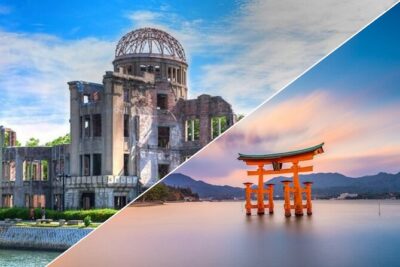
Hiroshima / Miyajima Full-day Private Tour with Government Licensed Guide
Our verdict →

5 Top Highlights of Kyoto Full Day Bike Tour (E-bike option)
Our verdict →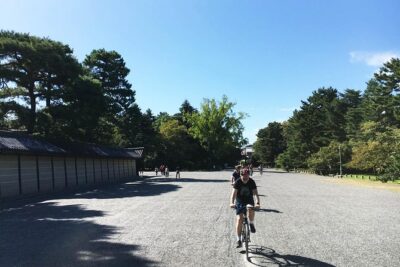
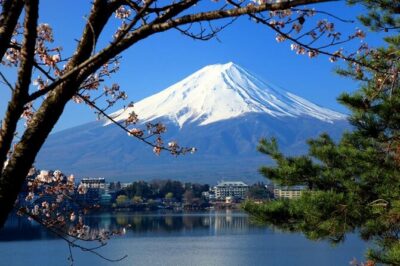
Mt. Fuji, Hakone Full-Day Private Tour with English Driver Guide
Our verdict →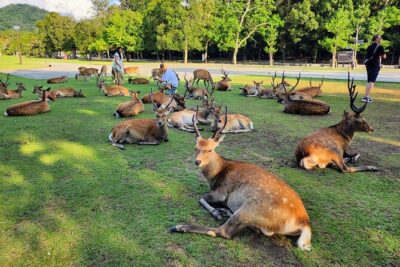
Full Day Guided Tour to Kyoto and Nara from Osaka by Van
Our verdict →
Browse the lists this tour appears in