
Reviewed · BUS TOURS
Full Day Hiroshima and Miyajima Bus Tour from Hiroshima
Hiroshima’s two essential sights are far apart in spirit: Miyajima offers sacred beauty, while the Peace Memorial Park asks you to face one of the darkest events in modern history. This full-day bus tour links both without making you sort out the bus, ferry, and admissions yourself.
I like the included ferry and entrance fees, and I like that the tour gives you a guide for cultural context rather than leaving you with only a map. The main drawback is the large group, sometimes up to 40 people. Several guests found soft voices hard to hear, especially outdoors.
Key points to know
- Two UNESCO World Heritage sites in one day: Itsukushima Shrine on Miyajima and Hiroshima’s Atomic Bomb Dome.
- A ferry ride is included: You reach Miyajima by boat, with the island’s sea gate appearing to rise from the water at high tide.
- Lunch is independent: Set aside time and money for oysters, Hiroshima-style okonomiyaki, conger eel rice, or another meal on Miyajima.
- The day runs roughly 10:10 a.m. to 6:00 or 6:30 p.m.: You finish at Hiroshima Station, not back at your hotel.
- Guide quality matters: Guides including Masako, Hikari, Takeshi, Tomoko, and Taeko received especially warm praise, but a few people struggled to hear guides in a full group.
- The Peace Memorial Museum is included: You get about an hour there, along with time at the Atomic Bomb Dome and memorials in the park.
Why this Hiroshima day trip works
This tour tackles the two places most likely to define a first visit to Hiroshima. Miyajima gives you an elegant shrine, forested hills, deer, and the famous vermilion torii gate. Hiroshima’s Peace Memorial Park gives you a place to think about the atomic bombing of August 6, 1945, and its human cost.
I like the pairing because the contrast is useful. You begin with Japan’s religious traditions and island scenery, then move toward remembrance and peace. The day does not treat Hiroshima as only a tragic destination, nor does it reduce Miyajima to a quick photo stop.
The price is about $152.54 per person. That is not cheap for a day in Japan, particularly because lunch is extra and you could visit both areas independently. The value comes from the English-speaking guide, reserved structure, ferry transportation, admission fees, and the ease of handling two complicated destinations in one day.
If you are comfortable arranging local trains, ferries, and admission on your own, you can likely spend less. If you have only one day in Hiroshima, prefer a planned schedule, or want historical explanation as you walk, the cost is easier to justify.
More Bus Tours in Hiroshima:
- Peaceful Hiroshima & Miyajima UNESCO 1 Day Bus Tour
★ 5.0 · 5,309 reviews - Osaka/Kyoto: Hiroshima Miyajima Bus Tour & Shinkansen Ticket
★ 4.7 · 919 reviews - Hiroshima and Miyajima 1 Day Bus Tour
★ 4.5 · 145 reviews
Meeting at Hiroshima Station at 10:10 a.m.
The tour begins in the lobby of Hotel Granvia Hiroshima, beside JR Hiroshima Station. This is a practical meeting place if you are staying in central Hiroshima or arriving by train, but do not treat the start time casually.
If you are coming from Kyoto or Shin-Osaka with a Japan Rail Pass, choose a Shinkansen that gets you to Hiroshima early enough to reach the hotel lobby by 10:10. Missing the meeting time can mean missing the tour.
The day uses an air-conditioned vehicle and a ferry. The bus reduces the need to work out connections, though traffic can change the order and timing of the stops. Seats may not be assigned, so arrive ready for a group departure rather than expecting a particular place on the bus.
The group can reach 40 people. Some departures are smaller, and one report described a group of about 20, but you should plan for a full coach. That affects how quickly the group moves and how easy it is to hear outdoor explanations.
Miyajima and the Itsukushima Shrine
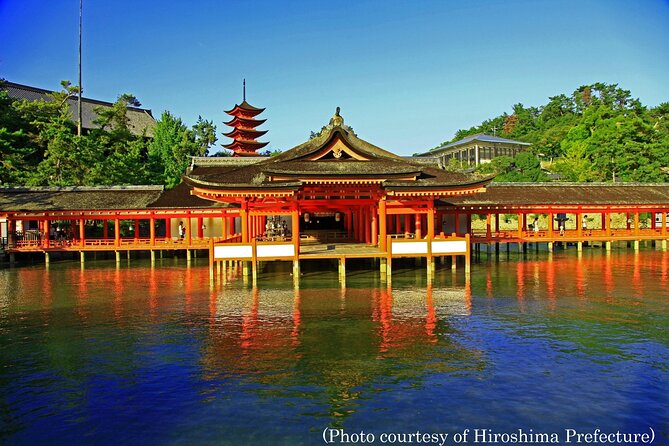
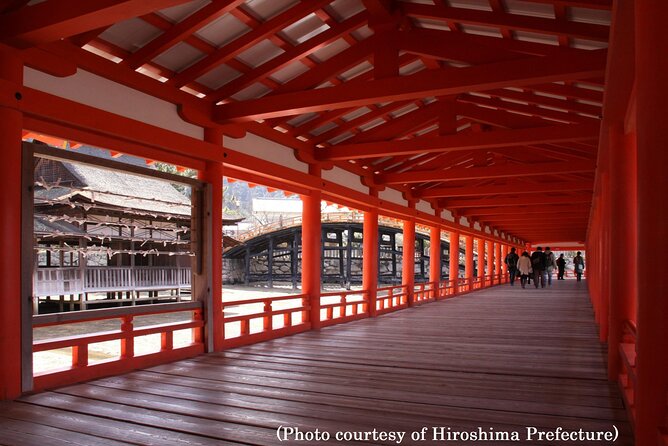
Miyajima means shrine island, and the name tells you what gives the place its character. The principal sight is Itsukushima Shrine, a World Heritage site founded in the sixth century and known for its Shinden-zukuri design, an architectural style associated with aristocratic residences.
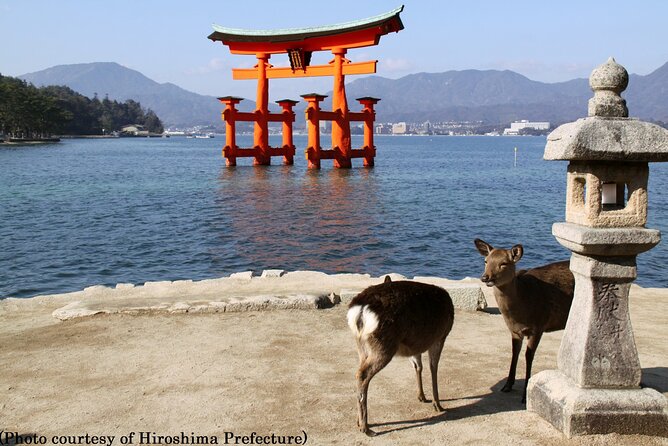
The shrine’s great attraction is its relationship with the water. At high tide, the red torii gate appears to float offshore. The view is one of Japan’s most recognizable, but tides change the scene, so do not expect the gate to look identical in every photograph.
You have about an hour at Itsukushima Shrine, with admission included. Your guide can explain the shrine’s customs, layout, and place in Japanese religious tradition. Guides such as Masako and Hikari were praised for explaining both Miyajima and Hiroshima clearly, while Azusa was especially appreciated for helping people take good photographs.
The time is enough for the shrine and a focused walk, but it is not enough for everything on the island. You should not expect to complete the ropeway, take a long mountain walk, and remain with the group. One person specifically found the lack of time for the ropeway disappointing.
Miyajima also has wild deer, and the supplied tour details describe playful monkeys and deer around the shrine area. Treat wildlife as an extra, not the purpose of the visit. Your main experience here is the shrine, the water, the island streets, and the view toward the surrounding hills.
One hour for Miyajima lunch and free time
Lunch is not included, but the schedule allows about an hour on Miyajima. This is a useful chance to choose your own meal rather than being locked into a set menu.
The island is known for oysters, Hiroshima-style okonomiyaki, and conger eel rice bowls. You can also use the break for snacks or browsing shops, but keep an eye on the meeting time. The group must regroup for the ferry and the next part of the tour.
An hour passes quickly. If you want a full sit-down meal, move promptly. If you would rather sample food from several shops, a quick meal may work better. Bring a small snack if you are sensitive to long gaps between meals, since the tour lasts more than eight hours.
The free time is also the point where the tour may feel less guided. You are given room to explore on your own, which suits independent visitors, but anyone expecting constant commentary may find the schedule loose here.
More Full-Day Tours in Hiroshima:
- Hiroshima / Miyajima Full-day Private Tour with Government Licensed Guide
★ 5.0 · 1,298 reviews - Hiroshima & Miyajima: Full-Day Private Tour & Licensed Guide
★ 4.8 · 252 reviews - Full Day Hiroshima and Miyajima Tour by Bullet Train from Kyoto
★ 4.5 · 120 reviews - Hiroshima & Miyajima: Private Full-Day Tour with a Local Guide
★ 5.0 · 39 reviews
The ferry back and the move to Hiroshima’s memorial district
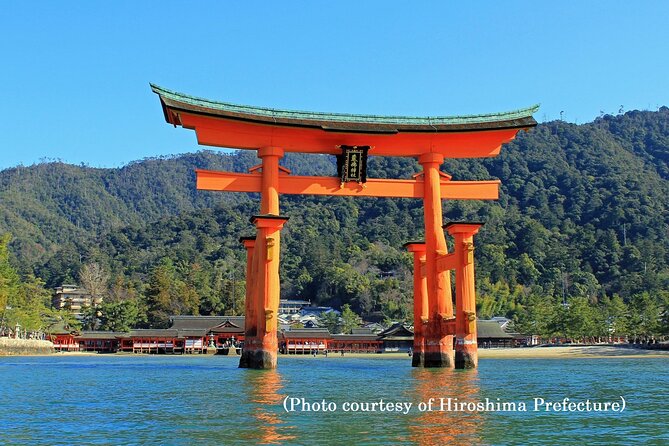
The ferry is included in the tour price, as are the Miyajima visitor tax and other listed transportation costs. The crossing gives you another look at the island and the shrine area from the water before the bus continues to Hiroshima.
Road conditions and crowds can affect the timing. The operator may change the order of activities, and the published times should be treated as a plan rather than a promise. This matters if you want to book an evening train immediately after the tour.
The tour ends around 6:00 to 6:30 p.m. at Hiroshima Station. You make your own arrangements after that. If you are staying elsewhere, allow time to reach your hotel, and avoid booking a tight evening connection.
The Atomic Bomb Dome and the Peace Memorial Park
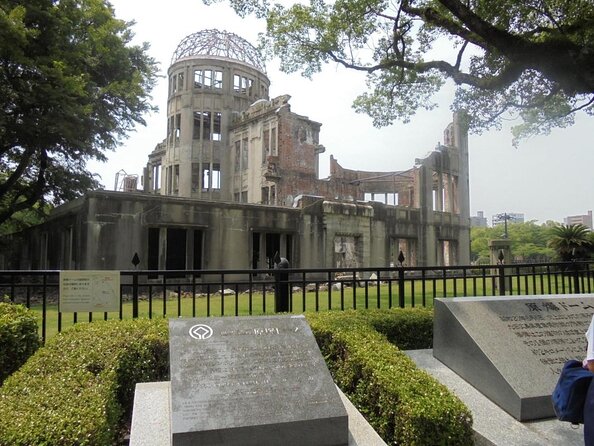
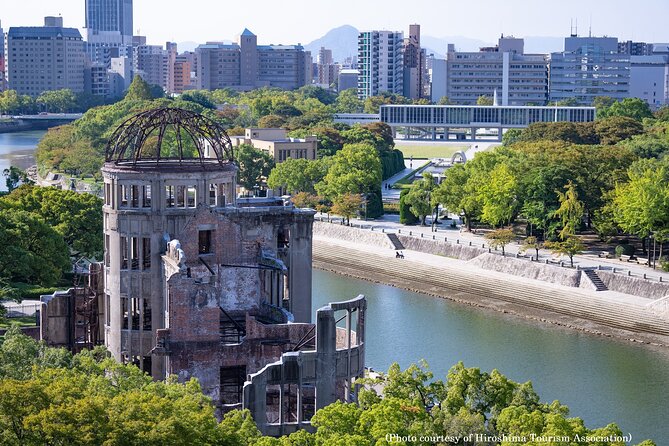
The Atomic Bomb Dome is one of Hiroshima’s most powerful sights because of what remains. The partially ruined building survived the atomic blast and has been preserved as a symbol of the bombing and the hope for the elimination of nuclear weapons.
The visit here lasts about 40 minutes. Your guide can place the structure in the wider story of Hiroshima, but the site also rewards quiet observation. The exposed framework and empty rooms are difficult to look at casually. This is not a decorative monument. It is a physical reminder of destruction in the middle of a living city.
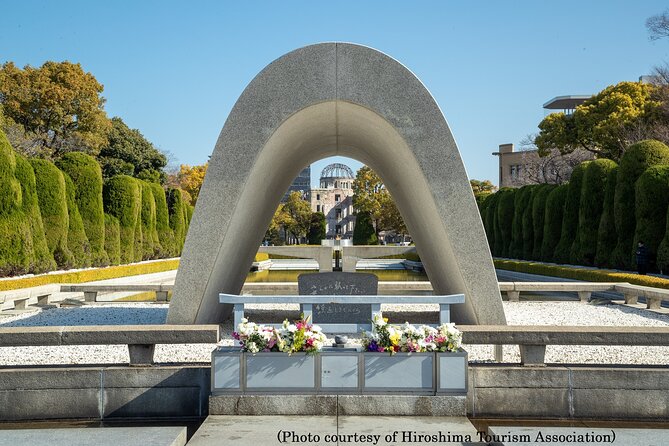
From the dome, the tour continues through the Peace Memorial Park. The park was established in 1949 after the Pacific War and contains monuments dedicated to those who died. You will see the Memorial Cenotaph for Atomic Bomb Victims, which holds the names of those lost in the bombing, along with a cenotaph for Korean victims.
This section is emotionally demanding. A guide can explain the sites, but no explanation removes the need for personal reflection. One Hiroshima-born guide was praised for sharing personal family connections to the period, and that kind of local perspective can make the history feel less distant.
Group size again matters. Several people found that guides were hard to hear when speaking outdoors, particularly when the whole coach gathered around a monument. Stay close to the guide and move toward the front of the group when possible.
One hour inside the Peace Memorial Museum
The Peace Memorial Museum is the most serious part of the day. Admission is included, and the schedule allows about an hour inside. The exhibits focus on the bombing, its victims, the physical effects of radiation, and the lives that were shattered.
One hour gives you a meaningful introduction, but it is not a leisurely museum visit. If you read every panel closely, you may need more time than the group schedule allows. The tour is designed to give you access and structure, not a private museum study session.
The museum can be upsetting. That is not a flaw in the experience, but it is worth knowing before you go. The Atomic Bomb Dome and park monuments prepare you for the subject, while the museum adds personal details and evidence that can leave a lasting impression.
Guides including Tomoko, Hikari, Nikki, and Taeko were praised for clear explanations and strong command of the subject. Still, the quality of the day depends partly on who leads your departure. A few people described guides who spoke too softly or read from notes without engaging the group.
The guide makes the biggest difference
The tour includes a National Government Licensed English Guide Interpreter. That matters because both Miyajima and the Peace Memorial Park contain details that are easy to miss on your own.
A good guide helps you understand shrine architecture, religious customs, local food, and the meaning of each Hiroshima memorial. Masako was praised for patience and for helping with photographs and train directions. Other guides, including Kyoko, Mitsui, Minnie, Nob, Akko Watanabe, and Takeshi, were described as warm, clear, attentive, and well prepared.
There is a practical weakness: a microphone or radio set may not always work perfectly, and a low speaking voice is a real problem in a large outdoor group. One person found that the guide began speaking before everyone had gathered. Keep your guide in sight, stand near the front, and ask for repetition if you miss an important point.
This is also not a private tour. You will sometimes wait for others, and your freedom to wander is limited by regrouping times. That trade-off buys you transportation and a prepared route.
Weather, walking, and the shape of the day
You should expect walking at the shrine, around the Peace Memorial Park, and through the museum. The tour can be taken by most people, but the day is long and weather affects comfort.
Summer heat can be muggy. Bring water, a hat, a fan, or an umbrella. One driver handed out water bottles on a hot day, but you should not depend on that being part of every departure.
Rain does not necessarily ruin the tour, though it can make the island and walking portions less comfortable. One guide received high praise for keeping the day on track during heavy rain. Comfortable shoes matter more than smart clothes.
Children up to age five may join free, but they do not receive a bus seat unless you book the child rate. Anyone under 18 needs written parental permission, and anyone under 15 or not yet in middle school must travel with a parent or guardian.
Who should book this Hiroshima tour?
I would choose this tour if you have one full day in Hiroshima and want the major sights handled in a single plan. It is especially useful if you are arriving by train, do not want to arrange the ferry yourself, or prefer historical explanation while walking through the memorial district.
It also suits first-time visitors who want a broad introduction rather than long independent visits at one site. The schedule gives you Miyajima, the Atomic Bomb Dome, the Peace Memorial Park, and the museum in one day.
I would hesitate if you want a slow Miyajima visit. You will not have much time for the ropeway, extended shopping, or a long climb. I would also hesitate if you dislike large groups, need every museum label translated at your own pace, or expect a private guide who can adjust the timing around your interests.
The tour is free to cancel up to 24 hours before the start time for a full refund. Changes or cancellations made less than 24 hours before departure are not accepted, based on local time.
Should you book it?
Book this tour if your priority is efficient access to Hiroshima’s two defining destinations. The ferry, admissions, bus, and English-language guide remove much of the day’s practical work, and the route gives you a serious look at both Miyajima and the Peace Memorial Park.
Skip it and go independently if you have extra days, want to spend half a day on Miyajima alone, or are comfortable arranging local transport and museum admission. At $152.54, the tour sells convenience and explanation rather than the lowest possible cost.
For most first-time visitors with only one Hiroshima day, I think the structure is worthwhile. Just arrive early, carry water, keep close to the guide, and accept that this is a full day with limited time to wander.
FAQ
Where does the Hiroshima and Miyajima tour begin?
The tour begins at 10:10 a.m. in the lobby of Hotel Granvia Hiroshima, at 1-5 Matsubaracho, Minami Ward, beside JR Hiroshima Station.
Where does the tour end?
The tour ends at Hiroshima Station around 6:00 to 6:30 p.m. You must arrange your own onward travel from the station.
Is lunch included?
No. Lunch is on your own at Miyajima. Local choices include oysters, Hiroshima-style okonomiyaki, and conger eel rice bowls.
Are the ferry and admission fees included?
Yes. The tour includes the Miyajima visitor tax, transportation costs, other listed admission fees, and the National Government Licensed English Guide Interpreter.
How long is the tour?
The experience lasts approximately 8 hours and 20 minutes.
Does the tour visit the Peace Memorial Museum?
Yes. The schedule includes about one hour at the Hiroshima Peace Memorial Museum, as well as the Atomic Bomb Dome and other memorials in the Peace Memorial Park.
How large can the group be?
The tour can include a maximum of 40 people. Seats on the bus may not be assigned.
Can I cancel for a full refund?
Yes, if you cancel at least 24 hours before the experience start time. Cancellations or changes made less than 24 hours before the start time are not accepted.
Just added around Hiroshima
- Full Day Hiroshima and Miyajima Tour by Bullet Train from Kyoto★ 4.5 · 120 reviews
- Hiroshima Saijo Sake Tasting Tour with visit to 7 Breweries★ 5.0 · 104 reviews
- The Peace Memorial to Miyajima : Icons of Peace and Beauty★ 4.5 · 31 reviews
- Shore Excursion from Hiroshima Port : Private Tour in Hiroshima★ 5.0 · 17 reviews
- Hiroshima & Miyajima All-Inclusive Tour w/Licensed guide Pancho★ 5.0 · 54 reviews
- Private Full Day Hiroshima Tour★ 4.5 · 29 reviews
- Okunoshima Rabbit Island Cycling Tour with Local Guide★ 4.5 · 17 reviews
- Hiroshima Private Tour with a Local – Highlights & Hidden Gems★ 4.5 · 24 reviews
Bus Tours, compared.
Mt Fuji and Hakone 1-Day Bus Tour Return by Bullet Train
Our verdict →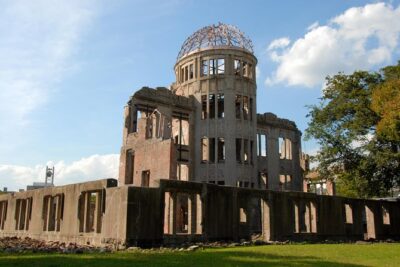
Peaceful Hiroshima & Miyajima UNESCO 1 Day Bus Tour
Our verdict →
Meiji Shrine, Asakusa, Skytree Bus Tour and Cruise
Our verdict →
Kyoto/Osaka: Nara, Fushimi Inari Taisha, Arashiyama Bus Tour
Our verdict →
Mt.Fuji & Lake Kawaguchiko 1-Day Bus Tour w/Optional Lunch
Our verdict →
Open Top Panoramic Sightseeing Bus with Audio Guide
Our verdict →
[One-day bus tour departing from Kanazawa Station] Shirakawa-go and Gokayama – Two World Heritage Villages Enjoyable Bus Tour
Our verdict →Browse the lists this tour appears in