Reviewed · HALF-DAY
Half-day Tokyo Morning Tour by Hato Bus
Tokyo gives you far more city than one morning can reasonably hold. This four-hour Hato Bus tour makes a sensible first pass, linking Tokyo Tower, the Imperial Palace, and Senso-ji Temple without asking you to master several train lines before lunch. I especially like the included Tokyo Tower ticket and the way the route moves from modern Tokyo to imperial grounds and old Asakusa.
I also like the finish near Tokyo Station, which leaves your afternoon open for museums, shopping, or an airport connection. The catch is the pace: the Imperial Palace is mainly an exterior photo stop, and traffic or a slow-moving group can cut into time at each site.
Key points to know before booking
- Tokyo Tower ticket included: You visit the 150-meter main deck, while the higher Special Observatory costs extra.
- Three major sights in one morning: The route covers Tokyo Tower, the Imperial Palace area, and Senso-ji Temple.
- Useful for a short stay: The tour ends near Tokyo Station around 1:00PM, leaving time for another plan.
- Asakusa gets the longest stop: You have about an hour for Senso-ji Temple and Nakamise Street.
- Bus travel saves effort: A hybrid bus carries you between central Tokyo sights, avoiding complicated transfers.
- Expect a brisk group outing: Groups can reach 40 people, and the walking pace may not suit everyone.
A smart first look at Tokyo in four hours
At $41.61 per person, this is priced as an orientation tour rather than a private cultural lesson. You pay for a seat on a sightseeing bus, an English-speaking guide, and admission to Tokyo Tower. The real value comes from the route: three very different parts of Tokyo are connected in one morning.
I would choose this tour if you have just arrived, have a layover, or want a broad introduction before exploring on your own. You can see the skyline from above, the Imperial Palace from ground level, and one of Tokyo’s oldest temples in Asakusa.
You should not book it expecting long visits, quiet streets, or a close look inside the Imperial Palace. This is a sampler. You get orientation, useful background, and a quick sense of how Tokyo’s districts fit together.
The bus is an especially practical advantage. Tokyo’s rail system is excellent, but a first morning can disappear while you work out platforms, exits, and transfers. Here, the guide and driver handle the route while you watch neighborhoods pass by, including central shopping areas and city streets between the official stops.
The group may include up to 40 people. That keeps the price moderate, but it also means you need to stay alert when leaving the bus. The guide may set a meeting time and move on promptly, especially in crowded Asakusa.
More Morning Tours in Tokyo:
- Tokyo: Sumo Morning Practice Viewing Tour
★ 4.8 · 570 reviews - Tokyo: Sumo Morning Training Visit
★ 4.4 · 370 reviews - Tokyo: Sumo Morning Practice Tour at Sumida City
★ 4.8 · 308 reviews
Tokyo Tower gives you the morning’s big view
Tokyo Tower is the most clearly defined stop. The ticket includes the Main Deck at 150 meters, where you can look across the city from a series of viewing areas. You get a useful sense of Tokyo’s scale, with dense urban blocks stretching in every direction.
The visit is scheduled for about 40 minutes. That is enough for photographs and a quick look around, but not enough for a leisurely visit if lines or crowding slow the group. You will not automatically visit the Special Observatory at 250 meters. That requires an additional fee paid at the tower.
The view can be the tour’s high point, particularly on a clear morning. One especially fortunate departure had a crisp view of Mount Fuji from the tower. That kind of sight is never guaranteed, so keep your expectations practical, but have your camera ready.
Tokyo Tower also gives the tour a useful contrast. You begin with a landmark built as a symbol of modern Tokyo, then move toward the palace grounds and the older streets of Asakusa. The sequence helps you understand that Tokyo is not one single mood or style.
The main weakness is time. If Tokyo Tower is your top priority, you may prefer to visit independently and spend longer there. On this tour, the tower works best as one piece of a larger morning rather than the entire purpose of the outing.
The Imperial Palace stop is mainly about views
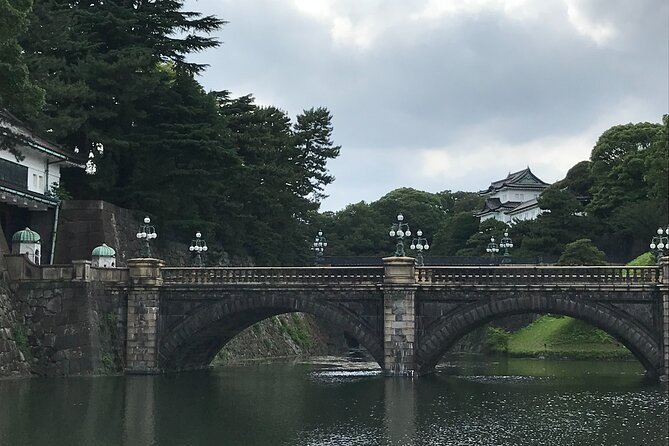
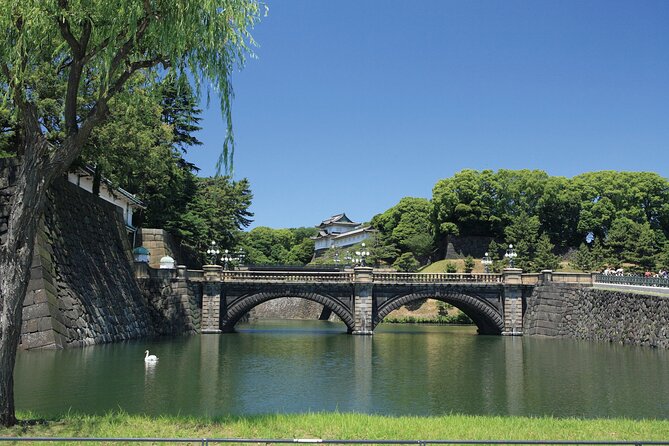
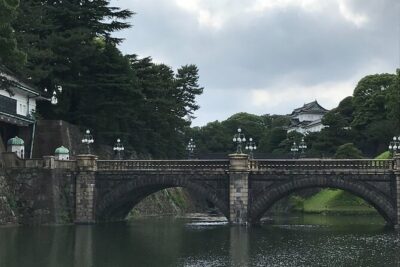
The Imperial Palace portion needs clear expectations. You do not tour the private palace buildings or wander freely through the grounds. The stop focuses on the National Garden area and views of Nijubashi Bridge, the familiar stone bridge often treated as the palace’s public face.
The scheduled time is about 40 minutes, though the exact order and timing can change. You may walk around the exterior area, listen to the guide’s explanation, and take photographs. This is a pleasant pause in central Tokyo, but it is not an in-depth palace visit.
That limitation disappoints some people, especially if they imagine entering the palace compound. The grounds have restricted access, and the tour is designed around what can normally be seen from public areas. I would treat this stop as a photo opportunity and a short lesson about Japan’s imperial center.
The location also offers a look at Tokyo’s unusual mix of open green space and dense development. After the tower’s high view, the palace area gives you a quieter, more grounded perspective. You may appreciate the contrast, even if the stop feels brief.
Road restrictions or access limits near the palace can affect the route. The company also warns that the itinerary order may change because of traffic or other conditions. That flexibility matters in Tokyo, where a short delay on a major road can affect the whole morning.
Senso-ji and Nakamise Street provide the strongest cultural stop
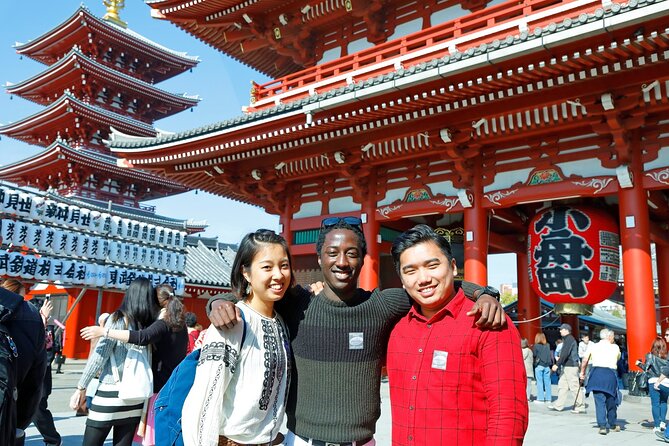
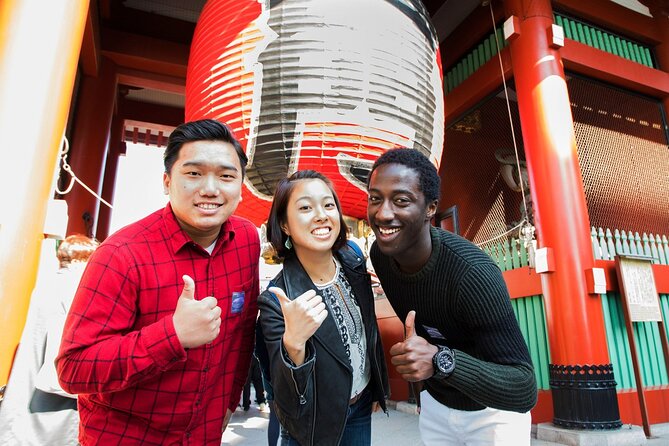
Asakusa is where the tour feels most atmospheric. Senso-ji, also called Asakusa Kannon, is Tokyo’s oldest Buddhist sanctuary. The approach includes the bright red Kaminarimon Gate, traditional religious imagery, a five-story pagoda, and the long Nakamise shopping street.
The stop lasts about an hour. That is the most generous block of time on the route, but Asakusa can easily absorb an entire afternoon. You will need to choose between temple grounds, photographs, snacks, souvenir shops, and side streets.
Nakamise Street is lined with vendors selling traditional souvenirs and Japanese snacks. It is a good place to pick up small gifts or try something quick, but the main path can be very crowded. Keep an eye on the meeting time, especially if you step away from the central street.
I would give Senso-ji the highest priority here. Start with the gate and temple grounds, then use remaining minutes for Nakamise. If shopping matters more to you, reverse that order, but do not wander too far from the agreed meeting point.
Asakusa also gives you the best chance to continue independently. You can leave the organized portion here if the guide permits it, or continue to the stated finish near Tokyo Station. Some departures have allowed people to remain in Asakusa, which can be useful if you want to visit Tokyo Skytree or explore the district at your own speed. Confirm the exact arrangement with your guide that morning.
More Half-Day Tours in Tokyo:
- Half-day Tokyo Afternoon Tour by Hato Bus
★ 4.0 · 269 reviews - Tokyo: A Half-Day Trip Bus Tour in the Morning
★ 4.6 · 236 reviews - Old and Nostalgic Tokyo: Half-Day Yanaka Walking Tour
★ 4.9 · 30 reviews - Kyoto Arashiyama Bamboo forest & Garden Half-Day Walking Tour
★ 5.0 · 413 reviews
The guide can shape the quality of the morning
A good guide matters on a short bus tour because you have little time to make sense of each stop. The strongest guides on this route, including Mina, Mini, and Junko, have been praised for clear instructions, historical context, and an easy manner. Junko, in particular, has been noted for giving practical directions and explaining social details as the bus moved through Tokyo.
The experience is not perfectly uniform. Some guides speak confidently and make the history memorable. Others may sound nervous or talk too much about personal matters instead of the places in front of you. English ability can also be good while the delivery remains hard to follow.
Hearing the guide outside the bus can be another issue. At busy sites, a microphone is important, and it may be difficult to catch every explanation if the group spreads out. I would stay close during outdoor commentary and ask questions when you can.
The guide also handles group movement and timing. That can be a real benefit in Asakusa, where it is easy to lose track of the bus or meeting point. At the same time, you need to follow instructions closely. This is not a flexible private tour.
What the bus ride adds, and what it cannot fix
The coach does more than move you from one ticketed sight to another. From the window, you get a quick look at Tokyo’s changing districts, including central commercial areas and major transport zones. You may pass near Ueno, Akihabara, and other parts of the city while the guide explains what you are seeing.
The bus is described as an environmentally friendly hybrid vehicle, though the vehicle can change because of maintenance or other practical needs. It is generally clean and roomy, but odd-numbered groups may share seats with other customers.
The vehicle’s main advantage is convenience. You can sit down between stops rather than navigate the subway after an early start. The tradeoff is traffic. On a busy day, a significant portion of the morning can pass on the road, and arrival times may shift.
The company also notes that the engine and climate control may be turned off while the bus waits, as part of its effort to limit emissions. That can mean a warm or cool pause depending on the season. Bring water and dress for the weather rather than assuming the bus will always be climate-controlled.
Timing makes this useful for stopovers
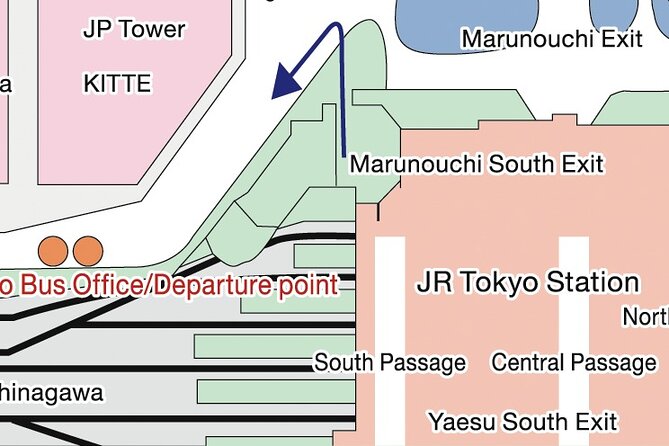
The tour begins at Tokyo Station and finishes around the Marunouchi South Exit at about 1:00PM. That timing is one of its strongest practical features. You can continue sightseeing, meet an afternoon booking, or connect with a train after the tour.
Several people have used the morning format before an afternoon flight. Still, do not treat the published finish as a guarantee for a tight airport schedule. Traffic can delay the bus, and the route order may change. If you have a flight, leave a proper margin for the airport journey.
The tour is also a good choice on your first full day in Tokyo. You get a broad orientation without spending the whole day in a coach. After lunch, you can return to whichever district caught your interest, armed with a better sense of the city.
The stated meeting point is Tokyo Station, 1 Chome-9 Marunouchi, Chiyoda City. Directions have caused confusion for some people, so I would arrive early, check the exact location on a map, and allow extra time inside the station area. Tokyo Station has many exits and can feel like a small city underground.
Walking, children, and other practical details
You should have moderate physical fitness. The tour includes walking around the Imperial Palace area and Senso-ji, plus moving through crowded public spaces. The pace can feel fast for older adults, young children, or anyone who needs frequent rests.
Children up to five years old may join free, but they do not receive a bus seat unless you book the child rate. Anyone under 18 needs written parental permission, and participants under 15, or those not yet in middle school, must be accompanied by a parent or guardian.
Food and drinks are not included. Nakamise Street gives you a chance to buy snacks, but the schedule does not promise a meal break. I would eat before departure or carry something small, while respecting the guide’s instructions about food on the bus.
The tour normally operates with a maximum of 40 people. That is a fairly large group for temple commentary, so do not expect a private conversation at every stop. The upside is a lower price and a simple way to cover a lot of ground.
Free cancellation is available if you cancel at least 24 hours before the start time. Changes or cancellations inside that window are not accepted for a refund.
How the price compares with exploring alone
At $41.61, the tour is not expensive for a four-hour organized outing that includes Tokyo Tower’s Main Deck. If you already know Tokyo’s trains and plan to visit only one or two sights, independent travel may cost less and give you more time.
The price makes better sense when you value saved effort. You avoid planning the route between Tokyo Tower, the palace, and Asakusa. You also get explanations during the ride, which can help you understand what you are seeing instead of treating each stop as a quick photograph.
The tour is less compelling if you dislike fixed schedules. You will spend only limited time at each location, and the group must keep moving. A private guide or self-guided day would offer more depth, but at a higher cost and with more planning.
Should you book the Hato Bus morning tour?
Book it if you want a well-organized first look at Tokyo, especially during a short stay, a layover, or a morning before another activity. The combination of Tokyo Tower views, an exterior palace stop, and Senso-ji gives you three distinct sides of the city in a compact package.
I would also recommend it for first-time visitors who feel uneasy about Tokyo’s size or rail system. The bus helps you get your bearings, and the finish near Tokyo Station keeps the rest of the day open.
Skip it if your priority is a long Imperial Palace visit, detailed temple study, or unhurried shopping. You may also want another option if walking quickly is difficult or if traffic delays would cause serious problems later.
For most people, the right way to see this tour is as an introduction, not a complete Tokyo day. Let it show you the city’s main contrasts, then return to your favorite stop on your own.
FAQ
How long does the Tokyo morning tour last?
The tour lasts approximately four hours and generally finishes near Tokyo Station around 1:00PM.
Where does the tour begin and end?
It begins at Tokyo Station at 1 Chome-9 Marunouchi, Chiyoda City, Tokyo 100-0005. The stated end point is near the Marunouchi South Exit.
Is Tokyo Tower admission included?
Yes. Admission to the Tokyo Tower Main Deck at 150 meters is included. The Special Observatory at 250 meters requires an additional fee paid at the location.
Does the tour enter the Imperial Palace?
No. The Imperial Palace visit is an exterior stop focused on views of Nijubashi Bridge and the surrounding public garden area.
Is food included?
No. Food and drinks are not included. You can buy snacks around Nakamise Street during the Asakusa portion, subject to the tour schedule.
Can I cancel for a full refund?
Yes, if you cancel at least 24 hours before the experience start time. Cancellations or changes made less than 24 hours before departure are not accepted for a refund.
Just added around Tokyo
- Kawagoe Japanese Food Tour : Unagi Kaiseki and Sake near Tokyo★ 5.0 · 30 reviews
- Kawagoe 4hr Private Tour with Licensed Guide (Kawagoe Dep)★ 5.0 · 13 reviews
- Little EDO Sushi Making workshop in Kawagoe★ 5.0 · 18 reviews
- 【R34】Tokyo:Private Daikoku tour in Modified R34★ 4.9 · 92 reviews
- :Tokyo,Shibuya/ Pro Photography in Kimono / English-Friendly★ 5.0 · 26 reviews
- Tokyo:Celebrate Unique Japanese New Year Tradition Festivity★ 3.9 · 20 reviews
- Tokyo: Allstar Food Tour★ 4.7 · 29 reviews
- Tokyo: West-Side Cycling and Food Tour with Guide★ 5.0 · 37 reviews
Half-Day, compared.
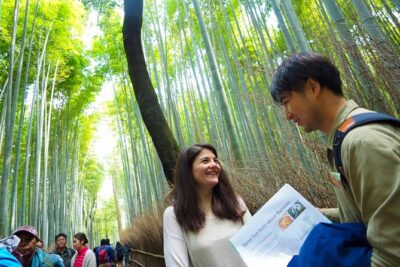
Kyoto Arashiyama Bamboo forest & Garden Half-Day Walking Tour
Our verdict →
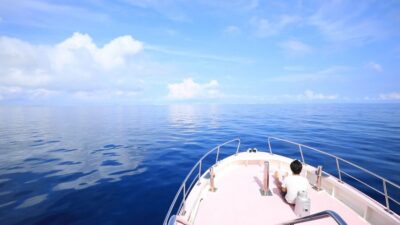
Naha, Okinawa: Kerama Islands Half-Day Whale Watching Tour
Our verdict →
Himeji Half-Day Private Tour with Government-Licensed Guide
Our verdict →