
Reviewed · BUS TOURS
From Osaka or Kyoto: Kyoto and Nara 1-Day Bus Tour
Kyoto’s Golden Pavilion, Fushimi Inari’s red torii gates, Nara’s deer, and Arashiyama are a lot to pack into one day. This tour does exactly that, using a bus to connect the sights without making you sort out several train routes. I like the simple coverage and the chance to see two former capitals in one outing.
I also like that Kinkakuji admission and round-trip bus transport are included, with live English or Chinese commentary. The guides can make a real difference: Mike, Garry, Harry, Nick, and Eric are all singled out for being helpful, funny, or clear. The catch is time. You may get only a quick look at each place, and the bamboo forest has sometimes been cut from the route because of driver-hour rules.
Key things to know before booking
- Four major sights in one day: The usual plan links Nara Park, Arashiyama, Kinkakuji, and Fushimi Inari, though the order can change.
- A useful bus connection: You avoid changing trains between Osaka, Kyoto, and Nara, but road traffic can make the day late.
- Todaiji costs extra: Nara Park is free, but entry to Todaiji Temple is not included.
- Arashiyama is not guaranteed: Ask about the bamboo forest before booking if it is the main reason you want this tour.
- Guides vary by departure: Mike, Garry, Harry, Nick, and Eric have received warm praise, while some English commentary has been hard to hear.
- Expect a full day: The tour lasts about 9 to 10 hours and can involve long walks from the bus parking area.
One bus, four famous stops, and a very full day
At $64.33 per person, this is priced as a practical sightseeing day rather than a slow cultural visit. You are paying for a long-distance bus, an air-conditioned vehicle, a guide, taxes, and entry to Kinkakuji. That is fair value if your priority is to cover several major sights in one day.
The price is less attractive if you want time for quiet temple visits, shopping, meals, or independent wandering. A bus tour has to gather a large group and keep moving. The maximum group size is 99 people, so this can feel like a large coach excursion rather than a small guided walk.
You can board in Osaka’s Namba area or in Kyoto. There is no hotel pickup or hotel drop-off. Arrive at least 10 minutes early at the exact meeting point, confirm your name with the staff, and check the bus number carefully. Several tours may leave from the same area, and arriving at the wrong point or after departure can mean missing the tour without a refund.
More Bus Tours in Nara
- Kyoto/Osaka: Nara, Fushimi Inari Taisha, Arashiyama Bus Tour
★ 4.7 · 1,275 reviews - Kyoto: Nara & Traditional Matcha Experience Bus Tour
★ 4.9 · 185 reviews - From Kyoto: Nara History Guided Half Day Bus Tour with Lunch
★ 4.8 · 114 reviews
Nara Park and Todaiji: deer, gardens, and the Great Buddha
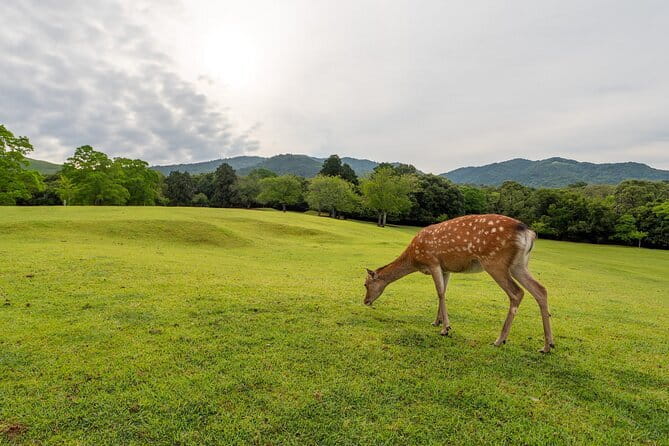
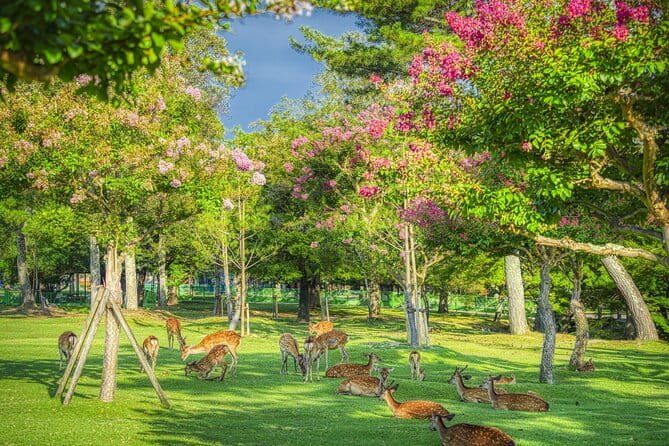
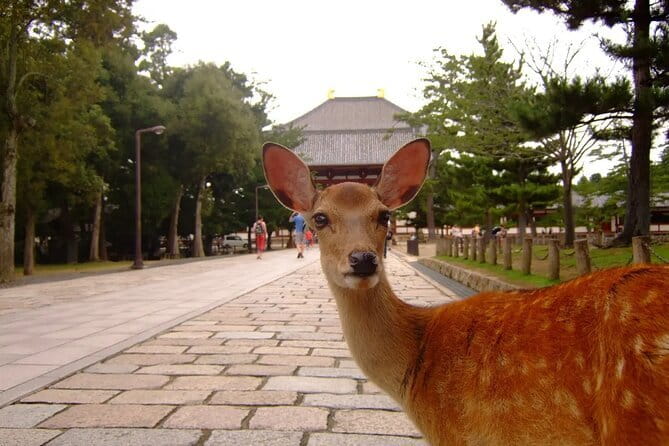
Nara Park is the first major stop in the stated plan, with about 1 hour and 20 minutes assigned to the area. The park itself is free, and its famous deer roam around the paths and temple grounds. This is one of the most enjoyable parts for families, but remember that seeing the deer and visiting Todaiji are separate tasks within a short window.
Todaiji is the reason to make the trip into Nara. The temple is a UNESCO World Heritage Site and home to the Great Buddha, a huge bronze figure housed in one of Japan’s most famous wooden buildings. It is also described as the world’s largest wooden structure, which gives the visit real scale even if you are not a temple enthusiast.
Entry to Todaiji is optional and costs extra. That detail matters. If you want to see the Great Buddha, budget for the admission fee and leave enough time to walk from the bus parking area. Several accounts describe walks of 10 to 20 minutes from the coach to the attractions, so your 80 minutes does not all happen inside the temple.
The nearby Manyo Botanical Garden and Tamukeyama Hachiman Shrine are listed around the Nara stop, but you should not count on exploring each one in depth. They are useful landmarks near Todaiji, not separate, leisurely visits. If your main goal is the deer and Great Buddha, head directly there when the guide releases you.
Nara works best for you if you move with purpose. Take photographs, see the deer, and enter Todaiji promptly if it matters to you. Slow walkers may find this stop especially tight, particularly if the bus arrives late.
Arashiyama Bamboo Grove: the stop that needs confirmation
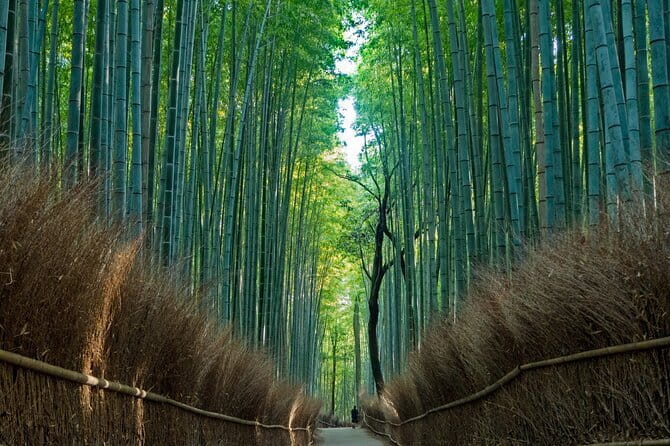
Arashiyama is allotted about two hours in the planned itinerary. The Bamboo Grove is the headline attraction, with tall bamboo along a narrow walking route. It is a memorable place, but it is also one of Kyoto’s most popular photo stops, so do not expect solitude.
The Arashiyama area includes several other sights and possible points of interest: Tenryuji, Nonomiya Shrine, Togetsukyo Bridge, the Kimono Forest installation, Okouchi Sanso, Iwatayama Monkey Park, and the Fukuda Art Museum. The schedule does not give you time to visit all of these. In practice, you may have enough time for the bamboo path, a nearby shrine, and a quick look around before returning to the bus.
This is also the tour’s biggest warning point. The bamboo forest has been removed on some departures because of changes to bus-driver working-hour rules. In other cases, the change was communicated only shortly before the trip or on the day itself. If Arashiyama is your top priority, contact the operator before booking and ask if it is included on your date.
Do not assume that a guide can simply send you there independently if the bus skips it. One reported arrangement left people to find their own way to the forest, which defeats the main benefit of booking a bus tour. Get a clear answer in writing if possible.
Kinkakuji: the easiest included highlight
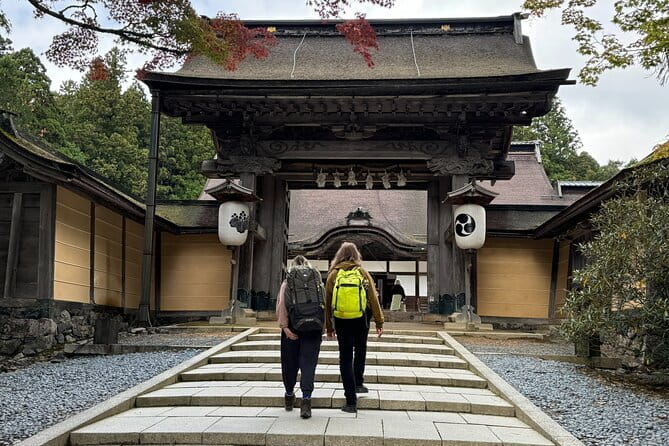
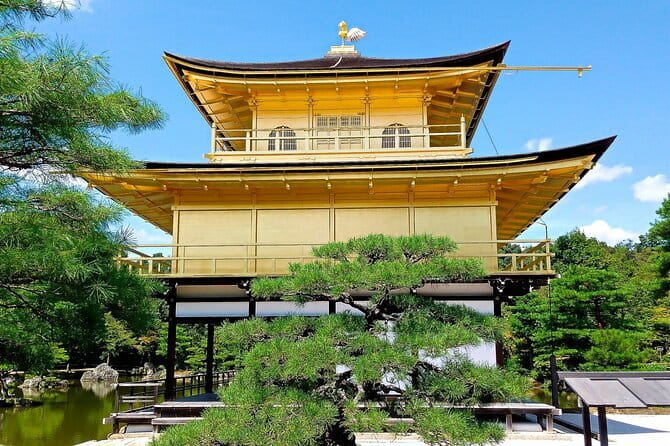
Kinkakuji, or the Golden Pavilion, is the most straightforward stop because admission is included. The temple’s gold-covered exterior sits beside a pond and formal gardens, giving you one of Kyoto’s most recognizable views with little planning required.
The scheduled visit is about 40 minutes. That is enough to enter, follow the set path, photograph the pavilion, and pass through the grounds. It is not enough for a slow garden stroll or a long visit to nearby sites.
The pavilion is a reconstruction, but that does not make the view less striking. The value here is efficiency: you get one of Kyoto’s essential sights without arranging a separate bus or entrance ticket. The drawback is that the path can be crowded and the visit may feel like a photo stop rather than a temple experience.
Some departures visit Kinkakuji earlier, while others place it later in the day. The operator can change the order because of traffic and operating conditions. Keep your ticket details and meeting instructions handy, since the guide may give only a short orientation before sending you into the grounds.
More Day Trips in Nara
- Nara Half Day Trip Walking Tour (Private Option Available)
★ 5.0 · 937 reviews - Kyoto and Nara Day Trip from Kyoto
★ 4.5 · 445 reviews - Osaka: Nara and Uji Day Trip with Deer Park and Hot Spring
★ 4.4 · 302 reviews - From Kyoto / Osaka: Kyoto Must-see Spots & Nara Park One Day Tour
★ 5.0 · 169 reviews
Fushimi Inari: red gates and a choice of how far to walk
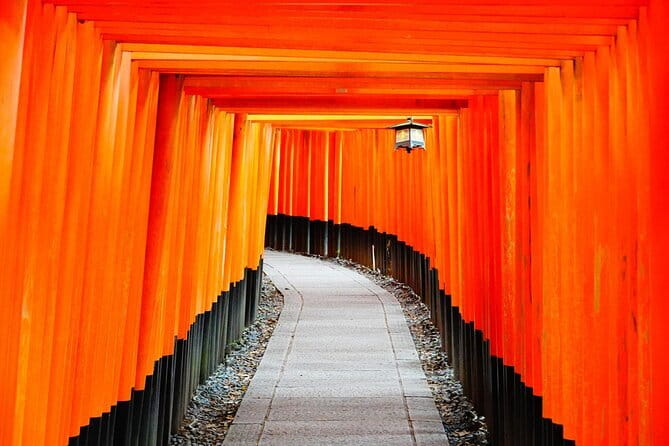
Fushimi Inari Taisha is scheduled for about 1 hour and 20 minutes. Its rows of vermilion torii gates climb the wooded slopes behind the shrine, creating one of Kyoto’s most recognizable walking routes.
You do not need to walk the entire mountain trail to enjoy the visit. With limited time, you can pass through the lower gates, see the main shrine buildings, and turn back. If you walk farther uphill, watch the clock carefully. The return to the bus is not flexible.
This stop is free, but it can be crowded near the entrance. The route becomes quieter as you walk higher, but the incline and stairs increase too. Wear shoes that can handle a long day on foot, and do not spend the entire stop taking photos at the first gate tunnel.
Fushimi Inari is often the most atmospheric stop because it gives you a sense of movement through a living religious site, rather than only a quick view of a single building. Still, the tour format limits how far you can go. If you want to explore the mountain properly, plan a separate visit.
Lunch and the Osaka departure option
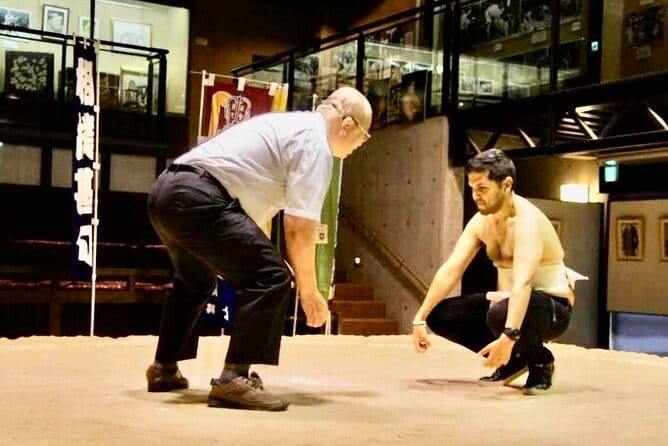
Lunch is included only if you select that option, and the Osaka departure may include Kobe beef shabu-shabu. The meal comes with an explanation of Kobe beef, adding a food experience to an already packed sightseeing day.
This can be a useful choice if you prefer not to search for lunch during a tight schedule. It also gives the group a fixed break. The tradeoff is less freedom, and the meal option raises the total cost beyond the basic $64.33 price.
The supplied details do not state the exact lunch price, so check the booking option before paying. Also remember that a large group meal may not feel like a private or especially leisurely Japanese dining experience. One account described seating arrangements that did not match the expected traditional setup because there was not enough room for everyone.
What the guides add, and where the experience can fall short
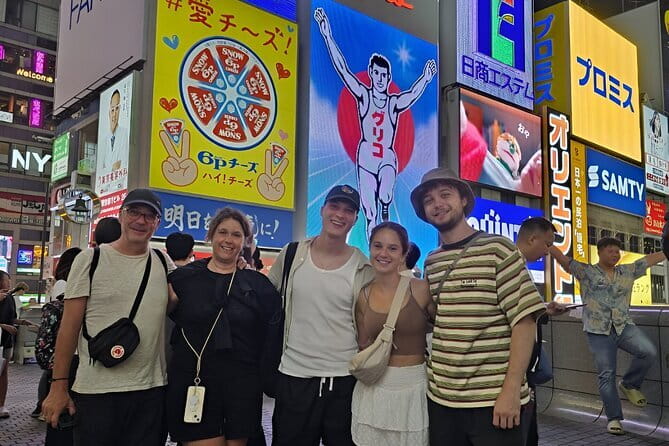
The strongest part of this tour can be the guide. Mike is praised for being kind and helpful, Garry for going far beyond basic service, Harry for answering questions, Nick for humor and care, and Eric for clear explanations. Those guides helped turn a fast route into a more enjoyable day.
The quality is not perfectly consistent. Some English-speaking passengers have found the commentary too quiet, too brief, or focused on odd side topics instead of the monuments. English and Chinese commentary may also be given on the same bus, depending on the group, so you may hear both languages during the ride.
You should think of the guide as a trip coordinator and source of basic context, not necessarily as someone who walks every site with you. At many stops, the guide gives directions and a meeting time, then leaves you to explore on your own. That suits independent people who want freedom, but it disappoints anyone expecting a detailed guided tour inside each temple.
A microphone matters on a large coach. If you cannot hear the explanation, move closer to the front when possible and ask for clarification. The guide’s organization also matters because late passengers can delay everyone. The bus is expected to leave on time, and some departures have been affected by waiting or late arrivals.
Transport, walking, weather, and luggage
The air-conditioned bus is the main reason to choose this experience. You can connect Osaka or Kyoto with Nara without working out several train changes, and you can rest between stops. That convenience is valuable on a first visit to Kansai.
The bus cannot defeat traffic. The day may run late, and the schedule can change without notice because of road conditions, weather, or other unexpected problems. Do not book a tight evening reservation immediately after the tour. The return time is not guaranteed.
Expect substantial walking. You may walk from the coach parking area to the temple, climb steps at Fushimi Inari, and cover uneven paths around the park and shrines. The tour is suitable for most people who can manage a full day on foot, but it is not a gentle sightseeing day.
One piece of luggage per person is allowed, with a maximum stored-bag size of 155 centimeters when height, width, and depth are added together. Items placed in the trunk cannot be reached between stops, so keep passports, medication, valuables, and anything needed during the day with you.
Rain does not automatically stop the tour. The operator says it generally runs in poor weather unless notified otherwise, so bring weather protection and expect slippery paths. If extreme weather or a natural disaster causes cancellation, a full refund is offered.
Who should book this Kyoto and Nara tour?
I would choose this bus tour if you have only one free day, want the famous sights, and dislike navigating Kansai’s train system. It is especially useful for families or first-time visitors who value a fixed route and transport over long visits at individual temples.
The tour also suits younger or reasonably fit people who can keep moving. You will see a lot, but you will not see everything. The best mindset is four strong snapshots in one day, not a deep visit to Kyoto and Nara.
I would choose something else if the Arashiyama Bamboo Grove is essential, if you want a small group, or if you prefer careful temple visits with time to sit and look. The uncertain bamboo stop is a serious issue, and Todaiji admission is not included despite Nara being one of the main reasons for the trip.
At $64.33, the basic tour is good value for a broad first look. Confirm the Arashiyama schedule, check the meeting point twice, arrive early, and leave room in your evening plans. If those conditions work for you, this is an efficient way to collect several major Kansai sights in one long day.
FAQ
How long does the Kyoto and Nara bus tour last?
The tour lasts approximately 9 to 10 hours, depending on the departure point, traffic, weather, and changes to the schedule.
Where can I join the tour?
You can select a departure from Kyoto or from the Namba area of Osaka. Hotel pickup and hotel drop-off are not included.
Is Kinkakuji admission included?
Yes. Admission to Kinkakuji Temple is included in the tour price.
Is Todaiji admission included?
No. Entry to Todaiji Temple is optional and must be paid separately.
Does the tour include the Arashiyama Bamboo Grove?
The planned itinerary includes Arashiyama and the Bamboo Grove, but this stop has been removed on some departures because of driver-hour restrictions. Confirm the route before booking.
Is lunch included?
Lunch is included only when you select the lunch option. The Osaka departure may offer Kobe beef shabu-shabu with an explanation of Kobe beef.
Is the tour offered in English?
Yes. Live commentary is available in English or Chinese. Depending on the number of participants, both languages may be used on the same bus.
How early should I arrive?
Arrive at least 10 minutes before departure at your selected meeting point. The bus leaves on time and may not wait for late arrivals.
Can I cancel for a full refund?
Yes, if you cancel at least 24 hours before the experience start time. Changes or cancellations made less than 24 hours before departure are not accepted for a refund.
Just added around Nara
- Private Kyoto Tour by Car with Optional Nara or Osaka Add-Ons★ 5.0 · 36 reviews
- Kyoto, Osaka, Nara Private Tour by Car English Driver Guide★ 4.0 · 63 reviews
- Nara Todaiji Kasuga Taisha Private Full Day Tour From Kyoto★ 5.0 · 13 reviews
- From Kyoto: Nara History Guided Half Day Bus Tour with lunch★ 5.0 · 23 reviews
- Nara 8hr Private Tour – Kyoto DEP. with Licensed Guide★ 5.0 · 115 reviews
- Arashiyama & Nara Highlights: One-Day Private Tour Adventure★ 5.0 · 16 reviews
- Kyoto Private Car Tour – Full Day with Local Guide & Nara Option★ 5.0 · 169 reviews
- Kyoto & Nara Private Tour from Osaka Kyoto Hotel Pick-up★ 4.5 · 32 reviews
Bus Tours, compared.

Mt Fuji and Hakone 1-Day Bus Tour Return by Bullet Train
Our verdict →
Peaceful Hiroshima & Miyajima UNESCO 1 Day Bus Tour
Our verdict →
Meiji Shrine, Asakusa, Skytree Bus Tour and Cruise
Our verdict →
Kyoto/Osaka: Nara, Fushimi Inari Taisha, Arashiyama Bus Tour
Our verdict →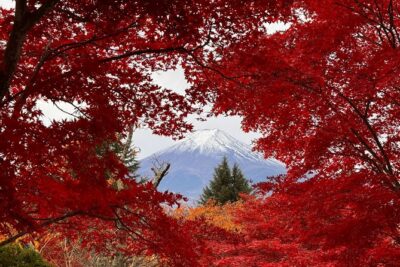
Mt.Fuji & Lake Kawaguchiko 1-Day Bus Tour w/Optional Lunch
Our verdict →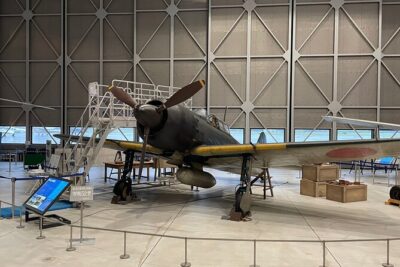
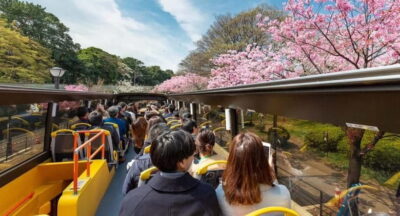
Open Top Panoramic Sightseeing Bus with Audio Guide
Our verdict →
[One-day bus tour departing from Kanazawa Station] Shirakawa-go and Gokayama – Two World Heritage Villages Enjoyable Bus Tour
Our verdict →Browse the lists this tour appears in