
Reviewed · RAMEN & NOODLE TOURS
Exclusive Tokyo Ramen Kitchen Experience
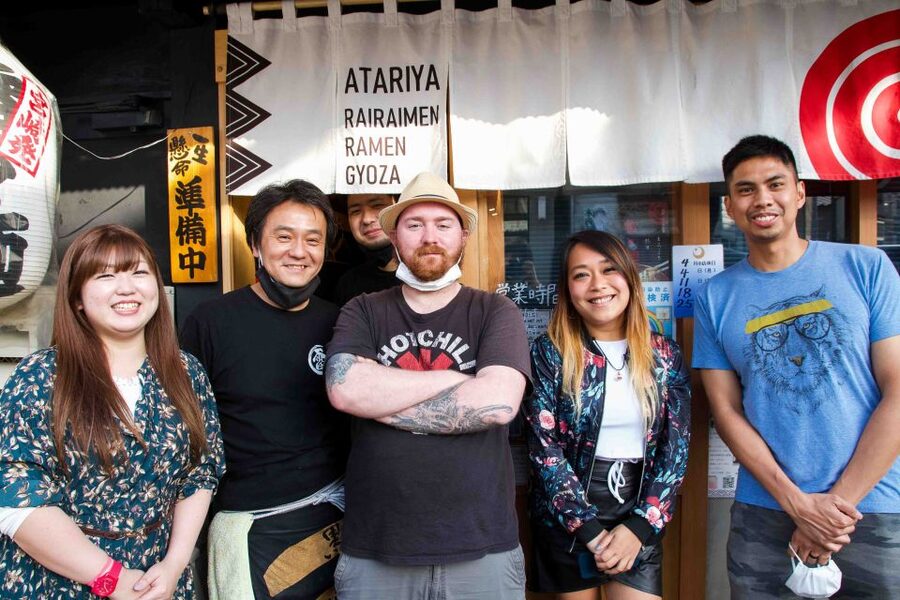
Tokyo’s ramen culture makes more sense when you see the work behind the bowl. This one-hour session gives you rare access to an award-winning shop kitchen, where you learn about broth, noodles, toppings, and the rhythm of service before putting together two small bowls of ramen yourself.
I like the small group of six and the chance to work beside a real chef rather than sit through a standard demonstration. I also like that the English-speaking guides explain ramen’s origins, types, and ingredients, with guides such as Frank bringing clear enthusiasm to the subject. The main drawback is value: at $83 per person, this is costly for an hour, especially since the broth and noodles are prepared in advance.
Key points to know before booking
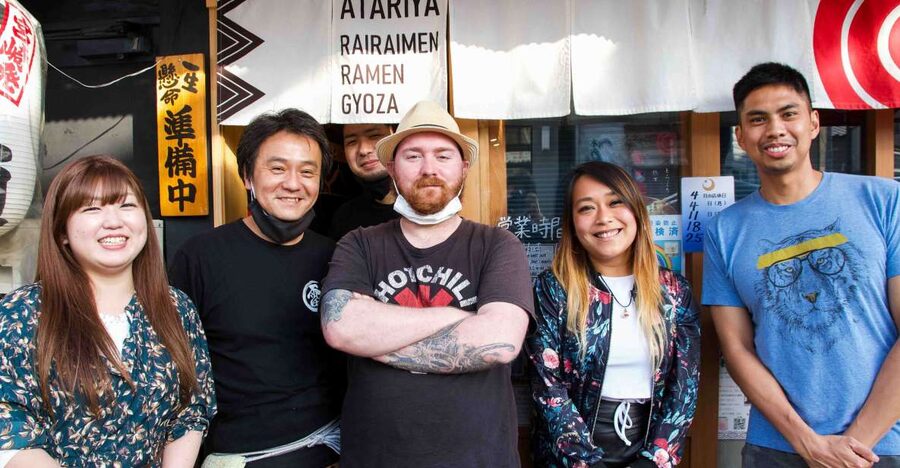
- You enter a working ramen kitchen: This is a behind-the-counter experience in a real Tokyo shop, not a classroom staged for tourists.
- The session lasts one hour: You get a focused look at ramen preparation, two small bowls, and two fried dumplings.
- The food is partly prepared in advance: The long broth-making process is shortened, so you assemble and finish ramen rather than make every component from scratch.
- The group is limited to six: That keeps the kitchen visit personal and gives you a better chance to follow the chef’s instructions.
- The meal contains several animal products: The ramen includes chicken, pork, and fish, so this matters for dietary planning.
- Meet at Nezu Station: Go to Exit 1 and wait in front of the Akafudado supermarket for the guide holding a Tokyo Ramen Tours sign.
What the one-hour ramen experience really offers
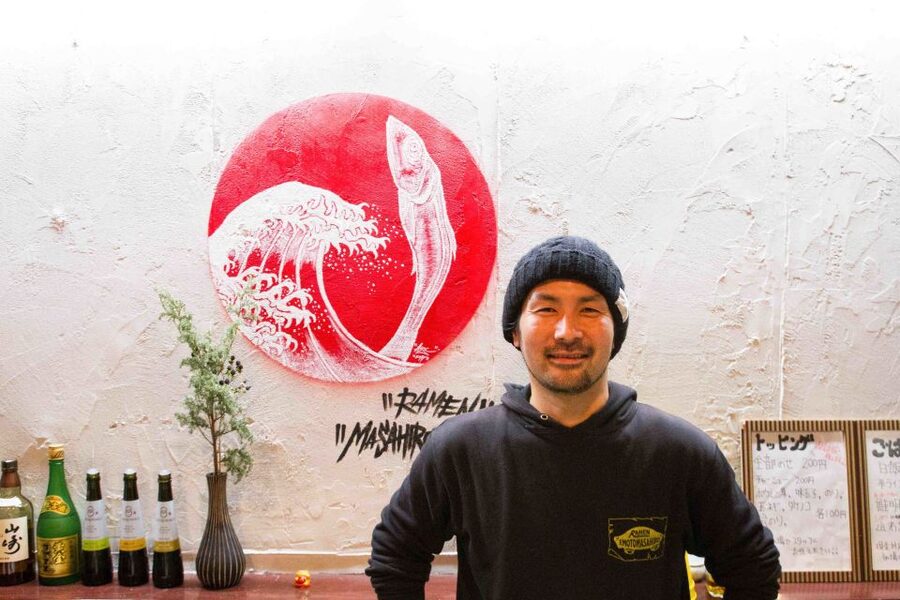
The appeal here is access. Tokyo has no shortage of ramen shops, but most visitors experience them from the customer side of the counter. This session lets you see the other side, with hot water, soup, noodles, ingredients, and kitchen movement all close at hand.
You are not training to become a ramen chef in an hour. You are getting a compact lesson in how a professional shop turns prepared components into a finished bowl. That distinction matters. If you want to learn a broth recipe from beginning to end, this will feel limited. If you want to understand the craft while eating very good ramen, the format makes sense.
The shop has won several awards, which gives the food portion more weight than a simple tourist tasting. The setting also adds personality. The kitchen is part of a real ramen business, and the chef is working in the place where the food is normally served.
More Ramen Tours in Tokyo
- Eat and Drink Like a Local: Tokyo Ueno Food Tour-Taverns&Ramen
★ 5.0 · 957 reviews - Ramen & Gyoza Cooking Class in Tokyo with Local Supermarket Visit
★ 5.0 · 823 reviews - Tokyo: Ramen Tasting Tour with 6 Mini Bowls of Ramen
★ 4.9 · 432 reviews
Meeting at Nezu Station and entering the shop
Your meeting point is Nezu Station, Exit 1, in front of the Akafudado supermarket. Look for the guide holding a Tokyo Ramen Tours sign. This is a useful detail to keep in mind because Nezu Station has more than one exit, and using the wrong one can cost you time.
The guide leads the group to the ramen shop. Several guides operate the experience, and Frank has led some sessions. The guide handles the explanation in English and helps connect the chef’s work with the wider story of ramen.
The group size is limited to six people. I see that as one of the strongest parts of the setup. A kitchen is a tight space, and a large crowd would make the activity feel like a quick photo stop. With fewer people, you have a better chance to watch the chef closely and take part without being lost in the back row.
Wear comfortable clothes. You will be in a working kitchen and handling hot water and soup, so this is not the moment for fussy clothing or loose items that get in the way.
Learning why ramen is more than noodles and soup
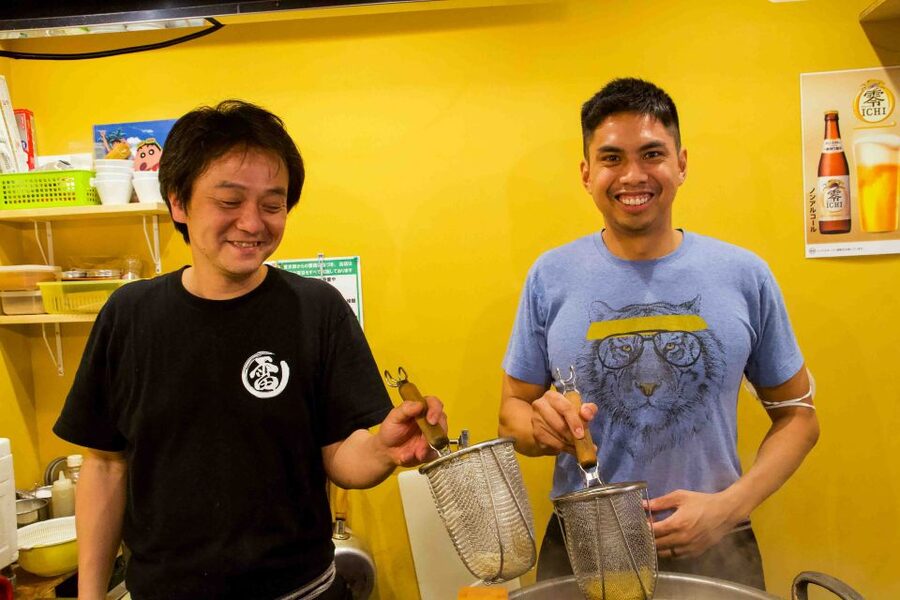
The guide introduces the basic building blocks of ramen and explains what each ingredient does. You learn about the origins and types of ramen, as well as preparation methods and ingredient sources.
That context is useful because ramen can look simple in the bowl. Noodles, broth, seasoning, and toppings may arrive together in minutes, but each part has a job. The broth gives the dish its main character. The seasoning shapes the balance. The noodles affect texture and how the soup is carried to your mouth.
The experience also explains how much time goes into the parts you do not see. The broth alone takes about 10 hours to make. That is why the session does not ask you to start with raw ingredients and wait around for a finished meal. Instead, the long work is already done, and you get to see how the shop brings everything together during service.
I like this approach for a short Tokyo activity. You spend your hour doing and tasting, not watching a pot simmer. Still, you should book it with the right expectation: this is an introduction to ramen craft, not a recipe workshop that sends you home with a complete method.
Getting behind the counter with the chef
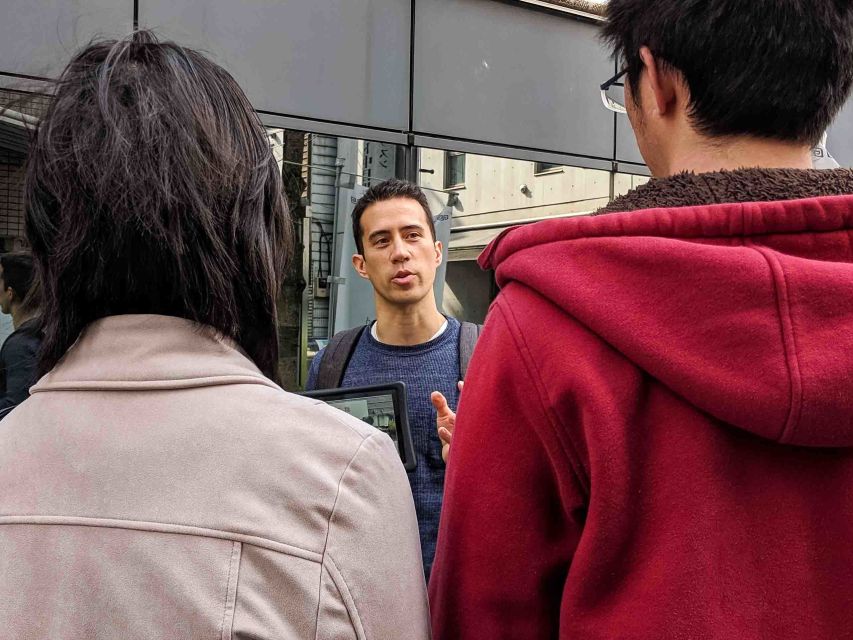
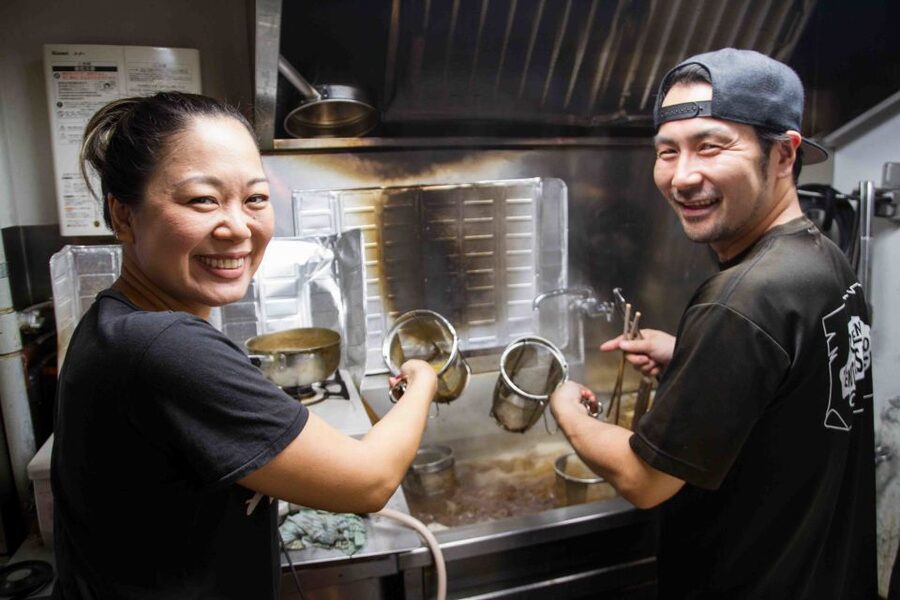
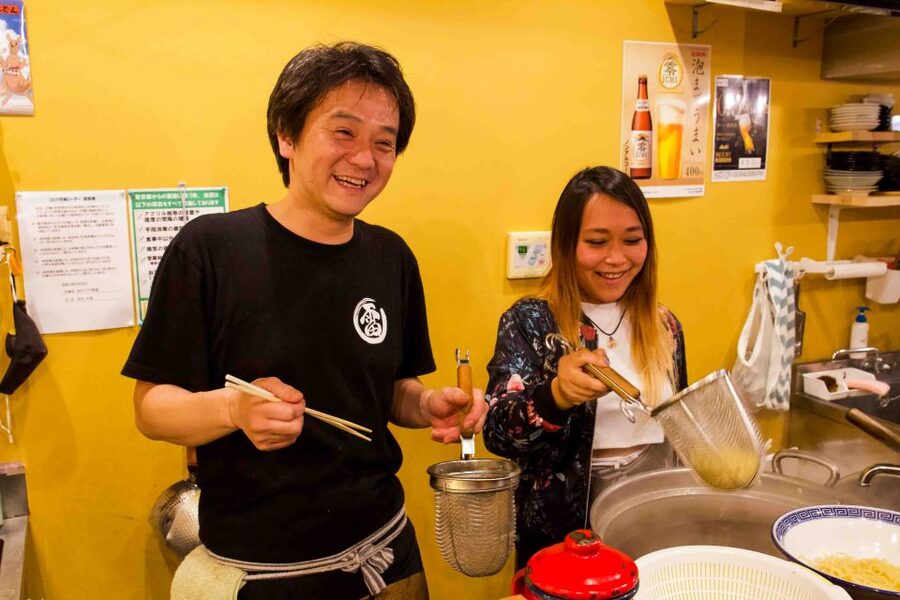
The kitchen portion puts you close to the practical work. You see how ingredients are handled and how the bowl is assembled. The chef guides you through the steps, while the English-speaking guide explains what is happening.
You may feel a little like a chef, but the chef remains responsible for safety and timing. Hot water and soup are part of the activity, so you must follow instructions carefully. The setting is authentic precisely because it is a real kitchen, but that also means it is not a padded play area.
Families can take part, with one session involving children aged 8 and 11 who were carefully assisted by the chef. That does not mean every child will find the kitchen easy, but it shows that the activity can work for older children when they listen closely and have adult supervision.
The most satisfying part is the change in perspective. After seeing the kitchen, a bowl of ramen no longer looks like a quick, cheap meal with nothing behind it. You begin to notice the timing, the heat, and the order in which each component reaches the bowl.
Same trip, a completely different kind of day:
- 1-Day Tokyo Bus Tour
★ 5.0 · 14,250 reviews - Tokyo: TOKYO SKYTREE® Admission ticket
★ 4.5 · 11,192 reviews - Tokyo: teamLab Planets TOKYO Digital Art Museum Entry Ticket
★ 4.6 · 9,779 reviews - Tokyo: Sumo Show Experience with Chicken Hot Pot and a Photo
★ 4.8 · 6,678 reviews
Two small ramen bowls and two gyoza
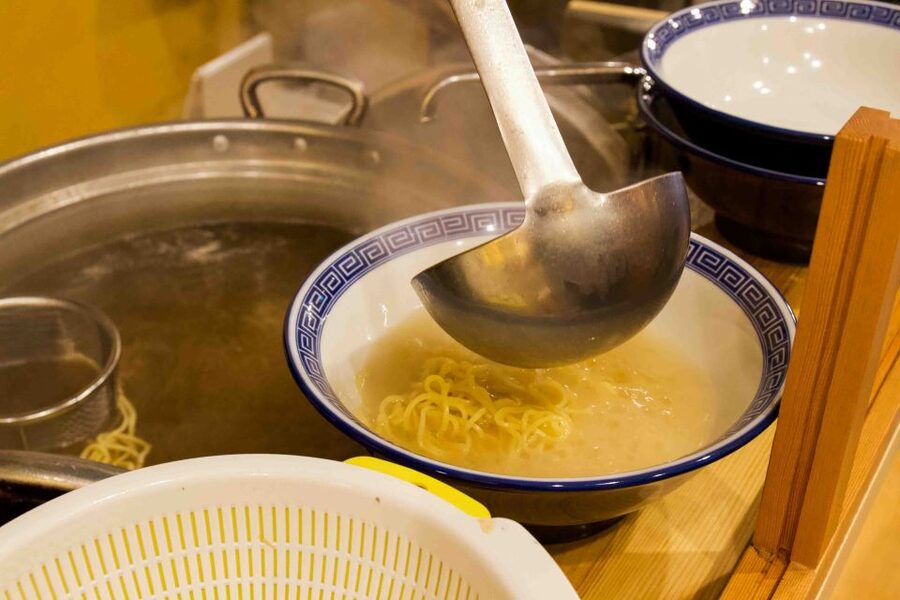
The included food is two small bowls of ramen and two gyoza, or fried dumplings. The smaller portions are helpful because you are sampling the process rather than sitting down for one large meal. They also let you compare the bowls or enjoy the food without feeling weighed down after a kitchen activity.
The ramen has received particularly strong praise for its taste. Some people who took the activity considered it the best ramen they ate during their Japan trip. That is a high bar, and individual taste always varies, but the food is clearly meant to be a serious part of the experience, not an afterthought.
The two gyoza add a useful side dish and give you another familiar Japanese food to enjoy. Do not expect a wide tasting menu. The focus stays on ramen, with the dumplings serving as a small extra.
The ingredients include chicken, pork, and fish. This is important enough to check before booking. The supplied information does not describe vegetarian, vegan, halal, or allergy substitutions, so you should not assume that changes can be made.
Why the $83 price can make sense, and when it does not
At $83 per person, the experience is expensive for one hour and a modest amount of food. One person specifically found the price high and wished there were a family discount. That is a fair concern, especially for a family paying for several places.
You are paying for more than two bowls and two dumplings, though. The price covers a small-group kitchen visit, an English-speaking guide, access that is not normally available, and time with a chef in an award-winning ramen shop. The access is the product.
I would see the value this way:
- If ramen is one of the main reasons you are excited about Japan, the cost is easier to defend.
- If you want a hands-on food activity rather than another restaurant meal, the kitchen setting adds real value.
- If you are mainly hungry and want the cheapest excellent ramen, you can find better value elsewhere.
- If you are traveling as a family, the total price may feel steep because there is no stated family discount.
The short duration helps if your Tokyo schedule is packed. You can fit the activity into a busy day without giving up half a day. The trade-off is that the session has little room for long questions, repeated attempts, or a full recipe lesson.
The strongest part: access and personal attention
The most praised elements are consistent: the welcoming chef, the friendly guide, the tasty ramen, and the unusual chance to enter the kitchen. Those points line up with the design of the activity.
I especially like the personal scale. A group of six allows the guide to keep everyone involved, while the chef can pay attention to practical safety. The chef also seems to be a major part of the experience, not simply someone working in the background while a guide talks.
The guides bring different personalities, but Frank is one name associated with the experience. He has been described as passionate about ramen and good at explaining its background. Since multiple guides are used, you should not book on the assumption that Frank will lead your particular date.
The setting has personality too. This is not a generic cooking studio with a ramen theme. You are in the kitchen of a shop that serves ramen as its main business. For many people, that is worth more than making every ingredient from scratch in a tourist classroom.
What this activity does not include
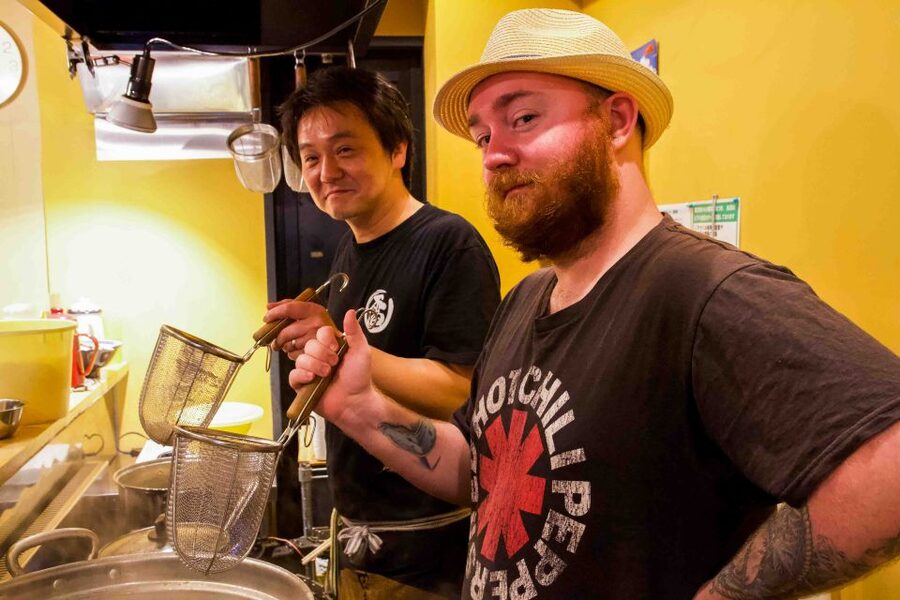
The most important limitation is simple: you do not make the complete ramen process from scratch. The broth, which can take about 10 hours, is prepared ahead of time. The activity shortens the process so you can learn, assemble, and eat within one hour.
You should also not expect a written recipe or a take-home kit. The supplied details do not include recipes, and one person specifically wished for take-away instructions. If you want to recreate the ramen at home, take your own notes when the guide explains ingredients and methods.
This is also not a long cultural tour of Tokyo. The meeting point is at Nezu Station, but the main experience happens inside the ramen shop. The value comes from the kitchen and the food, not from sightseeing between stops.
Who should book this ramen kitchen visit
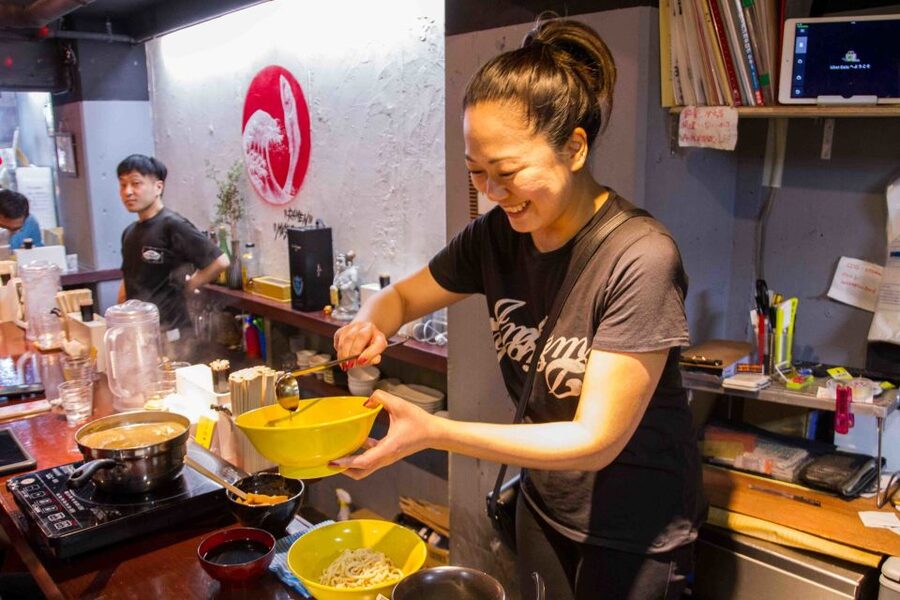
I would recommend it most strongly to:
- Ramen fans who want to understand how a professional shop works
- Food-focused visitors looking for a small, unusual Tokyo activity
- Couples and friends who prefer active experiences to a standard meal
- Families with older children who can follow kitchen safety instructions
- Visitors who value access and instruction more than getting the lowest meal price
I would think twice if you have a strict budget, need a vegetarian or fish-free meal, or want a full cooking class. The inclusion of chicken, pork, and fish makes this unsuitable for some diets, and the short format leaves no time for a complete broth lesson.
The experience can also work well near the start of a Japan trip. It gives you useful vocabulary and a better eye for ramen when you visit other shops later. One person described it as a good way to begin a trip, and I can see why: it turns a familiar dish into a subject you notice more closely.
Practical details that matter on the day
The activity lasts one hour, with starting times available when you check the date. Arrive at Nezu Station, Exit 1, and find the Akafudado supermarket. Your guide will have the Tokyo Ramen Tours sign.
The tour is offered in English and uses a live guide. The group limit is six people. Comfortable clothes are recommended, and you need to be alert around hot water and soup.
The activity allows free cancellation up to 24 hours before the start time for a full refund. You can also reserve now and pay later, which helps if your Tokyo schedule is still shifting.
Should you book the Exclusive Tokyo Ramen Kitchen Experience?
Book it if you want a close look at how a real ramen shop functions and are happy to pay for access, guidance, and a meal rather than a full cooking course. The small group, friendly kitchen atmosphere, strong ramen, and English explanations make this a memorable food stop.
Skip it if you mainly want a large serving of ramen, a low-cost meal, or a complete recipe lesson. At $83, the price demands genuine interest in ramen. For the right person, the chance to work behind the counter and understand what goes into the bowl makes the hour worthwhile.
FAQ
Where does the ramen experience meet?
Meet at Nezu Station, Exit 1, in front of the Akafudado supermarket. The guide will be holding a Tokyo Ramen Tours sign.
How long does the experience last?
The experience lasts one hour. Starting times vary, so check availability for your chosen date.
Is the experience offered in English?
Yes. It includes a live English-speaking guide.
How many people can join the group?
The group is limited to six participants.
Is this a full cooking class?
No. It is a behind-the-counter kitchen experience. The broth and other parts of the process are prepared in advance, and you help assemble the ramen rather than make every component from scratch.
What food is included?
You receive two small bowls of ramen and two gyoza, which are fried dumplings.
Does the ramen contain meat or fish?
Yes. The ramen contains chicken, pork, and fish.
Can I cancel for a full refund?
Yes. You can cancel up to 24 hours in advance for a full refund. You can also reserve now and pay later.
Just added around Tokyo
- Kawagoe Japanese Food Tour : Unagi Kaiseki and Sake near Tokyo★ 5.0 · 30 reviews
- Kawagoe 4hr Private Tour with Licensed Guide (Kawagoe Dep)★ 5.0 · 13 reviews
- Little EDO Sushi Making workshop in Kawagoe★ 5.0 · 18 reviews
- 【R34】Tokyo:Private Daikoku tour in Modified R34★ 4.9 · 92 reviews
- :Tokyo,Shibuya/ Pro Photography in Kimono / English-Friendly★ 5.0 · 26 reviews
- Tokyo:Celebrate Unique Japanese New Year Tradition Festivity★ 3.9 · 20 reviews
- Tokyo: Allstar Food Tour★ 4.7 · 29 reviews
- Tokyo: West-Side Cycling and Food Tour with Guide★ 5.0 · 37 reviews
Ramen & Noodle Tours, compared.

Eat and Drink Like a Local: Tokyo Ueno Food Tour-Taverns&Ramen
Our verdict →

Five Must-See Highlights Walking Tour & Ramen Lunch
Our verdict →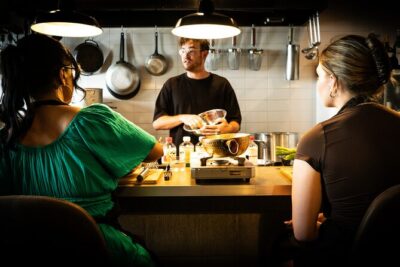
Professional Ramen & Gyoza with Ramen Chef in a restaurant!
Our verdict →
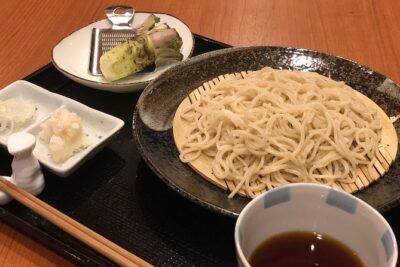
Popular in SapporoExperience authentic hand-made soba at a real soba shop!
Our verdict →
Browse the lists this tour appears in