
Reviewed · HISTORICAL TOURS
Departing from Takayama [Regular sightseeing bus] World Heritage Sites Shirakawago and Gokayama Ainokura
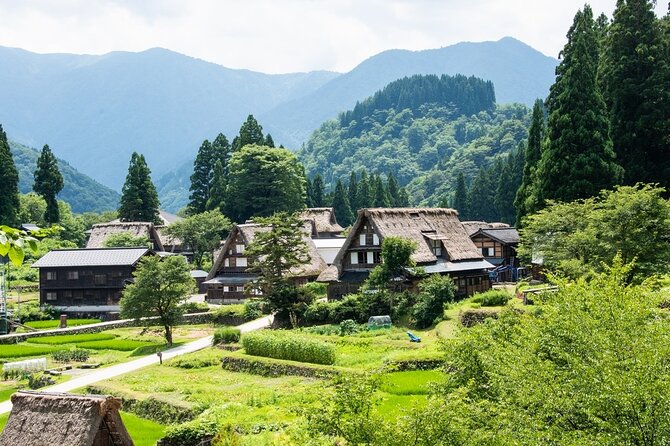
Shirakawa-go is the headline, but Ainokura Gassho Village gives this day its best opening. Its smaller group of thatched houses feels quieter and more tied to the surrounding mountains, before you move on to the larger, busier village of Shirakawa-go.
I like the comfortable direct bus ride from Takayama and the useful guidance before each stop. I also like the freedom: your guide explains the layout, suggests food and walking routes, then lets you set your own pace. The trade-off is simple: this is mainly transportation with guided commentary, not a fully escorted walking tour, and Shirakawa-go can feel short if you want to see everything.
Key points before you book
- Two World Heritage villages in one day: Visit smaller Ainokura first, then the larger Shirakawa-go settlement.
- A practical bus guide: Expect information on village layouts, local food, seasonal conditions, dialect, and how to use your free time.
- Independent exploring: The guide does not usually walk every path with you, so bring your map and follow the suggested routes.
- A good winter option: The heated, air-conditioned bus makes snowy mountain roads far easier than arranging several local connections.
- Lunch is your responsibility: Shirakawa-go has places to eat, but queues can reduce your sightseeing time.
- Allow time at the Takayama bus station: You may need to exchange your voucher for tickets before departure.
Why this bus day works from Takayama
Reaching Ainokura and Shirakawa-go independently takes planning. These villages sit away from Takayama, and the mountain roads can be slow or difficult in winter. This Nohi Bus outing removes the hard parts: you meet at 6-chōme-125 Hanasatomachi in Takayama, board at 8:30 in the morning, and return to the same meeting point after about 7 hours and 20 minutes.
That return-to-Takayama setup matters. You do not need to change hotels or arrange a one-way connection. You can also sit back and watch the Hida mountain scenery instead of checking road connections and departure times.
The vehicle is air-conditioned, and the tour uses a medium or large bus. The booking information allows up to four people on one application, while the outing itself is shared with other customers. It is not a private tour, so expect a group departure rather than a personal car and driver.
The guide speaks on the bus, with English and Japanese used as needed. The useful part is not just background about the thatched roofs. You receive maps, directions, suggestions for restaurants, and an outline of what is worth seeing at each stop. Guides including Yamashia and Ikuichinami have been named positively, though the person on your departure can vary.
More Historical Tours in Takayama
- World Heritage Shirakawa-go and Experience Tours from Kanazawa
★ 5.0 · 4,049 reviews - Kanazawa: World Heritage Shirakawa-go Morning Guided Tour
★ 4.9 · 988 reviews - Kanazawa: World Heritage Shirakawa-go & Two Local Experience
★ 4.9 · 274 reviews
Ainokura: a quiet first look at Gokayama
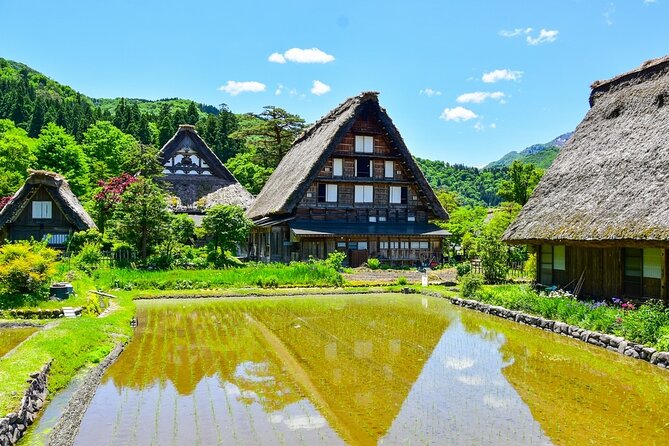
The first stop is Ainokura, a Gassho-zukuri settlement in Gokayama, in Toyama Prefecture. Around 20 traditional thatched houses remain here. The village is compact enough to understand on foot within the 50-minute stop, but that short visit still gives you a clear sense of the setting.
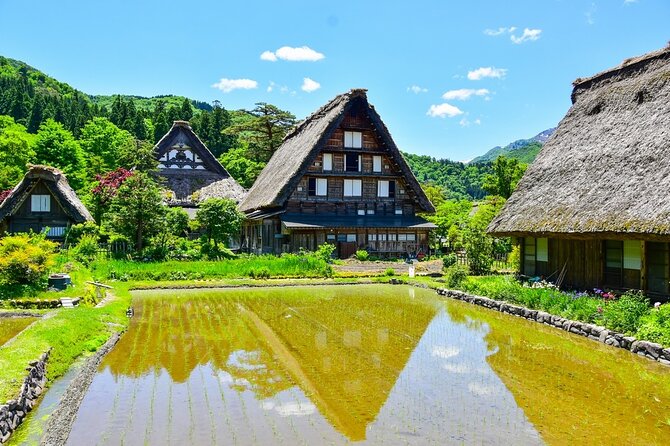
The steep triangular roofs are the feature you notice first. They were built for heavy snow, and the thick thatch gives the homes their distinctive shape. The houses sit close to the mountain, which makes Ainokura feel more enclosed and peaceful than Shirakawa-go.
Your guide gives you an orientation before you leave the bus. Pay attention to the walking advice because 50 minutes passes quickly. You can cross the village, look at the old houses, take photographs, and get a taste of the local setting, but you will not have time for a slow visit to every building.
This stop works well as a contrast. Ainokura is smaller and less crowded, while Shirakawa-go has more shops, restaurants, viewpoints, and formal attractions. Starting here helps you appreciate the difference instead of treating every thatched village as the same.
If you want quiet photographs, Ainokura is likely your better chance. In snowy weather, the dark wooden houses, white roofs, and mountain backdrop can look almost theatrical. Take care on winter paths, since snow and ice are part of the setting rather than an unusual inconvenience.
Shirakawa-go: the main event
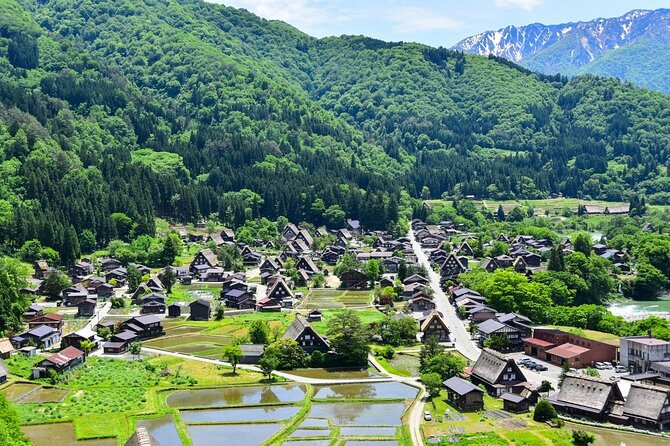
After Ainokura, the bus continues to Shirakawa-go, a larger World Heritage settlement with 114 surviving Gassho-zukuri houses. You have about two hours in the main village before the separate Minkaen visit and observatory stop.
This is where you will find the biggest mix of sights and services. You can walk among the traditional houses, stop for lunch, browse gift shops, visit small museums, and cross the village at your own speed. The guide explains the village layout and points out practical routes, which helps you avoid wasting time at the start.
The two-hour period is useful, but it is not generous. Lunch can take a large bite out of it, especially if a restaurant has a queue. I would decide your priorities before sitting down. If food matters most, eat early or accept that you may skip one of the viewpoints or museums. If photographs and village walking matter more, keep lunch simple.
You might want to bring your own food, but the supplied experience information does not promise a picnic area or a specific place to eat. Lunch is not included, so plan to pay separately. Shirakawa-go has restaurants and cafés, but busy periods can slow you down.
The village itself is the attraction. You are not visiting a preserved movie set. People still live and work here, and the buildings, roads, shops, and visitor facilities share the same small area. Keep your voice down around homes and follow any signs about private property. That small bit of care helps keep the place from feeling like a theme park.
The guide does not remain beside you for every minute. This suits you if you enjoy independent walking and want room to choose your own stops. It may disappoint you if you expect a detailed walking lecture at each house.
The Gassho-zukuri Minkaen: worth protecting time for
The Gassho-zukuri Minkaen is an open-air museum area in Shirakawa-go, and its entrance is included. You receive about 30 minutes for this part of the day.
The park gives you a chance to enter traditional houses rather than only photographing them from outside. That changes your understanding of the buildings. You can see how the interiors are arranged and get a better sense of how these steep roofs shaped daily life.
Thirty minutes is enough for a purposeful visit, but not for a slow museum afternoon. If you are interested in architecture and old rural homes, make this a priority. One useful approach is to limit your time in the shops and head directly to the museum area.
The park closes on Thursdays from December through March. If it is closed, the tour provides an original mascot instead. That is a modest substitute, so check the day of your booking if the open-air museum is important to you.
One practical point: some people prefer the museum to extra wandering in the main village because it offers access to the buildings themselves. I agree, especially if you have already photographed several houses at Ainokura.
More Bus Tours in Takayama:
- [One-day bus tour departing from Kanazawa Station] Shirakawa-go and Gokayama – Two World Heritage Villages Enjoyable Bus Tour
★ 5.0 · 253 reviews - [One-day bus tour departing from Kanazawa Station] Shirakawa-go/Takayama tour platinum route bus tour
★ 4.5 · 127 reviews - [Day trip bus tour from Kanazawa Station] Weekend only! World Heritage Shirakawago Day Bus Tour
★ 5.0 · 46 reviews - Mt Fuji and Hakone 1-Day Bus Tour Return by Bullet Train
★ 5.0 · 26,383 reviews
The observatory and the famous Shirakawa-go view
The final listed stop is the Tenshukakau Observatory, a hilltop viewpoint northwest of Shirakawa-go. You have about 20 minutes there, with admission included.
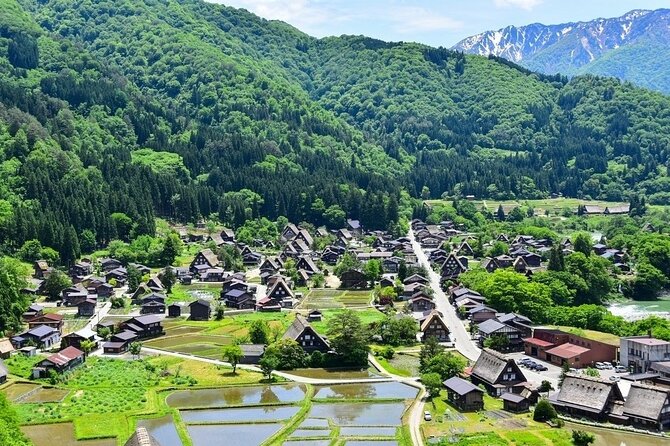
This is the view you have probably seen in brochures: the gassho village spread below, framed by mountains. From ground level, the houses are individual buildings. From above, you understand the full pattern of the settlement and why the steep roofs are so closely associated with Shirakawa-go.
The timing can be tight. Depending on the route and your energy, reaching the viewpoint may take much of the available period. One comment about the day noted that an hour might be needed for the observatory route, while other people chose to skip it and use their time elsewhere.
Follow the guide’s instructions carefully. You need to know the meeting place and return time before walking uphill. Do not assume that a short stated stop means a long visit at the top.
In snowy months, the view can be spectacular, but weather may block it. The tour requires good weather and may be changed or refunded if poor conditions force cancellation. That policy protects you from being sent up mountain roads in unsafe conditions, but it also means your schedule can change.
What the guide adds, and what the guide does not do
This experience is best understood as a guided transfer with organized sightseeing stops. The guide speaks during the ride, explains what you will see, and provides practical instructions. You then explore on your own.
That format has real advantages. You can choose a café, spend longer with a house that interests you, or skip a museum without staying beside a group. The guide’s advice is especially helpful at Shirakawa-go, where you need to balance food, walking, the museum, and the viewpoint.
Do not book it expecting a private historical tour. The guide may not accompany you through every street or explain each building in person. One of the main criticisms of the experience is that the commentary focuses more on what to do than on detailed interpretation of the villages.
For many people, that is the right balance. You get enough context to make the visit meaningful, then space to look around. If you prefer a full walking tour with constant narration, search for a different format.
Price, group size, and practical value
The listed price is $64.80 per person. For that amount, you receive round-trip bus transportation from Takayama, the guide’s commentary, admission to the Minkaen, and access to the planned stops. Lunch is extra.
The value depends on what you need. If you are already comfortable arranging regional buses and can buy a direct Nohi Bus outing locally, compare prices before paying online. One departure was reported as costing 8,000 yen when purchased at the Nohi Bus Centre, while booking through an online reseller cost more. Prices and availability can change, but the point is useful: online convenience may come with a markup.
At the same time, prebooking can be worth the difference during high-demand dates. The tour has sold out on some days, and on-the-day boarding is possible only if seats remain. You are paying not only for the seat, but also for a confirmed plan and less transport research.
The cancellation terms are reasonable but firm. You can cancel at least 24 hours before the start for a full refund. Changes or cancellations inside that window are not accepted, and weather-related cancellations offer a new date or full refund.
You must also allow a few extra minutes at the Takayama bus station to exchange your voucher for tickets. That step has caused confusion, so do not walk straight to the vehicle without checking the redemption instructions.
Which season makes the most sense?
Each season changes the balance of the day. Snow gives the thatched roofs their most famous appearance, but it also makes walking slower and can affect the observatory. The heated bus is a major comfort on a winter departure.
Autumn brings color around the villages and gives you easier walking conditions than heavy snow. Spring can still bring snow, as shown by a late-March departure with snowy scenery. Summer should offer different colors and conditions, but the supplied information does not provide a detailed summer schedule or weather guide.
Ainokura is especially appealing when you want a calmer first stop. Shirakawa-go is the stronger choice for food, museums, shops, and the big viewpoint. Seeing both in one day gives you more context than visiting Shirakawa-go alone.
Who should book this day trip?
I would choose this tour if you are staying in Takayama and want the easiest practical way to reach both villages. It suits you if you like comfortable transport, short but useful commentary, and free time to walk without a guide beside you.
It is also a good match for a first visit. The route gives you the major sights, the open-air museum, and a photo stop without asking you to solve the mountain transport yourself.
Families and older visitors may appreciate the bus, though the villages still require walking and the viewpoint involves an uphill route. Most people can participate, but the supplied information does not promise wheelchair access or describe a fully step-free route, so ask the operator before booking if that matters for you.
I would hesitate if your main goal is a slow architectural study. The time at Ainokura is brief, lunch can consume much of Shirakawa-go, and the guide’s role is more practical than deeply interpretive.
Should you book the Ainokura and Shirakawa-go bus tour?
Book it if transport simplicity matters most. You get two distinct villages, a comfortable return bus, useful orientation, the Minkaen, and the famous Shirakawa-go view in one organized day.
Before booking, compare the online price with a direct Nohi Bus purchase, then check the weekday of your visit if the Minkaen is important. Arrive early enough to redeem your voucher, keep lunch efficient, and decide in advance if the museum or observatory is your priority.
This is not a private tour and not a full walking lecture. It is a well-planned bus day that gives you the hard-to-reach places, then gets out of your way. For most people based in Takayama, that is a fair deal.
FAQ
How long does the tour last?
The experience lasts approximately 7 hours and 20 minutes, including the bus journey and sightseeing stops.
What time does the tour start?
The scheduled start time is 8:30 am.
Where does the tour begin?
It begins at 6-chōme-125 Hanasatomachi, Takayama, Gifu 506-0026, Japan.
Where does the tour end?
The bus returns to the same meeting point in Takayama.
Is lunch included?
No. Lunch is not included, and you should plan to eat at Shirakawa-go or bring your own food.
Are admission fees included?
Admission to the Shirakawago Gassho-zukuri Minkaen is included. The Ainokura and main Shirakawa-go village visits do not list a separate admission charge.
Is the tour guided?
Yes. A Nohi Bus guide provides information on the bus, including village layouts, local food, seasonal details, dialect, and suggestions for using your free time. You explore the villages independently.
Can I join without booking in advance?
You may be able to join on the day of departure if seats are available, but the operator can refuse boarding when the bus is full.
What happens if bad weather cancels the tour?
If poor weather causes cancellation, you will be offered another date or a full refund. For a normal cancellation, you must cancel at least 24 hours before the start time to receive a full refund.
Just added around Takayama
- Takayama and Shirakawago/Photoshoot by professional photographer★ 5.0 · 67 reviews
- Shirakawago & Kanazawa from Kanazawa★ 5.0 · 51 reviews
- Private Tour of Shirakawago and Gokayama from Kanazawa★ 5.0 · 50 reviews
- Private Tour of Shirakawago from Kanazawa (Half Day)★ 5.0 · 24 reviews
- Private Tour Kanazawa, Shirakawago, Hida Furukawa,Takayama★ 5.0 · 108 reviews
- Private transfer Kanazawa to Takayama Including Shirakawago★ 5.0 · 15 reviews
- Gokayama and Shirakawago/Photoshoot by professional photographer★ 5.0 · 51 reviews
- From Kanazawa: Shirakawa-go, Gokayama and Wood Carving Village★ 5.0 · 90 reviews
Historical Tours, compared.

Imperial Palace and Shogun Historical Walking Tour
Our verdict →
World Heritage Kyoto & Nara Uji Authentic Matcha Experience
Our verdict →
Kyoto Gion: 2-Hour Geisha Culture & History Walking Tour
Our verdict →
Hiroshima Historical Walking Tour – Why A-Bomb was Dropped
Our verdict →
Yanaka Walking Tour: Historic and Traditional District of Tokyo
Our verdict →
Shinjuku Historical Walking Tour & Secret Backstreets
Our verdict →
Mt. Fuji Heritage Tour: Traditional Villages, Lakes & Shrine
Our verdict →Browse the lists this tour appears in