
Reviewed · GARDEN TOURS IN KYOTO
Kyoto: Japanese Gardens Private Customizable Tour
Kyoto’s gardens reward slow looking, and this private six-hour tour gives you someone to explain what you are seeing instead of leaving you to guess. You can request famous Zen sites such as Ryoanji and Ginkakuji, or ask your guide to shape the day around your interests.
I like the freedom to choose between dry Zen gardens, moss gardens, imperial grounds, and the Arashiyama Bamboo Forest. I also like the personal guiding style praised by past guests, especially from guides named Shoji, Kazu, and Yuka, who were described as thoughtful, well informed, and good at giving just the right amount of explanation.
The catch is cost control. At $151 per person, the tour price does not include entrance fees, food, drinks, or transport during the day. Your final expense depends on the route and how much you use trains, buses, or taxis.
Key points to know before booking
- Your route is flexible: Request specific gardens, or let your guide plan a day around Kyoto’s best options.
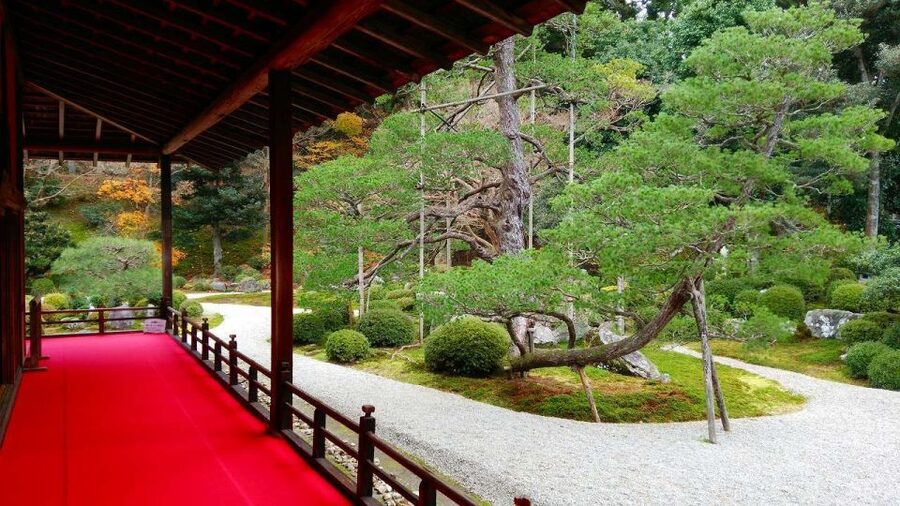
- The guide adds meaning: Learn how plants, stones, water, spacing, and empty areas work together in Japanese garden design.
- You can mix garden styles: Combine Zen temple gardens with imperial villas, botanical displays, bamboo paths, and seasonal plantings.
- The day is private: You travel with your own group and licensed guide rather than following a large fixed party.
- Budget for extras: Temple admission, food, drinks, and transport costs are not included in the $151 price.
- Plan around the weather: The tour runs in rain or shine, so clothing and footwear matter.
Why a private garden tour works well in Kyoto
Kyoto has no shortage of gardens, but the city’s best-known sites are spread across different districts. A fixed route can leave you spending too much time crossing town, while a private guide can help match the day to your priorities.
That matters even more on a six-hour tour. You cannot sensibly see every place on the long list in one morning or afternoon. The value lies in choosing a useful group of stops, then allowing enough time to sit, look, and ask questions.
I would tell you to think in themes rather than collecting names. You might want famous Zen gardens, quiet temple compounds, imperial gardens, seasonal plants, or a route that includes the Arashiyama Bamboo Forest. Tell the guide what interests you before the day begins, then discuss the practical route at the start.
The tour is conducted by a licensed guide in English or Japanese. Past guide experiences with Shoji, Kazu, and Yuka point to the sort of service you should hope for: clear explanations, cultural context, and conversation that does not bury you under facts. Kazu was praised for planning a strong day, while Shoji was noted for speaking English well and offering a broad perspective on Japan and other cultures. Yuka was described as thoughtful and well informed.
Those details are useful because garden guiding can easily go wrong. A guide who talks nonstop may prevent you from enjoying the quiet. A guide who says too little leaves you staring at stones without understanding their purpose. The best balance gives you a few ideas, then room to notice the garden yourself.
More Custom Private Tours in Kyoto
- Kyoto: Arashiyama Customized Rickshaw Tour & Bamboo Forest
★ 5.0 · 432 reviews - Kyoto: Private Customized Walking Tour with a Local Insider
★ 4.8 · 383 reviews - Kyoto Customized Private Tour: See Top Attractions in 1 Day
★ 5.0 · 342 reviews
Ryoanji and the discipline of a dry Zen garden
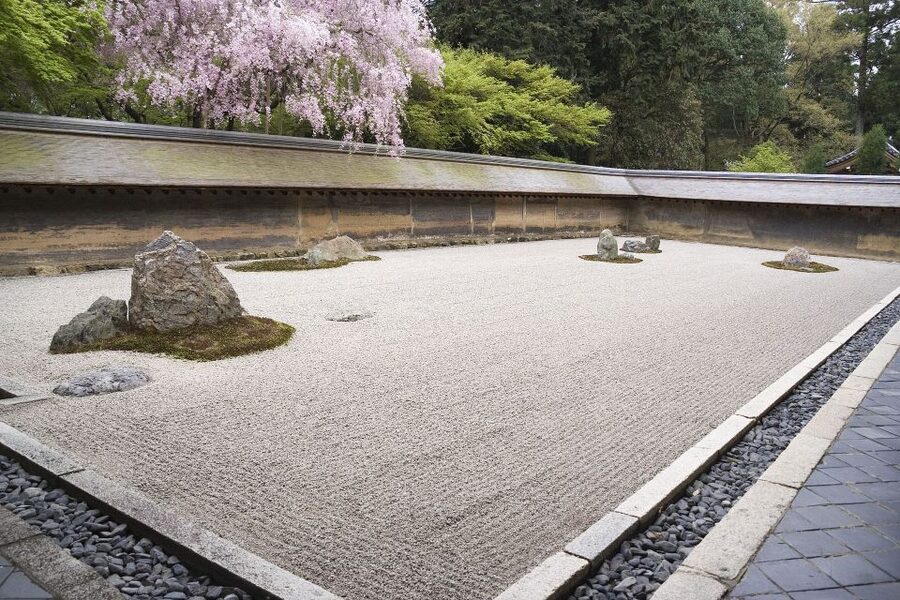
Ryoanji Temple is one of Kyoto’s most famous stops for a reason. Its dry garden uses rocks, gravel, and carefully arranged open space rather than ponds or thick planting. It is a place where a guide can explain how restraint and suggestion matter as much as visible objects.
You should expect this to be a contemplative stop rather than a garden packed with attractions. The appeal is the arrangement itself, and the questions it raises about perspective, balance, and what the designer chose to leave out.
A guide can also help you look beyond the common photograph. Ask how the garden’s stones are placed, why the gravel is raked, and how the view changes depending on where you sit. The tour description specifically emphasizes the meaning and history of the gardens, so this is a good place to use that access.
The drawback is popularity. Ryoanji is among Kyoto’s best-known sights, and the experience may feel less quiet than the garden’s design suggests. Your guide can help place it within a wider route, rather than making the whole day depend on one crowded temple.
Kinkakuji and Ginkakuji, two very different famous temples
Kinkakuji, the Golden Pavilion, offers a completely different visual experience. Its bright exterior and surrounding garden make it one of Kyoto’s most recognizable sights. If you have limited time in the city, it is an understandable request for a private route.
Ginkakuji, often called the Silver Pavilion, is not simply a second version of Kinkakuji. Its appeal lies in a more restrained setting, including garden elements that invite slower attention. Pairing the two can help you see how different temple grounds use buildings, plants, gravel, and space.
You should be clear about your priorities here. If you want a long, quiet look at garden details, visiting both famous temples may leave less time for smaller temple grounds. If your goal is to understand Kyoto’s major garden traditions through their best-known examples, the pair makes sense.
The guide can explain what you are seeing without turning the stops into a rushed checklist. Ask for help comparing the two sites. That simple conversation may give the day more shape than visiting them as unrelated photo stops.
Arashiyama Bamboo Forest and the garden beyond the path
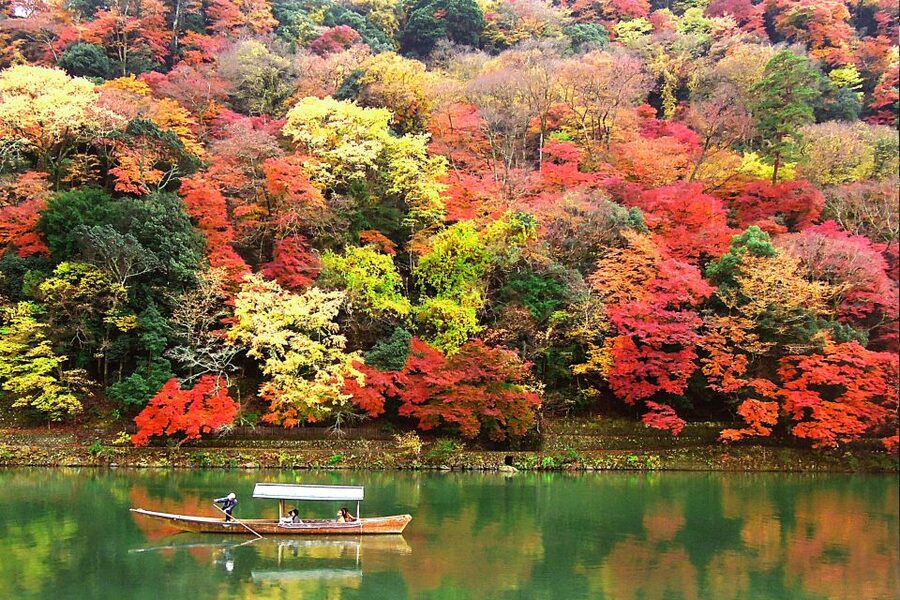
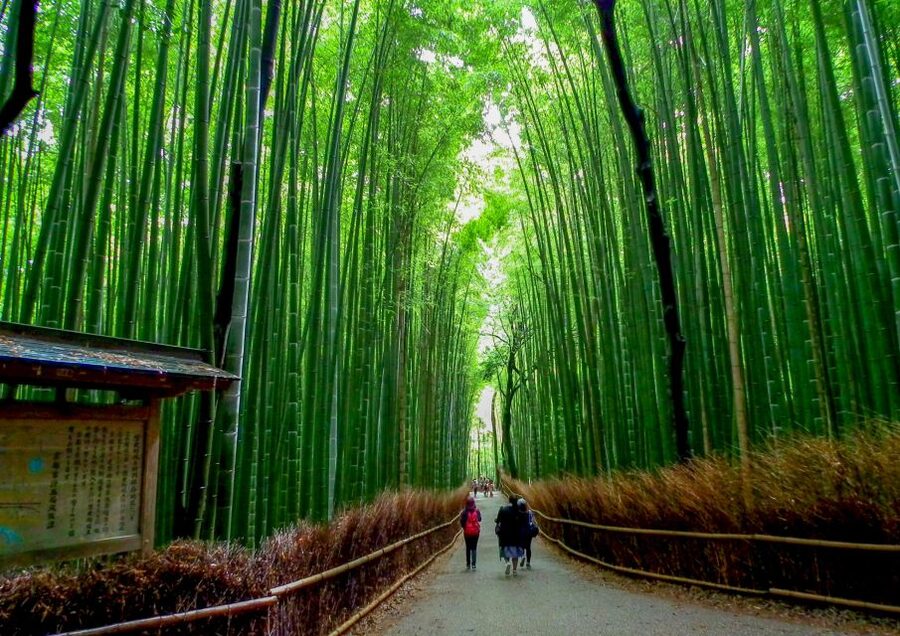
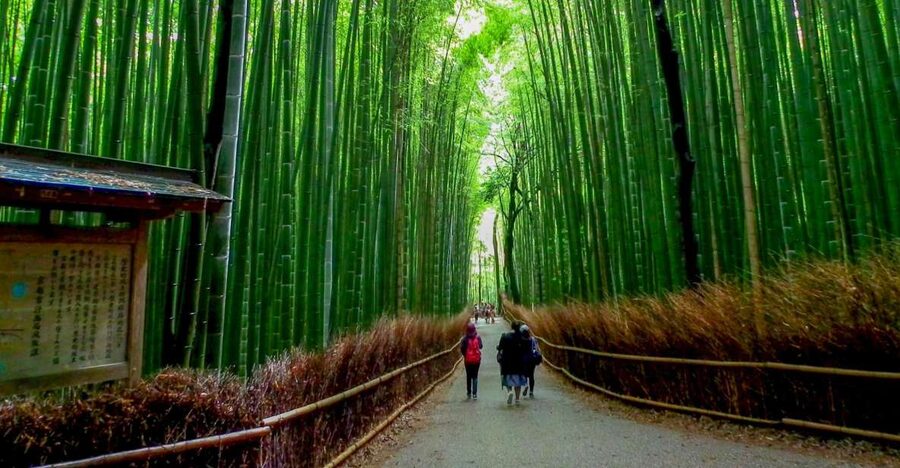
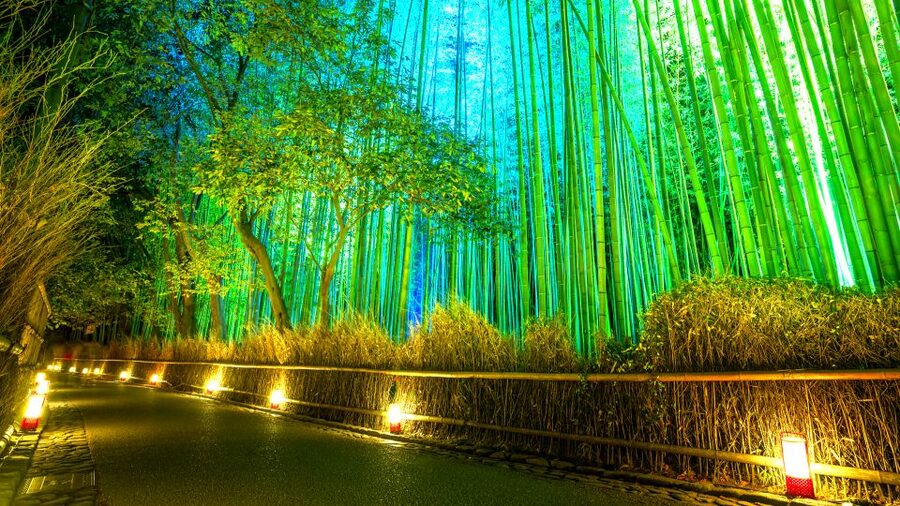
The Arashiyama Bamboo Forest is one of Kyoto’s signature sights. Its tall bamboo creates a strong visual impression, and the path is easy to recognize. It is also a place where expectations matter.
If you picture a silent walk with no one around, you may be disappointed. The tour information identifies the forest as a popular place, and its fame means the route can feel busy. Still, the bamboo has a character unlike the dry gravel and stone gardens found at Zen temples.
I would include Arashiyama if you want variety in the day. You can compare the vertical rhythm of bamboo with the low, deliberate forms of a dry garden. Your guide can also help connect the forest to the wider idea that plants are not decoration alone, but part of how a Japanese garden creates mood and meaning.
Ask your guide how much time the stop deserves. A short visit may be enough if your main interest is Zen garden design. If you want plants and natural forms to play a larger role, Arashiyama may earn more of the schedule.
More Garden Tours in Kyoto
- Kyoto Arashiyama Walking Tour: Bamboo, Monkeys, Gardens & Secrets
★ 5.0 · 1,216 reviews - Kyoto Zen Meditation & Garden Tour at a Zen Temple with Lunch
★ 5.0 · 441 reviews - Kyoto Arashiyama Bamboo forest & Garden Half-Day Walking Tour
★ 5.0 · 413 reviews - Kyoto: Zen Garden, Zen Mind (Private)
★ 5.0 · 126 reviews
Nanzenji, Tofukuji, and the pleasure of comparison
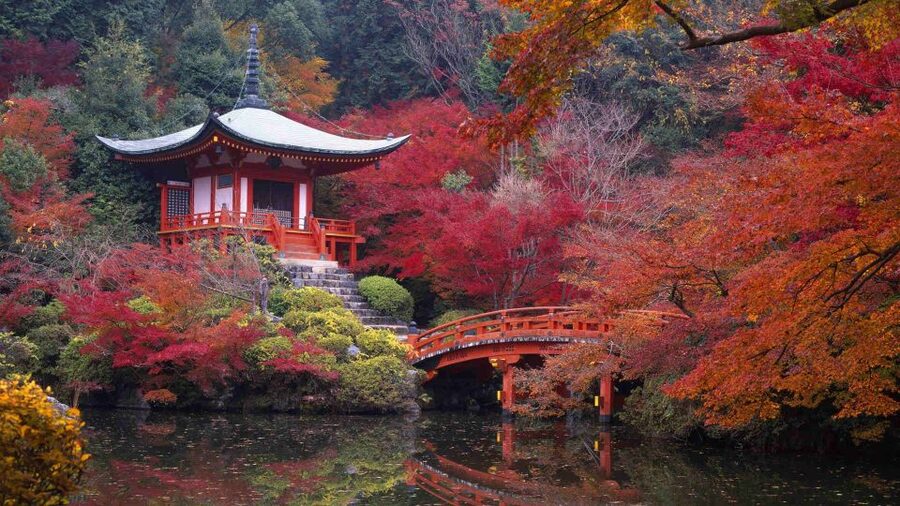
Nanzenji and Tofukuji are useful choices for a day built around temple gardens. They allow you to compare several approaches to garden design without limiting the route to the most famous single view.
The tour is not described as a fixed sequence, so your guide may suggest one of these temples based on your requested style, location, or available time. Ask for a clear plan before setting off. That helps you understand how much walking and transport the day will involve.
At sites such as these, look for more than a single framed scene. Notice how buildings and paths guide your view, how plants change the mood, and how open gravel differs from areas with moss or seasonal growth. Your guide’s explanations can turn those details into a coherent lesson about Japanese garden design.
You should also keep your energy in mind. Six hours can pass quickly when you are moving between temples, and the day may include walking plus public transport or taxis. A route with fewer stops can be better than a long list if you want time to sit and observe.
Honen-in, Daitokuji, and quieter choices
Honen-in and Daitokuji offer alternatives to Kyoto’s most photographed stops. The information provided does not promise a particular sequence or guarantee that every listed site will be visited, so you should request them directly if they matter to you.
These choices suit you if you want the garden theme to take priority over famous landmarks. A private guide can explain why a less familiar temple belongs in the route and how its garden differs from the dry arrangements at Ryoanji.
Daitokuji is especially useful as a request for visitors interested in Zen temple culture. Ask your guide which parts fit your timing and which entrance costs apply. Since admission fees are extra, knowing the likely charges before you begin will help you manage the budget.
Honen-in is a good name to raise if you want a calmer-feeling temple stop, but the guide will need to confirm the practical route. Kyoto’s districts are not arranged for effortless hopping, and a private itinerary works best when you accept that one or two strong stops may be more satisfying than five rushed ones.
Imperial villas and Kyoto’s formal garden tradition
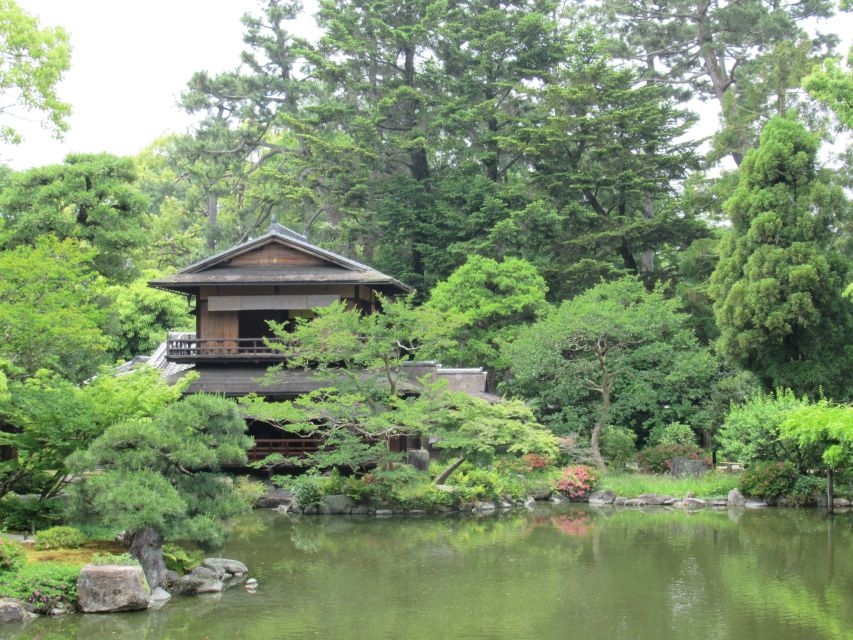
The Kyoto Imperial Palace, Shugakuin Imperial Villa, and Katsura Imperial Villa offer a different view of Japanese garden design. These places can broaden the day beyond Zen temples and show how gardens were shaped for formal settings and changing views.
You should ask your guide whether these sites fit your timing and what access arrangements apply. The activity information names them as possible places to visit, but it does not promise admission to every site or explain any reservation requirements.
Katsura and Shugakuin are particularly relevant if you want gardens associated with imperial settings rather than a route made only of temple grounds. The contrast can help you understand that Kyoto’s gardens are not all trying to achieve the same effect.
The Kyoto Imperial Palace may be the most practical request for a visitor who wants garden interest alongside a central Kyoto location. Still, your guide should help you decide if it works with your other choices. Mention the sites you care about early, since six hours gives you limited room for long cross-city transfers.
Kokedera, Kyoto Botanical Garden, and plant-focused routes
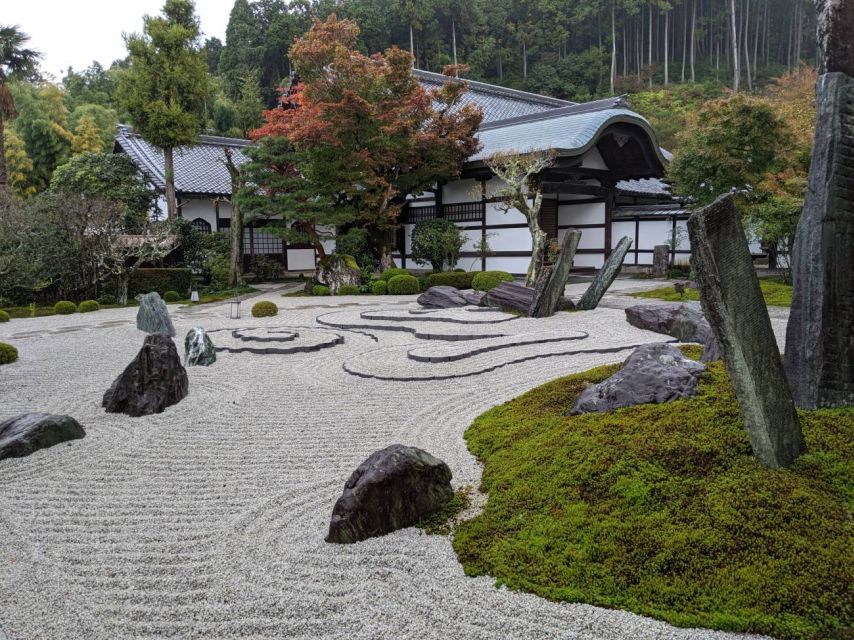
Kokedera, also known as Saihoji, and the Kyoto Botanical Garden suit a different kind of garden day. Here, plants and seasonal change take a larger role than the stark simplicity of a dry garden.
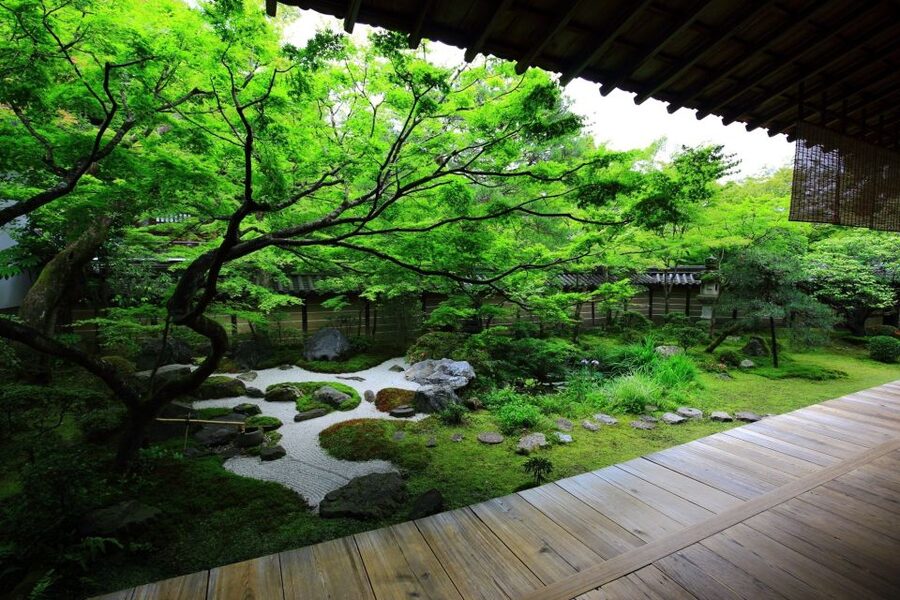
The tour description specifically points to artistic gardens with seasonal plants, as well as dry Zen gardens. That makes it possible to build a route around contrast. You might ask for one carefully arranged moss or plant-focused garden and one dry garden, then discuss how each uses texture, color, and empty space.
Kokedera is listed under the name Kokedera Suzumusidera in the activity information. If you want to visit it, confirm the exact plan and any access details with the provider before the tour. The information does not state that entrance is included, so treat admission as an extra cost.
The Botanical Garden may suit you if you prefer a broader plant setting rather than a temple garden alone. Again, the guide should help with the route. The point of the private format is not to squeeze every green space into one day, but to choose places that match your interests.
Transport, walking, and the real cost of the day
Pickup is included on foot from your accommodation or a train station. You should be ready 10 minutes before the scheduled pickup time, with the meeting point arranged in a hotel lobby or at a station.
Transport during the tour is not included. The day may use public transportation or taxis, depending on your preference and the route. Ask the guide at the beginning how the transport plan will work and what costs to expect.
This is one of the most important practical points. The $151 per person covers the private tour and licensed guide, but not train, bus, or taxi fares. It also does not cover temple or garden entrance fees, food, or drinks.
I see the price as easier to justify for a small private group that wants help making decisions. You are paying for personal planning and interpretation, not a bundle of admissions. If you already know exactly where you want to go and can manage the transport yourself, a self-guided day may cost less.
On the other hand, Kyoto’s garden choices can be confusing, and a private guide can save you from building an awkward route. The strongest value comes when you use the guide actively: state your priorities, ask for comparisons, and request advice on which stops deserve the most time.
Who will get the most from this tour
I would recommend this experience to you if gardens are a major reason for visiting Kyoto, but you do not want to spend hours researching temple layouts and transport connections.
It also suits first-time visitors who want cultural context without joining a large group. The private format lets you ask basic questions, change the pace, and focus on the sites that interest you most.
English-speaking visitors can request an English guide, while Japanese-speaking visitors can request a Japanese guide. Past guide names include Shoji, Kazu, and Yuka, but you should not assume a particular guide will be assigned.
This may be less suitable if you want a fully prepaid experience. Entrance fees and transport are extra, and the final route depends on communication with the guide. It is also not ideal for someone who expects to see every listed garden in six hours.
The activity is wheelchair accessible, but the information does not describe the exact surfaces or access conditions at each temple and garden. If you use a wheelchair, discuss the intended route with the provider before the day.
Weather, confirmation, and planning advice
The tour runs in rain or shine. Bring clothing suitable for the forecast and shoes you can use comfortably for walking between gardens, stations, and temple grounds.
The reservation is not fully confirmed until a guide contacts you. Most guides make contact within seven days, but the provider may continue searching if no guide has accepted the tour. You can receive updates until 24 hours before the scheduled date.
That arrangement requires a little patience. I would avoid building an important, tightly timed connection around the tour until the guide confirms the plan. Watch your email, since the provider uses it to confirm the day’s details.
You can cancel up to 24 hours in advance for a full refund, and the reserve-now, pay-later option lets you hold the booking without paying immediately. Those policies make the experience easier to fit into a changing Japan itinerary.
Should you book this Kyoto garden tour?
Book it if you want a private guide to turn Kyoto’s many gardens into a sensible six-hour story. The best reasons are the flexible route, the chance to compare Zen gardens with imperial and plant-focused settings, and the level of personal explanation associated with guides such as Shoji, Kazu, and Yuka.
Before booking, decide what matters most: famous temples, quiet garden design, bamboo and seasonal plants, or imperial grounds. Then remember to budget for admissions and transport. If you do that planning first, $151 per person can be fair value for a tailored day with a licensed guide.
Skip it if you want every cost included or prefer to follow a fixed schedule. For everyone else, especially garden lovers and visitors who want cultural context without a large group, this is a practical way to make Kyoto’s garden choices more manageable.
FAQ
How long is the Kyoto Japanese gardens tour?
The tour lasts six hours.
How much does the tour cost?
The listed price is $151 per person.
Is the tour private?
Yes. It is offered as a private group tour with a licensed guide.
Can I customize the itinerary?
Yes. You can tell the guide about special requests, and the route can be tailored to your interests.
Which places might the tour visit?
Possible stops include Arashiyama Bamboo Forest, Kinkakuji Temple, Ginkakuji Temple, Ryoanji Temple, Honen-in, Nanzenji Temple, Tofukuji Temple, Kyoto Imperial Palace, Shugakuin Imperial Villa, Daitokuji Temple, Kokedera Suzumusidera, Katsura Imperial Villa, and Kyoto Botanical Garden.
What languages are available?
The tour is available with a live guide speaking English or Japanese.
Where does pickup take place?
Pickup is on foot from your accommodation or a train station. You should meet the guide in the hotel lobby or at the station and be ready 10 minutes before pickup.
Are entrance fees included?
No. Entrance fees are not included in the tour price.
Is transportation included during the tour?
No. The tour may use public transportation or taxis, but those costs are extra. You can discuss the best option with your guide at the start.
Does the tour operate in bad weather?
Yes. The activity takes place rain or shine.
Just added around Kyoto
- Sekka Cotton Furoshiki Class★ 5.0 · 19 reviews
- Kyoto Sword Experience – includes Museum Ticket/Ninja Experience★ 4.5 · 149 reviews
- Scenic Green Tea Fields of Hidden Kyoto & Local Tea Exp (Private)★ 5.0 · 32 reviews
- Secret Eastern Kyoto Biking Adventure★ 5.0 · 44 reviews
- Samurai School in Kyoto: Samurai for a Day★ 5.0 · 202 reviews
- Private Sake Tasting in Central Kyoto with Sake Sommelier★ 5.0 · 32 reviews
- SHIRAKAWA Japanese Culture Experiences with private English staff★ 5.0 · 16 reviews
- A Privately Guided Photoshoot in Beautiful Kyoto by a Pro★ 5.0 · 18 reviews
Garden Tours in Kyoto, compared.
Kyoto Arashiyama Walking Tour: Bamboo, Monkeys, Gardens & Secrets
Our verdict →
Kyoto Zen Meditation & Garden Tour at a Zen Temple with Lunch
Our verdict →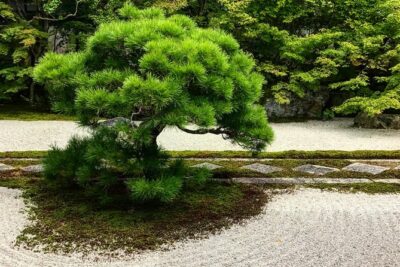
Browse the lists this tour appears in