
Reviewed · SPA & HOT SPRINGS
Kyoto: Hike and Hot Springs in Kurama
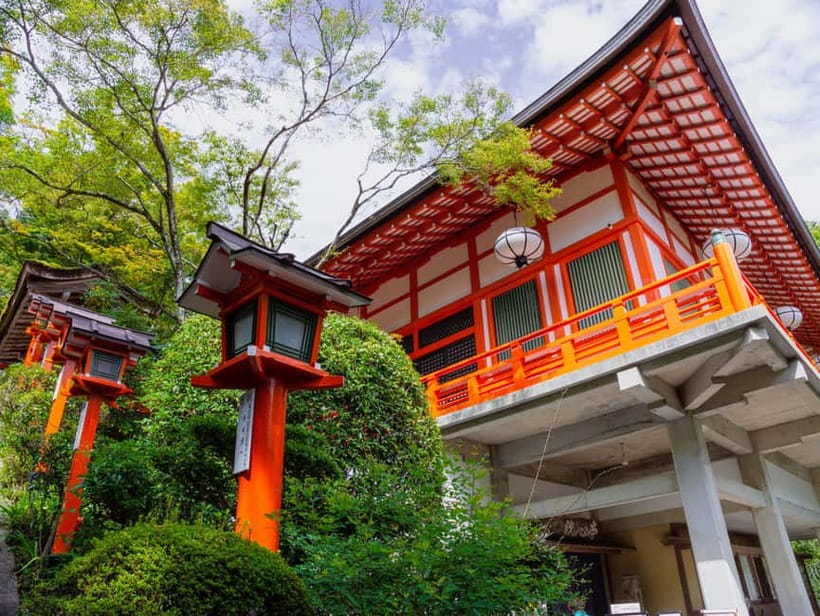
The best part of this outing is the quick change from Kyoto city streets to a cedar-covered mountain trail. You ride the Eizan Railway into the hills, then climb toward Kurama Temple through a setting tied to Japanese legends, spiritual practice and the origins of Reiki.
I like the mix of nature and culture, and I like that the tour ends in Kurama village rather than rushing you straight back to town. Guides such as Philippe, Chris, Kevin and Salome have been praised for clear explanations and flexible pacing. The catch is simple: the climb is steeper and harder than the pleasant wording may suggest, especially in hot weather.
Key points at a glance
- Train through northern Kyoto: Ride from Demachiyanagi Station toward the mountain villages on the Eizan Railway.
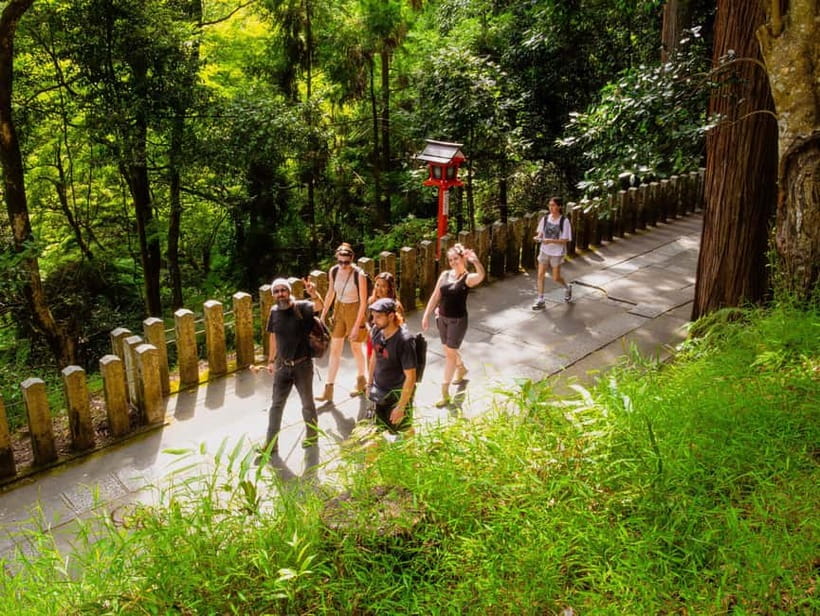
- Sacred Mount Kurama trail: Climb stone steps through forest to Kurama Temple, with stops for shrines, legends and mountain views.
- Kibune Shrine visit: Make a prayer connected with good relationships before beginning the hiking route.
- Personal guiding: English and French tours may be private or limited to a small group, with time for questions and route adjustments.
- Kurama village finish: Choose lunch, a village stroll, the train back or a soak at Kurama Hot Spring.
- Moderate but real exercise: Comfortable shoes, water and a decent level of fitness are essential.
Leaving Kyoto by train for Kurama and Kibune
The tour begins at Demachiyanagi Station exit 7, in front of the Eizan Railway. That meeting point matters because the train ride is part of the experience, not just a transfer. As Kyoto gives way to wooded hills, the trip helps you switch from city sightseeing to mountain time.
The destination is northern Kyoto, where Kibune and Kurama sit along a legendary river and beneath tall cedars. This part of the city feels far removed from the crowded temple routes around central Kyoto. The setting is cooler, quieter and more rural, though the route is still easy to reach by public transport.
Your guide handles the included transportation and explains the plan as you go. English and French are available, and private or small-group formats can make a difference on a hike. A smaller group gives you more room to ask about shrine customs, local stories and the meaning of the places along the trail.
The full activity lasts about four hours. That is enough time for the train journey, shrine visits, the climb, Kurama Temple and the descent into the village. It is not enough time for a slow lunch, a long bath and an unhurried return to Kyoto within the guided portion, so think of the tour as a half-day introduction with optional time afterward.
More Hiking Tours in Kyoto:
- Fushimi Inari Hidden Hiking Tour (Private Option Available)
★ 5.0 · 1,750 reviews - Kyoto: 3-Hour Fushimi Inari Shrine Hidden Hiking Tour
★ 4.9 · 270 reviews - Kyoto Hiking Tour: The Nature and Legends of Kurama and Kibune
★ 5.0 · 75 reviews
Kibune Shrine and a prayer for good relationships
The route includes a short visit to Kibune Shrine, an important spiritual stop before the hike. The shrine is associated with prayers for good relationships, making it a meaningful pause even if you are not especially interested in religious sites.
Your guide can help explain what you are seeing and how the shrine fits into local customs. That context is useful here. Without it, a quick shrine visit can feel like another red gate and another set of steps. With an explanation of the traditions and legends, the place becomes part of the larger story of the mountain route.
Do not expect a long formal ceremony. This is a short visit before the walking section, and the main physical effort comes afterward. You will want to keep your water handy and wear shoes with a firm grip from the start.
Climbing Mount Kurama through cedar forest
The main hike follows a trail up Mount Kurama toward the mountaintop temple. The climb can take about 30 to 40 minutes to reach the peak, but the effort is concentrated in steps and uphill walking. The tour description calls it moderate, yet that label needs some interpretation.
If you walk regularly and can manage a sustained uphill climb, you should find the route achievable with pauses. If you rarely hike, have mobility limits or dislike stairs, this is not the right half-day trip. Children under 11, wheelchair users and people without hiking experience are specifically not suited to the activity.
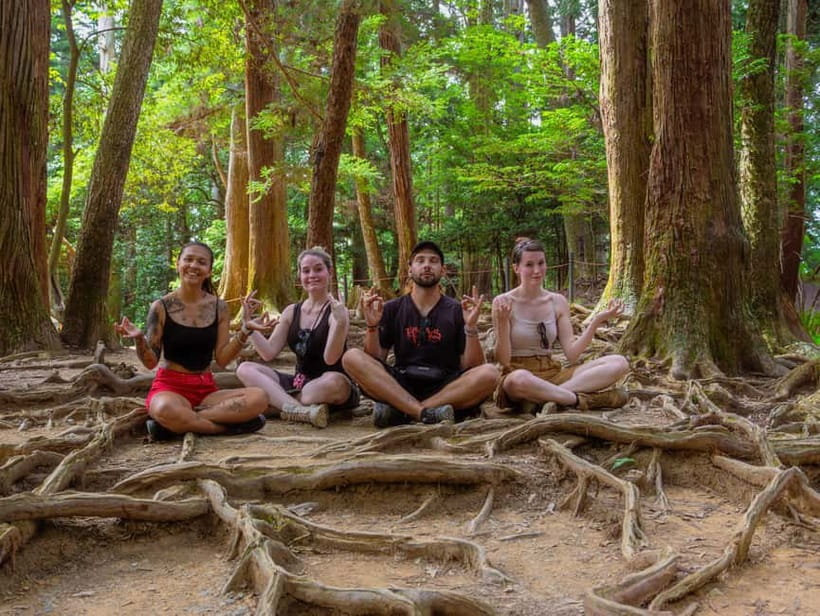
The forest is the reward for the work. Tall cedars, crisp air and frequent stopping points give the climb a natural rhythm. Your guide can point out features that are easy to miss when you are focused only on the next flight of steps. Some guides also adjust the pace to suit the group, which is particularly helpful on warm days.
Bring water. Wear comfortable shoes. Long trousers are a sensible choice if you want to reduce the chance of insect bites. In summer, heat can make the uphill section feel much tougher than it looks on a map. In cooler months, the forest can feel especially calm, and one outing even included light snow and deer sightings, though wildlife should be treated as a lucky possibility rather than a promise.
Kurama Temple and the mountain’s spiritual side
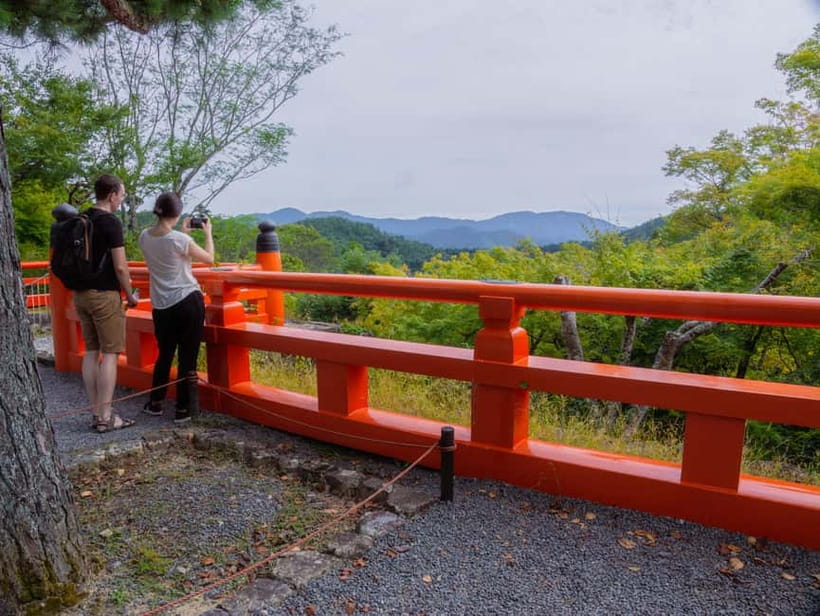
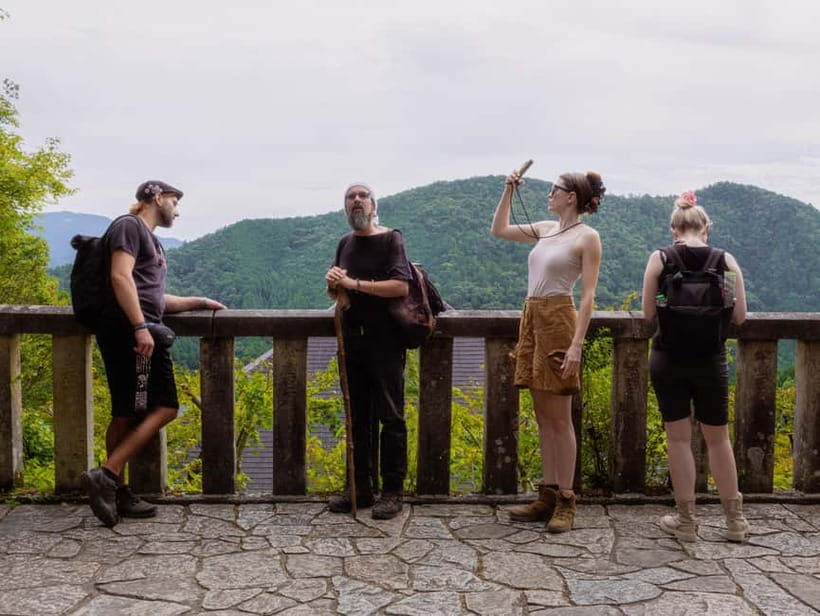
At the top, you visit Kurama Temple, the cultural heart of the hike. The temple is regarded locally as a power spot, and the mountaintop setting gives the visit a strong sense of place. From here, you can look down toward the valley and take a proper rest after the climb.
This is where a good guide adds real value. Philippe has been praised for explaining the temple, its deities, Japanese traditions and the connection between Mount Kurama and Reiki. Other guides, including Chris, Kevin and Salome, have also received strong praise for their cultural explanations and friendly manner.
The temple may not always look exactly as you expect. Maintenance work has sometimes covered the exterior with scaffolding, limiting the view of the building. The visit can still include access inside and features such as a large bell in the hills above the temple, but construction conditions may change.
Some tours also spend time at less familiar parts of the mountain. One private outing included a crypt and a maze beneath the temple, showing how a small group or private format may allow more flexibility. Do not assume every departure includes those areas. Ask your guide what is open and what can fit into the four-hour schedule.
The spiritual side of the visit is optional in practice. You can appreciate the forest, architecture and stories without sharing every belief attached to the site. I like that the experience gives you room to treat the mountain as a religious place, a historic site or simply a beautiful hike.
More Onsen & Hot Springs in Kyoto:
- Guide tour of Japanese bathing culture at Funaoka Onsen
★ 5.0 · 15 reviews - From Osaka: Himeji Castle, Arima Onsen & Mt. Rokko Day Tour
★ 4.6 · 339 reviews - Osaka: Nara and Uji Day Trip with Deer Park and Hot Spring
★ 4.4 · 302 reviews - From Tokyo: Private Tour to Fuji/Hakone – Onsen, Art, Nature
★ 5.0 · 116 reviews
Descending to Kurama village
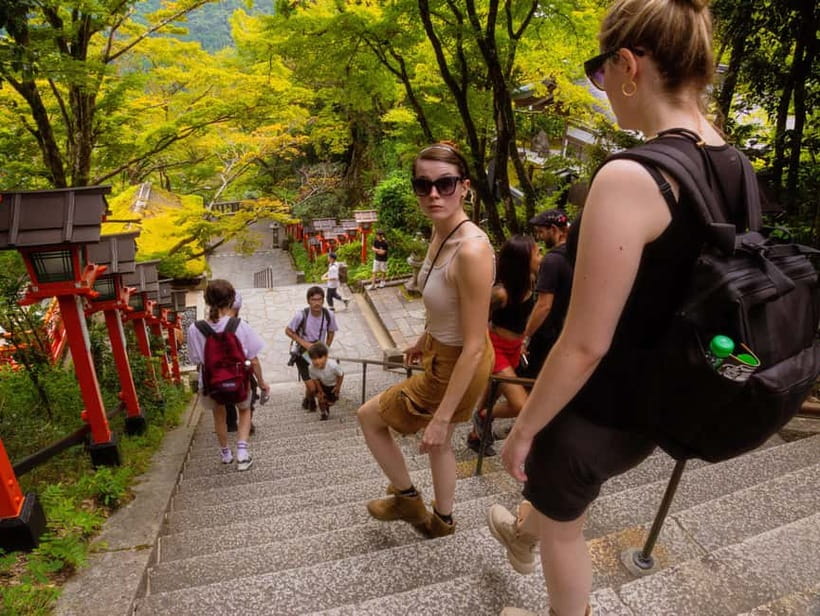
After the temple visit, the route turns downhill toward the village of Kurama. The descent is less demanding on your lungs, but stone steps can still challenge knees and ankles. Take care, especially if rain has made the path slick.
The village is where the guided portion concludes. You receive advice on what to do next, rather than being locked into one final activity. That flexibility is useful because different people will want different endings.
You can have a late lunch, stroll through the village, return by train or visit the hot spring. Lunch is not included, and the tour does not promise a specific restaurant, so keep extra money and time available if you want to eat.
The village finish also makes the experience feel less packaged. You have a chance to pause, look around and decide how long to stay. The tradeoff is that transportation back to the meeting point is not included. If you choose the train, you pay for that separately and make your own way back to Kyoto.
Kurama Hot Spring after the climb
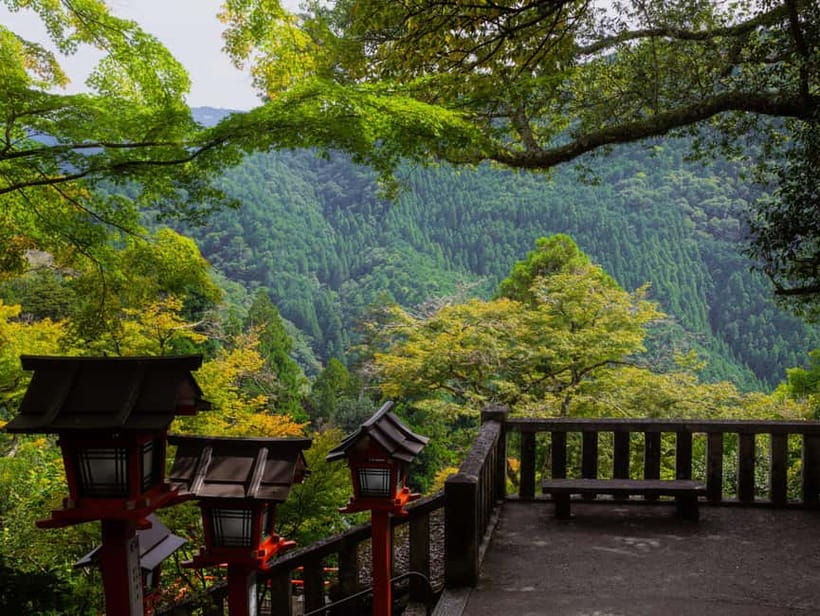
The optional hot spring bath is one of the most appealing additions. Kurama Hot Spring is known for an outdoor bath with mountain views, and soaking after the climb can turn a strenuous morning into a very relaxing afternoon.
The hot spring fee is not included in the $80 price. A discounted bath ticket may be available through the tour, so ask your guide about the current arrangement. You will also need to allow extra time beyond the four-hour guided itinerary.
I would treat the bath as a strong reason to choose this outing, not as a guaranteed part of it. You pay separately, and the tour ends with guidance about your options. One important practical point is that Japanese hot springs generally involve bathing without swimsuits, though this specific activity information does not give detailed bathing rules. Ask locally if you need clarification before entering.
The hot spring is best for you if you enjoy active sightseeing followed by a quiet recovery period. If you need to return to central Kyoto immediately after the temple, skip the bath and plan your train journey back instead.
What the $80 price covers
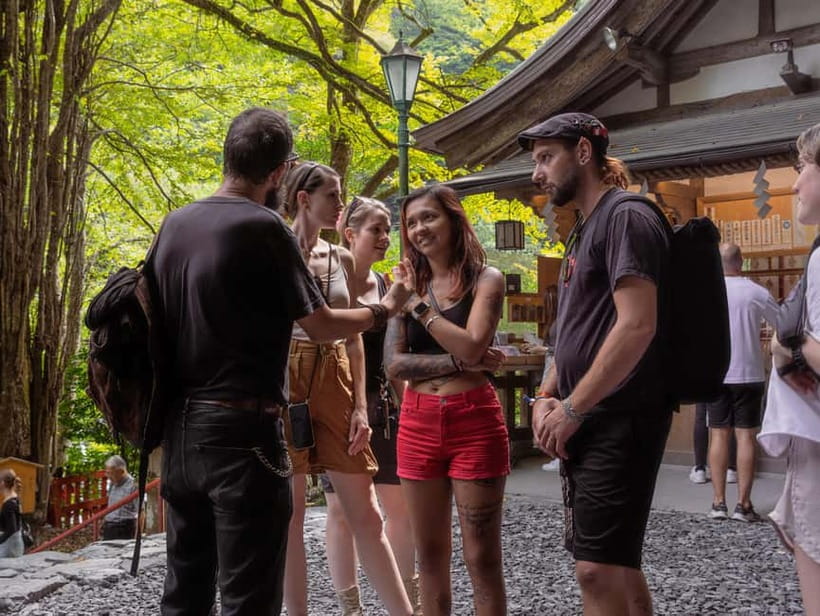
At $80 per person, the price includes the guide fee, temple admission and transportation during the guided activity. It does not include lunch, the hot spring fee or the return trip to the meeting point.
That is a fair value if you want interpretation rather than simply a route map. The train ride, cultural explanation, temple entry and guidance through the mountain are bundled into a short outing. You also avoid having to work out how Kibune, Kurama and the trail fit together on your own.
The value depends heavily on what you want from the day. A strong guide can turn a basic hike into a lesson in Japanese religion, local legends and mountain customs. Guides such as Philippe have been especially praised for patience, humor, local insight and the ability to adjust the route.
The price is less attractive if you only want to walk independently and do not care about temple context. You will also need to budget for food, the bath and your return fare. Consider the $80 as the cost of the guided half-day, not the full cost of every activity after you reach Kurama village.
Fitness, weather and what to pack
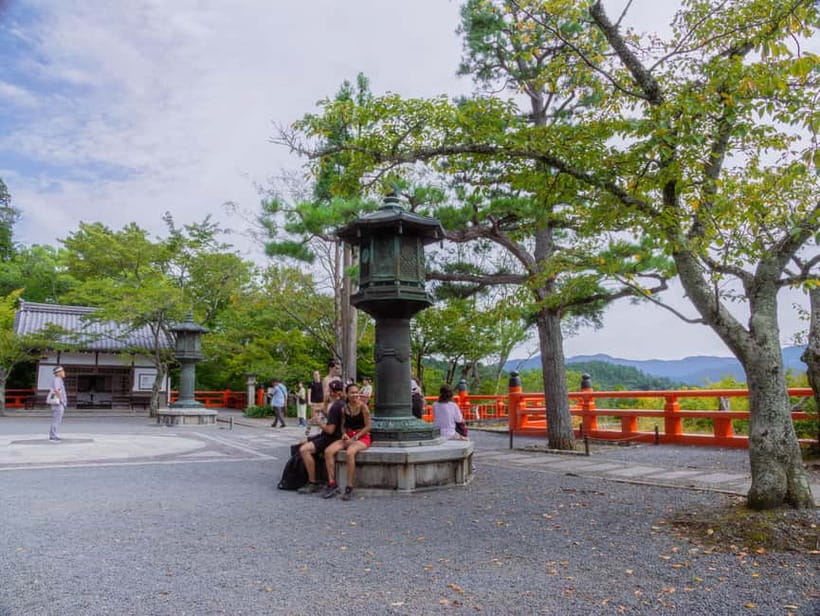
You should have a decent level of fitness before booking. The hike is not technical, but it includes a sustained uphill climb and many steps. People with mobility impairments, wheelchair users, children under 11 and those without hiking experience should choose another Kyoto outing.
Pack light, but bring the essentials:
- Comfortable walking shoes with good grip
- Water
- Long trousers if you want protection from insects
- Money for lunch, the hot spring and the return train
- Weather-appropriate clothing for an exposed mountain walk
Summer heat can make the climb demanding. Build in time for stops rather than trying to race to the top. In cooler weather, the fresh air and forest setting can make the walk feel especially rewarding, while winter conditions may add cold or slippery sections.
The quality of guiding matters on an outing like this. Most of the available feedback is extremely positive, with particular praise for Philippe, Chris, Kevin, Salome and other guides who explain the area and respond to the group. One experience raised concerns about a guide smoking while walking and drinking beer near the end of the tour. That appears to be an exception, but it is worth noting because personal conduct can shape a small-group hike.
Who should book this Kyoto mountain outing?
I would recommend it to you if you want a break from central Kyoto, enjoy walking and prefer a guide who can explain the meaning behind shrines and temples. It works especially well for visitors who want a quieter side of Kyoto without committing to a full-day mountain trip.
It also suits anyone interested in Reiki, Japanese spiritual traditions, local legends or the relationship between nature and worship. The route gives you more than a temple façade. It places the temple within the forest and mountain that give it much of its character.
I would not choose it for a relaxed sightseeing day. The climb is genuine exercise, and the four-hour schedule does not include a leisurely meal or bath. If you have knee problems, limited stamina or no hiking experience, the route may be frustrating.
Private and small-group options are worth considering if you want the guide to adjust the pace or spend more time at particular sites. A private booking may also give you a better chance of exploring lesser-known corners, though the exact route depends on conditions, opening hours and the guide.
Should you book the Kurama hike?
Book this experience if you want a spiritual mountain walk with practical local guidance, not just a checklist of Kyoto sights. The combination of the Eizan train, Kibune Shrine, cedar forest, Kurama Temple and optional hot spring makes good use of half a day.
Skip it if you need a flat route, a fully included day or a guaranteed bath and lunch. Also skip it if you rarely hike. For the right person, the $80 cost is reasonable, especially when a guide such as Philippe or Chris brings the history and legends to life. For everyone else, the stairs may overshadow the scenery.
FAQ
Where does the tour meet?
The meeting point is Demachiyanagi Station exit 7, in front of the Eizan Railway, in Kyoto.
How long does the activity last?
The guided activity lasts about four hours. Check availability for the specific starting time.
What languages are available?
The tour is available with a live guide in English or French.
Is transportation included?
Transportation during the guided activity is included. Your transportation back to the meeting point is not included.
Is lunch included?
No. Lunch is not included, and you can choose to eat in Kurama village after the guided hike.
Is the hot spring bath included?
No. The hot spring fee is separate. A discounted ticket for the bath may be available through the tour.
How difficult is the hike?
The hike requires a decent level of fitness and includes a climb of about 30 to 40 minutes to the mountaintop. Comfortable shoes and water are required.
Who should not take this tour?
The activity is not suitable for children under 11, wheelchair users, people with mobility impairments or people without hiking experience.
Just added around Kyoto
- Sekka Cotton Furoshiki Class★ 5.0 · 19 reviews
- Kyoto Sword Experience – includes Museum Ticket/Ninja Experience★ 4.5 · 149 reviews
- Scenic Green Tea Fields of Hidden Kyoto & Local Tea Exp (Private)★ 5.0 · 32 reviews
- Secret Eastern Kyoto Biking Adventure★ 5.0 · 44 reviews
- Private Sake Tasting in Central Kyoto with Sake Sommelier★ 5.0 · 32 reviews
- Samurai School in Kyoto: Samurai for a Day★ 5.0 · 202 reviews
- SHIRAKAWA Japanese Culture Experiences with private English staff★ 5.0 · 16 reviews
- A Privately Guided Photoshoot in Beautiful Kyoto by a Pro★ 5.0 · 18 reviews
Spa & Hot Springs, compared.
Nara and Uji Day Trip with Deer Park and Hot Spring
Our verdict →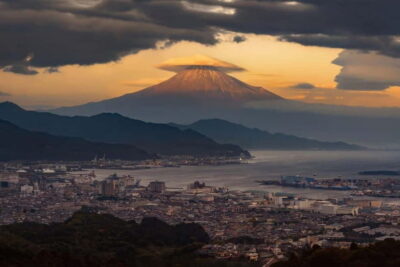
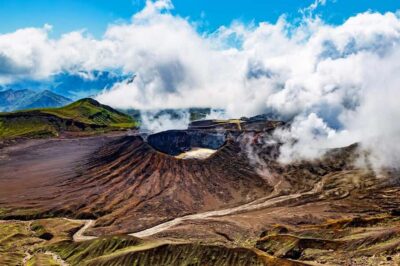
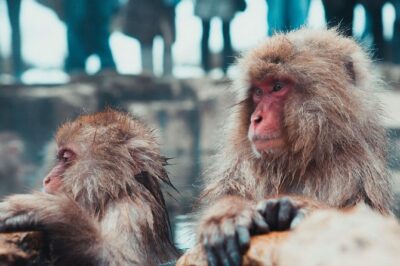
Private Nagano 1-Day Tour:Snow Monkeys,Zenko-ji,Obuse,Sake,Onsen
Our verdict →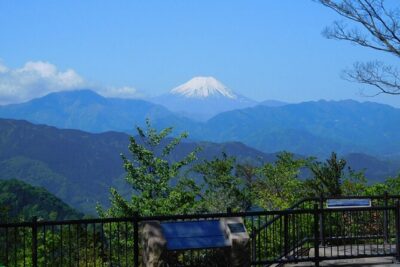
Tokyo: Mt Takao Tour with Ramen and Tattoo-Okay Hot Spring
Our verdict →
[Seasonal Limited] Mt. Fuji 5th Station &Hot Spring Day Tour
Our verdict →
Browse the lists this tour appears in