

Reviewed · WORKSHOPS
Beppu: Bamboo Lantern Workshop
The most appealing part of this Beppu activity is its simple promise: you choose a piece of natural bamboo, make your own pattern, and leave with a lantern that carries your fingerprints rather than a shop label. Masa and Ena provide the first guidance, then give you room to work quietly and make the design your own.
I like the small group of four, which should make it easier to ask for help with the hand-drill. I also like the practical souvenir. At $25, the fee covers the bamboo, tools, instruction, and a handmade object you can use at home. The main consideration is time: the advertised hour may be enough for a basic lantern, but a careful design can take closer to an hour and a half.
Key points to know before booking

- Choose your own bamboo: You select the natural bamboo piece that becomes your lantern.
- Design the light pattern yourself: Your drilled holes control the look of the finished glow.
- Work with a hand-drill: The activity is hands-on, so children need close adult supervision.
- Expect an outdoor setting: Wear comfortable clothes that can handle dust or a little dirt.
- Plan extra time for detail: The stated duration is one hour, but a polished design may take longer.
- Learn beyond the tool work: The session also introduces Japanese calligraphy etiquette and local bamboo work.
Turning ordinary bamboo into a personal souvenir

Beppu is well known for hot-spring bathing, but this workshop gives you a quieter way to connect with Kyushu. Instead of simply buying a craft, you spend time shaping one. The result is modest in size and personal in character, which is exactly why it works well as a travel memento.
The process begins with choosing a bamboo section. That choice matters more than it might seem. Natural bamboo has its own shape, color, and markings, so your lantern will not look perfectly uniform. You are not selecting a blank factory-made object. You are deciding which piece of plant material will carry your pattern.
After the initial explanation, you plan the holes that will decorate the lantern. The design is yours, so you can keep it spare or make it more detailed. The holes are not only decoration. Once a light is placed inside, they become the pattern through which the glow escapes.
You then use a hand-drill supplied by the workshop. This makes the class more active than a simple painting session. You need to guide the tool, pay attention to the bamboo, and work at a pace that feels controlled. The hosts are there to explain the technique and help you get started, but the finished design remains your own.
The workshop also includes guidance related to Japanese calligraphy etiquette. That detail adds a cultural layer to the practical work. You are not only handling a natural material and learning a craft technique. You are also being introduced to the care and manners connected with a traditional Japanese art form.
A few more Kyushu half-days worth comparing
- From Fukuoka: Miyazaki, Takachiho Gorge and Shrines Day Tour
★ 4.6 · 233 reviews - Mt. Aso & Takachiho Gorge Tour with Optional Boat Ride
★ 4.7 · 222 reviews - Open-air theater “Tao- no-Oka” Drum TAO Live performance
★ 4.8 · 191 reviews
A calm hour with Masa and Ena
Masa and Ena are the named hosts for the experience, and their role is important because the activity depends on a good balance between instruction and independence. You receive enough direction to use the equipment, then get time to concentrate on your lantern.
The small group limit, four participants, is a real advantage. Handcraft sessions can become frustrating when one instructor must move between a large number of workstations. Here, you should have a better chance of receiving help if the drill feels awkward or if you want advice about your pattern.
The atmosphere is intended to be quiet and focused. That makes this a good choice if you want a break from crowded sightseeing and a chance to spend an hour working with your hands. It is not designed as a loud, fast-moving attraction. Bring a little patience and let the work set the pace.
The hosts also share information about the area and the bamboo industry. That context helps connect your small project with the wider craft tradition. You leave with more than a decorative object, although the lantern itself remains the main reward.
The available host languages are English, Chinese, Traditional Chinese, and Japanese. That range is useful for an activity where clear instructions matter. You should still pay close attention at the start, especially when the hand-drill is explained.
How the one-hour workshop unfolds
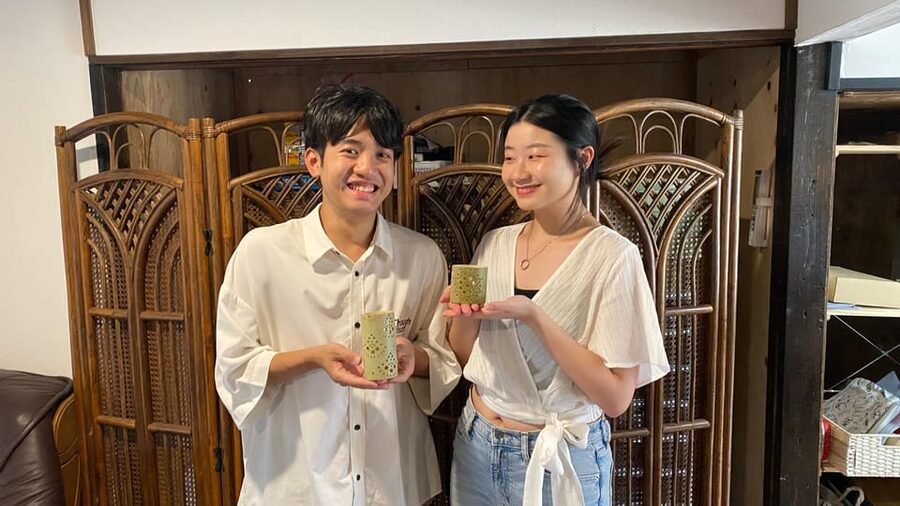
1. Choose your bamboo piece
Your first practical decision is selecting the piece of bamboo you will work on. The materials and equipment are included, so you do not need to bring supplies from home.
This opening step gives the lantern a personal starting point. Bamboo is a natural material, and its appearance may vary from one piece to another. If you care about the final shape, take a moment to look at the available pieces before making your choice.
More Hands-On Experiences in Kyushu:
- Bamboo Lantern Workshop
★ 5.0 · 25 reviews - Calligraphy Class for Beginners in a Century-old Japanese House
★ 5.0 · 18 reviews - Sushi Making Tokyo Roll and Authentic Japanese Sushi Class
★ 5.0 · 3,971 reviews - Kyoto: 45-Minute Tea Ceremony Lesson Experience
★ 4.3 · 2,378 reviews
2. Learn the basic method
The host gives initial guidance before you begin decorating. This is where you learn how to approach the bamboo and how to operate the hand-drill provided for the activity.
Do not rush through this part. The drill is manageable, but it still calls for attention. Parents or guardians are responsible for supervising children at all times, and the activity is not suitable for children under eight.
3. Mark out your design
You are free to decorate the bamboo as you wish by deciding where to make the holes. This is the creative center of the session. A simple pattern may be quicker and easier to control, while a more detailed pattern will require more planning and drilling.
The design also affects the way the finished lantern looks when lit. More openings may produce a brighter, more patterned glow. Fewer holes can create a simpler effect. The activity description does not promise a set range of designs, so your result will depend on your own choices and patience.
4. Drill the holes
Now you turn the design into the actual lantern. The hand-drill makes this a genuine craft activity rather than a pre-prepared souvenir with a few decorative touches.
Work carefully and expect this stage to take most of your time. One verified booking took about an hour and a half when the maker wanted to finish the lantern neatly. If you have a train, meal, bath reservation, or another timed activity afterward, leave a buffer rather than planning your schedule around exactly 60 minutes.
5. Take the lantern home
Once your lantern is finished, it is yours to keep. The gentle light gives the object a useful life after your trip, rather than leaving it as something that sits in a drawer with other holiday purchases.
The final piece may show small variations or imperfections. That is part of the point. A handmade bamboo lantern should look handmade. Its value comes from the design you made and the time you spent creating it.
Why the small group matters
A group of four changes the feel of the class. You are not one person in a large production line. You have space to concentrate, and the hosts can offer more direct help if you need it.
That format is especially useful for beginners. You may want guidance choosing a pattern, positioning the drill, or deciding when your lantern has enough decoration. The staff are described as friendly and helpful, and the named hosts, Masa and Ena, also explain local bamboo work.
The small size does not mean the class is completely private. You will still be sharing the space with other participants. If everyone arrives with a different pace or style, the hour may feel slightly uneven. Still, the four-person limit is a strong feature for a tool-based activity.
The outdoor setting and what to wear
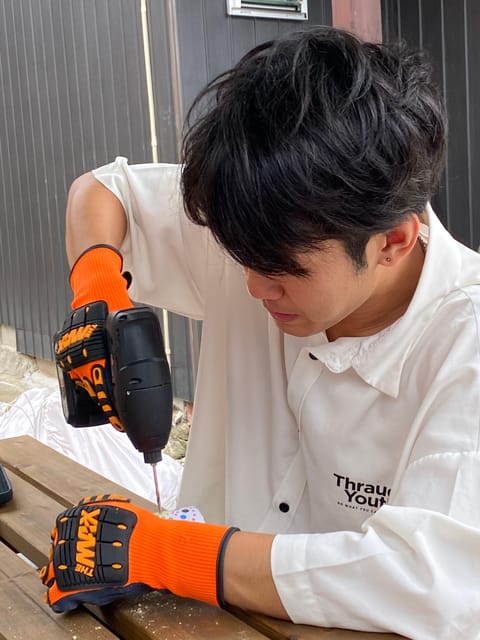
This workshop takes place outdoors, so clothing deserves more attention than it would for an indoor craft class. Wear comfortable clothes that you do not mind getting a little dirty. You may be handling natural bamboo and working with a hand tool, so neat city clothes are not necessary.
The activity can be adjusted or treated differently during extreme weather such as heavy rain, thunderstorms, or heavy snow. Normal outdoor conditions are part of the experience, so check the forecast and dress sensibly.
Flash photography is not allowed. You can enjoy the session without constantly photographing each step, and the restriction is worth remembering if you normally document every part of a trip. Ask before taking pictures if you are unsure about other photography rules.
The outdoor location may also affect comfort during the session. The information provided does not specify shelter, seating arrangements, or heating, so do not assume an indoor studio setting. Comfortable clothing is the safest choice.
Is $25 good value?
At $25 per person, this is reasonably priced for a short craft class that includes all materials and equipment. You are paying for more than the bamboo itself. The fee covers instruction, access to the tools, a small-group format, and a finished lantern to take home.
The best value comes if you enjoy making things. If you only want a quick souvenir, a shop-bought lantern may be easier. The class asks you to spend an hour, pay attention, and accept that your work may not be perfect. For many people, that effort is precisely what gives the object meaning.
The price also includes an experience connected to local bamboo work. You get some explanation of the industry around the material, rather than treating bamboo as a generic craft supply. That makes the session more worthwhile for visitors who want a cultural activity with a practical result.
The only value concern is the time limit. A simple design may fit comfortably into one hour, but detailed work can run to 90 minutes. The extra time is not listed as a separate charge, but you should avoid booking another activity immediately afterward.
You can reserve now and pay later, which helps if your Kyushu schedule is still changing. Cancellation is free up to 24 hours in advance for a full refund. Keep those terms in mind if weather or transport may affect your plans.
Who will enjoy this Beppu activity?
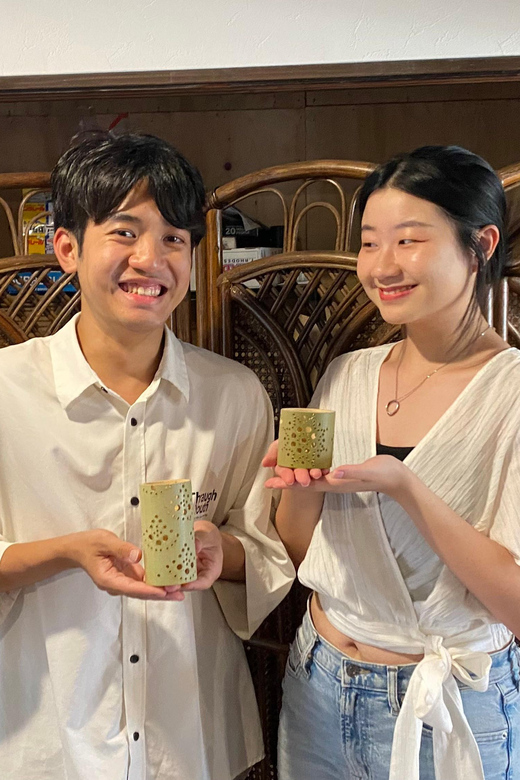
I would recommend it most to adults, couples, families with older children, and solo visitors who like quiet creative work. It suits people who want a souvenir with a story and who do not mind spending time on the making process.
Older children can take part, but the hand-drill means adults must supervise them closely. Children under eight are not suitable for the activity. Families should also consider whether their children enjoy focused, seated or stationary craft work, since this is not a fast-paced attraction.
It is also a good choice for anyone who has already seen plenty of temples, baths, and viewing points and wants a change of rhythm. The session gives you a calm hour with a direct connection to a natural Japanese material.
You may want to skip it if you dislike outdoor activities, have very little flexibility in your schedule, or want a finished object with a flawless professional appearance. Your lantern is personalized because you make it, and that means small irregularities are part of the result.
Practical tips for making a better lantern
Arrive ready to choose a design quickly, but do not feel pressured to copy a complicated pattern. Simple shapes can look attractive once light passes through them, and they reduce the amount of drilling required.
Leave more time than the advertised hour if you care about a polished finish. The extra 30 minutes can make the difference between stopping when the basic lantern is complete and continuing until the pattern feels balanced.
Wear comfortable clothes and avoid anything you would be upset to mark. This is a hands-on outdoor activity, not a formal cultural presentation.
Listen closely to the safety guidance before using the drill. If you are attending with a child, remain responsible for supervision rather than assuming the host will watch every movement.
Finally, think about the lantern’s future use at home. A design that looks good in daylight may create a different effect when lit. Since the holes control the pattern of light, keep that final purpose in mind as you work.
Should you book the Beppu Bamboo Lantern Workshop?

Book it if you want a small, personal craft experience with a useful souvenir and a calm pace. The $25 price is fair for the materials, equipment, instruction, and take-home lantern, especially with only four participants and multilingual hosts.
Give yourself more than the stated hour if you want detailed work. Wear outdoor clothes, remember that the hand-drill requires care, and choose this for the process as much as the finished object.
Skip it if your schedule is tight or you want a completely effortless souvenir. For everyone else, this is a thoughtful way to spend part of a Beppu day, especially when you want to make something that will remind you of Kyushu every time it glows.
FAQ
How long does the bamboo lantern workshop last?
The stated duration is one hour. Careful designs may take longer, with one participant allowing about an hour and a half to finish the lantern neatly.
How much does the workshop cost?
The price is $25 per person. Materials and equipment for making the lantern are included.
Can I take my bamboo lantern home?
Yes. Each participant creates a personalized bamboo lantern to take home.
Is the activity suitable for children?
Children under eight are not suitable for the workshop. Participants use a hand-drill, and parents or guardians must supervise children at all times.
Is the workshop held indoors or outdoors?
The activity takes place outdoors. Wear comfortable clothing that you do not mind getting a little dirty, and dress for outdoor conditions.
What languages are available?
The hosts or greeters can provide assistance in English, Chinese, Traditional Chinese, and Japanese.
Just added around Kyushu
- Kumamoto Full-Day Private Tour with Government-Licensed Guide★ 5.0 · 20 reviews
- Port Pick-Up: Kagoshima Private Tour Licensed Guide & Vehicle★ 4.5 · 22 reviews
- Kagoshima Private & Custom Tour with Licensed Guide and Vehicle★ 5.0 · 29 reviews
- Kagoshima Nature and Food Culture Private Tour★ 5.0 · 15 reviews
- Kagoshima Full-Day Private Tour with Government-Licensed Guide★ 5.0 · 21 reviews
- Kagoshima Highlights Private Tour, Sakurajima Volcano and more★ 5.0 · 20 reviews
- Kayaking in Anbo River★ 5.0 · 19 reviews
- Kyushu: Aso Vocano, Grassland,Onsen and Aso shrine 1-Day Tour★ 4.5 · 23 reviews
Workshops, compared.
Sushi Making Tokyo Roll and Authentic Japanese Sushi Class
Our verdict →

Ninja 1-hour Hands-on Lesson by Japanese master in Kyoto -Entry
Our verdict →
Browse the lists this tour appears in