
Reviewed · PHOTO SHOOTS IN TOKYO
Tokyo by Night Photography Tour (Private Option Available)
Tokyo looks most cinematic after sunset, and this tour puts you right in the glow. You move from Shinjuku’s narrow Golden Gai and Kabukicho streets to Shibuya Crossing, while a professional photographer captures you against neon, signs, bridges, and city lights. The result is part sightseeing walk, part personal photo shoot.
I like the small maximum of six and the fact that you receive 20 edited photos, a real benefit for solo visitors and couples who usually return home with plenty of scenery but few good pictures of themselves. I also like the personal touch from photographers such as Gota, who has been praised for clear posing help, quick delivery, and an easy manner.
The main tradeoff is pace. This is a photo-focused walk, not a slow history tour, and the route covers about 3 kilometers. The timing can vary from roughly two to two and a half hours, and one account reported a much shorter outing, so you should book it for the photos and atmosphere rather than a perfectly fixed schedule.
Key points at a glance
- 20 edited photos included: You get professional portraits from the evening, often delivered quickly.
- Maximum six people: The small group gives the photographer more time to adjust poses and angles.
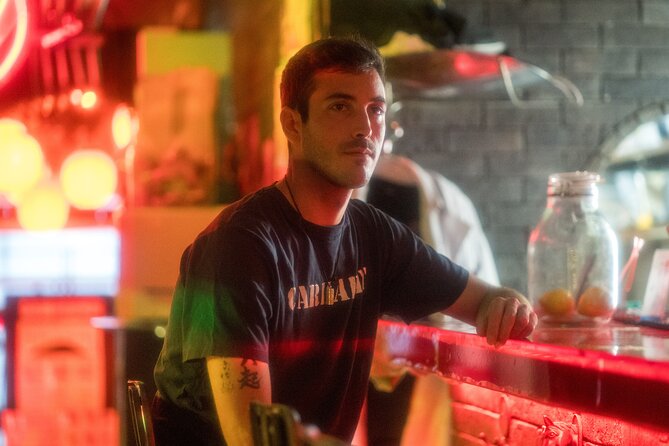
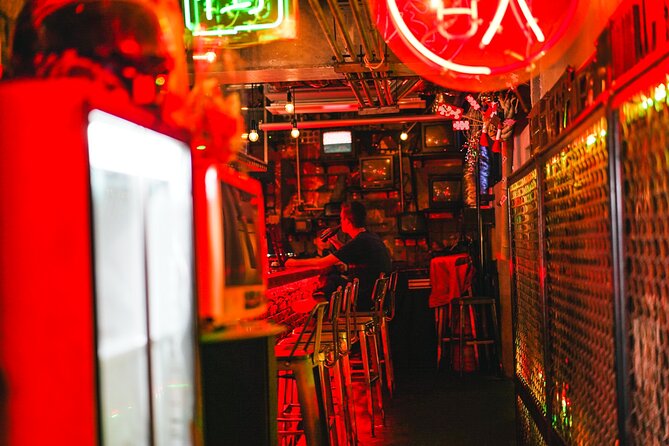
- Golden Gai and Kabukicho after dark: Expect narrow lanes, neon reflections, and Tokyo nightlife scenery.
- Shibuya Crossing included: The tour reaches one of Tokyo’s most recognizable urban scenes.
- About 3 kilometers on foot: Wear comfortable shoes and keep bags light.
- One drink included: Dinner is not included, and train fares between areas are extra.
Why this Tokyo night tour works
Many Tokyo photo experiences simply put you in front of a famous sign and click the shutter. This one has a better idea: use the city itself as your backdrop. You walk through several districts while the photographer looks for light, movement, color, and angles that are difficult to find alone.
The evening begins at 5:30 pm in Shinjuku, with the meeting point near Miraion Lion Square. Your photographer may first show you the route on a map and explain how the night will work. That short briefing matters. Tokyo’s nightlife districts can feel confusing, especially when you are trying to pose, follow a group, and avoid blocking foot traffic at the same time.
The guide serves two roles. You get a local escort through Shinjuku and a photographer who directs the shoot. English-speaking photographers such as Gota have been praised for making people feel comfortable, offering positive encouragement, and suggesting poses rather than expecting you to know what to do.
That is especially helpful if you dislike having your picture taken. The aim is not simply to stand stiffly beside a landmark. You may be asked to walk, turn, lean, look away, or work with the surrounding lights. The best images should feel tied to Tokyo rather than pasted onto it.
More Photo Shoots in Tokyo
- Best Go Kart Experience in Shibuya Crossing with Iconic Photos
★ 5.0 · 348 reviews - Tokyo Go-Karting Experience: Shibuya Crossing with Photos
★ 4.8 · 190 reviews - Tokyo Cyberpunk Street Photo Tour
★ 5.0 · 165 reviews
Golden Gai: narrow lanes and careful photography
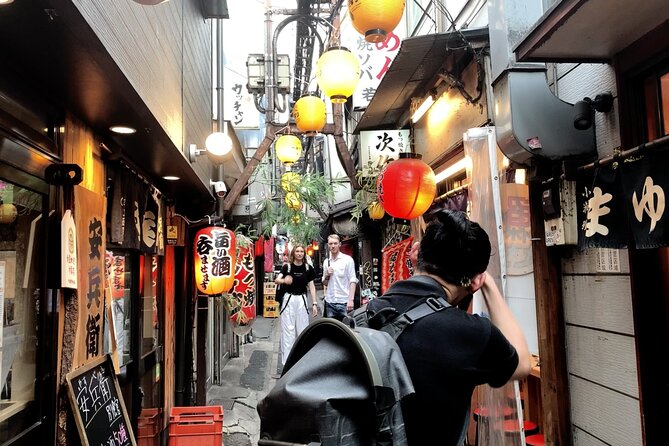
Shinjuku Golden Gai is the first major stop. This compact bar district is known for its tightly packed lanes and nearly 300 small bars. At night, its signs, doorways, and cramped passages can create the moody, futuristic feel that attracts photographers.
You spend about 15 minutes here, so do not expect a long stop at every lane. The photographer will look for suitable angles and available space while respecting the businesses around you. This is an important point: photography is strictly prohibited in some parts of Golden Gai and Memory Lane. Your guide should direct you to places where pictures are allowed, but you need to follow those instructions.
The setting is more atmospheric than spacious. You may be standing close to other people, pausing briefly, and moving on when a passage becomes crowded. That gives the pictures energy, but it also means the stop is not a relaxed portrait session.
If you bring a large bag, you will feel the inconvenience quickly. One useful tip is to pack light. At each photo spot, you may need to set your bag down, collect it, move again, and repeat the process. Comfortable shoes matter here and throughout the evening.
Kabukicho for neon and nightlife images
The tour continues through Kabukicho, where you spend about 30 minutes taking pictures at selected spots. This is the part of Shinjuku where the city’s signs, streets, and nighttime activity provide a broad range of backgrounds.
Kabukicho is more open than Golden Gai, so the photographer has more room to work with movement and changing light. You might pose beside a bright sign, walk through a lit street, or use a darker side lane for a more dramatic portrait. Exact locations can change with crowds, traffic, weather, and local conditions.
The guide also adds context about the district and Shinjuku’s past and present. Do not expect a long lecture. The tour is built around making pictures, with short explanations along the route. That balance suits you if you want to learn a little while keeping the evening active.
The pace can be quick. Several people have enjoyed the energetic style, but one practical warning is worth taking seriously: the photographer may walk fast. If you have limited mobility, are traveling with small children, or prefer frequent pauses, ask about the private option before booking. All ages can join, but the route is still a walking route through busy evening streets.
A short move to Shibuya
The route then moves to Shibuya. Train transportation is not included, so you should budget separately for the fare. You do not need to pay the guide’s transportation cost or drink, but your own train fare remains your responsibility.
The transfer is more than a simple change of scenery. Shinjuku and Shibuya offer different kinds of Tokyo night photography. Shinjuku gives you narrow alleys, dense signs, and nightlife corners. Shibuya opens up into major streets, large displays, and one of the world’s best-known crossings.
The itinerary may change order depending on traffic, weather, and operations. If a place closes, an alternative location may be used. That flexibility is sensible in central Tokyo, where crowds and local rules can affect a photography stop at short notice.
Same trip, a completely different kind of day:
- 1-Day Tokyo Bus Tour
★ 5.0 · 14,250 reviews - Tokyo: TOKYO SKYTREE® Admission ticket
★ 4.5 · 11,192 reviews - Tokyo: teamLab Planets TOKYO Digital Art Museum Entry Ticket
★ 4.6 · 9,779 reviews - Tokyo: Sumo Show Experience with Chicken Hot Pot and a Photo
★ 4.8 · 6,678 reviews
Shibuya Crossing and the city’s big stage
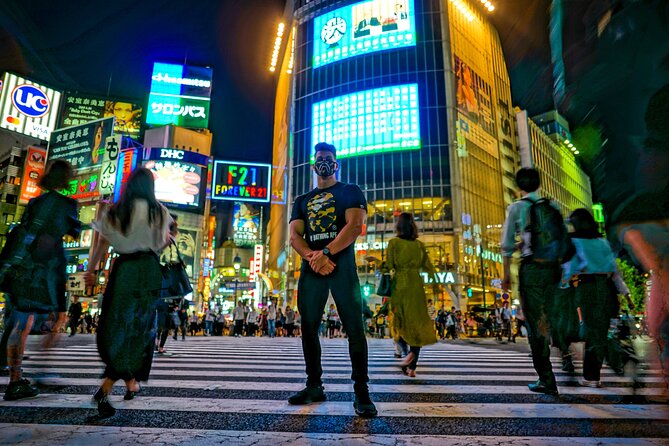
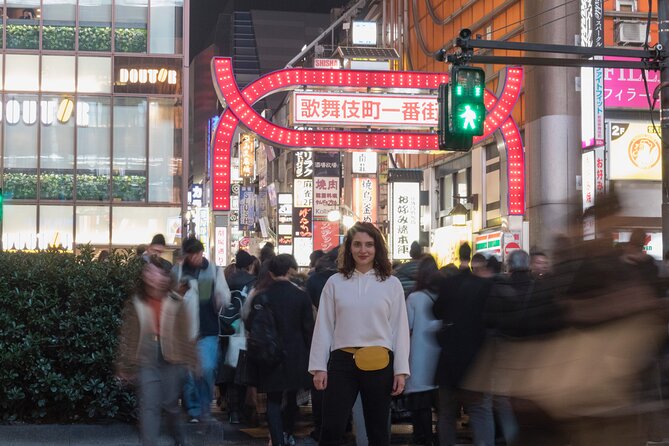
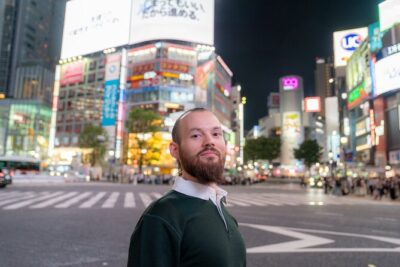
Shibuya Crossing receives about 40 minutes, making it the longest listed photo stop. This is where you get the famous Tokyo scale: streams of people, tall screens, bright storefronts, and a wide intersection that changes character every time the signal turns.
The photographer can capture both classic crossing images and nearby street portraits. You may also pass Hachiko, the bronze statue of the loyal Akita dog, and Shibuya Center-gai, a busy shopping and dining street where activity continues late into the evening.
The crossing is iconic, but it is not necessarily the easiest place to pose. You will be surrounded by movement, and you cannot stop in the middle of the flow for long. A good photographer helps by choosing the right moment and giving clear instructions quickly.
This is also where the small group pays off. With no more than six people, the photographer can keep everyone together without turning the shoot into a large production. If you are on your own, the arrangement solves a common Tokyo problem: finding someone trustworthy to take a decent picture without losing your preferred angle.
The extra Shinjuku sights
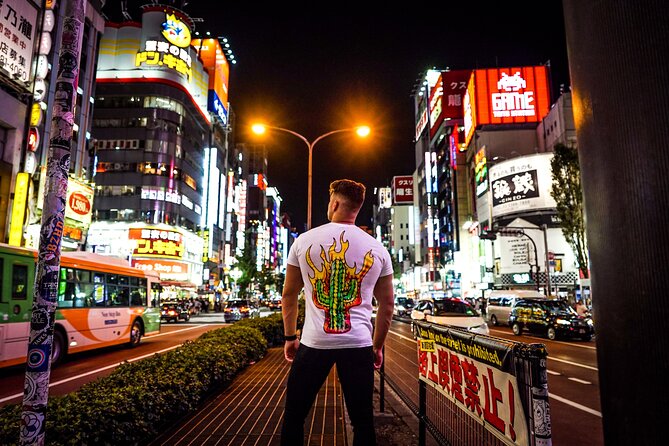
The route information also lists street photography near the Tokyo Metropolitan Government Buildings and a sequence that may include a temple, pedestrian bridge, Love Sculpture, the government building area, and Yodobashi Camera. These details suggest that the final route can vary rather than follow one rigid pattern.
The Tokyo Metropolitan Government Buildings provide a strong urban backdrop, especially after dark. The nearby streets can produce images that feel less obvious than a straight shot at Shibuya Crossing. A pedestrian bridge offers height and lines, while the Love Sculpture gives couples a more playful setting.
Because the itinerary can change, you should not treat every named point as a guaranteed full stop. Some are passed by, and some may be used only if conditions allow. The value is the photographer’s ability to turn ordinary corners into useful backgrounds, not simply checking off every landmark.
What you receive after the walk
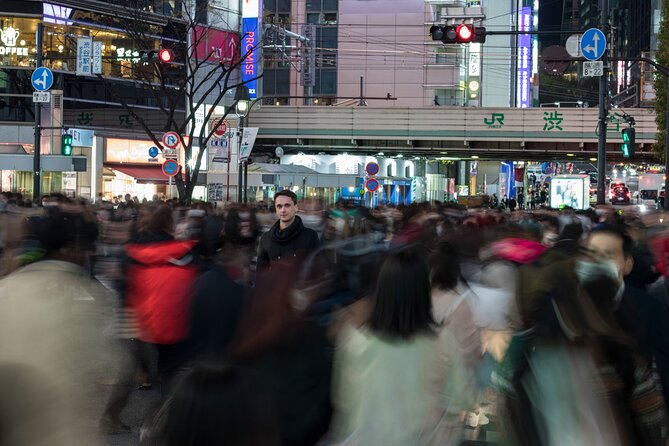
The package includes 20 edited photographs. That is the heart of the experience, and it makes the price easier to judge. At $105.71 per person, you are paying for a guided night walk, a professional photo session, local orientation, one drink, and post-processing.
For a solo visitor, the value can be strong. A normal sightseeing evening may give you hundreds of phone snapshots but almost no polished portraits. Here, the photographer actively works with your posture, expression, and position in the frame. Several photo sessions have also been noted for fast delivery, with images arriving later the same evening in some cases.
For a couple, the price buys more than a few posed pictures. You get shared images in recognizable Tokyo settings, plus individual shots if the guide has enough time. Honeymooners have found the small-group format especially personal when the group happened to be very small or private.
For a family, the calculation is less simple. All ages can participate, but dinner is not included, train fares are extra, and the walking pace can be brisk. If you need a slower schedule or more control over stops, the private option may be worth considering.
You do not need to bring a camera. Bring one if you want your own pictures, but the included professional images are the main reason to book. You should also expect the final photographs to reflect the conditions of the night. Crowds, rain, harsh signs, and changing light are part of the Tokyo setting, not flaws to be removed entirely.
Timing, weather, and what to wear
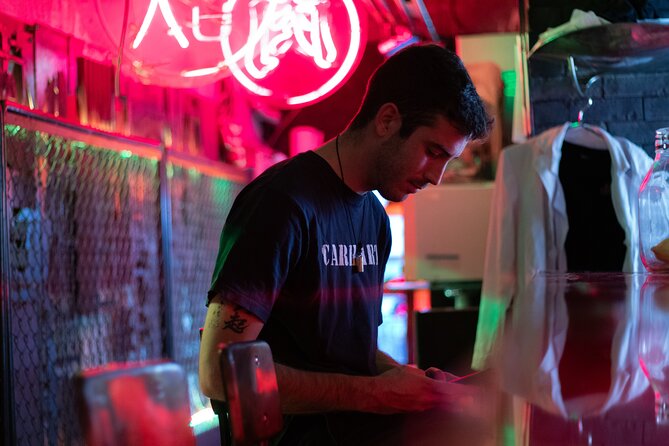
The listed duration is about two and a half hours, but the actual time is not fixed. The operator gives an approximate range of two to two and a half hours because photo conditions, group size, and crowds affect the route.
That flexibility is normal for a photo walk, but it is worth planning around. Do not schedule a restaurant reservation immediately after the advertised end. Leave extra time, especially if the route is busy or the photographer finds a useful location.
Tokyo weather can be demanding. Summer temperatures may reach 40°C, while winter lows can drop to -5°C. Dress for the season and wear shoes suited to a long walk. A compact bag is better than a large one, and you may want a light layer that does not hide the outfit you want in the pictures.
Rain can lead to cancellation for safety reasons. If the weather becomes unsuitable, the itinerary may be changed or the activity may not operate. The cancellation policy allows a full refund when you cancel at least 24 hours before the start time. Changes made later are not accepted.
The strict meeting-time rule
Arrive early. You are asked to meet 10 minutes before the 5:30 pm start, and arriving more than 15 minutes late can mean missing the group with no refund or rescheduling.
This rule matters more than it might on a standard walking tour. The photographer is coordinating a small group, a timed evening route, and changing street conditions. If you are coming from another part of Tokyo, allow extra time for finding the meeting point near Miraion Lion Square.
The activity ends in a different location, so do not plan to return to the meeting point afterward. The route finishes around the Shibuya portion or another final location selected by the guide, depending on the night’s conditions.
Who should book this experience
I would recommend this tour most strongly to solo visitors, couples, and small groups who want professional pictures without hiring a private photographer for a full day. It also suits anyone who wants an introduction to Shinjuku and Shibuya but prefers an active evening to a formal sightseeing lecture.
It is a good match if you:
- Want photos of yourself in Tokyo rather than only photos of Tokyo
- Enjoy walking through nightlife districts after dark
- Need posing help
- Prefer a group capped at six people
- Like a quick, energetic route
- Can manage about 3 kilometers on foot
I would think twice if you want a slow meal-based evening, detailed architectural commentary, or a guaranteed 2.5-hour schedule. Dinner is not included, some areas restrict photography, and the route can change.
Should you book the Tokyo by Night Photography Tour?
Book it if the 20 edited photos are the main goal. The strongest part of the experience is the combination of a local night walk and practical direction from photographers such as Gota. You get access to the city’s best-known night districts without having to plan every angle yourself.
The price is fair for a short professional shoot, especially for a solo visitor or couple. Just arrive early, wear comfortable shoes, carry little, budget for the train, and keep your evening schedule flexible. If you want more privacy or a slower rhythm, choose the private option if available. If you mainly want a history tour, dinner, or a fixed itinerary, spend your money elsewhere.
FAQ
How long does the Tokyo by Night Photography Tour last?
The tour is advertised at about two and a half hours, but the actual duration can range from roughly two to two and a half hours. It may vary with weather, crowds, photo conditions, and group size.
What time does the tour start?
The start time is 5:30 pm. You should arrive 10 minutes before the start time, since arriving more than 15 minutes late can mean missing the tour without a refund or rescheduling.
Where does the tour meet?
The meeting point is Miraion Lion Square, 3 Chome-38 Shinjuku, Shinjuku City, Tokyo 160-0022, Japan.
What locations are included?
The route includes Shinjuku Golden Gai, Kabukicho, and Shibuya Crossing. You may also pass Shibuya 109, Hachiko, Shibuya Center-gai, and areas near the Tokyo Metropolitan Government Buildings. The order and exact locations can change.
How many people can join?
The group has a maximum of six people. A private option is also available.
How many edited photos do I receive?
You receive 20 edited photographs taken during the tour.
Is dinner included?
No. Dinner is not included. One drink is included, and you do not need to pay for the guide’s drink.
Are transportation costs included?
Your train transportation between areas is not included. You do not need to pay the guide’s transportation fee.
Can I cancel for a full refund?
Yes. You can receive a full refund if you cancel at least 24 hours before the experience start time. Cancellations or changes made less than 24 hours before the start are not accepted for a refund or rescheduling.
Just added around Tokyo
- Kawagoe Japanese Food Tour : Unagi Kaiseki and Sake near Tokyo★ 5.0 · 30 reviews
- Kawagoe 4hr Private Tour with Licensed Guide (Kawagoe Dep)★ 5.0 · 13 reviews
- Little EDO Sushi Making workshop in Kawagoe★ 5.0 · 18 reviews
- 【R34】Tokyo:Private Daikoku tour in Modified R34★ 4.9 · 92 reviews
- :Tokyo,Shibuya/ Pro Photography in Kimono / English-Friendly★ 5.0 · 26 reviews
- Tokyo:Celebrate Unique Japanese New Year Tradition Festivity★ 3.9 · 20 reviews
- Tokyo: Allstar Food Tour★ 4.7 · 29 reviews
- Tokyo: West-Side Cycling and Food Tour with Guide★ 5.0 · 37 reviews
Photo Shoots in Tokyo, compared.
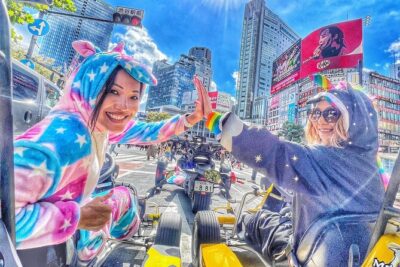
Best Go Kart Experience in Shibuya Crossing with Iconic Photos
Our verdict →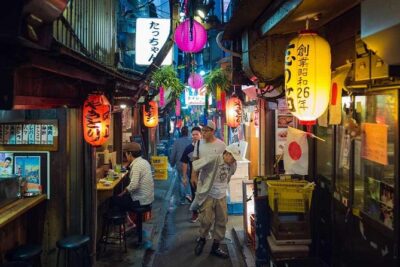
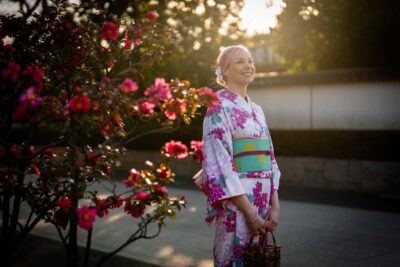
Tokyo Asakusa: Miu Kimono Rental and Optional Photoshoot
Our verdict →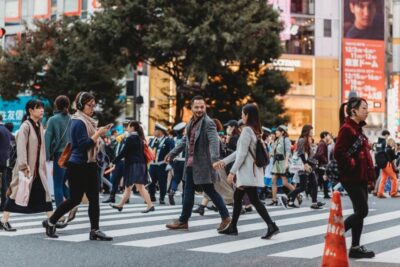
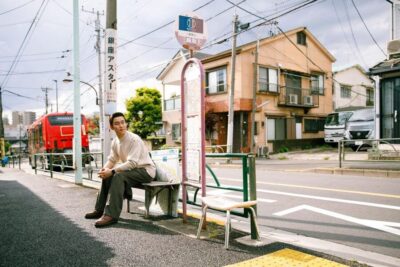
Tokyo Portrait Tour with a Professional Photographer
Our verdict →
Browse the lists this tour appears in