
Reviewed · FOOD & DRINK
Tokyo Shinjuku Food & Backstreet Culture Tour: 15 Dishes+3 Drinks
Shinjuku after dark is a maze of neon signs, tiny bars, food counters, arcades, and narrow lanes. This three-hour food and culture walk gives you a way into that maze without having to guess which door to open or how to order. You’ll taste up to 15 Japanese dishes, visit old drinking alleys, and learn the manners that make an izakaya visit go smoothly.
I like the way the tour joins food with local life rather than treating dinner as a checklist. I also like the guides, including Sakura, Kyle, Seiya, and Taka, who bring stories about language, etiquette, history, and changing Japanese customs into the evening. The main consideration is that this is a cultural night walk with food, not a long sit-down meal, and the exact number of dishes can vary, especially for solo participants.
Key points at a glance
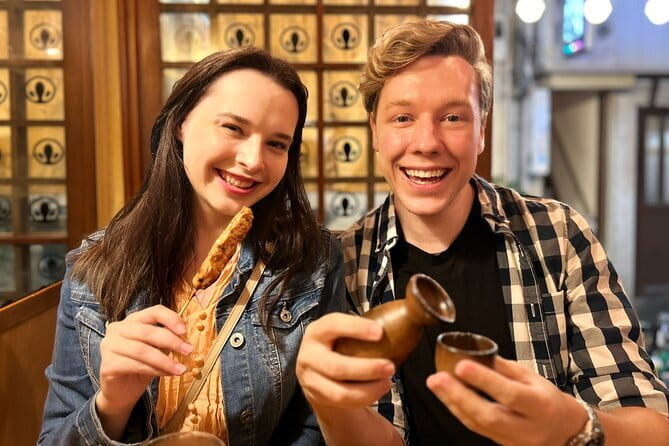
- Up to 15 Japanese dishes: Expect a broad tasting rather than one large entrée, with selections changing by season and availability.
- Three classic Shinjuku settings: Omoide Yokocho, Kabukicho, and Golden Gai give you three very different views of the district.
- English-speaking local guidance: Guides such as Sakura and Seiya explain ordering, dining manners, language, and neighborhood history.
- Food and drinks are included: The package includes two drinks according to the detailed inclusions, with alcohol or soft drinks available. The tour title refers to three drinks, so confirm the current allowance before booking.
- Small maximum group: The tour is capped at 15 people, which matters in narrow alleys and tiny bars.
- A good first-night activity: You’ll leave with food ideas, bar tips, and a better sense of how to explore Shinjuku on your own.
Why this Shinjuku evening works
Shinjuku can feel like several cities packed into one district. Around the station, huge signs and the giant 3D cat create a polished modern Tokyo. A few streets away, Omoide Yokocho preserves a much older feel with cramped eateries and smoky food stalls. Kabukicho brings the entertainment district, while Golden Gai offers tiny bars in postwar-era lanes.
The value of this experience is not just the number of bites. Your guide helps connect those places. You learn why people order certain dishes with drinks, how to behave in a small bar, and how the area has changed. That context makes the food easier to understand and the night less awkward.
The tour is especially useful early in your Tokyo stay. You can ask about foods you want to try later, note down places that catch your eye, and get practical help with Japanese menus. If you already know Shinjuku well and want a serious food crawl with long meals at several restaurants, this may feel too light and too guided.
More Food & Drink in Tokyo:
- Tokyo: Shinjuku Food Tour (13 Dishes at 4 Local Eateries)
★ 5.0 · 6,603 reviews - Tokyo Tsukiji Fish Market Food and Culture Walking Tour
★ 5.0 · 3,184 reviews - Tokyo: Shinjuku Food Tour (15 Dishes and 4 Eateries)
★ 4.9 · 2,033 reviews
Starting beneath the giant 3D cat
The meeting point is in front of the GUCCI Shinjuku M Square Store, close to Shinjuku Station. Your first short stop is the famous 3D cat display, a digital billboard designed to make a giant cat appear to move and meow above the street.
This is a quick orientation point rather than a major attraction. You’ll have about five minutes for photos, then move on. It gives the group an easy visual landmark and places you immediately in the modern, high-energy side of Shinjuku.
Have your phone ready, but don’t expect a long explanation here. The real value begins once the group leaves the large commercial streets and heads toward the smaller food lanes.
Omoide Yokocho and old Tokyo atmosphere
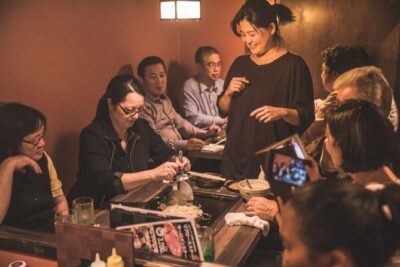
Omoide Yokocho is one of the strongest parts of the route. Its narrow passage is lined with small bars and eateries, creating a sharp contrast with the wide streets and giant signs near the station. The setting has a nostalgic old-Tokyo character, and the close quarters make the visit feel more personal than eating in a large restaurant.
You’ll spend roughly 50 minutes in this area, sampling Japanese food and drinks. The exact dishes depend on the season and what the local stops can provide, but the overall plan is to try several small portions rather than order one full meal.
That format suits curious eaters. You might try foods you would not confidently order alone, and the guide can explain what you are eating and how it is usually served. Dishes mentioned during the experience include yakitori, dumplings, potato salad, stew, squid, and other unusual items. The selection can include familiar comfort foods alongside items such as offal or salted seafood.
The narrow lanes also create a practical limit. You may spend part of the visit standing or moving between compact spaces, and the pace can feel brisk. This is not the place to expect a quiet table, a long conversation over one meal, or a large serving of every dish.
Godzilla Road and Kabukicho after dark
After Omoide Yokocho, the walk continues toward Godzilla Road and the Godzilla Head. The giant monster is one of Shinjuku’s most recognizable playful symbols, and the short stop gives you a chance to photograph it before the tour moves into Kabukicho.
The Godzilla stop lasts about five minutes, so treat it as a photo pause, not a full attraction. It works well as a visual marker between the older food alley and the entertainment district.
Kabukicho occupies the largest portion of the evening, around one hour and 40 minutes. Your guide leads you through Tokyo’s best-known entertainment area, sharing background on the streets and pointing out details that are easy to miss when you are focused on the signs and crowds.
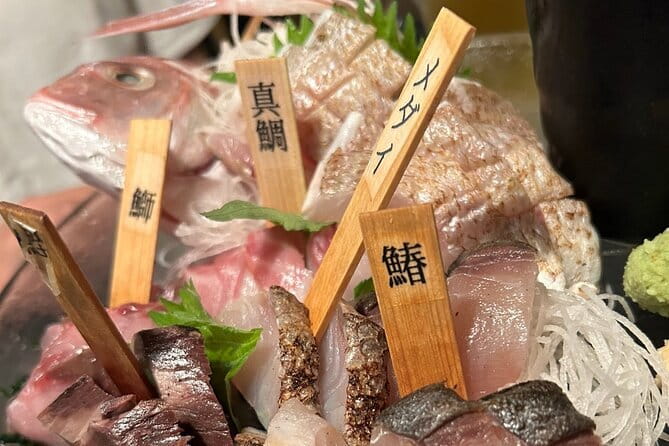
This is also where the food experience continues. The walk may include several tasting stops, with the guide helping you understand menus and local customs. You might be offered dumplings, grilled items, stew, seafood, or other small plates. One particularly broad food selection described for the tour includes beef offal stew, yakitori, grilled and soup dumplings, fried horse meat, century egg, salted squid guts, and whole shrimp with eggs.
Do not assume every item appears on every departure. The food changes, and the provider notes that the exact number and selection may differ for people traveling alone. Still, the spread is designed to give you a wide look at Japanese and regional drinking-food culture rather than only the most familiar dishes.
A few more Tokyo half-days worth comparing
- 1-Day Tokyo Bus Tour
★ 5.0 · 14,250 reviews - Tokyo: TOKYO SKYTREE® Admission ticket
★ 4.5 · 11,192 reviews - Tokyo: teamLab Planets TOKYO Digital Art Museum Entry Ticket
★ 4.6 · 9,779 reviews - Tokyo: Sumo Show Experience with Chicken Hot Pot and a Photo
★ 4.8 · 6,678 reviews
Golden Gai, tiny bars, and postwar lanes
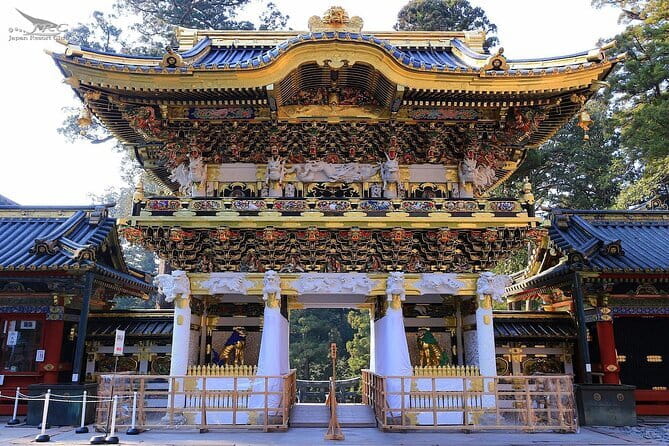
Golden Gai is the atmospheric finale. More than 200 very small bars crowd into narrow lanes, and the area preserves a style of postwar architecture that feels far removed from the large commercial streets nearby.
Your guide gives you a framework for understanding the place. In a tiny bar, details such as where to sit, how to order, and how to respect the staff matter. You’ll learn Japanese eating and drinking etiquette, along with useful advice about staying polite while enjoying alcohol.
The tour’s cultural angle is strongest here. The guide can discuss old and new attitudes toward drinking, local habits, and how social rules affect a night out. That is more useful than simply walking through the lanes and taking photos.
Golden Gai can also be the most challenging section for people who dislike tight spaces, noise, or a social bar setting. It is not presented as a private bar-hopping night with unlimited time at each stop. The group must keep moving, and the final bar may not feel like a long, relaxed evening for everyone.
If you want to remain at the last bar, the group can disperse there. Otherwise, the planned end is in front of Shinjuku Station. That gives you a central place to continue your evening or return to your accommodation.
What you actually eat and drink

The experience includes 15 carefully selected Japanese dishes, with the selection changing by season. The detailed inclusions also state two drinks, available as alcoholic or non-alcoholic options. The product title refers to three drinks, so I would confirm the current number before paying if the drink count affects your decision.
Past food selections have included:
- Yakitori and other grilled dishes
- Grilled dumplings and soup dumplings
- Potato salad
- Beef offal stew
- Fried horse meat
- Century egg
- Salted squid guts
- Whole shrimp with eggs
- Taiyaki for dessert
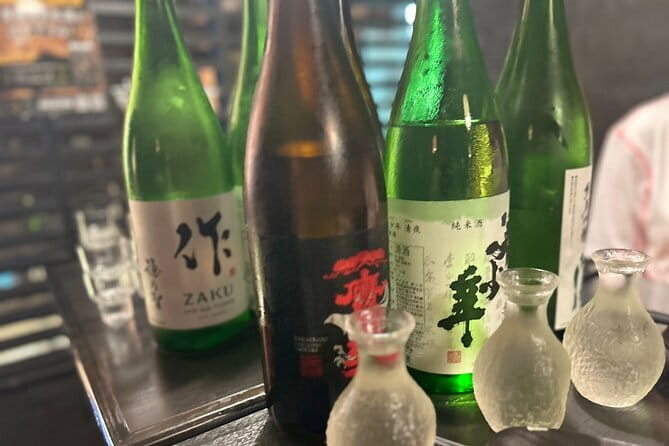
Drink examples include draft beer, lemon sours, whiskey highballs, tea mixed with shochu, and non-alcoholic choices. These examples show the range, but they are not a guaranteed menu.
The key point is portion size. Fifteen dishes does not mean fifteen full plates. You’ll likely receive small portions meant for tasting and sharing. One useful way to think about the tour is as a guided sampler that may leave you satisfied, but not necessarily as a replacement for a full dinner.
Additional food and drinks can be ordered at your own cost. That gives you some control if a dish becomes a favorite or the included food is not quite enough.
The guides make or break the evening

The guide is central to this experience because the food stops alone would not explain the neighborhood. Sakura is described as energetic, friendly, and strong on Japanese etiquette, history, culture, and language. Kyle brings a playful, social style and has helped solo participants feel part of the group. Seiya is noted for fluent English and a warm manner, while Taka and Sakura have led evenings together.
The guide also helps bridge the gap between curiosity and confidence. You may see a dish that looks unfamiliar, hesitate over a menu, or wonder if a certain bar is appropriate for visitors. Clear explanations remove much of that friction.
This is particularly useful for solo visitors. The evening has a built-in social shape, and the guide helps the group talk, eat, and move together. Couples and small groups can also benefit, especially if they want to try foods beyond ramen, sushi, and tempura.
Guide quality can vary from person to person, as it does on any hosted experience. The consistently important feature is not a scripted lecture, but an outgoing guide who can explain local behavior in plain English and keep the group together.
Price, group size, and practical value
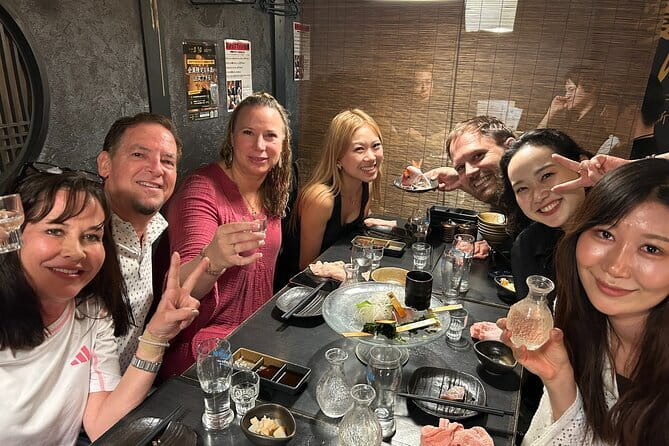
At $100 per person, the tour is not a cheap meal. It is priced as a hosted neighborhood experience that combines food, drinks, photography, interpretation, and access to places you might not choose alone.
The value is strongest if you are new to Tokyo, unsure about izakaya culture, or eager to sample many dishes in one night. Paying once also means you do not need to handle separate payments at each stop. You are paying for direction and confidence as much as for the food.
The maximum group size is 15. That is small enough to be manageable, though it is still a group, and tiny bars can feel crowded with that many people. A smaller departure would likely feel more intimate, but the stated cap is reasonable for a walking experience through narrow alleys.
The tour lasts about three hours. Wear shoes suitable for walking and keep your schedule flexible around the end, since the evening moves through several areas and can finish either at the station or, if you stay, at the last bar.
For communication on the day, you should download WhatsApp. The provider uses it for contact, so this is a small but important preparation step.
Food restrictions and age rules
This tour deserves a careful note for anyone with allergies or strict dietary needs. The meals are prepared outside the provider’s kitchen, so allergy-free food cannot be guaranteed. Substitutions may not be possible at every stop, although the team will try to make up for limitations at other stops.
If you have a serious allergy, I would not treat this as a safe choice without receiving clear confirmation first. The broad menu can also include meat, seafood, offal, eggs, and other ingredients that may not suit every diet.
Alcohol is prohibited in Japan for anyone under 20. Participants under 20 receive soft drinks instead. Children must be accompanied by an adult.
Who should book this Shinjuku food walk
I would choose this tour if you:
- Want an easy first look at Shinjuku nightlife
- Enjoy trying small portions of unfamiliar food
- Prefer a social evening to a formal restaurant meal
- Want explanations in English
- Are traveling alone and would like company
- Feel unsure about entering tiny izakayas or Golden Gai bars
- Want practical etiquette tips for the rest of your Japan trip
I would think twice if you need guaranteed allergy-safe meals, dislike alcohol-centered settings, want a quiet dinner, or expect 15 substantial servings. The tour is also less useful if you have already spent several nights exploring Shinjuku’s food alleys with confidence.
The free cancellation policy allows a full refund when you cancel at least 24 hours before the start time. Changes or cancellations inside that window are not accepted for a refund, so check your plans before the deadline.
Should you book it?
Book this if you want a guided introduction to the food, manners, and mood of Shinjuku after dark. The best parts are the contrast between Omoide Yokocho, Kabukicho, and Golden Gai, plus the chance to try foods that may be hard to order on your own.
Go in expecting tastings, not a grand dinner. Confirm the current drink allowance, tell the provider about dietary concerns before booking, and remember that the evening depends heavily on the guide and the group. For first-time Tokyo visitors, solo eaters, and anyone curious about local bar culture, the $100 price can be fair value.
FAQ
How long does the Shinjuku food and culture tour last?
The experience lasts approximately three hours.
Where does the tour start?
It starts at the GUCCI Shinjuku M Square Store, at Newno GS Shinjuku 1F in Shinjuku City.
Where does the tour end?
The planned ending is in front of Shinjuku Station. If you choose to remain at the final bar, you may disperse there instead.
How many dishes are included?
The tour includes 15 carefully selected Japanese dishes. The food varies by season, and the provider notes that the number of dishes may differ for solo participants.
How many drinks are included?
The detailed inclusions state two drinks, either alcoholic or non-alcoholic. The tour title refers to three drinks, so confirm the current allowance before booking.
Can children join the tour?
Children must be accompanied by an adult. Anyone under 20 cannot drink alcohol in Japan and will be given soft drinks instead.
Can the tour accommodate food allergies or dietary restrictions?
Allergy-free meals cannot be guaranteed because the food is prepared outside the provider’s kitchen. Substitutions may not be available at every stop, though the team will try to compensate at other stops.
Just added around Tokyo
- Kawagoe Japanese Food Tour : Unagi Kaiseki and Sake near Tokyo★ 5.0 · 30 reviews
- Kawagoe 4hr Private Tour with Licensed Guide (Kawagoe Dep)★ 5.0 · 13 reviews
- Little EDO Sushi Making workshop in Kawagoe★ 5.0 · 18 reviews
- 【R34】Tokyo:Private Daikoku tour in Modified R34★ 4.9 · 92 reviews
- :Tokyo,Shibuya/ Pro Photography in Kimono / English-Friendly★ 5.0 · 26 reviews
- Tokyo:Celebrate Unique Japanese New Year Tradition Festivity★ 3.9 · 20 reviews
- Tokyo: Allstar Food Tour★ 4.7 · 29 reviews
- Tokyo: West-Side Cycling and Food Tour with Guide★ 5.0 · 37 reviews
Food & Drink, compared.
Shinjuku Food Tour (13 Dishes at 4 Local Eateries)
Our verdict →
Kyoto Night Foodie Tour in Gion (9+ dishes + 6 Sake tastings)
Our verdict →
1-Day Snow Monkeys, Zenko-ji Temple & Sake in Nagano
Our verdict →
Insider Sake Brewery Tour with Sake and Food Pairing
Our verdict →
Tokyo After 5: Authentic Japanese Food & Drink Night Tour
Our verdict →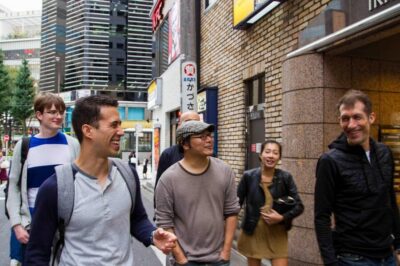
Browse the lists this tour appears in