
Reviewed · SAMURAI EXPERIENCES
Kanazawa: Samurai Residence Remains Nomura Family admission
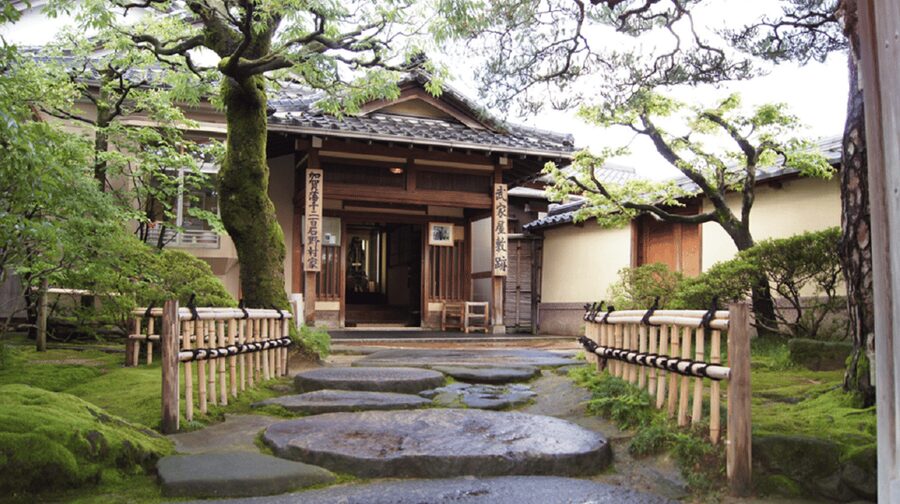
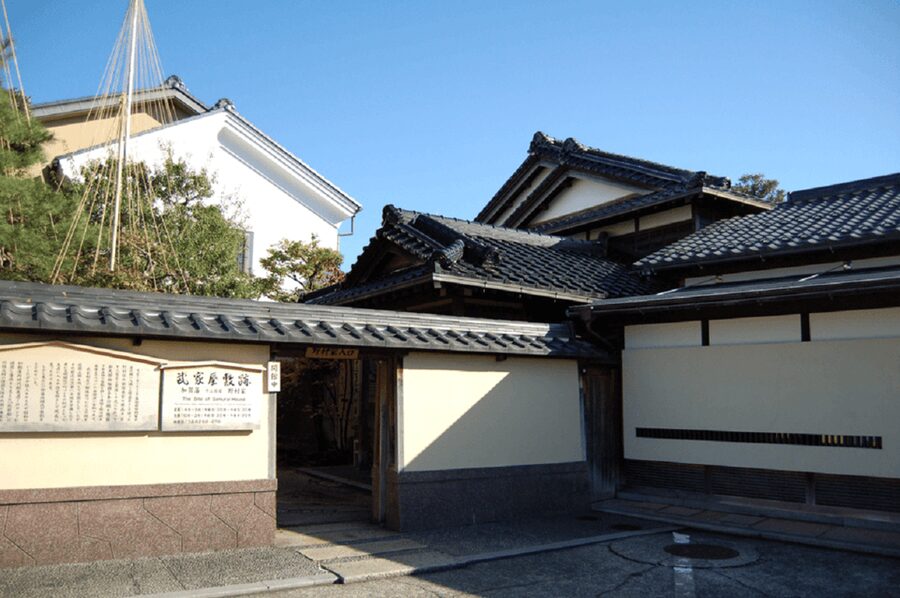
The Nomura Family Samurai Residence gives you a rare look inside a 400-year-old samurai home in Kanazawa’s Nagamachi district. This is not a staged modern attraction. You move through the former home of Nomura Denbei Nobusada, a loyal retainer of Maeda Toshiie, and see how status and daily life were expressed through rooms, objects, and garden views.
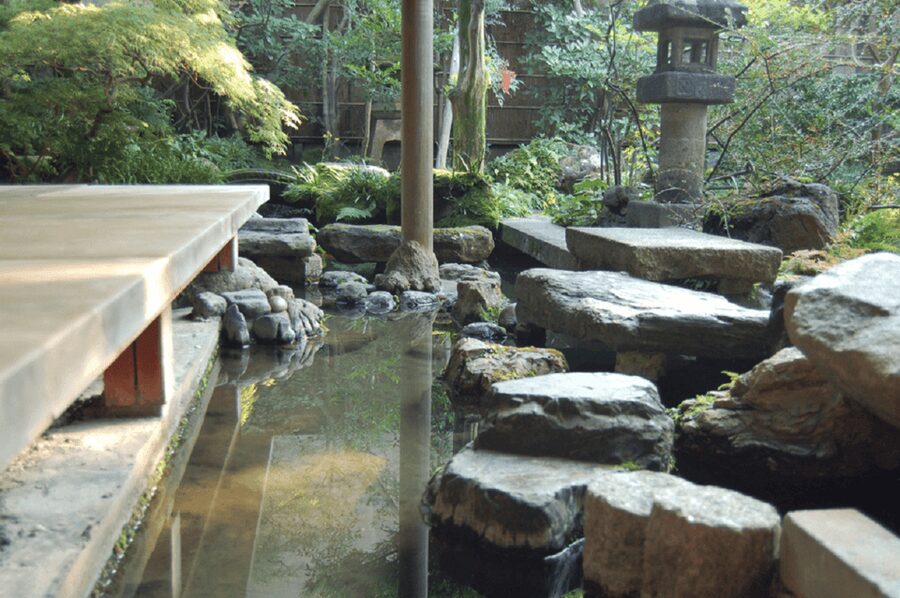
I like two things especially: the quiet Japanese garden, which gives the visit a calm pause, and the carefully preserved woodwork and artifacts, which make the house feel personal rather than empty. The admission price is also easy on the budget. The main caution is simple: you must remove your shoes, leave large bags outside, and move gently through an old building with some areas that may not suit wheelchair users.
Key points to know before you go
- A real samurai residence: Visit the only publicly accessible building and garden within the historic Nagamachi Samurai District.
- A compact cultural stop: The ticket is valid for one day, making this easy to fit into a Kanazawa sightseeing schedule.
- A garden worth slowing down for: Take time to look at the garden from inside the residence rather than rushing through.
- Historic details everywhere: Expect traditional architecture, household furnishings, and samurai artifacts.
- A low-cost admission: At $3.55 per person, the visit offers a strong value for history and culture fans.
- Strict house rules: Remove shoes, do not bring food, drinks, umbrellas, or large luggage, and never use flash or tripods indoors.
Entering Kanazawa’s Nagamachi Samurai District
The Nomura Family Samurai Residence is in Nagamachi, Kanazawa’s historic samurai district. You go directly to the residence for ticket redemption at 36.5642325, 136.6501985. There is no separate meeting point or guided departure to worry about, so you can plan the visit around your own day.
That flexibility matters in Kanazawa. You can treat the residence as a short, focused stop, or give it more time if traditional Japanese design interests you. The ticket is valid for one day, but the information provided does not specify an exact visit length or set entry time. Check availability when booking for the current starting information.
The low price, $3.55 per person, makes this a sensible addition even if you are watching your spending. You are paying for access to a preserved historic home and garden, not a long tour with transport or a guide. If you want a full explanation from a local expert, this ticket does not include one, so you should arrive ready to read the displays and take in the setting at your own pace.
More Samurai Experiences in Kanazawa:
- Kanazawa: Samurai, Matcha, Gardens and Geisha Full-Day Tour
★ 4.9 · 75 reviews - Full-Day Tour from Kanazawa: Samurai, Matcha, Gardens and Geisha
★ 5.0 · 68 reviews - Kanazawa Private Tour: Highlights of an Old Samurai Town
★ 5.0 · 46 reviews
Inside the 400-year-old Nomura family home
The house belonged to Nomura Denbei Nobusada, a loyal retainer of Maeda Toshiie. That detail gives the building a human focus. Instead of seeing only an abstract idea of the samurai class, you are stepping into the former residence of one family connected to Kanazawa’s ruling house.
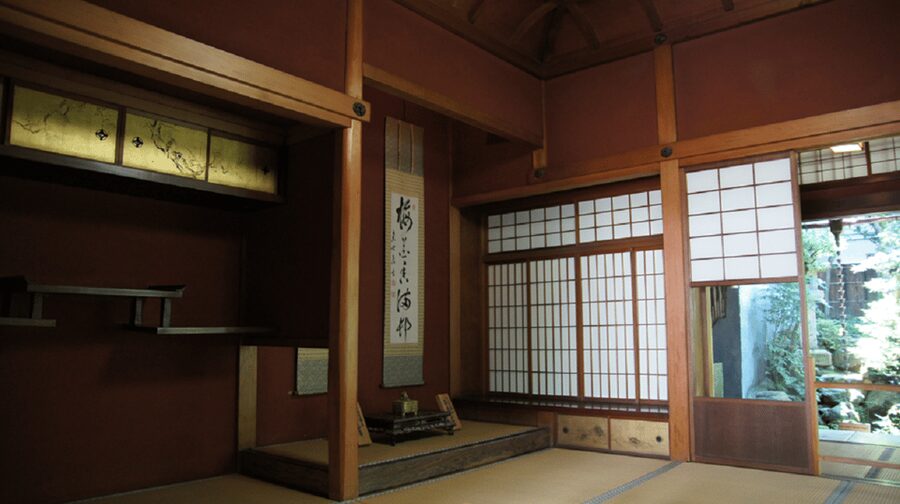
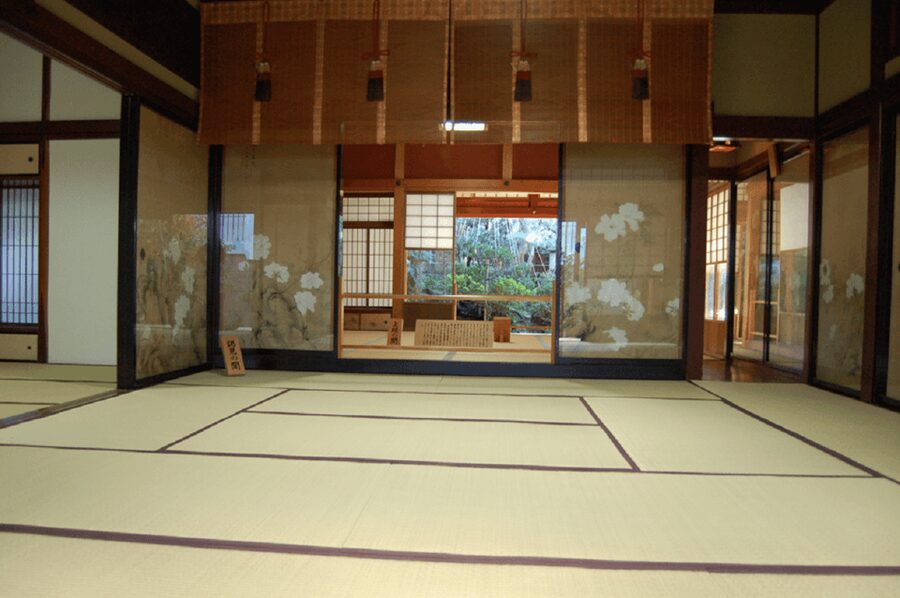
The age of the building is part of its appeal, but the details are what make the visit worthwhile. Look closely at the wood, room proportions, screens, and transitions between indoor and outdoor spaces. Japanese residences often make the garden part of the view from inside, and this house gives you the chance to see how architecture and nature were planned together.
You should expect a quiet visit rather than a theatrical presentation. There is no information about costumed interpreters, scheduled demonstrations, or a named guide. The experience is built around the residence itself, its displays, and the atmosphere of the old home.
That makes it a good match for you if you enjoy examining buildings at your own speed. It may feel brief if you want a large museum collection or a detailed lecture on samurai warfare. The strength here is intimacy. You see where a samurai family lived, not just weapons and dates behind glass.
The Japanese garden is the quiet reward
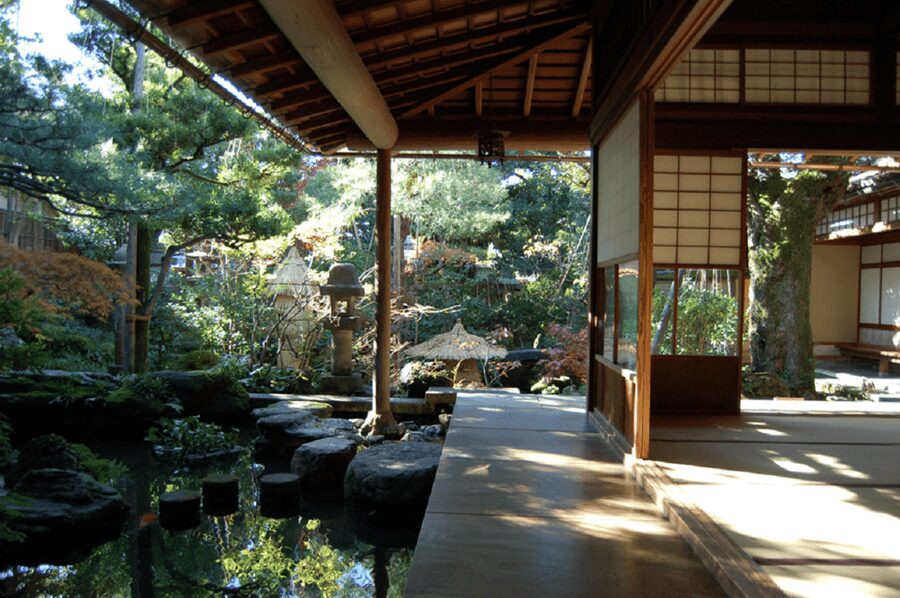
The garden is one of the best reasons to include this stop. It gives you a change of pace from Kanazawa’s streets and from the indoor displays. Sit or pause where permitted, and look at how the garden is framed by the residence.
A Japanese garden is not simply decoration placed beside a building. Here, it helps explain the way the home was meant to be experienced. Interior rooms open the eye toward carefully arranged outdoor scenery, so the view becomes part of the room’s character.
The garden also helps you notice the house’s craftsmanship. A plain wall, a wooden beam, or a sliding panel can look very different when seen against plants, stones, and water or other garden features, though the supplied information does not identify each element. Take your time before moving on. A hurried visit can reduce the residence to a quick series of rooms, while a slower look shows how the pieces work together.
One recent Italian visitor particularly liked the setting and noted the possibility of drinking tea in a private area. Treat this as an option to confirm on the day, since tea service details are not specified in the admission information. It is a useful reminder that the residence may offer a chance to pause, not just pass through.
Samurai artifacts and the details worth noticing
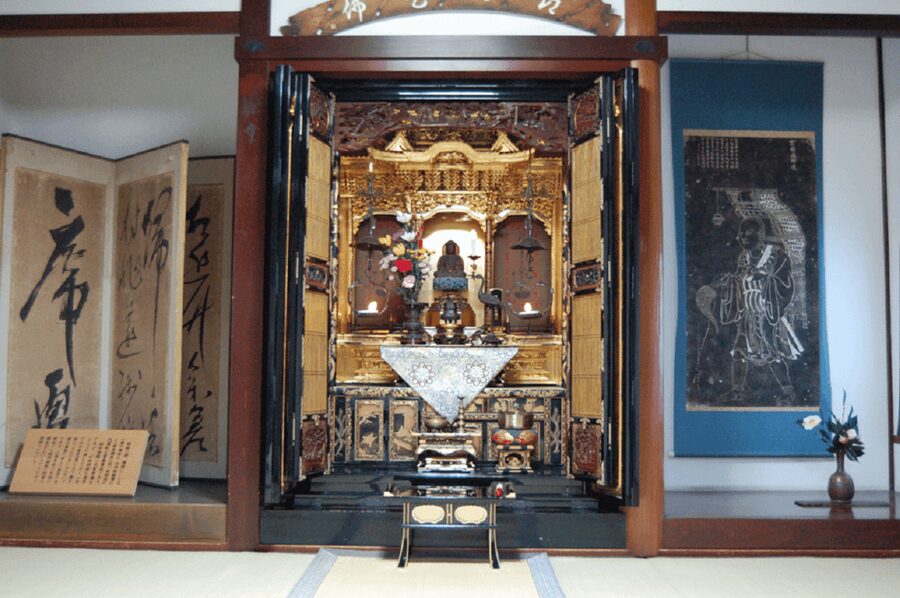
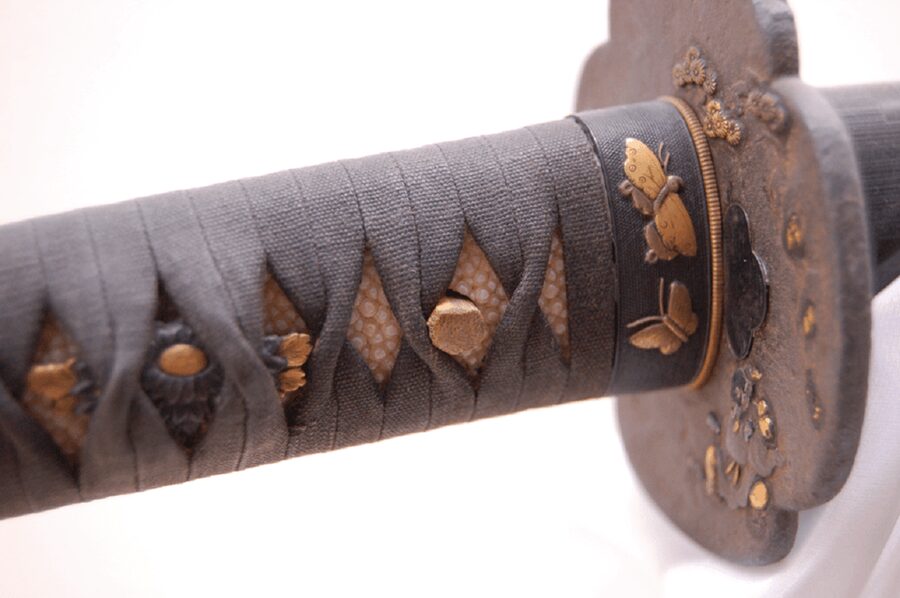
The displays help connect the rooms to the people who used them. You may see historical samurai artifacts, furnishings, and objects linked to the residence. The information available does not provide a full item-by-item inventory, so I would not visit expecting a specific sword, armor set, or named treasure.
Instead, look for the relationship between the objects and the rooms. Furniture, decorative work, and household pieces show that samurai life involved more than battle. Rank and identity appeared in the design of the home, the quality of materials, and the way guests were received.
You must not touch artifacts, furniture, or displays. That rule is especially important in a historic house, where a handrail or wooden surface may be part of the original fabric rather than a modern replica. Photography is allowed, but flash and tripods are not permitted inside. Commercial photography or filming requires approval in advance.
These limits are reasonable, but they affect how you record the visit. If you like taking carefully composed interior photographs, plan to work without a tripod and use natural light. Keep your camera quiet and discreet. The residence is meant to be observed respectfully, not treated like a studio.
More Family Tours in Kanazawa:
- Ninja Experience (Family Friendly) at Samurai Ninja Museum TOKYO
★ 5.0 · 441 reviews - Samurai Sword Experience (Family Friendly)at SAMURAI MUSEUM TOKYO
★ 5.0 · 168 reviews - Kyoto:Family-Friendly Kimono & Yukata Experience at WARGO
★ 5.0 · 147 reviews - [1 Group Only] Tokyo Shinjuku Food Tour for Family
★ 5.0 · 147 reviews
Traditional architecture rewards a slow pace
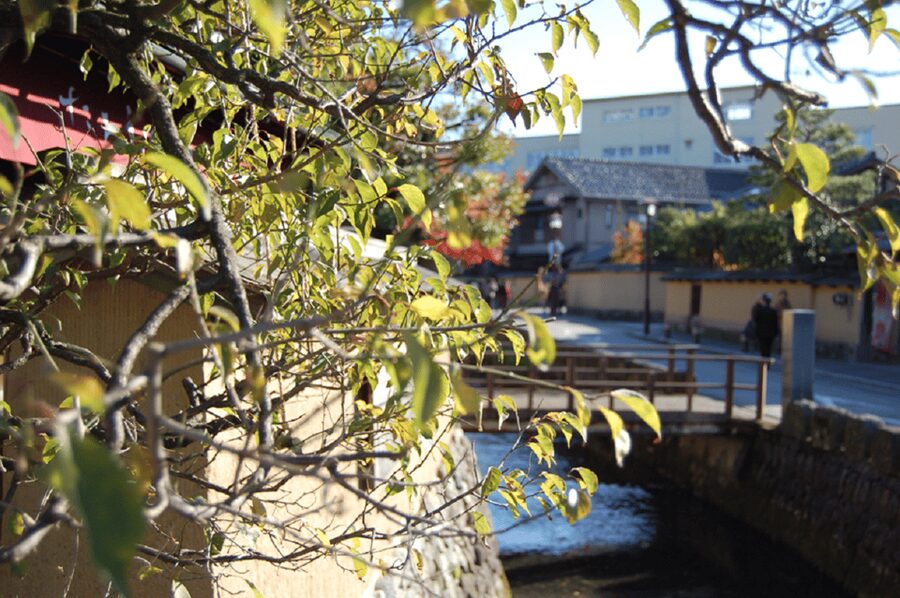
The architecture is the heart of the experience. You will see the kind of fine detailing that is easy to miss if you focus only on the age of the building. Pay attention to joinery, wood grain, door panels, thresholds, and the way rooms line up with the garden.
Shoes must be removed before entering. Wear socks if you prefer not to walk barefoot, and choose footwear that is easy to take off and put back on. This is a small practical point, but it affects comfort when you are visiting several traditional buildings in Japan.
The residence is also not designed like a modern public museum. Some sections may not be wheelchair accessible because of the historic design. If mobility is a concern, confirm the current access arrangements before purchasing, since the available information does not identify which rooms or routes present difficulty.
You should also leave umbrellas, food, drinks, luggage, and large bags outside the residence. Smoking is not allowed. These restrictions help protect the building, but they mean you should not arrive carrying everything for a full day of sightseeing. Keep what you need small and manageable.
What the visit feels like without a guide
This is an admission experience, not a guided tour. You go directly to the residence and explore on your own. No guide name or included language service is provided, so you should not book it expecting personal commentary throughout the house.
That can be a benefit. I like being able to pause in front of an architectural detail without holding up a group. You can give the garden five minutes or twenty minutes, depending on your interest. Families and independent visitors may appreciate that freedom.
The tradeoff is that context may be limited. If you know little about the Maeda family, Kanazawa’s samurai districts, or Japanese domestic architecture, you may want to read a little before arriving. Even a basic understanding of the residence’s former owner helps the rooms make more sense.
Keep your voice low inside. Staff instructions should be followed at all times. The atmosphere depends on quiet, and speaking loudly or moving carelessly would work against the very quality that makes the house appealing.
The price and the practical value
At $3.55 per person, this is inexpensive by sightseeing standards. The ticket does not include transport, a guide, food, or a longer program, but it gives you access to a rare historic house and garden for a modest fee.
I would call it good value if you enjoy architecture, Japanese culture, gardens, or samurai history. The cost is low enough that you do not need a full afternoon to justify it. Even a focused visit can add a strong sense of place to your time in Kanazawa.
The value is less clear if you want a large collection, lots of English-language interpretation, or a highly structured experience. This is a place for looking carefully, not ticking off a long list of activities. Its rewards are visual and atmospheric.
There is one booking concern worth taking seriously. The activity is non-refundable. One purchaser reported arriving without a QR code and being unable to enter. That appears to have been a booking or redemption problem rather than a feature of the residence itself, but you should make sure your admission code is available before you go. If there is a problem, contact the booking provider promptly rather than waiting at the entrance.
Who should include this residence
I would recommend the Nomura residence to you if you want a compact, authentic-feeling cultural stop in Kanazawa. It suits:
- First-time visitors who want to see more than major museums
- Architecture and garden fans
- People curious about samurai life beyond weapons and battles
- Budget-conscious visitors
- Independent sightseers who prefer to explore quietly
- Visitors already spending time in the Nagamachi district
Families with very young children should know that children under six enter free, but the house rules are strict. Food and drinks are not allowed, displays cannot be touched, and quiet behavior is expected. Older children who can follow those rules may appreciate the unusual setting, while very active toddlers may find the visit difficult.
Photography fans can take pictures, but not with flash or tripods inside. Visitors with large luggage should make other arrangements before arrival. People using wheelchairs should confirm access in advance because some historic areas may be difficult to reach.
Should you book the Nomura Samurai Residence?
Book it if you want a low-cost look at a preserved samurai home, a peaceful Japanese garden, and traditional architecture in one compact stop. The price is modest, and the setting offers something more personal than a display of objects alone.
Skip it if you need a guided tour, extensive interpretation, or modern step-free access throughout. Also, check your QR code before leaving for the residence because the admission is non-refundable and one booking problem resulted in a visitor being turned away.
For most people interested in Kanazawa’s past, I would include it. Give the garden and the woodwork your attention, follow the house rules, and let the building speak at its own quiet pace.
FAQ
Where is the Nomura Family Samurai Residence?
It is in the Nagamachi Samurai District of Kanazawa on Honshu, Japan. The listed coordinates are 36.5642325, 136.6501985.
How much does admission cost?
The listed price is $3.55 per person.
How long is the ticket valid?
The admission ticket is valid for one day. Starting information should be checked for the date you want to visit.
Do I need to meet a guide somewhere first?
No. You should proceed directly to the Kanazawa Samurai Residence for ticket redemption.
Can children enter for free?
Children under six years old can enter for free.
Do I need to remove my shoes?
Yes. Shoes must be removed before entering the residence.
Can I take photographs inside?
Photography is allowed, but flash and tripods are not allowed inside. Commercial photography or filming requires prior approval.
Can I bring food, drinks, luggage, or an umbrella?
No. Food and drinks, luggage or large bags, and umbrellas are not allowed. Smoking is also prohibited.
Just added around Kanazawa
- Kanazawa: Sushi & Japanese Cooking Class at a Historic School★ 5.0 · 66 reviews
- Taste of Kanazawa (Food tasting in Omicho Market & Higashi Chaya)★ 5.0 · 58 reviews
- Kanazawa private half day/Photoshoot by professional photographer★ 5.0 · 38 reviews
- Kanazawa private 1 day/Photoshoot by professional photographer★ 5.0 · 33 reviews
- Photoshoot session by professional photographer in Kanazawa★ 5.0 · 42 reviews
- Private Ring Craft Experience in Kanazawa★ 5.0 · 22 reviews
- Omicho Market & Kanazawa Ramen Tasting Tour★ 5.0 · 15 reviews
- True Kanazawa: Private Walking tour with a Local guide★ 5.0 · 66 reviews
Samurai Experiences, compared.



Browse the lists this tour appears in