
Reviewed · FISH MARKET TOURS
Tokyo Sushi Making Class in Tsukiji with Professional Chef
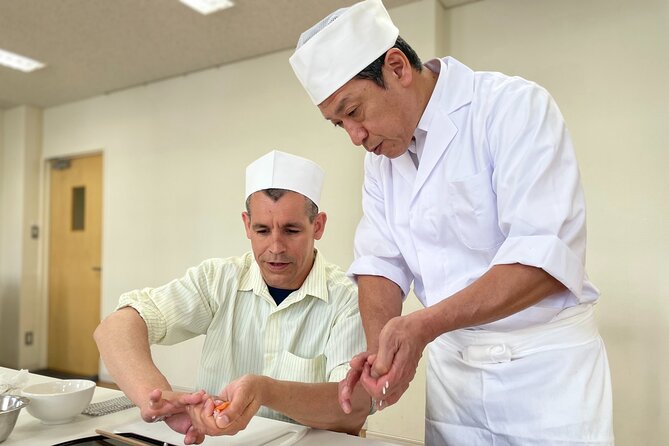
Tokyo’s sushi lesson begins with a fish-cutting demonstration, not a cartoonish cooking show. In a traditional Japanese building near Tsukiji Market, a professional sushi chef shows you how fish is prepared, explains the knives, and then helps you shape five kinds of nigiri and one rolled sushi.
I like two things right away: you eat the lunch you make, and the class fits into about 90 minutes. The English-speaking host translates the chef’s instruction, and past sessions have featured warm, capable team members such as Yuko, Yugo, Kate, Tanaka, Kanon, and Nao. The main drawback is practical: the classroom is on the third floor with no elevator, and the session may run past its scheduled finish.
Key points at a glance
- Watch a real fish-preparation demonstration: The sushi master shows the steps used to prepare fish and explains Japanese knives.
- Make six pieces of sushi yourself: You prepare five different nigiri and one rolled sushi, with help at each stage.
- Eat your own work for lunch: Fresh market ingredients become the meal at the end of class, with extra sushi prepared by the chef.
- Learn in a traditional Tsukiji setting: The classroom is in a Japanese-style building near Tsukiji Fish Market, Tsukiji Jogai Market, and Nippon Fish Port Market.
- A good family and beginner activity: Children and first-time sushi makers are welcome, and the class is short enough for a busy Tokyo day.
- Plan around stairs and timing: You make your own way to the meeting point, climb to the third floor, and should avoid booking a tight appointment afterward.
What this Tsukiji sushi class really offers
At $49.74 per person, this is not simply a meal with a quick demonstration attached. You receive instruction from a sushi chef, ingredients sourced from the market, use of proper utensils and tableware, and a lunch of your own work. That makes the price fair for Tokyo, especially if you want an activity rather than another restaurant meal.
The session lasts about one hour and 30 minutes. That is long enough to learn several basic techniques without taking over your whole day. You can place it before or after time at Tsukiji Outer Market, though you should leave room in your schedule in case the class runs late.
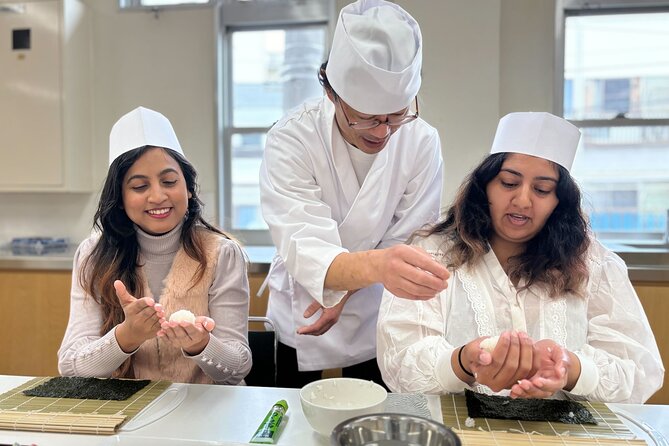
The experience is designed for beginners. You do not need prior cooking skills or sushi-making experience. The chef demonstrates each step, and the host translates the explanations into English. You will get assistance when your rice shape, fish placement, or roll needs correction. The point is not to produce restaurant-perfect sushi on your first try. It is to understand how the pieces are built and gain enough confidence to try again at home.
More Sushi Experiences in Tokyo
- Sushi Making Tokyo Roll and Authentic Japanese Sushi Class
★ 5.0 · 3,971 reviews - Tokyo: Roll and Authentic Sushi Making Class in Asakusa
★ 4.9 · 1,957 reviews - Make Sushi and Create Unforgettable Memories in Tokyo
★ 5.0 · 1,413 reviews
Meeting the chef near Tsukiji Market
You meet at 千社額棟, 4-chōme-16-2 Tsukiji, Chuo City, Tokyo 104-0045. The activity does not include hotel pickup, so you are responsible for reaching the location yourself. It is near public transportation, but check your route carefully and allow a few extra minutes to find the building.
The setting matters. Tsukiji is not just a convenient address for a cooking class. The surrounding market area remains one of Tokyo’s best places to see the connection between food sellers, restaurants, ingredients, and everyday Japanese cooking. The class takes place in a local building rather than a large tourist center, which gives the lesson a more personal scale.
The classroom is on the third floor of a traditional Japanese-style building. There are stairs only. If you have difficulty climbing stairs, this is not the right activity. The room can hold up to 20 people, although the traditional setting and hands-on format are meant to keep the lesson active rather than lecture-like.
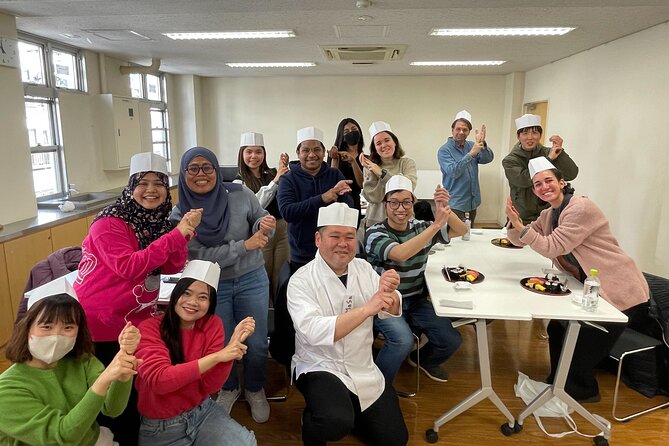
The team can vary by date. English-speaking hosts have included Yuko, Yugo, Kanon, Emma, AJ, and Nao, while chefs have included Tanaka and Kate. The important feature is the two-person teaching setup: the sushi master handles the technical work, and the host makes the explanation clear in English.
Fish preparation comes before rolling
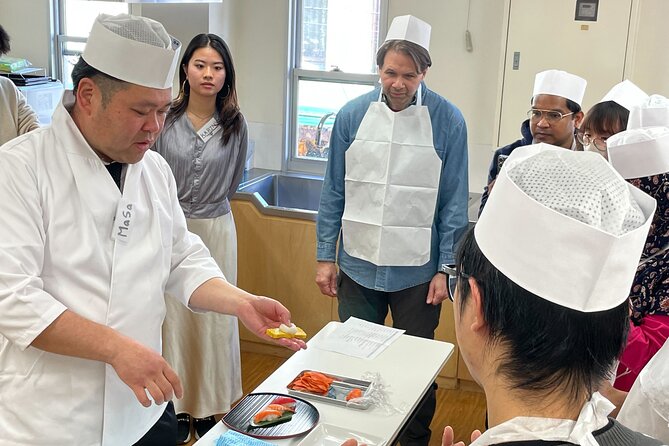
The opening demonstration is one of the most useful parts of the class. The professional chef shows how fish is taken apart and prepared for sushi, explaining the steps rather than handing you a finished slice without context. You also learn about Japanese knives, which are central to the texture, shape, and presentation of sushi.
This gives you a better sense of why sushi is more than raw fish placed on rice. The chef’s knife work affects the cut, and the cut affects how the fish feels when you eat it. You may not leave ready to prepare a whole fish at home, but you will understand why trained sushi chefs spend so much time on preparation.
The instruction also covers different kinds of sushi and the difference between nigiri and rolled sushi. Nigiri is the compact piece of rice topped with fish or another ingredient. Rolled sushi uses a sheet and filling, then must be shaped and cut so it holds together.
This part is useful even if you mainly want to eat. It gives you vocabulary and a better eye for what appears on a sushi plate. It also helps children and first-time sushi eaters see the food as something they can understand and make, not a mysterious restaurant product.
Making five nigiri pieces by hand
After the demonstration, you move into the practical portion. The chef guides you through making five different nigiri sushi pieces. You are shown how to handle the rice, place the topping, and form each piece so it stays together.
Nigiri looks simple because a skilled chef makes it look simple. The class lets you feel how much control is needed to shape the rice without crushing it. You will have help, so there is no need to worry that a crooked piece will ruin the lesson. In fact, the imperfect pieces are part of the fun.
The supplied ingredients are fresh and sourced from local shops and the market. The exact fish selection can vary, and the available information does not promise a fixed menu. That is worth remembering if you have a particular favorite or a dietary restriction.
Freshly prepared wasabi is also part of the meal. The chef prepares it for you while you eat your own sushi. This extra touch gives you a chance to compare your handmade pieces with sushi prepared by someone who has spent years practicing the technique.
More Fish Market Walks in Tokyo:
- Tokyo Tsukiji Fish Market Food and Culture Walking Tour
★ 5.0 · 3,184 reviews - Tokyo: Tsukiji Fish Market Food and Walking tour
★ 5.0 · 1,724 reviews - Tokyo: Tsukiji Fish Market Guided Walking Tour
★ 4.9 · 1,397 reviews - Tsukiji Fish Market Guided Tour and Sushi Making with Pro Chef
★ 5.0 · 775 reviews
Rolling one maki sushi
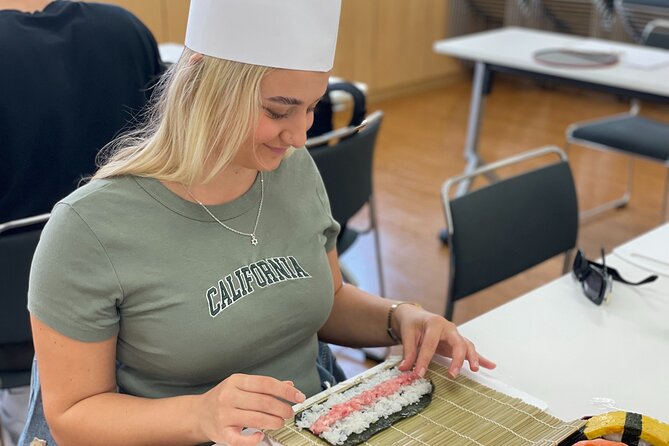
You also make one rolled sushi. The host and chef explain how to arrange the ingredients, roll the sushi, and cut it into pieces. Rolling looks more approachable than nigiri, especially for children, but the class still gives you a proper method rather than asking you to assemble ingredients at random.
This is the part most likely to inspire a home attempt. Several people have left eager to make sushi in their own kitchens, and the basic method is manageable once you understand the sequence. You will still need the right rice, fillings, and rolling equipment at home, but the lesson gives you a practical starting point.
The class is particularly suitable for families. Children from about 7 to 12 have taken part, and the hands-on work gives them a reason to try ingredients they might otherwise avoid. Making their own rolls can make unfamiliar sushi feel less intimidating. Parents should still consider the stairs, the raw fish content, and any allergies before booking.
Your handmade sushi becomes lunch
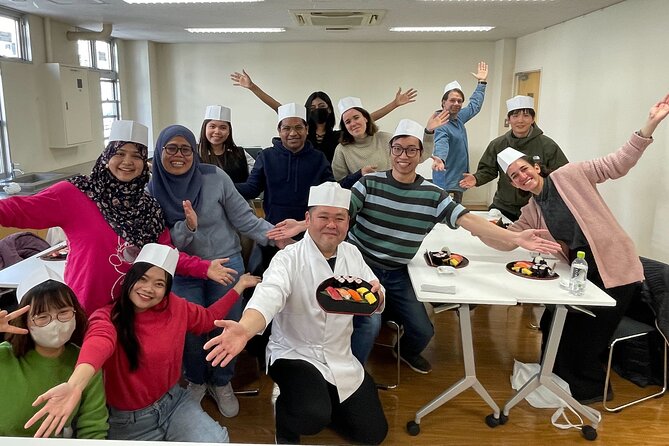
At the end, you eat the five nigiri and one roll you prepared. This is not a token tasting. The food you make is the central lunch, and the fresh ingredients make the lesson feel useful rather than decorative.
The chef also prepares another piece with fresh wasabi while you eat. That gives you a direct comparison between your attempt and professional sushi. It is a good way to notice the difference in shape, rice pressure, topping placement, and knife work without turning the class into a competition.
Arrive with a little appetite. The portions are substantial enough to serve as lunch, and the class is not designed as a premeal snack. Extra food and drinks are not included, so plan accordingly if you expect to need more than the sushi provided.
Photography is another pleasant part of the experience. The staff may help you take pictures of your completed plate, and the finished sushi makes a natural souvenir. Just keep the camera secondary while you are handling rice and fish.
How the three Tsukiji stops fit together
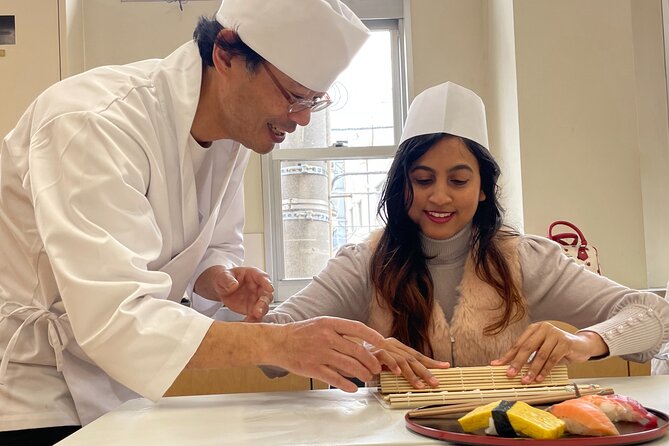
The listed route includes Tsukiji Fish Market, Tsukiji Jogai Market, and Tsukiji Nippon Fish Port Market. These names describe the food setting around the class rather than a long sightseeing circuit with transport between several distant attractions.
Tsukiji Fish Market gives the lesson its strongest context. You are making sushi in the part of Tokyo most closely associated with fish, seafood shops, and professional cooking. The ingredients feel connected to the neighborhood rather than brought into an unrelated classroom.
Tsukiji Jogai Market is the outer market area, where you can continue looking at food shops and local specialties before or after your class. The sushi session itself is short, so adding market time helps turn the booking into a fuller half-day plan.
Tsukiji Nippon Fish Port Market adds another food-market reference to the route. The exact amount of time spent at each location is not specified, so do not expect a guided market tour with a detailed stop-by-stop schedule. Treat the class as the main event and the surrounding markets as useful places to explore on your own.
Why the $49.74 price can make sense
The value depends on what you want from the morning or afternoon. If your only goal is to eat inexpensive sushi, you can likely find a cheaper meal. But this booking includes a professional demonstration, English support, ingredients, utensils, six pieces of sushi to eat, and access to a chef who can correct your technique.
The short length also improves the value for a packed Tokyo itinerary. You can fit the class around Tsukiji, Ginza, the waterfront, or another central Tokyo plan. It is not an all-day cooking school, and that is precisely why it works for many people.
A group of up to 20 can attend, so do not book expecting a private lesson unless your specific reservation says otherwise. The teaching is hands-on, but a larger session may feel less personal than a small private class. The host and chef help participants step by step, which softens that concern.
The class also includes something hard to measure in a menu price: context. You learn why knives matter, how fish is prepared, how nigiri differs from maki, and how a sushi chef handles rice and toppings. For a first introduction, that adds real value.
Who should book this experience
I would choose this class for a first visit to Tokyo, a family looking for a shared activity, or anyone who loves sushi but has never learned how it is made. It also works well for people who want a rainy-day plan, since the main lesson takes place indoors.
You do not need to be an expert eater. One participant had tried very little sushi before the class and still found the introduction approachable. The lesson can help cautious eaters understand what they are tasting and make the first step less formal.
It is also a good match for people who prefer a short activity with a clear result. You arrive, learn, make sushi, eat lunch, and return to the meeting point. You do not spend an entire day in a kitchen.
I would think twice if you have severe food allergies, need halal or kosher food, or cannot climb stairs. The operator asks you to report allergies when booking and will try to accommodate them, but accommodation is not guaranteed. Halal and kosher requests are not accepted.
Useful planning details before you reserve
You receive confirmation when booking, and the ticket is mobile. The activity ends back at the meeting point, but the tour may go beyond the scheduled end time. Keep your following plans flexible, especially if you need to catch a train or arrive at a timed attraction.
Free cancellation is available when you cancel at least 24 hours before the start time. Cancellations or changes made inside that window are not refunded or accepted. The cutoff follows Tokyo local time.
The tour does not include transport to or from attractions, hotel pickup, extra food, or drinks. You make your own way to Tsukiji, and the meeting point is near public transportation.
At the time of booking, tell the operator about allergies. Do not assume that a request can be handled on the day. The class uses fish and other sushi ingredients, and the menu is not described as fully customizable.
Should you book the Tsukiji sushi class?
Book it if you want a hands-on introduction to Japanese food, not just another sushi lunch. The professional fish demonstration, English-speaking support, fresh ingredients, and six pieces of handmade sushi give you a lot to do in 90 minutes.
Families, first-time sushi makers, and curious eaters are the best match. The price is reasonable for an activity that includes both instruction and lunch, and the Tsukiji location makes it easy to add market time.
Skip it if stairs are a problem, you require halal or kosher food, or your schedule cannot tolerate a possible delay. For everyone else, this is a compact, practical way to learn a new skill and eat the results in one of Tokyo’s most food-focused neighborhoods.
FAQ
How long does the sushi-making class last?
The experience lasts approximately one hour and 30 minutes.
Where does the activity begin?
It begins at 千社額棟 4-chōme-16-2 Tsukiji, Chuo City, Tokyo 104-0045, Japan.
Does the tour include hotel pickup?
No. You make your own way to the meeting point, and hotel pickup and drop-off are not included.
What sushi will I make?
You will make five different nigiri sushi pieces and one rolled sushi.
Do I get to eat the sushi I make?
Yes. The sushi you prepare is included as lunch. The chef also prepares another piece with fresh wasabi while you eat.
Is the class taught in English?
An English-speaking host supports the class and translates the sushi master’s instruction.
How many people can join the activity?
The maximum group size is 20 travelers.
Is the classroom accessible without stairs?
No. The classroom is on the third floor of a traditional Japanese building and can only be reached by stairs.
Can the class accommodate allergies?
You should report allergies when making your reservation. The operator will try to accommodate allergy-related requests, but accommodation may not be possible.
Are halal or kosher requests accepted?
No. The experience does not accommodate halal or kosher requests.
Can I cancel for a full refund?
Yes, if you cancel at least 24 hours before the experience start time. Cancellations or changes made less than 24 hours before the start time are not refunded or accepted.
Just added around Tokyo
- Kawagoe Japanese Food Tour : Unagi Kaiseki and Sake near Tokyo★ 5.0 · 30 reviews
- Kawagoe 4hr Private Tour with Licensed Guide (Kawagoe Dep)★ 5.0 · 13 reviews
- Little EDO Sushi Making workshop in Kawagoe★ 5.0 · 18 reviews
- 【R34】Tokyo:Private Daikoku tour in Modified R34★ 4.9 · 92 reviews
- :Tokyo,Shibuya/ Pro Photography in Kimono / English-Friendly★ 5.0 · 26 reviews
- Tokyo:Celebrate Unique Japanese New Year Tradition Festivity★ 3.9 · 20 reviews
- Tokyo: Allstar Food Tour★ 4.7 · 29 reviews
- Tokyo:Calligraphy &Make your original folding fan in Asakusa★ 5.0 · 62 reviews
Fish Market Tours, compared.
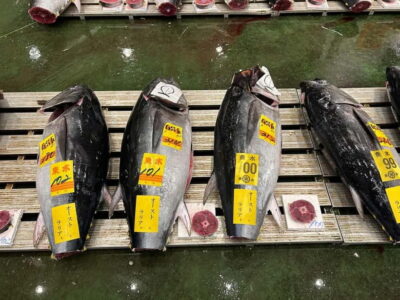
Tokyo Toyosu Tuna Auction + Breakfast (Sushi Dai or Bentomi)
Our verdict →

Wakayama Cat Train, Seafood market, Hot Springs Tour
Our verdict →
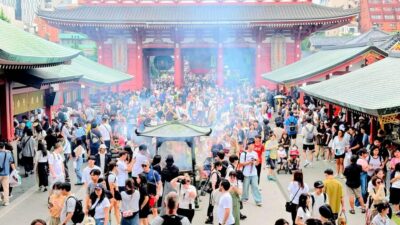
Awesome Private Tour: Tsukiji, Asakusa, Shinjuku, Shibuya
Our verdict →Browse the lists this tour appears in