
Reviewed · KAMAKURA TOURS
Kamakura Private & Customizable Tour – All-in-One Experience
Kamakura is easiest to enjoy when someone else handles the choices. This private, adjustable tour lets you shape the day around temples, shrines, nature, food, or quieter corners, rather than follow a fixed route. Guides such as Deen, Marco, Sofia, and Lauren have helped families, solo visitors, and couples make the most of short visits.
I like the pre-tour planning help, which gives you a chance to explain your interests before meeting your guide. I also like the easy pace: guides have adjusted plans for children, food needs, mobility limits, fast walkers, and visitors with only three hours. The main catch is that public transport and entrance tickets are extra, and the day involves walking and stairs.
Key points
- Choose your focus before you arrive: Your guide can suggest routes built around temples, shrines, nature, culture, food, or less-visited places.
- Short visits work well: A two- or three-hour plan can cover key sights, while up to eight hours gives you time for Kamakura and possibly Enoshima.
- Guides adapt to real people: Deen has helped families with young children, while Marco and Sofia have adjusted routes to match different walking speeds.
- Walking pickup is optional: Pickup on foot may be arranged in the Tokyo, Yokohama, and Kamakura areas.
- Your guide can help beyond the tour: Expect tips for restaurants, Yokohama, train connections, and further sightseeing.
- Budget for extras: The $51 starting price per person does not include public transport, private transport, or temple and shrine admission.
A Kamakura day built around your interests
Kamakura packs temples, shrines, wooded paths, shopping streets, and coastal sights into a compact area south of Tokyo. The trouble is deciding what to leave out. A fixed group tour may rush through the famous places, while an independent visit can require careful work with train routes, buses, walking distances, opening times, and local customs.
This experience takes a different approach. You tell the guide what kind of day you want, and the guide proposes a route. You can accept it, alter it, or change direction during the tour.
That flexibility matters most if your group has mixed interests. One person may want temple architecture, another may prefer gardens and views, and a child may need regular breaks. The guides have worked with solo parents, families with teenagers, and groups with different walking speeds. You are not locked into a schedule made for strangers.
The tour can last from two to eight hours. Two hours is best treated as a focused visit, perhaps centered on the Great Buddha and Hasedera. Three hours can make a solid first look at Kamakura. A full day gives you more room for major sights, quieter stops, lunch, and possibly Enoshima if that fits the plan.
More Custom Private Tours in Kamakura:
- From Tokyo: Kamakura Private Customize Tour by Luxury Van
★ 4.6 · 38 reviews - Tokyo Customized Private Tour (Must See Places in 1 Day)
★ 5.0 · 1,499 reviews - Mount Fuji Full-Day Private Tour from Tokyo (Customizable)
★ 4.9 · 1,470 reviews
Planning with Deen, Marco, Sofia, or Lauren
After booking, you receive general tour details within 72 hours. Your assigned guide then follows up with possible start times, a suggested route, destinations you can choose from, and pickup information if you requested it.
That exchange is one of the strongest parts of the experience. You can explain that you want nature rather than a long list of temples. You can mention a child’s short attention span, a food restriction, a need to move slowly, or a wish to use your limited time efficiently.
Several guides appear in the experience feedback. Deen, also referred to as Dean in some bookings, is praised for his warm manner, broad understanding of Japanese culture and religion, and ability to keep children engaged. Marco is described as strong on temple traditions and local history, and as patient with different mobility levels. Sofia has handled a fast pace well, while Lauren helped combine sightseeing with a food requirement and time with a child.
Guide assignment is not something you should assume in advance, so it is sensible to state your priorities clearly during the booking process. The English-speaking guide is there to shape the day with you, not simply recite facts at set points.
The Great Buddha and Kamakura’s best-known sights
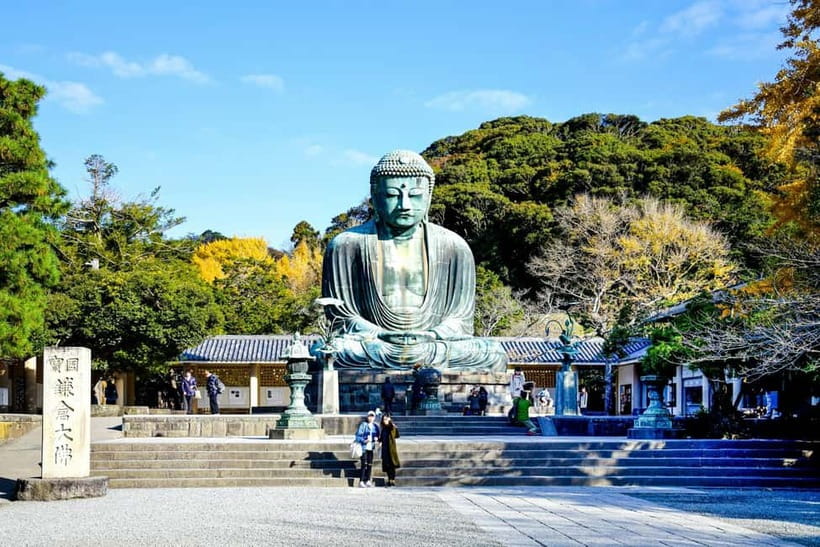
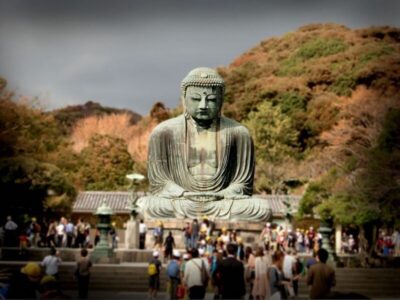
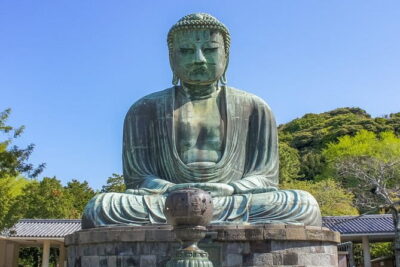
A classic Kamakura plan often includes Kotoku-in, home of the Great Buddha. The statue is one of the city’s defining sights, and it gives a first-time visit an immediate sense of place. A guide can add context about the site, explain customs, and help you understand what you are seeing rather than treating the stop as a quick photograph.
Hasedera is another frequent choice. Its temple grounds and setting make it a natural fit for people who want both culture and scenery. The route can include time to look around instead of forcing you onward after a few minutes.
Tsurugaoka Hachimangu, one of Kamakura’s major shrine complexes, offers a different experience from the Buddhist temples. Visiting both helps you notice the differences between Shinto and Buddhist spaces, rituals, and visual details. Guides with a strong interest in Japanese religion can go into more detail if you want, or keep the explanation lighter for children.
These sights are popular for good reason, but popularity brings a practical concern: they can take up most of a short tour. If you have only two or three hours, tell your guide which place matters most. Trying to fit every major stop into a short booking can turn a pleasant walk into a race.
Quiet corners, nature, and routes beyond the standard list
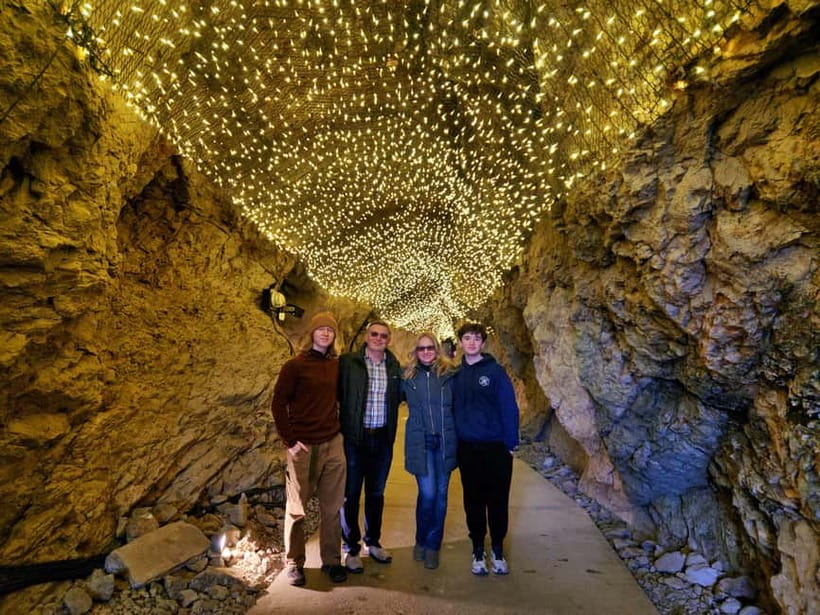
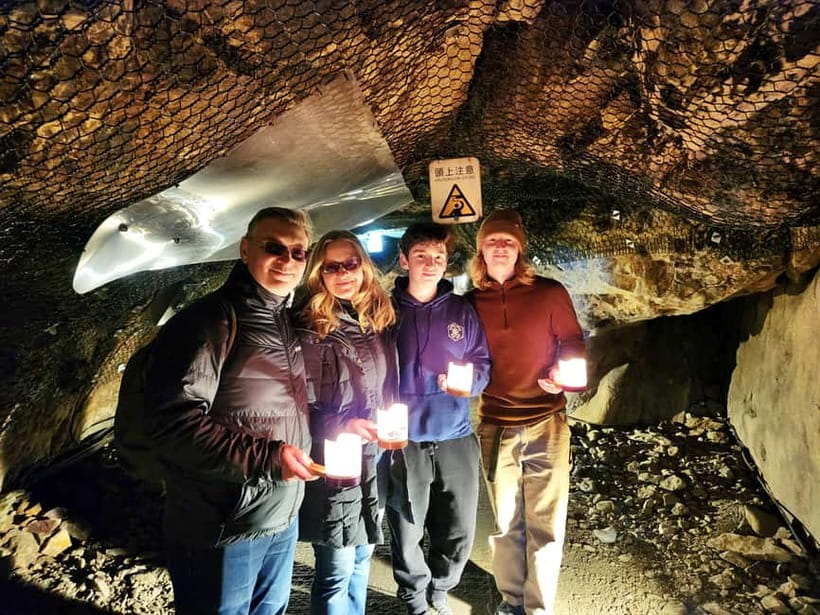
The tour is not limited to the most famous temples. You can ask for nature, quieter spiritual sites, or places away from the main circuit. The exact route depends on your interests and the time available, but the planning process gives you a way to ask for something more personal than a basic highlights tour.
This is especially useful if you have already seen major Japanese temples in Kyoto or Tokyo. You might prefer a wooded approach, a smaller religious site, or a view rather than another large complex. Your guide can suggest destinations based on local experience and adjust the plan once you see how the day feels.
One booking focused on nature and culture and included less familiar places. Another added Enoshima to a Kamakura day. Enoshima is not an automatic part of every booking, and fitting it in depends on your duration and chosen stops. Ask about it before confirming if the island is important to you.
The benefit of a private guide here is not simply finding a place on a map. It is knowing what to cut when the clock is moving. A good guide can help you avoid spending so long at one sight that the rest of the plan becomes unrealistic.
A few more Kamakura half-days worth comparing
- Tokyo: Kamakura & Enoshima Day Trip including Temple Tickets
★ 4.5 · 1,375 reviews - From Tokyo: Kamakura & Enoshima 1-Day Bus Tour
★ 4.5 · 189 reviews - Kamakura Historical Walking Tour with the Great Buddha
★ 5.0 · 129 reviews - Kamakura Private Tour: Temples, Nature, and the Great Buddha
★ 5.0 · 121 reviews
Moving around Kamakura without a private car
Private transport is not included. You also pay separately for public transportation and entrance tickets. That keeps the base price lower, but you need to view the $51 per-person rate as a guiding and planning fee, not an all-in ticket.
The guides can use public transport with you and help you make sense of the route. One family found that using local trains and other public transport became part of the experience rather than a problem. Another guide helped a visitor collect luggage from storage and reach the correct platform for a train from Yokohama to Haneda.
Optional pickup is available on foot in the Tokyo, Yokohama, and Kamakura areas. This is not a private vehicle transfer. Confirm the exact meeting point and walking arrangements with your guide, especially if you are carrying luggage or staying outside central Kamakura.
Wear comfortable shoes. The tour is not suitable for wheelchair users or people with a low level of fitness, and temple and shrine visits can involve uneven surfaces, stairs, and plenty of walking. If you have limited stamina but still want the tour, explain your needs during planning so the route can be paced sensibly.
Why families may find this format useful
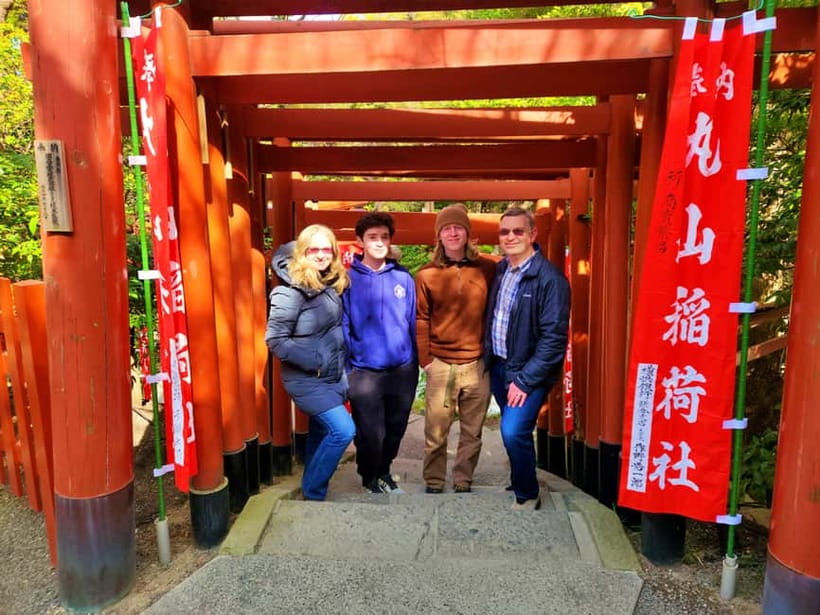
A rigid sightseeing schedule can be hard on children. This tour gives your guide room to shorten explanations, add breaks, change the order of stops, or keep moving when attention fades.
Deen has been especially effective with families. He has explained major sites to adults while keeping younger children occupied, including a ten-year-old who was easily bored. Another parent traveling alone with a one-year-old received help planning how to get around Kamakura and appreciated the guide taking photos of parent and child together.
Children under 12 join free, but you must include them in the booking. That is a useful saving for families, although each child still adds walking time and may affect which sights are practical.
Teenagers can also benefit from the private format. One three-hour essentials plan worked well for a family with teenagers because it covered key sights without turning the day into a long lecture. You can ask for history, religion, modern Japanese culture, or food suggestions at the level your group can handle.
Food, photos, and practical local help
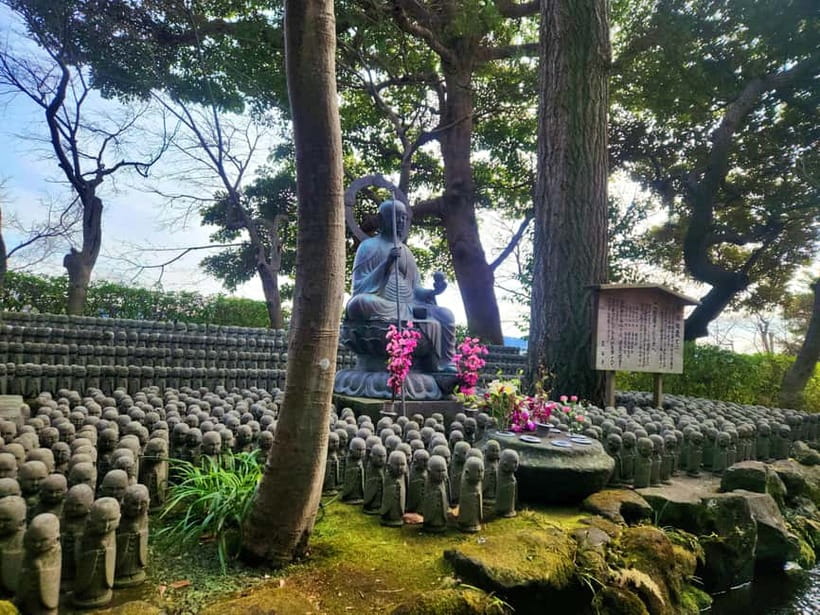
Food is not included, but the guide can offer restaurant suggestions. This can be helpful if you need to find a place that works for a particular diet. Lauren helped one family fit a chosen restaurant into the plan while also accommodating food restrictions.
You should still explain dietary needs clearly before the tour. The guide can help with suggestions, but the activity information does not promise that meals or restaurant reservations are included.
Photos are available if your guide can take them, and photography can be added when booking. This is worth considering for solo visitors and parents, who may otherwise spend the day taking pictures of everyone except themselves. A separate photography addition helped one visitor leave with stronger memories of the day.
Do not treat photography as a guaranteed professional session unless your booking specifically includes it. Confirm what is offered, when the photos will be taken, and how they will be delivered.
The guide’s help can continue after the main sightseeing. Deen has offered ideas for eating and visiting Yokohama, and some guides have provided tips on Japanese customs and places to see next. That extra local advice is useful when Kamakura is one stop in a longer Japan trip.
Is $51 per person good value?
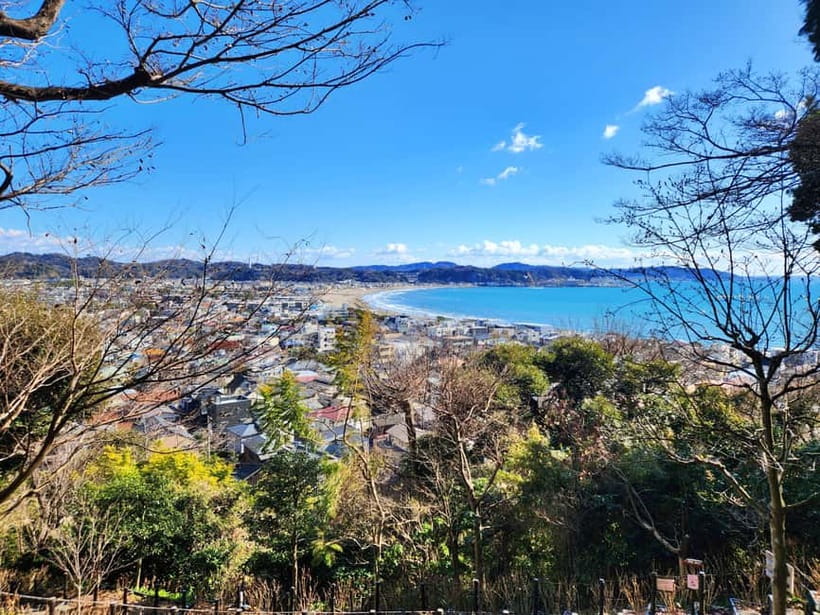
At $51 per person, this is reasonable if you value planning, explanation, and flexibility. You are paying for a private English-language guide rather than a ticket bundle. For a couple or small family, the cost buys a more personal day than a large group tour, with the added benefit of changing the route as you go.
The value is strongest when you have a clear need: limited time, children, food restrictions, mixed interests, concern about public transport, or a wish to see more than the standard route. It is also useful if you want to ask detailed questions about religion, history, customs, and daily life in Japan.
The value is weaker if you only want transportation, or if you are happy to visit one or two sights independently. Add train or bus fares, admission charges, and food to your budget. A private car is not included, so do not book this expecting door-to-door vehicle service.
The reserve-now, pay-later option and cancellation up to 24 hours before the tour make planning less risky. The operating window is 9:00 AM to 6:00 PM Japan time, but a 9:00 AM time shown during booking may only be a system placeholder. Your actual start time is confirmed afterward.
Who should book this Kamakura tour?
I would choose this tour if you want Kamakura to feel tailored rather than ticked off a list. It suits solo visitors who want help with photos and navigation, couples who want a relaxed private day, and families who need someone to adjust the pace.
It also suits people who want context. A guide can explain the religious ideas, legends, customs, and local details behind the buildings. If you prefer only quick sightseeing and no conversation, you may not get full value from a private guide.
Ask for a short essentials route if your schedule is tight. Ask for nature and quieter sites if you have already seen Japan’s major temple districts. If Enoshima matters, mention it early. And if your group includes anyone with limited mobility or low fitness, consider a different activity because this one is not designed for wheelchair users or people who struggle with walking.
Should you book it?
Book this Kamakura tour if you want a flexible private day and are willing to use public transport and pay site fees separately. The best reason to choose it is not simply that a guide shows you famous sights. It is that your guide can reshape the day around your pace, your questions, your children, and your interests.
I would especially recommend the pre-tour consultation for first-time visitors, families, and anyone trying to combine Kamakura with Enoshima or Yokohama. If you have only a few hours, be decisive about your priorities. A clear plan will help you get much more from the $51 starting price.
FAQ
How long does the Kamakura private tour last?
The tour can last from 2 to 8 hours. Available start times depend on the booking request and are confirmed after the provider reviews it.
Is the tour private?
Yes. It is offered as a private group experience with a live English-speaking guide.
What language is the tour conducted in?
The listed tour language is English.
Can I customize the itinerary?
Yes. You receive a proposed itinerary and suggested destinations, then can adjust the plan before and during the tour.
Is hotel pickup included?
Walking pickup is available as an optional add-on in the Tokyo, Yokohama, and Kamakura areas. It is not private car transportation.
Are public transport and entrance fees included?
No. Public transportation, private transport, and entrance tickets are not included in the tour price.
Can children join the tour?
Yes. Children under 12 join free, but you must include them in the booking.
What should I bring?
Bring comfortable shoes and cash.
Can I cancel the booking?
You can cancel up to 24 hours in advance for a full refund. The reserve-now, pay-later option allows you to book without paying immediately.
Just added around Kamakura
- First time in Kamakura? Enjoy a Tour of All Must-sees!★ 5.0 · 15 reviews
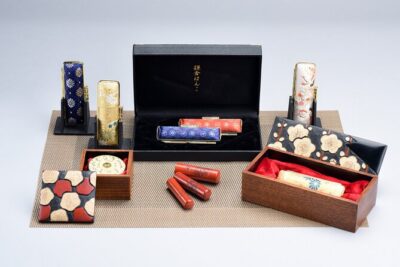
- Your Own HANKO Name Seal Activity in Kamakura.★ 5.0 · 24 reviews
- Kamakura Tours Half Day or Full Day Tours with a local guide.★ 5.0 · 12 reviews
- Buddha, Bamboo & Zen – Bespoke Kamakura Private Walking Tours★ 5.0 · 25 reviews
- Exciting Kamakura – One Day Tour from Tokyo★ 5.0 · 40 reviews
- Kamakura Bamboo Forest and Great Buddha Private Tour★ 5.0 · 12 reviews
- Tokyo Yokohama Night View Tour With Kamakura And Enoshima★ 3.5 · 14 reviews
- Tokyo: Day Trip to Kamakura in Spanish – Spanish★ 4.9 · 22 reviews
Kamakura Tours, compared.
Kamakura & Enoshima Day Trip including Temple Tickets
Our verdict →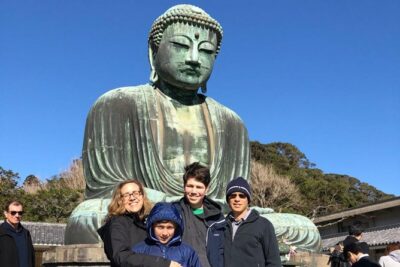
Kamakura Historical Walking Tour with the Great Buddha
Our verdict →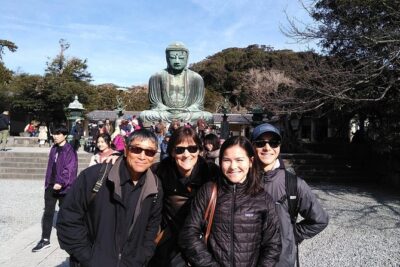
Kamakura 8 hr Private Walking Tour with Licensed Guide from Tokyo
Our verdict →
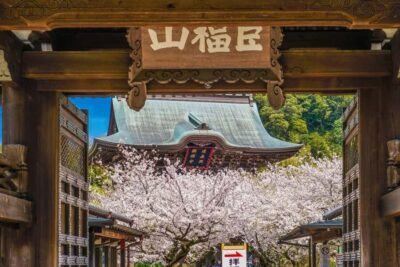
First time in Kamakura? Enjoy a Tour of All Must-sees!
Our verdict →Browse the lists this tour appears in