
Reviewed · CUSTOM PRIVATE TOURS IN TOKYO
Tokyo Customized Private Tour (Must See Places in 1 Day)
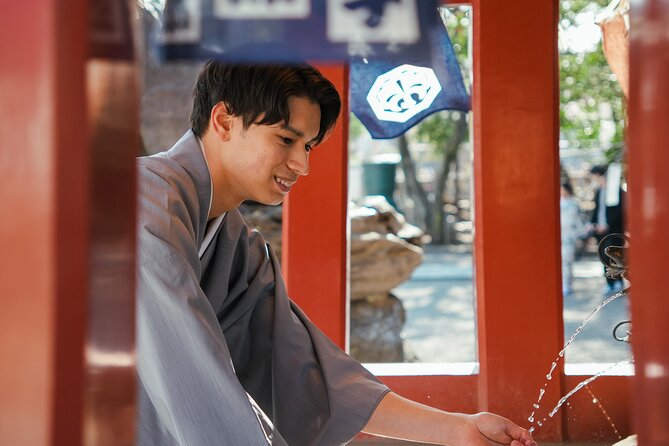
Tokyo is easiest to enjoy when someone helps you connect the dots. This private tour can take you from Senso-ji Temple and old Asakusa to neon-lit Shibuya, Meiji Jingu, Akihabara, or a quiet garden, with your guide adjusting the day as you go.
I like the personal pace and the practical help with trains. Guides such as Akari, LAX, Yosuke, Ken, and Keito have helped families, solo visitors, and first-timers shape the day around food, anime, temples, or local culture. The main drawback is cost: $145.91 per person, with transport, food, and guide expenses not included.
Key points before you book
- You choose the route: Select a short 2-hour outing or build a day of up to 8 hours around your priorities.
- Public transport is part of the experience: Your guide can help you understand Tokyo’s train and subway system as you move between districts.
- The itinerary covers old and new Tokyo: Pair Senso-ji or Meiji Jingu with Akihabara, Harajuku, Shibuya, or Shinjuku.
- Hotel pickup is available: You can arrange to meet at your accommodation, which is useful on your first morning in the city.
- Food needs can shape the day: Guides have helped with vegan ramen and gluten-free meals, though food costs are extra.
- A private vehicle is optional: This adds comfort, but the price and arrangements should be confirmed before booking.
A private Tokyo day built around your interests
This is not a fixed sightseeing circuit where everyone follows the same flag through the same ten stops. It is a private outing designed around what you want to see, how long you have, and how much walking you can handle.
The advertised stops form a menu rather than a promise that you will visit every place. Seeing Senso-ji, Akihabara, Tsukiji, Shibuya, Meiji Jingu, Ginza, Tokyo Skytree, the Imperial Palace, Shinjuku, Ueno, Harajuku, Hamarikyu Gardens, and Shinjuku Gyoen in one day would be rushed. For a satisfying day, choose a few connected areas.
You can book anywhere from 2 to 8 hours, and the private format means your group is the only group on the tour. That matters in Tokyo. A couple may want time for photos and food, while a family with children may need shorter stops and regular breaks. A solo visitor may want help with rail lines and a calm introduction to the city.
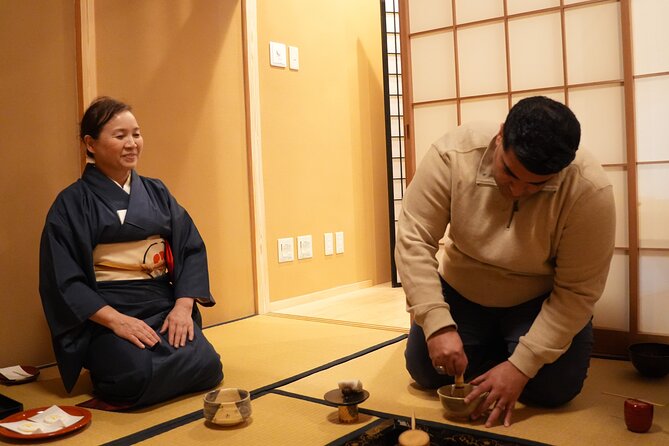
The guides also adjust their style to the group. Akari has been praised for setting an easy pace and making visitors feel comfortable. LAX has led days combining shrines, anime, and a tea experience. Yosuke has helped children stay interested while also teaching adults how to use the train system. Those details point to the real strength of this experience: the guide can act as planner, translator, city companion, and transport coach all in one day.
More Custom Private Tours in Tokyo
- Private Custom Tour: Tokyo in a Day
★ 5.0 · 1,432 reviews - Tokyo Customized Private Tour: See Top Attractions in 1 Day
★ 5.0 · 1,351 reviews - Tokyo Customized Private Walking Tour With Local Guide
★ 5.0 · 274 reviews
Choosing between old Tokyo and modern Tokyo
The most useful choice you make is deciding which side of Tokyo you want to emphasize.
For traditional Tokyo, build around Asakusa, Senso-ji, Ueno, Hamarikyu Gardens, and the Imperial Palace. For modern culture, choose Akihabara, Harajuku, Shibuya, Ginza, and Shinjuku. You can mix both, but keep the geography in mind. Tokyo is enormous, and crossing the city repeatedly eats into your tour time.
A strong first-day plan might pair Asakusa with Akihabara, then continue toward the Imperial Palace or Ginza. Another could link Meiji Jingu, Takeshita Street, Shibuya Crossing, and Shinjuku. Your guide can help decide what works once you explain your interests.
I would send your guide a short wish list before the tour. Mention favorite foods, mobility concerns, children’s ages, anime interests, shopping goals, and any places you plan to visit later. The more clearly you explain your priorities, the more useful the customization becomes.
Senso-ji and Asakusa: the best traditional starting point
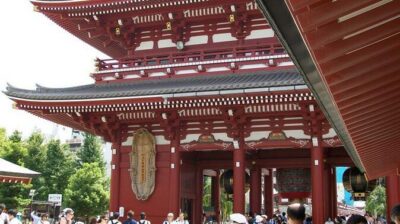
Senso-ji is one of Tokyo’s essential temple visits, and Asakusa gives you a traditional setting around it. This is a good place to begin if you want your first look at Tokyo to include religion, older streets, and local customs rather than only towers and shopping centers.
The listed stop time is 15 minutes, but that should be treated as a short sample rather than a realistic full visit. You may want time to see the temple approach, look around the traditional shopping street, and ask your guide about shrine and temple etiquette.
Asakusa also works well for visitors who want a gentle introduction to Japanese culture. Your guide can explain details you might otherwise miss, including how to approach a shrine or temple and how to handle a fortune. One guide showed a solo visitor how to get a fortune, turning a quick stop into something more personal.
The drawback is simple: Asakusa can become crowded, especially around the temple approach. A private guide cannot remove the crowds, but can help you move with more purpose and point out quieter details nearby.
Akihabara: electronics, anime, and modern pop culture
Akihabara is the right choice for anyone interested in anime, manga, video games, or Japanese electronics. It is also a useful counterpoint to Senso-ji. In a single day, you can see both the old religious center of Asakusa and the youthful, technology-focused side of Tokyo.
Do not add Akihabara just because it appears on a list. Choose it if you want time to browse or if someone in your group has a clear interest in the district. Fifteen minutes is enough to take in the atmosphere, but not enough for serious shopping.
A private guide can help you decide which parts are worth your time and keep the stop from becoming a wandering search through large stores. If you are traveling with children or teenagers, this may be one of the easiest places to hold their attention.
More Day Trips in Tokyo
- 1-Day Tokyo Bus Tour
★ 5.0 · 14,250 reviews - Tokyo: DisneySea 1-Day Passport
★ 4.5 · 2,726 reviews - Tokyo Disneyland 1-Day Passport
★ 4.6 · 2,512 reviews - Tokyo Panoramic 1 Day: Meiji Shrine, Asakusa, Odaiba and SKYTREE®
★ 4.5 · 1,222 reviews
Tsukiji Jogai Market: a useful food stop
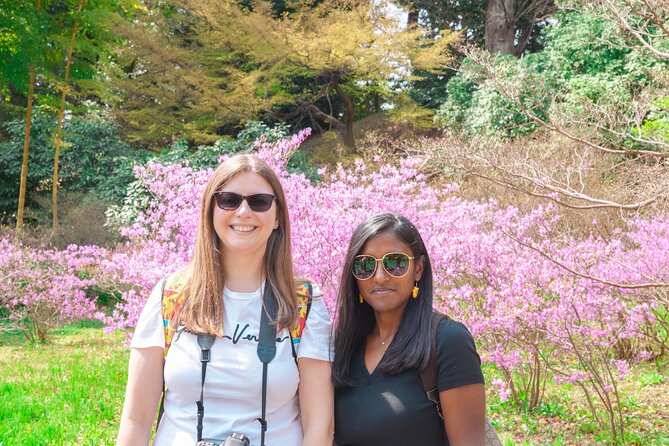
Tsukiji’s outer market remains a popular place for seafood and Japanese food, even after the wholesale market moved in 2018. It makes sense for a group that wants to build lunch into the tour or sample local dishes along the way.
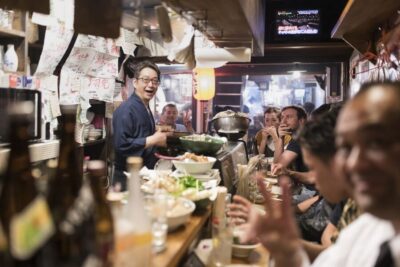
Food is not included, and you also pay for your guide’s food and drinks. That arrangement is common for a private food-oriented outing, but you should budget for it. If anyone in your group has dietary restrictions, mention them early. Keito helped arrange vegan ramen for one visitor, and Akari helped another family find food suitable for a child with celiac disease.
The market can be busy and the food choices can be tempting, so do not force Tsukiji into a route that already has too many major stops. It works best when food is one of your main goals, not as a rushed photo stop.
Meiji Jingu, Harajuku, and Takeshita Street
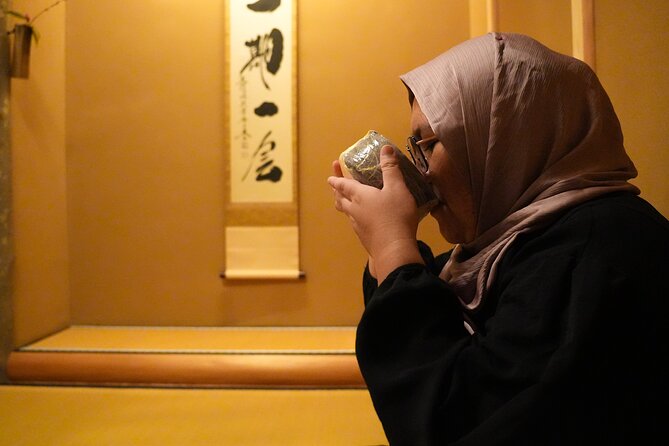
Meiji Jingu gives you a wooded shrine setting in the middle of the city. It is dedicated to Emperor Meiji and Empress Shoken, and it offers a useful pause from Tokyo’s signs, traffic, and department stores.
Pairing it with Harajuku and Takeshita Street creates a clear contrast. At the shrine, you can focus on quiet customs and religious space. On Takeshita Street, you find youth fashion and pop culture. The change happens quickly, which makes this one of the most efficient combinations for a short tour.
LAX has led a four-hour route that included Meiji Jingu, Harajuku, Takeshita Street, and other Tokyo highlights. That kind of route gives you a broad first look without asking you to cross the entire city.
Expect walking and crowds around Takeshita Street. If you prefer calm gardens and historic sites, give Meiji Jingu more time and treat Takeshita Street as an optional add-on. If shopping and youth culture are your priority, reverse the balance.
Shibuya Crossing and the western city center
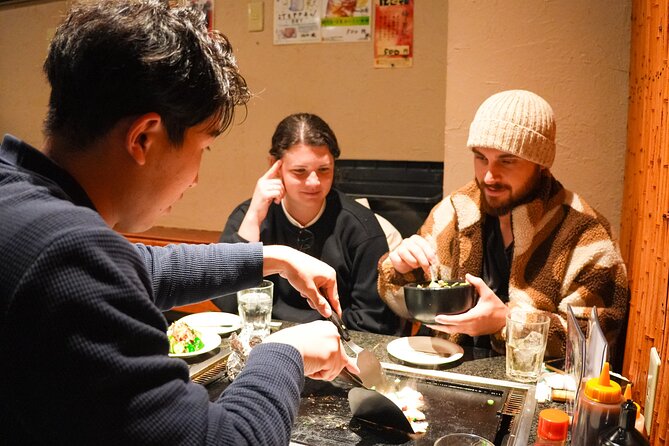
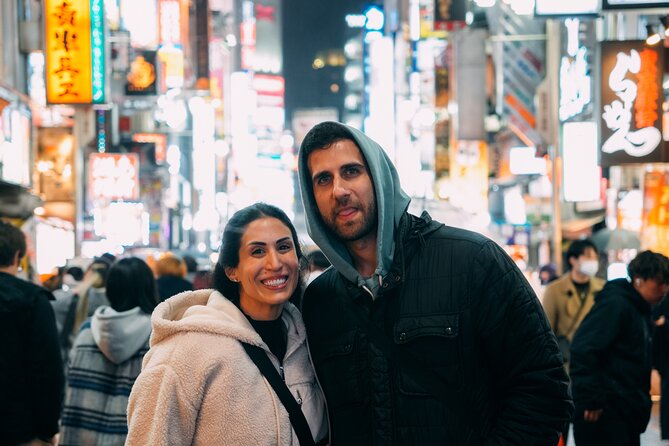
Shibuya Crossing is a quick way to feel Tokyo’s scale and energy. The intersection, surrounding lights, shops, restaurants, and nightlife make it one of the city’s most recognizable scenes.
You do not need a long visit to see the crossing, but you may want your guide to show you a good viewing point and explain how to reach the next stop. The value here is not only the photograph. It is learning how one of Tokyo’s major transport and shopping districts fits together.
Shibuya combines well with Meiji Jingu and Takeshita Street. It is less efficient to pair it with far-eastern stops such as Tokyo Skytree unless you have a long tour and are comfortable with several train rides.
Imperial Palace, Ginza, and Hamarikyu Gardens
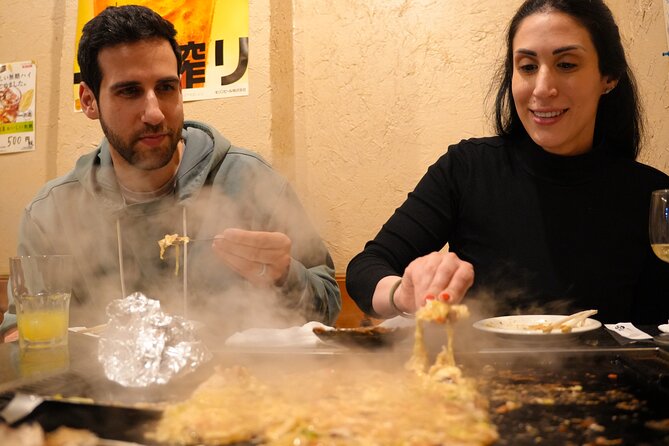
The Imperial Palace area gives you a central view of Tokyo with formal grounds and the beautiful East Gardens. It is a good stop for visitors interested in Japan’s imperial history and for anyone who wants a calmer change of pace.
Ginza is the city’s major luxury shopping district. Add it if department stores, polished streets, and shopping matter to you. If your interests are temples, food, and everyday neighborhoods, Ginza may not deserve much of your limited tour time.
Hamarikyu Gardens offers another quiet break. This traditional garden is in Minato and includes the chance to stroll through carefully arranged scenery. Admission is not included, unlike most of the listed stops, so plan for that extra cost.
This trio can make a refined central Tokyo route, but it may feel too formal if your main goal is anime, street food, or local rail practice. Tell your guide what kind of day you want before including all three.
Tokyo Skytree and Ueno Park
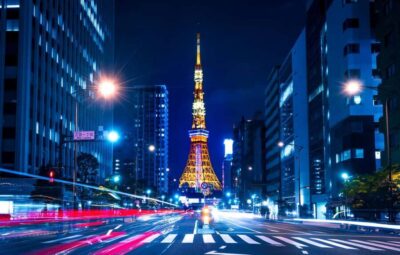
Tokyo Skytree is Japan’s tallest structure and includes observation areas, restaurants, and broadcasting facilities. It is a strong choice if you want a large city view or have a particular interest in architecture and towers.
The tower is in Sumida, so it fits naturally with Asakusa rather than with Shibuya or Shinjuku. Combining Skytree and Senso-ji gives you a sensible eastern Tokyo day. You can see a historic temple district and then look across the city from above.
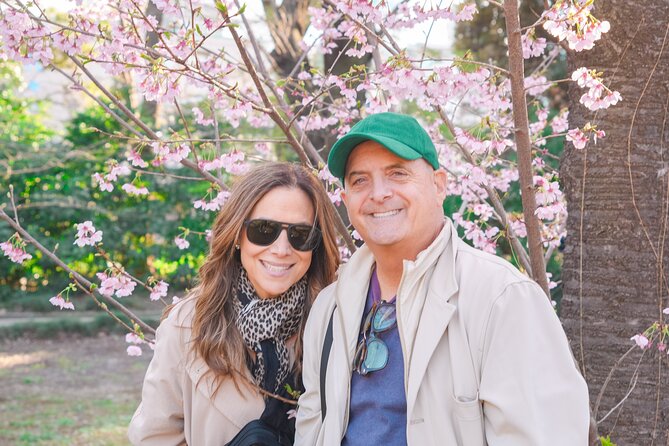
Uenokoen, or Ueno Park, is noted for its garden and spring cherry blossoms. It suits visitors who want open space and seasonal scenery. Since the tour listing gives only 15 minutes for the stop, ask for more time if the park is a key reason for booking.
Shinjuku Gyoen and Golden Gai
Shinjuku Gyoen is one of Tokyo’s largest and best-known parks, with lawns, walking paths, and a restful setting close to Shinjuku Station. It is a useful place to slow down after several urban stops. The listed visit allows 30 minutes, longer than most other stops, but you may still need more time if you want a relaxed walk.
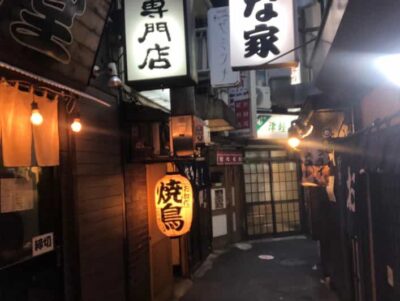
Shinjuku Golden Gai offers a very different experience. Its small bars and narrow lanes are known for nightlife and a compact, old-style urban feel. It is more appealing to adults interested in evening atmosphere than to families seeking daytime sightseeing.
Shinjuku also includes the Tokyo Metropolitan Government Building, which offers city views. You can ask your guide how to fit it into the route, but do not try to combine every Shinjuku attraction with half a dozen distant districts in a short booking.
What the day costs, and what is extra
The price is $145.91 per person. That is not the cheapest way to see Tokyo, but the value improves if you are a small private group that wants a tailored route, personal help, and transport instruction.
Your payment includes a private personalized experience, walking, public transport guidance, unlimited edited photos, and an optional meeting at your accommodation. A private vehicle is available as an option, but it is not part of the basic arrangement.
You pay separately for transportation for both you and your guide, food and drinks for both of you, and admission where required. Hamarikyu Gardens is specifically listed as having an admission fee, while most other stops are listed as free. Ask about the vehicle price and expected transport costs before the day begins.
The strongest value comes when you use the tour to make the rest of your Tokyo visit easier. Several guides have taught visitors how to use trains and subway lines, and one couple reported walking about 12 miles during a 10-hour day. That is useful orientation, but it also shows why you should discuss pace and walking ability in advance.
Who will get the most from this tour
I would recommend it most strongly for first-time Tokyo visitors who feel unsure about the rail system or cannot decide how to organize a huge city. It also suits families, solo visitors, couples with specific food needs, and people who want a guide rather than a standard group route.
Families should explain children’s ages and interests. Yosuke has been praised for keeping children aged 7 and 12 engaged, while Yoyo has helped a family with children aged 12 and 13 see major sights and learn the train system.
Solo visitors may value the personal contact and hotel pickup. The experience can also work well on the first full day after arrival, since it helps you learn the city and decide where to return later.
I would be more cautious if you prefer fixed pricing, a small number of clearly defined inclusions, or a tour with no extra transport and food costs. I would also avoid trying to cover every listed district in one day. Customization works best when you make firm choices.
The provider offers free cancellation up to 24 hours before the start time. Changes or cancellations inside that window are not accepted for a refund.
Should you book it?
Book this tour if you want a personal introduction to Tokyo, help using trains, and the freedom to trade a planned stop for something more interesting along the way. The strongest parts are the flexible pacing, local guidance, food support, and ability to combine traditional sites with modern districts.
Choose a focused route rather than chasing every famous name. For a first visit, I would consider Asakusa and Senso-ji with Akihabara, or Meiji Jingu with Harajuku, Takeshita Street, and Shibuya. Tell Goen Japan what you care about, agree on the likely transport and food costs, and you will get far more value than from a rushed checklist of Tokyo sights.
FAQ
How long does the Tokyo customized private tour last?
The experience can last approximately 2 to 8 hours, depending on the option and itinerary you arrange.
Is hotel pickup available?
Yes. You can arrange an optional meeting at your accommodation for a more convenient start.
Is this a private tour?
Yes. Only your group participates in the activity.
Are transportation costs included?
No. You pay transportation costs for yourself and your guide. A private vehicle is available as an optional arrangement.
Are food and drinks included?
No. You are responsible for food and drinks for yourself and your guide.
Can the itinerary include places such as Senso-ji, Shibuya, or Meiji Jingu?
Yes. The experience is customizable, and the available stops include Senso-ji, Asakusa, Akihabara, Tsukiji Jogai Market, Shibuya Crossing, Meiji Jingu, Ginza, Tokyo Skytree, the Imperial Palace, Shinjuku Golden Gai, Ueno Park, Takeshita Street, Hamarikyu Gardens, and Shinjuku Gyoen.
Just added around Tokyo
- Kawagoe Japanese Food Tour : Unagi Kaiseki and Sake near Tokyo★ 5.0 · 30 reviews
- Kawagoe 4hr Private Tour with Licensed Guide (Kawagoe Dep)★ 5.0 · 13 reviews
- Little EDO Sushi Making workshop in Kawagoe★ 5.0 · 18 reviews
- 【R34】Tokyo:Private Daikoku tour in Modified R34★ 4.9 · 92 reviews
- :Tokyo,Shibuya/ Pro Photography in Kimono / English-Friendly★ 5.0 · 26 reviews
- Tokyo:Celebrate Unique Japanese New Year Tradition Festivity★ 3.9 · 20 reviews
- Tokyo: Allstar Food Tour★ 4.7 · 29 reviews
- Tokyo: West-Side Cycling and Food Tour with Guide★ 5.0 · 37 reviews
Custom Private Tours in Tokyo, compared.
Browse the lists this tour appears in