
Reviewed · TEMPLES & SHRINES
Miyajima Highlights: Itsukushima Shrine & Island Nature
Miyajima is easy to admire and surprisingly easy to misunderstand. This private tour helps you read the island properly, from the symbolism of Itsukushima Shrine to the quieter paths beyond the usual photo stops. Guides such as Masa, Aya, Yuka, and Masayo bring family stories and local memory to a place many people otherwise see in a quick rush.
I like two things here. First, you get a private guide who can adjust the pace and explain what you are seeing rather than simply naming buildings. Second, the tour includes Daisho-in, Senjokaku Pavilion, local streets, and less crowded corners, not just the famous torii gate. The main drawback is time: five hours includes the train and ferry rides in both directions, so Miyajima receives the focus, not Miyajima plus a full Hiroshima city tour.
Key points to know before booking
- Local guides with personal Hiroshima connections: Masa, Masayo, Aya, and Yuka are among the guides praised for their warmth, preparation, and personal stories.
- Itsukushima Shrine gets proper context: You learn why Miyajima has long been treated as a sacred island, not just where to take a photograph.
- Daisho-in receives a full hour: This gives you time for one of the island’s most rewarding temple visits.
- The floating torii depends on the tide: The guide will try to show it, but the gate may be surrounded by mud or exposed shore at low tide.
- Transport is not included in the $138 price: Budget separately for trains, ferry tickets, the Miyajima visitor tax, food, and shrine or temple admissions.
- The tour suits a private pace: You can focus more on history, nature, photography, or quiet reflection by discussing your interests in advance.
Why a local guide changes Miyajima
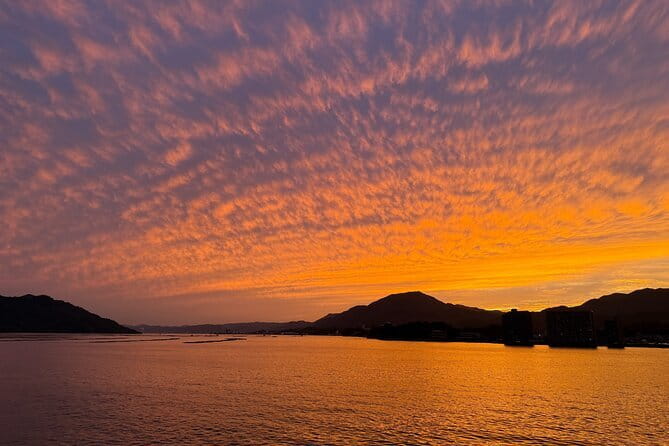
Miyajima is often presented as a postcard: wooded hills, a red torii in the water, shrine roofs, temple bells, and tame deer around the town. Those sights are real, but they are only the first layer.
A local guide gives you the meaning behind the scenery. The guides on this tour are Japanese and connected to Hiroshima, with family memories and everyday knowledge that help place Miyajima in a wider setting. Masa, praised repeatedly for her kindness and care, has guided families, older visitors, and people returning to Hiroshima for a second look. Masayo has also shared personal family connections to Hiroshima’s wartime past.
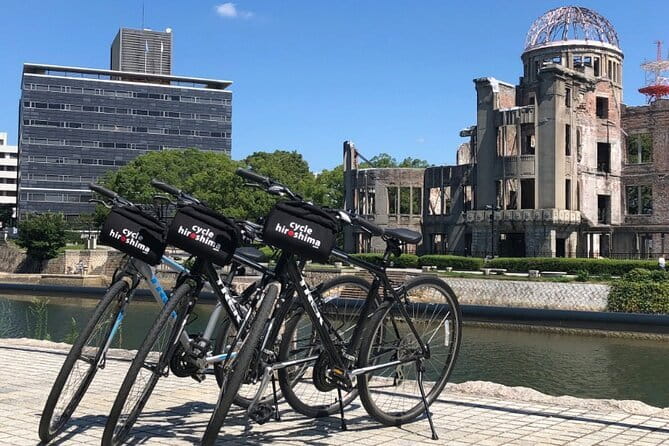
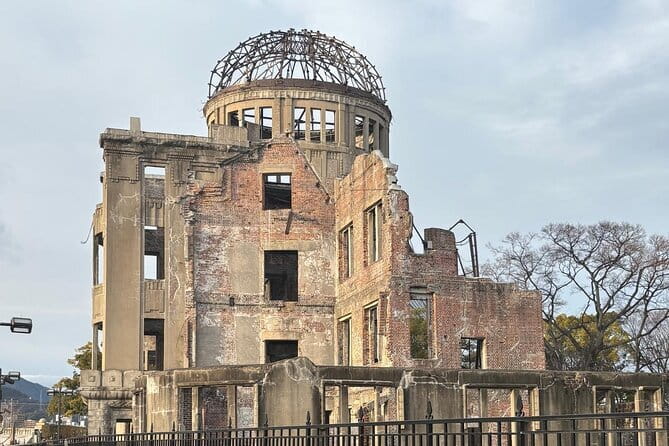
That does not turn this into a Peace Memorial tour. It is important to keep the two subjects separate. The experience is built around Miyajima, and the journey to the island already takes about an hour each way. You can ask to include the Peace Memorial area, but doing both properly takes longer than many people expect.
I especially like the human scale of the experience. You are not following a large group from one landmark to the next. You can ask why a ritual matters, pause for a photograph, or spend longer at a temple if it catches your attention. If you have a family group, the guide can also keep everyone together without forcing the entire day into a rigid schedule.
More Temple & Shrine Tours in Hiroshima
- Hiroshima and Miyajima Day Trip with Itsukushima Shrine & Ferry
★ 5.0 · 378 reviews - Miyajima: Cultural Experience in Zen Temple
★ 5.0 · 258 reviews - Day Trip to Hiroshima & Miyajima with Itsukushima Shrine
★ 4.6 · 124 reviews
Getting from Hiroshima to the island
The tour begins with a walk from your hotel or another agreed pickup point in central Hiroshima. Pickup choices include Hotel Granvia Hiroshima, Sheraton Grand Hiroshima Hotel, Hilton Hiroshima, RIHGA Royal Hotel Hiroshima, the Hiroshima Peace Memorial Museum, Hiroshima Station, and other central locations. If your accommodation is not listed, you can request pickup by email if you are staying in central Hiroshima City.
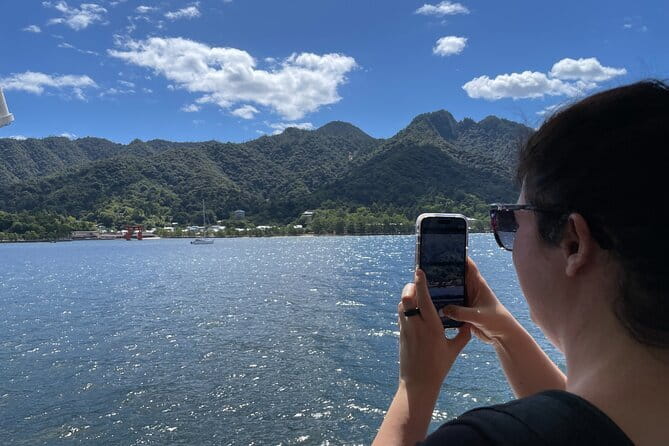
You then use public transportation, with a taxi possible if you prefer and arrange it. The train takes about 45 minutes, followed by a ferry ride of roughly 15 minutes. These transfers are not dead time. The ferry gives you the first broad view of Miyajima and helps shift the mood from city sightseeing to an island visit.
The practical catch is cost. The advertised price is $138 per person, but transportation is extra. You also pay the visitor’s tax for Miyajima, along with food, drinks, and entrance fees. Ask for the current total before booking if you are watching your budget.
The route is also weather-sensitive. Summer heat can be serious. Masa came prepared for one unusually hot day with extra parasols and neck coolers, a thoughtful touch that matters when much of the visit takes place outdoors. Comfortable walking shoes, water, and sun protection remain sensible choices.
First steps on Miyajima
The opening walk on the island lasts about 20 minutes and gives you time to get oriented. Your guide can help you understand how the shrine precinct, temple areas, shopping street, ferry terminal, and wooded slopes fit together.
This first section is useful because Miyajima can feel crowded and confusing at the waterfront. The popular route is compact, but it has several major sights close together, and it is easy to rush from one photo point to another. A guide helps you notice the transition from the commercial streets to the religious center of the island.
You may also hear about the island’s traditions and sacred status. The purpose is not to turn every building into a lecture. It is to connect the visible details, including gates, shrine buildings, temple spaces, and natural surroundings, with the beliefs that shaped Miyajima over centuries.
The floating torii gate and the tide problem
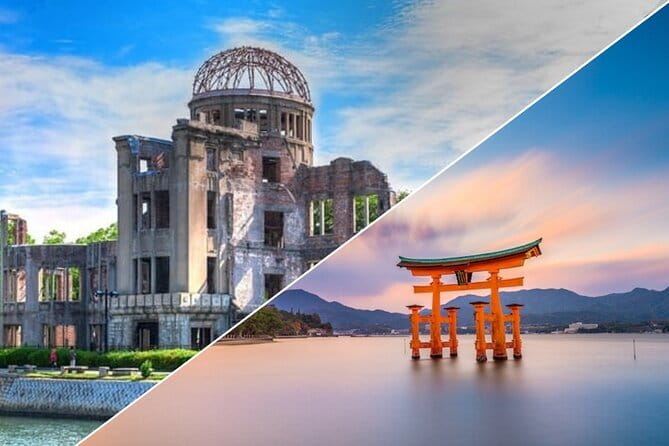
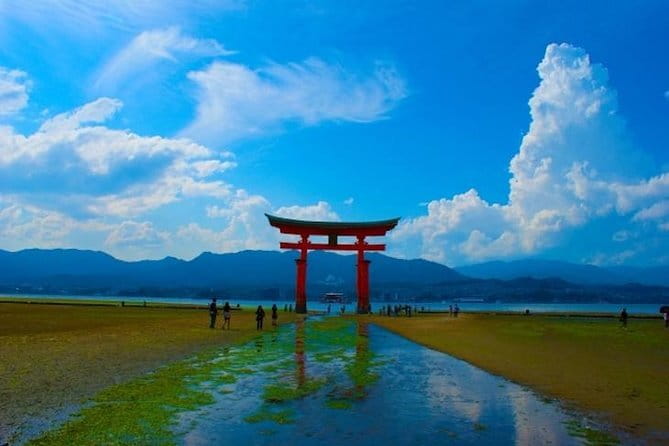
The Itsukushima Floating Torii Gate is the image most people associate with Miyajima. The planned stop is about 10 minutes, enough for photographs and an explanation of the gate’s role.
The word floating can be misleading. The gate appears to rise from the sea at higher tide, but low tide can leave it standing on exposed shore. The guide will do the best possible job of showing it, yet tide conditions are outside anyone’s control. Check the tide forecast if the water-level view matters greatly to you, and keep your expectations flexible.
A private guide is particularly helpful here because the gate is only one part of the setting. Rather than treating it as an isolated object, you can learn how it relates to the shrine beyond it and to Miyajima’s long-standing sacred identity.
This is also where photography can shape your pace. If the gate is a priority, tell your guide at the start. The included photography is a useful bonus, with the finished data provided to you, but it should not be confused with a dedicated professional photo session. It gives you a way to keep images of the day while your hands remain free during the walk.
Same trip, a completely different kind of day:
- Peaceful Hiroshima & Miyajima UNESCO 1 Day Bus Tour
★ 5.0 · 5,309 reviews - Hiroshima: Hiroshima and Miyajima UNESCO Sites 1-Day Tour
★ 4.9 · 2,330 reviews - Hiroshima / Miyajima Full-day Private Tour with Government Licensed Guide
★ 5.0 · 1,298 reviews - Osaka/Kyoto: Hiroshima Miyajima Bus Tour & Shinkansen Ticket
★ 4.7 · 919 reviews
Inside Itsukushima Shrine
Itsukushima Shrine receives about 30 minutes. That is enough for a guided visit, though not a slow architectural study of every corner.
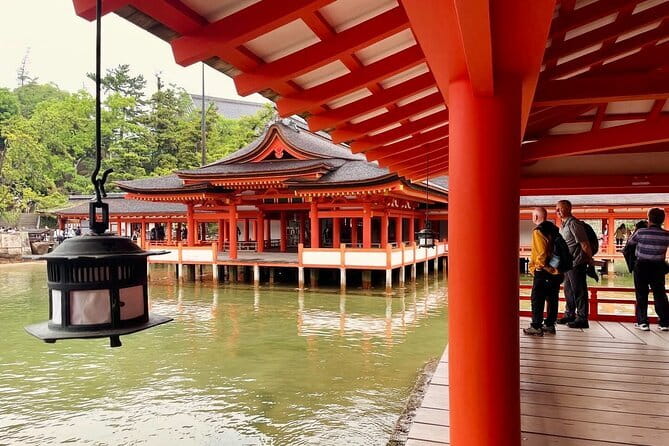
The shrine is a UNESCO World Heritage Site and the spiritual center of the tour. Here, your guide can explain the symbolism of the buildings, the relationship between land and water, and why the island has been regarded as sacred. These details matter because the shrine can otherwise become a sequence of red corridors and attractive views.
You should expect a popular site, especially during busy periods. A private guide cannot remove the crowds, but can help you use your time well and point out details you might pass without context. Yuka was praised for explaining traditions and showing areas visitors might not find alone, while Aya was valued for her passion and clear explanations.
Thirty minutes passes quickly. If shrine architecture is your main interest, tell the guide ahead of time so the visit can receive the attention it deserves. If you want long photography pauses, the later stops may need to move at a brisker pace.
Daisho-in, the tour’s strongest stop
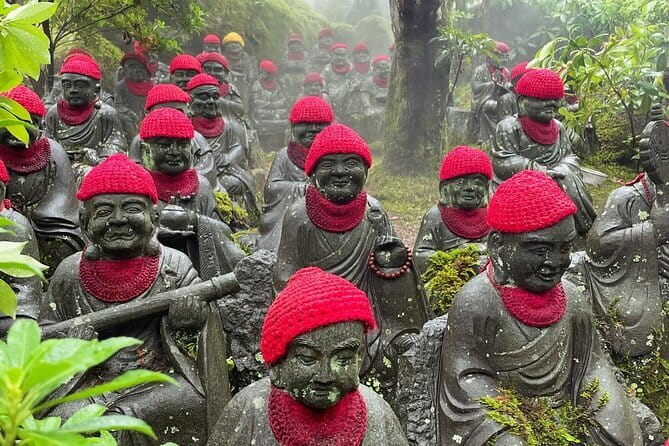
The schedule gives Daisho-in about one hour, making it the most substantial stop. I consider this a major strength.
Daisho-in is a temple complex on the lower slopes of Mount Misen, and the visit brings a different mood from Itsukushima Shrine. The guide can explain the temple’s role, the way its buildings are arranged, and the meaning of the details you encounter. You also get time to look around rather than simply stop for a quick photograph.
Several people who took this tour singled out the guides’ explanations of how the shrines and temples were built and what they mean to local people. That is the kind of help you want at Daisho-in. Without context, a temple visit can become a pleasant walk among unfamiliar forms. With a guide, you have a better chance of understanding why the place matters.
The hour is not a hike up Mount Misen. If you want to climb the mountain, tell the operator before the tour. Hiking is not part of the standard plan, and adding it would require a different pace and likely more time. You can still enjoy Daisho-in and the lower island scenery without turning the day into a mountain excursion.
Senjokaku Pavilion and the island’s open views
Senjokaku Pavilion is a short stop of about 10 minutes, mainly for a guided look and photographs. Its broad, open interior gives you a change from the more enclosed shrine and temple spaces.
This is a compact visit, so it works best as part of the larger sequence rather than as a stand-alone attraction. Your guide can point out its position and explain why it belongs in the island’s religious and cultural story. You will not have long to linger if every other stop stays on schedule, but the pavilion adds variety and a useful pause.
I would treat this stop as a chance to take in the setting rather than another item to check off. The tour’s value comes from the links among the sites, not from spending a fixed number of minutes at each one.
Omotesandō Street, food, and shopping
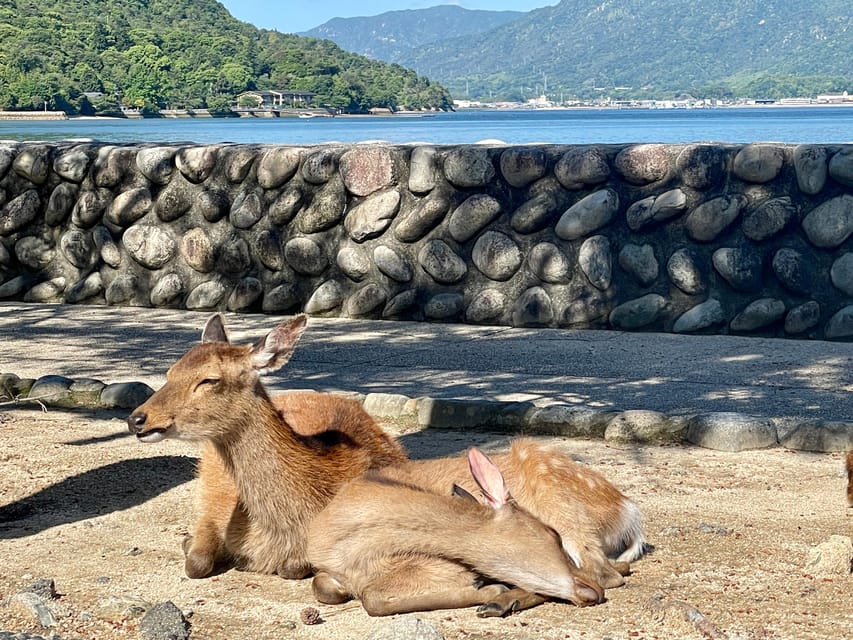
The final Miyajima stop lasts about 40 minutes on Omotesandō Shopping Street. This is where the island feels most commercial and social, with places to browse, eat, and pick up souvenirs.
Food and drinks are not included, so this is your chance to buy something at your own expense. The tour does not promise a particular meal or tasting, which gives you freedom but also means you should not book it expecting a food tour.
A local guide can make this stop more useful by suggesting what fits your interests and by helping you understand the line between tourist shopping and local island life. You can also use the time for a final photograph or a short break before returning to the ferry.
The street may be the busiest part of the visit. If you prefer quiet nature, tell your guide early. The experience is designed to include quieter corners beyond the main route, but the exact balance depends on your interests, crowd levels, tide, weather, and the time available.
What the five-hour schedule really means
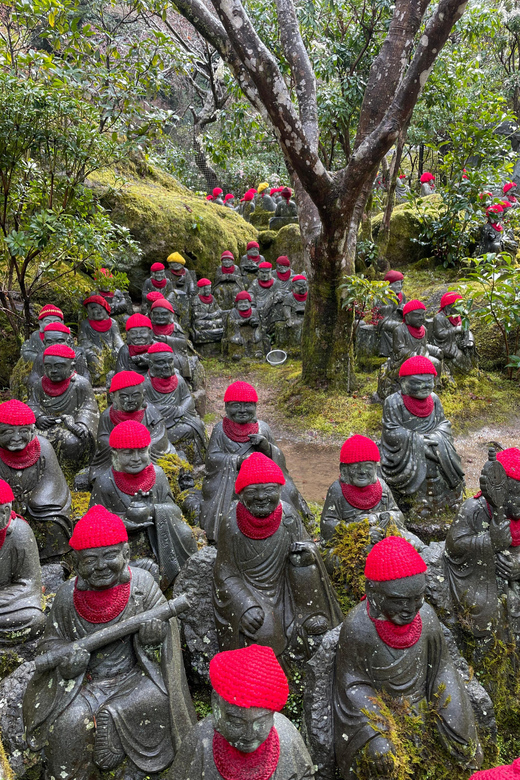
The advertised duration is five hours, but the day includes roughly 90 minutes of train travel and 30 minutes on ferries, counting both directions. The planned island stops then total about three hours, before allowing for pickup, transfers, boarding, and any short pauses.
That is enough for a focused introduction to Miyajima. It is not enough for an unhurried visit to every shrine, a full Mount Misen hike, a long meal, and a serious shopping session.
This is why I would book it as a Miyajima-focused half-day, not as an all-purpose Hiroshima tour. If you have only one day in the city and want both the Peace Memorial sites and the island, plan carefully. The operator can take you to the Peace Memorial area if requested, but trying to cover both can leave each experience feeling rushed.
The private format helps. You can make choices in real time, but flexibility cannot create extra hours. Tell the guide before departure if your priorities are history, temples, photography, nature, family-friendly pacing, or food.
Price, inclusions, and who gets good value
At $138 per person, this is not the cheapest way to reach Miyajima. You are also responsible for transportation, the island visitor’s tax, food, drinks, and entrance fees. For a solo visitor or couple focused mainly on independent sightseeing, the price may feel high.
The calculation changes for a family or small private group. You are paying for a guide who meets you in central Hiroshima, handles the public transport route, explains the culture in English or Japanese, adjusts the pace, and provides photography. You also avoid spending time trying to work out what you are looking at after arriving.
The strongest value comes from the guides’ personal approach. Masa is repeatedly described as kind, prepared, and able to answer questions across history and daily life. Masayo has been especially appreciated for her personal connection to Hiroshima and her care in difficult heat. Aya and Yuka are also praised for warmth, clear English, local understanding, and showing places people might not find alone.
You should book this if the explanation matters as much as the scenery. If you only need transportation to the torii gate and a few free hours, an independent visit will cost less and may suit you better.
Practical details that affect the day
The tour is offered in English and Japanese. It is a private group experience, and pickup is on foot from central Hiroshima. Wheelchair access is listed, but the exact route and the condition of individual shrine, temple, street, ferry, and station areas should be discussed in advance if you have mobility needs.
You can cancel up to 24 hours before the start for a full refund, and the reserve-now, pay-later option keeps your plans flexible. Starting times vary, so check availability before you commit.
Mention optional activities in advance. Examples include a direct boat between the Peace Memorial area and Miyajima or a workshop such as making momiji manju by hand. These are not part of the standard five-hour route, and they may alter the timing or cost.
Should you book Miyajima Highlights?
Book this tour if you want meaning, not just landmarks. It is a strong choice for families, first-time visitors, couples, and anyone who wants an easy private pace with a local Japanese guide. The best parts are the cultural explanations, the hour at Daisho-in, the quieter island corners, and the chance to ask questions without a group schedule.
Think twice if you want Mount Misen, a long meal, extensive shopping, or both Miyajima and the Peace Memorial sites in one compact outing. You will need more time.
For most people, the decision comes down to the guide. If you value personal stories, cultural context, and help with the transport, the $138 fee can make sense once the extra costs are added to your budget. If your goal is simply to photograph the floating torii and walk the shopping street, go independently and spend the money on a longer stay.
FAQ
How long does the tour last?
The tour lasts five hours, including travel between central Hiroshima and Miyajima by train and ferry.
Is transportation included in the price?
No. Train and ferry transportation costs are separate. The Miyajima visitor’s tax, food, drinks, and entrance fees are also not included.
Can the tour pick me up at my hotel?
Pickup is on foot from central Hiroshima. Listed pickup points include several hotels, Hiroshima Station, Hiroshima Peace Memorial Museum, and other central locations. If your hotel or Airbnb is not listed, you can request pickup by email if you are in central Hiroshima City.
Will I see the floating torii gate in the water?
The guide will do the best possible job of showing the gate, but the tide may be low. At low tide, the gate may not appear to be floating.
Is hiking Mount Misen included?
No. Hiking Mount Misen is not part of the standard route. You should tell the operator in advance if you want to add a hike or another optional activity.
Is the tour available in English?
Yes. Live guiding is available in English and Japanese.
Just added around Hiroshima
- Full Day Hiroshima and Miyajima Tour by Bullet Train from Kyoto★ 4.5 · 120 reviews
- Hiroshima Saijo Sake Tasting Tour with visit to 7 Breweries★ 5.0 · 104 reviews
- The Peace Memorial to Miyajima : Icons of Peace and Beauty★ 4.5 · 31 reviews
- Shore Excursion from Hiroshima Port : Private Tour in Hiroshima★ 5.0 · 17 reviews
- Hiroshima & Miyajima All-Inclusive Tour w/Licensed guide Pancho★ 5.0 · 54 reviews
- Private Full Day Hiroshima Tour★ 4.5 · 29 reviews
- Okunoshima Rabbit Island Cycling Tour with Local Guide★ 4.5 · 17 reviews
- Hiroshima Private Tour with a Local – Highlights & Hidden Gems★ 4.5 · 24 reviews
Temples & Shrines, compared.

Tea Ceremony in a Traditional Tea House in Kiyomizu
Our verdict →

Meiji Shrine, Asakusa, Skytree Bus Tour and Cruise
Our verdict →
Fushimi Inari Hidden Hiking Tour (Private Option Available)
Our verdict →
Osaka/Kyoto:Kinkakuji,Arashiyama,FushimiInariShrine,NaraPark
Our verdict →
Nikko: Kegon Falls, Lake Chuzenji & Toshogu Temple
Our verdict →
Kamakura & Enoshima Day Trip including Temple Tickets
Our verdict →Browse the lists this tour appears in