
Reviewed · NARA TOURS
Nara Afternoon Tour from Kyoto or Osaka
Nara’s best-known sights are packed into this half-day outing: the huge Great Buddha at Todai-ji, free-roaming deer, and Kasuga Shrine with its thousands of lanterns. The deer are the charming hook, but Todai-ji gives the afternoon its real weight and scale.
I like the comfortable return transport from Kyoto, especially when you want a simple plan without sorting out trains, buses, temple tickets, and directions. I also like the English-guided context. Guides such as Yuki, KC, Mo Mo, and Kimny have made the history and customs easier to follow.
The catch is time. The tour can feel rushed, and you may walk about 25 minutes each way from the coach parking area to Todai-ji. This is a sampler, not a slow day in Nara, so independent explorers may prefer the train and their own schedule.
Key points to know before you book
- Todai-ji is the main event: You get about 1 hour 10 minutes at the temple, including time for the Great Buddha Hall and its enormous bronze Buddha.
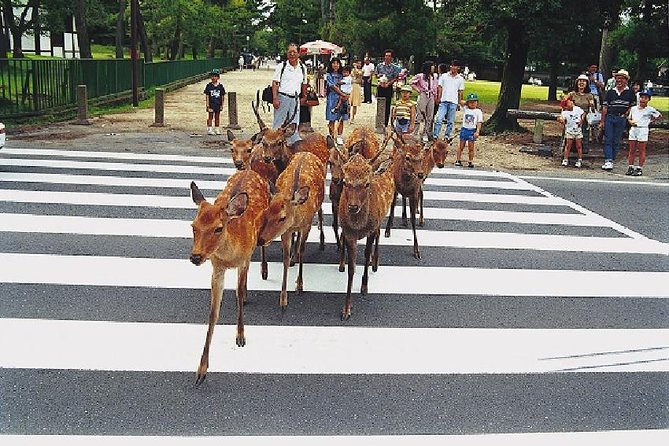
- The deer roam freely: Nara Park covers about 1,250 acres and is home to more than 1,000 deer.
- Kasuga Shrine now offers more access: From January 2025, the itinerary includes the Main Sanctuary special visit area when operations allow.
- Expect a long walking approach: The coach cannot take you directly to Todai-ji, so allow about 25 minutes each way from the parking area.
- The group may reach 40 people: A good guide can keep things moving, but late arrivals or slow walkers can reduce your free time.
- The price covers the basics: At $102.38 per person, transportation, guide service, and listed admissions are included, but lunch, drinks, and some Kasuga attractions cost extra.
Why Nara makes a strong afternoon from Kyoto
Nara was Japan’s first permanent capital, founded in 710 as Heijo. For a time, Buddhist monasteries and government offices made it the country’s political and religious center. The capital moved away in 784, but Nara kept its great temples, shrines, and ceremonial traditions.
That background matters because this is not simply a deer park outing. The deer are memorable, and often funny, but they share the afternoon with some of Japan’s most important religious buildings.
From Kyoto, you meet at the Avanti Tour Desk near Kyoto Station. The return vehicle removes the usual puzzle of changing trains and finding the correct local bus. If you are starting in Osaka, the arrangement is more involved: an English-speaking assistant accompanies you from Hotel Granvia Osaka to the Sunrise Tours Desk in Kyoto Avanti, then helps with the return from Kintetsu Nara Station to Osaka Namba Station.
The total experience lasts about 5 hours and 40 minutes. That sounds generous until you account for the road journey, the walk to Todai-ji, and the time needed to gather a group of up to 40 people. I would treat it as an efficient introduction to Nara, not a full exploration of the city.
A few more Nara half-days worth comparing
- World Heritage Kyoto & Nara Uji Authentic Matcha Experience
★ 5.0 · 1,573 reviews - Kyoto/Osaka: Nara, Fushimi Inari Taisha, Arashiyama Bus Tour
★ 4.7 · 1,275 reviews - Nara Half Day Trip Walking Tour (Private Option Available)
★ 5.0 · 937 reviews
Walking toward Todai-ji and the Great Buddha
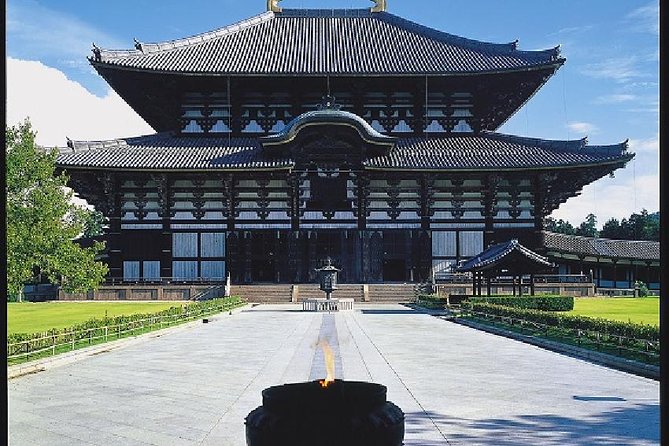
Todai-ji is the first major stop, with about 1 hour and 10 minutes allocated. The temple dates from the Nara Period and is a World Heritage site. Its Great Buddha Hall, called Daibutsuden, is one of the largest wooden buildings in the world.
The scale is the point. The bronze Great Buddha is not something you simply glance at on the way to the next sight. Its size, the hall around it, and the old religious role of the temple give this stop a powerful sense of place.
You should plan for a walk of about 25 minutes each way between the coach parking area and the temple. This is an important detail. The walking time can eat into your sightseeing, especially if the group is moving slowly or the weather is hot or wet.
The route may also be crowded, and you need to stay aware of the meeting instructions. Some people have found the return walk longer than expected, while others felt the time at the temple was too short once the approach and regrouping were counted.
My advice is simple: wear comfortable shoes, keep your ticket and belongings organized, and listen carefully for the exact meeting point. If you want lengthy photographs, quiet contemplation, and a detailed look at every corner of the hall, this schedule will feel tight.
Still, skipping Todai-ji would weaken the trip. The temple gives you the cultural foundation that turns the deer and shrine visits into part of a larger Nara story.
Meeting Nara’s famous deer in the park
Nara Park is a huge 1,250-acre reserve where more than 1,000 deer move freely. The animals are closely linked with Kasuga Shrine, where they are traditionally regarded as shrine messengers.
This is the most playful part of the afternoon. You can watch deer graze, wander across paths, and approach people for food. Deer crackers are available in the park, although you should ask your guide where to buy them early. One disappointing experience came from not being shown the food sellers before entering the park, which left too little time for feeding the deer.
The deer are tame, but do not mistake tame for completely gentle. One person found them more aggressive than remembered, and that is worth keeping in mind if you are carrying food or have small children with you. Feed them only with the appropriate crackers, and keep your hands clear once the food is gone.
Time here can be hard to judge. The park is part of the route between the main sights rather than a leisurely, separately timed stop. You may have to balance three things: seeing the deer, reaching Todai-ji, and getting back to the meeting point on time.
If deer are your main reason for visiting Nara, an independent day may suit you better. If you want a first look at the animals along with Todai-ji and Kasuga Shrine, the tour gives you a useful sampler.
Entering Kasuga Shrine’s lantern-lined grounds

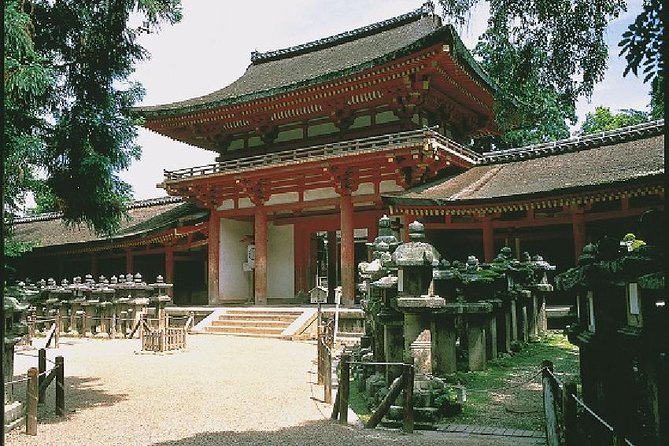
Kasuga Grand Shrine is the final main stop, with about one hour allocated. This Shinto shrine is another World Heritage site, and its setting feels different from Todai-ji. Instead of one enormous hall dominating the view, Kasuga is known for its ceremonial atmosphere and more than 3,000 antique stone and bronze lanterns.
The lanterns are the visual signature of the shrine. They line paths and hang in corridors, giving the site a quieter, more intimate mood after the large scale of Todai-ji.
From January 2025, the itinerary includes the Main Sanctuary special visit area. This lets you get closer to the sanctuary and see hanging lanterns in the corridor. That is a worthwhile addition because it gives the shrine visit more substance than simply walking around the outer grounds.
There is an important qualification. The special area may be closed because of events or operating conditions. If that happens, the tour may visit the Kasuga Taisha Museum or the Todai-ji Museum instead, and no refund is issued for the change. The Treasures Hall and Manyo Botanical Gardens are not included.
The one-hour stop can feel short, particularly if the group has lost time earlier. Good instructions matter here. A guide who gives clear meeting times and directions can make the difference between a calm final visit and a hurried one.
Same trip, a completely different kind of day:
- Osaka/Kyoto: Arashiyama, Nara & Fushimi Inari Shrine w/Lunch
★ 4.4 · 754 reviews - Nara Early Morning Tour (Kyoto or Osaka Departure Available)
★ 5.0 · 676 reviews - Kyoto and Nara Day Trip from Kyoto
★ 4.5 · 445 reviews - Full Day Guided Tour to Kyoto and Nara from Osaka by Van
★ 5.0 · 420 reviews
Guides, group size, and the pace of the afternoon
The tour includes a National Government Licensed English Guide Interpreter. Guide quality is one of its strongest features when the right person is leading. Yuki has been praised for clear explanations and calm organization. KC has been singled out for explaining Japanese culture and history well. Mo Mo brought humor and cultural detail, while other guides, including Kimny and Yoshtara, have made the temple visits more engaging.
That does not mean every departure will feel identical. English clarity and the amount of explanation can vary by guide. The strongest guides add useful context without slowing the group down. The weaker experience comes when instructions are late or unclear.
The maximum group size is 40. That is manageable on a coach, but it is not a small private tour. At Todai-ji and Kasuga Shrine, you may need to wait while people catch up. Late arrivals can reduce the time available at the next stop.
The schedule also changes with traffic and conditions at the sights. The stated return time may not be exact. One afternoon reached Kyoto Station earlier than expected, while other departures felt shortened by delays and regrouping. I would avoid booking a tight evening reservation immediately after the tour.
The pace works best for someone who wants the major sights explained and does not mind moving along. It works less well for a photographer, a slow walker, or anyone who wants to linger with the deer for an hour.
What the $102.38 price really covers
At $102.38 per person, this is not the cheapest way to reach Nara. You can take public transportation and shape the day yourself, potentially spending less. The tour price makes more sense when you place a value on a fixed plan, return transport, an English guide, and included admission fees.
The cost includes transportation, guide service, Todai-ji admission, and Kasuga Shrine admission as listed for the tour. It does not include lunch or drinks. Entrance to the Kasuga Treasures Hall and Manyo Botanical Gardens is also outside the package.
For a first visit, the convenience has real value. You do not have to work out how to reach the temple district, choose the correct local connections, or decide which ticket areas matter. The guide also gives you cultural background that signs alone may not provide.
The price is harder to defend if you mainly want deer time. In that case, the coach journey and fixed temple schedule may feel like too much structure. You could find the experience poor value if you expect a relaxed park visit or extensive time inside every attraction.
Practical advice for a smoother visit
Wear shoes suited to a lot of walking. The 25-minute approach to Todai-ji is only one part of the movement involved, and the path between the sights can add up quickly.
Bring water and a small snack because lunch and drinks are not included. An umbrella can help in changing weather, although the driver may have spare umbrellas available, as happened on one rainy outing.
Listen closely to the meeting instructions. Keep the group guide or contact details easy to find, and do not assume the coach will be waiting beside the temple entrance. The return location is based on the original departure point for Kyoto departures.
Seats may not be assigned. Children aged five and under can join free, but they do not receive a bus seat unless booked at the child rate. Written parental permission is required for anyone under 18, and anyone under 15 or not yet in middle school must be accompanied by a parent or guardian.
Service animals are allowed, the tour operates near public transportation, and most people can take part. The walk and group pace are the main physical considerations.
Who should book this Nara tour?
I would choose this tour if you are staying in Kyoto or Osaka, want the main Nara sights in one afternoon, and prefer a guide to handle the transport and admissions. It is especially useful for a first visit when Todai-ji matters as much as the deer.
Families may appreciate the simple structure, but parents should prepare young children for the walking and the possibility of excited deer pressing close for food. The tour can also suit solo visitors because the guide and group provide a clear framework, though you should stay alert to meeting points and never drift behind the group.
I would hesitate if you want a slow, flexible day. Nara Park is large, and an independent visit gives you more control over how long you spend feeding deer, exploring temple grounds, or adding another sight.
The tour has earned a 4.4 rating from 390 ratings, with repeated praise for organization, comfortable transport, kind guides, and clear historical explanation. The repeated weakness is also clear: the schedule can feel rushed, especially when traffic, long walks, or late group members cut into the planned stops.
Should you book it?
Book this Nara afternoon tour if you want a well-organized introduction with Todai-ji, the deer, and Kasuga Shrine in one package. The guide and return transport are worth paying for when you value ease and cultural explanation more than spare time.
Skip it and use the train if deer feeding is your main goal, if you dislike group schedules, or if you want to explore Nara at a slower pace. Before booking, ask yourself one practical question: would you rather see the three headline sights efficiently, or spend a whole day enjoying two of them without watching the clock?
FAQ
How long does the Nara afternoon tour last?
The tour lasts approximately 5 hours and 40 minutes, including transportation between Kyoto or Osaka and Nara.
Where does the tour depart from in Kyoto?
The Kyoto departure is from the Avanti Tour Desk near Kyoto Station.
Is hotel pickup included?
No. Hotel pickup and drop-off are not included.
What is included in the tour price?
The price includes transportation, admission fees listed for the tour, and the National Government Licensed English Guide Interpreter fee.
Is lunch included?
No. Lunch and drinks are not included.
How much walking is required?
You walk about 25 minutes each way from the coach parking area to Todai-ji. Additional walking is required around Nara Park and Kasuga Shrine.
Are the deer free to roam?
Yes. More than 1,000 deer roam freely through Nara Park.
Is entry to Kasuga Shrine’s Main Sanctuary included?
From January 2025, the Main Sanctuary special visit area is included when it can be entered. Events or operating conditions may lead to a visit to the Kasuga Taisha Museum or Todaiji Museum instead.
Can children join the tour?
Children aged five and under may join free, but they do not receive a bus seat unless booked under the child rate. Written parental permission is required for participants under 18.
Can I cancel for a full refund?
Yes. You can cancel at least 24 hours before the experience start time for a full refund. Cancellations or changes made less than 24 hours in advance are not accepted for a refund.
Just added around Nara
- Private Kyoto Tour by Car with Optional Nara or Osaka Add-Ons★ 5.0 · 36 reviews
- Kyoto, Osaka, Nara Private Tour by Car English Driver Guide★ 4.0 · 63 reviews
- Nara Todaiji Kasuga Taisha Private Full Day Tour From Kyoto★ 5.0 · 13 reviews
- From Kyoto: Nara History Guided Half Day Bus Tour with lunch★ 5.0 · 23 reviews
- Nara 8hr Private Tour – Kyoto DEP. with Licensed Guide★ 5.0 · 115 reviews
- Arashiyama & Nara Highlights: One-Day Private Tour Adventure★ 5.0 · 16 reviews
- Kyoto Private Car Tour – Full Day with Local Guide & Nara Option★ 5.0 · 169 reviews
- Kyoto & Nara Private Tour from Osaka Kyoto Hotel Pick-up★ 4.5 · 32 reviews
Nara Tours, compared.

World Heritage Kyoto & Nara Uji Authentic Matcha Experience
Our verdict →
Nara Half Day Trip Walking Tour (Private Option Available)
Our verdict →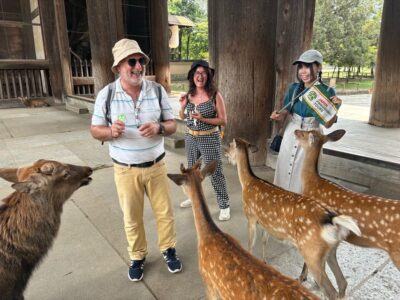
Nara and Uji Day Trip with Deer Park and Hot Spring
Our verdict →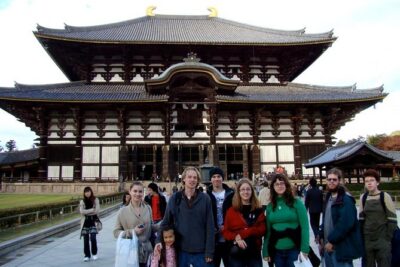
Nara 6hr Private Tour with Government-Licensed Guide
Our verdict →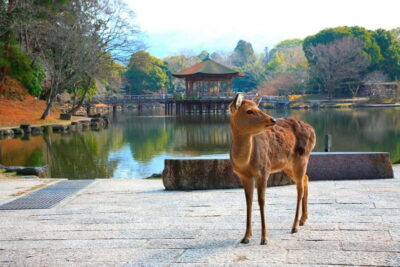
Browse the lists this tour appears in