
Reviewed · CUSTOM PRIVATE TOURS IN KYOTO
Arashiyama from Kyoto: Private & Personalized with a Local Guide
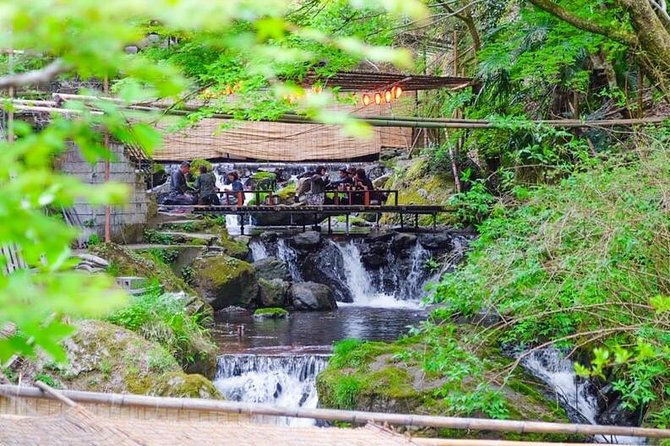
Arashiyama is far more than its famous bamboo grove. This private walking tour gives you a local guide, a flexible route, and entry to several temples, gardens, Okochi Sanso Villa, and Monkey Park Iwatayama. The best guides, including Alex, Ada, Brenda, and Shingo, adjust the day to your pace and interests.
I like the personal planning and the chance to trade a crowded photo stop for quieter temples or lanes. I also like the variety: moss gardens, Zen design, macaques, mountain views, and a former imperial villa all fit into one day. The catch is simple: this is a serious walking tour, and the steep climb to Monkey Park can leave your legs feeling like they have climbed a 40-story building.
Key points to know before booking
- Private route planning: A pre-tour questionnaire lets you tell your host if you care most about temples, history, food, children’s activities, or quieter places.
- Four temple admissions included: Your package covers four of these five temples: Tenryu-ji, Jojakko-ji, Gio-ji, Otagi Nenbutsu-ji, and Daikaku-ji.
- Two major extras included: Okochi Sanso Villa and Monkey Park Iwatayama are part of the admission package.
- Walking is the main event: Expect long stretches on foot, uneven paths, temple steps, and a steep hill to the monkey park.
- Crowd timing matters: The bamboo grove can be packed, so an early start may give you a calmer visit.
- Good for families and mixed interests: Guides have adjusted routes for young children, teenagers, rain, injuries, vegetarian diets, and autism.
Why a private Arashiyama day can work so well
Arashiyama has a curious problem: its most famous sights are close together, but the area can feel crowded and scattered. A first-time visitor may see the bamboo grove, miss a temple entrance, and spend half the day figuring out where to go next.
A private guide changes that rhythm. You can ask for famous sights, quieter shrines, food stops, shopping, or more time with the monkeys. Your host contacts you before the tour and uses your answers to shape the day. That matters because six hours is enough time for a strong overview, but not enough time to see every corner of western Kyoto.
The price is listed at $288.17 per person. That is a lot compared with taking yourself to Arashiyama by train and paying temple fees one at a time. The value comes from the private service, the planning, the included admissions, and the ability to change the pace during the day. For a family or small group that wants help with transport, history, photos, and food choices, it can be reasonable. For an independent visitor who enjoys researching temples and walking alone, it may feel expensive.
You should also confirm the meeting arrangement. The stated start point is the Mister Donut inside the JR Kyoto Station Building, and the tour ends back at the meeting point. Pickup is offered, and some guides have met people at their hotels, but this should be arranged directly rather than assumed.
More Custom Private Tours in Kyoto
- Kyoto: Arashiyama Customized Rickshaw Tour & Bamboo Forest
★ 5.0 · 432 reviews - Kyoto: Private Customized Walking Tour with a Local Insider
★ 4.8 · 383 reviews - Kyoto Customized Private Tour: See Top Attractions in 1 Day
★ 5.0 · 342 reviews
The bamboo grove, beautiful but rarely quiet
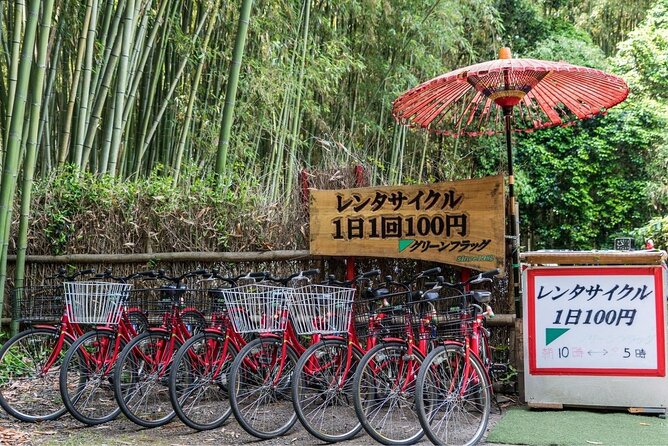
The Bamboo Grove is the obvious first stop, and it deserves its fame. Tall bamboo presses in on both sides of the path, filtering the light and giving the walk a cool, green feel. It is one of Kyoto’s most recognizable scenes.
Do not expect silence. The main route can be crowded, especially later in the morning. One useful tip is to request an early departure if the grove is a priority. A guide may also help you spend less time on the main path and more time in nearby lanes.
The grove itself is not a long hike, and there are limited places to sit and linger. If you need frequent rests, tell your host before the tour begins. The day includes plenty of walking after this stop.
A good guide makes this more than a photo stop. You can ask about bamboo in Japanese culture, local customs, and the area’s temples. If rain makes the path unpleasant, your host may suggest other shrines and historic sites. Ada, for example, adjusted a rainy-day route toward lesser-known places instead of forcing the usual itinerary.
Okochi Sanso Villa and its quiet garden
Okochi Sanso Villa is one of the strongest parts of this tour. This former home and garden belonged to a Japanese film actor, and the property is recognized as a national cultural asset. It offers a calmer change of pace after the busy bamboo path.
The villa sits on the hillside, so you will encounter slopes and steps. In return, you get garden paths and broad views over Arashiyama. The setting gives you a chance to slow down and notice Japanese garden design rather than simply moving from one major attraction to the next.
This is also a useful stop for anyone who wants more than temple architecture. The garden, home, and views show how a private Japanese residence can frame nature through carefully placed paths, ponds, and planting. The admission is included, which makes the $288.17 price easier to assess.
Choosing four temples from five different moods
Your host includes tickets to four of five temples. That choice is important because the sites do not all offer the same experience. You should discuss your priorities before the day begins, especially if you have already visited major Kyoto temples.
Same trip, a completely different kind of day:
- PERFECT KYOTO 1-Day Bus Tour
★ 5.0 · 13,518 reviews - Kyoto: Fushimi Inari, Kinkakuji, Bamboo Grove 1 Day Bus Tour
★ 4.8 · 4,316 reviews - Kyoto: Tea Ceremony in a Traditional Tea House in Kiyomizu
★ 4.9 · 3,519 reviews - Kyoto Geisha Walking Tour: Gion District & Hidden Gems
★ 4.7 · 3,273 reviews
Tenryu-ji
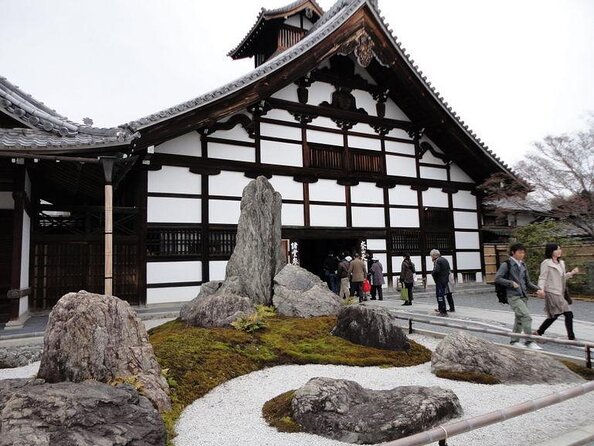
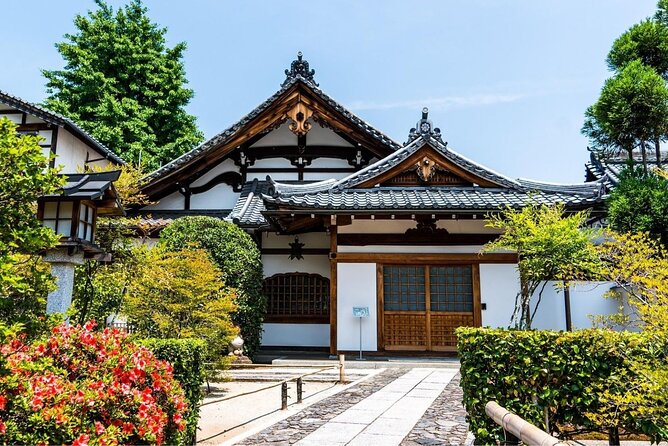
Tenryu-ji is the major name on the route. It is a UNESCO World Heritage site and one of Kyoto’s five great Zen temples. Its garden is the main attraction, with a pond, carefully arranged plants, and mountain scenery beyond.
This is the temple to choose if you want a classic introduction to Zen temple design and Japanese Buddhism. It is also one of the busier stops, so your guide can help explain what you are seeing rather than letting the visit become a quick walk through a famous name.
Jojakko-ji
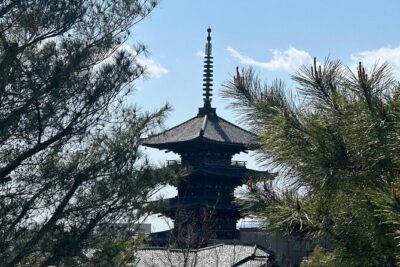
Jojakko-ji sits on the slopes of Ogura Mountain and feels more tucked away than Tenryu-ji. Its moss gardens are a special draw, and a 12-meter pagoda gives you wide views across Arashiyama.
The climb and uneven surfaces may be tiring, but the higher position gives the temple its appeal. Ask your host to include it if you want greenery, hill views, and a quieter setting.
Gio-ji
Gio-ji is known for its moss-covered grounds and intimate temple setting. It is a good choice for visitors who prefer small, atmospheric places to grand temple compounds.
The appeal here is subtle. You will not come for a huge gate or a long list of buildings. You come to notice the texture of the moss, the shade, and the close relationship between the garden and the surrounding trees.
Otagi Nenbutsu-ji
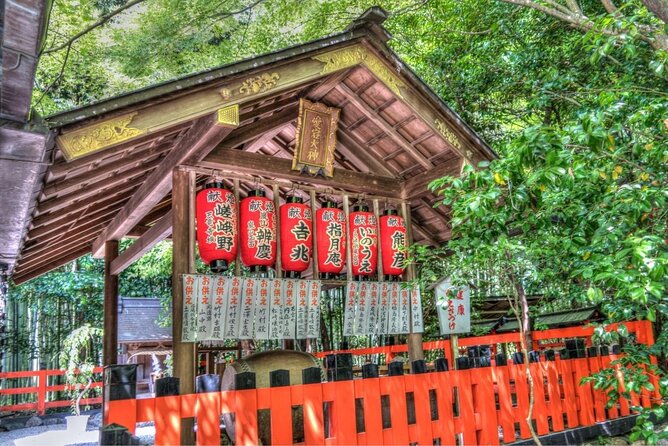
Otagi Nenbutsu-ji is the quirky stop. More than 1,200 stone rakan statues fill the grounds, each with a different face and expression. Some look cheerful, some stern, and some downright odd.
This temple works especially well for families and teenagers because it feels playful without being a theme park. It is also a smart choice if you have already seen several formal temples and want something visually different.
Daikaku-ji
Daikaku-ji began as an imperial villa before becoming a temple. Its ponds and grounds connect with Kyoto’s courtly past, and the area is linked with The Tale of Genji, often described as Japan’s first novel.
Choose this stop if you enjoy literature, imperial history, and quiet garden views. It can feel less immediate than the statue-filled Otagi Nenbutsu-ji, but it rewards a slower visit and good explanation from your host.
Monkey Park Iwatayama is the workout stop
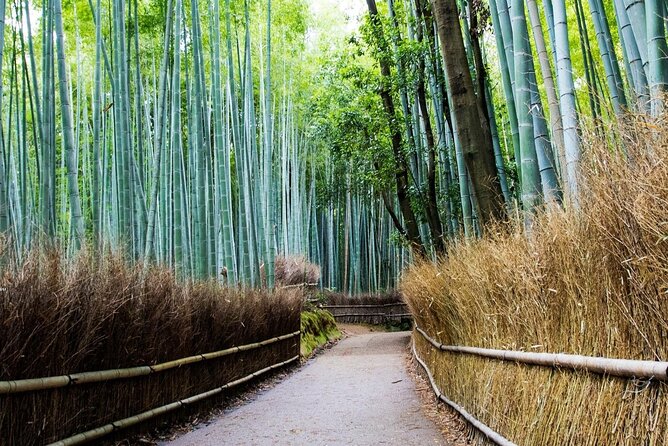
Monkey Park Iwatayama is included, but you should treat it as a hike, not a quick attraction. The path climbs steeply up the hillside, and the effort is significant. One family described it as similar to walking up a 40-story building, which is a useful warning.
At the top, Japanese macaques move freely in their natural setting. The park also gives you broad views over Kyoto. Your guide can explain how to behave around the animals and help keep the visit respectful.
Children and teenagers often enjoy this part most because it feels active and unusual. Guides have spent extra time here when young children were especially interested. Still, the climb may not suit every group. If you have an injury, limited stamina, or trouble with steep paths, tell your host in advance. Hide helped one visitor with a sprained ankle, and Milos adjusted the walking pace for an older participant, but this remains a demanding outing.
What the guides add to the day
The quality of this tour depends heavily on the individual host. City Unscripted uses different guides, so you are not buying one fixed personality or one identical script.
Alex has been especially effective with families and teenagers, keeping children interested while explaining local culture. Brenda has adapted days around young children and tight schedules. Dairyn has helped families find vegetarian food and made the most of limited time.
Shingo has taken visitors first to Adashino Temple, where they encountered a less crowded bamboo setting and met the founder’s grandson. That kind of route is exactly why the private format can be useful: you are not locked into the most obvious order of stops.
Guides have also changed plans for heavy rain, added markets, suggested ramen, found cracker shops, and shared ideas for the rest of a Kyoto stay. You should be clear about what you want. Say if you need regular breaks, want fewer temples, prefer local food, or hope to avoid the busiest paths.
There is one caution. The host experience can vary. One participant felt the attractions were excellent but the guide lacked enough subject knowledge. Another booking suffered from a guide no-show caused by an office mix-up. Those problems appear uncommon beside the strong overall rating of 4.7 from 45 ratings and a 93 percent recommendation rate, but they are worth keeping in mind when you pay for a private day.
Walking, transport, and the practical load
The tour lasts about six hours and is mainly on foot. Public transport or local taxis may be used between sites, but those costs are extra and should be discussed with your host. A private vehicle is not included, and bicycle rental is not included either.
Wear shoes you trust. The route can include temple steps, sloping paths, crowded streets, and the steep Monkey Park climb. The walking is part of the appeal because you see neighborhood lanes and small shrines that are easy to miss from a vehicle. It is also the main reason this tour may not suit anyone seeking a relaxed, seated sightseeing day.
Food and drinks are not included. Your guide may suggest lunch or take you to a good ramen place, but plan to pay separately. You can also ask for a market or snack stop if food is one of your interests.
The private setup is useful for families. Guides have adjusted the pace for young children, engaged teenagers, supported a child with autism, and helped with photo-taking. Most people can participate, and service animals are allowed, but you should discuss mobility needs before booking.
Who should book this Arashiyama tour?
I would consider this tour if you have only one full day in Kyoto and want to combine nature, temples, animals, and local guidance. It is also a good fit if you dislike fixed group schedules or want a guide who can explain what you are seeing in clear English.
Families are a strong match, especially if children need variety. The bamboo grove alone may not hold a child’s attention for long, but monkeys, unusual statues, gardens, markets, and food stops give the day several different beats.
It also suits repeat visitors who have already seen central Kyoto. Ask for Jojakko-ji, Otagi Nenbutsu-ji, Daikaku-ji, or Adashino Temple rather than filling the day with only the headline sights.
I would think twice if you want to keep costs low, avoid hills, or prefer complete independence. You pay for planning and human guidance, not just entrance tickets. The ticket value is useful, but the private format is the real product.
Should you book it?
Book this Arashiyama tour if you want a flexible day with a local host and are ready to walk. The strongest reasons are the custom route, included admissions, family-friendly approach, and chance to combine the bamboo grove with places such as Otagi Nenbutsu-ji, Jojakko-ji, Okochi Sanso Villa, and Monkey Park.
Before paying, send clear priorities and ask about pickup, the four temple choices, transport costs, and the amount of climbing. Request an early start if the bamboo grove matters most. If your group can handle the hills and the price fits your budget, this is a practical way to see much of Arashiyama without spending the day solving the logistics yourself.
FAQ
How long does the Arashiyama tour last?
The tour lasts approximately six hours.
Where does the tour start?
The stated meeting point is Mister Donut at the JR Kyoto Station Building, 901 Higashishiokōjichō, Shimogyo Ward, Kyoto.
Where does the tour end?
The activity ends back at the meeting point.
Is hotel pickup available?
Pickup is offered, and some guides have met participants at their hotels. Confirm the exact pickup arrangement with your host after booking.
Which temple tickets are included?
Admission is included for four of these five temples: Tenryu-ji, Jojakko-ji, Gio-ji, Otagi Nenbutsu-ji, and Daikaku-ji.
Are Okochi Sanso Villa and Monkey Park included?
Yes. Admission to Okochi Sanso Villa and Monkey Park Iwatayama is included.
Is transportation included?
No. The tour is mainly a walking experience. Public transport or local taxis may be used, but those costs are additional.
Are food and drinks included?
No. Food and drinks are not included, although your host may suggest restaurants, markets, or snack stops.
Can the tour be changed for children or special needs?
The itinerary can be personalized through a pre-tour questionnaire and discussion with your host. Guides have adjusted routes for children, teenagers, rain, injuries, autism, and different walking paces.
Just added around Kyoto
- Sekka Cotton Furoshiki Class★ 5.0 · 19 reviews
- Kyoto Sword Experience – includes Museum Ticket/Ninja Experience★ 4.5 · 149 reviews
- Scenic Green Tea Fields of Hidden Kyoto & Local Tea Exp (Private)★ 5.0 · 32 reviews
- Secret Eastern Kyoto Biking Adventure★ 5.0 · 44 reviews
- Private Sake Tasting in Central Kyoto with Sake Sommelier★ 5.0 · 32 reviews
- Samurai School in Kyoto: Samurai for a Day★ 5.0 · 202 reviews
- Samurai Performance and Casual Experience: Kyoto Ticket★ 4.5 · 115 reviews
- SHIRAKAWA Japanese Culture Experiences with private English staff★ 5.0 · 16 reviews
Custom Private Tours in Kyoto, compared.
Arashiyama Customized Rickshaw Tour & Bamboo Forest
Our verdict →
Private Customized Walking Tour with a Local Insider
Our verdict →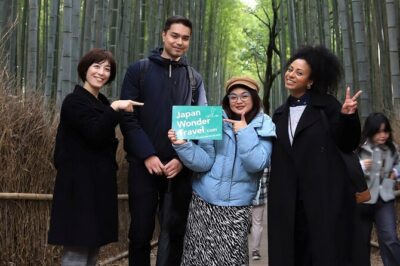
Kyoto Customized Private Tour: See Top Attractions in 1 Day
Our verdict →
Kyoto Private Food Tours with a Local Foodie: 100% Personalized
Our verdict →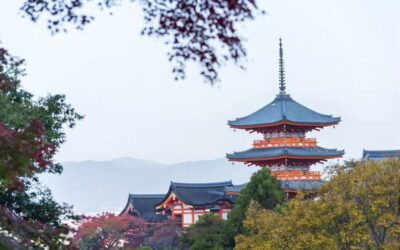
Browse the lists this tour appears in