
Reviewed · TRADITIONAL CRAFTS
Fukuoka: Hakata Doll Painting Experience
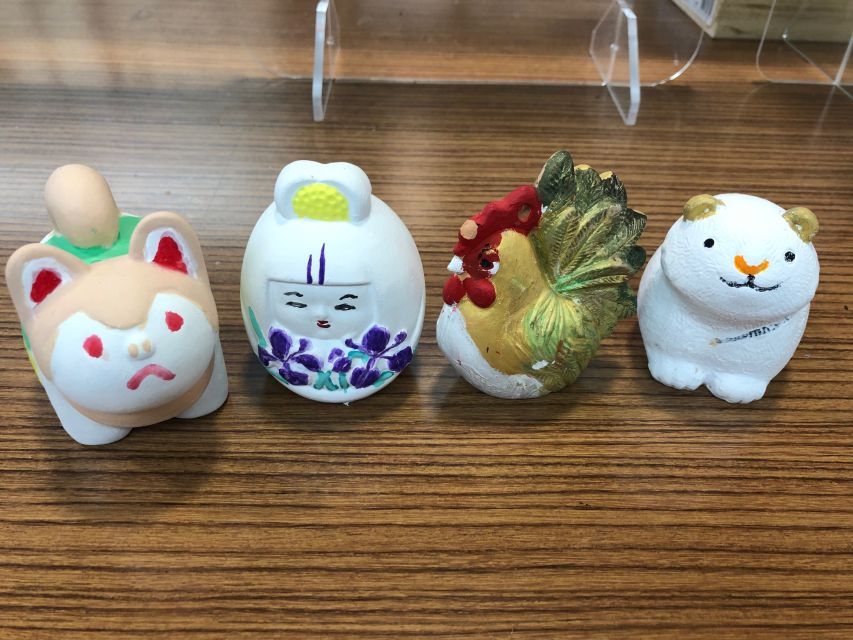
Hakata Doll painting gives you a hands-on way to meet one of Fukuoka’s oldest local arts. Instead of buying a finished souvenir, you spend 90 minutes creating your own version at a respected Hakata Doll shop, with materials included and a teacher on hand.
I like two things right away: the finished doll has real personal value, and the quiet painting session makes a good break from sightseeing. It also works well on a rainy morning. The main catch is that the instruction is in Japanese, and certain doll designs may require an extra payment.
Key Points
- A 400-year-old Fukuoka craft: Hakata Doll making has a long local tradition and gives your souvenir a clear connection to Kyushu.
- A personal keepsake: You paint one figure yourself, so no two finished dolls need to look alike.
- A calm 90-minute activity: The workshop suits a slow morning, a family outing, or anyone who likes art and crafts.
- Japanese-led instruction: The teacher speaks Japanese, though written English instructions may be available.
- Small group setting: Places are limited to 10 participants, which keeps the table from feeling crowded.
- Check the figure price: Painting materials and the workshop are included, but some figures, including a standing woman design, may cost extra.
Why Hakata Dolls Matter in Fukuoka
Hakata Dolls are a local art form with about 400 years of history. These unglazed clay figures are known for their detailed shapes and painted surfaces, and they are closely linked with Hakata, the traditional heart of Fukuoka.
That background gives the workshop more weight than a generic craft class. You are not simply painting a blank object made for tourists. You are working with a form that belongs to the city and has been part of its artistic life for centuries.
The experience takes place at one of the most famous Hakata Doll shops in Hakata. The exact shop name and the teacher’s name are not provided in the booking details, so I would not expect a formal historical tour or a long lecture. The focus is practical: choose a figure, paint it, and leave with your work.
That suits me. A short introduction to local art can be useful, but the best part here is getting your hands busy. You see the shapes up close, notice the fine details, and make choices that turn a traditional figure into a personal souvenir.
More Craft Workshops in Fukuoka:
- Tokyo Sumo Experience: Chanko & Mochi with a Former Pro
★ 4.8 · 567 reviews - Kintsugi Experience: Art of Golden Joinery in Tokyo
★ 5.0 · 467 reviews - Tokyo Chopstick Making Workshop with Artisan
★ 5.0 · 466 reviews
Your First Minutes at the Hakata Doll Shop
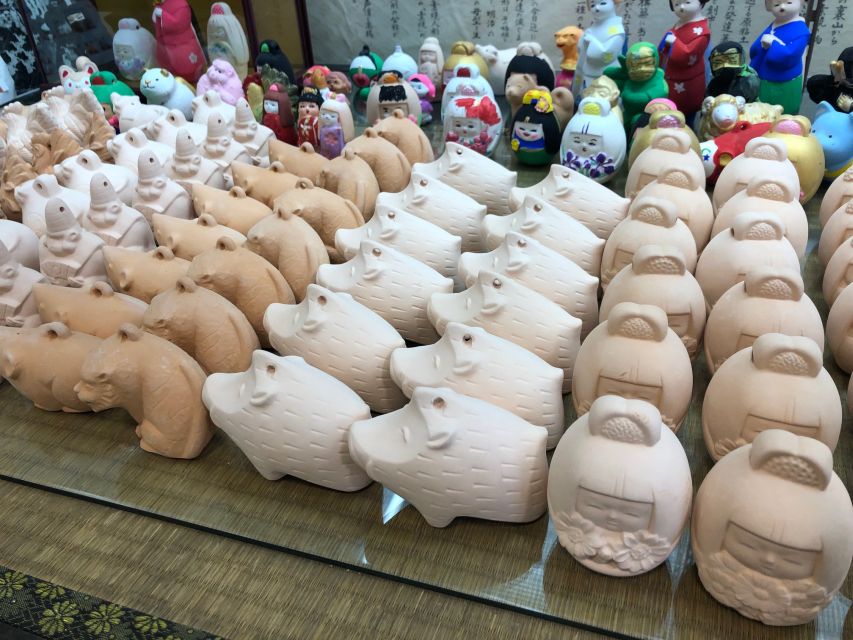
The full activity lasts 90 minutes. The available starting times depend on the date you choose, so check the schedule before building the class into a tight sightseeing plan.
At the shop, you should expect a small-group activity with no more than 10 participants. That limit matters. Painting needs table space, and a very large class would make it harder to concentrate or ask for help. A group of this size should feel more manageable, though the amount of individual instruction can still depend on how many people need assistance at the same time.
You will work with the supplied materials and select a doll to paint. One practical point deserves attention before you begin: the basic cost does not necessarily cover every possible figure. One participant found that a standing woman design required an additional charge. Ask about the price of your chosen figure before you start, especially if you have your heart set on a particular pose.
The booking price is about $24 per person. That includes the material fee and the experience fee, which makes it a fair price for a 90-minute creative activity and a souvenir. It is less attractive if you regard the doll as just a small trinket, or if your preferred design brings an extra charge. The value rests in the time, the local craft, and the fact that you make the piece yourself.
Painting a Doll in Your Own Style
The painting itself is the heart of the session. You sit at a table and work on the figure you selected. The activity is not described as a full professional lesson, so set your expectations correctly. This is guided craft time, not a detailed apprenticeship in Hakata Doll production.
That can be a benefit. You have room to make the doll your own rather than copying a strict model. You might choose simple colors and clean patterns, or try to add more detail if you already enjoy painting. The finished piece will carry the marks of your hand, which is exactly why it makes a better personal souvenir than a mass-produced item.
The supplied paint was praised as high quality by one painter, while the soft bristles of the brushes were less popular. If you are used to firm art brushes, the tools may take a little adjustment. You may find it easier to use light pressure and build color in careful strokes rather than trying to force a sharp line.
Do not worry about producing museum-quality work. The point is not technical perfection. The point is to spend time with a local art form and create something that reminds you of Fukuoka. Small uneven lines can make the doll feel more personal, not less successful.
The pace is also part of the appeal. This is a peaceful activity, especially useful after several busy days of temples, shopping, trains, and city streets. A drizzly morning is a particularly good match for an indoor painting class. You can slow down, focus on the figure in front of you, and leave with a tangible memory.
Japanese Instruction and English Help
The official language for the workshop is Japanese. You need to tell the provider at booking time whether you speak Japanese and give a mobile phone number that works in Japan.
That language point should guide your decision. If you speak Japanese, you can ask more questions and may get a fuller explanation of the craft. If you do not, the class may still work well, but you should be comfortable learning through demonstration, simple instructions, and the painting process itself.
There is some encouraging flexibility. One recent participant found the basic instructions straightforward and available in written English. Another said that simple guidance was available in English. At the same time, the service is not sold as an English-guided tour, and no English guide is included.
I would treat written English as possible help, not a promise of full translation. Tell the provider your language situation before arrival. Keep your phone available in Japan in case the shop needs to contact you. A translation app could also be useful, but that is your own backup rather than part of the paid activity.
The instructor is Japanese-speaking, and the class is likely to be easiest for people who are happy with a relaxed, visual activity. You do not need to understand a long explanation to paint a figure. You may need more patience if you want detailed information about technique or the history of each design.
A few more Fukuoka half-days worth comparing
- Private Fukuoka Tour with a Local, Highlights & Hidden Gems 100% Personalised
★ 5.0 · 143 reviews - Fukuoka Your Way: 100% Customisable Private Tour with Local Guide
★ 5.0 · 83 reviews - November Sumo Tournament tour in Fukuoka (Tickets Included)
★ 4.5 · 76 reviews - Fukuoka Full-Day Private Tour with Government Licensed Guide
★ 5.0 · 55 reviews
What the Souvenir Adds to the Price
A finished Hakata Doll from a shop can be a lovely purchase, but painting one yourself changes the meaning of the object. You remember the quiet period at the table, the colors you chose, and the small decisions that shaped the result.
That is why I think the $24 price works best for people who enjoy making things. You are paying for the workshop as well as the object. Materials and the experience fee are included, so you do not need to assemble your own supplies or arrange a separate craft class.
The price becomes less convincing if you want a large, highly detailed figure or expect expert-level instruction. The extra charge for some designs is also worth checking before you commit. One participant felt that the painting fee was already fairly high and was disappointed that a preferred standing female figure cost more.
You may also be tempted to buy an unpainted figure to take home. That option was available at a higher price than the painted figures in one case, so do not assume that buying a blank doll will be the cheaper choice. If you want an additional piece, ask about the total cost at the shop.
Still, the handmade result is the main point. A shop-bought doll may be more polished, but your painted version carries a story that a ready-made souvenir cannot.
A Good Activity for Families and Art Lovers
This workshop fits people who like painting, crafts, and quiet cultural activities. It can also work well for a parent and child, as long as the child can stay engaged at a table for 90 minutes.
The activity has no stated age minimum, so I would ask the provider if you are booking for a very young child. The supplied figures and brushes may be easier for older children and adults, while younger children could need close help from a parent.
Couples and friends can enjoy the contrast between making separate dolls side by side. You can compare color choices at the end, and each person leaves with a different result. It is also a good solo activity if you like having a quiet project during a trip.
The class may be less suitable for someone who wants constant instruction, a fluent English guide, or a detailed tour of the shop. It is also not the best choice if you prefer to spend every minute sightseeing outdoors. The value comes from slowing down, not from covering a long list of attractions.
Because the group is limited to 10 people and the site is wheelchair accessible, the setup should suit many visitors. Accessibility details inside the shop are not provided, so anyone with specific mobility needs should confirm the exact arrangements before booking.
Planning the 90-Minute Visit
Allow the full 90 minutes rather than treating the activity as a quick stop. You need time to settle in, choose a figure, paint, and finish the piece. If you are arranging lunch, a train, or another timed tour afterward, leave extra breathing room.
The class can fit nicely into a morning plan. The painting gives you a calm start, and you can spend the rest of the day exploring Fukuoka with your new souvenir packed carefully away. It also works as a rainy-day replacement for outdoor sightseeing.
You should provide a Japanese-accessible mobile phone number when you reserve. Also tell the provider if you speak Japanese. These details may seem minor, but they help the shop prepare for the language needs of the group.
Cancellation is free up to 24 hours before the activity for a full refund. You can also reserve now and pay later, which helps if your Fukuoka schedule is still changing. Check the available starting times before booking, since the 90-minute duration and the shop’s schedule need to fit your day.
What I Like, and What I Would Watch
The strongest part is the combination of local identity and personal work. Hakata Doll is not an invented theme attached to a standard craft session. It belongs to Fukuoka, and the long tradition gives your small painted figure a useful sense of place.
I also like the peaceful pace. A painting class forces you to stop checking the clock every few minutes. The activity is simple enough for a beginner, but it gives an experienced painter room to make more careful choices. High-quality paint adds to the pleasure, while the soft brushes may frustrate someone who prefers firmer tools.
The language issue is the clearest limitation. Some English written guidance or simple help may be available, but the instructor is Japanese-speaking and there is no English guide included. Book it as a visual craft experience, not as an English history lesson.
Finally, confirm the cost of the figure you want. The listed price covers materials and the experience, but special designs may cost more. That small check can prevent an unpleasant surprise at the shop.
Should You Book the Hakata Doll Painting Experience?
Book this if you want a quiet, local activity and like the idea of making a souvenir instead of simply buying one. It is especially well suited to art lovers, couples, families with older children, and anyone looking for an indoor plan in Fukuoka.
I would skip it if you need fluent English instruction, want a formal tour of Hakata Doll making, or dislike craft activities that leave the final result in your own hands. You should also ask about figure surcharges before choosing a design.
For about $24, the class offers a 90-minute connection with a Fukuoka art form, supplies, a small group, and a doll that no shop shelf can exactly duplicate. Go with modest expectations about instruction and a willingness to experiment, and it becomes a thoughtful, personal stop in Hakata.
FAQ
How long does the Hakata Doll painting experience last?
The activity lasts 90 minutes.
How much does the experience cost?
The listed price is $24 per person. Materials and the experience fee are included, though some doll designs may require an additional charge.
Is the activity guided in English?
No English guide is included. The instructor speaks Japanese. Written English instructions or simple English help may be available, but you should tell the provider your language situation when booking.
How many people can join the class?
The activity is a small-group experience limited to 10 participants.
Is the workshop wheelchair accessible?
Yes, the activity is listed as wheelchair accessible.
Can I cancel for a full refund?
Yes. You can cancel up to 24 hours in advance for a full refund.
Just added around Fukuoka
- Fukuoka Sumo Tournament November 2025 with a Sumo Expert Guide★ 5.0 · 21 reviews
- Dazaifu and Yanagawa Canal Cruise Private Guide Day Tour by Train★ 5.0 · 13 reviews
- Fukuoka Group/Private Tour by Local Professionals!★ 5.0 · 15 reviews
- Hakata Old Town Walking Tour Tracing the True History of Fukuoka★ 5.0 · 17 reviews
- Colors of Japan, Fukuoka Nokonoshima Island Park & Wagyu BBQ★ 5.0 · 15 reviews
- Bike Tour in Fukuoka City【Bike is Life】Fukuoka ” Hakata ” Ride★ 4.5 · 18 reviews
- Fukuoka Private Tour: Heart and Tradition of Hakata★ 5.0 · 19 reviews
- Fukuoka’s Sacred Path: Temples, History & Culture★ 5.0 · 17 reviews
Traditional Crafts, compared.
Tokyo Sumo Experience: Chanko & Mochi with a Former Pro
Our verdict →
Kintsugi Experience: Art of Golden Joinery in Tokyo
Our verdict →

Matcha Making Experience with Mochi Sweets in Asakusa
Our verdict →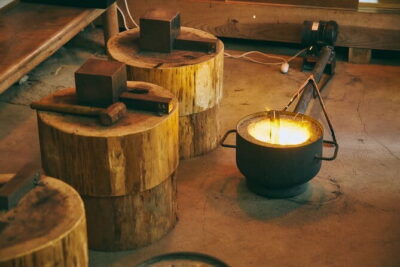
Authentic knife making experience at a blacksmith in Kyoto
Our verdict →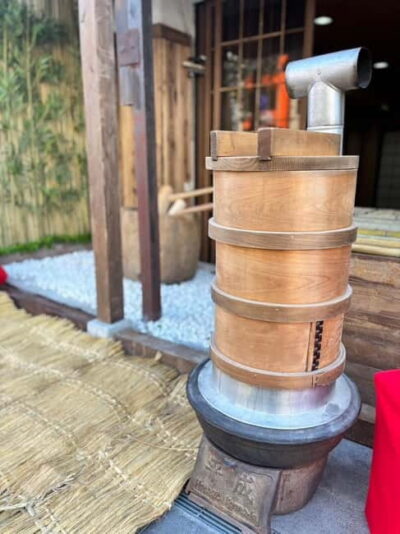
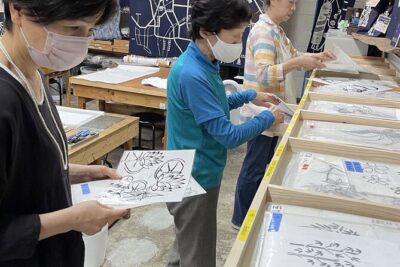
Roketsu dyeing experience: M course Roketsu Dyeing Experience
Our verdict →Browse the lists this tour appears in