
Reviewed · NARA TOURS
Single- & multi-day Adventures within Kyoto Nara Osaka Kobe
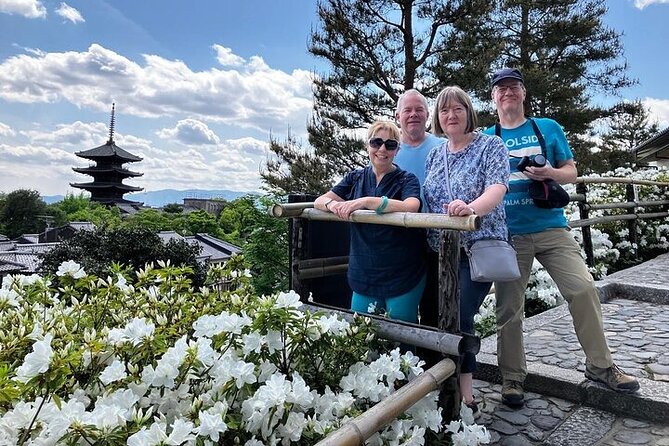
This is a private car tour across Kansai, built for families and small groups who want to connect Kyoto, Nara, Osaka, and Kobe without shifting luggage onto trains or working out every transfer. You can choose one to four days, adjust the route, and arrange pickup or drop-off at hotels, airports, and other agreed locations.
I like the door-to-door transport and the fact that the vehicle has Wi-Fi and 100V charging. I also like the freedom to mix major sights with local districts, such as Naramachi, Hozenji Yokocho, Nada’s sake breweries, or the fishing village of Ine. The main caution is scale: the advertised list is enormous, so you must agree on a realistic plan rather than expect to see every stop.
Key points to know before booking
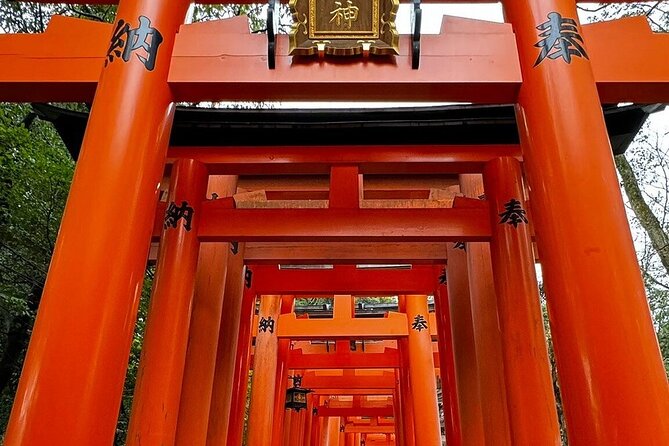
- Private transport for up to eight people: Your group does not share the vehicle with strangers.
- Four cities in one flexible program: Kyoto, Nara, Osaka, and Kobe can be combined across one to four days.
- Kevin and Chi may help shape the route: A previous booking praised their frequent communication and willingness to improve an ambitious Kyoto, Uji, and Nara day.
- Wi-Fi and charging are included: Useful for families, navigation, photos, and long drives between cities.
- Admissions cost extra: Temples, castles, museums, boat rides, observatories, and other ticketed sights are not included.
- The schedule needs discipline: Many listed stops are options, not a practical single-day itinerary.
A private Kansai tour built around your group
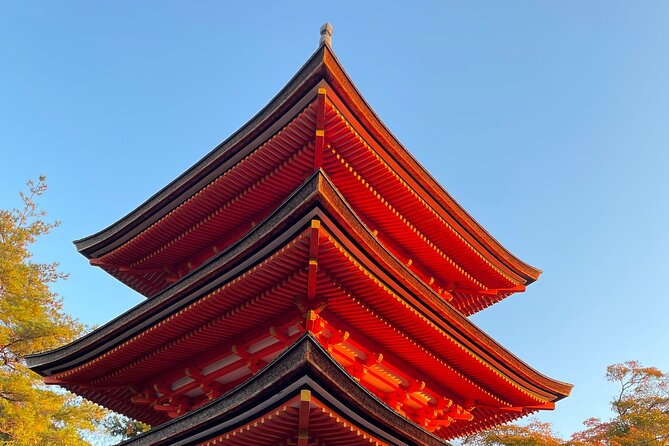
The clever part of this experience is not the number of places listed. It is the ability to use one vehicle as a base while you cross a large part of the Kansai region.
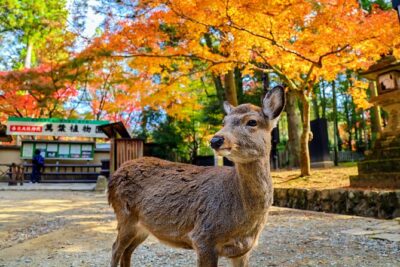
Kyoto, Nara, Osaka, and Kobe are close enough to combine, but each has a different feel. Kyoto is temple-filled and traditional. Nara gives you major Buddhist monuments and free-roaming deer. Osaka is about food, shopping, and city energy. Kobe adds port views, foreign settlement architecture, sake, hot springs, and mountain scenery.
Public transportation works well in these cities, but it can become tiring when you are carrying bags, traveling with children, or trying to reach places outside the rail network. A private vehicle is especially useful for Amanohashidate, Ine, Kyotango, Mount Rokko, Arima Onsen, and other outlying spots.
The tradeoff is that a car does not remove traffic or distance. A long Kyoto to Kobe day can still be tiring, and city-center driving may be slower than a train. Your best experience will come from choosing a clear theme for each day instead of trying to collect every famous name.
A few more Nara half-days worth comparing
- World Heritage Kyoto & Nara Uji Authentic Matcha Experience
★ 5.0 · 1,573 reviews - Kyoto/Osaka: Nara, Fushimi Inari Taisha, Arashiyama Bus Tour
★ 4.7 · 1,275 reviews - Nara Half Day Trip Walking Tour (Private Option Available)
★ 5.0 · 937 reviews
How the four-day plan works
The experience is offered for one to four days, so the four-day schedule should be read as a broad menu of possible routes. The listed stops cannot realistically all fit into four ordinary sightseeing days at the stated visit lengths, especially once driving, meals, traffic, and opening hours are added.
That flexibility is useful, but it puts some planning work on you. Before setting off, ask for a day-by-day plan with the main sights, estimated driving time, admission costs, and the stops that will be dropped if the day runs late.
A one-day booking can include pickup in one city and drop-off in another. That makes this useful at the beginning or end of a Kansai stay, especially if you want to turn a transfer into a sightseeing day. Airport transfers can also be booked privately.
Kyoto’s classic sights, from Arashiyama to Fushimi Inari
Kyoto has enough major sights for several days, and the proposed Kyoto choices cover both famous landmarks and quieter cultural stops.
Arashiyama is a natural starting point for the western side of the city, with its famous bamboo area, river setting, and nearby temples. Two hours gives you time to see the main district, but it will not allow a leisurely visit to every corner. Crowds can affect how much ground you cover.
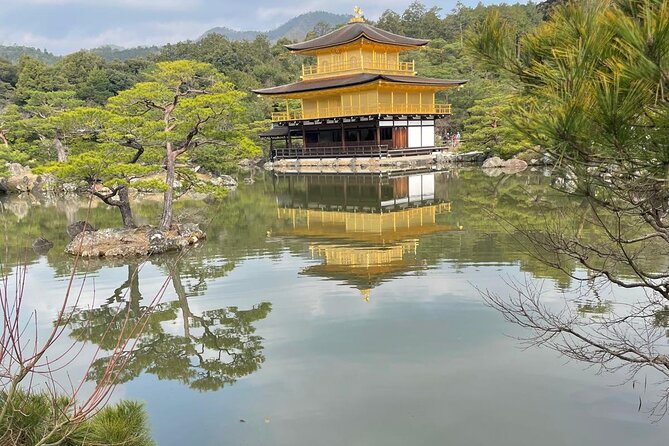
Kinkakuji, the Golden Pavilion, is usually a quick but memorable stop. The temple sits beside a pond and reflects the refined style associated with Ashikaga Yoshimitsu’s former retirement villa. Thirty minutes may be enough for the standard viewing path and photos, but not for a long temple visit.
Nijo Castle offers a different view of Kyoto. This former imperial villa is tied to the Tokugawa shoguns and major political changes in Japan. Allowing an hour gives you a reasonable introduction to the buildings and grounds.
The Kyoto Imperial Palace provides another look at the city’s courtly past. Its spacious grounds make a useful contrast with Kyoto’s tightly packed lanes and temple compounds. A one-hour visit is sensible, though you should check access arrangements for the date of your visit.
For food and everyday atmosphere, Nishiki Market is a strong choice. The narrow, five-block shopping street is known as Kyoto’s kitchen, with food shops and small restaurants. Forty-five minutes is enough to sample the feel of the market, but you may want extra time if you plan to eat.
The eastern side of Kyoto brings Ginkakuji, Nanzenji, Gion, and Sanjusangendo. Ginkakuji, the Silver Pavilion, is known for its temple grounds and carefully shaped garden rather than a silver exterior. Nanzenji has a broad temple setting near the eastern mountains and is a good counterpoint to the more crowded headline sights.
Gion is Kyoto’s best-known geisha district, with traditional lanes and Yasaka Shrine nearby. Treat it as a historic neighborhood, not a stage show. You may see geisha or maiko, but there is no promise of that, and respectful behavior is essential.
Sanjusangendo is especially worthwhile if you enjoy religious art. Its hall is famous for 1,001 statues of Kannon. The planned hour gives this stop more breathing room than the short Kinkakuji visit.
Fushimi Inari-taisha is one of Kyoto’s most recognizable shrines, known for its long runs of torii gates. Thirty minutes only allows a brief taste of the approach. If walking through the gates is a priority, tell the guide in advance and give this stop more time.
Northern Kyoto, where the pace changes
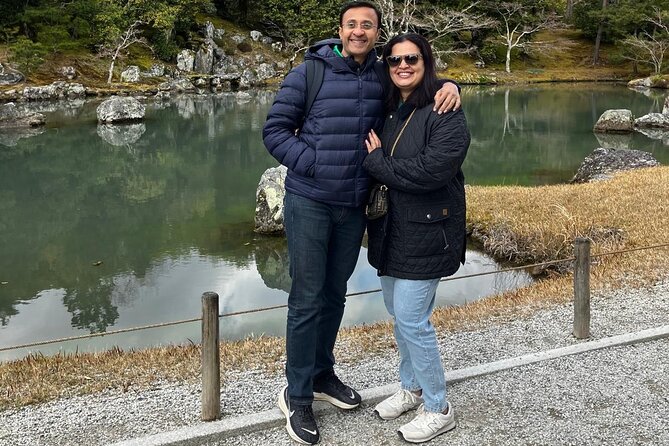
The northern options are much farther from central Kyoto and should usually form their own day.
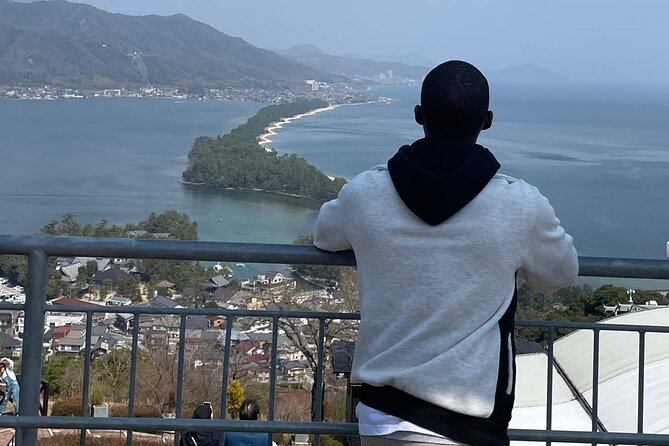
Amanohashidate is a pine-covered sandbar crossing Miyazu Bay, known as one of Japan’s scenic views. Two hours gives you time to enjoy the setting, but the visit becomes more worthwhile if you decide in advance whether you want viewpoints, a walk, or a relaxed look at the bay.
Nearby Ine no Funaya is a fishing village known for its distinctive boat houses lining the water. The architecture is the main reason to come, and the hour-long stop offers a quick introduction. The village feels very different from central Kyoto, which is exactly its appeal.
The plan also lists Kyotango, with beaches such as Shotenkyo and Kotohiki-hama, known as the singing sand beach, plus the Amanohashidate Winery. These are better for a slower day than for a rushed checklist. The winery and beach visits are listed as free admission, but that does not necessarily cover food, drinks, or optional purchases.
The Hozugawa River boat ride endpoint is another special-interest option. It is an active river outing rather than a simple photo stop, so check the exact operating arrangements and allow enough time. It should not be squeezed between several major temples.
Same trip, a completely different kind of day:
- Osaka/Kyoto: Arashiyama, Nara & Fushimi Inari Shrine w/Lunch
★ 4.4 · 754 reviews - Nara Early Morning Tour (Kyoto or Osaka Departure Available)
★ 5.0 · 676 reviews - Kyoto and Nara Day Trip from Kyoto
★ 4.5 · 445 reviews - Full Day Guided Tour to Kyoto and Nara from Osaka by Van
★ 5.0 · 420 reviews
Osaka, from castle history to street food
Osaka works best when you let the city’s food culture and neighborhoods lead the day.
Osaka Castle is the city’s major landmark. An hour lets you see the grounds and main structure, though the castle museum and interior require more time if you want a thorough visit. Admission is extra.
The Cup Noodles Museum Osaka Ikeda offers a lighter, hands-on stop centered on instant ramen and the work of Momofuku Ando. It is a good choice for families and anyone interested in modern Japanese food culture. The one-hour plan keeps it manageable.
For open air and greenery, Minoo Park offers a change from central Osaka. Two hours allows a short walk and a visit to Ryuanji Temple, but this is not a quick curbside attraction. Wear comfortable shoes if you want to make the most of it.
The city’s older entertainment side appears in Shinsekai, with the Tsutenkaku Tower area and its prewar-inspired character. Then come Kuromon Market, Sennichimae Doguyasuji, Hozenji Yokocho, Dotonbori, and Shinsaibashi-suji.
These districts work well together geographically, but not every one needs a full formal stop. Kuromon is known for seafood, meat, and produce. Doguyasuji focuses on kitchen goods and restaurant supplies. Hozenji Yokocho is a narrow lane with lanterns, cobbles, and a small Buddhist temple. Dotonbori brings neon, canal views, street food, and the famous Glico sign. Shinsaibashi-suji is a long covered shopping arcade.
I would choose two or three of these areas and explore them on foot, rather than race through all five. Sumiyoshi Taisha adds an older religious setting, with a shrine architecture style that predates Buddhism in Japan. Tempozan Harbor Village is another separate outing, home to the Kaiyukan aquarium and other attractions, with tickets extra.
The more unusual Osaka choices include Hoshi no Buranko Bridge, the Asahi Beer Museum, and Tondabayashi Jinaimachi. Hoshi no Buranko is a high suspension bridge with seasonal views. The beer museum offers tastings and brewery-related exhibits, while Tondabayashi preserves traditional townhouses from the Edo period through the early Showa period. These options suit repeat visitors or groups with specific interests.
Nara’s deer, temples, and old merchant lanes
Nara is an excellent partner for Kyoto because it provides a different kind of historic setting.
At Nara Park, deer roam freely among temple grounds and broad open spaces. The visit is listed at one hour, but you will need to manage your expectations. The park covers a large area, and the deer, temples, and walking routes are spread out.
Todai-ji Temple is the major draw, with its huge bronze Buddha and enormous wooden main hall. Admission is extra, and one hour gives you a focused visit rather than time for every building in the complex.
Nearby Kofukuji, Kasuga Grand Shrine, and Isuien Garden create a strong cultural day. Kasuga is known for stone and bronze lanterns along its approaches and around the shrine buildings. Isuien offers a quieter garden setting with a pond and teahouse.
For a taste of old Nara, choose Naramachi, where traditional merchant houses line small lanes. The half-hour plan is brief but useful. Higashimuki Shopping Street adds restaurants, shops, and the famous mochi-pounding shop at Nakatanidou.
The plan also includes Uji, south of Kyoto, known for Japanese tea and a calmer setting. Uji pairs naturally with Kyoto or Nara, but adding it to an already full day will make the schedule tight. The private car gives you the option to make that connection without changing trains, but you still need to allow for distance.
Kobe, sake, mountains, and the port
Kobe offers the widest change of mood in the program.
The Nada sake district is a natural choice for adults interested in Japanese brewing. High-quality rice, water, and local conditions helped make this area famous. Kobe Shushinkan has a shop, restaurant, and a free guided warehouse tour held once daily, but admission or tasting arrangements should be confirmed before you go.
The Port of Kobe Earthquake Memorial Park gives the city a serious and human side. It recalls the Great Hanshin Awaji Earthquake of January 17, 1995, which killed more than 5,000 people and destroyed many homes. I would not treat this as just another photo stop. It adds needed context to Kobe’s modern identity.
Kitano Ijinkan-gai shows the former homes of foreign merchants and diplomats who settled in Kobe after the port opened to international trade. Nankinmachi Chinatown and Kobe Harborland provide food, shopping, and port-side city views.
The inland choices are just as appealing. Mount Rokko, the Rokko Garden Terrace, and the Rokko-Shidare Observatory offer views toward Osaka Bay. The observatory’s tree-like structure is part of its appeal, but tickets are extra.
Arima Onsen is one of Japan’s oldest hot spring resorts. The planned hour may work for a footbath or a short visit, but a full bathing experience needs more time and preparation. If relaxation is your main goal, build the day around Arima rather than adding it at the end.
The route also lists Himeji Castle and Koko-en Garden. Himeji, known as White Heron Castle, is among Japan’s most important surviving castles, while Koko-en provides a series of carefully designed garden areas nearby. These are excellent sights, but Himeji is not a minor detour from central Kobe. Give it its own substantial block of time.
Price, vehicle, and what you still pay for
The quoted price is $385 per group of up to eight people, not per person. That can be good value if you fill the vehicle, especially for a family or group that would otherwise buy several train tickets, taxis, and airport transfers.
For two people, the cost is harder to justify on transport alone. The value improves when you care about door-to-door pickup, want to combine cities, or need a route outside normal rail connections.
The price includes an air-conditioned vehicle, private transportation, Wi-Fi, 100V power for devices, and pickup and drop-off at agreed hotels, airports, or other locations. It does not include admission tickets, sightseeing tickets, or a restroom on board.
A rating of 4.8 from 16 ratings and a 94 percent recommendation rate suggests a generally strong experience, but the small sample means I would still read the terms carefully. One unhappy booking involved a disputed cancellation and a late pickup after an agreed 8:00 a.m. start. That is a useful warning: confirm the meeting time, cancellation terms, and route in writing.
Free cancellation is available up to 24 hours before the start time. Inside that window, the amount paid is not refunded, and changes are not accepted.
Who should book this private tour?
I would choose it for a family, multigenerational group, or party of friends that values convenience over the lowest possible transport cost. It is also a smart fit if you want to connect a hotel, airport, Kyoto, Osaka, and Kobe without managing every transfer yourself.
The strongest use is a focused custom day: Kyoto temples and Uji, Nara’s park and Todai-ji, Osaka food neighborhoods, or Kobe sake and port sights. The weakest use is trying to cover the entire menu in a single day.
The previous Kyoto, Uji, and Nara booking worked well because Kevin and Chi helped shape an ambitious plan around the group’s interests and stayed in frequent contact. That is the service’s real selling point. You should still arrive with priorities, because flexibility is most useful when you know what matters to you.
Should you book it?
Book this if you want private, flexible transportation and are traveling with enough people to share the $385 cost. It is especially useful for outlying sights, airport connections, and families who want fewer changes.
Skip it if you prefer slow independent sightseeing, plan to stay mainly in central Kyoto or Osaka, or are traveling as a couple on a tight budget. For the best result, choose three or four must-see stops per day, confirm admission costs, and ask for a realistic driving schedule before paying.
FAQ
How many people can join the private tour?
The vehicle is reserved for your personal group, with capacity for up to eight people.
How many days can I book?
You can choose a flexible itinerary lasting from one to four days.
Can the tour pick me up or drop me off at an airport?
Yes. Pickup and drop-off are offered at hotels, airports, and other agreed locations. A private airport transfer can also be booked.
Are attraction admission fees included?
No. Temple, castle, museum, boat ride, observatory, and other sightseeing tickets are not included unless a stop is specifically listed as free admission.
Is Wi-Fi available in the vehicle?
Yes. Wi-Fi is provided on board, and the vehicle has a 100V power supply for charging devices such as laptops and cameras.
What is the cancellation policy?
You can cancel at least 24 hours before the experience starts for a full refund. Cancellations or changes made within 24 hours are not accepted and are not refunded.
Just added around Nara
- Private Kyoto Tour by Car with Optional Nara or Osaka Add-Ons★ 5.0 · 36 reviews
- Kyoto, Osaka, Nara Private Tour by Car English Driver Guide★ 4.0 · 63 reviews
- Nara Todaiji Kasuga Taisha Private Full Day Tour From Kyoto★ 5.0 · 13 reviews
- From Kyoto: Nara History Guided Half Day Bus Tour with lunch★ 5.0 · 23 reviews
- Nara 8hr Private Tour – Kyoto DEP. with Licensed Guide★ 5.0 · 115 reviews
- Arashiyama & Nara Highlights: One-Day Private Tour Adventure★ 5.0 · 16 reviews
- Kyoto Private Car Tour – Full Day with Local Guide & Nara Option★ 5.0 · 169 reviews
- Kyoto & Nara Private Tour from Osaka Kyoto Hotel Pick-up★ 4.5 · 32 reviews
Nara Tours, compared.
World Heritage Kyoto & Nara Uji Authentic Matcha Experience
Our verdict →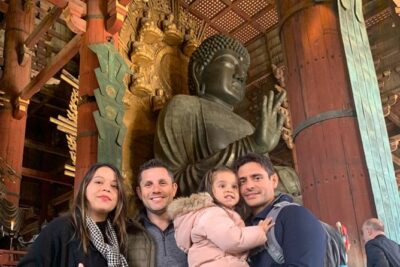
Nara Half Day Trip Walking Tour (Private Option Available)
Our verdict →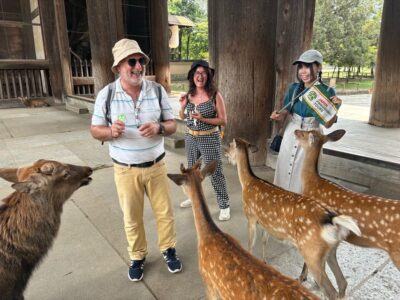
Nara and Uji Day Trip with Deer Park and Hot Spring
Our verdict →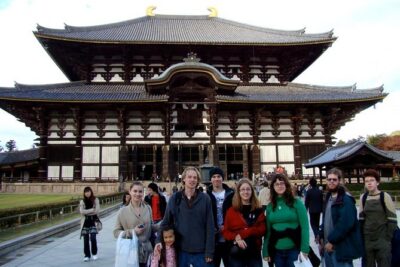
Nara 6hr Private Tour with Government-Licensed Guide
Our verdict →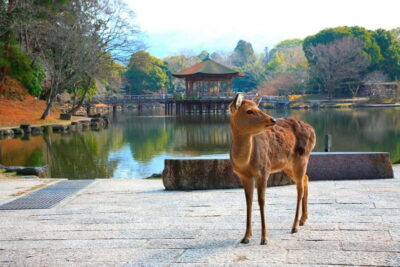
Browse the lists this tour appears in