
Reviewed · CUSTOM PRIVATE TOURS IN KYOTO
Kyoto Customized Private Tour: See Top Attractions in 1 Day
Kyoto is too spread out and too full of famous sights for a one-size-fits-all tour. This private outing lets you choose the pieces that matter most, from Fushimi Inari’s torii gates to the food stalls of Nishiki Market, with a guide adjusting the pace as you go.
I like the personal planning and the chance to pair major sights with places such as Pontocho, the Philosopher’s Path, or Ginkaku-ji. I also like the practical help. Guides including Kiyoto, Takuma, Toshi, Yuka, Mika, and Saeko have been praised for clear English, city navigation, family-friendly pacing, and useful restaurant advice.
The main caution is cost control. The $132.65 starting price does not cover entrance fees, public transport or taxis for you and your guide, or lunch. One poor experience also involved rushed sightseeing and an unclear return route, so agree on the plan and expenses before setting out.
Key points to know before booking
- You choose the route: Plan about two or three stops for a half-day and three or four for a full day.
- The big Kyoto sights are available: Kinkaku-ji, Fushimi Inari, Kiyomizu-dera, Nijo Castle, Gion, and Arashiyama can all be considered.
- Private means flexible: Your group travels alone with the guide, allowing changes for interests, weather, children, or mobility needs.
- Transport is extra: Entrance tickets, local transport, taxi fares, and lunch are not part of the listed price.
- Guides add the most value: Strong matches include Kiyoto for history and photographs, Takuma for context, and Saeko for adapting the day around mobility needs.
- Walking shoes matter: The tour runs rain or shine and includes a moderate amount of walking.
What this Kyoto tour really offers
This is not a fixed sightseeing circuit. At the start, you discuss what you want to see and shape the route with your guide. That matters in Kyoto, where a tempting list of ten sights can quickly turn into a day spent crossing the city instead of enjoying it.
For a half-day, the practical target is two or three stops. For a full day, three or four is more sensible. You can ask for a classic first look at Kyoto, a food-focused outing, a temple day, an architecture tour, or a mix of famous places and quieter corners.
The guides have different personalities and strengths. Kiyoto has been singled out for fluent English, historical detail, photography advice, and finding ways to avoid long lines. Takuma is a good fit if you want the background behind each shrine and temple. Toshi has handled busy eight-hour days with stops at Ryoan-ji, Kinkaku-ji, Nishiki Market, Fushimi Inari, and Gion.
You should not assume a particular guide unless you request one and receive confirmation. Still, it is worth noting a preference when booking. Families have valued Mika’s ability to keep a child involved, while Saeko adjusted a route for mobility concerns without losing the social warmth of the day.
More Custom Private Tours in Kyoto
- Kyoto: Arashiyama Customized Rickshaw Tour & Bamboo Forest
★ 5.0 · 432 reviews - Kyoto: Private Customized Walking Tour with a Local Insider
★ 4.8 · 383 reviews - Kyoto: Private Customizable Day Tour with Guide and Vehicle
★ 4.9 · 334 reviews
Kinkaku-ji and the classic northern route
Kinkaku-ji, the Golden Pavilion, is one of Kyoto’s easiest symbols to recognize. Its gold-covered upper stories reflect across a pond, backed by trees and carefully arranged gardens. The first sight is dramatic, but the visit is usually more about viewing and photographing the pavilion than entering a large interior complex.
The sample schedule allows about 30 minutes here, with admission extra. That is enough for the main approach and garden walk, but not for a slow visit if the grounds are crowded or you want to linger over every view.
Kinkaku-ji pairs naturally with Ryoan-ji. The Zen temple is famous for its dry rock garden, a simple arrangement of stones and gravel that rewards quiet attention. You may find the short stop more contemplative than exciting, especially after the crowds around the Golden Pavilion. Admission is extra.
A northern route built around these two temples can work well for first-time visitors who want Kyoto’s famous visual landmarks without adding too many districts. Add Nijo Castle only if you have enough time and a practical transport plan.
Fushimi Inari’s torii gates
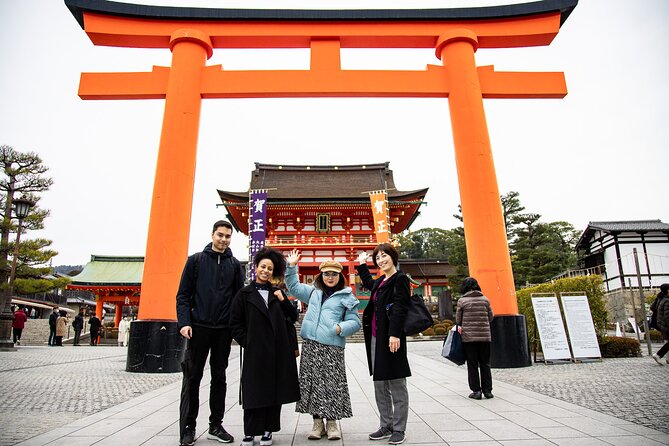
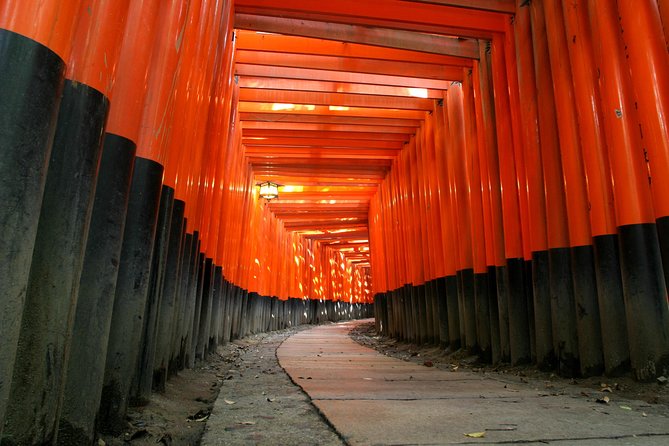
Fushimi Inari-taisha is free to enter and is one of Kyoto’s most memorable stops. Its path runs beneath thousands of orange torii gates, donated over time by individuals and businesses. The gates climb toward Mount Inari, but you do not need to walk the entire route to understand why the shrine is so popular.
The sample timing gives you about 45 minutes. That allows a look at the main shrine buildings and part of the torii path. If you want a longer uphill walk, tell your guide before the day begins. Fushimi Inari is a poor fit for a rushed itinerary if your main goal is to hike well beyond the lower gates.
This stop also helps show the difference between Shinto and Buddhist sites, especially when your guide explains shrine customs, offerings, and the role of fox statues linked with Inari. Several guides have been praised for explaining Japanese religious practice in an accessible way rather than simply naming buildings.
Kiyomizu-dera, Sannenzaka, and Ninenzaka
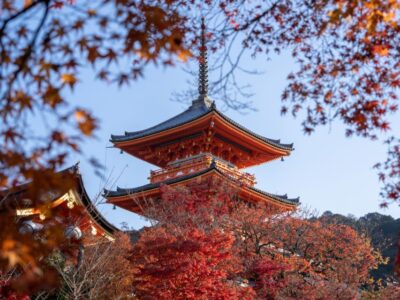
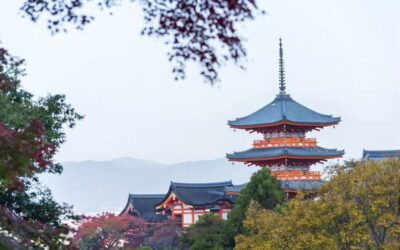
Kiyomizu-dera gives you one of Kyoto’s most rewarding combinations of architecture, city views, and old streets. The Buddhist temple is dedicated to Kannon and is known for its large wooden stage and hillside setting. Admission is extra.
The nearby Sannenzaka and Ninenzaka lanes are free to walk and lined with traditional wooden buildings, tea shops, and small stores. They are attractive, but they can also be crowded and steep. Wear shoes with a firm sole, and tell the guide if stairs or uneven paving are a concern.
I like this pairing because the temple supplies the grand view while the lanes provide street-level Kyoto. It is also a good choice if you want time for small purchases or a snack rather than a string of large temple compounds.
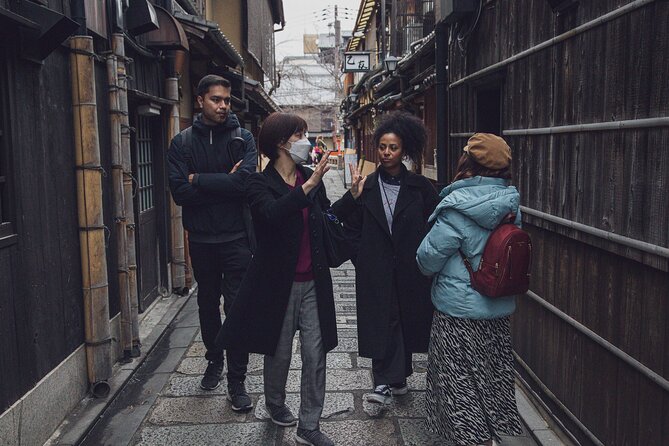
Gion fits well after Kiyomizu-dera. Its wooden machiya houses, tea houses, and narrow streets make it one of the city’s most atmospheric districts. You may see signs of Kyoto’s geisha culture, but this is a living neighborhood, not a stage set. Follow your guide’s advice about respectful behavior and photography.
More Day Trips in Kyoto
- PERFECT KYOTO 1-Day Bus Tour
★ 5.0 · 13,518 reviews - Kyoto: Fushimi Inari, Kinkakuji, Bamboo Grove 1 Day Bus Tour
★ 4.8 · 4,316 reviews - 10 Must-see Spots in Kyoto One Day Private Tour (up to 7 people)
★ 5.0 · 1,108 reviews - Kyoto 1 Day Tour from Kyoto
★ 4.0 · 582 reviews
Arashiyama, bamboo, and Tenryu-ji
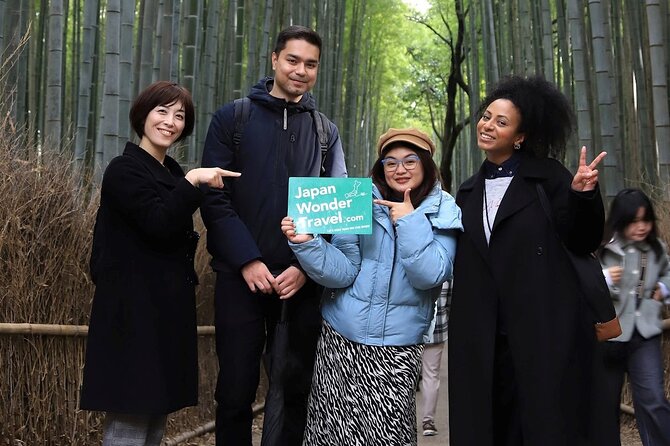
Arashiyama lies on the western side of Kyoto, so it deserves a clear portion of the day rather than a quick add-on to a faraway eastern route. The Bamboo Grove is free and takes about 45 minutes in the sample plan. Its tall stalks create a striking walk, though the path can feel brief if you expect a long forest hike.
Tenryu-ji is the stronger choice if gardens and Zen architecture interest you. The temple has an important place in Kyoto’s Zen tradition and is known for its garden. Admission is extra, and the supplied timing for this stop is listed as only one minute, which is clearly too short for a meaningful visit. Treat the schedule as a menu of possible stops, not a promise that every listed location will receive equal time.
One useful example comes from a tour in which the guide recommended Tenryu-ji, the bamboo grove, and another temple based on the visitor’s interests. That is the best use of this private format: select a small western Kyoto group rather than trying to combine Arashiyama with every major sight in the city.
Nishiki Market and Kyoto’s food side
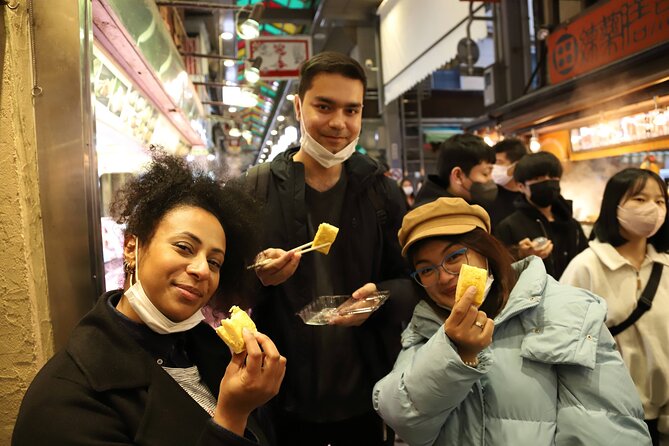
Nishiki Market is known as Kyoto’s Kitchen. The covered market runs through a central shopping district and offers a look at local ingredients, prepared foods, pickles, sweets, and traditional specialties. The market itself is free, though you pay for anything you choose to eat or buy.
The sample visit lasts about 45 minutes. That is enough to browse and sample a few items, but lunch is not included. If food is your priority, make that clear at the start and decide whether the market is the main meal or simply a tasting stop.
A guide can help explain unfamiliar foods and suggest places to eat later. Kiyoto was praised for taking a group to a restaurant in a traditional Japanese house, while several guides provided dinner recommendations after the tour. Those details can be more useful than another quick temple visit.
Pontocho is another strong food choice. The narrow dining district runs along the Kamo River and is known for traditional restaurants and teahouses. It is especially suited to an evening extension of your Kyoto plans, though the tour description does not promise dinner there.
Nijo Castle, Imperial Palace, and Kyoto’s past
Nijo Castle offers a different view of Kyoto. Built in 1603 as the residence of Tokugawa Ieyasu, it recalls the power of the shoguns rather than the quiet discipline of a Zen temple. Look for ornate decoration, gold details, and the famous nightingale floors, designed to make a warning sound underfoot.
Admission is extra, and the sample visit allows about 45 minutes. That can give you a useful overview, but you may need longer if you want to read the displays and inspect the rooms carefully.
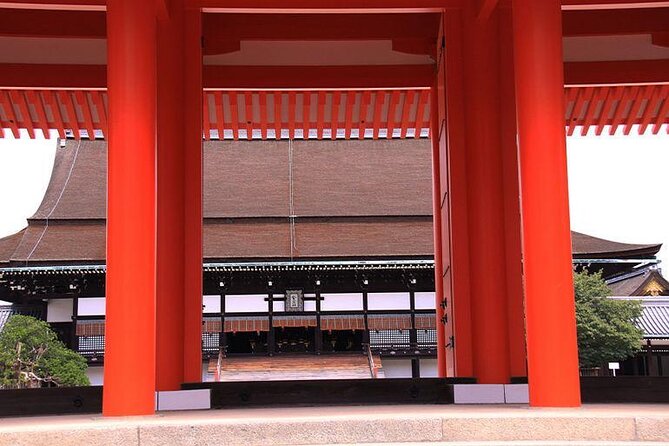
Kyoto Imperial Palace is free to enter and represents the city’s long imperial role. It was home to Japan’s Imperial family for more than a thousand years, beginning in the Heian period. The grounds are broad and formal, so it works best for visitors interested in court history and ceremonial spaces.
Do not try to force Nijo Castle, the Imperial Palace, Kinkaku-ji, and Fushimi Inari into four hours. They sit in different parts of the city, and transport time will eat into your sightseeing.
Eastern Kyoto’s quieter choices
Ginkaku-ji, the Silver Pavilion, offers a calmer counterpoint to Kinkaku-ji. Despite its name, it is not covered in silver. Its appeal comes from restrained design, mossy garden spaces, and Zen simplicity. Admission is extra.
The Philosopher’s Path follows a canal for about two kilometers near Ginkaku-ji. It is a peaceful walk and can be a good choice if you want open air between temple visits. The route makes more sense as part of a northern Higashiyama plan than as a quick stop reached from the opposite side of Kyoto.
Nanzen-ji is another eastern Kyoto option, with a long Zen tradition and impressive temple grounds. Admission is extra for some areas. The sample timing lists only one minute, so ask your guide how much time the planned route actually allows before choosing it.
This eastern group, Ginkaku-ji, the Philosopher’s Path, and Nanzen-ji, can make a thoughtful full-day theme. It is less about ticking off the most famous postcard sights and more about gardens, quiet paths, and temple design.
How the private format affects your day
The best part of a private tour is not simply having a guide. It is the ability to stop when you need a break, ask detailed questions, change the balance between food and temples, and avoid a place that no longer interests you.
This has worked well for families, couples, solo visitors, and anyone with limited time. One solo participant felt the pace was too rushed, while other experiences praised guides for slowing down or adjusting the route. That contrast tells you to speak up. A private format only helps if you state your preferred pace.
Transport is important. Depending on the route, you may use trains, buses, walking, or taxis. One guide was praised for helping with train schedules, and another used several transport methods to make good use of the day. But you pay the transport costs for yourself and the guide, so ask for an estimate before leaving.
Hotel pickup and drop-off are offered, while the stated meeting point is the Kyoto Tourist Information Center, Kyo-Navi, on the second floor of Kyoto Station Building. Confirm your exact pickup and end point because the information also says the activity ends back at the meeting point.
Price, timing, and what you actually pay
The listed price is $132.65 per person. For a private four to eight hour tour, that can be fair if your guide gives strong historical context, handles route planning, and saves you from wasting time on transport decisions.
The price is not all-inclusive. You need to budget separately for temple and castle admissions, your guide’s transport, your own transport, and lunch. If the guide pays a fare first, settle the arrangement clearly at the start. One unhappy experience involved surprise over transit costs and an unclear trip back to Kyoto Station.
A full day gives you more value if you choose a compact area. An eight-hour route through Ryoan-ji, Kinkaku-ji, Nishiki Market, Fushimi Inari, and Gion has been handled successfully, but it requires organized timing. A half-day is better for two nearby areas than for a citywide checklist.
You can cancel for a full refund up to 24 hours before the start time. Changes or cancellations inside that window are not accepted for a refund.
Who should book this Kyoto tour?
Book it if you have only one day, want a private guide, or care more about a personal route than a standard group schedule. It is especially useful for first-time visitors, families, food lovers, people with mobility concerns, and anyone who wants help comparing temples and neighborhoods.
I would choose a guide-led day if Kyoto feels daunting or if you want history explained as you go. I would skip it if you prefer slow solo wandering, dislike paying extra for transport and admissions, or already know exactly how to move between your chosen sights.
Before booking, send three priorities, your walking limit, and your preferred guide language. Ask how many stops fit your hours and what the likely transport costs will be. With those details settled, this can be a smart way to get your bearings and spend your limited Kyoto time well.
FAQ
How long does the private Kyoto tour last?
The tour lasts approximately four to eight hours. A half-day plan generally includes two to three stops, while a full-day plan generally includes three to four.
Can I choose the attractions?
Yes. You discuss your interests with the guide and choose from major sights, food districts, historic areas, gardens, and alternative locations.
Is hotel pickup included?
Hotel pickup and drop-off are offered. The stated meeting point is the Kyoto Tourist Information Center, Kyo-Navi, in Kyoto Station Building, so confirm the exact pickup arrangement when booking.
Are entrance fees included?
No. Entrance fees for places such as Kinkaku-ji, Ryoan-ji, Kiyomizu-dera, Nijo Castle, Tenryu-ji, Nanzen-ji, and Ginkaku-ji are not included.
Is transportation included?
No. Transportation fees for you and the guide are not included. You may use public transportation, taxis, or walking depending on the route.
Is lunch included?
No. Lunch for you and the guide is not included. Your guide may help suggest restaurants or food stops.
Is this a private group activity?
Yes. Only your group participates in the activity.
Is the tour suitable for people with limited mobility?
A moderate amount of walking is involved. The private format allows the route to be adjusted, and Saeko was specifically praised for adapting a day around mobility needs, but you should explain your requirements before the tour.
What is the cancellation policy?
You can cancel at least 24 hours before the local start time for a full refund. Cancellations or changes made less than 24 hours before the start are not refunded or accepted.
Just added around Kyoto
- Sekka Cotton Furoshiki Class★ 5.0 · 19 reviews
- Kyoto Sword Experience – includes Museum Ticket/Ninja Experience★ 4.5 · 149 reviews
- Scenic Green Tea Fields of Hidden Kyoto & Local Tea Exp (Private)★ 5.0 · 32 reviews
- Secret Eastern Kyoto Biking Adventure★ 5.0 · 44 reviews
- Private Sake Tasting in Central Kyoto with Sake Sommelier★ 5.0 · 32 reviews
- Samurai School in Kyoto: Samurai for a Day★ 5.0 · 202 reviews
- SHIRAKAWA Japanese Culture Experiences with private English staff★ 5.0 · 16 reviews
- A Privately Guided Photoshoot in Beautiful Kyoto by a Pro★ 5.0 · 18 reviews
Custom Private Tours in Kyoto, compared.
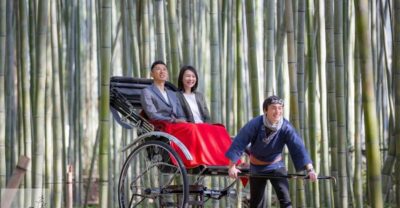
Arashiyama Customized Rickshaw Tour & Bamboo Forest
Our verdict →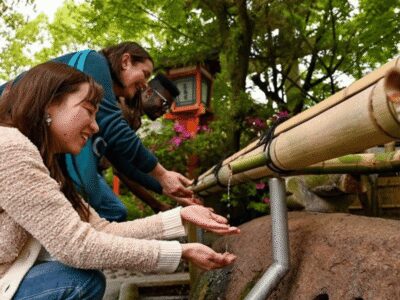
Private Customized Walking Tour with a Local Insider
Our verdict →

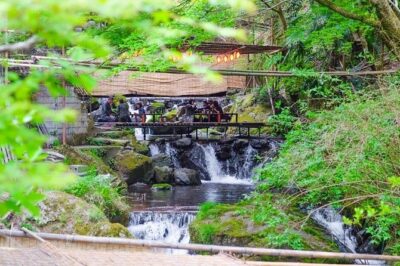
Arashiyama from Kyoto: Private & Personalized with a Local Guide
Our verdict →
Browse the lists this tour appears in