Reviewed · FULL-DAY
Naoshima Full-Day Private Tour with Government-Licensed Guide
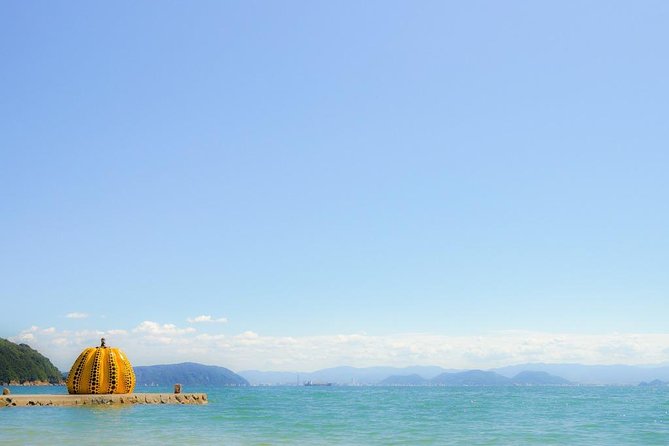
Naoshima is a small fishing island that rebuilt its future around contemporary art. This private tour lets you see its famous museums and village projects with a licensed guide who can explain why abandoned houses, concrete galleries, and outdoor installations belong together. The island itself is the main attraction, not just a string of museum stops.
I like the custom three or four-site plan, which keeps you from trying to cram every museum into one long day. I also like having a guide such as Sato, Yoko, Ray, Kaji, or Reiko to handle the island’s ferry and bus puzzle while adding local history and art context.
The main catch is that the $200.96 price does not include ferries, local transport, museum admission, lunch, or other personal costs. You also need to clarify the meeting point, since the tour is described as a walking experience on Naoshima even though hotel pickup from Takamatsu is advertised.
Key points to know before booking
- Chichu Art Museum is the likely centerpiece: Tadao Ando’s underground building uses natural light as part of the art experience.
- You choose three or four sites: Options include Honmura’s Art House Project, Chichu, Lee Ufan Museum, Benesse House, I♥YU, Teshima, and Inujima.
- The guide is private to your party: You can set the pace and shape the day around art, architecture, history, or practical island sightseeing.
- Transport costs are separate: Ferry fares, buses, admissions, lunch, and personal spending are not included.
- Walking matters: Bicycles are not allowed on the tour, and island buses can be infrequent, especially on Teshima.
- The experience has a strong service record: It is rated 4.8 out of 5 from 32 ratings, with 97 percent recommending it.
Why Naoshima works best with a guide
Naoshima can look simple on a map. It is not. Museums sit in different parts of the island, buses connect some areas, ferries control your larger movements, and popular art sites may have timed entry or long waits during major art events.
A private guide gives you a person who can turn that scattered map into a usable day. You are not simply handed a list of museums. Your guide can ask what you care about, then build a route around three or four places. If you prefer architecture, the day can lean toward Tadao Ando and Benesse House. If you want village life and local character, Honmura deserves more time. If you want a quieter bathhouse finish, I♥YU may replace another museum.
The guides named in the supplied tour details include Ray, Kaji, Yoko, Sato, and Reiko. Their backgrounds and personalities will differ, but the pattern is clear: English ability, practical help, and personal attention are central to the experience. Ray has helped with island transport and local history. Kaji has guided visitors through crowded periods such as the Setouchi Triennale. Sato has handled hot-weather days with extra care, while Yoko has helped parties make the most of a full day and avoid getting lost.
That personal support matters most if Naoshima is part of a larger Japan trip. One guide even helped a couple work out how to reach the island from Osaka. You still need to arrange and pay for your own transport, but a guide can help you understand the route.
More Full-Day Tours in Japan:
- From Tokyo: Mount Fuji Full-Day Sightseeing Trip
★ 4.5 · 4,970 reviews - Mount Fuji Full-Day Private Tour from Tokyo (Customizable)
★ 4.9 · 1,470 reviews - Hiroshima / Miyajima Full-day Private Tour with Government Licensed Guide
★ 5.0 · 1,298 reviews
Honmura and the Art House Project
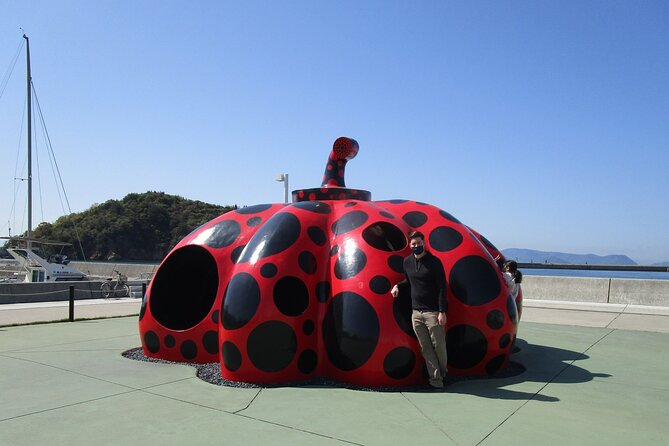
Begin in Honmura if you want to see how Naoshima’s art project grew out of an existing community. This small fishing village on the eastern side of the island contains abandoned houses, workshops, a temple, and a shrine that have been turned into art spaces.
The appeal is the mix of old and new. You walk through a real village rather than entering an art complex designed from scratch. The buildings retain a sense of domestic scale, and the art works with their age, layout, and quiet surroundings.
This is a good choice if you enjoy site-specific art and Japanese architecture. A guide can explain the village’s part in Naoshima’s change from a place in decline to an international art destination. That context gives the Art House Project more meaning than a quick photo stop.
The drawback is pace. Honmura is not one large museum where you can move in a straight line. You may walk between separate buildings, and fitting every house into a day could take time away from Chichu or Benesse House. Choosing three or four main sites means accepting that you will not see everything.
Chichu Art Museum and the power of natural light
For many people, Chichu Art Museum is the strongest reason to book this tour. Designed by Tadao Ando, much of the building is underground. Rather than making the museum dark and closed, Ando uses openings and natural light to change the feel of the interior during the day.
The building is not just a container for art. Its concrete corridors, angles, and shafts of light form part of the visit. You might find yourself paying as much attention to the movement through the museum as to the works on display.
This is where an art-minded guide can be especially useful. If you are unfamiliar with contemporary art, the building’s design and the works inside can seem spare or puzzling. A good guide can give you just enough background without turning the visit into a lecture. Reiko, for example, has been praised for combining art and history with a clear explanation of each site. Sato has also helped visitors focus on particular exhibits, including Chichu.
Plan to give Chichu real time. A rushed visit would miss the point. It is also sensible to make it one of your fixed priorities before adding optional stops. The island can become crowded during special events, and one account describes the Setouchi Triennale 2025 period as especially busy. A private guide can adjust the order of the day, but cannot remove the island’s crowds or guarantee that every museum will fit.
Lee Ufan Museum and the quieter side of the island
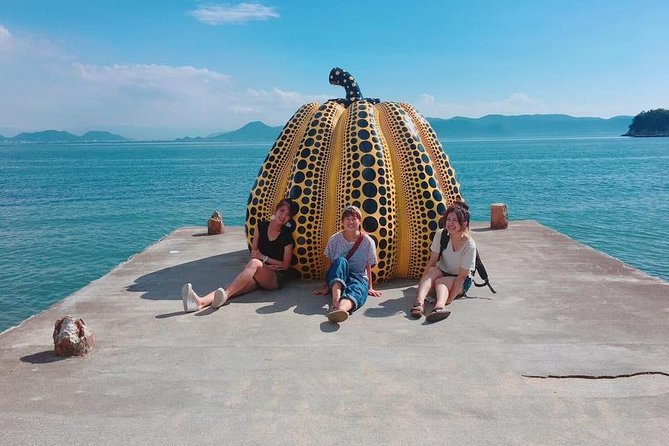
The nearby Lee Ufan Museum offers a different mood from Chichu. Its work is presented in a setting shaped by Ando’s architecture, with space and restraint doing much of the work.
This stop suits you if you like art that rewards patience rather than quick explanation. It can also provide a calmer counterpoint to a crowded or highly anticipated museum. A guide can help you notice the relationship between the building, the open areas, and the art instead of treating the visit as another box to check.
The practical question is opportunity cost. Since you choose only three or four sites, Lee Ufan may be the right choice for someone focused on contemporary art and architecture, but less important for someone who wants the village atmosphere of Honmura or the playful character of I♥YU.
More Private-Only Departures in Japan:
- Tokyo 6hr Private Tour with Government-Licensed Guide
★ 5.0 · 3,902 reviews - Private Tour to Mt. Fuji and Hakone (Fully Licenced Operator)
★ 5.0 · 1,910 reviews - Fushimi Inari Hidden Hiking Tour (Private Option Available)
★ 5.0 · 1,750 reviews - Private Kyoto Tour with a Local, Highlights & Hidden Gems, Personalised
★ 5.0 · 1,543 reviews
Benesse House, art, and the island setting
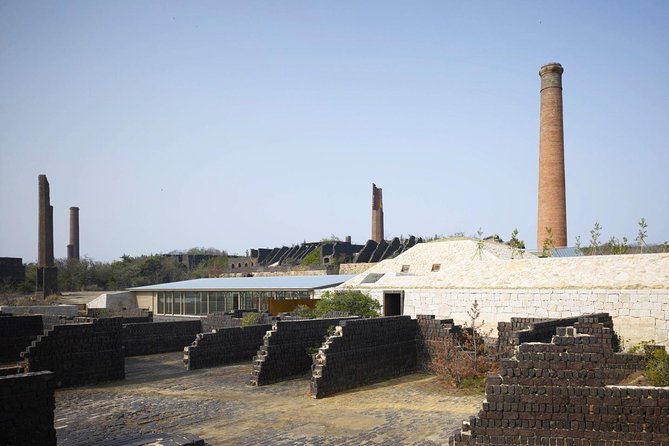
After Chichu and Lee Ufan, the route can continue to Benesse House, often described as the island’s centerpiece. Benesse House combines a museum and hotel, with works by major artists displayed in relation to the buildings and the surrounding setting.
This part of Naoshima shows the project at its largest scale. Art is not kept in one enclosed gallery. It appears across a place where architecture, outdoor space, and the island setting work together. You will likely get a broader sense of Naoshima here than from a single museum visit.
Benesse House is a strong pick if you want a major art stop with a sense of place. It also pairs well with Chichu because both show how architecture can shape the way you see art.
Do not assume that every Benesse-related site can be covered quickly. A full day sounds generous, but ferries, buses, walking, queues, and museum visits use the hours fast. The guide’s role is most valuable here: helping you decide what deserves your time and what can be left for another visit.
I♥YU, Naoshima’s playful bathhouse
I♥YU, pronounced with the Japanese word yu for hot water or bath, is a colorful public bathhouse and an amusing way to finish the day. It is very different from the formal galleries. The building brings everyday bathing into the island’s art program.
This stop works best when you want variety. After hours of museums and concrete architecture, a bathhouse adds humor and local life. It is also a fitting reminder that Naoshima is not only a collection of high-profile cultural sites. People live on the island, and the art project interacts with ordinary community spaces.
The bathhouse is listed as a time-and-energy permitting option, so it should not be treated as guaranteed. If Chichu, Benesse House, and Honmura are your priorities, I♥YU may need to be dropped. Ask your guide early if you want it included.
Teshima and Inujima: tempting additions with real time costs
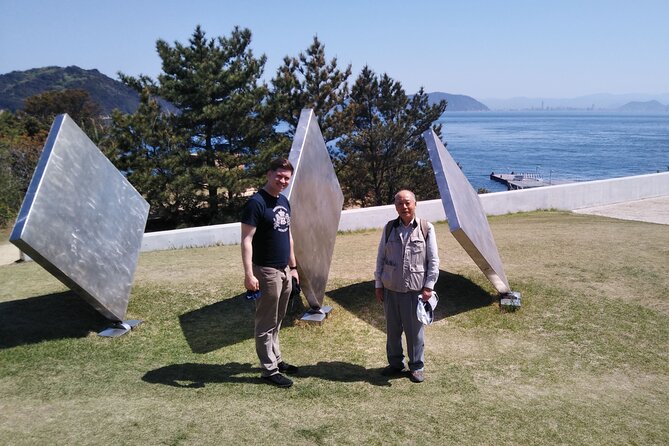
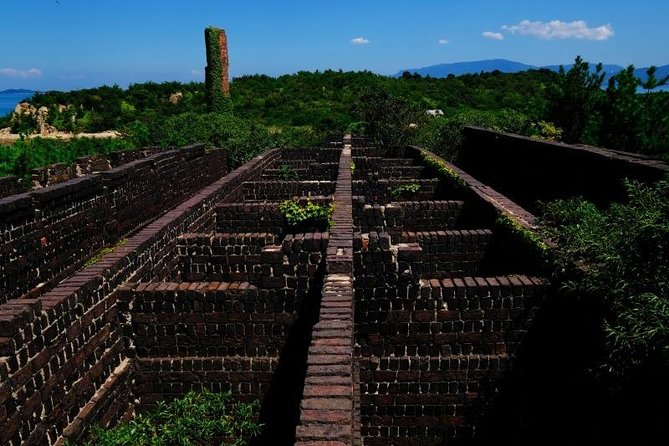
The tour information also includes Teshima and Inujima as possible stops. These are not minor side trips, so you should discuss them carefully before booking a Naoshima-focused day.
Teshima is about thirty minutes by ferry from Naoshima. Its main attraction is the Teshima Art Museum, an unusual structure shaped like a drop of water by architect Ryue Nishizawa. The museum’s form is a major part of the experience, and the island offers a different setting from Naoshima.
The warning is transport. One account specifically points out that Teshima’s buses can be far apart, with gaps of about two hours. That can make a visit difficult to combine with several Naoshima museums. If Teshima is your top priority, build the day around it rather than treating it as an easy extra.
Inujima is a smaller art island about forty minutes by ferry from Naoshima, or about ten minutes from the mainland port of Hoden. It contains the Seirensho Art Museum and is described as less visited than Naoshima. That may appeal if you want a quieter island art experience.
Still, the ferry time makes Inujima a poor add-on to a full Naoshima program. The private format lets you express that preference, but it does not change the distance between islands or the ferry timetable. For most first visits, I would choose Naoshima’s core sites unless you have already seen them or have a specific reason to add another island.
What the $200.96 price really covers
At $200.96 per person, this is not a cheap way to visit Naoshima. You are paying for a private, licensed English-speaking guide and a custom day, not for an all-inclusive package.
The value depends on your group size and priorities. For one person or a couple, the price buys personal attention and less guesswork. For a larger party, group discounts may improve the cost per person. Since no other group joins you, the guide can respond to your pace, interests, and energy level.
The extra costs need careful budgeting. The price excludes transportation fees, museum entrance fees, lunch, and personal expenses. Private vehicles are not included, and the tour does not provide bicycles. Your ferry and local bus costs also depend on which islands and sites you choose.
I see the tour as good value if you want to understand the art and make a difficult day of transport easier. It is weaker value if you are comfortable planning ferry times, choosing museums yourself, and reading about the island independently. You can visit Naoshima without a guide, but the private format earns its price by reducing planning work and giving you a flexible interpreter of the island.
Walking, weather, and the pace of the day
This is a walking tour. The guide meets you on foot within the designated Naoshima area, and bicycles cannot be used. That makes comfortable shoes important, even though the exact amount of walking will depend on your selected sites and transport.
The supplied details say most people can participate and that service animals are allowed. They also note that the activity is near public transportation. Even so, you should tell the operator about mobility limits, heat concerns, or a slower pace before the day begins.
The guides have shown flexibility in difficult conditions. One guide helped an older visitor and her daughter manage a very hot day, while another completed a crowded festival-period tour despite walking more slowly because of knee pain. Those details do not guarantee a particular guide or outcome, but they suggest that direct communication will help.
The pickup language deserves attention. The tour overview refers to pickup from a Takamatsu hotel, while the included details describe meeting the guide on foot within the Naoshima area. Since transportation is not included, confirm exactly where you will meet and how you will reach the island before booking.
Who should book this Naoshima day
I would recommend this tour to:
- First-time Naoshima visitors who want help choosing among several art sites.
- Couples, families, and small groups who prefer a private guide to a fixed group schedule.
- Visitors who care about architecture, contemporary art, and the story behind the island’s transformation.
- People arriving from Takamatsu who want a planned day rather than a ferry and bus puzzle.
- Older visitors or anyone who benefits from adjusting the pace and taking breaks.
I would hesitate if you want a low-cost, self-guided outing or if you plan to visit Teshima and Inujima in the same day as several Naoshima museums. The tour cannot solve limited ferry schedules, and the extra admissions and transport costs may push the total well above the headline price.
The cancellation policy is friendly: cancel at least 24 hours before the local start time for a full refund. Changes or cancellations inside that window are not accepted for a refund.
Should you book it?
Book it if Chichu Art Museum, Benesse House, and the Art House Project sound like the heart of your Japan trip, but you do not want to manage every ferry, bus, and museum decision alone. The private format, English-speaking licensed guide, and custom three or four-site plan give you a useful balance of structure and choice.
Before paying, settle three points: your meeting location, which sites you want most, and the expected extra cost for ferries, admissions, and local transport. If you do that planning first, this tour can make Naoshima feel less like a logistical test and more like the thoughtful art island it has become.
FAQ
How long does the Naoshima private tour last?
The tour lasts approximately eight hours.
Is this a private tour?
Yes. Only your party participates, and you do not combine with another tour group.
How many sites can I choose?
You can customize the day by choosing three or four sites from the available options.
Which Naoshima sites can be included?
Options include Honmura’s Art House Project, Chichu Art Museum, Lee Ufan Museum, Benesse House, and I♥YU bathhouse.
Can Teshima or Inujima be included?
Teshima and Inujima are included among the possible island options, but you should discuss the ferry schedules and available time with the operator before selecting them.
Is a guide included?
Yes. The experience includes a licensed local English-speaking guide.
Are ferry and museum fees included?
No. Transportation, entrance fees, lunch, and personal expenses are not included.
Can I use a bicycle during the tour?
No. Bicycles cannot be used for this tour.
Where do I meet the guide?
The included details describe an on-foot meeting with the guide within the designated Naoshima area. The overview also refers to pickup from a Takamatsu hotel, so confirm the exact meeting arrangement before booking.
Can I cancel for a full refund?
Yes, if you cancel at least 24 hours before the experience start time. Cancellations or changes made less than 24 hours in advance are not accepted for a refund.
Just added around Japan
- Sekka Cotton Furoshiki Class★ 5.0 · 19 reviews
- Kyoto Sword Experience – includes Museum Ticket/Ninja Experience★ 4.5 · 149 reviews
- Scenic Green Tea Fields of Hidden Kyoto & Local Tea Exp (Private)★ 5.0 · 32 reviews
- Secret Eastern Kyoto Biking Adventure★ 5.0 · 44 reviews
- Private Sake Tasting in Central Kyoto with Sake Sommelier★ 5.0 · 32 reviews
- Samurai School in Kyoto: Samurai for a Day★ 5.0 · 202 reviews
- SHIRAKAWA Japanese Culture Experiences with private English staff★ 5.0 · 16 reviews
- A Privately Guided Photoshoot in Beautiful Kyoto by a Pro★ 5.0 · 18 reviews
Full-Day, compared.
Hiroshima / Miyajima Full-day Private Tour with Government Licensed Guide
Our verdict →

5 Top Highlights of Kyoto Full Day Bike Tour (E-bike option)
Our verdict →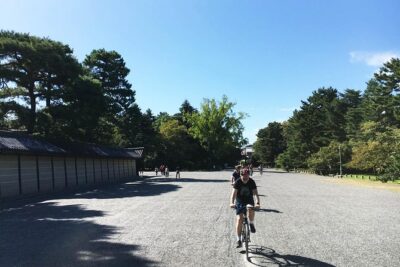
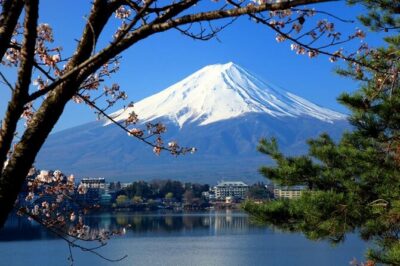
Mt. Fuji, Hakone Full-Day Private Tour with English Driver Guide
Our verdict →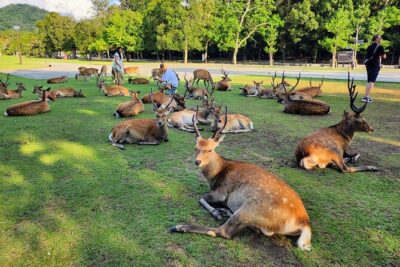
Full Day Guided Tour to Kyoto and Nara from Osaka by Van
Our verdict →