
Reviewed · TEA CEREMONY EXPERIENCES
Kimono and Tea Ceremony in Miyajima
Miyajima’s most memorable cultural experience may take place away from its famous shrine, in the quiet grounds of Tokuju-ji Temple. You choose a kimono from more than 100 options, receive careful help dressing, then learn the manners and movements of a traditional tea ceremony.
I like the small-group setting, which lets you see the tea preparation clearly and ask questions. I also like that you make your own matcha, rather than simply watching a demonstration. The main consideration is the short one-hour schedule, which gives you a taste of the tradition but not a long, formal tea lesson.
I especially appreciate the peaceful temple setting and the chance to take photographs in the garden while wearing the kimono. The price, $85.89 per person, is fair for the clothing, dressing assistance, tea lesson, sweets, and staff attention, though it may feel high if you want only a quick photo opportunity.
Key points to know before you book
- More than 100 kimono choices: Staff help you select and properly wear a traditional outfit.
- Tea lesson, not just a costume session: You watch a tea master, learn the correct way to drink matcha, and prepare your own cup.
- Quiet Tokuju-ji Temple setting: The activity takes place away from Miyajima’s main shopping streets.
- Small groups: The maximum is 10 people, with some sessions forming a more intimate group.
- Photos are part of the experience: Staff take pictures during the lesson, and you can receive them after answering a questionnaire.
- A compact one-hour visit: It fits neatly into a Miyajima day, but the schedule is too short for an extended tea-school lesson.
A calm cultural stop near Miyajima’s ferry port
Miyajima can feel busy around the ferry terminal, souvenir shops, and approach to Itsukushima Shrine. This activity gives you a different side of the island. The meeting point is at Tokuju-ji Temple, also written as 徳寿寺, at 741-1 Miyajimachō in Hatsukaichi.
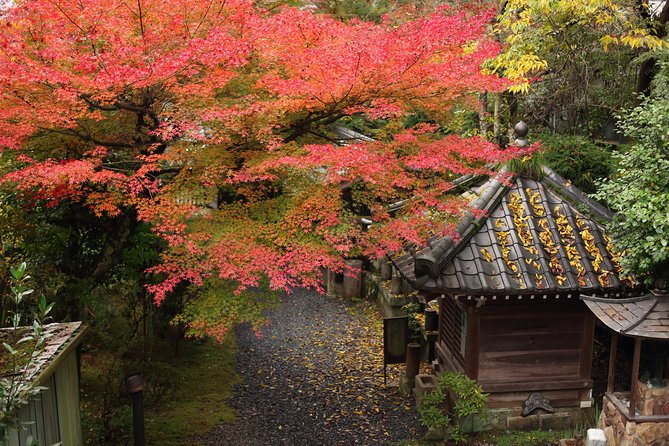
The temple setting matters. Tea ceremony is built around quiet attention, careful movements, and respect for the setting. At Tokuju-ji, you are not trying to follow a demonstration in a crowded restaurant or a large studio. You have a calmer place to watch, listen, and take photographs.
You meet near the ferry port and return to the same location at the end. That makes the activity easy to fit before or after sightseeing, though you should allow enough time to find the temple and arrive ready for the one-hour session.
More Kimono Experiences in Hiroshima:
- An Amazing set of Cultural experience: Kimono, Tea Ceremony and Calligraphy
★ 5.0 · 69 reviews - Cultural Activities :Kimono, tea ceremony, Calligraphy and Amulet
★ 5.0 · 44 reviews - Kimono and Calligraphy Experience in Miyajima
★ 5.0 · 16 reviews
Choosing a kimono from more than 100 options
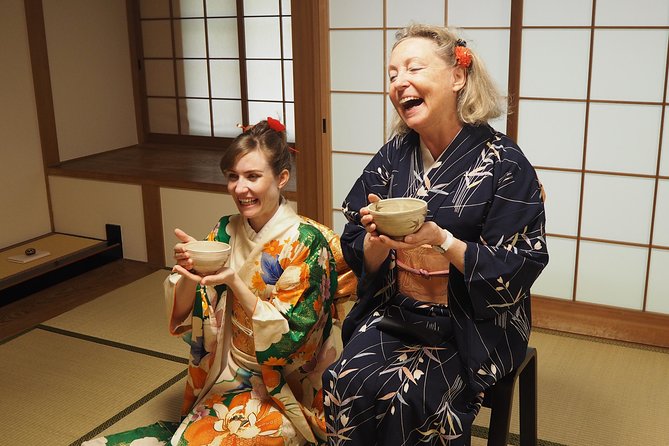
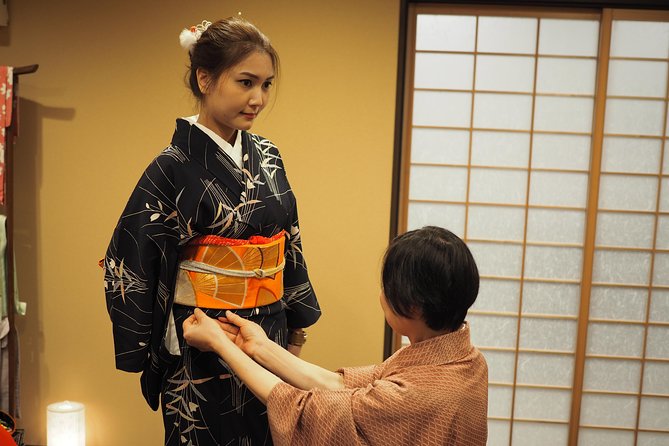
The activity begins with dressing. You choose a kimono from a collection of more than 100 garments, with staff helping you select something suitable and providing the items needed to complete the outfit.
This part is more than a quick costume change. Proper kimono dressing involves careful arranging and fitting, and the staff help you through the process step by step. Several people who attended with children or larger groups valued the patience and care shown during dressing. One larger visitor also found that the staff could accommodate her size and height, although the activity does not publish a full size chart.
You should expect the dressing to take a meaningful part of the hour. That is a good thing if you want the full cultural experience, but less useful if your only goal is a fast photograph. The staff take care with the final appearance, so allow yourself to enjoy this stage rather than treating it as a delay before the tea.
The selection is not limited to one style for one type of visitor. The information provided refers to both male and female kimono, and the large collection gives you room to choose a color and pattern that suit you. Exact availability will depend on the day and the garments already in use.
Watching the tea master at Tokuju-ji
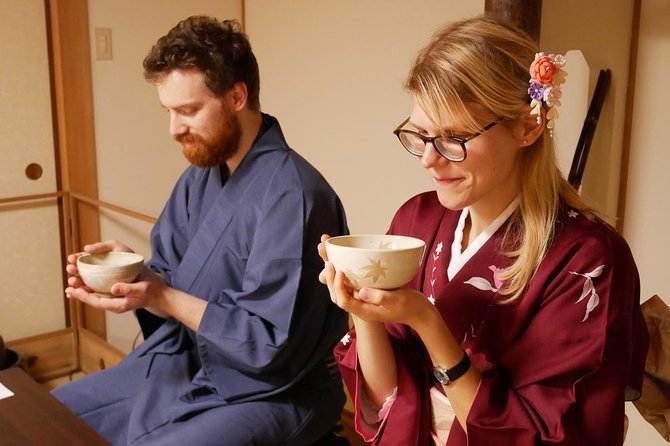
Once you are dressed, you watch a tea ceremony conducted by a tea master. The demonstration introduces the order of the ceremony, the way matcha is handled, and the manners used when drinking it.
You learn how to drink matcha in the proper manner, rather than simply receiving a cup and being left to guess. The lesson also explains the four principles connected with tea-making in Buddhism. Even within a short visit, this adds useful context to the gestures and pauses you see.
The ceremony is formal, but the tone is welcoming. Staff explain the steps clearly and help with questions in English. The experience is designed for people who may know very little about Japanese tea culture, so you do not need previous knowledge.
You may be seated at tables rather than on the floor. One person preferred a floor setting, but the staff explained that table-style tea service has been used in Japan for more than 100 years and is not simply a setup for foreign visitors. This is worth knowing in advance if you picture a classic tea room with everyone kneeling on tatami.
Making your own matcha
The most hands-on part comes after the demonstration. You prepare your own matcha and taste it, with staff guiding you through the steps.
This gives the activity lasting value. You are not only watching a ceremony for a few minutes. You learn enough of the method to recreate the drink for friends at home. The lesson is still a brief introduction, not professional training, but you leave with a practical understanding of how matcha is made and served.
Matcha has a strong, bitter flavor that may surprise you if you usually drink sweetened tea. A sweet is served with it, which balances the taste and follows the traditional pattern of pairing tea with something sweet. The experience also includes local chocolate, which several people particularly enjoyed.
The chocolate is a small detail, but it helps make the tasting comfortable for first-time matcha drinkers. You get a clear sense of how the sweet and tea work together, rather than treating the matcha as an isolated drink.
More Tea Ceremony Experiences in Hiroshima:
- Hiroshima Local guided Hiking Tour&Open-air Tea Ceremony
★ 5.0 · 213 reviews - Hiroshima: Morning Hiking Tour with Open-air Tea Ceremony
★ 4.8 · 58 reviews - Kyoto: Tea Ceremony in a Traditional Tea House in Kiyomizu
★ 4.9 · 3,519 reviews - Kyoto: Tea Ceremony Ju-An at Jotokuji Temple
★ 4.9 · 3,207 reviews
The garden photographs are part of the appeal
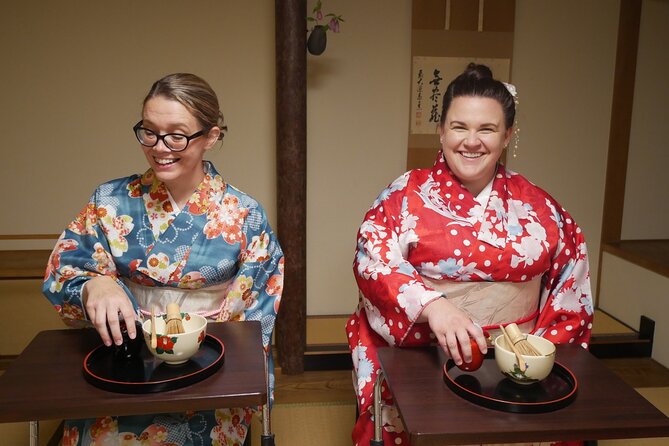
After or during the ceremony, you can take photographs in the temple grounds and garden while wearing your kimono. Staff also take pictures during the lesson.
This is one of the strongest reasons to choose this activity over a simple kimono rental. You have help dressing, a suitable setting, and people available to record the ceremony. Staff have even recorded the experience for solo participants and sent the video through Instagram.
The photographs are not described as a guaranteed professional package. Instead, staff take pictures as part of the visit, and you can receive them by answering a questionnaire. Ask about the exact delivery method on the day, especially if you want to make sure you receive every image.
The temple grounds provide a quieter background than the busiest streets near the ferry. You can take pictures without turning the entire activity into a staged photo session. Still, the one-hour limit means the amount of photography time may vary depending on how long dressing and tea instruction take.
Small groups make the lesson easier to follow
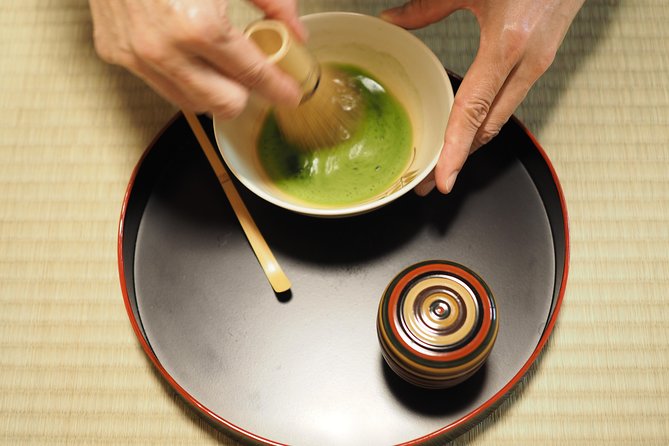
The maximum group size is 10 people, and many sessions are described as intimate. A small group matters here because tea ceremony depends on seeing fine movements. You can watch how the tea is prepared, follow the order of the actions, and ask questions without competing with a large crowd.
Some sessions may include another small party. One group of six found the combined size comfortable, while another group of four enjoyed a more personal feel. The exact number can change by departure, but the published maximum keeps the experience from becoming a large class.
The staff also seem prepared for mixed ages. Children as young as six can participate, and families with several children found the staff patient during dressing and tea instruction. Matcha has a strong taste, so younger children may prefer the sweet or chocolate, but the activity itself is open to children from age six.
What the $85.89 price includes in practical terms
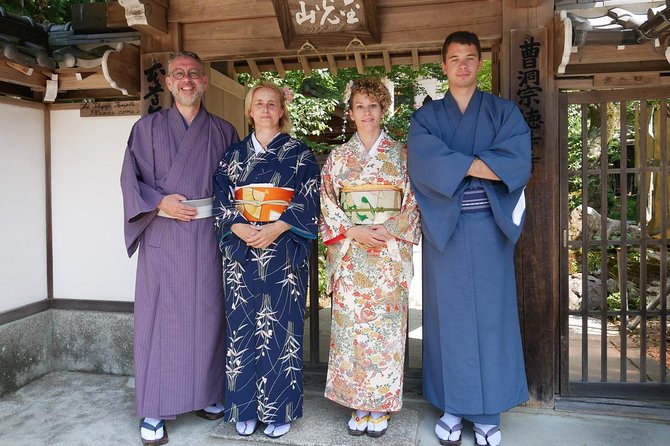
At $85.89 per person, this is not the cheapest way to spend an hour on Miyajima. The value comes from several parts working together: kimono use, dressing assistance, tea demonstration, your own matcha preparation, sweets, a temple setting, and staff-taken photographs.
A basic kimono rental may cost less, but it may not include a tea lesson or someone guiding you through the clothing. A standard tea tasting may also cost less, but it may not give you the chance to dress formally or make your own matcha. This activity combines both.
I would consider the price reasonable if you want a complete cultural introduction and good photographs. It is less compelling if you already own a kimono, have taken a formal tea lesson, or mainly want to sample matcha without dressing.
The small group adds value. Personal assistance is especially useful when you are unfamiliar with kimono layers, sleeves, and the correct way to sit or move. You are paying for time and attention, not just admission to a room.
How to fit this into a Miyajima day
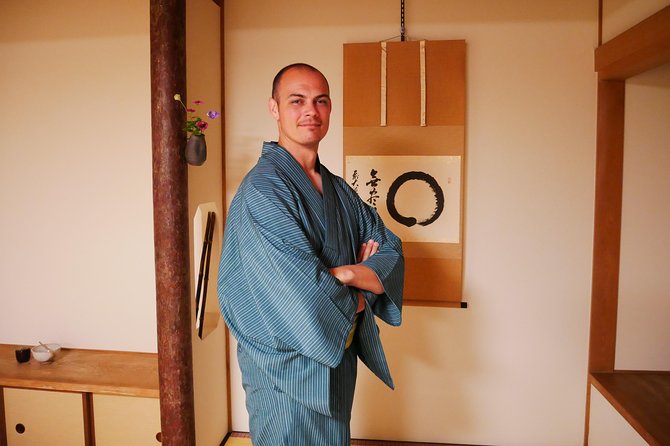
The activity lasts about one hour and begins and ends at Tokuju-ji Temple. It is near public transportation and close to the ferry-port area, making it practical as one part of a larger island visit.
You could schedule it before exploring the shrine and shopping streets, or use it as a quieter break after arriving. Keep in mind that the published time is approximate. Dressing, questions, photographs, and group size can affect the exact pace.
Because the experience requires good weather, check the forecast before planning a tightly packed day. If poor weather causes cancellation, you are offered another date or a full refund. For your own cancellation, you can receive a full refund if you cancel at least 24 hours before the start time. Changes or cancellations inside that window are not accepted.
The activity uses a mobile ticket, so keep the booking available on your phone. Confirmation is provided when you book.
Who will enjoy this experience most
This is a strong choice for a first visit to Japan, especially if you want a cultural activity that is easy to understand and gives you something practical to take home. You learn how to drink and prepare matcha, and you get a clearer sense of why the ceremony moves so slowly and carefully.
It also suits couples, families, and small groups of friends. Couples can take photographs of each other, while families can share a structured activity that does not depend on long walks or extensive historical knowledge. Children must be at least six.
Solo visitors can also enjoy it. Staff can take photographs and record parts of the experience, so you do not need to arrive with a personal photographer.
I would be more cautious about recommending it to anyone who dislikes dressing up, has difficulty with formal sitting or tight clothing, or wants a long and highly technical tea-school session. The activity is friendly and accessible, but it remains a short introduction.
My verdict on the kimono and tea ceremony
I like this experience because it combines the parts many people hope to find in Miyajima: a beautiful temple setting, traditional clothing, a calm ritual, and a chance to make something yourself.
The best feature is the balance between watching and doing. You see the tea master first, then prepare your own matcha, taste it with a sweet, and have time for photographs. The staff’s patience is another clear strength, especially for families, first-time visitors, and anyone worried about fitting into a kimono.
The main limits are just as clear. One hour passes quickly, the price is not low, and the ceremony uses tables rather than a floor arrangement. The photos are available through a questionnaire rather than being described as an included professional photo package.
Should you book it?
Book this experience if you want a polished introduction to kimono dressing and matcha in a quiet Miyajima setting. It is particularly worthwhile for couples, families, solo visitors, and anyone who wants more than a rented outfit and a quick photograph.
Skip it if your priority is a long formal tea ceremony, a low-cost activity, or a full day of sightseeing without scheduled stops. For most people with room in their Miyajima plans, the combination of careful dressing, tea instruction, sweets, and garden photographs makes the $85.89 cost reasonable.
FAQ
Where does the kimono and tea ceremony take place?
The activity takes place at Tokuju-ji Temple, also called 徳寿寺, at 741-1 Miyajimachō, Hatsukaichi, Hiroshima 739-0513, Japan.
How long does the experience last?
The activity lasts approximately one hour.
Where does the activity start and finish?
It starts at Tokuju-ji Temple and ends back at the same meeting point.
How many kimono can I choose from?
The collection includes more than 100 kimono options.
Do I make my own matcha?
Yes. You watch the tea ceremony, learn how to drink matcha, and then prepare and taste your own tea.
Are sweets served with the tea?
Yes. Tea is served with a sweet, and local Miyajima chocolate is also provided during the experience.
Are photographs included?
Staff take photographs during the lessons. You can receive them by answering a questionnaire.
What is the minimum age?
The minimum age is six.
What is the maximum group size?
The activity accepts a maximum of 10 people.
Can I cancel for a refund?
You can cancel at least 24 hours before the start time for a full refund. Cancellations or changes made less than 24 hours before the activity are not accepted. If poor weather causes the operator to cancel, you are offered another date or a full refund.
Just added around Hiroshima
- Full Day Hiroshima and Miyajima Tour by Bullet Train from Kyoto★ 4.5 · 120 reviews
- Hiroshima Saijo Sake Tasting Tour with visit to 7 Breweries★ 5.0 · 104 reviews
- The Peace Memorial to Miyajima : Icons of Peace and Beauty★ 4.5 · 31 reviews
- Shore Excursion from Hiroshima Port : Private Tour in Hiroshima★ 5.0 · 17 reviews
- Okunoshima Rabbit Island Cycling Tour with Local Guide★ 4.5 · 17 reviews
- Hiroshima & Miyajima All-Inclusive Tour w/Licensed guide Pancho★ 5.0 · 54 reviews
- Private Full Day Hiroshima Tour★ 4.5 · 29 reviews
- Hiroshima Private Tour with a Local – Highlights & Hidden Gems★ 4.5 · 24 reviews
Tea Ceremony Experiences, compared.

Tea Ceremony in a Traditional Tea House in Kiyomizu
Our verdict →


World Heritage Kyoto & Nara Uji Authentic Matcha Experience
Our verdict →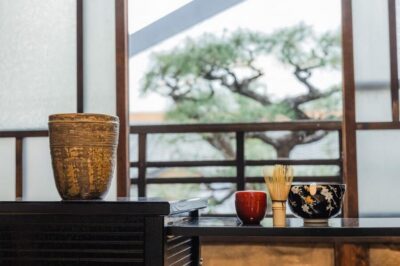


Arashiyama Bamboo Forest, Monkeys, Matcha & Temple Tour
Our verdict →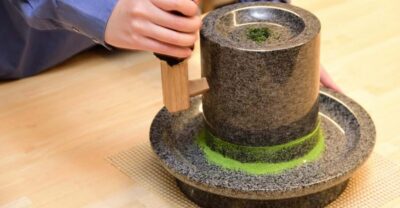
Browse the lists this tour appears in