
Reviewed · WINTER ACTIVITIES
Winter Special: Clear View Mt. Fuji E-Bike Tour
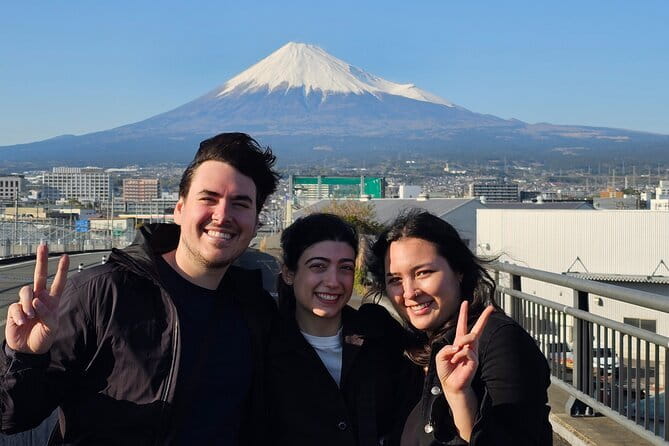
The best part of this tour is not simply the mountain view. It is the chance to see Fuji City from ground level, where quiet roads lead past temples, villages, spring-water sites, and the coast. You ride under your own power, but the electric assist keeps the pace friendly and leaves you free to look up at Mt. Fuji instead of staring at the pavement.
I like the small group of no more than five people, and I like the route’s mix of scenery and ordinary local life. Guide Yasu Hasegawa has a warm, personal way of introducing Fuji City, and past outings have included plenty of help with photographs and explanations of local traditions. The main drawback is weather: the mountain can hide behind clouds, and the tour is canceled in poor conditions.
- Shin-Fuji Station start: Meet at the south exit, then finish back at the same place.
- Miyata Ridge Runner e-bike: Electric assistance makes the route manageable at a relaxed pace.
- Coast and countryside together: You’ll see Suruga Bay, rural lanes, traditional villages, and Mt. Fuji viewpoints.
- Five-person maximum: This is a personal outing, not a bike convoy.
- Winter-ready touches: Helmets, insurance, and free kairo heat packs are included.
- Two and a half hours for $105.42: The value comes from the guide, equipment, and access to quieter parts of Fuji City.
Why Fuji City is a better cycling base than you might expect
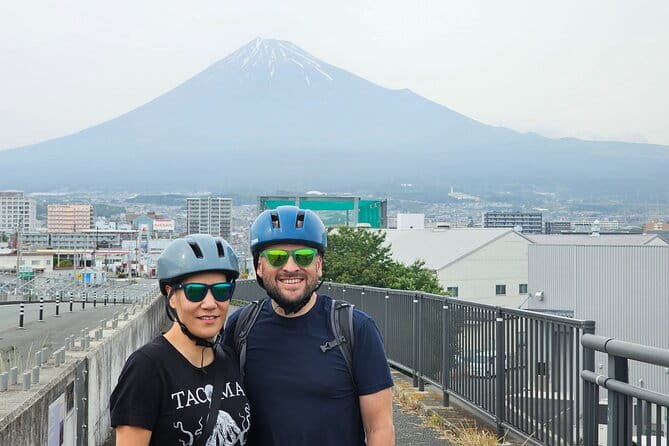
Many people plan their Mt. Fuji sightseeing around Hakone or Kawaguchiko. Those places have famous views, but they can also feel crowded and highly programmed. This ride takes a different approach. You stay on the southern side of the mountain in Fuji City, close to the sea and away from the busiest sightseeing routes.
That position gives the tour its character. You are not only looking at Mt. Fuji from a single postcard viewpoint. You are moving through the setting around it, with the mountain appearing above city streets, temple grounds, coastlines, bridges, and fields.
I especially like the contrast between Suruga Bay and the mountain. Suruga Bay is Japan’s deepest bay, and the ride connects the water with the high peak behind it. On a clear winter day, the crisp air can make the view especially sharp. Still, you should book this for the route and local perspective, not only for one perfect photograph. Fuji weather changes quickly.
The town itself is part of the attraction. Quiet streets and working neighborhoods reveal a side of the area that a bus tour often skips. You may see ordinary homes, local roads, and small community places rather than a string of major attractions. That makes this a good choice if you want context, not just scenery.
Meeting at Shin-Fuji Station and getting started
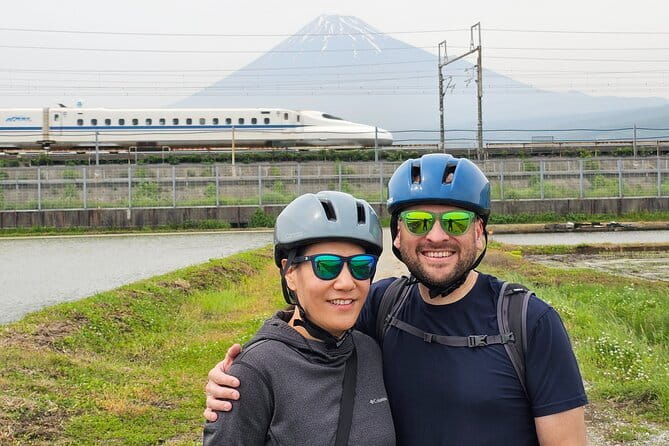
The tour begins and ends at the south exit of Shin-Fuji Station in Fuji, Shizuoka. That simple arrangement matters. You do not need to arrange a second pickup point at the end, and you can leave your larger sightseeing plans before or after the ride.
The total time is about two hours and 30 minutes, including the stops and the return to the station. The route is designed as a small-group experience, with a maximum of five participants. That number gives the guide room to adjust the pace, answer questions, and help with photos without holding up a large pack of cyclists.
Your bike is a Miyata Ridge Runner electric-assisted bicycle. The motor does not remove the cycling from the experience, but it helps you cover more ground with less strain. That is useful here because the appeal is the range of the route: temple, coast, spring water, bridge, and countryside in one short outing.
A helmet is included, as is insurance paid by the operator. In winter, you also receive kairo heat packs. Bottled water is not included, so bring your own drink. This is an easy detail to overlook, especially on a cool day when you may not feel thirsty.
More Bike Tours in Mount Fuji:
- Lake Kawaguchi Explorer: E-Bike Guided Tour
★ 5.0 · 15 reviews - Hidden Kyoto E-Biking tour
★ 5.0 · 1,843 reviews - Tokyo Guided Small-Group Biking Tour
★ 5.0 · 1,250 reviews
Myoho-ji Temple, the first cultural stop
One of the first stops is Bishamonten Myoho-ji Temple, described as one of Fuji City’s best-known temples. You have about 10 minutes here, so think of it as a focused stop rather than a long temple visit.
The short pause gives the ride a useful rhythm. You begin with cycling, then slow down for a place tied to local religious life before continuing toward the sea. The stop also gives you a chance to take photographs and hear Yasu’s explanation of the city’s traditions and history.
Ten minutes is not enough for a detailed temple tour. If you want quiet time for architecture, worship, or extended photographs, you may find this stop brief. Its value is in the overall route, where it provides cultural context without taking over the afternoon.
From the temple, the route heads toward the coast. This transition is one of the tour’s strengths. You are not being driven between unrelated sights. You feel the geography change as the ride moves from an urban and religious setting toward the water.
Suruga Bay and the southern face of Mt. Fuji
The coastal section brings views of Suruga Bay and Mt. Fuji. It is the kind of pairing that makes a bicycle useful. You can stop when the guide points out a good angle, take photographs, and continue at a human pace instead of viewing the coast through a vehicle window.
The southern perspective can feel different from the familiar images around Kawaguchiko. Here, the sea sits in front of the mountain, creating a broad view with a strong sense of distance. On clear winter days, the air may help the mountain look especially crisp.
The word may matters. Mt. Fuji is not guaranteed to appear clearly. Several descriptions of past rides point out that clouds sometimes cover the summit, even in otherwise enjoyable conditions. The operator requires good weather and offers a different date or full refund if poor weather forces a cancellation, but a scheduled ride can still have a partly hidden mountain.
That is why I would avoid making this your only Mt. Fuji viewing plan. Treat the mountain as a bonus to a worthwhile local cycling route. If Fuji appears in full, you have the ideal day. If clouds drift across the peak, the coast and city still give you something to see.
Yusui Park and Fuji’s spring water
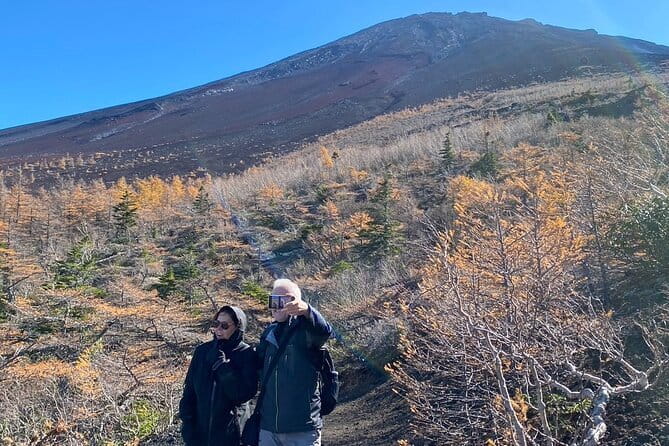
The next part of the ride focuses on spring water. At Yusui Park, you visit spring-water sites fed by Mt. Fuji. The tour describes the water as exceptionally clear, and this stop helps explain how the mountain affects daily life below its slopes.
This is a quieter kind of attraction. You are not checking off a grand monument. You are seeing a natural resource that matters to the city and tasting the local connection to the mountain in a direct way.
You have about 10 minutes here. That is enough for a look, photographs, and an explanation from the guide. It also breaks up the cycling with a calm stop that feels tied to the area rather than added for decoration.
Next comes Hounji, where a fountain provides another chance to drink Mt. Fuji spring water. The stop lasts about five minutes, so it is quick. Bring your own bottle or drink, since bottled water is not supplied. If you prefer not to drink from public fountains, you can still appreciate the site and continue with your own water.
More Electric Bike Rides in Mount Fuji:
- Tokyo Top Highlights 3h Guided E-bike Tour
★ 5.0 · 714 reviews - 3h Tokyo E-Bike Tour: Hidden Gems, and Local Life with guide
★ 5.0 · 670 reviews - 5 Top Highlights of Kyoto Full Day Bike Tour (E-bike option)
★ 5.0 · 511 reviews - Tokyo: 3-Hour Bike or E-Bike City Highlights Tour
★ 4.8 · 435 reviews
Fujisan Yume No Ōhashi Bridge and the classic photograph
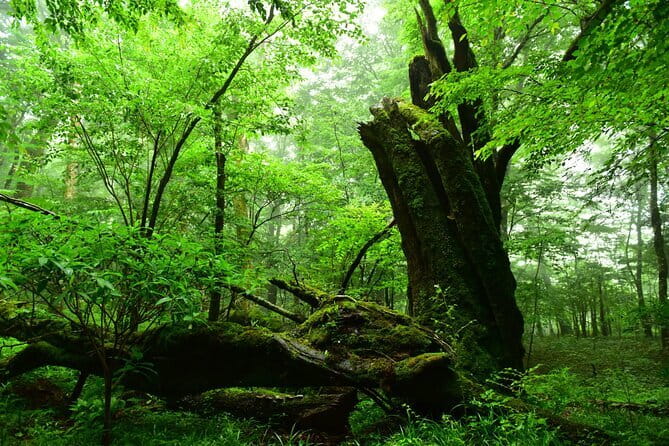
The final major viewpoint is Fujisan Yume No Ōhashi Bridge. From here, you can enjoy a broad view of Mt. Fuji, making it one of the strongest photo stops on the route.
The south side of the bridge has a staircase with 50 steps. That detail is worth noting if stairs are difficult for you. You can ask the guide about the best way to enjoy the viewpoint, but the stairs are part of the site and may affect how comfortably you move around it.
The bridge stop lasts around 10 minutes. That gives you time to frame photographs and take in the view without turning the stop into a long wait. It is also a good point to compare the mountain from this elevated position with the earlier coastal views.
Because the tour returns to Shin-Fuji Station after the bridge, this stop serves as a natural visual finish. You have seen Mt. Fuji beside the bay, from local streets, and from a bridge. The route then closes its loop rather than ending at a distant attraction.
Yasu Hasegawa’s guiding style
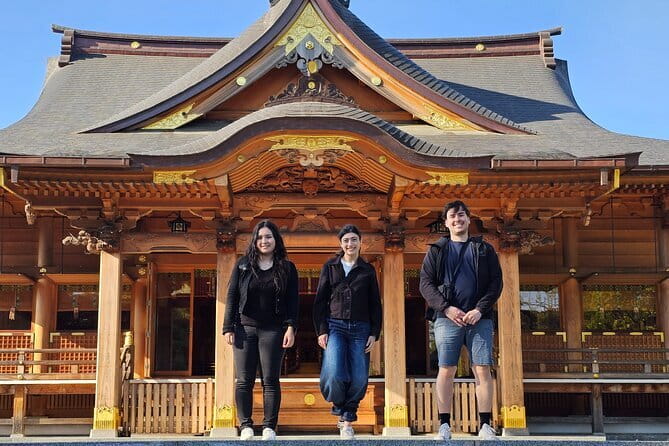
Guide Yasu Hasegawa is a key part of the experience. His role is not limited to leading the bikes. He explains Fuji City’s traditions, culture, and industries, helps with photographs, and adjusts his approach for both children and adults.
That personal attention is easier to provide with five people than with a large group. If you want to ask about a temple, spring water, local life, or the mountain, you should have a natural chance to do so during the stops.
Past outings have also included strong attention to comfort. In summer, the operator has supplied air-conditioned vests, while this winter tour provides kairo heat packs. The exact seasonal feel will differ, but the message is clear: the ride is meant to be enjoyable rather than a test of endurance.
I would still dress sensibly. Winter sunshine can make the mountain view pleasant while the moving air on a bicycle feels cold. Wear layers, use the supplied heat packs, and carry water. The e-bike helps with effort, but it does not replace ordinary preparation.
What the $105.42 price includes
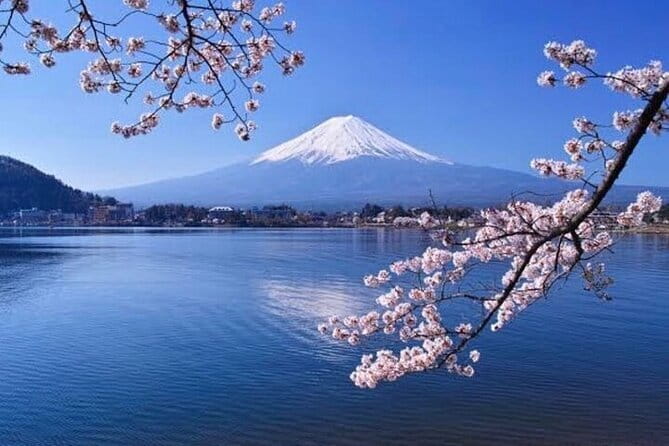
At $105.42 per person, this is not the cheapest way to look at Mt. Fuji. You are paying more than you would for an independent walk or a simple station-area rental. The useful comparison is what you receive for the price.
The fee includes the Miyata Ridge Runner e-bike, helmet, guide, insurance, and winter heat packs. It also gives you a planned two-and-a-half-hour route through several parts of Fuji City. You do not need to research a cycling loop, find the spring-water sites, or work out how to connect the temple, coast, and bridge.
The small group improves the value. A large organized ride can be inexpensive per person but less personal. Here, the five-person limit means the guide can help with pictures and explain what you are seeing. That matters if you want local interpretation rather than just equipment.
The price is easiest to justify if you value access to quieter places and a local guide. It is harder to justify if your only goal is one clear mountain photograph, since clouds can obscure Fuji and the tour cannot control that.
Who should book this ride
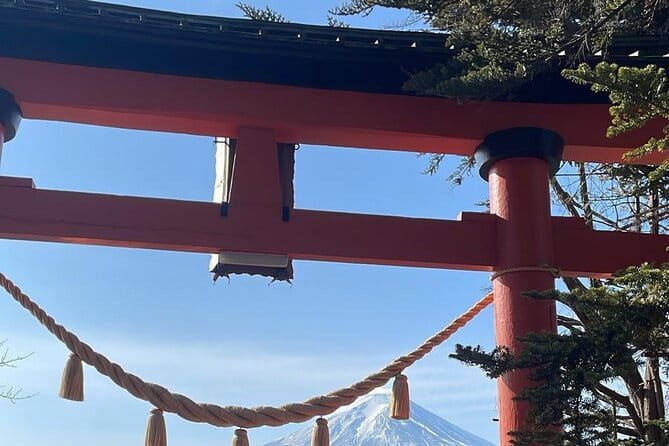
I would recommend it to active visitors who want a gentle way to explore beyond the main Mt. Fuji viewpoints. You do not need to be a serious cyclist, since the electric assistance keeps the ride relaxed, but you should be comfortable spending about two and a half hours on a bicycle.
Families may also like the format. The guide has experience making the ride engaging for children and adults, and the small group keeps the outing from feeling impersonal. The tour is especially appealing if different people in your group have different interests. One person can focus on photographs, another on temples and local culture, and another on the simple pleasure of riding beside the bay.
I would be more cautious if you dislike cycling, have difficulty with stairs, or need a guaranteed Mt. Fuji view. The 50 bridge steps are a specific consideration, and visibility depends on weather. The route is relaxed, but it is still a bicycle tour, not a sightseeing drive.
Booking, weather, and practical details
You receive confirmation when you book, and mobile tickets are accepted. The meeting point is the south exit of Shin-Fuji Station, with the tour ending at the same location.
Cancellation is free up to 24 hours before the start time. Within 24 hours, you do not receive a refund, and changes are not accepted. Since the activity requires good weather, a weather cancellation brings the choice of another date or a full refund.
I would choose a winter morning or day with a favorable forecast if Mt. Fuji photography is important to you. Keep your plans flexible enough to accept that the mountain may be partly hidden. The clearest view is never promised, but winter air gives you a strong chance at sharp scenery when conditions cooperate.
Should you book the Clear View Mt. Fuji E-Bike Tour?
Book it if you want more than a lookout point. You will ride through Fuji City, visit Myoho-ji Temple, see Suruga Bay, sample spring-water sites, and finish at a bridge with a strong Mt. Fuji view. The electric bike, five-person limit, and guide Yasu Hasegawa make the outing accessible and personal.
Skip it if you want a guaranteed clear summit, dislike bikes, or prefer a longer visit at each attraction. For everyone else, the tour offers a useful balance: enough cycling to feel connected to the place, enough stops to keep the pace varied, and enough local explanation to make Fuji City feel like more than a backdrop.
FAQ
Where does the Mt. Fuji e-bike tour begin and end?
The tour begins at the south exit of Shin-Fuji Station in Fuji, Shizuoka, and ends back at the same meeting point.
How long does the experience last?
The full tour takes approximately two hours and 30 minutes, including the ride, stops, and return to Shin-Fuji Station.
How many people can join the tour?
The maximum group size is five participants.
What equipment is included?
The tour includes a Miyata Ridge Runner electric-assisted bicycle, a rental helmet, insurance, and free kairo heat packs during the winter season.
Is bottled water provided?
No. You should bring your own drinks because bottled water is not included.
What happens if bad weather cancels the tour?
If poor weather causes a cancellation, you are offered another date or a full refund. For personal cancellations, you can receive a full refund if you cancel at least 24 hours before the start time.
More Winter Tours in Mount Fuji
- 1-Day Snow Monkeys, Zenko-ji Temple & Sake in Nagano
★ 5.0 · 1,020 reviews - Nagano: Snow Monkeys, Zenkoji Temple & Sake Day Trip
★ 4.9 · 833 reviews - From Tokyo: Snow Monkey 1 Day Tour with Beef Sukiyaki Lunch
★ 4.6 · 295 reviews - From Tokyo: Private Tour Snow Monkey Park & Zenko-ji Temple
★ 4.7 · 184 reviews
Just added around Mount Fuji
- Ramen Cooking Class at Lake Kawaguchiko (Short Course)★ 5.0 · 42 reviews
- Private Fuji Full-day Car Tour with Hotel Pickup -Local Guide★ 5.0 · 12 reviews
- Private Local Hiking to enjoy the nature and culture of Mt.Fuji★ 5.0 · 22 reviews
- Cute & Fun E-Car tour following guide around Lake Kawaguchiko★ 5.0 · 54 reviews
- Sushi Cooking Class at Sushi Factory -KIWAMI- Mt.Fuji★ 5.0 · 23 reviews
- Ramen Cooking Class at Ramen Factory in Mt.Fuji★ 5.0 · 101 reviews
- Fujisan Sushi Making Lesson★ 5.0 · 16 reviews
- Early Morning Kayaking With Views of Mt Fuji at Lake Kawaguchiko★ 5.0 · 69 reviews
Winter Activities, compared.

1-Day Snow Monkeys, Zenko-ji Temple & Sake in Nagano
Our verdict →
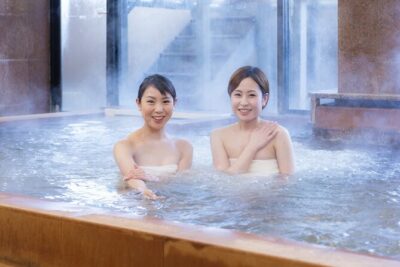
Full Day Private Skiing / Snowboarding Tour in Sapporo
Our verdict →
Snowshoeing and Onsen Adventures in a Winter Wonderland -Sapporo.
Our verdict →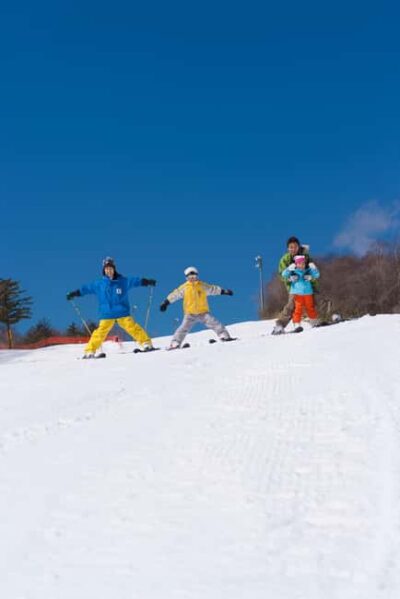
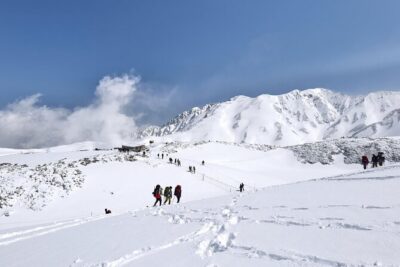
Day Tour from Kanazawa OR Toyama: Snow Wall and Mysterious Valley
Our verdict →
Snowshoe Hike Tour from Sapporo include hotel p/up & drop off
Our verdict →
2026 Hida Takayama Shirakawa-go Light-up Winter Tour
Our verdict →Browse the lists this tour appears in