
Reviewed · FOOD & DRINK
Tokyo: Secret Food Walking Tour
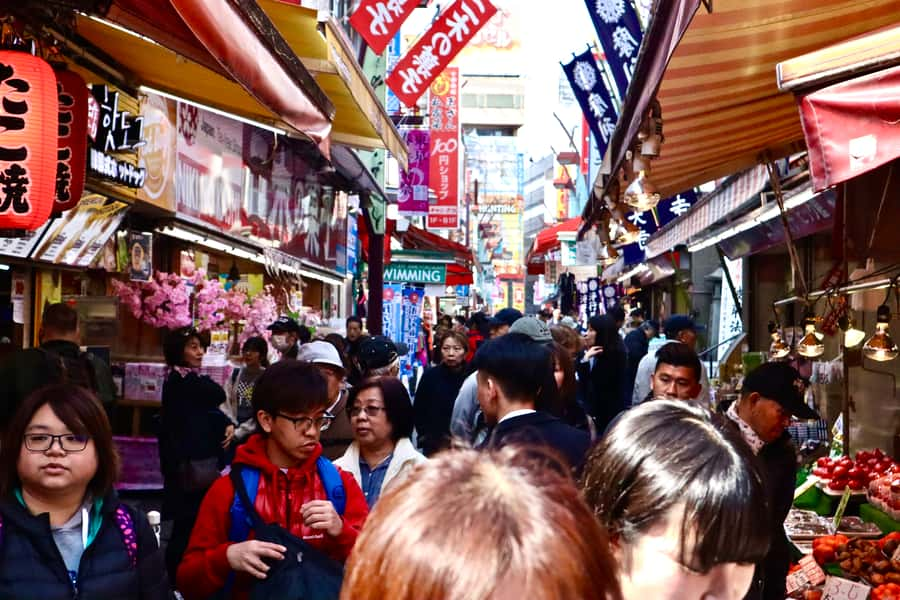
Tokyo’s best food often hides in plain sight, and this tour takes you beyond the easy tourist choices. Starting at JR Ueno Station, you’ll eat your way through sushi shops, dumpling counters, a standing bar, sweet stops, and one surprise dish.
I like the generous amount of food and the easy mix of eating with local culture. Guides such as Shonan, Natsumi, and Kaho are praised for warm conversation and fluent English. The main drawback is that the historical explanation may feel light if your top goal is learning about Ueno rather than eating well.
Key points at a glance
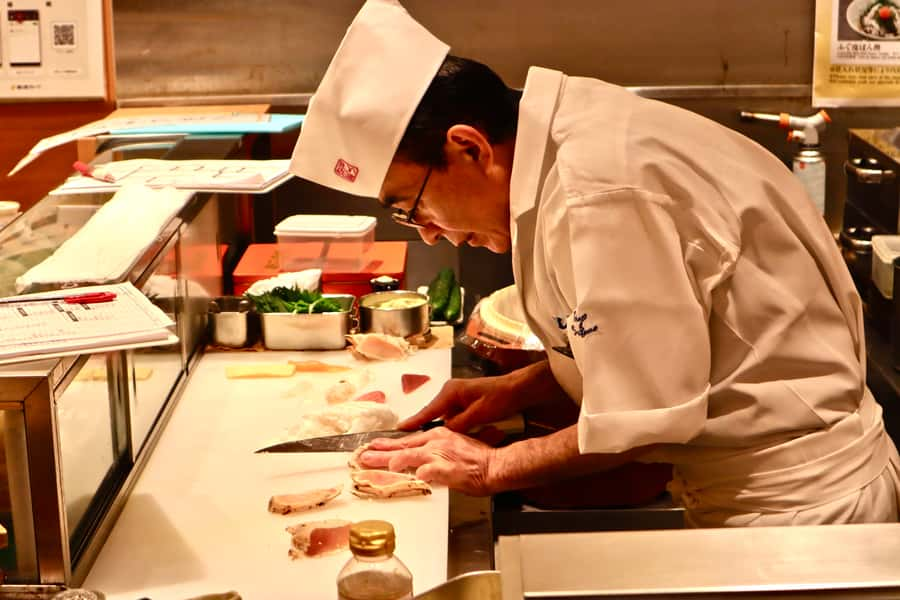
- Start with fresh sushi near Ueno Station: A practical first taste of Japanese food culture.
- Eat at local-style stops: Gyoza and yakitori introduce you to everyday dishes beyond sushi.
- Expect a full meal, not a few samples: Come hungry, since the portions and number of tastings add up.
- Try a standing restaurant: Yakitori comes with draft beer or a flavored sawa in a casual tachinomiya.
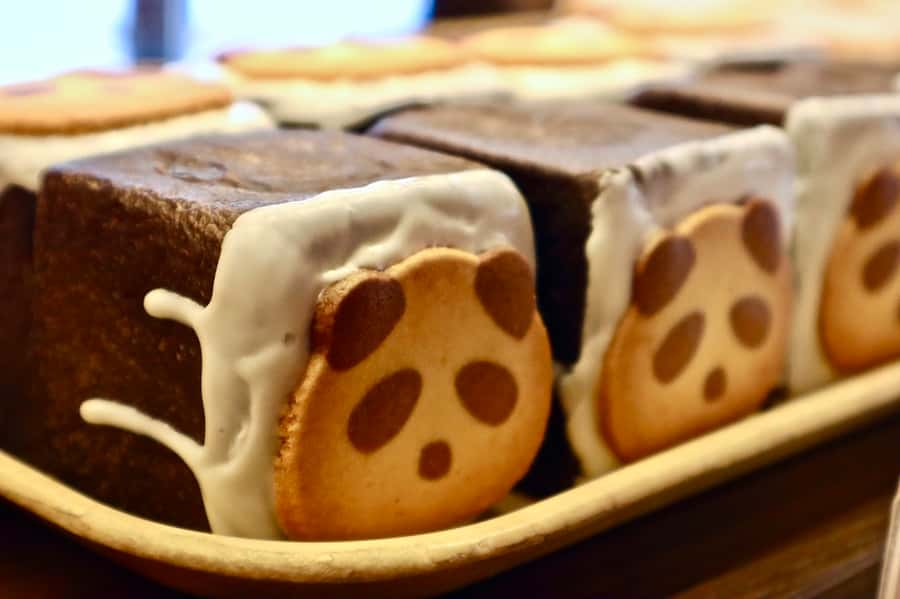
- Finish with sweets and a secret dish: Manju or seasonal fruit, matcha ice cream, and a final mystery bite round out the route.
- Meet in a busy station: Find the guide outside the JR Central Gate near the Hard Rock Cafe and the Andersen bakery.
A Food Tour That Gets You Eating Quickly
This is a three to three-and-a-half-hour walking tour built around food first. You meet inside the JR Ueno Station building, outside the JR Central Gate, near the Hard Rock Cafe entrance closest to the bakery named Andersen.
That meeting point matters. Ueno Station has several entrances, and the Hard Rock Cafe has more than one approach. Look for the guide carrying a Secret Tours orange umbrella. If you need to ask for help, show someone this Japanese text: JR上野駅 中央改札外のハードロックカフェ入口付近.
From there, the tour moves through the streets around Ueno before heading toward the downtown district. You return to the same meeting point at the end, so you do not need to arrange a pickup or figure out a distant finish after eating.
The tour price is $150 per person. That is not a cheap lunch, but it includes all the food over several stops, an English-speaking guide, and the benefit of being taken to places you may not spot on your own. If you would otherwise order several dishes, drinks, and desserts across Tokyo, the price becomes easier to justify.
Transportation is not included, and this is not a vehicle-based tour. You walk between food stops, so wear comfortable shoes and keep your schedule free for the full three to three-and-a-half hours.
More Walking Tours in Tokyo
- Tokyo Tsukiji Fish Market Food and Culture Walking Tour
★ 5.0 · 3,184 reviews - Tokyo: Imperial Palace and Shogun Historical Walking Tour
★ 5.0 · 2,251 reviews - Tokyo: Shinjuku Local Bar and Izakaya Guided Walking Tour
★ 4.9 · 1,794 reviews
Sushi Near Ueno Station Starts the Meal
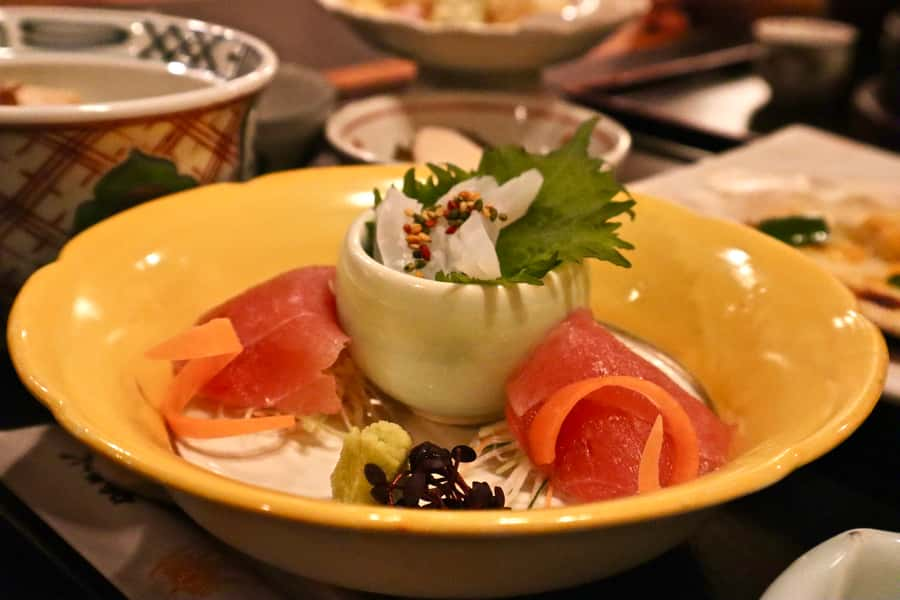
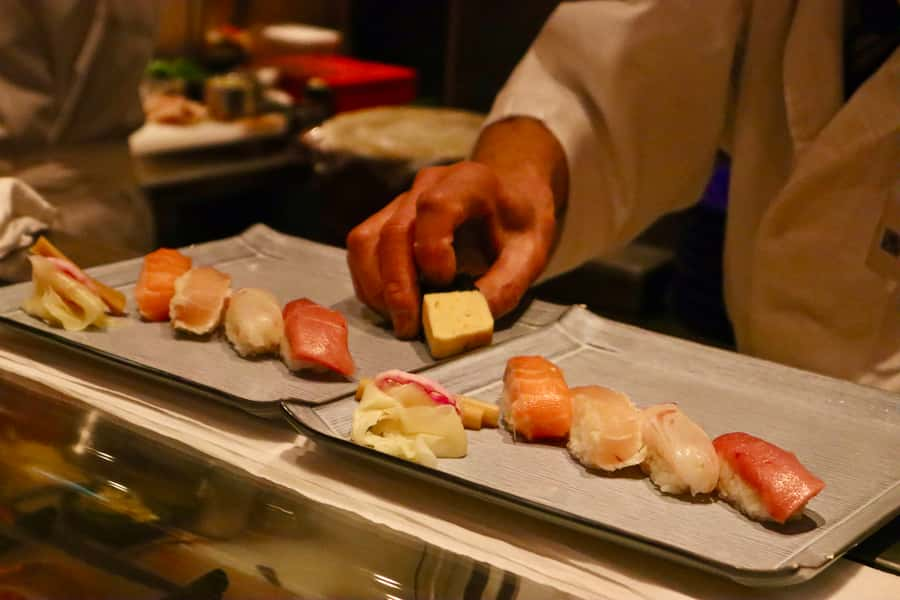
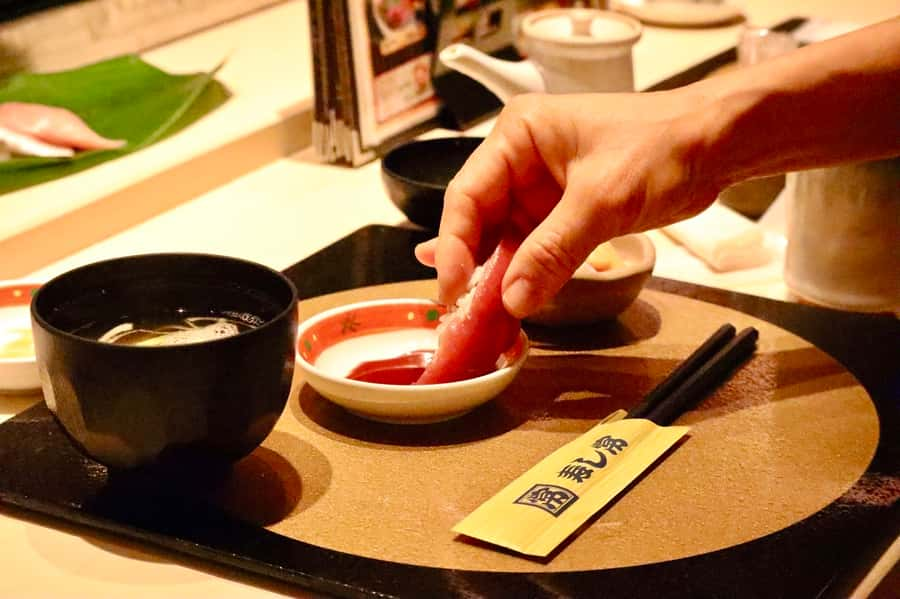
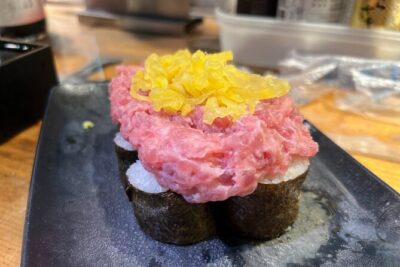
The first stop is one of the area’s popular sushi shops. You begin with freshly made sushi, which gives the tour a clear introduction to the care and simplicity of Japanese food.
This opening stop is useful if you are new to Japanese dining. Your guide can explain what you are eating and how it fits into local food culture, instead of leaving you to guess from a menu. It also gets food on the table soon after the meeting time, though one person noted that a slightly later start could work better if the first restaurant opens at 11:00 a.m.
Do not think of the sushi as the whole meal. It is only the first course in a long sequence. If you eat a full breakfast right before meeting the group, you may struggle later.
Gyoza in the Downtown District
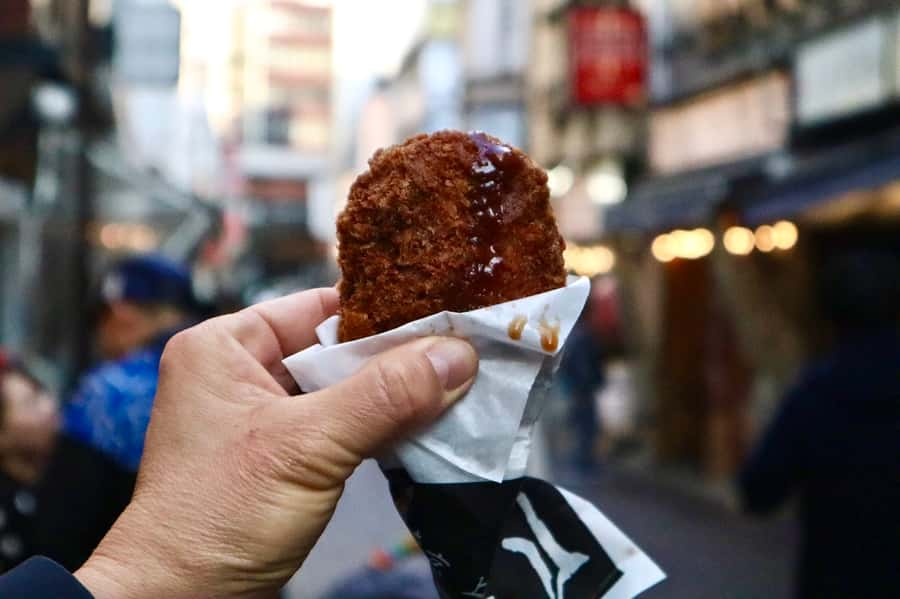
After the station area, you walk toward the downtown district for gyoza. These fried or steamed dumplings usually contain minced meat and vegetables, and they show a different side of Japanese comfort food than sushi.
The value here is contrast. Sushi is neat and delicate. Gyoza is warmer, heavier, and more casual. Having both in one outing helps you understand that Japanese food is not one single style built around raw fish.
Your guide also provides the story behind the dish and its place in local eating culture. Still, keep your expectations balanced. The tour gives you useful background, but the strongest focus is food. If you want a detailed walking lesson on Ueno’s past, this may feel too food-centered.
Yakitori and a Drink at a Tachinomiya
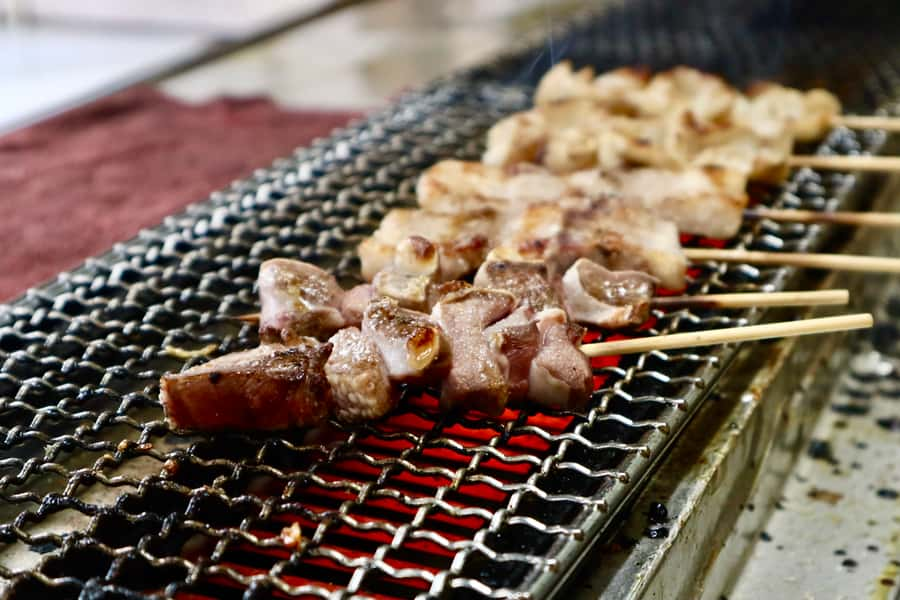
The yakitori stop brings you to a busy tachinomiya, a stand-up restaurant where people eat and drink without a formal sit-down meal. Yakitori means skewered chicken, and it is one of Japan’s most familiar casual foods.
This is one of the tour’s more interesting settings because the restaurant style is part of the lesson. You are not just trying chicken on a plate. You are seeing how a quick drink and a few skewers can form an ordinary social meal.
The yakitori is served with a draft beer or a flavored sawa. A drink upgrade may be available, and it is worth considering if you enjoy matching drinks with food. The combinations can add another layer to the meal, but you should not feel obliged to upgrade if you do not drink alcohol.
The standing format may not suit everyone. You need to be comfortable spending at least part of the meal on your feet, and the restaurant can be busy. That said, it gives the tour a more everyday feel than a polished dining room.
More Food & Drink in Tokyo:
- Tokyo: Shinjuku Food Tour (13 Dishes at 4 Local Eateries)
★ 5.0 · 6,603 reviews - Tokyo: Shinjuku Food Tour (15 Dishes and 4 Eateries)
★ 4.9 · 2,033 reviews - Best of Shinjuku: Izakaya Food Tour (4 Stops, 14+ Tastings)
★ 5.0 · 1,863 reviews - Tokyo: Tsukiji Fish Market Food and Walking tour
★ 5.0 · 1,724 reviews
Sweets, Seasonal Fruit, and Matcha Ice Cream
The route turns from savory food to sweets with a choice of manju or, depending on the season, freshly cut fruit. Manju is a traditional Japanese sweet, often made with a soft outer layer and a sweet filling.
This pause is well timed. After sushi, dumplings, and yakitori, a lighter sweet or fruit course changes the pace. It also gives your guide a chance to explain a food that many first-time visitors might overlook.
Then comes matcha ice cream, a familiar Japanese favorite with a distinct green tea flavor. If you are new to matcha, expect something less sugary and more tea-like than standard vanilla or chocolate ice cream.
The sweet stops are not filler. They show how the tour moves across different parts of Japanese eating culture, from quick station food to traditional sweets and modern dessert habits.
The Secret Dish Is the Final Test
Every tour includes a secret dish served in a cozy setting. The exact food is not given in advance, so you need to be open to trying something you might not order alone.
That is the point of this final stop. You have already tried recognizable dishes, and the surprise course gives the guide room to show you something less obvious. It may become your favorite part, or it may simply be a useful chance to test your palate.
I like this format because it adds a little uncertainty without making the entire tour feel risky. The rest of the route includes familiar choices such as sushi, gyoza, yakitori, and ice cream. You get a safety net of foods you are likely to recognize, plus one unknown course.
What the Guides Add to the Day
The guide can make or break a food walk, and the named guides connected with this experience have different strengths. Shonan is praised for insider suggestions, friendly conversation, and fluent English. Natsumi is described as easy to talk with and especially warm.
Kaho receives praise for creating a relaxed, generous outing with plenty of food and drinks. Kyoko is associated with a pleasant food walk through Ueno. You cannot choose a specific guide from the information provided, but the range of guide names gives you a sense of the personal style built into the tour.
The most useful guide service is not simply translating a menu. It is helping you enter places you might skip on your own. A local food enthusiast can explain what to order, point out the role of a dish, and reduce the worry that comes with choosing an unfamiliar restaurant.
The cultural commentary is present, but it is not the main event. You learn about Tokyo’s food customs, local dishes, and the area as you walk. One direct assessment found the food stops more memorable than the historical context, so book this for eating with some history, not for a formal history tour with snacks.
How Much Food Should You Expect?
Come very hungry. The tour includes sushi, gyoza, yakitori, a drink, a sweet or seasonal fruit, matcha ice cream, and a secret dish. Several people were surprised by how full they felt by the end.
That makes the $150 price easier to assess. You are not paying for one tasting plate and a short explanation. You are paying for a full progression of food, several restaurant visits, and guidance through places you might not find without local help.
Still, appetite and dietary needs matter. The supplied details do not explain vegetarian, vegan, allergy, or other dietary arrangements, so ask the operator before booking if you need changes. Do not assume every stop can be altered.
Alcohol is also part of the yakitori stop through draft beer or a flavored sawa. If you do not drink, confirm what nonalcoholic option is available before you arrive.
Who Will Enjoy This Ueno Food Walk?
This is a strong choice for a first visit to Japan, especially if you want an easy introduction to several common foods in one afternoon. You get sushi without stopping there, then move into dumplings, skewers, sweets, and dessert.
It also suits repeat visitors who already know the basic dishes but want help finding local shops. The value is less about checking famous landmarks and more about eating in places you may not think to enter alone.
Families can enjoy it, too. An eight-year-old joined one outing and had a good time, though children should be ready for a long food-focused walk and several different flavors.
I would be more cautious if your main goal is detailed area history, architecture, or a quiet meal. The route moves through active streets and includes a standing restaurant. It is social, filling, and practical rather than slow and formal.
Practical Details Before You Book
Set aside the full three to three-and-a-half hours. You should not schedule a museum ticket, train departure, or other fixed activity too tightly afterward.
Wear comfortable shoes. The route involves walking between the station area, the downtown district, and the food stops, and you may spend some time standing at the tachinomiya.
The tour is in English. Food is included, while transportation, hotel pickup, and hotel drop-off are not. The tour starts and finishes at the JR Ueno Station meeting point.
Booking remains fairly flexible. You can reserve and pay later, and cancellation up to 24 hours before the tour brings a full refund. Those terms help if your Tokyo plans are still shifting.
Should You Book the Tokyo Secret Food Walking Tour?
Book it if you want a large, varied meal with a friendly English-speaking guide and you like trying local restaurants without doing the research yourself. The best features are the amount of food, the range of dishes, the casual standing-bar stop, and the secret final course.
Skip it if you want a serious historical walk, a small tasting menu, or complete control over every dish. At $150, it needs to replace a substantial meal to feel like good value.
For most food-focused visitors, I would book it early in a Tokyo stay. You can learn the names of dishes, pick up ideas for later meals, and get a practical introduction to how casual Japanese eating works. Just arrive hungry and ready to walk.
FAQ
How long does the Tokyo Secret Food Walking Tour last?
The guided food walk lasts about 3 to 3½ hours.
Where does the tour meet?
It meets inside JR Ueno Station, outside the JR Central Gate, near the entrance to the Hard Rock Cafe closest to the Andersen bakery.
How will I recognize the guide?
The guide will be standing near the meeting point with a Secret Tours orange umbrella.
What food is included?
The tour includes sushi, gyoza, yakitori, a draft beer or flavored sawa, manju or seasonal fruit, matcha ice cream, and a secret dish. The exact secret dish is not specified.
Is transportation included?
No. Transportation, pickup, and drop-off are not included. The tour begins and ends at the JR Ueno Station meeting point.
Is the tour conducted in English?
Yes. The tour is conducted in English by an English-speaking guide.
What should I bring?
Bring comfortable shoes because the experience involves walking between food stops.
Can I pay later?
Yes. You can reserve your place and pay later.
What is the cancellation policy?
You can cancel up to 24 hours in advance for a full refund.
Just added around Tokyo
- Kawagoe Japanese Food Tour : Unagi Kaiseki and Sake near Tokyo★ 5.0 · 30 reviews
- Kawagoe 4hr Private Tour with Licensed Guide (Kawagoe Dep)★ 5.0 · 13 reviews
- Little EDO Sushi Making workshop in Kawagoe★ 5.0 · 18 reviews
- 【R34】Tokyo:Private Daikoku tour in Modified R34★ 4.9 · 92 reviews
- :Tokyo,Shibuya/ Pro Photography in Kimono / English-Friendly★ 5.0 · 26 reviews
- Tokyo:Celebrate Unique Japanese New Year Tradition Festivity★ 3.9 · 20 reviews
- Tokyo: Allstar Food Tour★ 4.7 · 29 reviews
- Tokyo: West-Side Cycling and Food Tour with Guide★ 5.0 · 37 reviews
Food & Drink, compared.
Shinjuku Food Tour (13 Dishes at 4 Local Eateries)
Our verdict →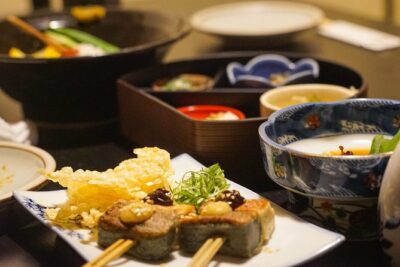
Kyoto Night Foodie Tour in Gion (9+ dishes + 6 Sake tastings)
Our verdict →
1-Day Snow Monkeys, Zenko-ji Temple & Sake in Nagano
Our verdict →
Insider Sake Brewery Tour with Sake and Food Pairing
Our verdict →
Tokyo After 5: Authentic Japanese Food & Drink Night Tour
Our verdict →
Browse the lists this tour appears in