
Reviewed · TAIKO & TRADITIONAL MUSIC
Tokyo’s Authentic and Finest Taiko Drumming Experience
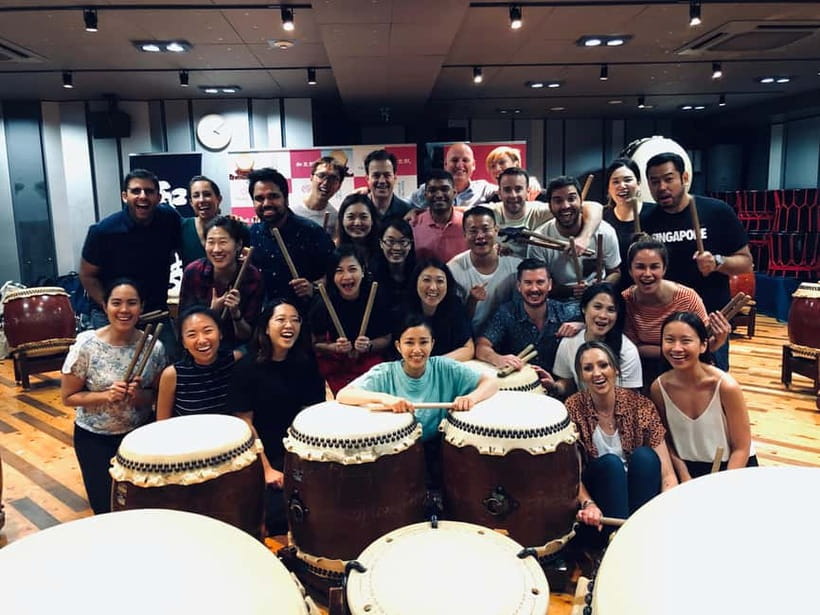
The best thing about this 90-minute taiko workshop is that you do not simply pose beside a Japanese drum and tap out a few beats. Eva Kestner teaches you how to hold the sticks, use your body, follow rhythm patterns, and perform complete pieces. You leave with a better sense of why taiko requires discipline as well as strength.
I like the mix of cultural background and hands-on practice, and I like that the session builds toward both a traditional piece and a contemporary one. Eva also gives a demonstration, and you receive a personal video of your playing afterward.
The main consideration is physical effort. Several participants found the session tiring, and one described it as a serious workout. Wear light, comfortable clothing, bring water, and do not expect to sit quietly for most of the class.
Key Points Before You Book
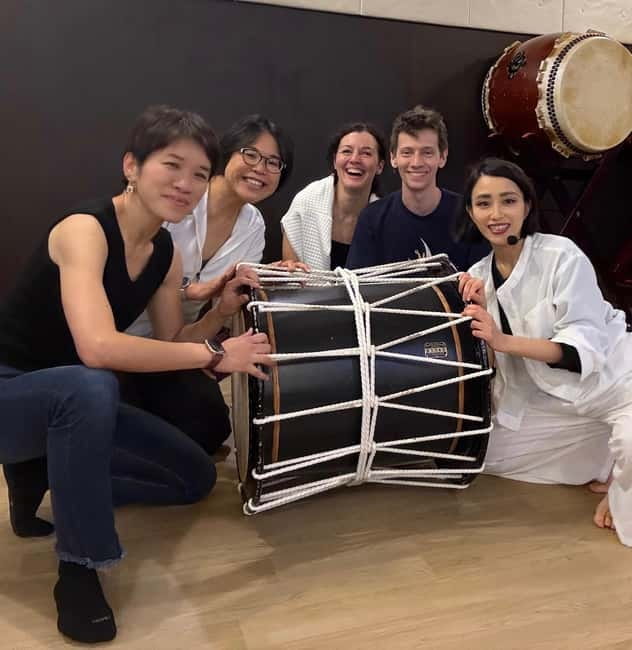
- Learn from Eva Kestner: Eva is a professional taiko drummer, former founder and first musical director of Cornell University’s taiko group, and a recipient of an excellence award from the Tokyo University of the Arts New Artists Competition.
- Play two styles of music: The workshop includes a traditional taiko piece and a contemporary piece, with a regional composition from Miyake Island used in some sessions.
- Expect a workout: Stamina, repeated arm movements, poses, and constant rhythm work make this more active than a typical cultural class.
- Take home a personal video: Your playing is recorded and shared with you afterward for memories and practice.
- No previous skill is needed: Eva starts with foundation training, stick handling, and basic rhythms before moving to performance material.
- Good for private groups and families: The activity suits people who want to make music together, though larger groups must arrange details directly with the provider.
Why Taiko Works So Well as a Tokyo Activity
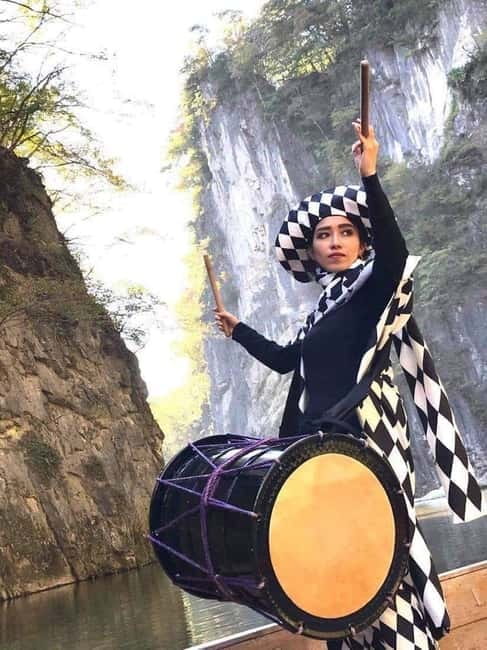
Tokyo offers plenty of cultural activities, but taiko has one useful advantage: you take part with your whole body. You are not just watching a performance or listening to an explanation. You are learning a physical art form where posture, timing, arm movement, and group awareness all matter.
I like this because it gives you a clear task from the start. You hold the sticks, learn the basic form, repeat rhythms, and gradually work toward a piece. The progress is easy to feel, even if your first attempts are rough.
Taiko also gives you a direct introduction to a Japanese musical tradition without requiring previous musical training. You do not need to read music or know Japanese. Instruction is available in English and Japanese, and the class is designed for beginners.
The session is also more serious than a quick holiday photo stop. Eva has a substantial background in taiko performance and teaching. Her original music has been published by HarperCollins and the Cambridge International Curriculum, and her training helps explain why the workshop includes form, rhythm, movement, and cultural context instead of only loud drumming.
More Taiko & Music Experiences in Tokyo:
- Japanese Traditional Music Show in Tokyo
★ 5.0 · 72 reviews - Mt Fuji & Hakone Cruise, Drum Show Bullet Train 1 Day from Tokyo
★ 4.0 · 7,413 reviews - Mt Fuji & Hakone Cruise, Drum Show Bus 1 Day from Tokyo
★ 4.0 · 1,287 reviews
Meeting Eva and Getting the Basics Right
The class begins with an introduction to the taiko drum and its role in Japanese culture. This gives the physical practice some context before you start playing.
Eva then takes you through foundation training. You learn how to hold the taiko sticks and how to position yourself at the drum. This may sound simple, but the body position matters. As you progress, the class asks you to combine stance, arm movement, timing, and controlled force.
I appreciate this staged approach. Beginners often want to make a big sound right away, but taiko is not simply a matter of hitting hard. The class places attention on form and style, which makes the session more useful than a quick rhythm lesson.
Eva’s teaching style is one of the strongest reasons to choose this experience. She is described as patient, clear, energetic, and highly accomplished as a performer. Those qualities matter in a class with fast-moving instructions. You need someone who can show the movement, explain it in plain language, and keep the group moving without making beginners feel lost.
Rhythm Training That Gets You Moving
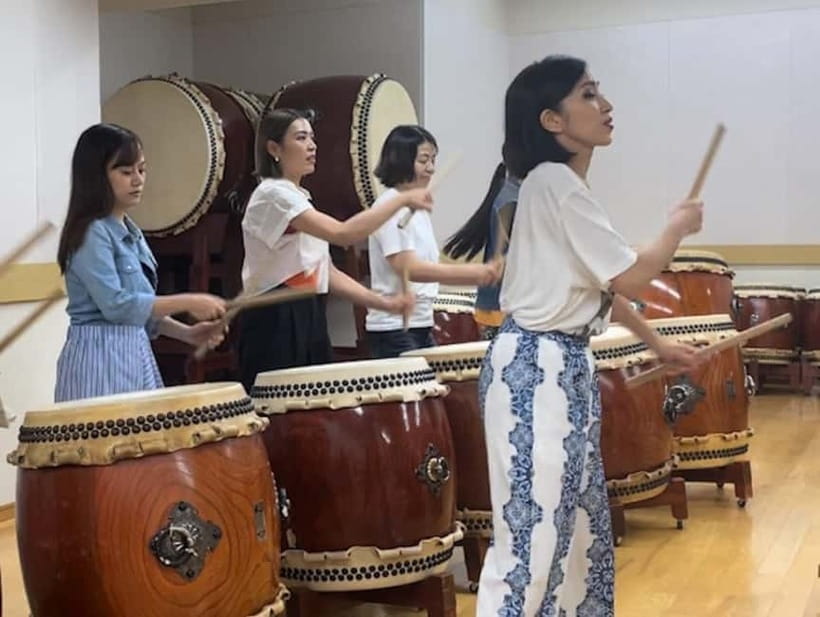
After the basics, the workshop shifts into rhythm training. You work through different beat patterns and learn to keep time while following Eva’s direction.
This is where the physical side becomes clear. You are likely to repeat movements, change rhythms, and stay active rather than stand still. One participant compared the session favorably with another class because the focus and rhythm work kept everyone involved. Others found the class tiring, with sore arms afterward.
That is useful information when planning your day. I would not schedule this immediately before a formal dinner if you dislike arriving warm and worn out. The room may feel hot, so shorts or other light clothing can be sensible. A water bottle is specifically recommended.
The effort is part of the value. Taiko creates a shared rhythm, and the class asks you to pay attention to other people while controlling your own movements. You get a taste of the concentration needed for a full performance, even in a short beginner session.
Learning a Traditional Miyake Piece
The workshop builds toward a traditional composition. In some sessions, that piece comes from Miyake Island, one of the islands near Tokyo. The music includes more than a simple repeated beat. You learn patterns, poses, and coordinated movements that turn the group into a small performance unit.
This section is likely to be the most challenging part of the class. The rhythm training prepares you, but the finished piece still asks you to remember sequences and perform with confidence.
I like that the piece has a regional identity. It gives you something specific to learn rather than a generic drum routine. The class also presents taiko as a disciplined art with its own form and style, not just as a way to make noise.
Some of the arrangements include two different types of drums. Other activities within the class may pair participants, with each person handling different beats and poses. You may also switch on and off the drum as part of the final piece. These details keep the session varied and give each participant a role.
If you have trouble remembering every movement, do not worry too much. Eva leads you through the material step by step. The aim is to take part in a genuine composition at a beginner level, not to produce a polished professional performance in one afternoon.
A few more Tokyo half-days worth comparing
- 1-Day Tokyo Bus Tour
★ 5.0 · 14,250 reviews - Tokyo: TOKYO SKYTREE® Admission ticket
★ 4.5 · 11,192 reviews - Tokyo: teamLab Planets TOKYO Digital Art Museum Entry Ticket
★ 4.6 · 9,779 reviews - Tokyo: Sumo Show Experience with Chicken Hot Pot and a Photo
★ 4.8 · 6,678 reviews
A Contemporary Piece and Eva’s Demonstration
The workshop also includes a contemporary taiko piece. This is a useful counterpoint to the traditional material. You can see how taiko connects to current performance practice while still relying on the same basic skills: timing, posture, movement, and controlled power.
Eva performs a demonstration during the class. This is more than a pleasant extra. Seeing an experienced drummer use the instrument helps you understand the difference between simply striking the drum and shaping a performance.
I would pay close attention to her body movement and timing. The demonstration gives you a clear model for the techniques you are practicing, and it lets you hear the force and rhythm of taiko from close range.
The class moves quickly, which is part of its appeal and part of its challenge. You cover foundation work, rhythm exercises, traditional material, contemporary material, and a demonstration within 90 minutes. You get a lot for the time, but you should expect instruction rather than long breaks.
The Personal Video Is a Useful Souvenir
At the end of the workshop, you receive a personalized video of yourself playing taiko. This is one of the most practical extras included in the price.
A normal souvenir shows where you went. This one shows what you learned. You can use the recording to remember the rhythm, check your form, and share the experience with friends or family. A private YouTube link has also been used for practice access.
The video will not make you look like a professional taiko performer, and that is not the point. It captures your participation in the class and gives you a way to revisit the session after returning home.
I especially like this feature for families and private groups. You can leave with a shared record of making music together, rather than only a few photographs taken before the activity begins.
What the $120 Price Really Covers
At $120 per person, this is not a bargain-priced casual activity. The value depends on what you want from a cultural experience.
You are paying for 90 minutes of instruction from an accomplished professional, use of taiko drums and sticks, structured foundation and rhythm training, two types of repertoire, a demonstration, cultural background, and a personal recording. If you only want to try a drum once, the price may feel high.
I think the cost makes more sense if you value direct instruction and a lasting souvenir. Eva’s professional background gives the lesson more depth than a basic entertainment workshop, and the class is designed to teach rather than simply occupy an hour.
The private-group option can also make the price worthwhile for families, friends, or organized groups that want a shared activity. Groups larger than 20 people need to contact the provider directly. For large groups, the studio is described as about 20 minutes from Shibuya by train.
Location and Planning Details
The activity takes place in central Tokyo, but the exact meeting point can vary depending on the option booked. Check the meeting information carefully before heading out.
For large groups, the studio is about 20 minutes from Shibuya by train. The available meeting point may differ for other bookings, so do not assume that every session starts in the same place.
The class lasts 90 minutes, with starting times based on availability. English and Japanese instruction are offered. Private groups are available, which is useful if you want to keep the class within your own family or party.
Wear clothing that allows free movement. Comfortable clothes are required, and a water bottle is strongly advised. I would also choose shoes and clothing that you do not mind wearing during an active class.
You do not need prior taiko experience. The workshop begins with the fundamentals, so a complete beginner can take part.
Who Will Enjoy This Most
I would recommend this to you if you want to do something active and distinctly Japanese. It suits people who enjoy learning by doing, rather than sitting through a lecture or watching a performance from the audience.
Families can have a good time here, especially if everyone is willing to make noise, follow instructions, and laugh at a few missed beats. Friends and couples also get a shared challenge, with paired rhythms and performance sections adding variety.
The class is a good match for music lovers, but you do not need musical training. It also suits people looking for a more focused activity after a day of sightseeing.
I would be cautious about booking it if you have limited energy, dislike repeated arm movements, or want a relaxed cultural outing. The session can be exhausting, and the pace leaves little room for a long rest.
Is Eva’s Taiko Workshop Worth Booking?
I would book this if I wanted a serious introduction to taiko without committing to a long course. The combination of Eva’s expertise, clear beginner instruction, traditional and contemporary music, live demonstration, and personal video gives the 90 minutes real substance.
The strongest reason to choose it is Eva herself. Her performance background and teaching experience shape the class, and the instruction goes beyond simply hitting a drum. The main warning is physical: you will work, sweat, and possibly feel your arms the next day.
Choose it for an active cultural experience with a useful keepsake. Skip it if you want something quiet or effortless. For most people who enjoy participation and do not mind a workout, this is a memorable way to connect with Japanese music in Tokyo.
FAQ
Do I need previous taiko drumming experience?
No. The workshop is designed for beginners and includes foundation training before moving into rhythm work and complete pieces.
How long does the taiko workshop last?
The workshop lasts 90 minutes.
What languages are available?
Instruction is available in English and Japanese.
What should I bring?
Bring comfortable clothing and a water bottle. The class can be physically demanding, so clothing that allows free movement is best.
Are drums and drumsticks provided?
Yes. Taiko drums and taiko drumsticks are provided as part of the workshop.
Do I receive a recording of my performance?
Yes. You receive a personalized video of yourself playing the taiko drums after the workshop.
Just added around Tokyo
- Kawagoe Japanese Food Tour : Unagi Kaiseki and Sake near Tokyo★ 5.0 · 30 reviews
- Kawagoe 4hr Private Tour with Licensed Guide (Kawagoe Dep)★ 5.0 · 13 reviews
- Little EDO Sushi Making workshop in Kawagoe★ 5.0 · 18 reviews
- 【R34】Tokyo:Private Daikoku tour in Modified R34★ 4.9 · 92 reviews
- :Tokyo,Shibuya/ Pro Photography in Kimono / English-Friendly★ 5.0 · 26 reviews
- Tokyo:Celebrate Unique Japanese New Year Tradition Festivity★ 3.9 · 20 reviews
- Tokyo: Allstar Food Tour★ 4.7 · 29 reviews
- Tokyo: West-Side Cycling and Food Tour with Guide★ 5.0 · 37 reviews
Taiko & Traditional Music, compared.

Mt Fuji & Hakone Cruise, Drum Show Bullet Train 1 Day from Tokyo
Our verdict →
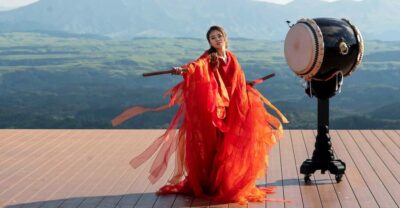
Open-air theater “Tao- no-Oka” Drum TAO Live performance
Our verdict →

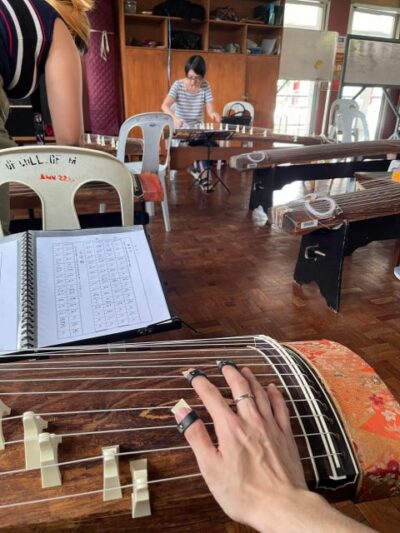
Experience the Soul of Hiroshima: A Peaceful Koto Workshop
Our verdict →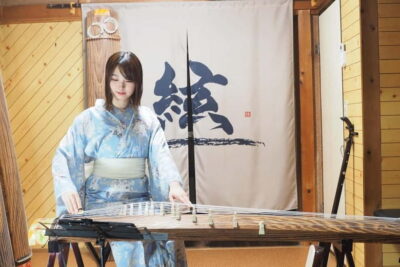
Browse the lists this tour appears in